The home of architecture and design in the Asia-Pacific
Get the latest design news direct to your inbox!

Get the latest design news direct to your inbox!
Cycling culture and heritage seldom converge, yet the AITASHOP flagship in Beijing is a space where both coexist.
March 26th, 2026
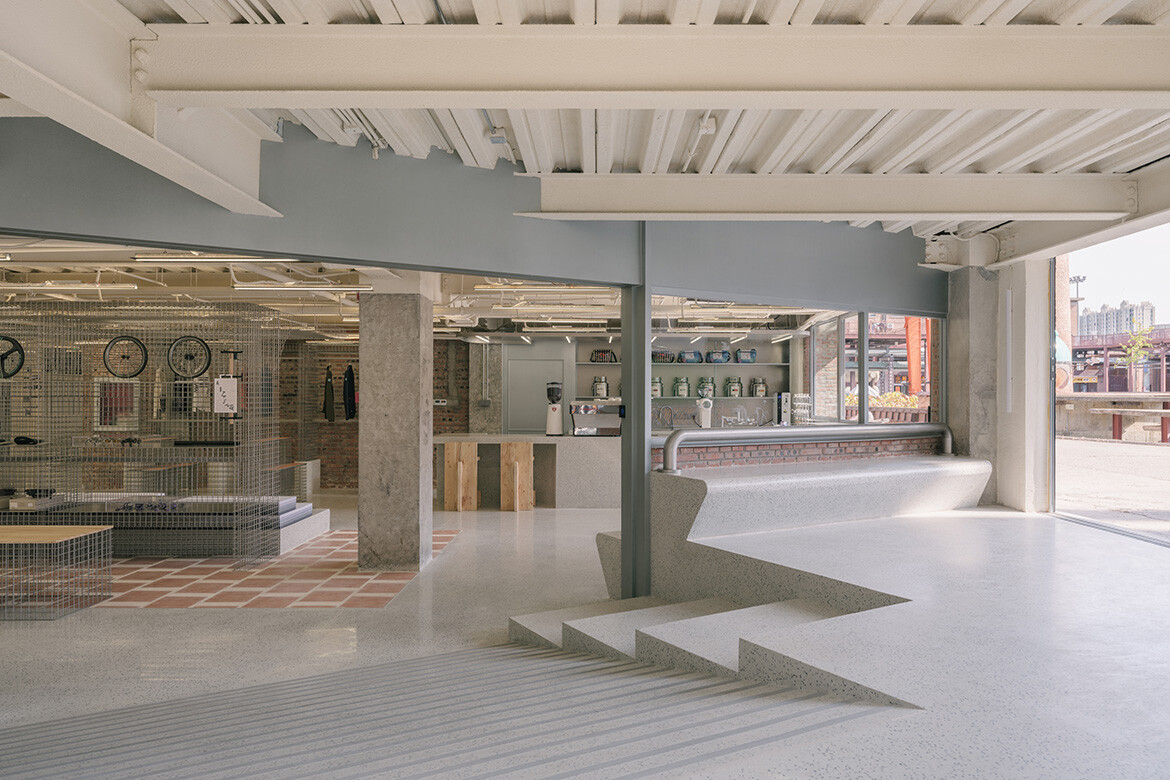
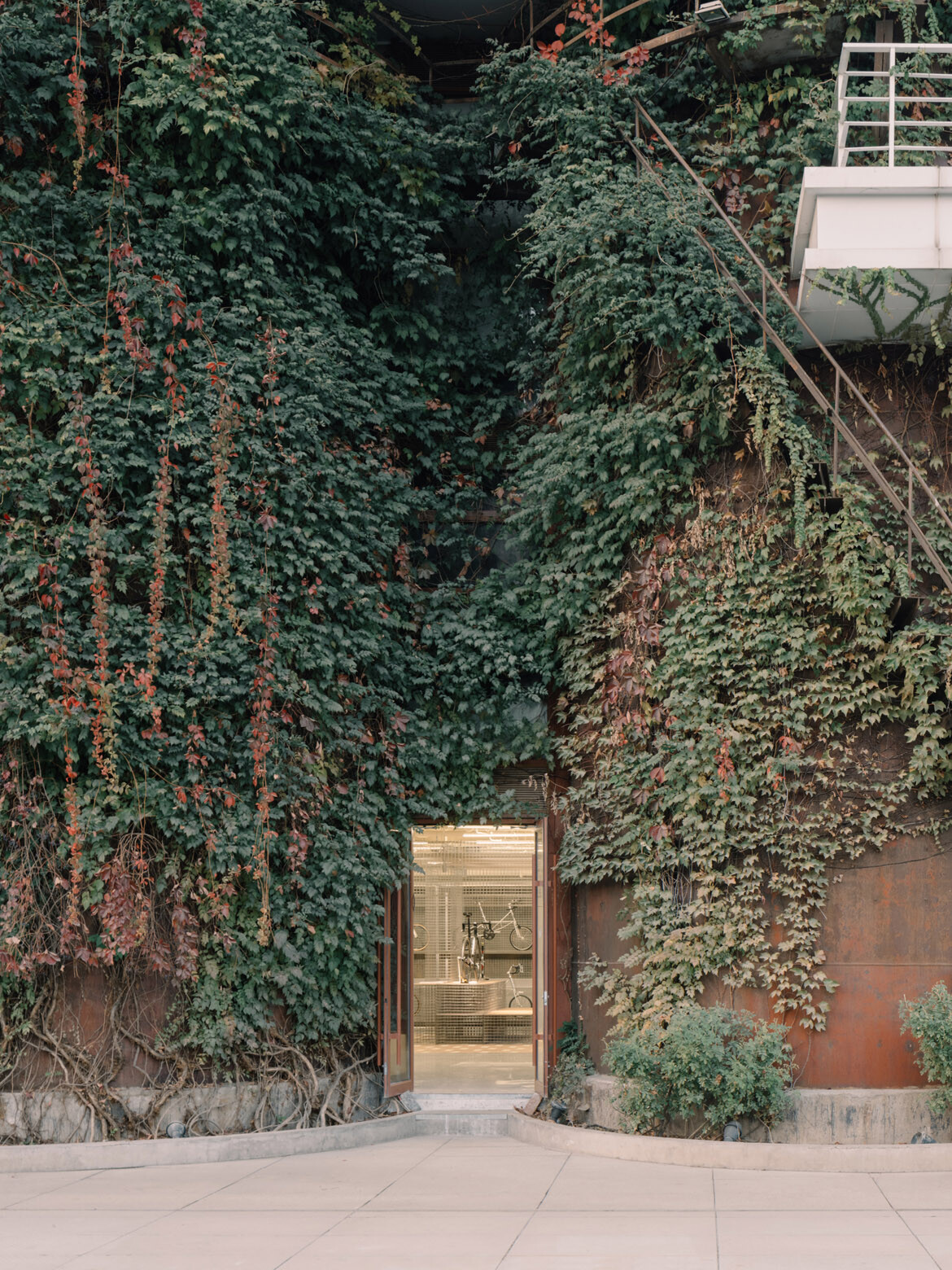
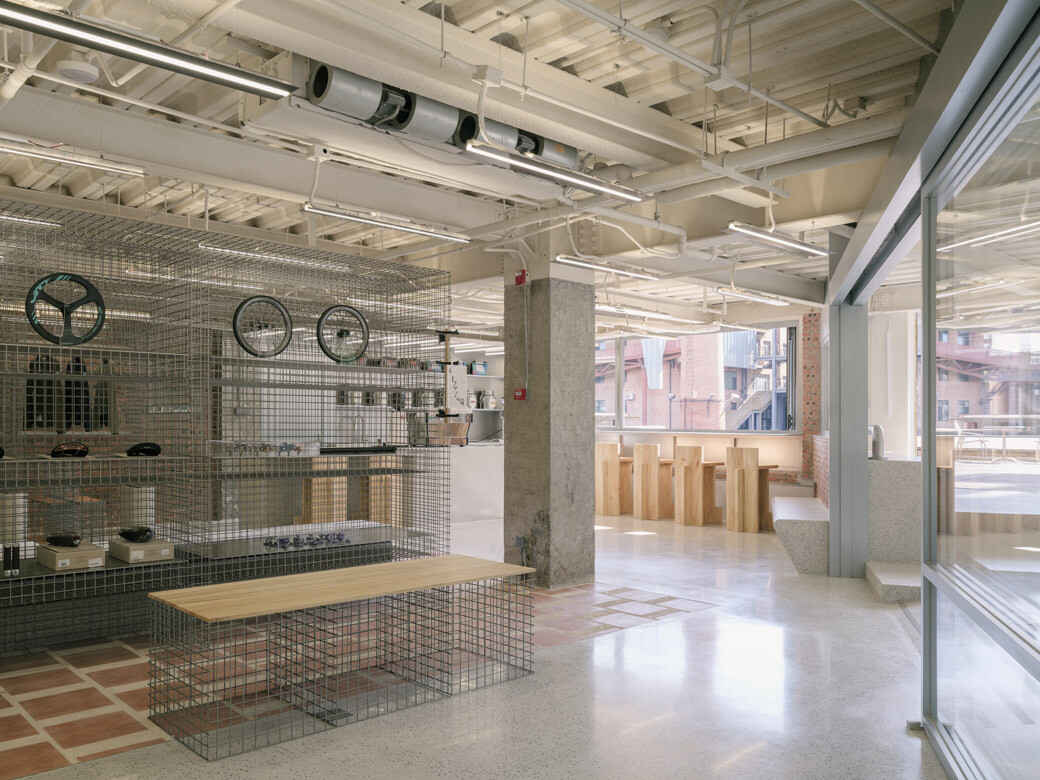
Within the former 751 Chemical Plant, Yatofu Creatives has realised a flagship for AITASHOP that addresses both the industrial framework of the site and the evolving rituals of contemporary cycling. Spanning 1,002 square metres, the project adopts the title The Future Ruin and positions itself between utility and exhibition.
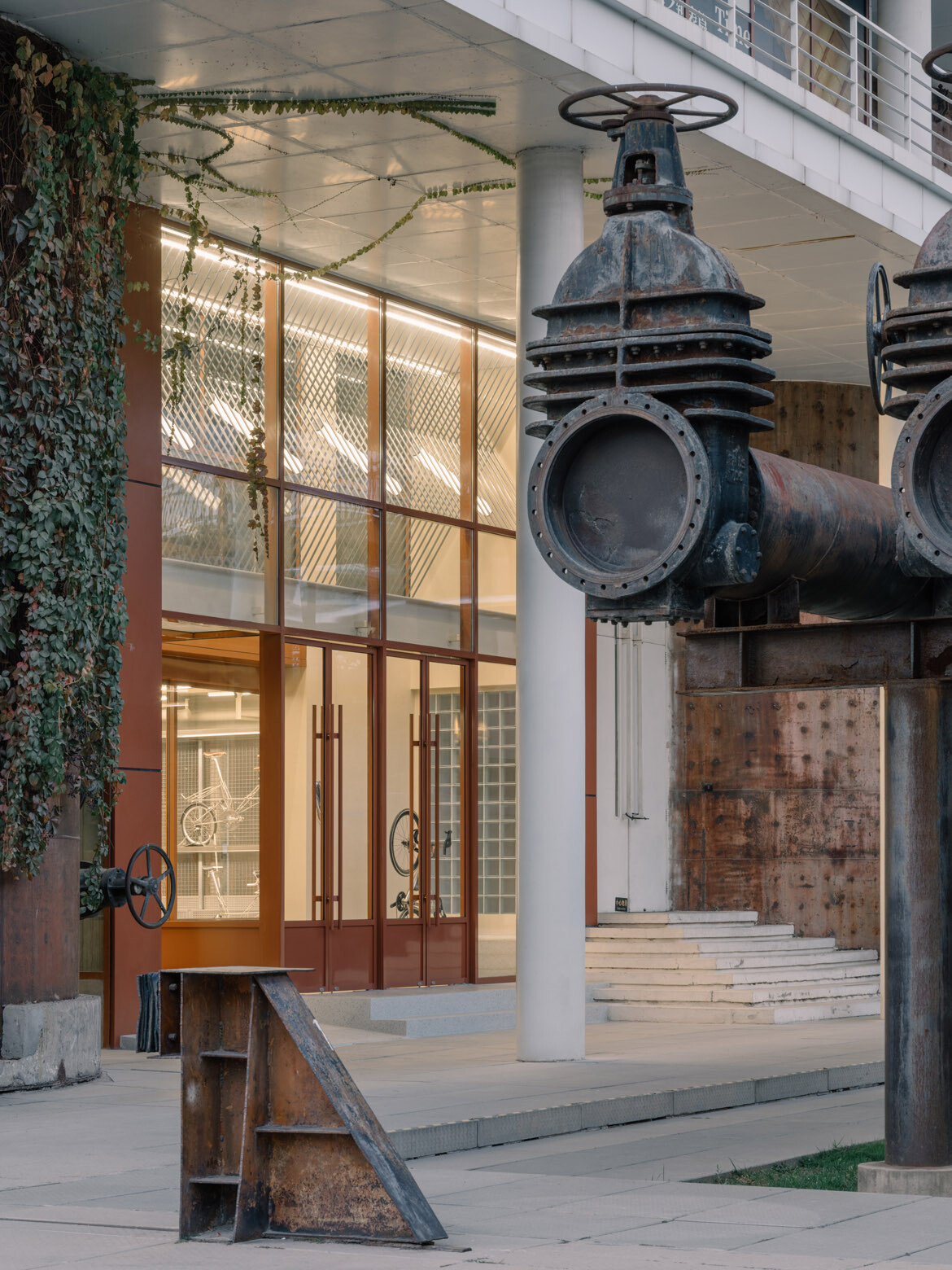
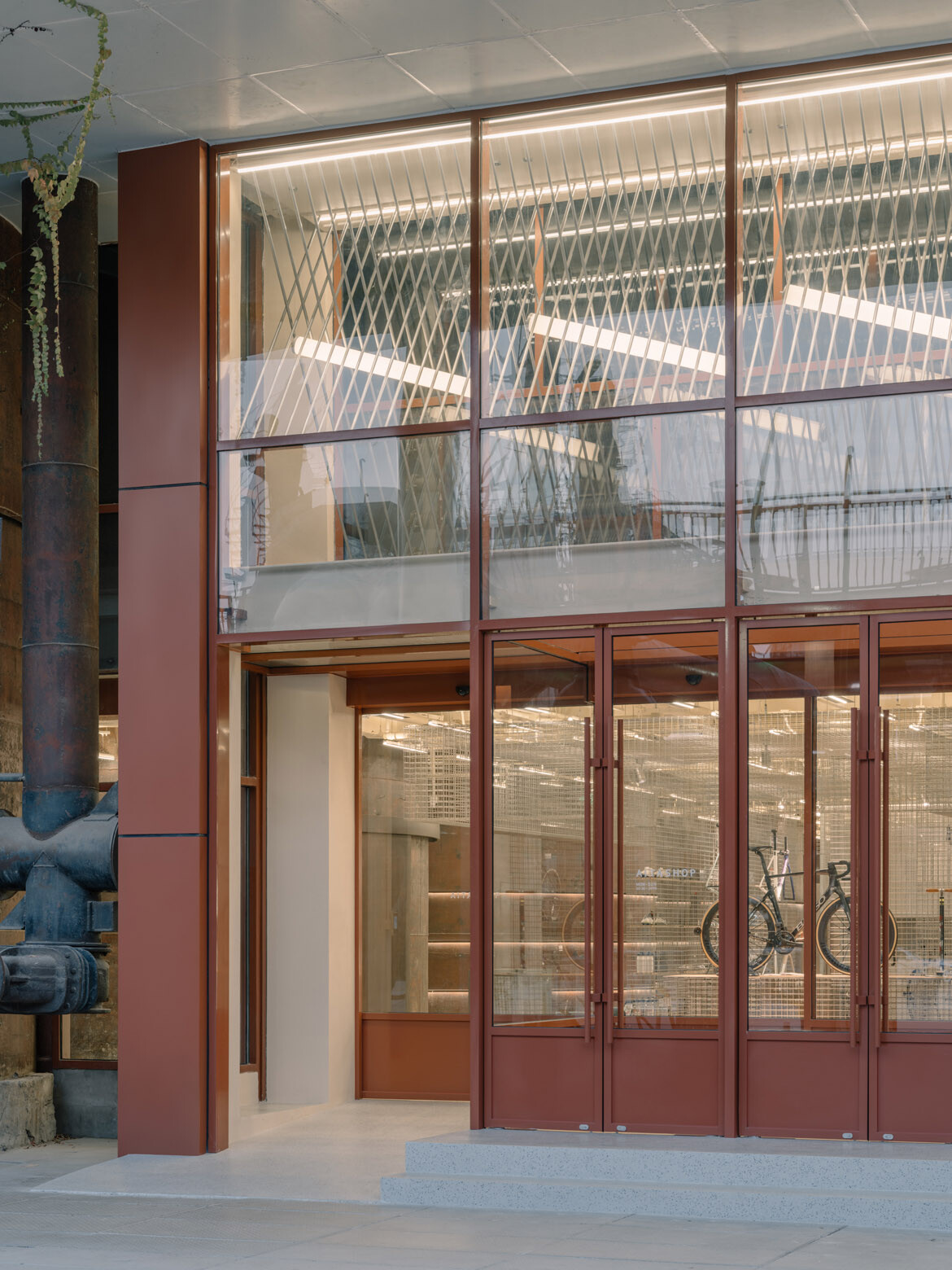
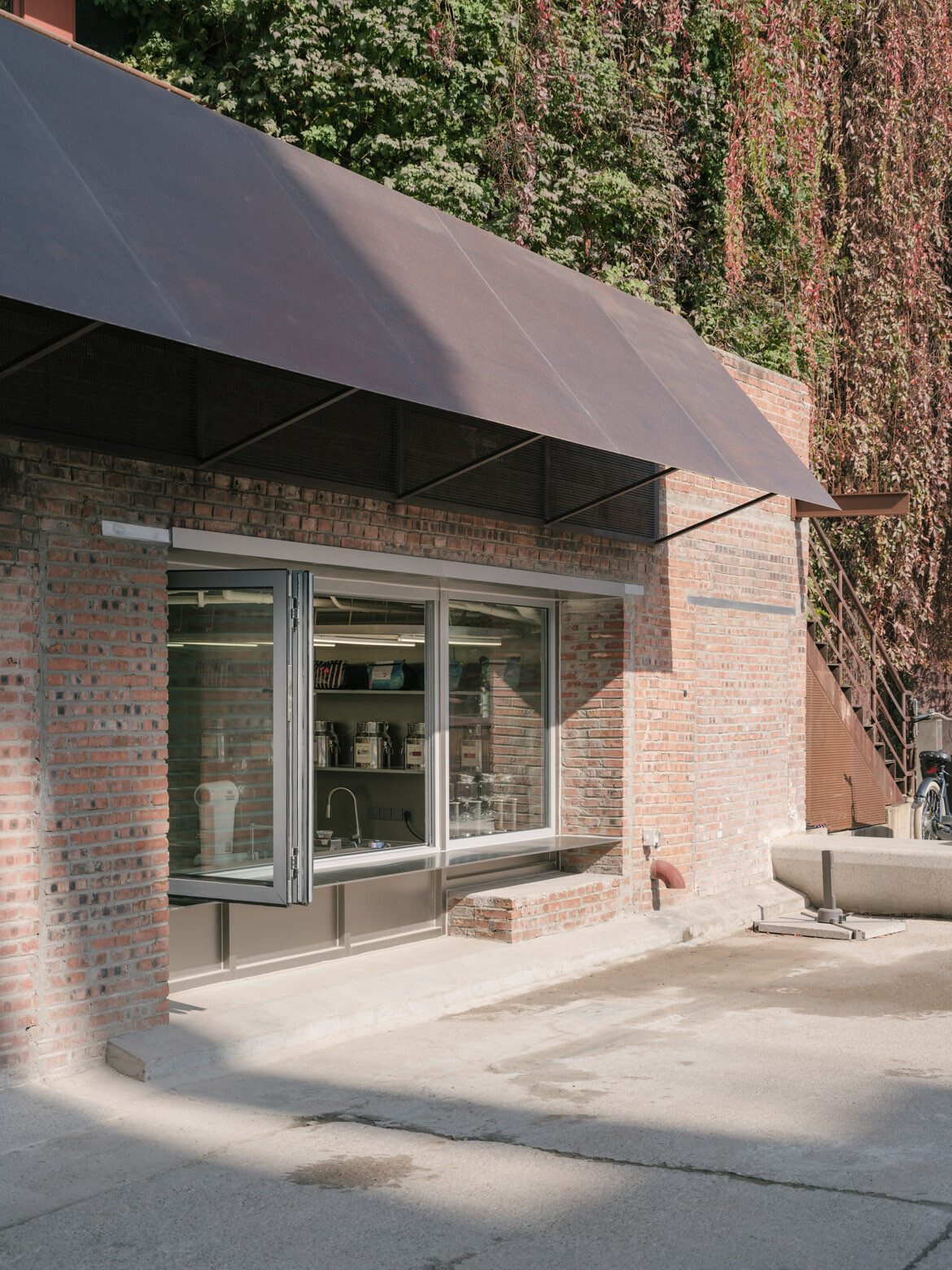
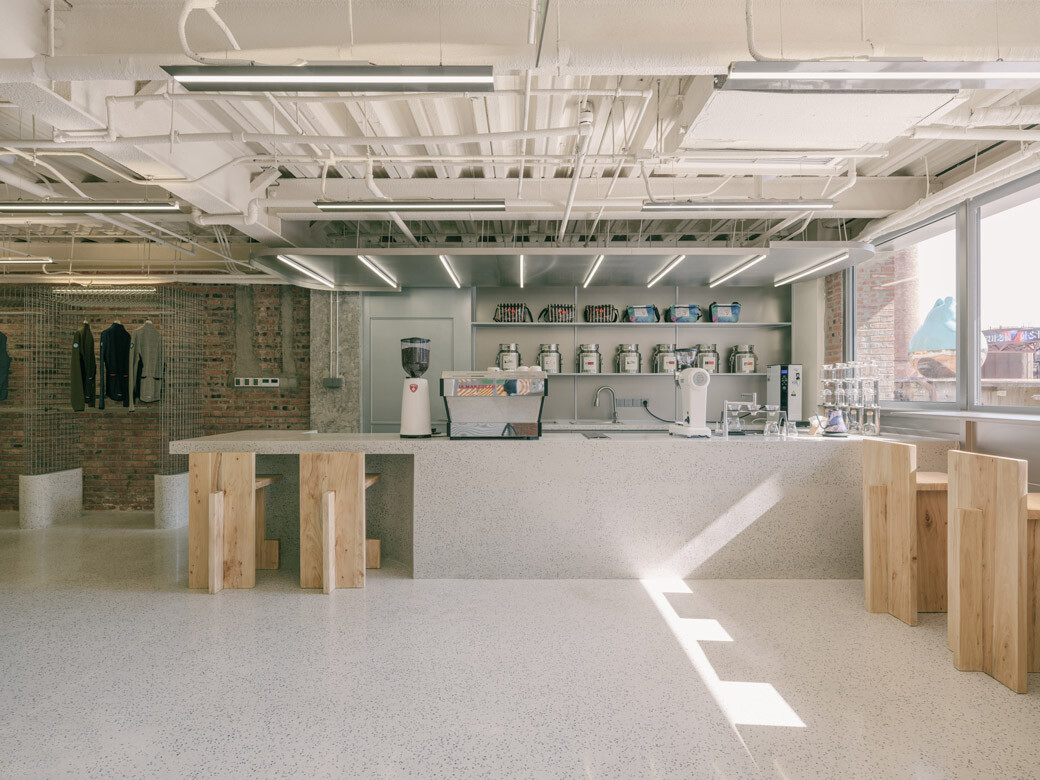
The plan is bifurcated, delineated into two thematic zones: The Garage and The Experience Hub. The Garage, embedded in a lowered entry on the western elevation, functions as a working threshold – housing a maintenance zone, washing station and café-style commons. It also acts as a community node: a shared space for neighbourhood residents and cycling enthusiasts to gather over coffee, relax and socialise. The servicing of bicycles, often relegated to a back-of-house operation, is instead brought to the fore.
Related: Heritage and innovation meet by the river in new NZ theatre
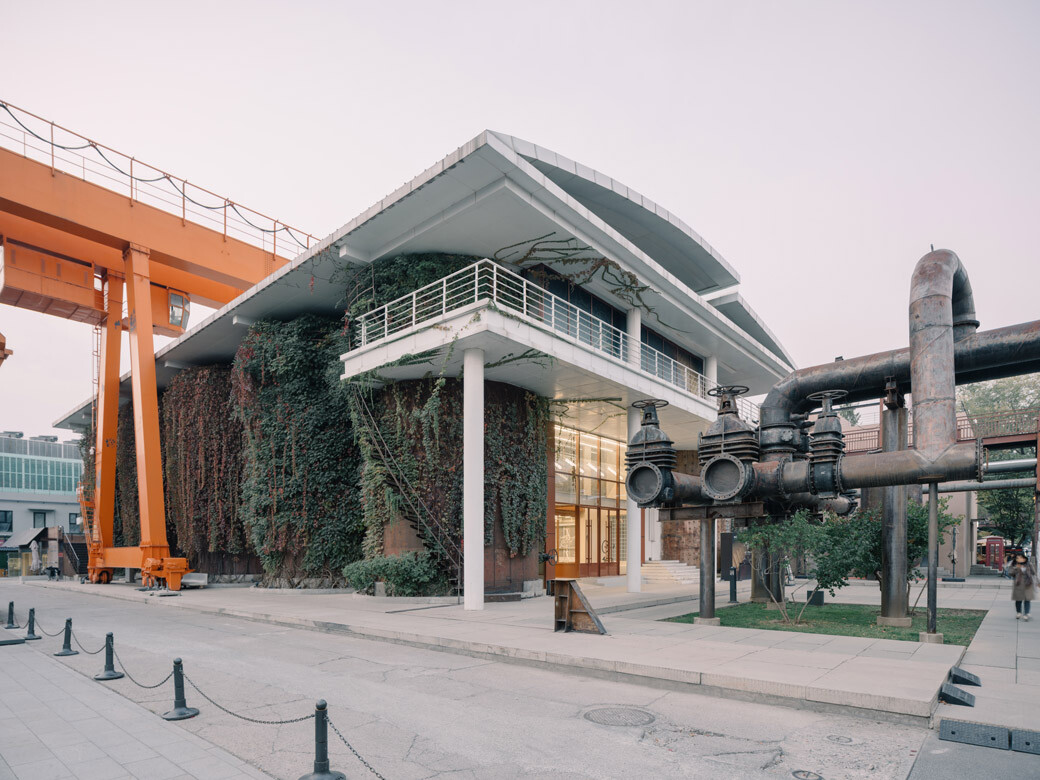
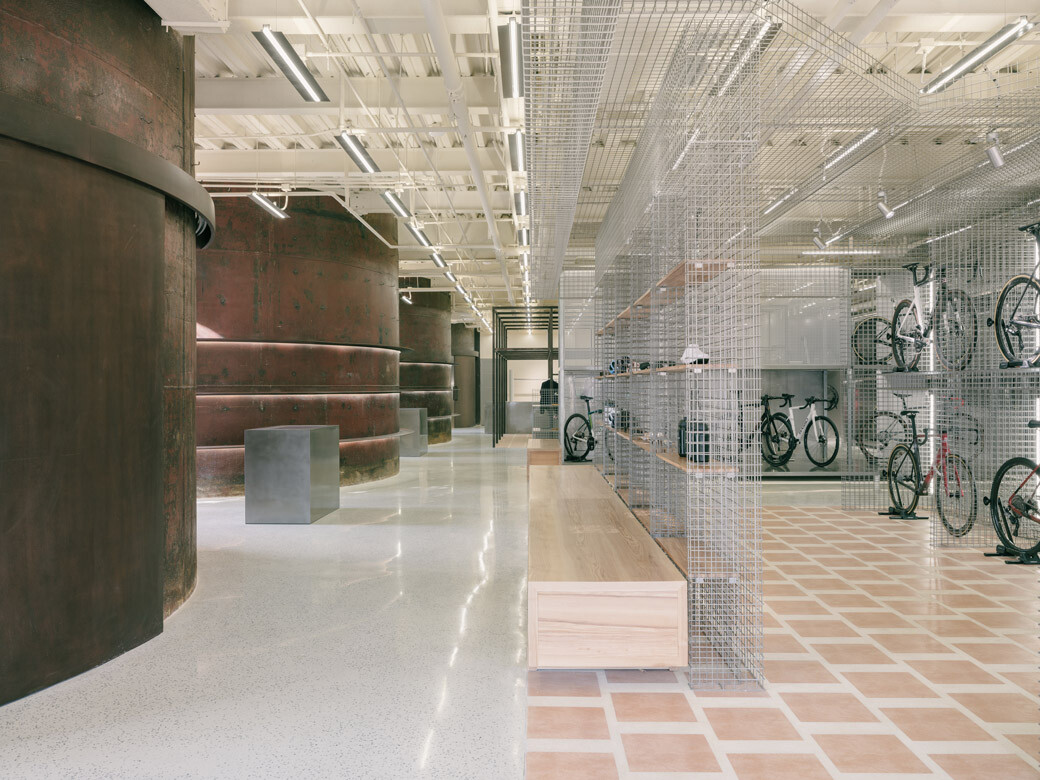
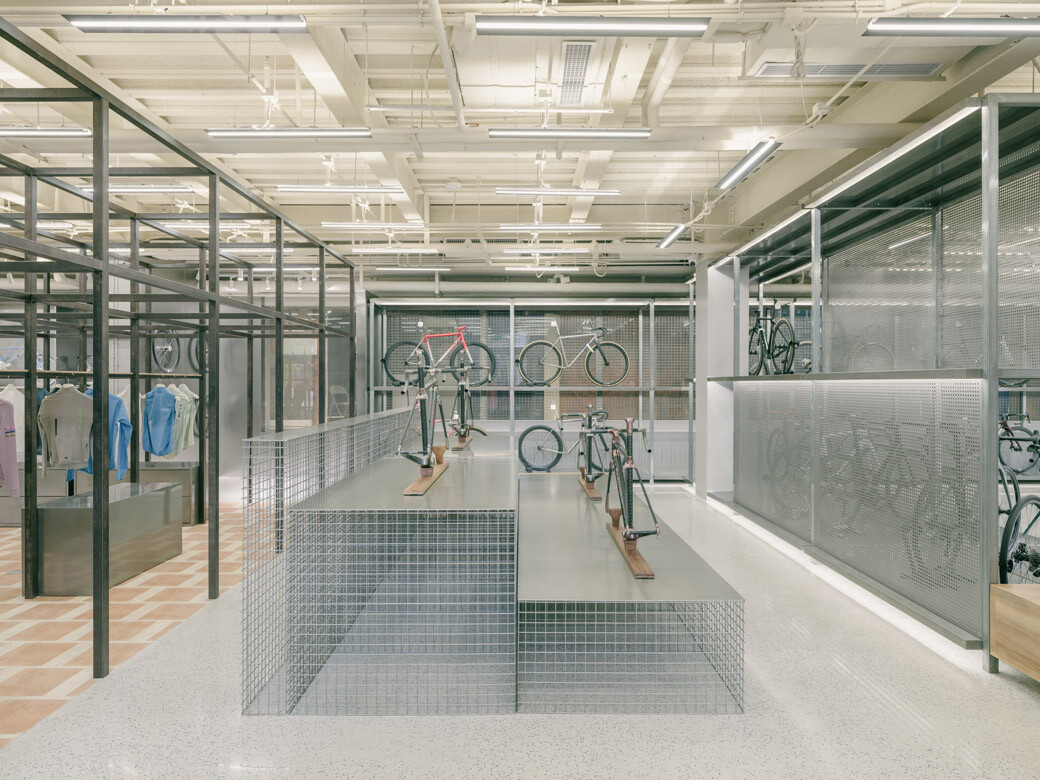
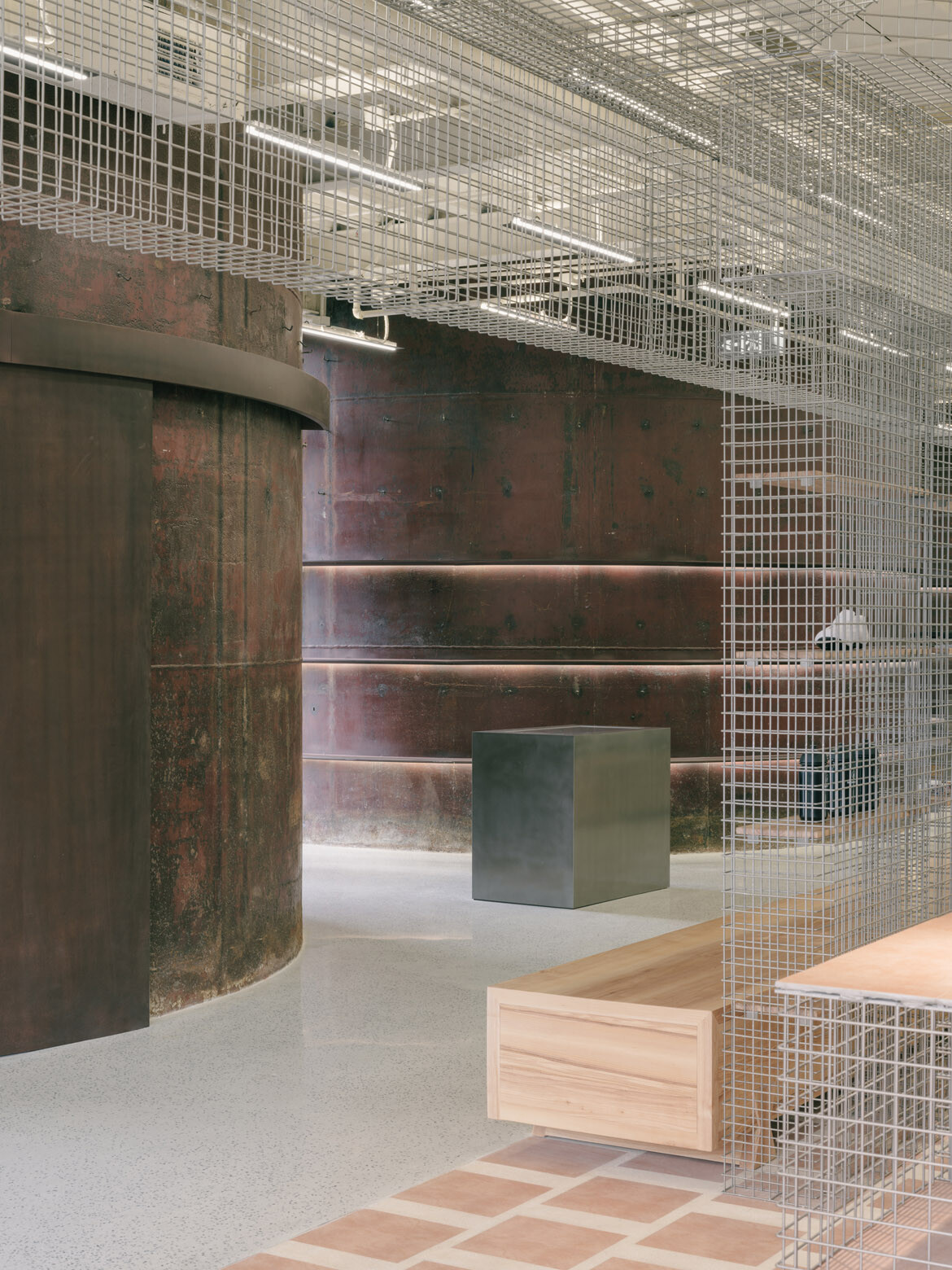
Beyond this, The Experience Hub unfolds around ten decommissioned desulphurisation tanks – relics from the site’s industrial past. These are retained in situ and reframed as axial elements within the retail landscape.
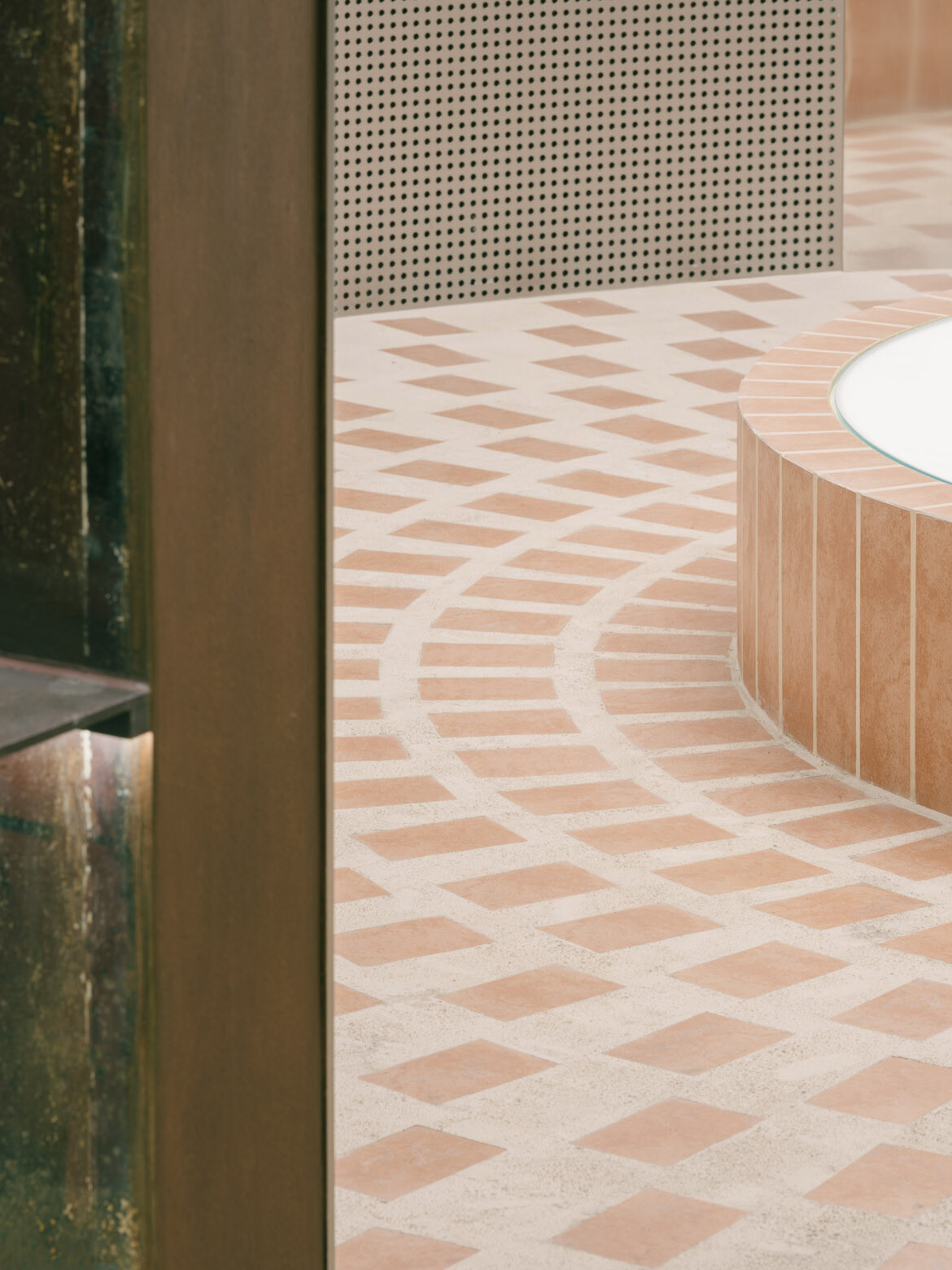
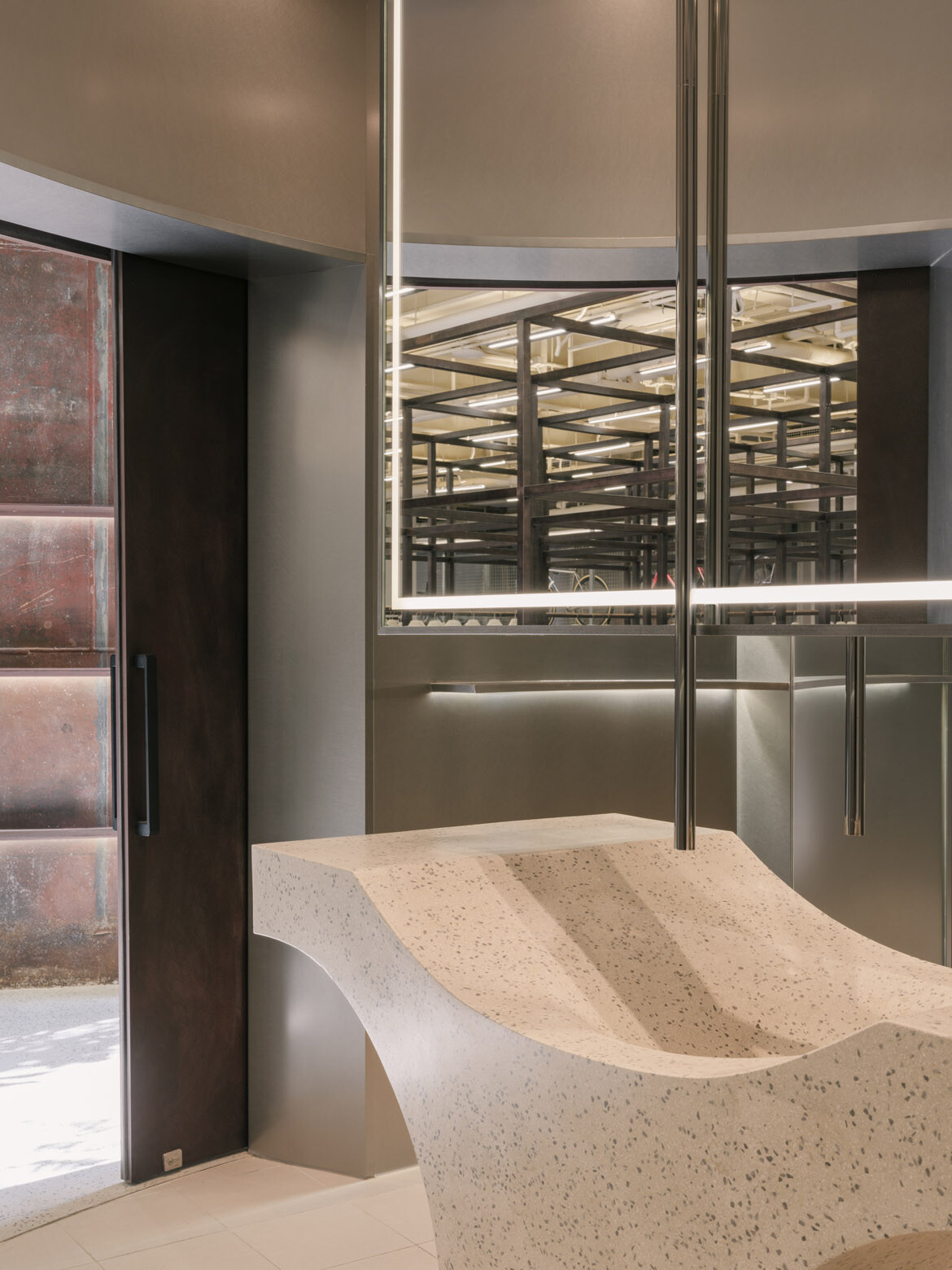
Industrial-grade materials – galvanised mesh, stainless steel and perforated metal – are set against the weathered surfaces of the existing structure. These are joined by pre-rusted steel, microcement, birch ply, recycled wool felt and clay brick. A modular system of display units supports seasonal rotation and product variation, operating as an accessory library within the space. Seating by Artek and custom furniture by Yatofu introduce a quieter register. Intermittent installations and temporary interventions are accommodated throughout, enabling programmed activations beyond retail.
Yatofu Creatives
yatofu.com
Photography
Wen Studio

INDESIGN is on instagram
Follow @indesignlive
A searchable and comprehensive guide for specifying leading products and their suppliers
Keep up to date with the latest and greatest from our industry BFF's!
The internet never sleeps! Here's the stuff you might have missed