The home of architecture and design in the Asia-Pacific
Get the latest design news direct to your inbox!

Get the latest design news direct to your inbox!
John McIldowie, Director of McIldowie Partners, shares his approach to designing regenerative learning environments that go beyond sustainability.

March 24th, 2026
As part of the SpeakingOut! series for the 2026 INDE.Awards, we sit down with John McIldowie, Director at McIldowie Partners, to explore the future of learning environments. Celebrating its 10th anniversary, the INDE.Awards continues to spotlight leaders shaping the Indo-Pacific design landscape.
This episode is proudly supported by Autex Acoustics, partner of The Learning Space category at the 2026 INDE.Awards, recognising innovation in educational design.
For John McIldowie, architecture has always been more than a profession, it’s a lifelong calling. Leading a practice known for its thoughtful approach to education design, McIldowie Partners has developed a reputation for creating spaces that are deeply responsive to both pedagogy and place.
At the heart of the conversation is a clear shift in thinking: moving beyond sustainability as a goal of “doing less harm” to embracing regeneration – design that actively contributes positive environmental and social outcomes. This philosophy underpins the Woodleigh Regenerative Futures Studio, a project that challenges conventional ideas of what a school building can be.
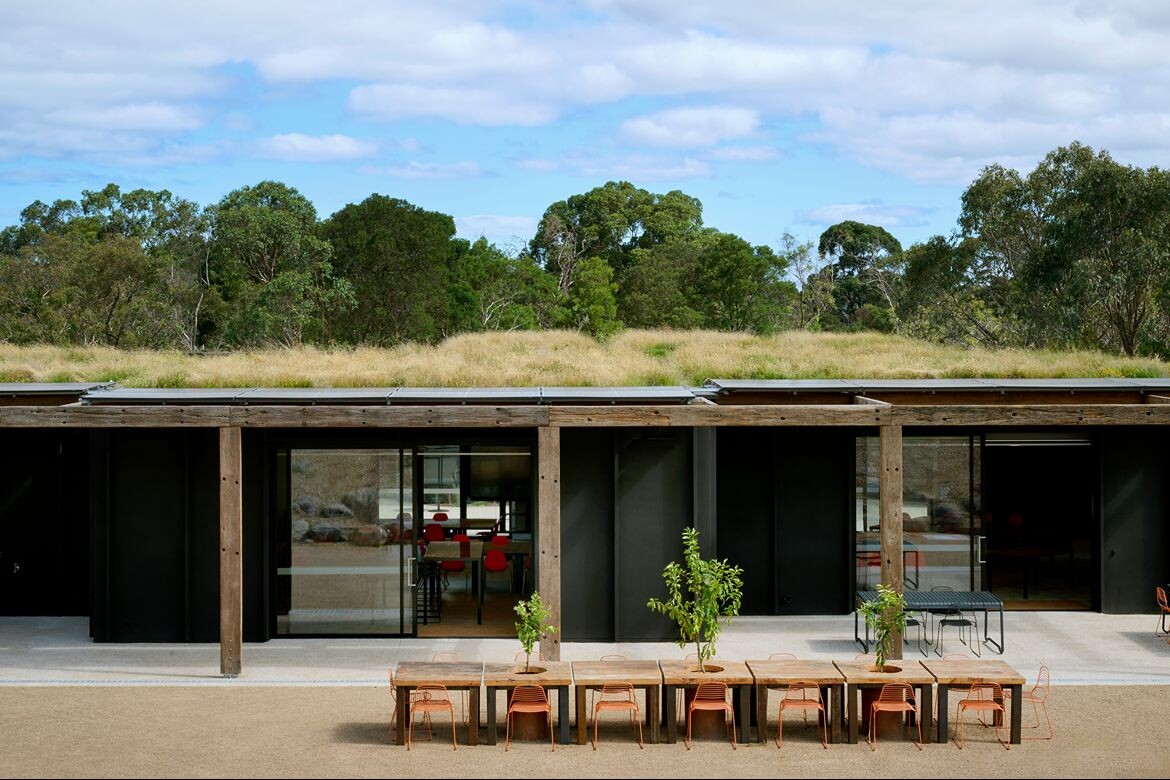
Rather than acting as a passive container for learning, the building itself becomes a teaching tool. Designed as a “living system,” it intuitively supports project-based learning while demonstrating regenerative principles in action. From its modular construction to its material choices, every aspect of the design reinforces the educational vision.
McIldowie’s path into architecture feels almost preordained. With both his father and grandfather in the profession, the discipline was quite literally in his blood. Yet, as he reflects, passion only truly reveals itself through experience.
“I’ve always wanted to be an architect,” he shares, noting that his enthusiasm for the field has only deepened over time. This enduring passion is evident in his work, projects that are not only technically ambitious but also driven by a genuine curiosity about how design can improve the way we live and learn.
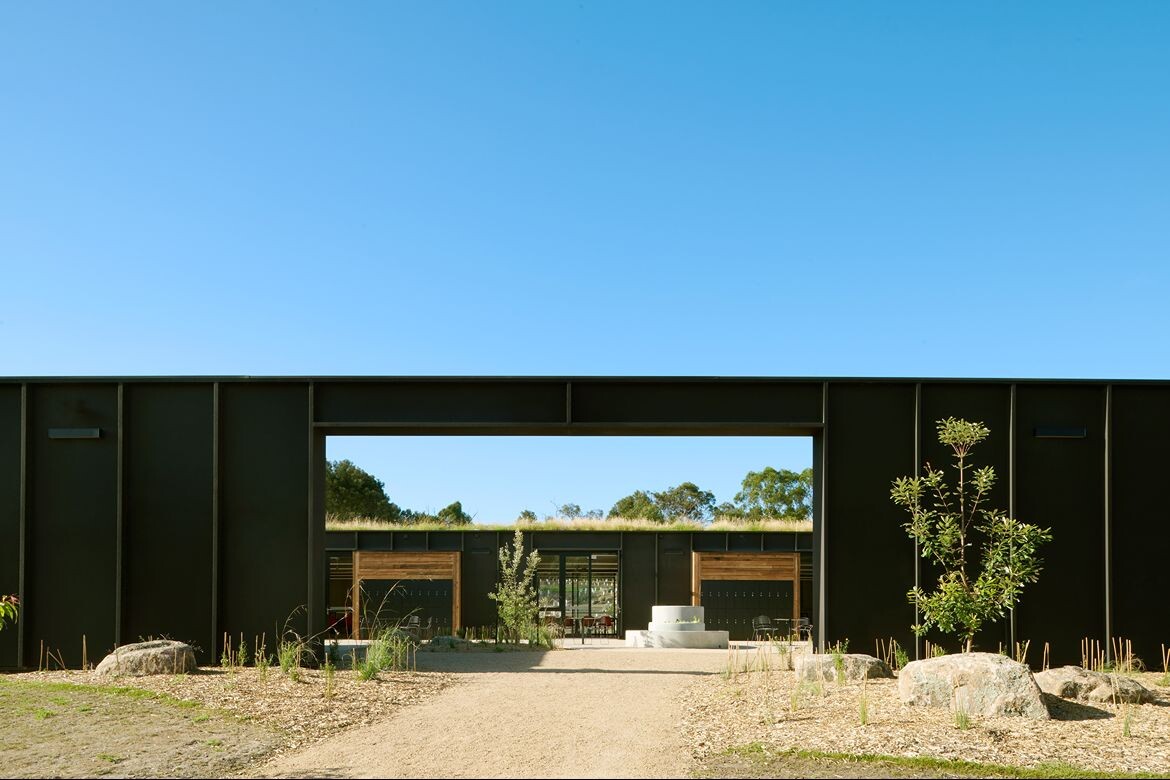
The Woodleigh Regenerative Futures Studio stands as a powerful example of this ethos in practice. Originally conceived as a new homestead building, the brief evolved alongside the school’s ambition to embed regenerative thinking into its curriculum.
The result is a collection of pavilions housing learning studios, social spaces, and staff areas, each designed to function as part of a broader ecological system. The project employs a hybrid construction methodology, combining prefabrication with on-site assembly to minimise waste and maximise flexibility.
Material innovation plays a central role. Strawboard panels sequester significant amounts of carbon, while cork, hemp, and other natural materials contribute to both environmental performance and indoor air quality. Notably, the building is designed for disassembly, with all components mechanically fixed to allow reuse or recycling at the end of its life.
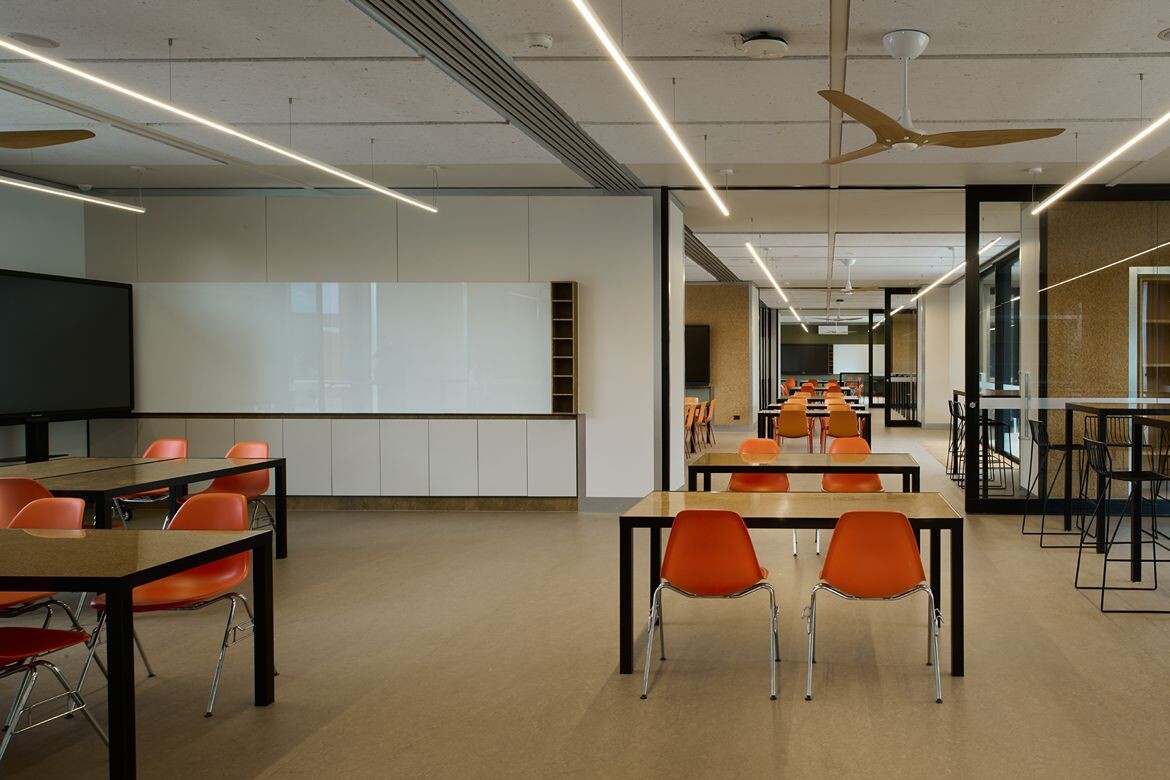
The impact is tangible. Construction waste was dramatically reduced, from an anticipated 100 skip bins to just one, and the building achieves near carbon neutrality from day one. More importantly, it provides students with a real-world demonstration of regenerative design in action.
Projects like Woodleigh signal a broader shift within the education sector, and the industry at large. As McIldowie notes, sustainability is increasingly influencing school enrolments and decision-making, strengthening the business case for ambitious environmental design.
Beyond its immediate context, the project’s influence extends through its open-source approach. By making drawings and specifications publicly available, the school and design team are encouraging others to learn from and build upon their work.
There are also meaningful ecological outcomes embedded within the design. A green roof, developed in collaboration with landscape architects, provides a habitat for endangered butterfly species, with students actively participating in monitoring and research. This integration of environment, education, and architecture exemplifies the potential of regenerative design to create lasting impact.
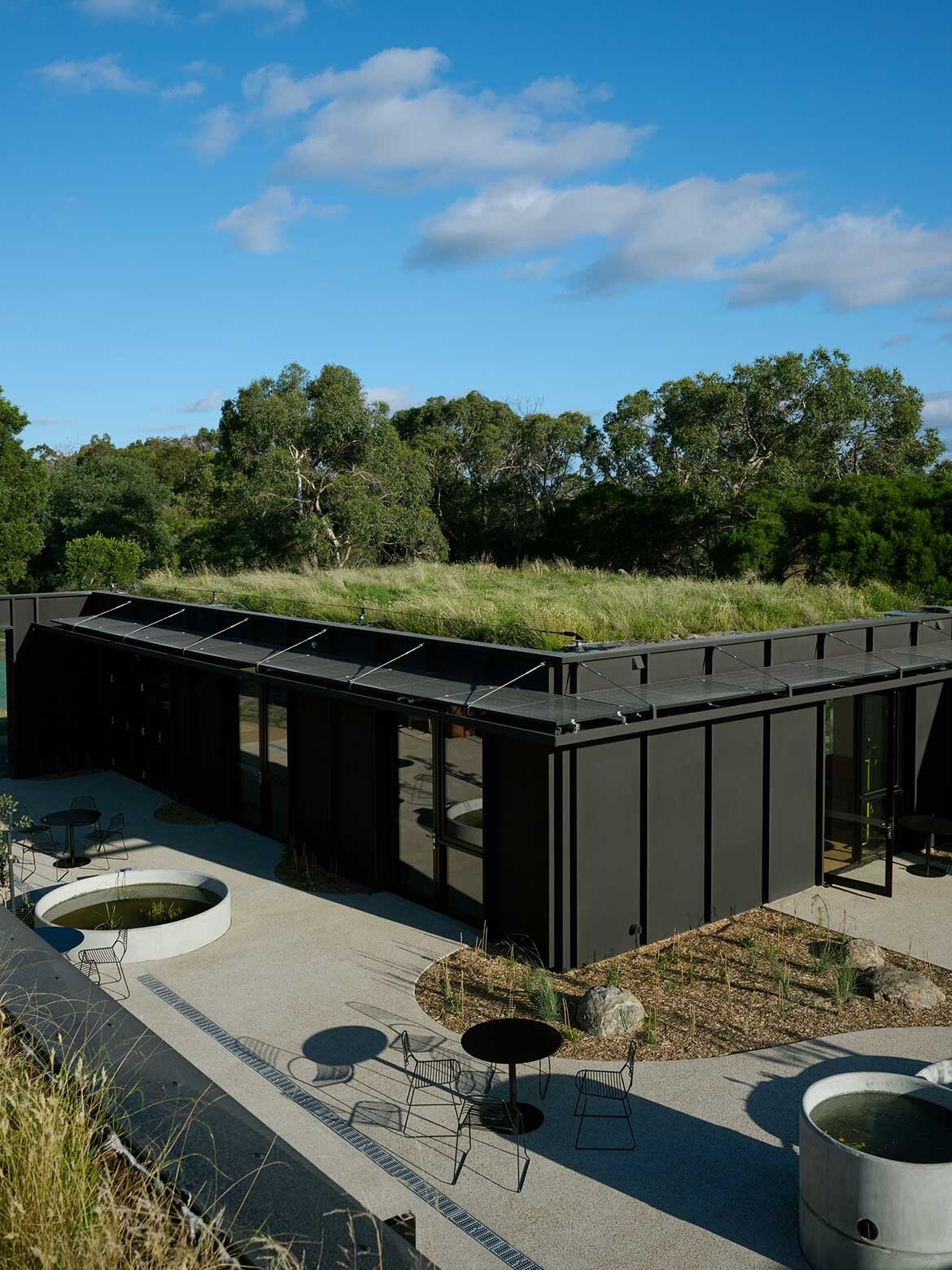
With projects like the Woodleigh Regenerative Futures Studio, John McIldowie and McIldowie Partners are redefining what learning environments can achieve – spaces that not only support education but actively contribute to a better future.
A sincere thank you to John for sharing his insights, and to Autex Acoustics for supporting The Learning Space category at the 2026 INDE.Awards.
To hear the full conversation, listen to the complete SpeakingOut! Episode here. Entries for the 2026 INDE.Awards have been extended until the 2nd April. Have your work celebrated at the 10th annual INDE.Awards, enter now at www.indeawards.com.
INDESIGN is on instagram
Follow @indesignlive
A searchable and comprehensive guide for specifying leading products and their suppliers
Keep up to date with the latest and greatest from our industry BFF's!
The internet never sleeps! Here's the stuff you might have missed