Timothy Alouani-Roby: Let’s start with some of the difficulties that you faced in your career. What have been some challenges that you’ve learned from and grown through?
Miriam Fanning: In any career, whether you’re starting out or whether you’re starting or well established and you’ve gone through a whole process of what you’re doing, there are always difficulties. In the beginning, I was working in a large architectural practice. I was on building sites and, whether you’re an architect or an interior designer, it’s about being taken seriously.
Being a female within that building industry trying to get your word across was a difficulty too.
I think that was overcome very early on by standing my ground and being very serious about how you wanted to achieve something. Some of these builders that I had those arguments with have become very good friends with me. So, it’s a difficulty that you go through to gain respect.
The difficulty that we’re still having is an understanding of how consumers perceive us within the industry, sometimes they just don’t know what we do. They think we’re all magical creatives. I think architecture is probably a little bit different because people understand what architects do. What interior designers do on a day-to-day basis is sometimes really misconstrued, and that’s a really big thing for me that I’m working through at the moment with the DIA (Design Institute of Australia) and registration.
IP is always a difficulty and time constraints in running a business too. The last sort of difficulty is if your consumers don’t actually understand what you’re doing, your costs and your fees associated with what you deliver.
Is standing your ground something that’s developed over time or was that a personality trait that was always there for you?
As you go through your career, you have more confidence in the decisions you make. You have more information, you’re more experienced. You stand your ground. That comes with knowledge of what you’re doing.
When I started, you’d go to building sites and it was a male-dominated field. It was really pretty tough and hardcore. So, standing my ground was something that was really quite unusual.
How does originality relate to your creative identity?
Being an originator, especially with AI, is absolutely essential in the way you think on every project.
It’s not just about rolling out the same thing. It’s always about questioning and saying, ‘have I done this before?’ For me, being in originator is really important within our team. Our team asks what makes a project special, what gives it a personality.
With AI coming, having the mentality to be an originator safeguards all of us, because AI is not going to do that. You’re going to be doing it.
But at the same time, you don’t have to be distinctive for the sake of being distinctive. It’s got to work with the brief, and it’s got to work for the client. So, it’s about measuring where that distinction is rather than doing something so different for the sake of it. It’s a measured way of being an originator, which I think is important.
How has your creative identity changed over time?
Our creative identity hasn’t always been about Mim Design. The way that we design is project-based, and each project is like a child — they’re all completely different. Even though there’s a thread of continuity amongst the projects, for each project have its own feeling and its own philosophy. We challenge ourselves on a daily basis, from project to project to make sure they’re all unique. I would go absolutely bonkers if I was just churning out the same look every day.
People come to us and say, ‘what is the Mim Design look?’ I struggle to say what that is because each project does have its own personality. Each of those projects has its own meanings, philosophies and stories. And that’s what I love about it: storytelling in a way that is based in interiors and architecture.
In terms of planning, where does that come into your creative process?
We put a lot of thought into the philosophy of the project: what it means and why we’re doing it. You see beautifully photographed projects at the end, but there’s always a story for us, which we want to have all the way through.
Our first phase is always planning. Planning is crucial in our studio, because those plans set everything else up for the rest of the project. As well as philosophy, which is the look and feel and texture, the visual aspects behind the planning as well.
How would you characterise the core principles that define your practice?
We reassess our core principles every four years. Our core principles are extremely pragmatic. We want to be approachable and trustworthy to our clients, because you can be an amazing designer but if nobody trusts you, it’s not going to go any further. For us, communication, trust and being pragmatic is important. Longevity is huge too — we want a new design that’s going to stand the test of time.
Accountability is one of our core principles, we are accountable for every line that we draw, to make sure things work and that they have meaning and purpose. Every line you draw can affect somebody’s life. You’ve got to think about everything you’re putting on paper, and that’s someone that we proudly do as a studio.
Creativity is part of our pillars. We wouldn’t be a design studio without it. But it comes hand in hand with being an ‘originator’ rather than replicator. We want to make sure with each design we do for each client that it is theirs. This leads into the relationship part.
Finally, having a business that’s now 26 years old, commerciality is a really important pillar behind what we do. We’re really conscious of the commerciality behind our business and how we divide the types of projects, and we look at that in a very strategic manner.
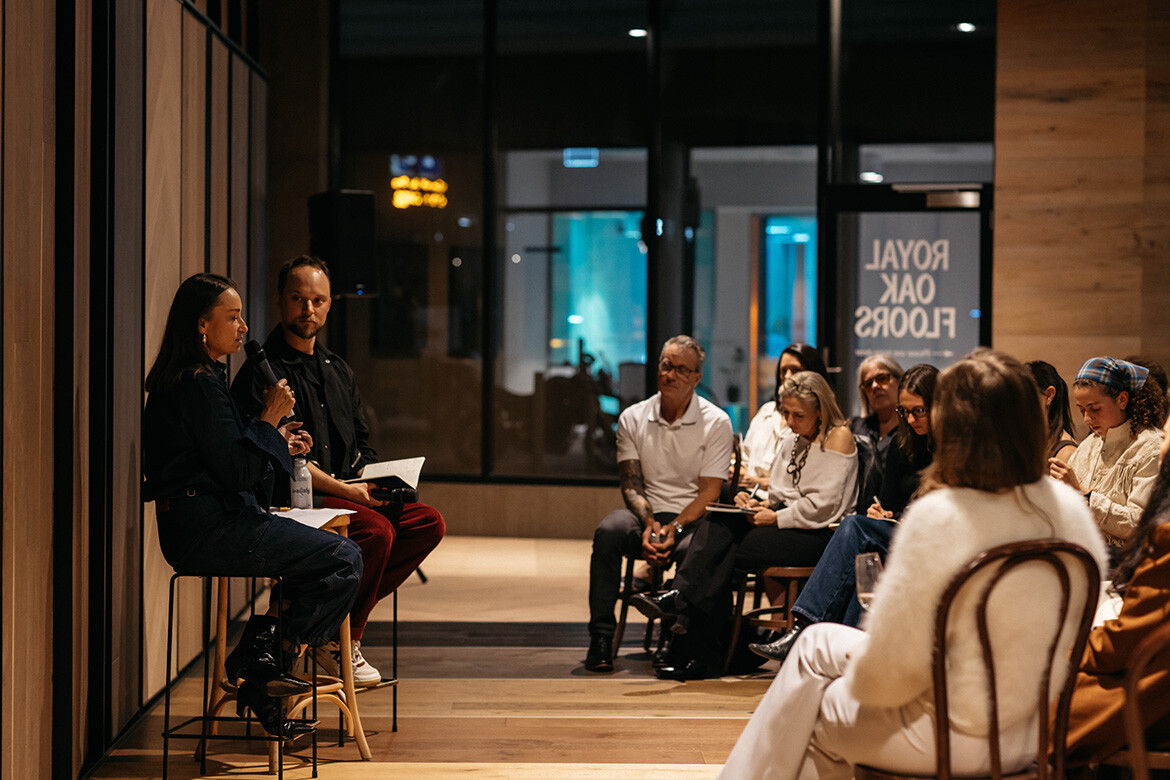
Could you share advice and practicalities of running your own business for 26 years? What are the crucial parts of your client relationships?
To sum it up in a word: trust. You’re not going to have a client if they don’t trust you, being able to balance through programming the amount of work and being able to make sure people are happy throughout. Being able to acknowledge that you will not know everything — we are all still learning. I love the fact that we are investigators.
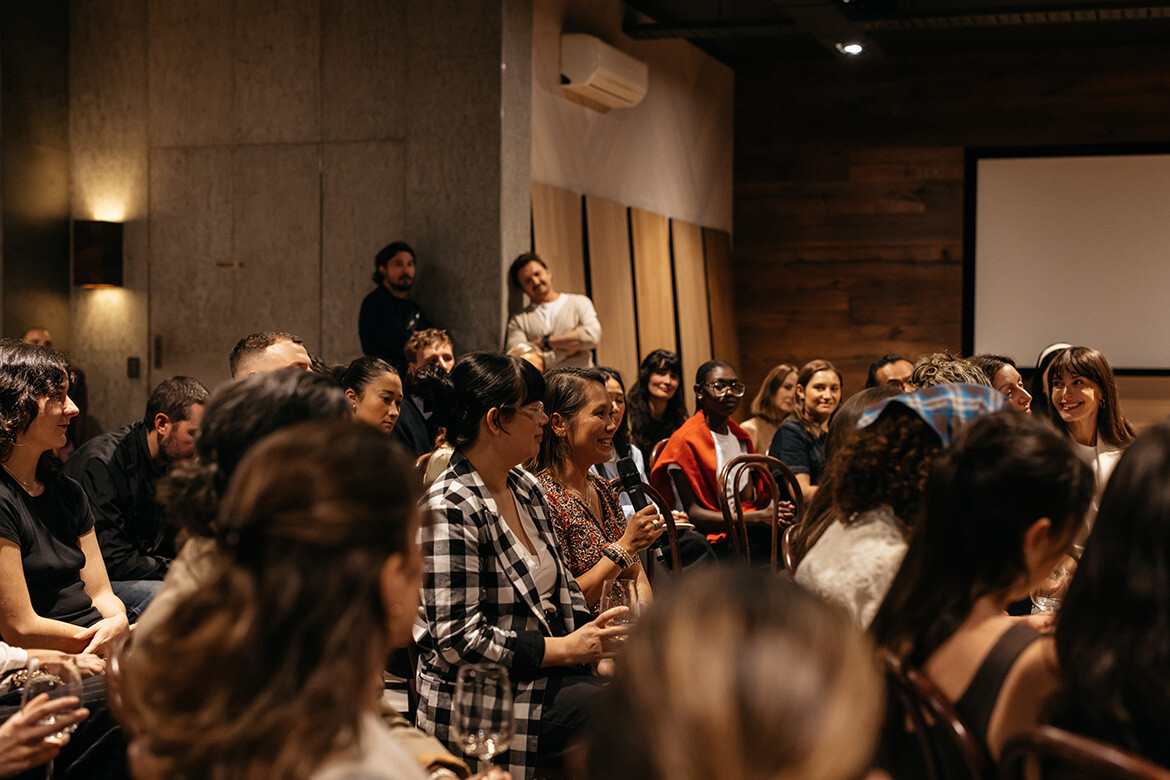
How do you stay humble and approachable in what you do?
You do your job really well, and you recognise that without that client who has chosen you, you wouldn’t be there. I think a lot of amazing people are humble in what they do because they’re respectful of why they’re doing what they’re doing. If you can maintain that respect, even if you’ve got difficult clients, and acknowledge that you’re on this journey together, you’re going to realise you need to get to the end. It’s a humbling experience. Not everything is always perfect.
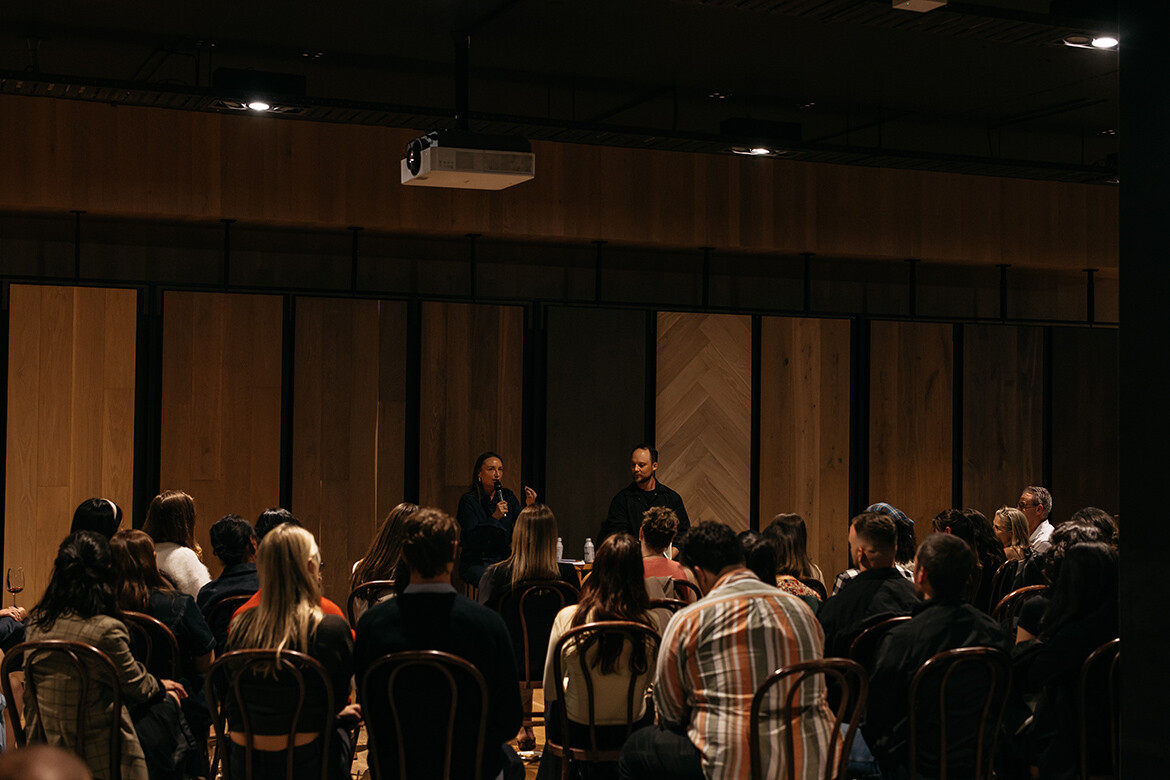
Where do you find inspiration for your practice?
It’s the little things. When we get an inquiry, we’re like super sleuths.
For me, gaining knowledge is inspiring, and there’s nothing more satisfying than when a client is from a completely different sector. We get opportunities to learn new things. I never take that for granted.
Provenance is important and inspires me too, to find out where things have come from in the past — who has had them, where did they originate and where have they been?
I’m also really attracted to overscale and large proportion architectural elements, and shape and form. I could look at a building from a pure form point of view and try to understand why I love it so much, it’s the sheer volume and thought behind it.
Related: Tom Kundig joins the podcast
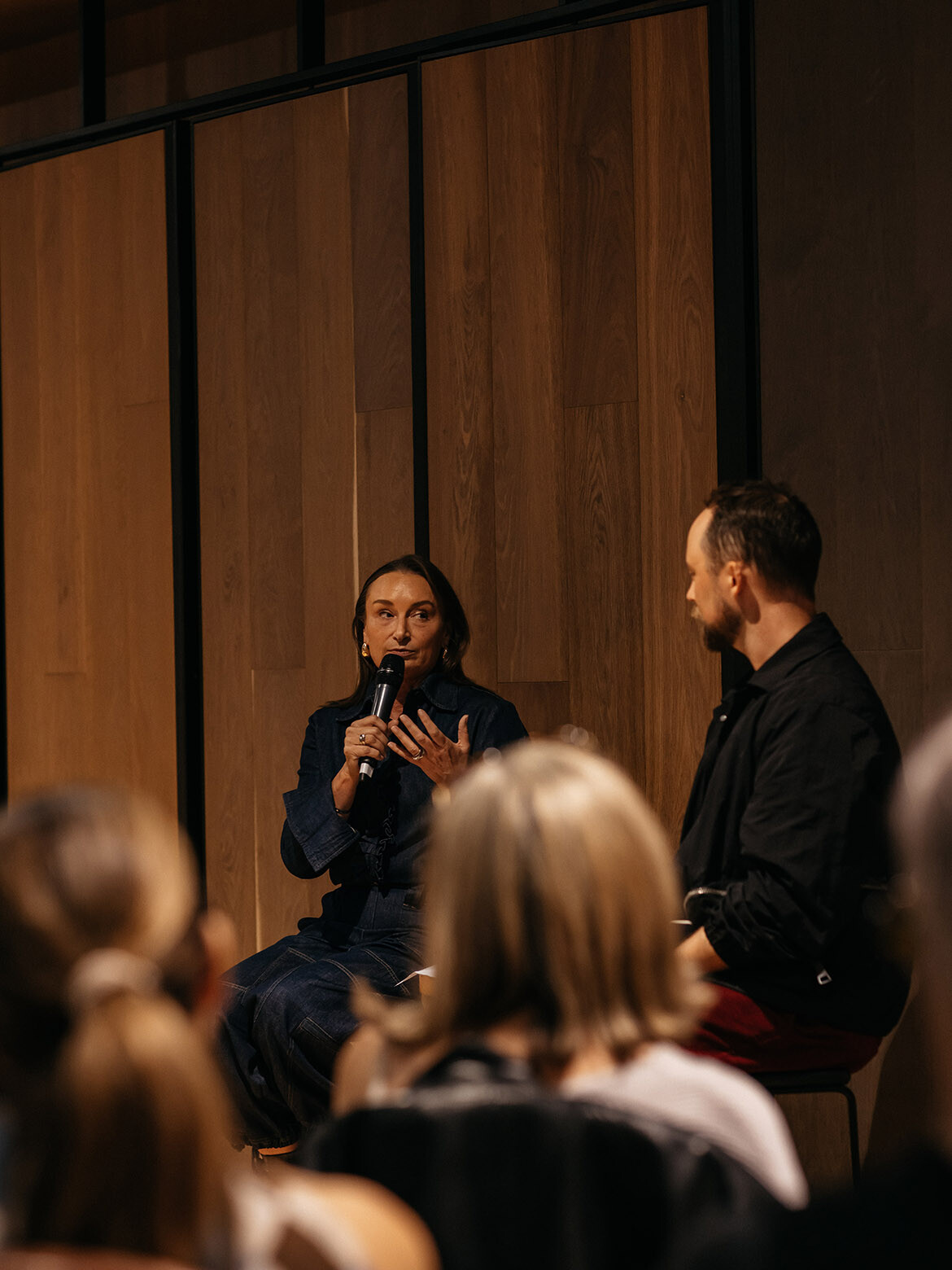
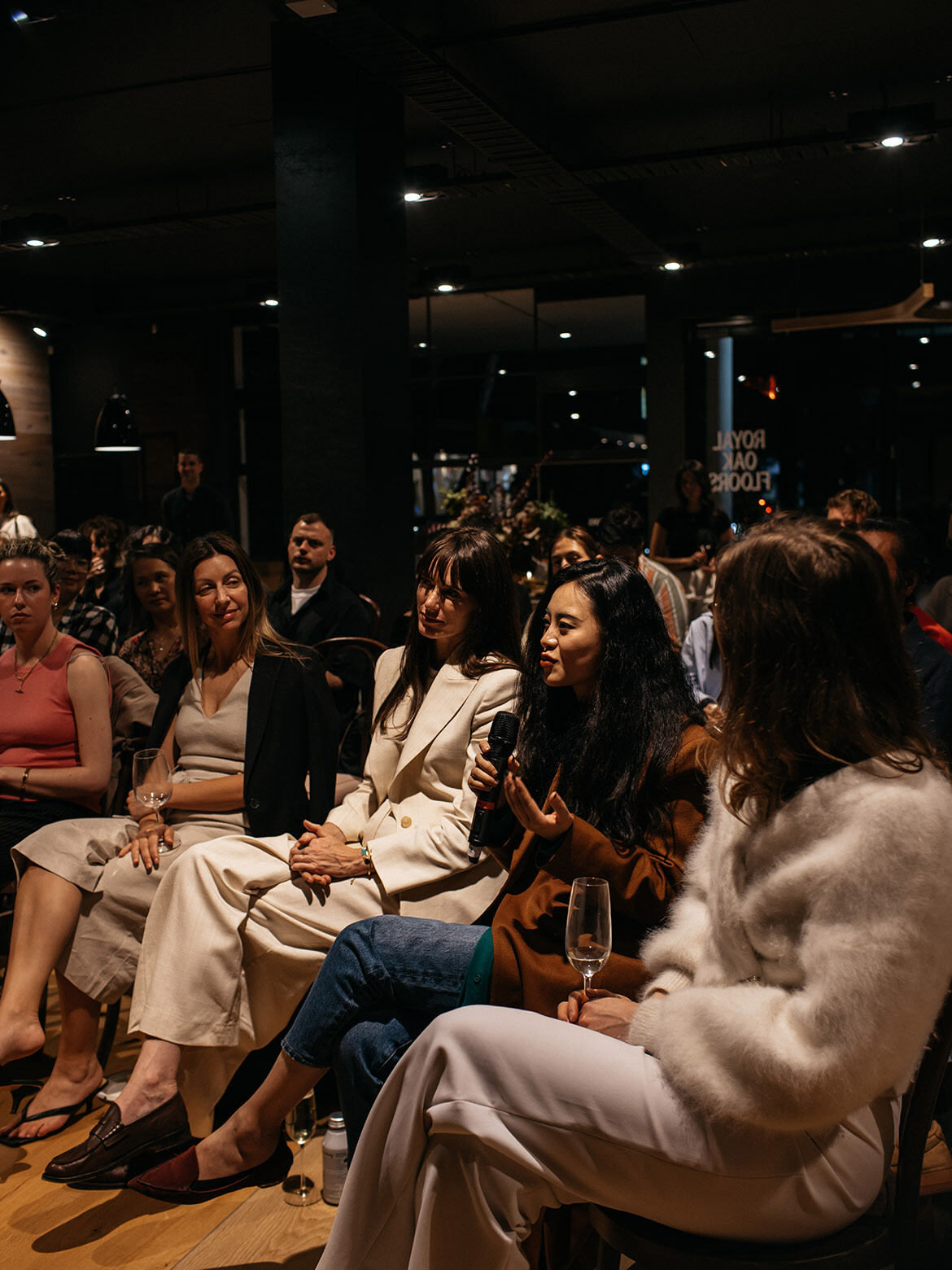
What do you look for in new people joining the studio?
Everybody is different, but I look for people who are really passionate about what they do, people who have an energy, people who are different — and people who really just lovely human beings and want to be there. Obviously, being able to understand how you do your job — all of those mechanics are important when looking at team members to join, but we want to be around people who are enjoyable and we want to be around people who want to be here. It’s all those extra aspects that are really important to us as a family.
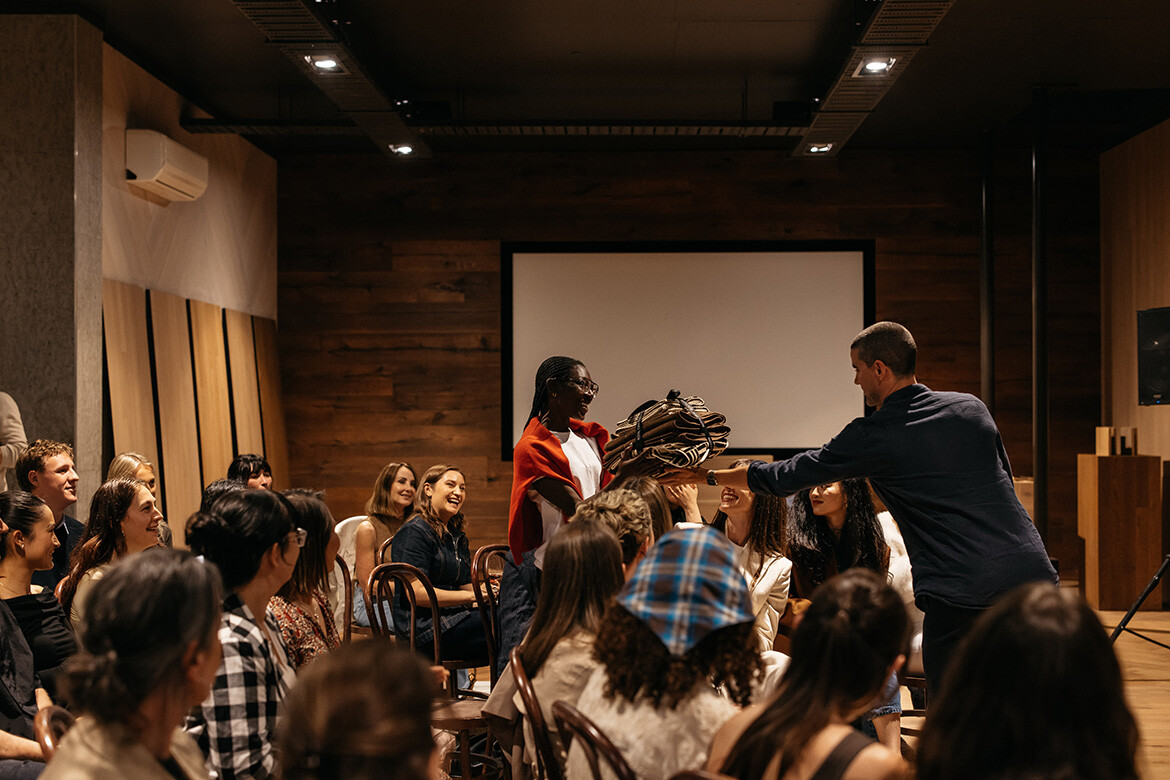
Challenging clients, rewarding clients..?
We have a few challenging clients. There could be projects where the builder is not the right builder. We have had clients before that we haven’t seen eye to eye with, but usually we like to pick those at the very beginning and we’re very honest. A lot of clients do become more friends and that’s really important because it’s a relationship that you’re going to have.
Do you have any advice on trying to get into the industry?
Our industry is so large, with architecture, material design, interior decoration, styling. It’s really important to know what our design industry is, to understand what avenue you want to go down. Once you figure that out, break it down further, what type of firm, what type of work. That gives you a sense of knowledge and shows that you’re driven.
Do you have a client project that really sticks with you?
We have so many of them. We have a whole family [right now]. We originally met for some retail work but unfortunately didn’t get the project. Years later, we ended up doing the restaurant Enoteca Boccacio, and the food there is incredible. The level of detail we went through with the family was a beautiful experience. And then from that point on, we were invited back to do Anthony’s house, ant then his mum’s house, and his brother’s house and now, we’re doing his sister’s house. So we’ve worked with the whole family, and we’ve worked through different dynamics, and knowing that we were working with them as a whole was a beautiful story.
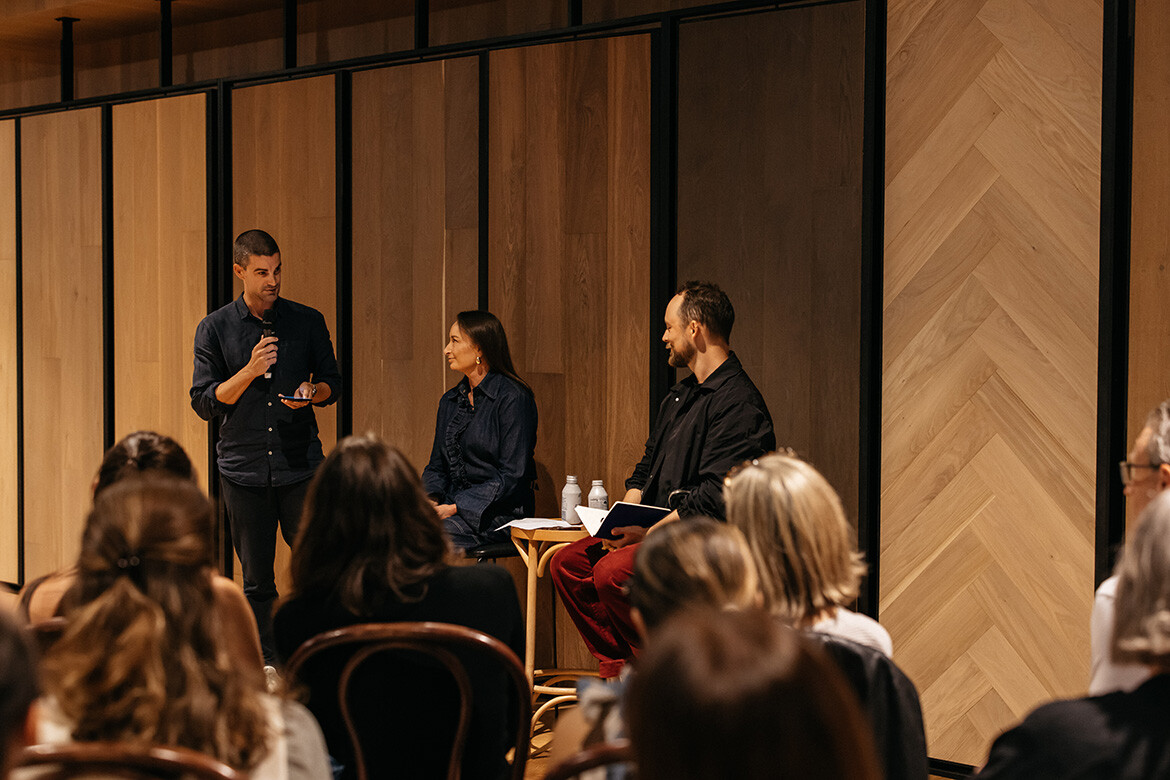
How did you start your company?
I worked in a large architectural practice for 13 years prior to starting Mim Design. I was really lucky working there, because I did a lot of things interior designers don’t usually get to do, like master planning and development plans.
Then I had my first child in 2000, and at that point my father-in-law said you should do your own thing.
So that’s when Mim Design started. Within two and a half weeks, I had two years of contracts! That was purely from where I had come from and relationships I had built. So that was the start.
Royal Oak Floors
royaloakfloors.com.au
Mim Design
mimdesign.com.au
Photography
Marie Luise