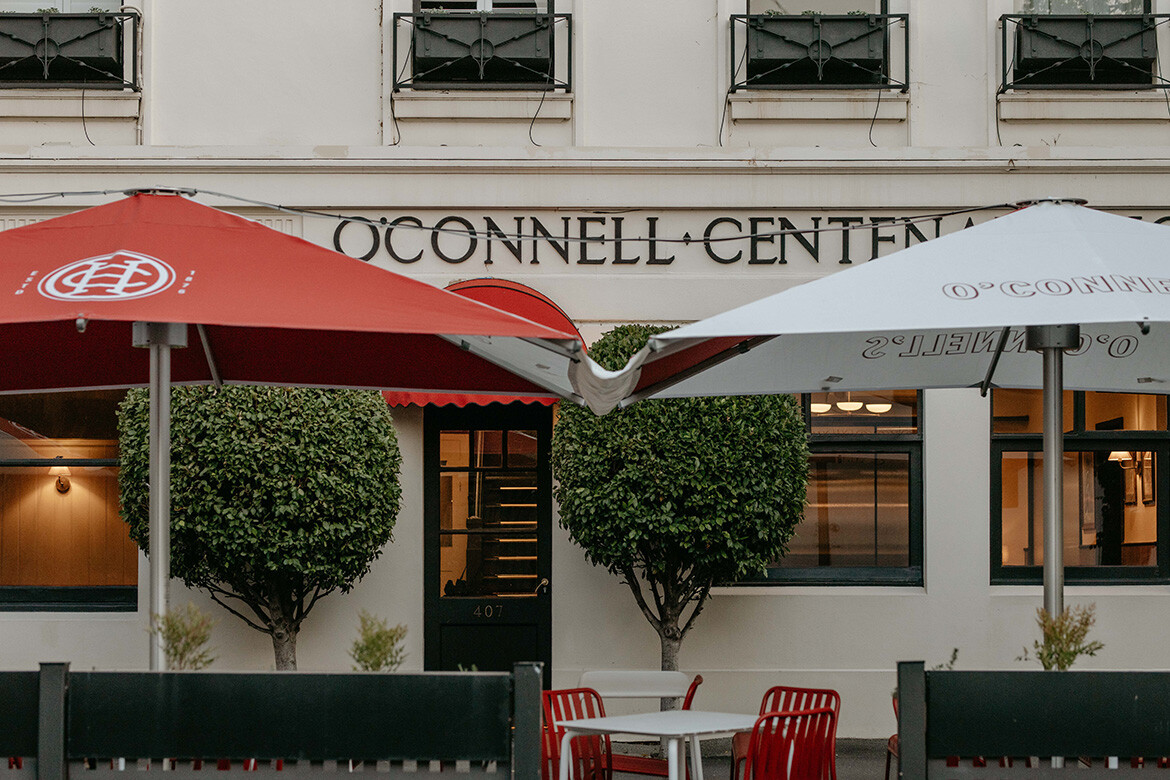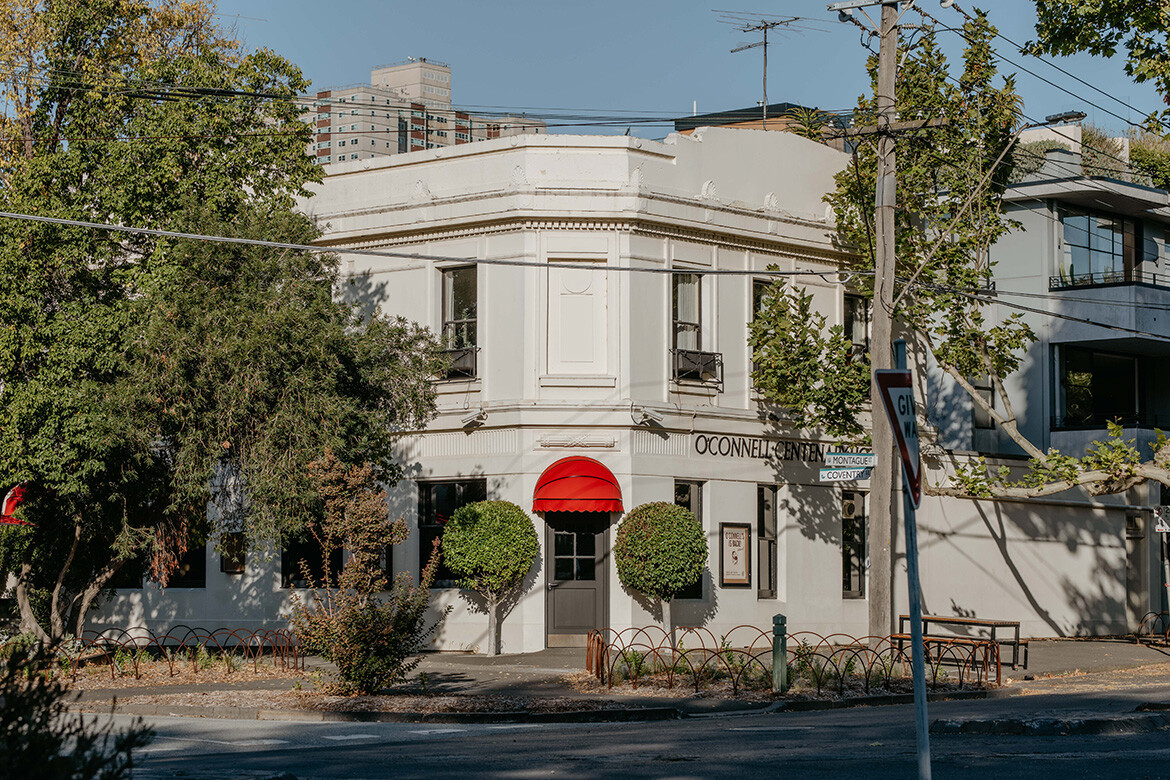
The much-loved hospitality venue, O’Connell’s Hotel, has once again opened its doors after an interior redesign that retains the best of the past, enhanced with a contemporary finish.
The renowned South Melbourne hotel was first established in 1876 and over the past 150 years it has been the meeting place for generations of local patrons and a hotbed for innovative chefs. However, with new and dynamic owners, change was in the air with a different business direction that sees not only the regulars welcomed back, but also a new generation of foodies and young families enjoying the updated design and cuisine.
To accomplish the vision of being ‘all things to all people’, Fiona Drago Architect was commissioned to deliver a light design touch for the renovation. She has sensitively renewed the floorplan, ensuring better spatial flow along with a relaxed and comfortable aesthetic.
This hotel has always been a favourite, but with its rebirth there are now extended areas to gather, spaces for one or two and an enlarged bar for a crowd.
Related: Mutual Trust finds a new home in Adelaide
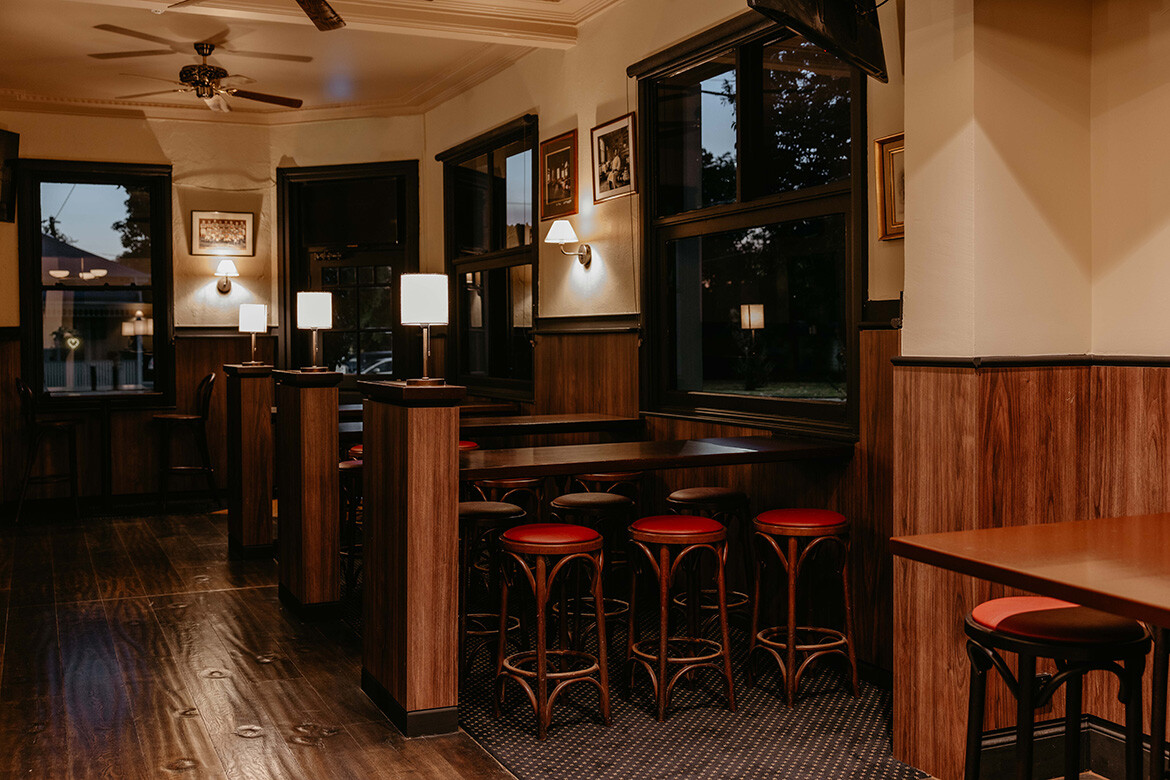
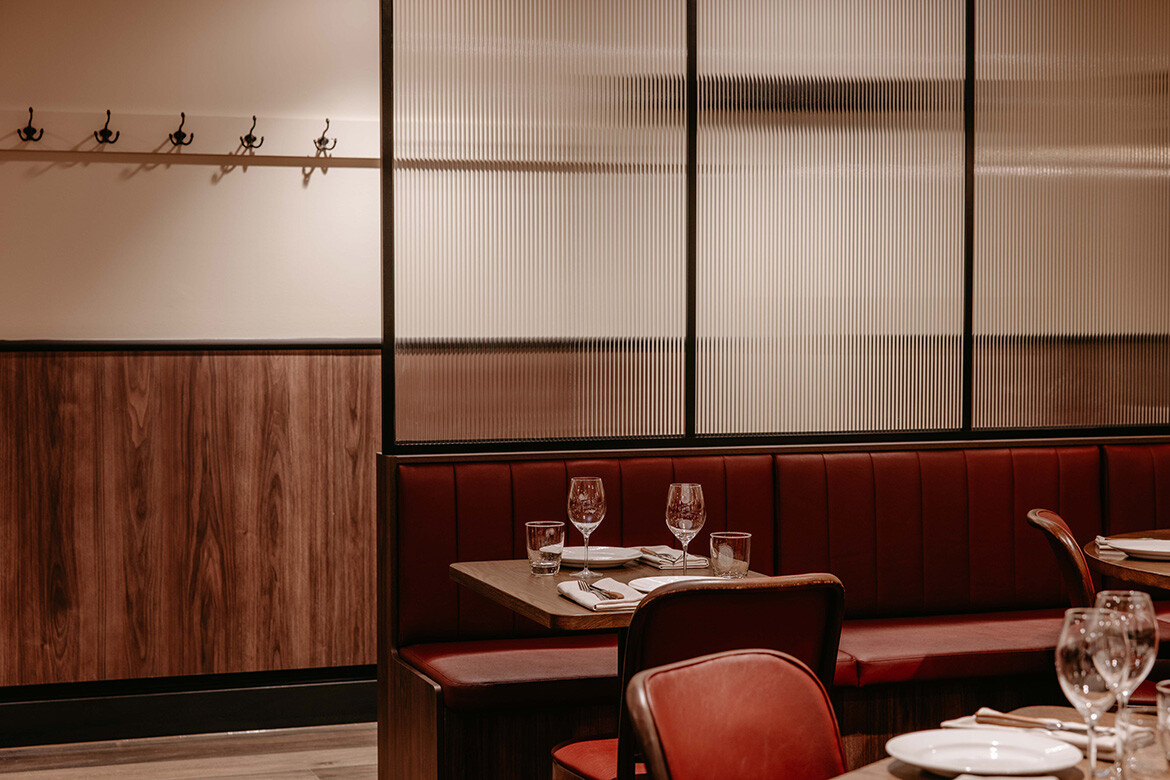
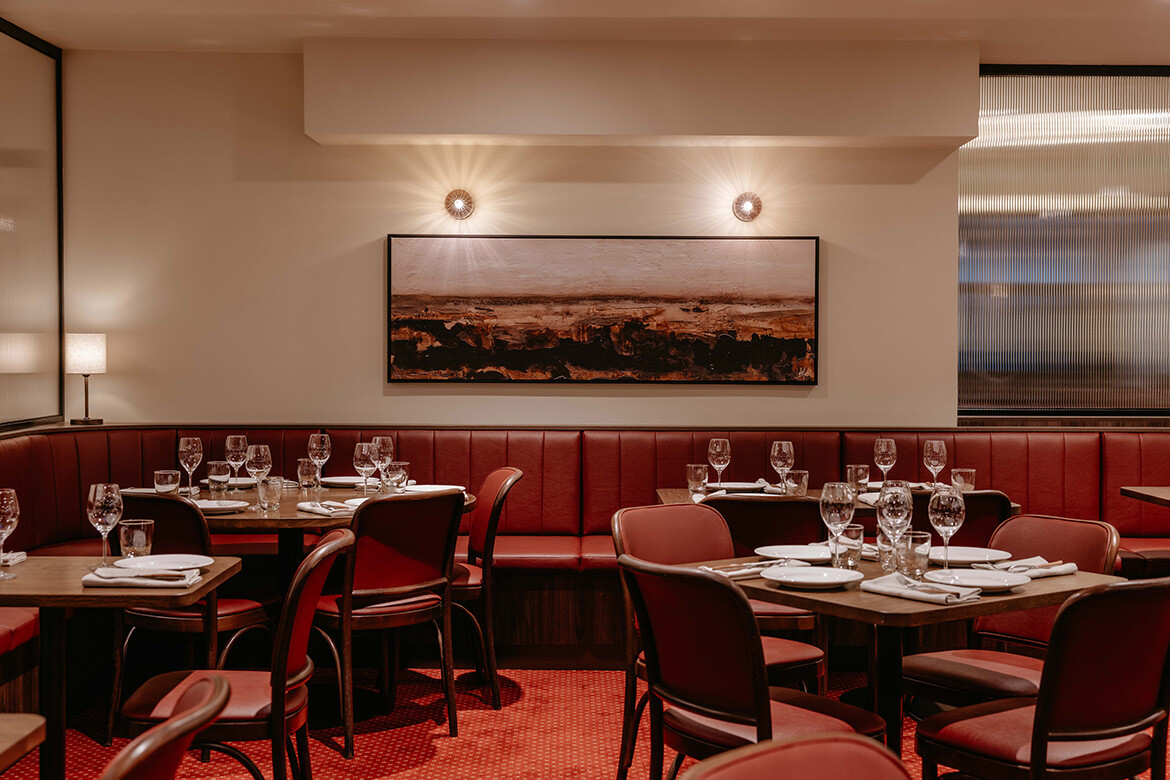
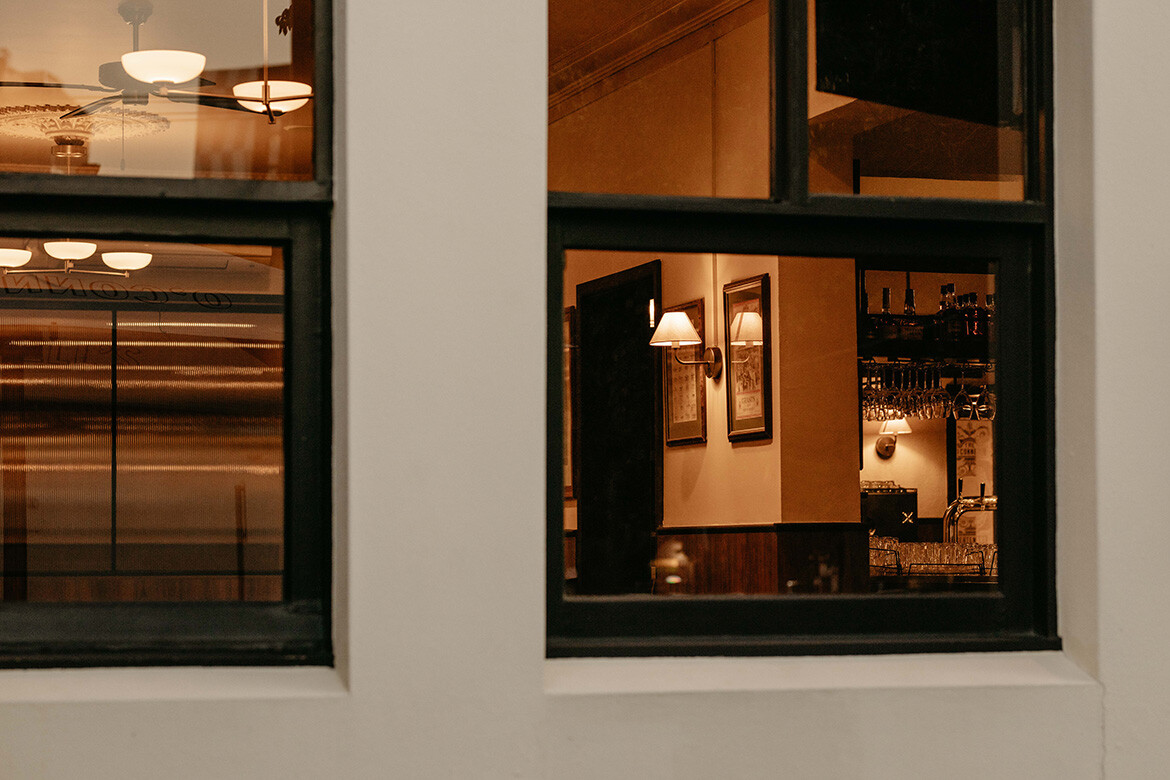
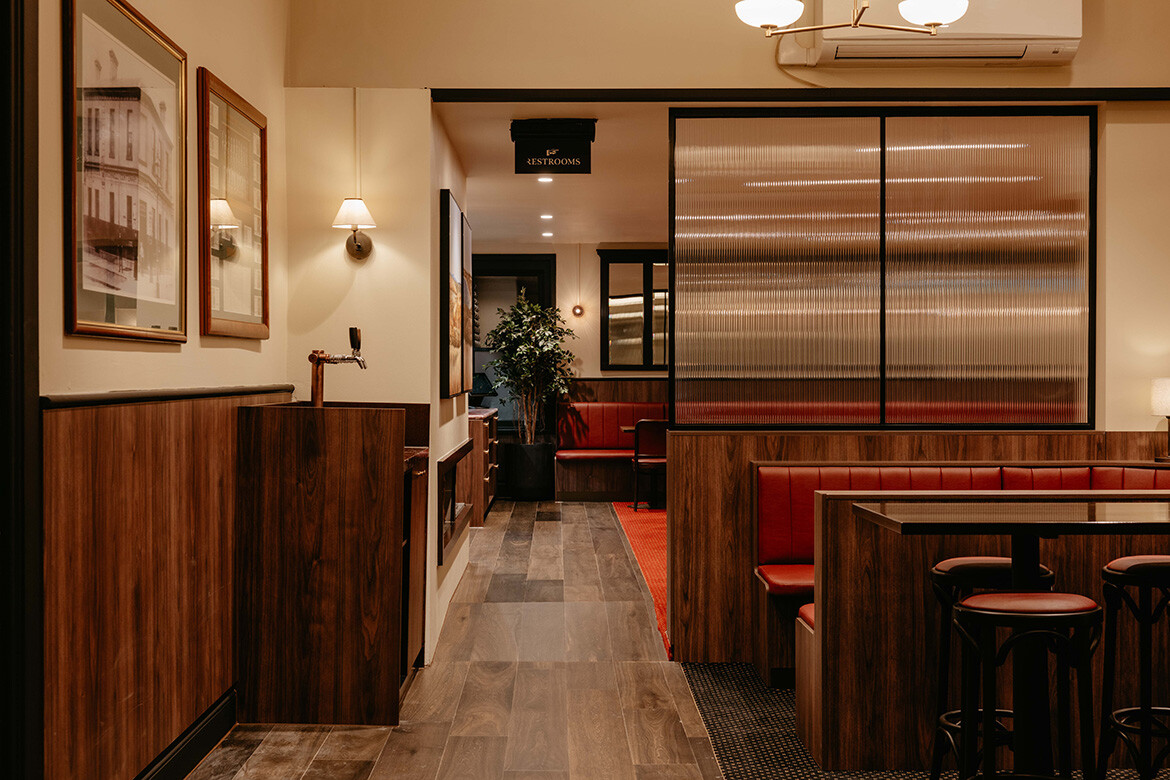
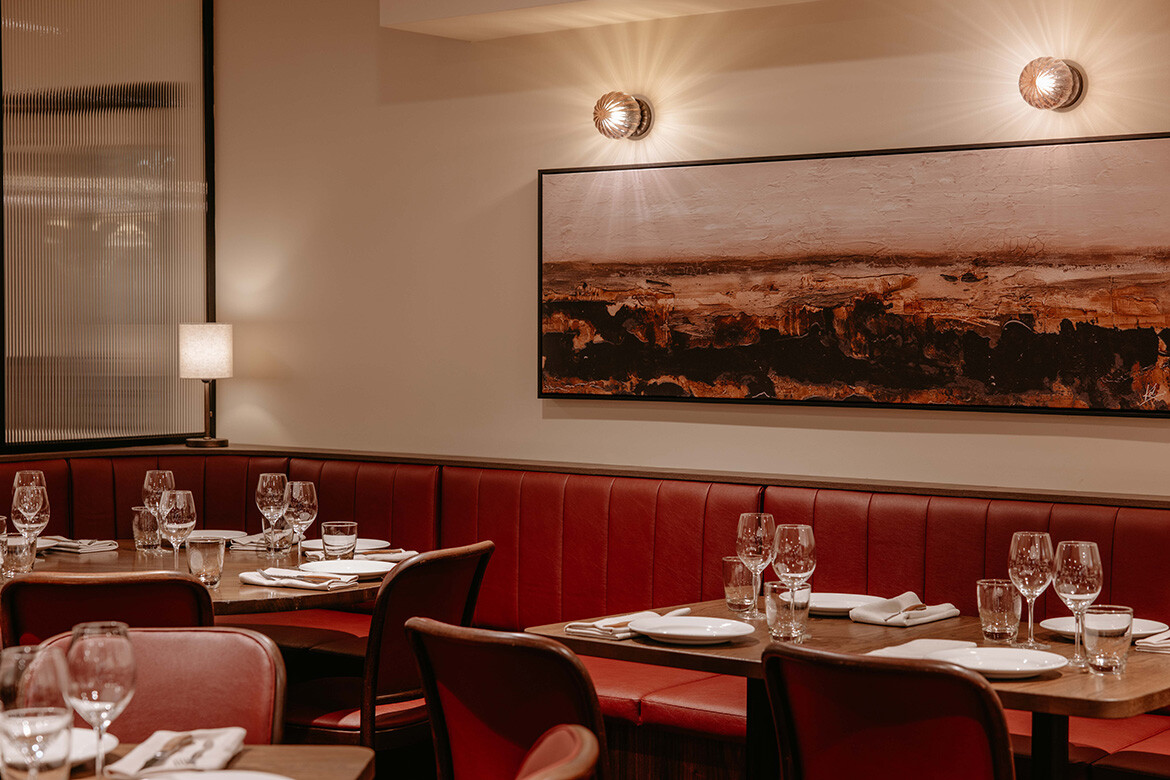
Fiona Drago, principal of her eponymous practice and lead on the project, has introduced an interior palette that is warm and inviting, with tobacco timber, dark-stained counters, beige walls and mocha-toned ceilings. Wainscotting has been renewed and burgundy banquettes are used extensively, while lamplight and hand-blown glass wall sconces bring an air of gentility to the spaces. Fluted glass partitions add transparency and connection as they delineate areas.
“From a material point of view, we developed a palette we call Modern Victorian at The Flying Duck (another hotel owned by the publican and chef), inspired by the vibrant colours and textures of the Victorian era – rich reds and golds. That’s why we have introduced burgundy upholstery and dark-stained timber, while the paint colours are drawn from a heritage palette,” says Drago.
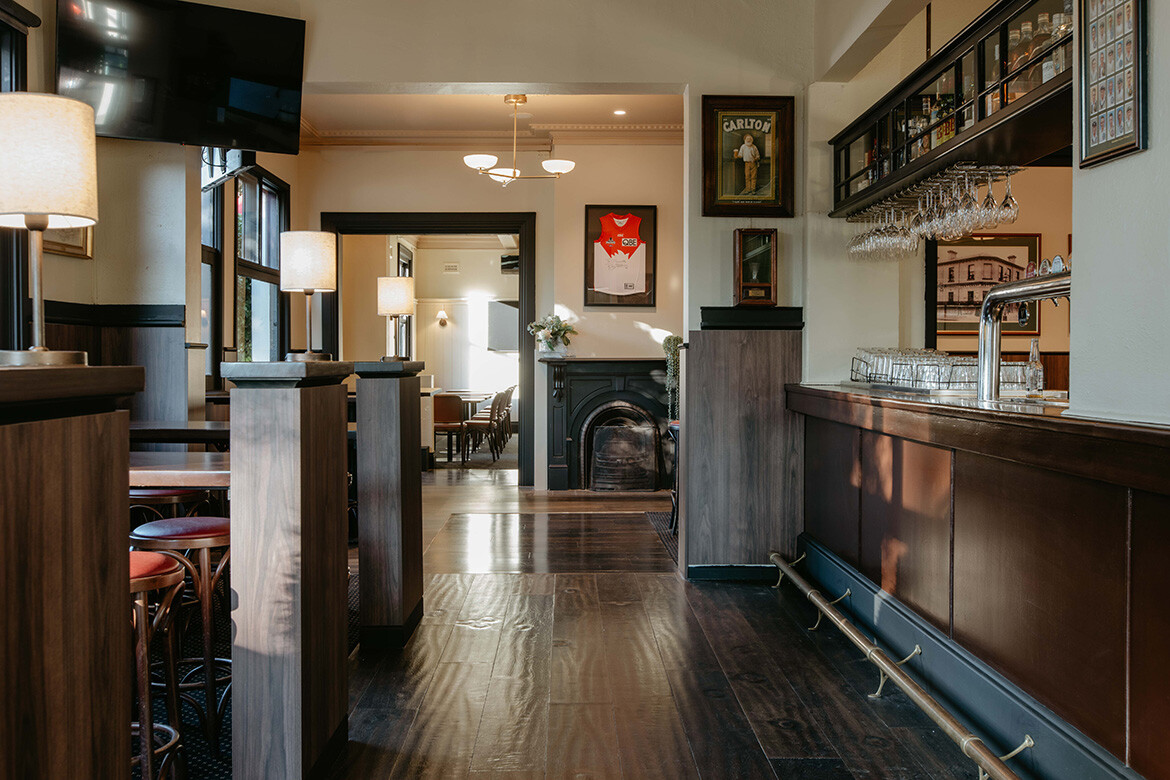
The two original entrances are maintained and there is ample natural light within the bar and adjoining space that offers high tables and stools for patrons. The entry to the previous ground-floor private dining room has been widened and now becomes an extension of the front bar, offering another choice for casual dining and drinking.
At the rear of the floorplan is a more intimate dining room, which has been updated and has capacity for 48 patrons at any one time. In keeping with the refined atmosphere, this area boasts a modern elongated fireplace and walk-in cellar, while a new kitchen pass increases connectivity between chef and diner. It’s a lovely place to enjoy fine cuisine – cosy in winter, calming in summer – and situated away from the general crowd.
Upstairs are three private dining rooms, with two spaces catering to groups of up to 12 and one for 18 people. Art by Australian artists Angela Hawkey, Ella Boylan, Heidi Maunder, Kylie Daniel and Michelle Keighley has been positioned throughout the hotel, with works reflecting the Australian landscape.
Memorabilia from the early days of O’Connell’s has also been strategically placed throughout the venue. In the private dining rooms, restored architectural features are more prominent and the simplicity of the redecoration, while contemporary, speaks beautifully to the hotel’s past.
The outdoors is not forgotten and the terrace, which can accommodate 75 guests, is just the place for a drink or meal in any season, with chairs and tables positioned beneath the trees that line Coventry Street.
“What we’ve aimed to do is create a sense of welcome and openness, encourage more flow through the front areas, and introduce the hotel to other groups in the community, including younger generations and local families,” explains Drago.
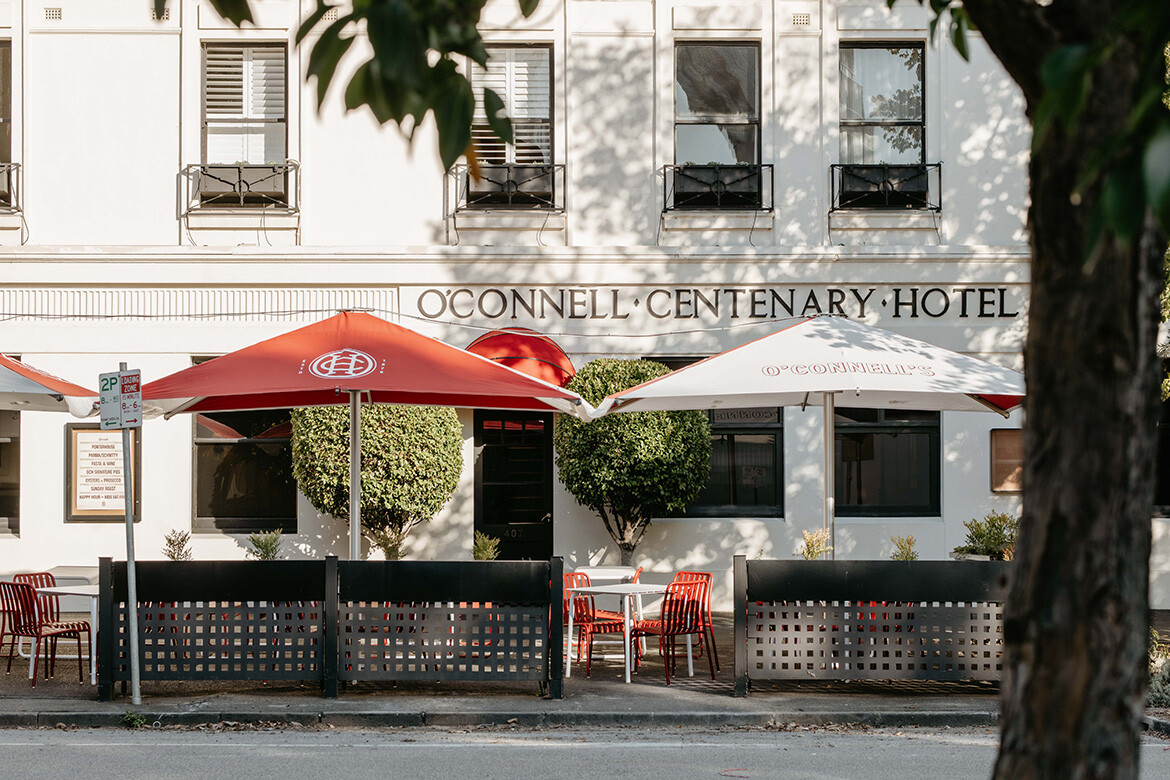
While the rejuvenation of O’Connell’s Hotel brings the venue back into the contemporary Melbourne dining scene, Head Chef Michael Conlon and Managing Director Brenton Lang are focused on providing outstanding cuisine and great service. There’s a fine tradition of culinary innovation in the heritage of O’Connell’s, with chefs such as Greg Malouf, Adrian Richardson and Andrew McConnell among its notable alumni.
“The hotel now offers spaces for all seasons and all reasons. You can have a cold beer outside on a summer afternoon or celebrate a milestone birthday in a private dining room upstairs. You can enjoy a memorable meal in the dining room or grab a stool in the front bar to watch the footy. The hotel now has broad appeal,” says Drago.
O’Connell’s has changed with the times and continues to evolve. With this renovation, it is ready for the next decades of community gatherings and good food, building on a rich history while opening its doors to a new generation of patrons.
Fiona Drago Architect
fionadrago.com
Photography
Kate Shanasy