The home of architecture and design in the Asia-Pacific
Get the latest design news direct to your inbox!

Get the latest design news direct to your inbox!
Returning to Melbourne this month, Australia’s official Passivhaus conference THRIVE turns its attention to the commercial case for high-performance building.
June 15th, 2026
Australia’s Passivhaus community will gather in Melbourne later this month for THRIVE 2026, the only official Passivhaus conference in the country.
Hosted by the Australian Passivhaus Association, the two-day event will take place at Pullman Melbourne Albert Park from the 25th to 26th of June. Now in its fourth year, THRIVE brings together architects, builders, engineers, developers, consultants, suppliers and allied trades working in high-performance building.
This year’s theme, Scaling a proven concept, reflects the point at which the sector now finds itself. According to the APA, membership has grown by 40 per cent, while the number of completed Passivhaus-certified projects in Australia has risen 50 per cent year-on-year. The conference will focus on how that momentum can be carried into larger and more complex project types, particularly multi-residential and commercial buildings.
The program will look at early design decisions, cost parity, monitored performance data and how the benefits of Passivhaus are communicated to clients and occupants. In other words, the discussion is moving beyond technical compliance alone and into delivery, value and scale.
“Passivhaus in Australia has moved well beyond its pioneering phase,” says Stalin Chakrabarty, CEO of the Australian Passivhaus Association. “What we are now seeing — across residential, multi-residential, and commercial sectors — is a genuine convergence of technical mastery, market readiness and financial logic.”
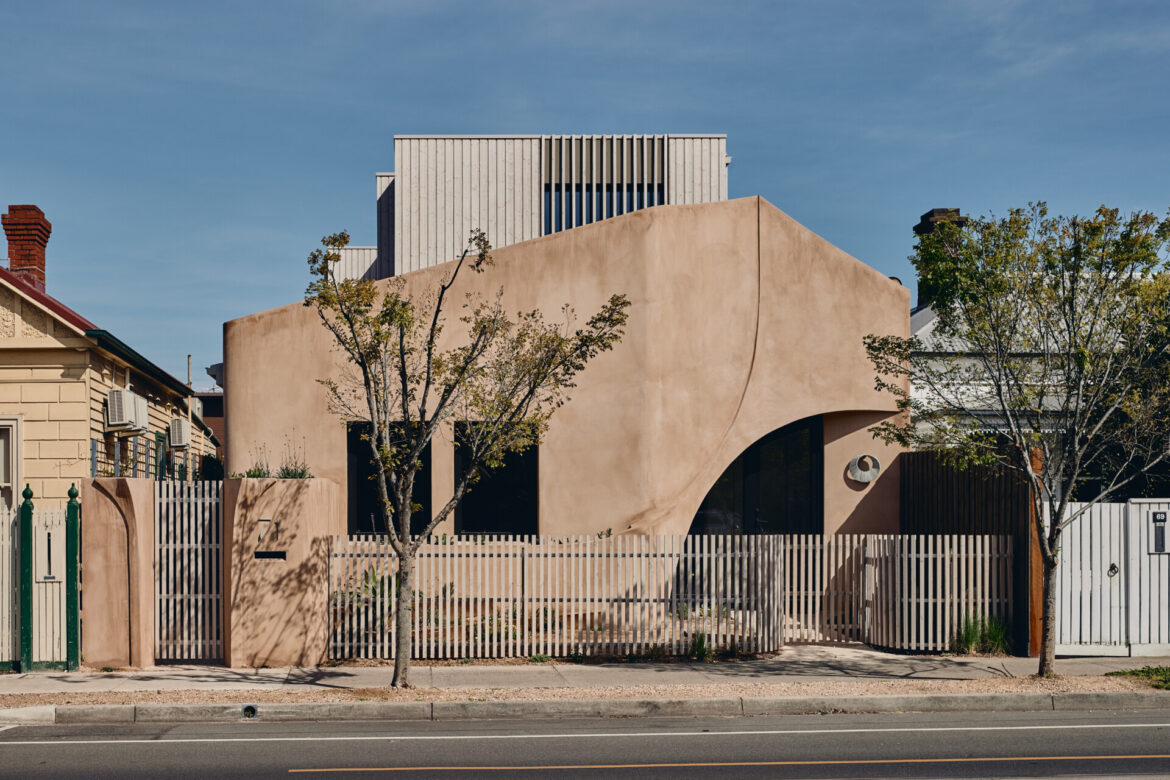
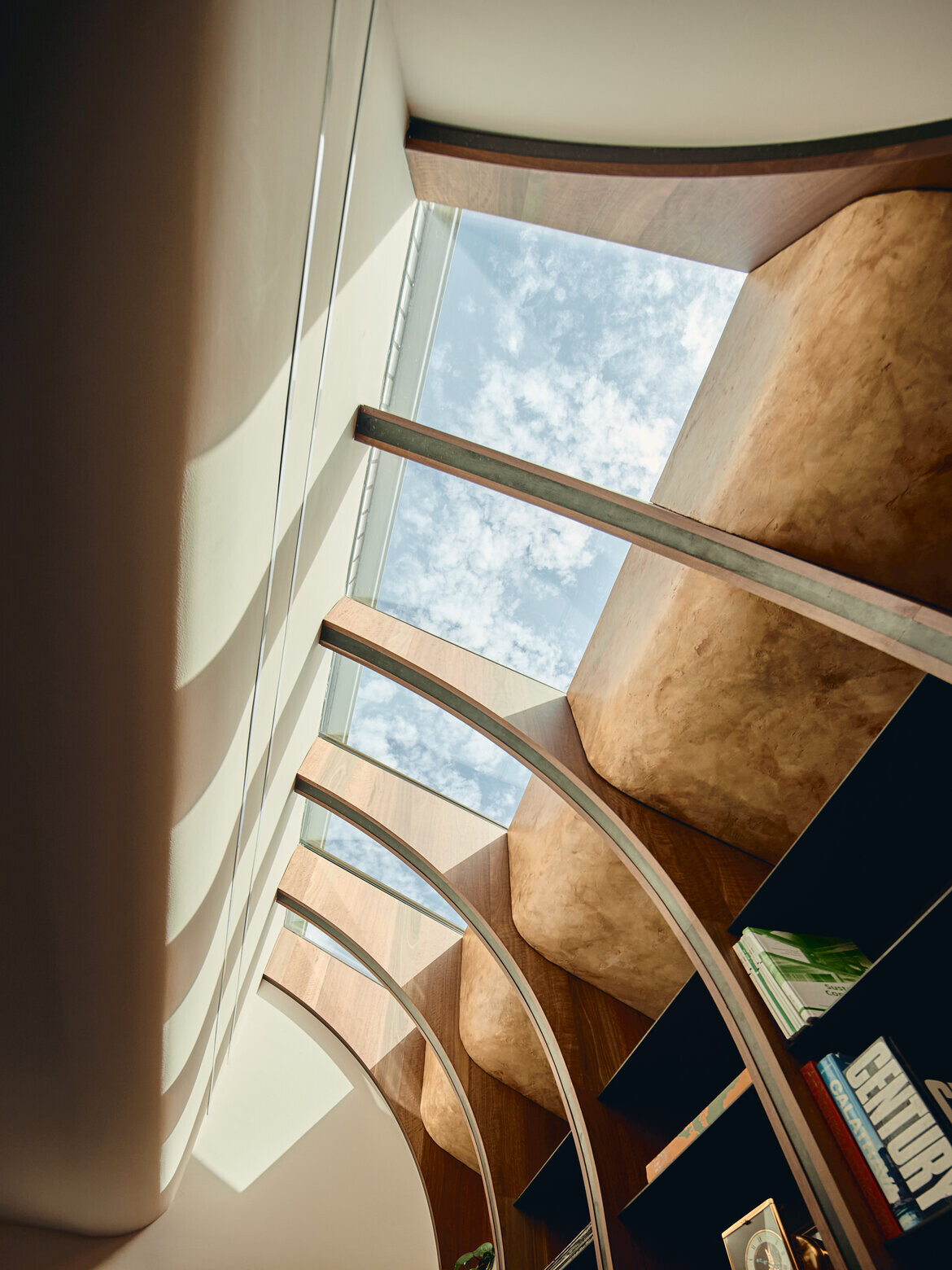
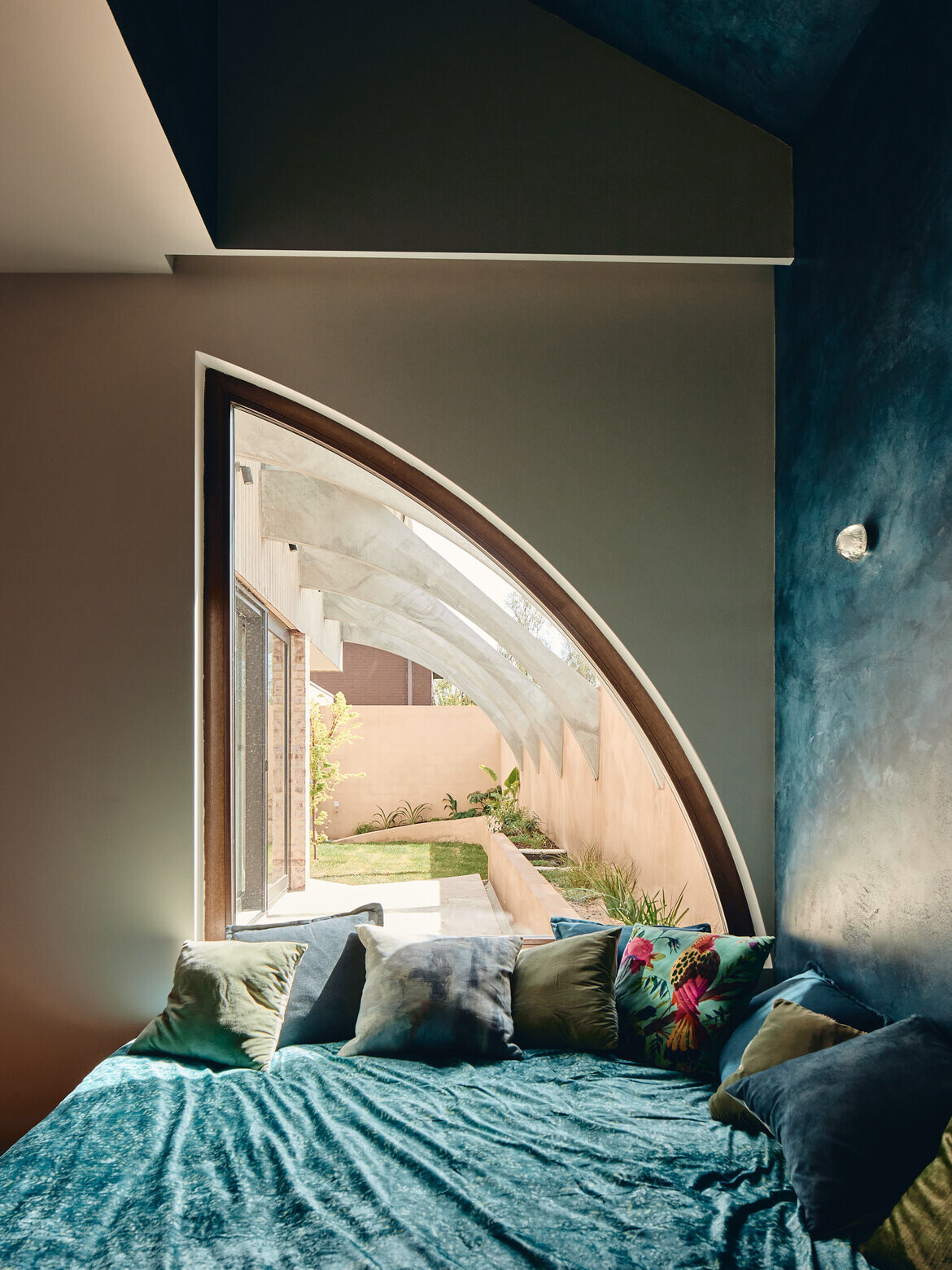
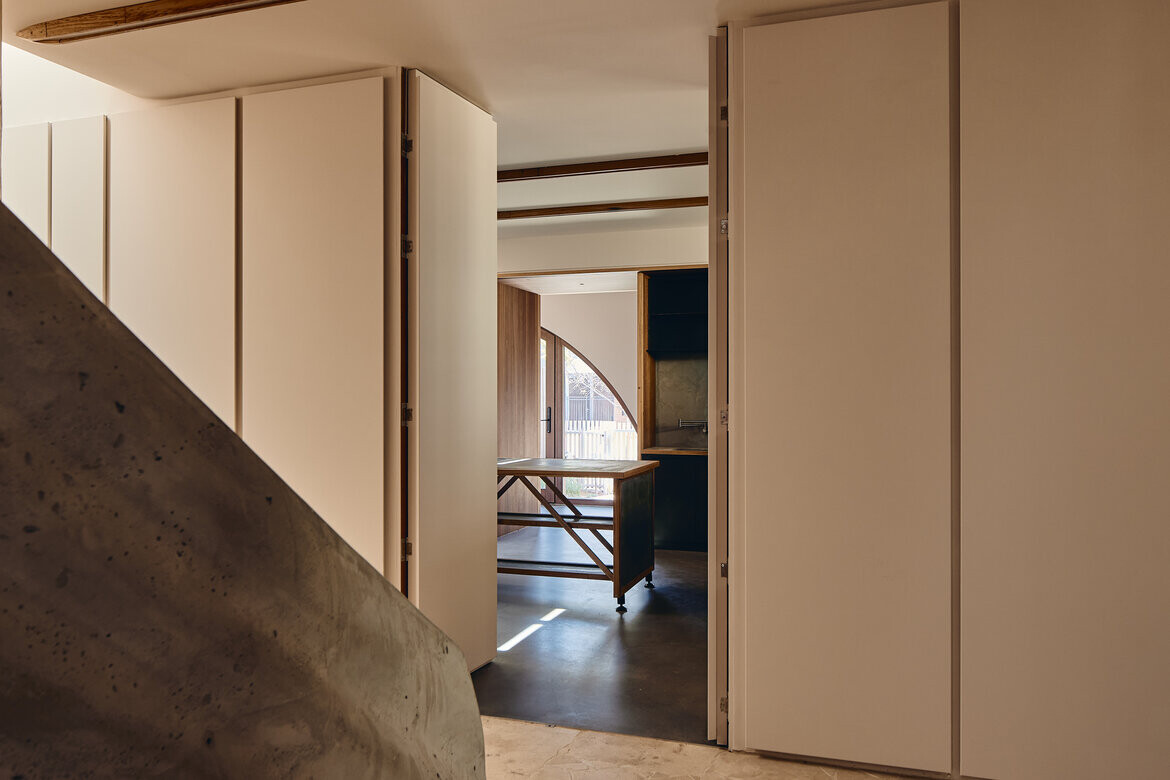
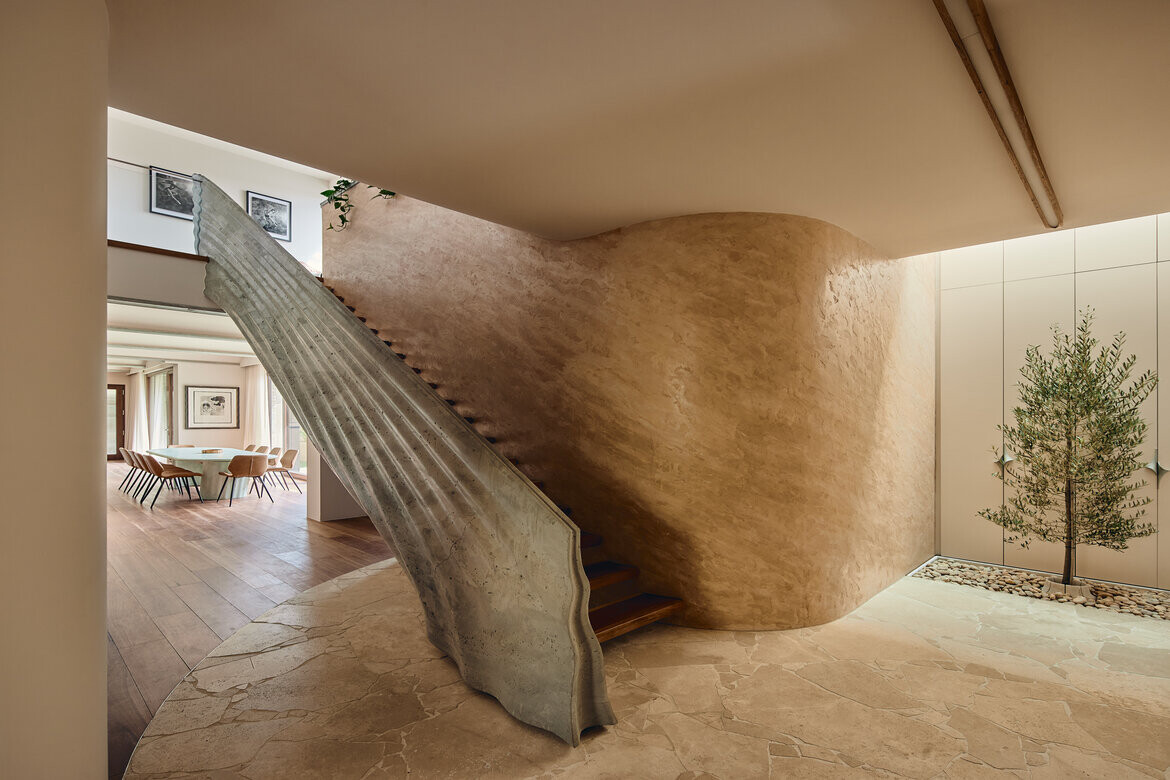
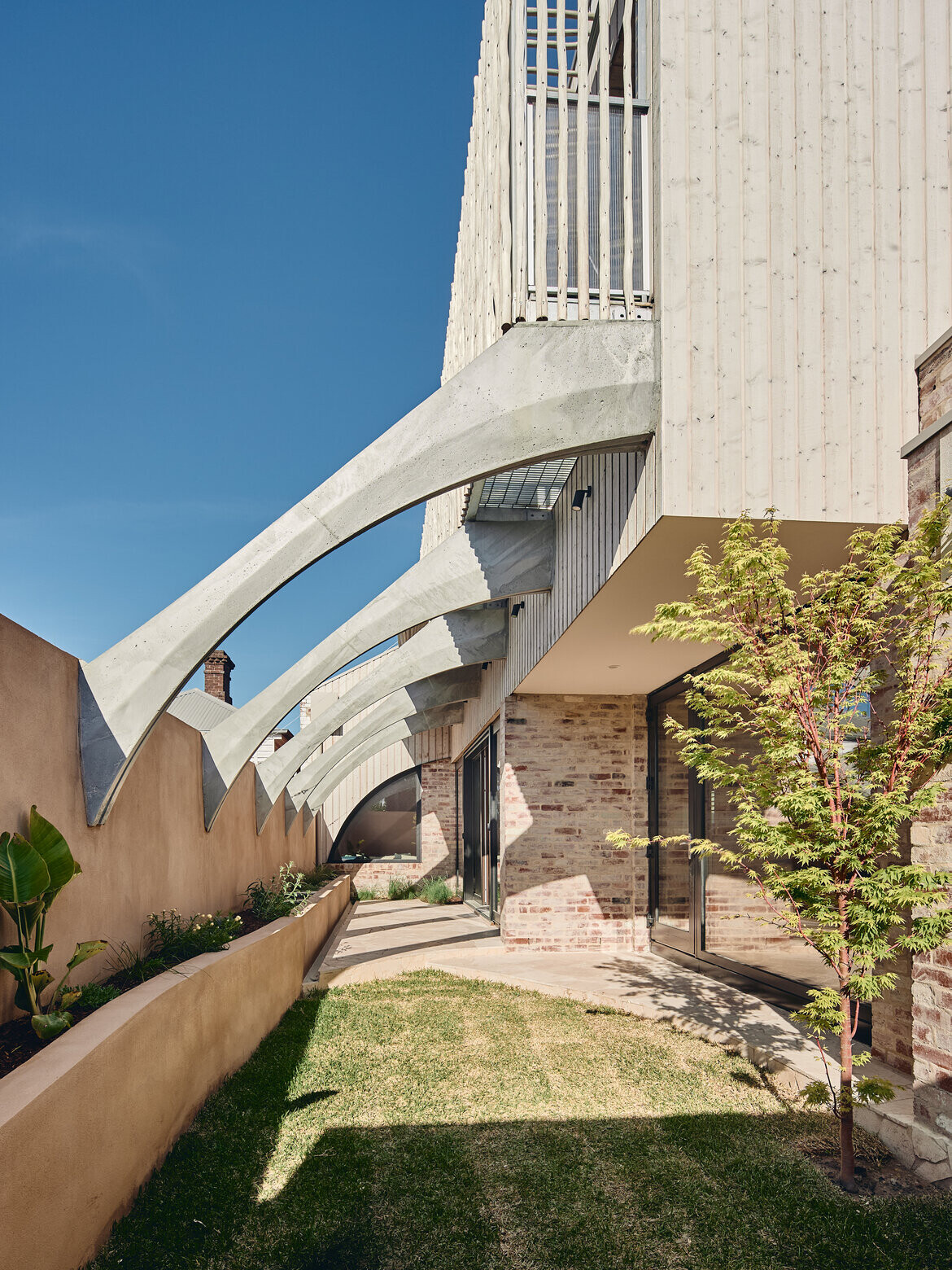
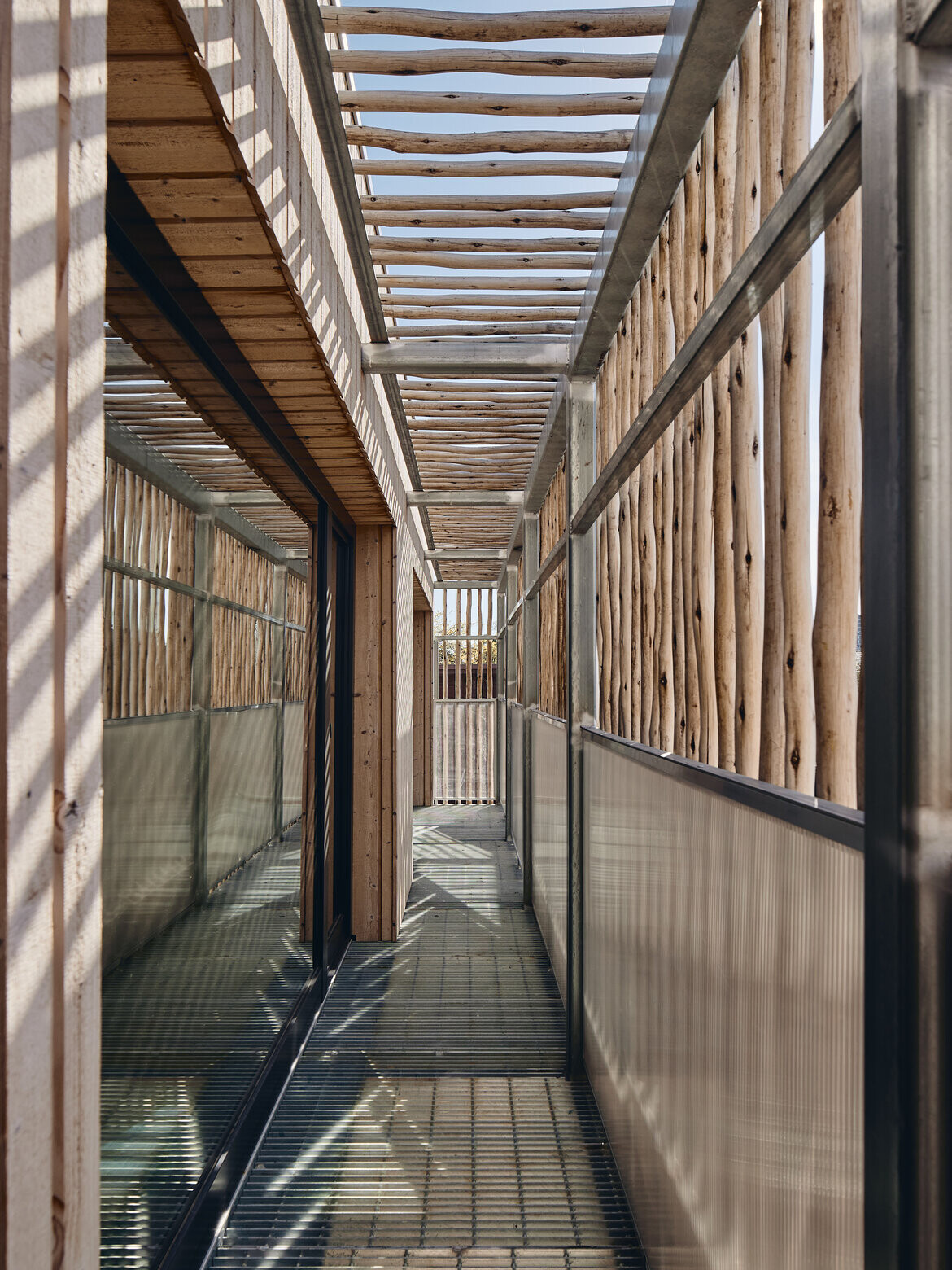
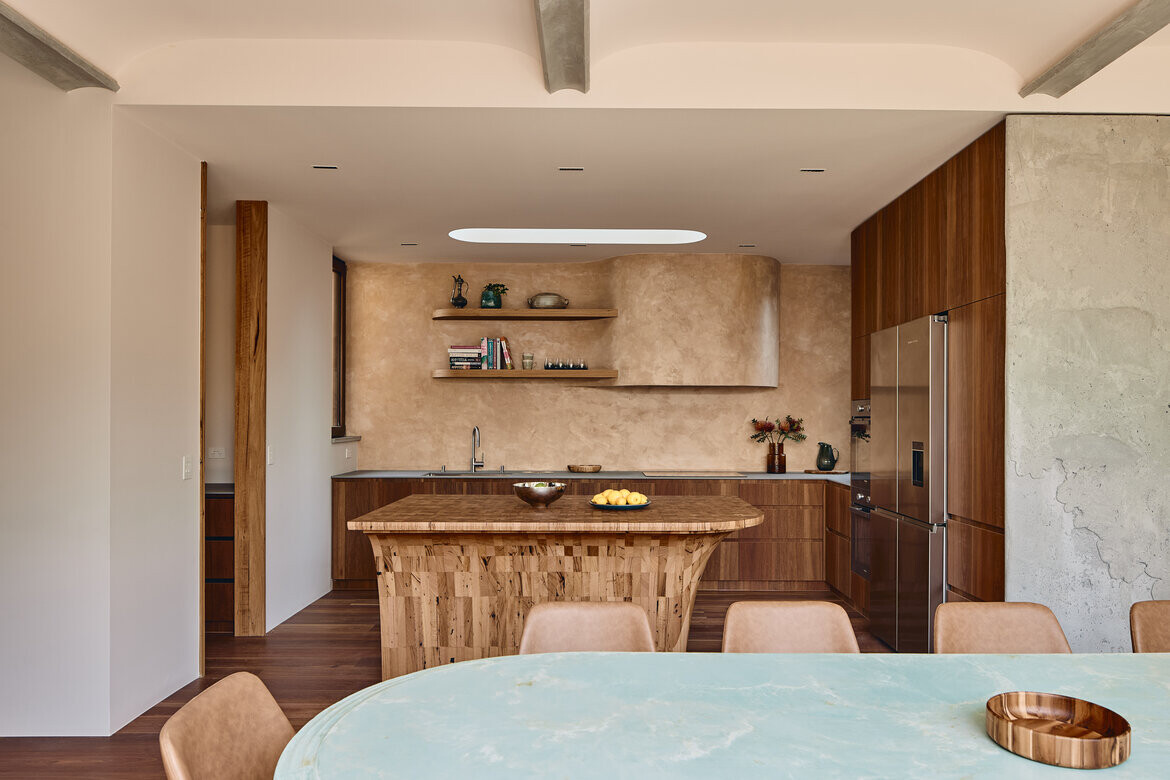
Among the local projects in focus is Materia, the St Kilda home designed and built by Maurie Novak, Director of Obsessive Architects. Previously featured on Indesignlive, the Passivhaus-certified residence has also attracted design award attention, offering a useful counterpoint to the idea that high-performance building must come at the expense of architectural ambition.
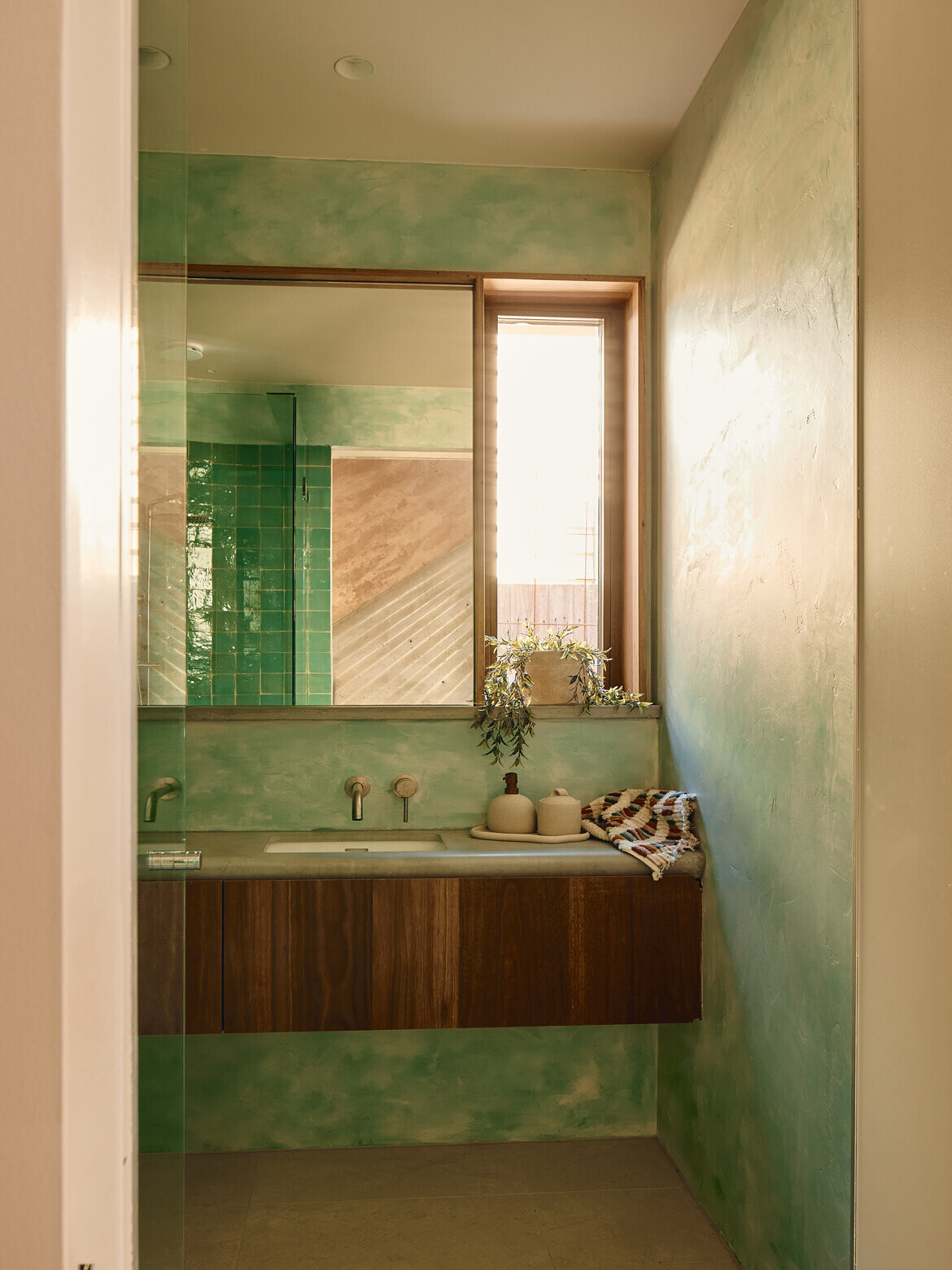
Novak’s presentation will look at how the Passivhaus standard shaped the design of his own home, including the constraints and opportunities that came with meeting certification.
“Passivhaus sets a high technical bar,” he says. “Meeting it on Materia produced better architecture than I would have achieved without it. When you embrace the constraints properly, performance doesn’t limit design — it sharpens it.”
For those already working in sustainable design, the value of Passivhaus is well understood: airtight construction, continuous insulation, high-performance windows and mechanical ventilation with heat recovery all contribute to lower heating and cooling demand, better indoor air quality and more stable internal comfort.
The broader task now is getting that knowledge into more projects, more teams and more client conversations. THRIVE 2026 is pitched at that next step, with a program aimed at moving Passivhaus from specialist expertise into more common practice across the Australian built environment.
Australian Passivhaus Association
passivhausassociation.com.au
Obsessive Architecture
obsessivearchitecture.com
Photography
Peter Bennetts
INDESIGN is on instagram
Follow @indesignlive
A searchable and comprehensive guide for specifying leading products and their suppliers
Keep up to date with the latest and greatest from our industry BFF's!
The internet never sleeps! Here's the stuff you might have missed