Passivhaus still carries certain assumptions: compact forms and sensible, restrained openings. Materia, the St Kilda home designed, built and lived in by Maurie Novak of Obsessive Architecture, does not fit neatly within that image.
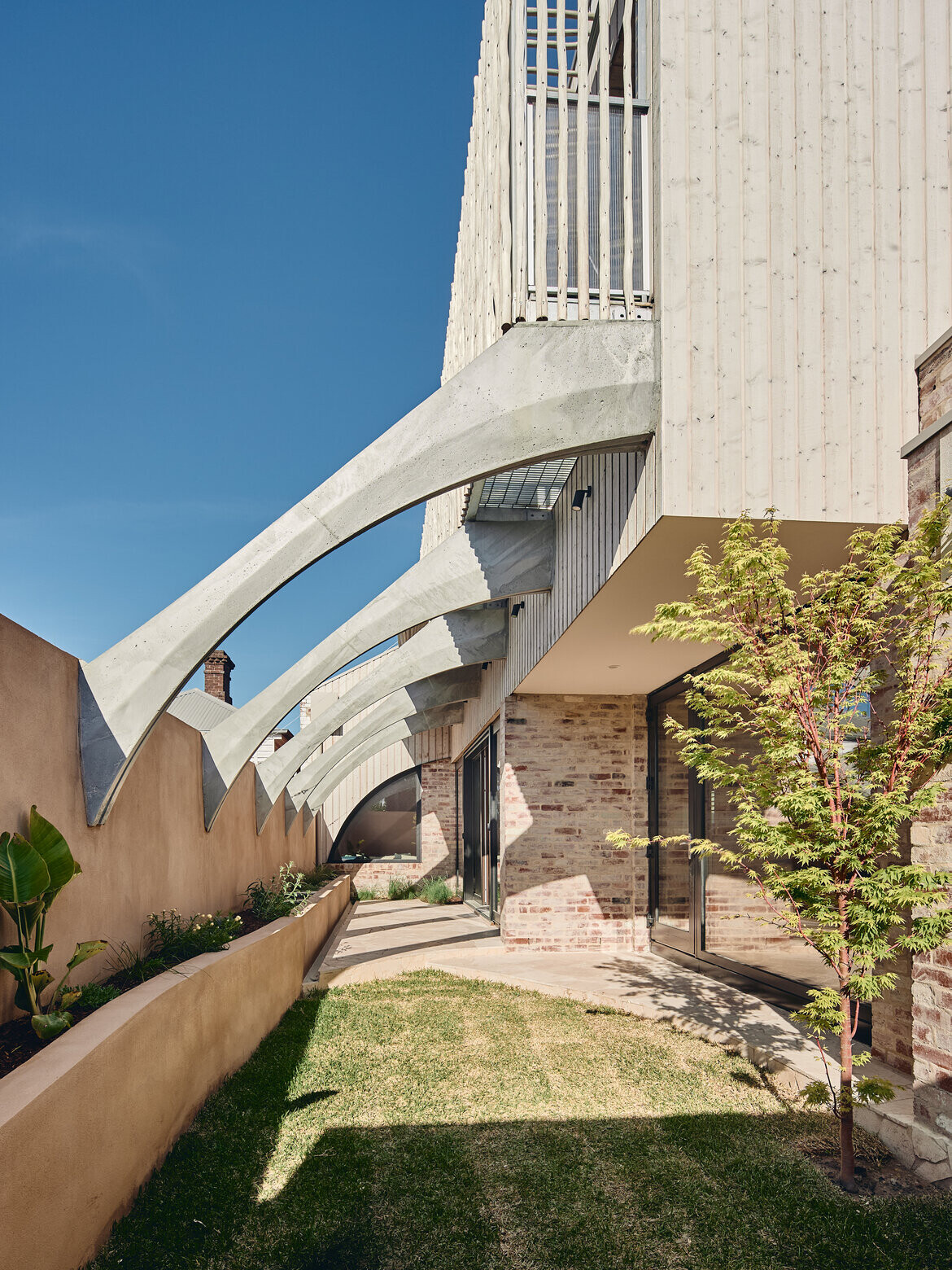
The house is certified Passivhaus, but it is also materially assertive and spatially complex, with sculptural concrete, generous glazing, a floating stair and eight different ceiling heights. “This project was a rare opportunity for me,” he says. “It gave me the opportunity to stop and think about how I want to define the next 10 years of my career.”
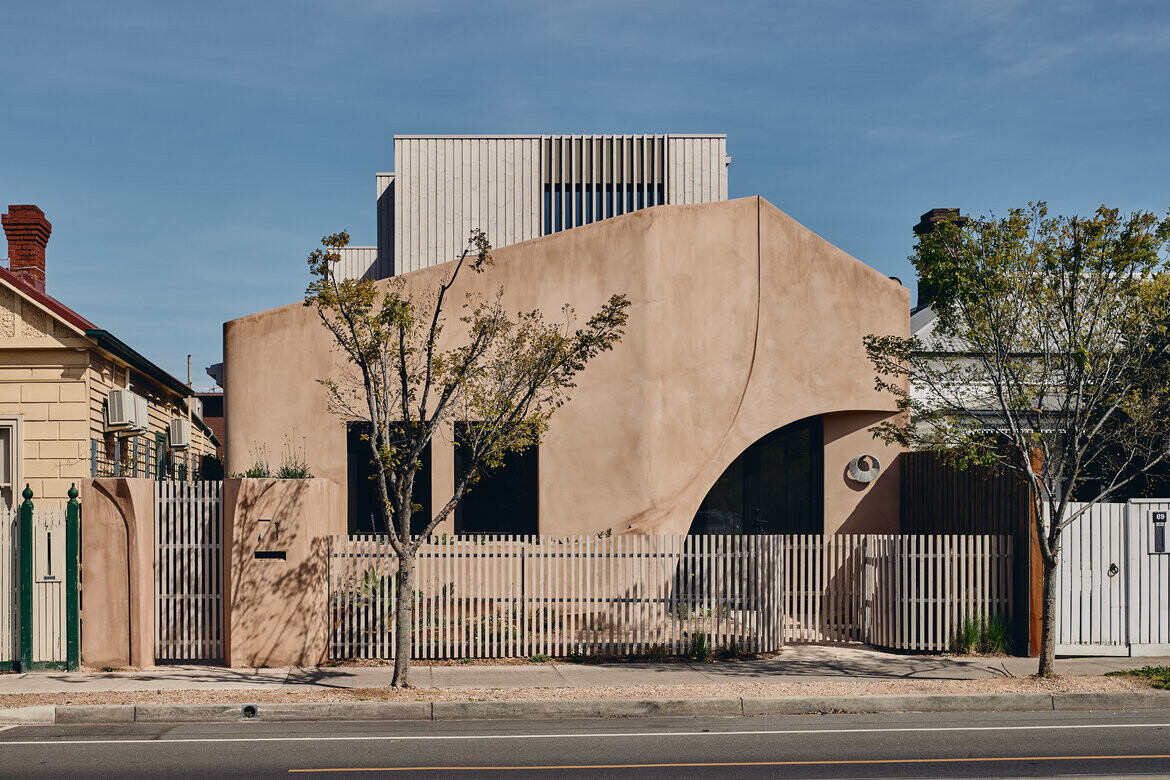
Novak had followed Passivhaus for some time, but Materia was the project that allowed him to test it against his own architectural priorities. It is not sustainability as austerity, nor a project trying to make high performance disappear behind a conventional domestic image. Instead, it asks whether the standard can hold up under a more complicated architectural proposition.
“I wanted to prove that Passivhaus is not a barrier to any design goals,” says Novak. “You can bring in all that smart engineering and still have large windows, curvy forms, whatever design goals you set yourself.”
Certainly, Materia retains 130-year-old double-brick external walls, yet was certified to a full new-build Passivhaus standard rather than a renovation standard. “Making it airtight with an existing shell, and then with all of the detail and complexities of the design, made it really hard,” says Novak.
Related: HOME Parramatta and the question of renting well
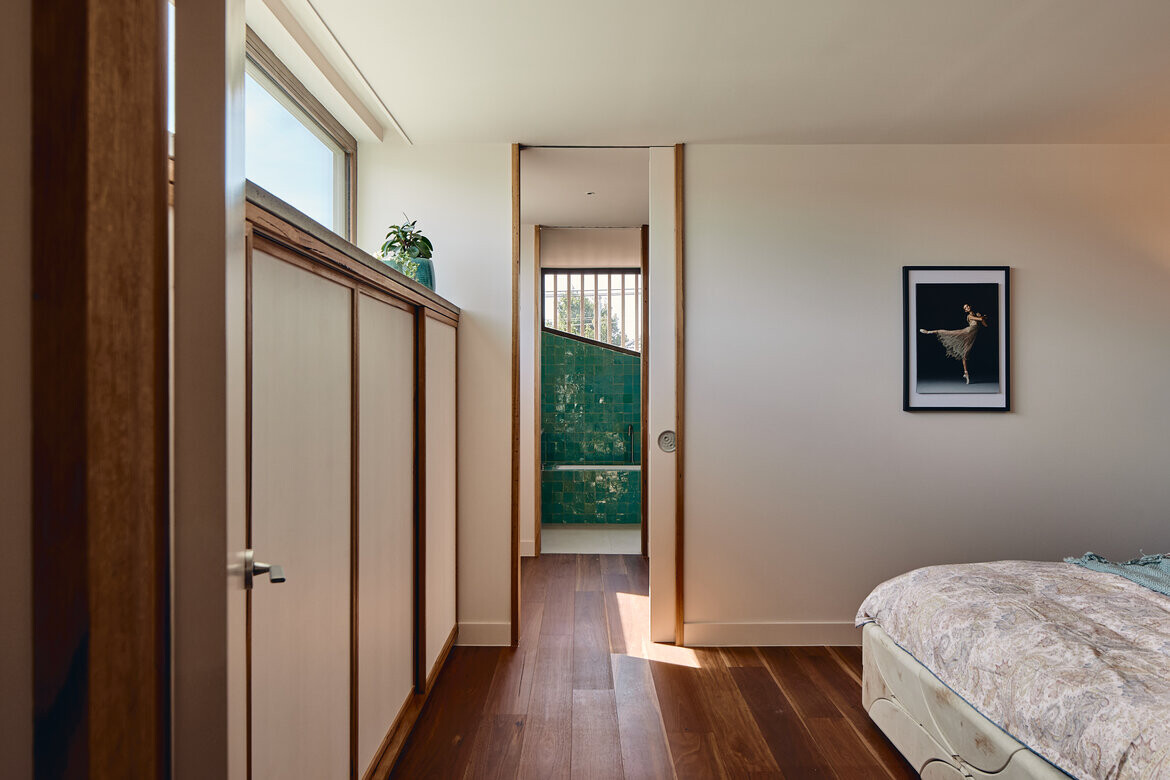
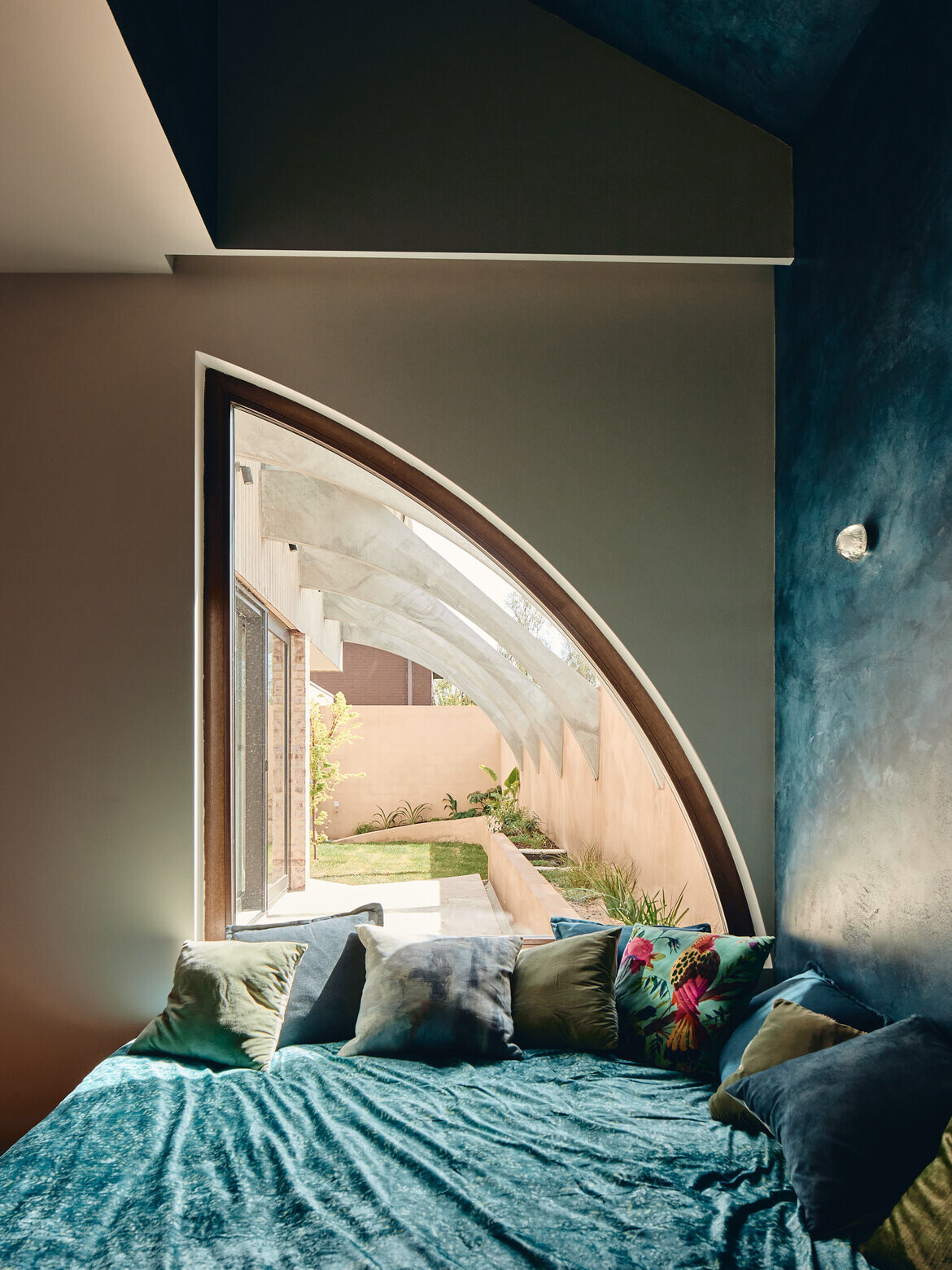
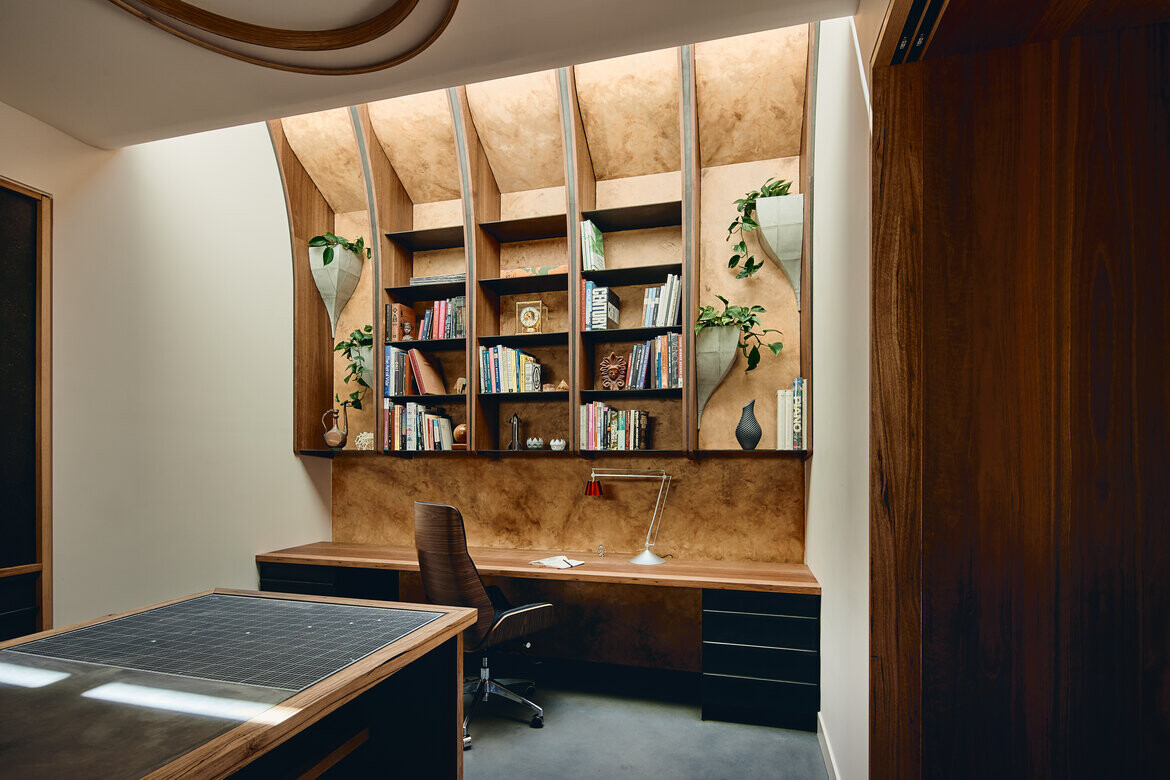
The eight ceiling heights, large skylights and shifts in volume all placed pressure on the airtight envelope. “It was about airtightness and making everything sealed,” he says. “Being able to have a huge skylight across a room and still create that seal — again, it was about not letting the design be a barrier.”
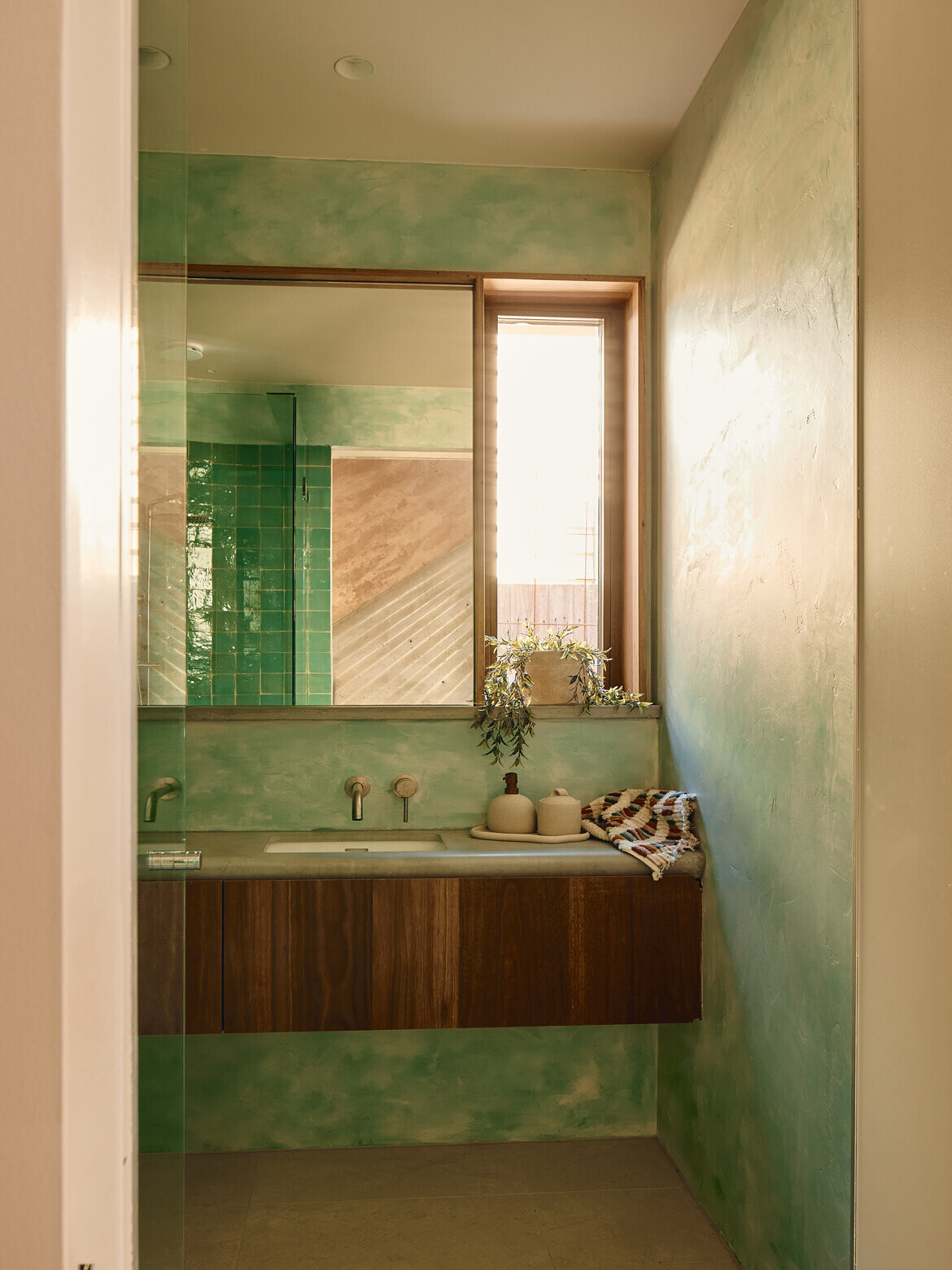
Inside, the house shifts from technical exercise to tactile experience. Novak talks about materiality in terms of use rather than image. “Everyone that comes in wants to touch everything,” he says. “The walls are rough, there are smooth surfaces, the timber bench is silky smooth. When you actually live in a house, you’re part of it. You’re touching it.”
“Passivhaus is really the barrier between the inside and the outside,” he says. “As long as you pay that respect and detail that correctly, what’s inside or outside doesn’t necessarily have to affect that.”
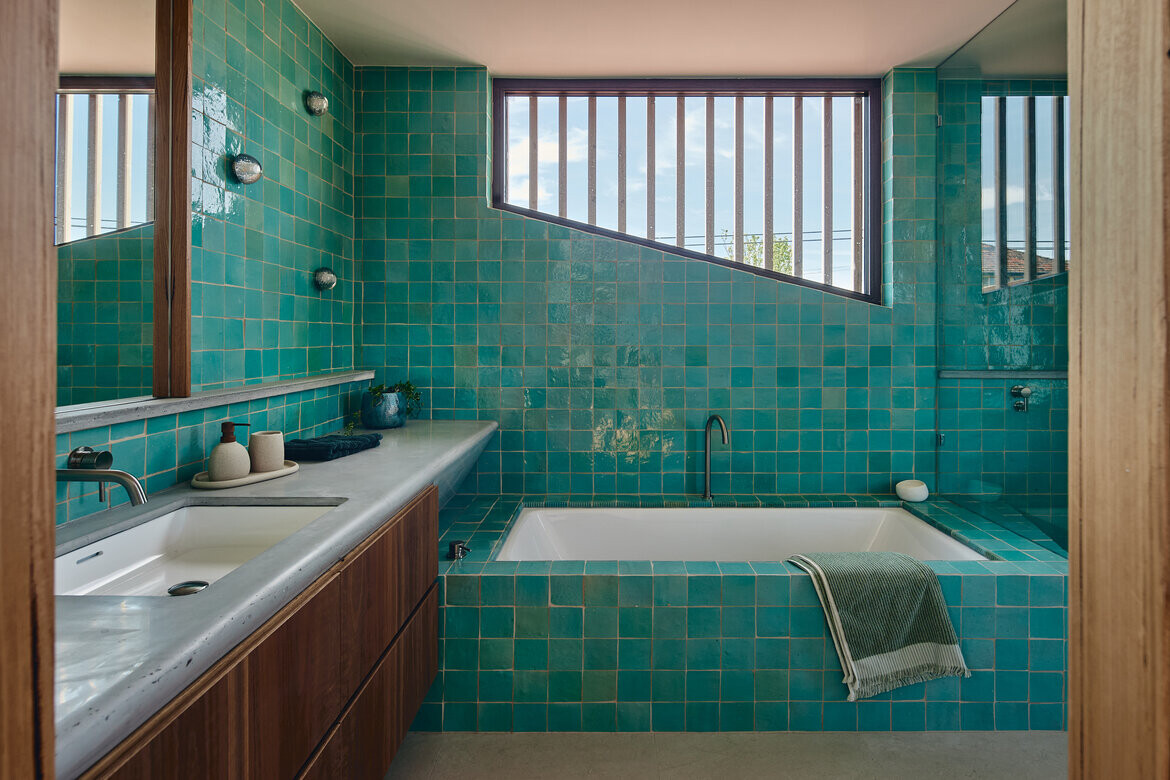
While the performance ambitions are rigorous, the house is also concerned with weight, tactility and the slight irregularities that come with making. Novak made hundreds of concrete elements himself, including smaller details such as hooks and handles. The process gave the house a level of authorship that is difficult to separate from its architectural outcome.
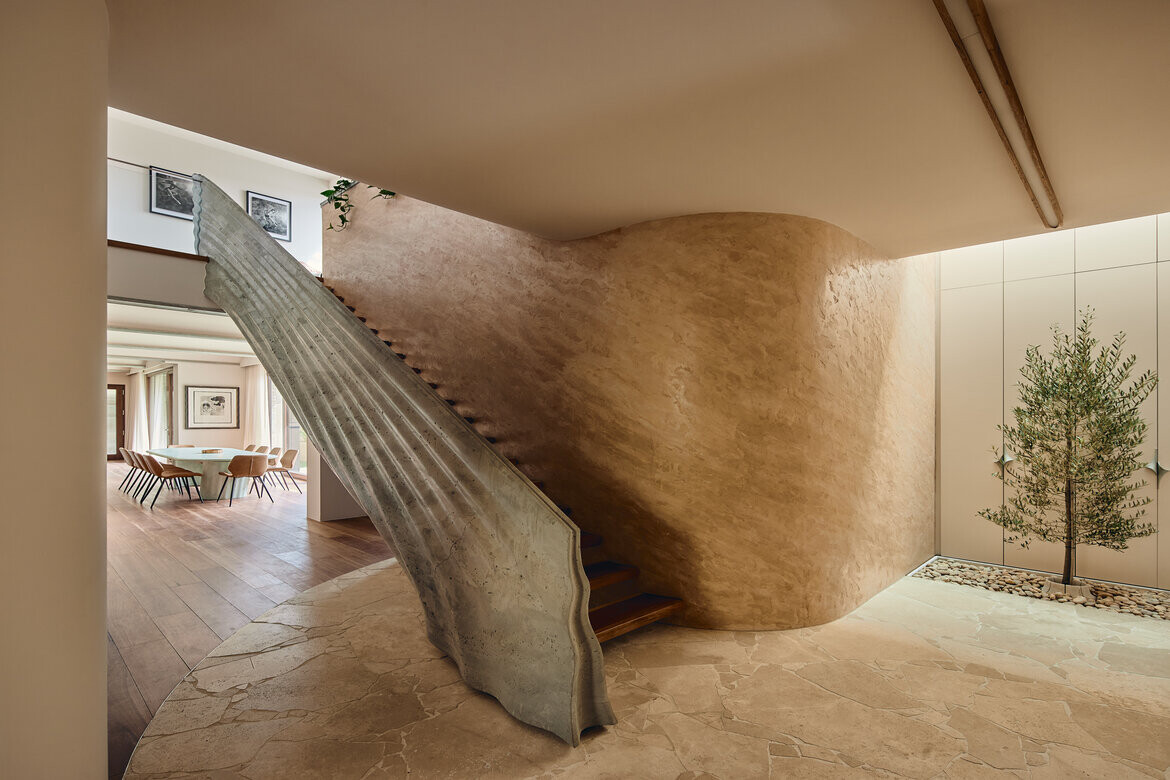
The stair became one of the most demanding pieces: a form he imagined as “like a curtain floating in the air, not touching the ground, wrapping around the stairs.”
“It was weightless, but also with weight,” he says. “I could model it very easily in 3D, but figuring out how to actually build it was another thing.” Fabricating it himself became partly a question of budget, but also one of control. “Building it myself was really fulfilling.”
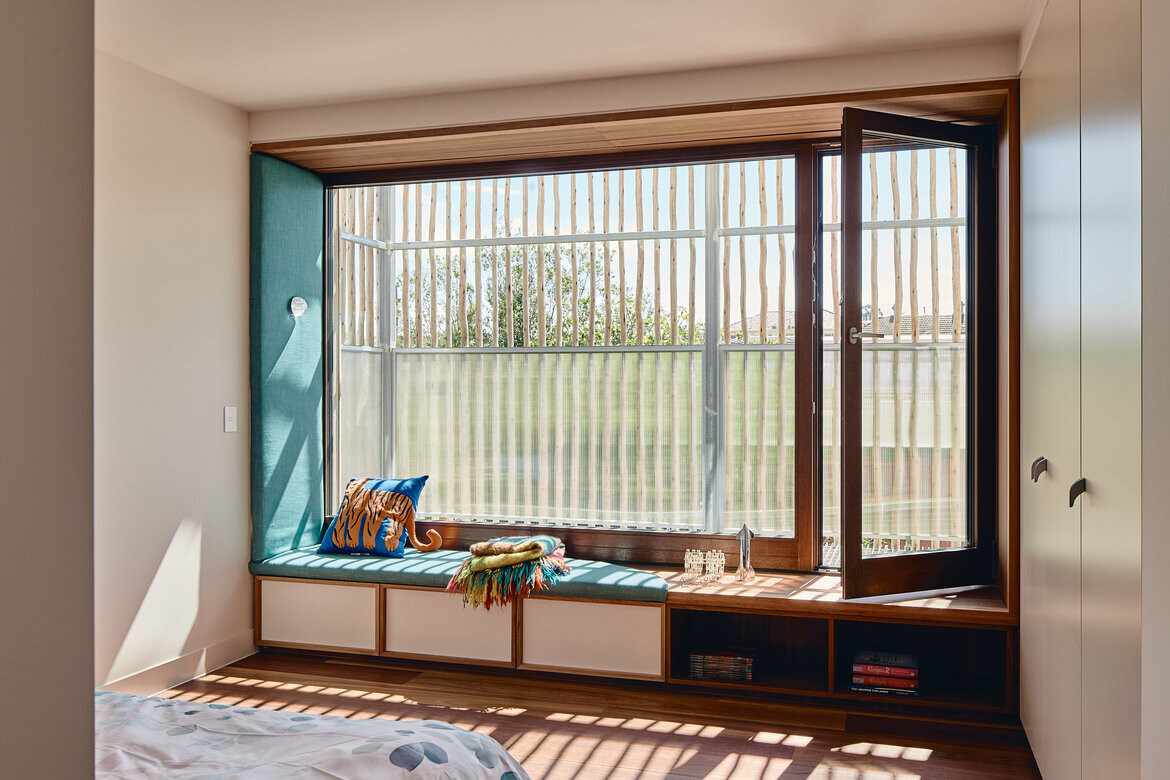
That overlap between architect, builder and owner allowed the house to keep changing on site. In a typical client project, Novak notes, the design is resolved, tendered and then built. Materia worked differently. The broad design was in place, but the project remained open to adjustment through construction.
“In the living room, I changed the ceiling design probably six times until it became the one it was meant to be,” he says. “I wanted every room to be its own element… I wanted to make each room as best as I could.”
That freedom can be romanticised, but it also carried pressure. Living with one’s own decisions sharpens the stakes of design. There is no distance between architect and client, no handover after completion. The small things remain visible. The unresolved details do not disappear.
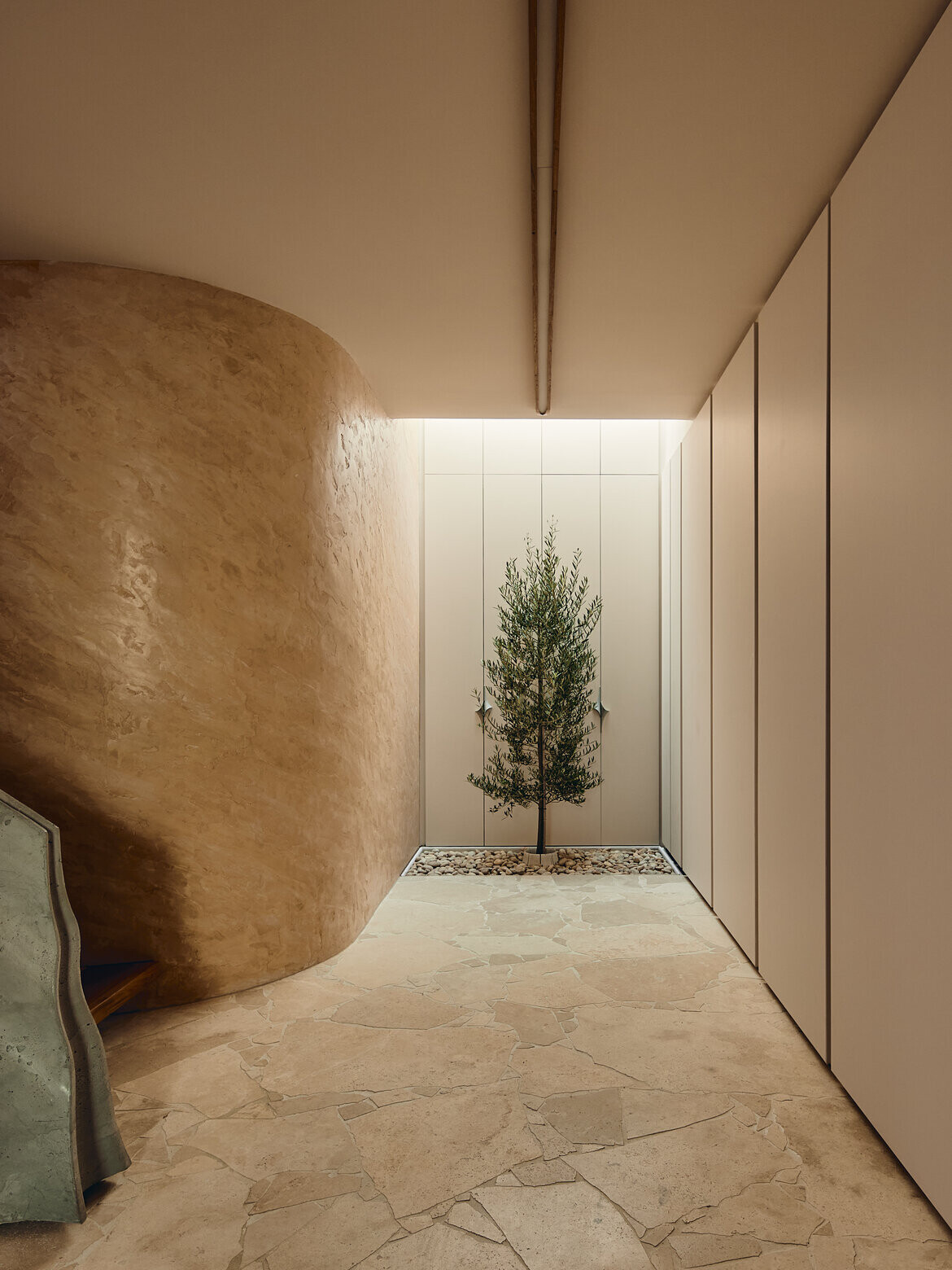
Still, Novak’s account of the project is less about perfection than persistence: returning to a room, a junction or a form until it feels resolved enough to build. “It was about not settling on the initial design,” he says.
The danger with a house like Materia is that it could be read only through its unusual moments — the stair, the concrete, the ceiling heights. Novak is more interested in what sits underneath them.
“The thing I always say when I give people a tour is that it’s not, ‘I created this really complex house and I can do it for you,’” he says. “It’s more that, as an architect, I think it’s really important that we get the fundamentals right: the waterproofing, the insulation, the airtightness. Those are the things that give you a comfortable environment to live in.”
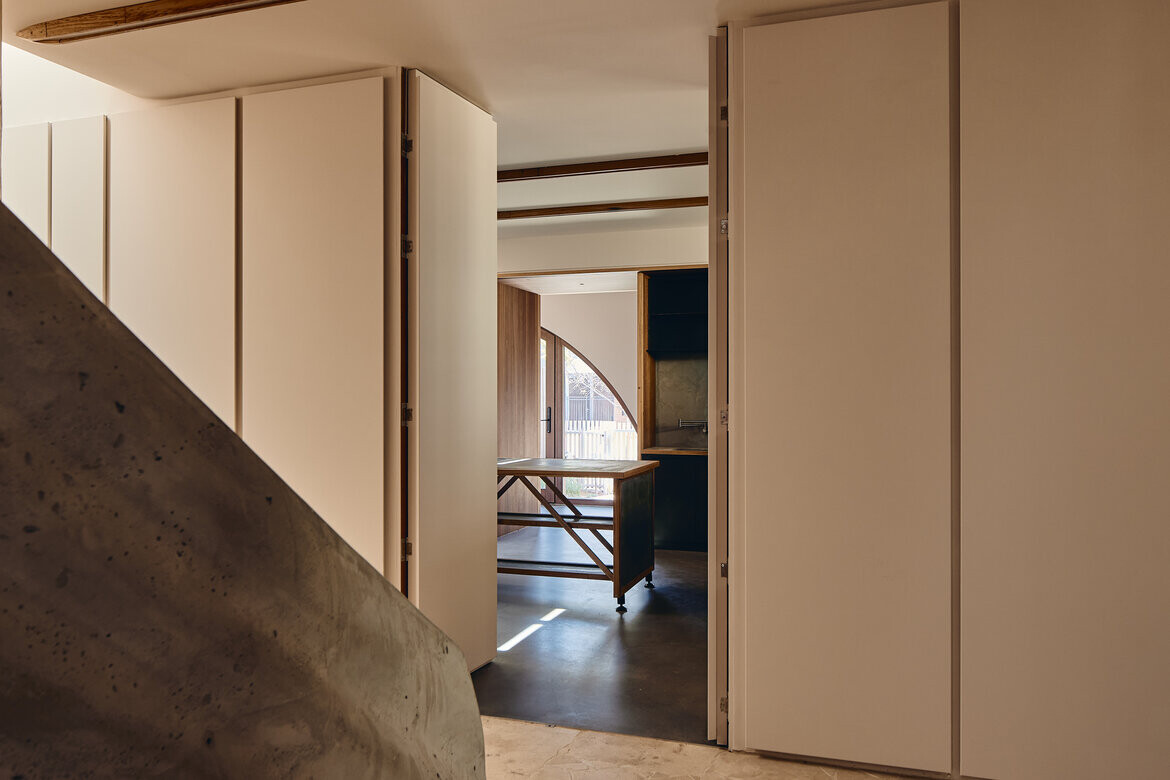
Novak is pragmatic about how far this thinking can extend. Not every client will want a fully certified Passivhaus, and not every project will demand one. But he argues that much of the mindset can carry across.
“All of my clients may not want a 100 per cent certified Passivhaus,” he says, “but if you do 70 or 80 per cent of it, you’re still going to have a much better house to live in. I want to bring that mindset to every project.”
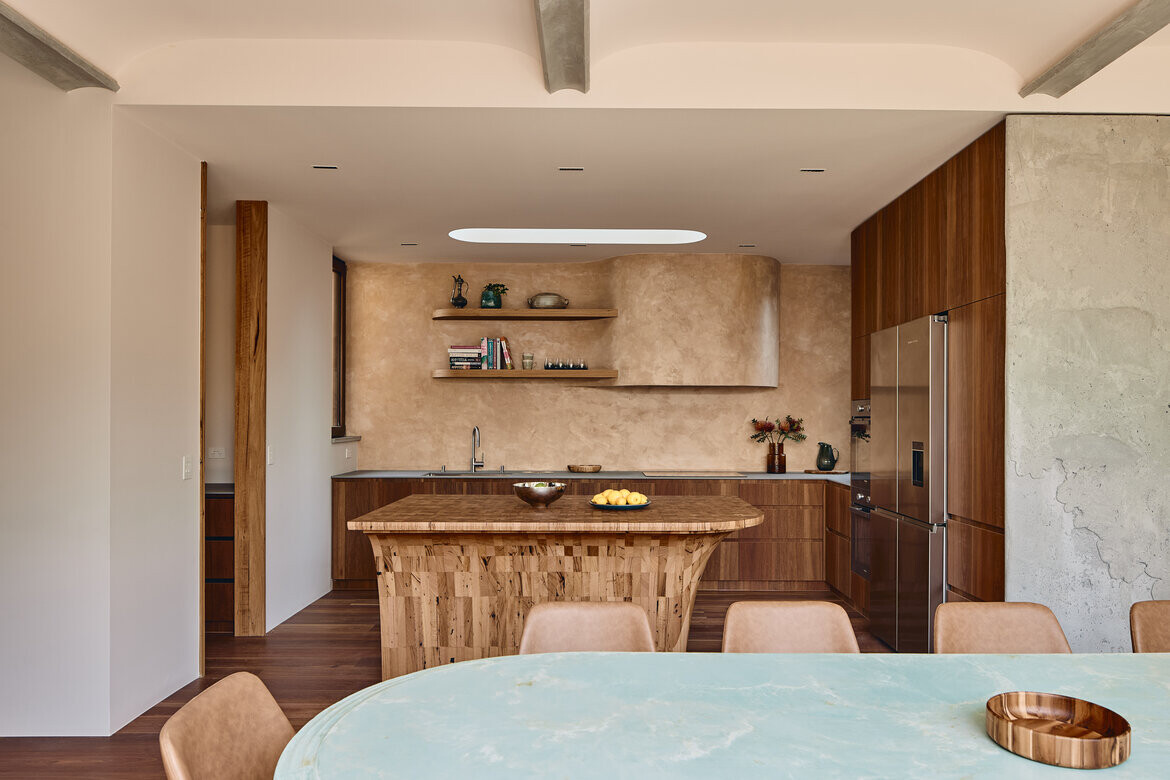
Since completion, Materia has also become a teaching tool, even extending beyond the house itself. Materia has been shortlisted in the Sustainable Architecture category at the 2026 Victorian Architecture Awards, placing the project within a broader conversation about how high-performance residential design is being recognised by the profession.
Novak has taken hundreds of people through the house, using the tours to explain not only what the project looks like, but how it works. “It’s not like a real estate listing where you just walk through,” he says. “I take 30 or 45 minutes and explain Passivhaus, how we achieved things, why we changed things and the design.” The reactions have been enthusiastic, but Novak seems most interested in what people take away for their own homes. “Everyone walks away learning something about their own house or how they might want to build in the future,” he says.
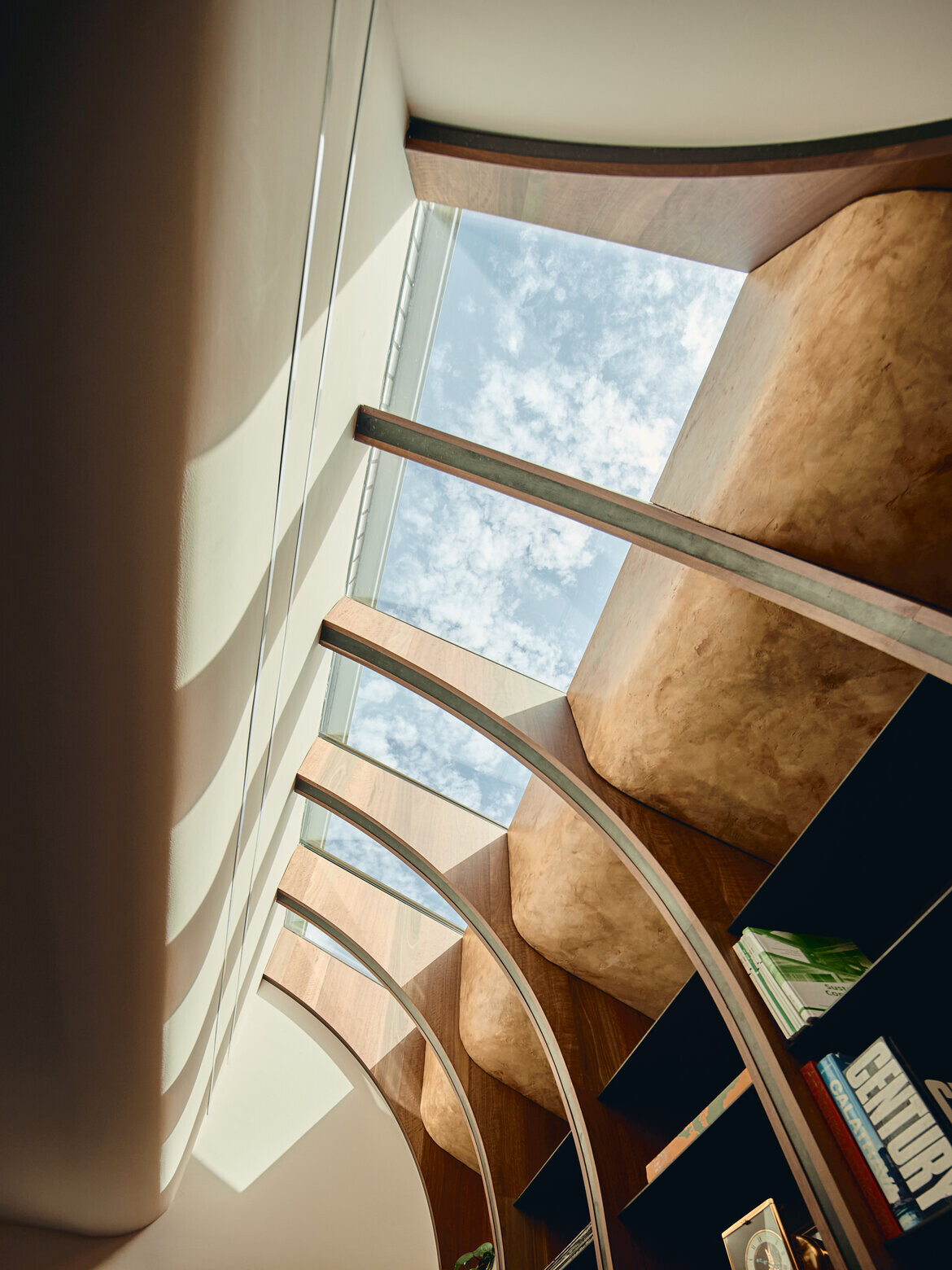
Ahead of Novak’s presentation on Materia at the Australian Passivhaus Association’s THRIVE conference, the project does not pretend that ambitious design makes Passivhaus easy, nor that performance should be reduced to an aesthetic. Instead, Materia shows what happens when the technical demands of a high-performance house are taken seriously enough to let the architecture push back.
Maurie Novak will speak about Materia at THRIVE 2026, the Australian Passivhaus Association’s conference.
Obsessive Architecture
obsessivearchitecture.com
Photography
Peter Bennetts