Design events are often good at bringing people into the same room, but what happens after that can be more uneven. Sometimes the night becomes all arrival, drinks, introductions and exit; pleasant, but without much space for the kinds of conversations people actually remember.
The Indesign Social Club has been created to offer something more direct. The new initiative is designed for emerging architects, interior designers and product designers, creating a relaxed, invite-only setting for discussion around the future of the design industry.
While the Social Club sits separately from Saturday Indesign, it has also grown out of a broader series of conversations currently informing where SID goes next. In particular, recent consultations around Saturday Indesign have pointed to a clear appetite for more hands-on design experiences, more honest exchange and connection between emerging designers, specifiers, brands and the people behind the products.
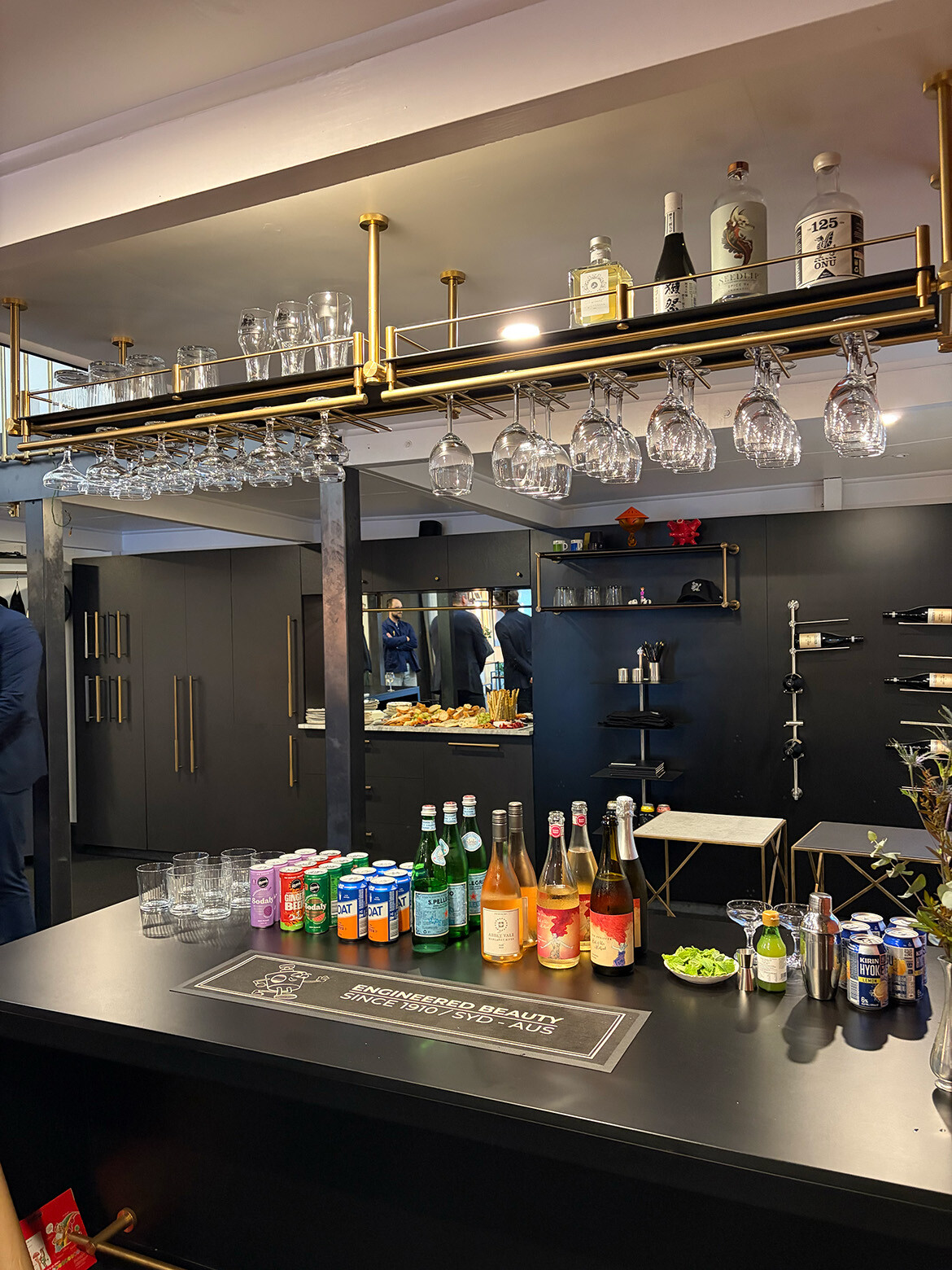
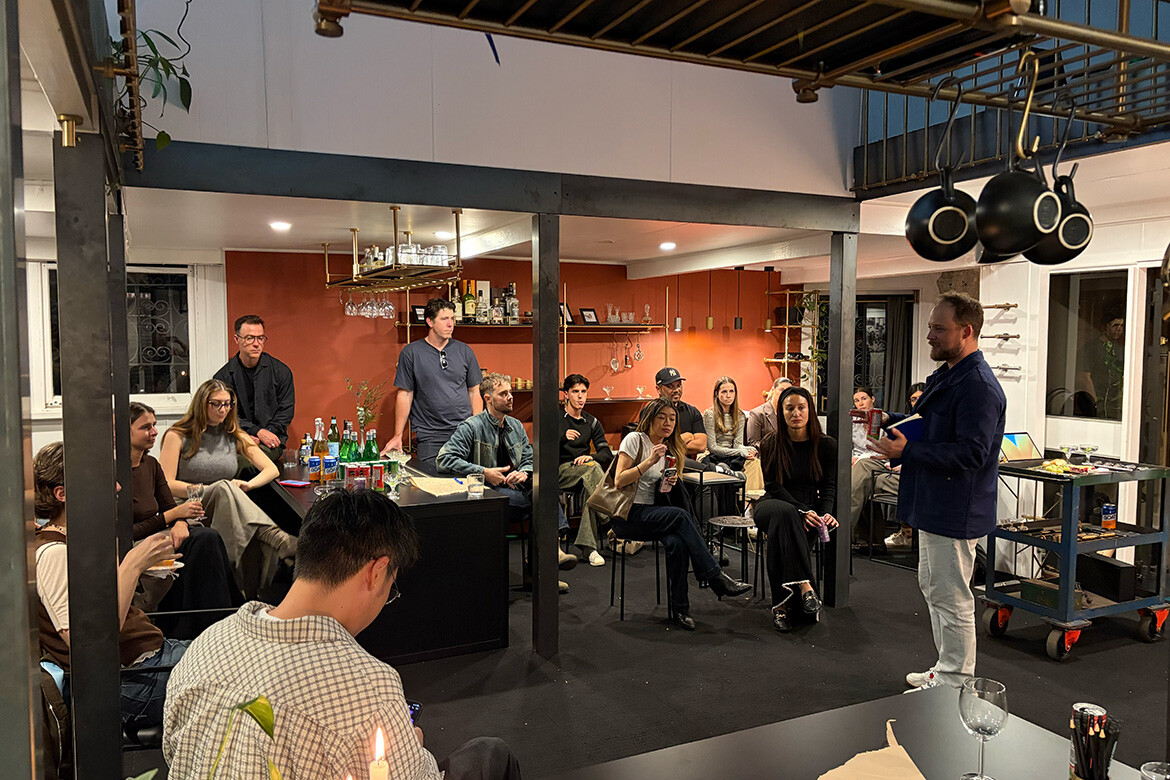
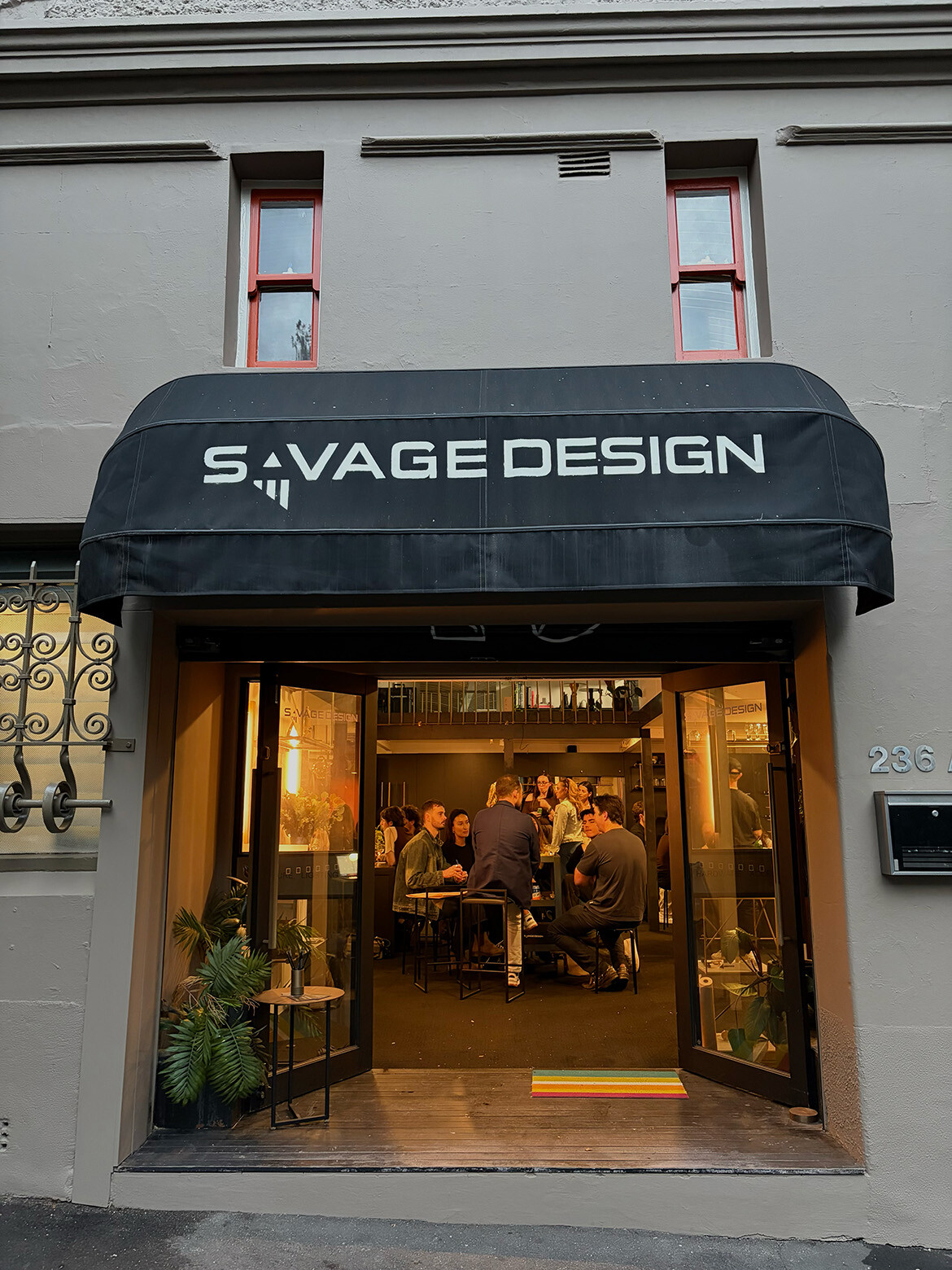
The first Social Club was hosted at Savage Design in Sydney on the 14th May, with a focus on hands-on participatory design. The topic asked how the industry might create and facilitate experiences that bring back the joy of making — a useful starting point in a profession where much of the work is now shaped by screens, schedules and increasingly complex delivery processes.
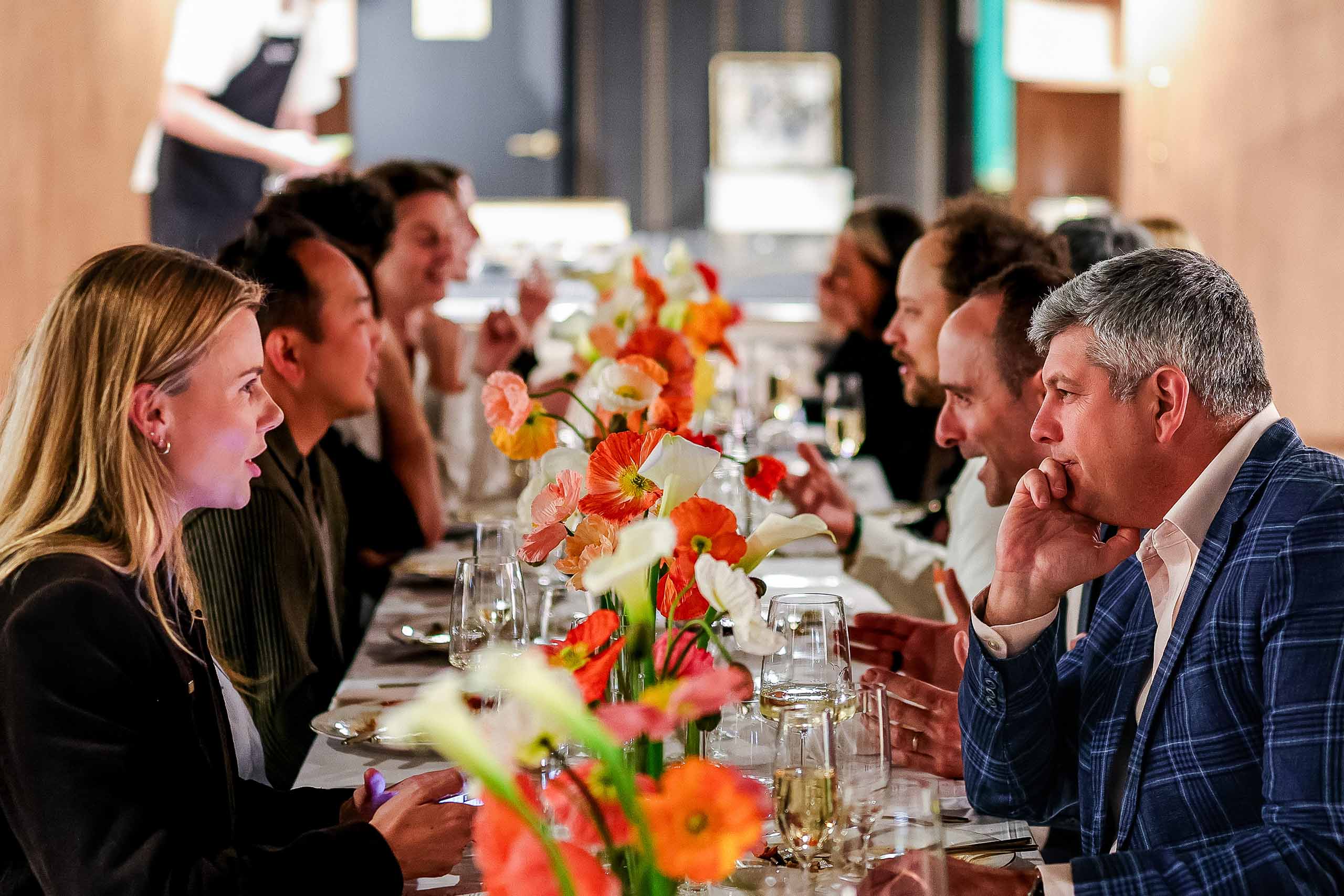
The evening brought together emerging designers from practices including 3XN, Alexander Symes Architect, Geyer Valmont, Billard Leece Partnership, Carter Williamson, Convict Interiors, Greg Natale, Hammond Studio, Hare + Klein, Plus Studio, SJB, YSG, Sann Studio and Gensler.
Related: Casting a curatorial eye across Melbourne Design Week
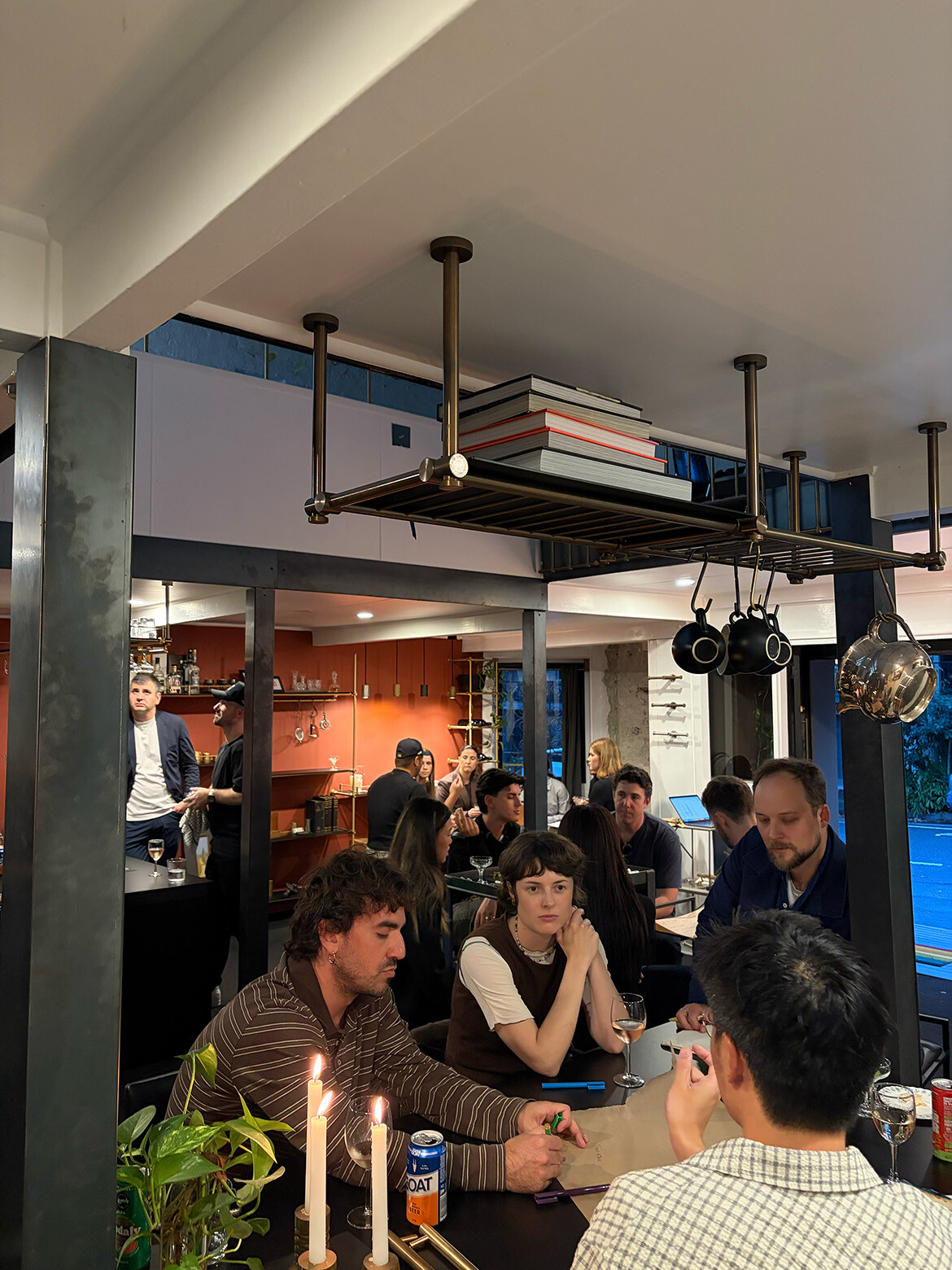
In the smaller setting, the discussion was able to move past the usual broad statements about where design is heading. Conversation turned to process, participation, material thinking and the value of bringing people closer to the act of making. There was also an interest in how design experiences can become more open and less transactional — not just polished outcomes, but spaces where people can take part, ask questions and exchange ideas.
That sense of exchange is central to the Social Club. Rather than another formal panel or large-scale networking event, the series is intended as a place for emerging voices to speak with more honesty about the pressures, possibilities and changes shaping practice now. The format is deliberately intimate, allowing discussion to happen without the usual distance between speaker and audience.
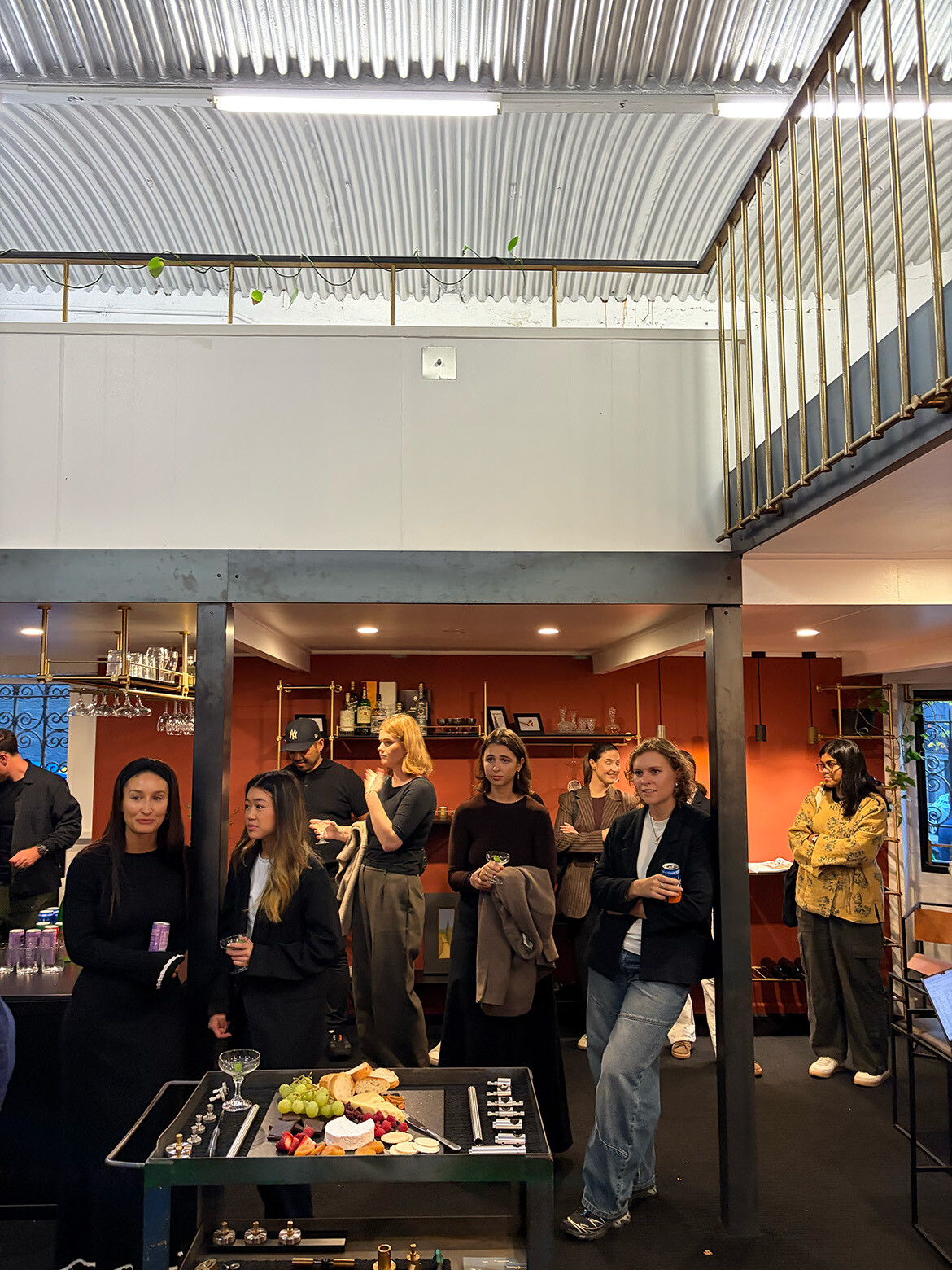
For Indesign, the launch marks a new way of listening to the next generation of Australian design leaders. The industry is shifting quickly, and the Social Club offers a platform for the people already working through those shifts in studios, showrooms, client meetings and project teams.
It also feeds into a larger question being explored through Saturday Indesign: what should an in-person design event offer now? The answer, increasingly, is not just visibility or foot traffic, but genuine access. Designers want to understand products in context, speak directly with the people who make and specify them and experience design through material process.
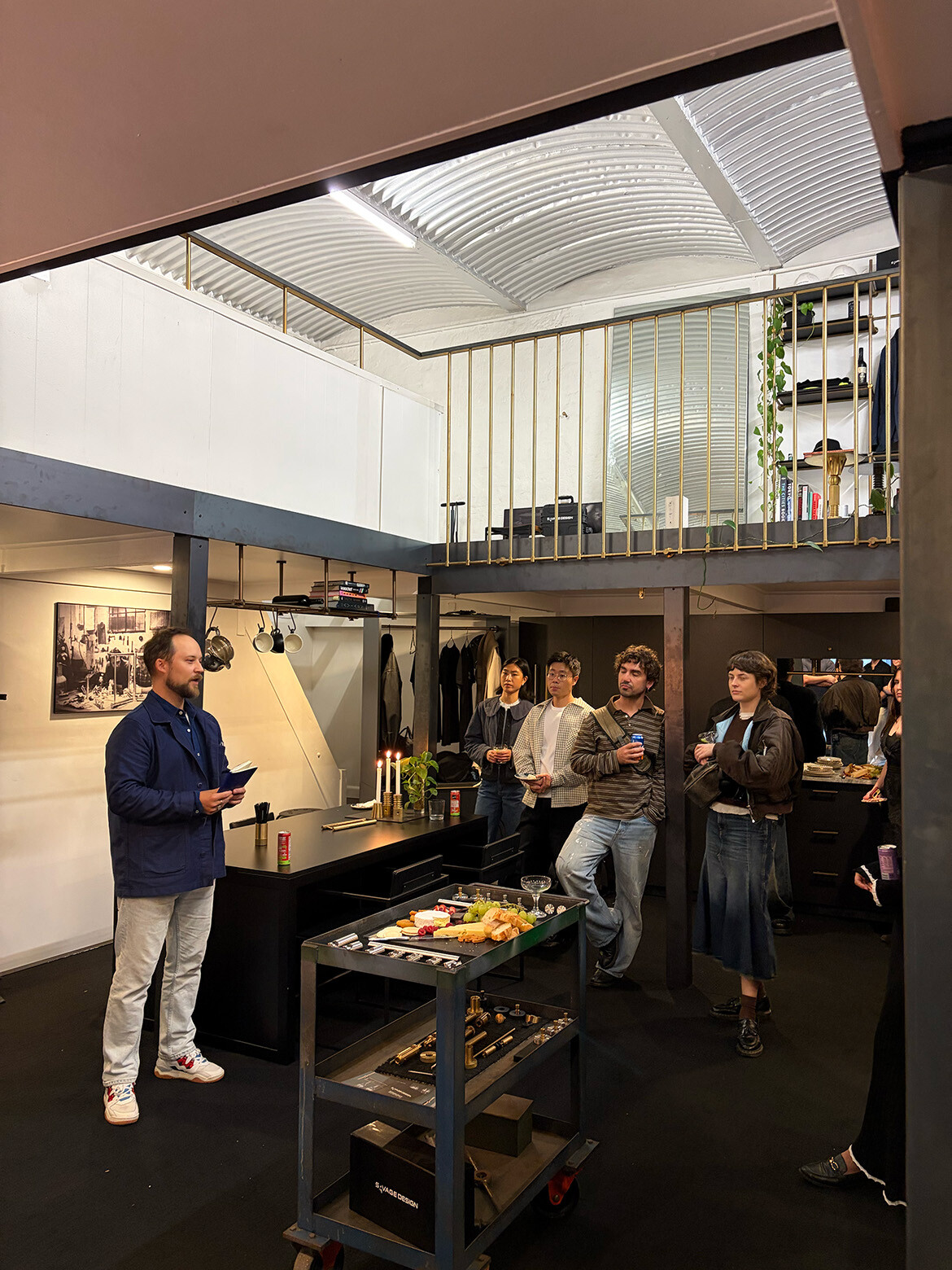
This is where Saturday Indesign has always had its strength: bringing people into the authentic homes of design — the showrooms, studios and spaces where work actually lives. But the feedback around hands-on design, emerging voices and shared knowledge is now helping push the format further. The next evolution of SID is being shaped around deeper engagement, more participatory experiences and the encounters that echo beyond the day itself.
Certainly, the first session set the tone for what Indesign Social Club hopes to become: a regular space for emerging voices, open discussion and stronger connections across the design community. Thank you to Savage Design for hosting the inaugural gathering, and to everyone who came along. We’re already looking forward to the next one, and to seeing what ideas and connections come from the conversations started here.
Savage Design
savagedesign.com.au
Saturday Indesign
saturdayindesign.com