Design festivals and biennales are under constant scrutiny, their purpose and worth called into question. However, they can provide genuine experimental opportunities for designers and reveal to a public audience how designers can shift perception and experience – skills that are essential to address the pressing challenges of our age. This is where curation becomes critical: the art of judicious selection, presented in a way that is compelling and surprising, advancing a position or suggesting new possibilities. Too often the role of the curator is underappreciated. Like very good design, a well-curated exhibition can appear effortless, concealing the hard work, care and skill involved.
This year’s Melbourne Design Week (MDW) demonstrates the importance of a creative and adept curatorial hand. The shows that caught my eye were all designer-led and staged outside institutions and showrooms, with the inventive mind of the designer at the forefront — both as curators and as those responding to the provocations they set.
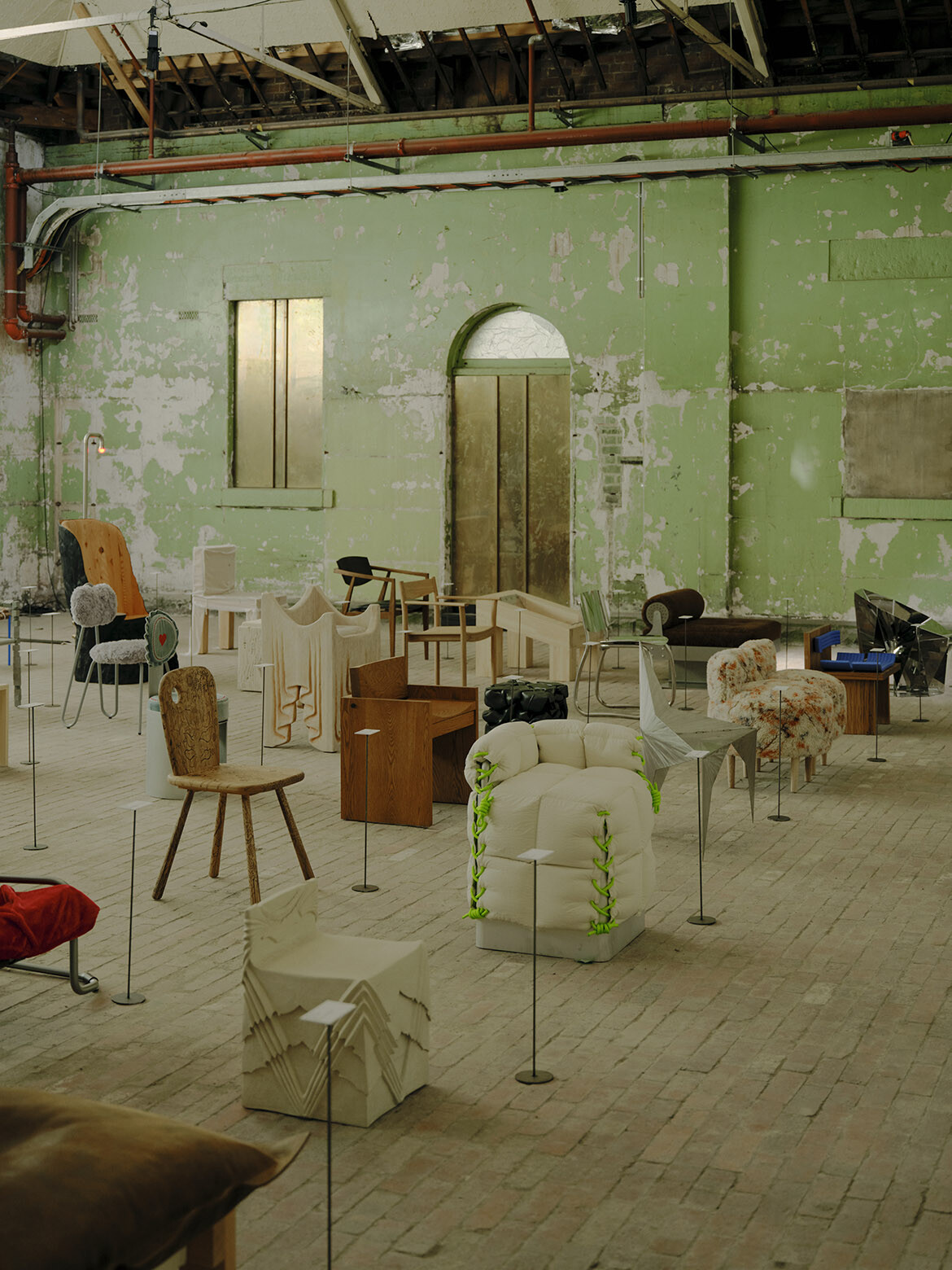
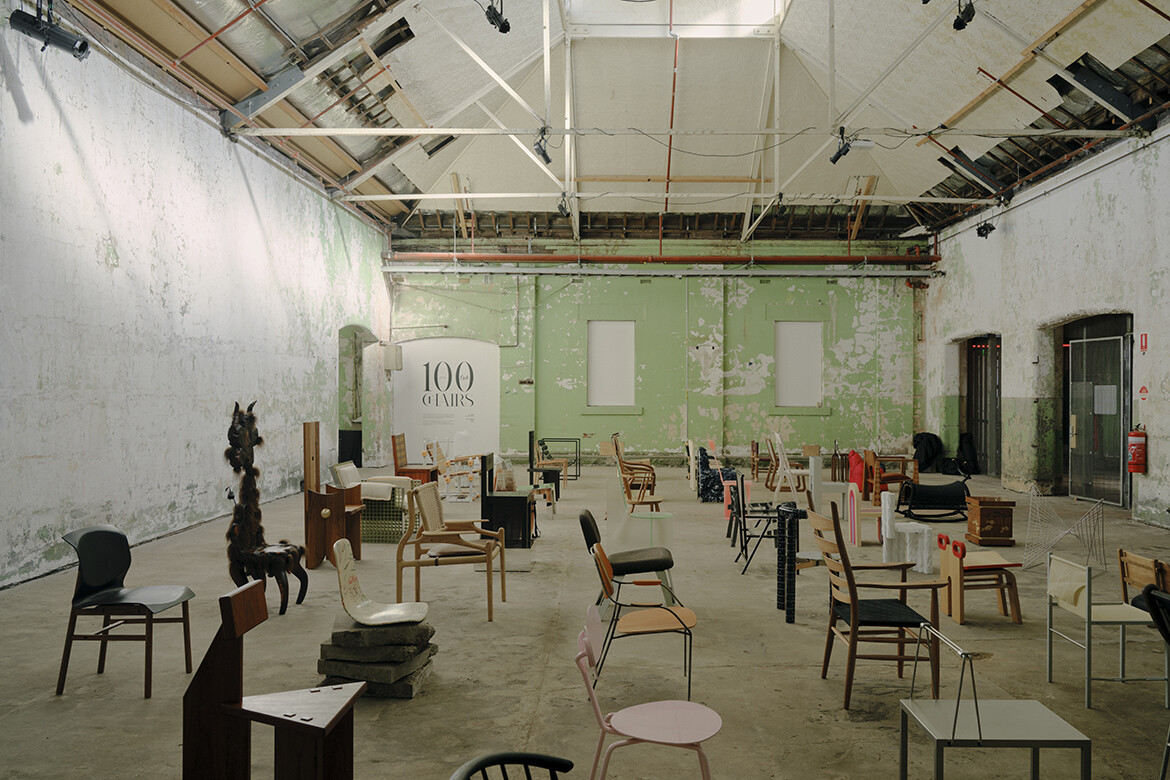
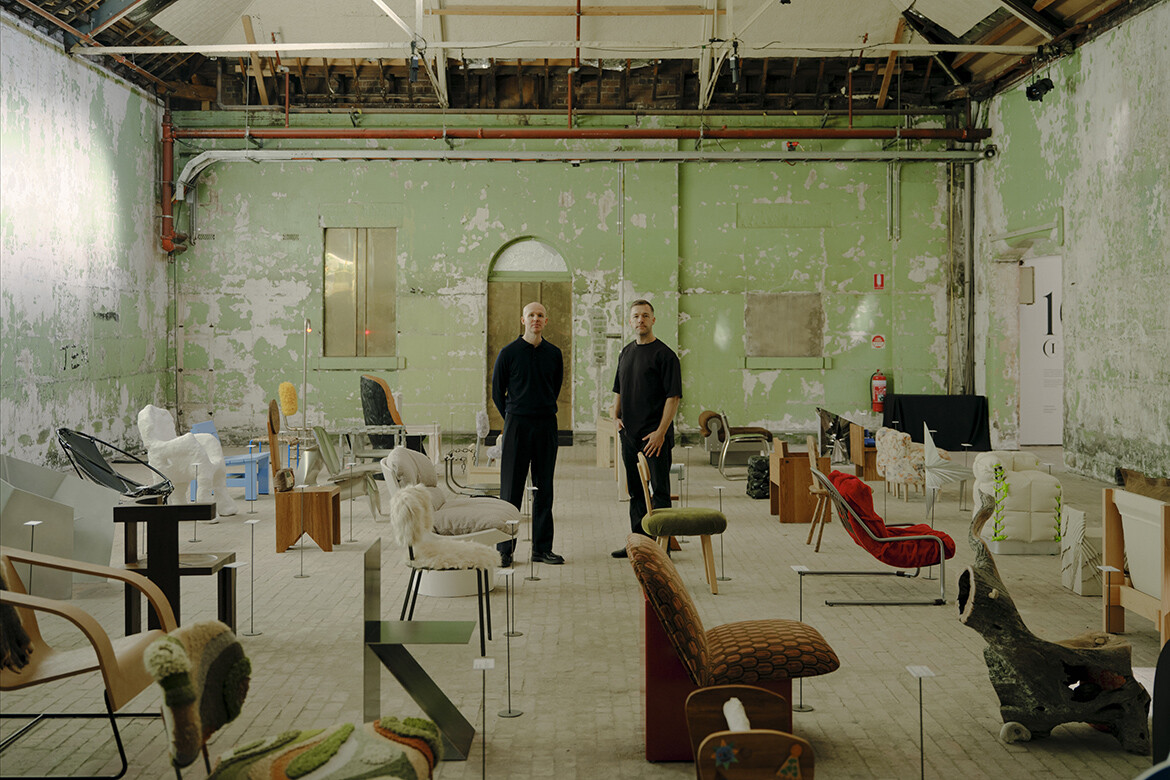
The exhibition that unleashed the most collective creativity was 100 CHAIRS, an initiative by Friends & Associates at the Abbotsford Convent. We may think we’ve seen it all before, but this collection of Australian-made chairs was gratifying, showing the ingenuity of over 130 Australian creatives. Selected from an EOI, the standard is high, testament to the track record of 14 shows by Friends & Associates. Bringing together known names with recent graduates, the dense and democratic layout created a dynamic and imaginative energy. Staging was appropriately light touch: chairs sat directly on the floor in a grid, each identified by a label on a steel rod giving a name, designer and material. No two the same, no hierarchy. Visitors weave between them, seeking, discovering, sitting and pointing out favourites to compatriots.
Dale Hardiman, who established Friends & Associates with Tom Skeehan, rejects the label curator for its institutional connotations, preferring to call themselves organisers. I would offer ‘enablers,’ or ‘opportunity-makers’ – for creatives and public alike. They savvily rely on the personal marketing of each designer to amplify the reach, and are generous – the chairs are for sale with no commission taken.
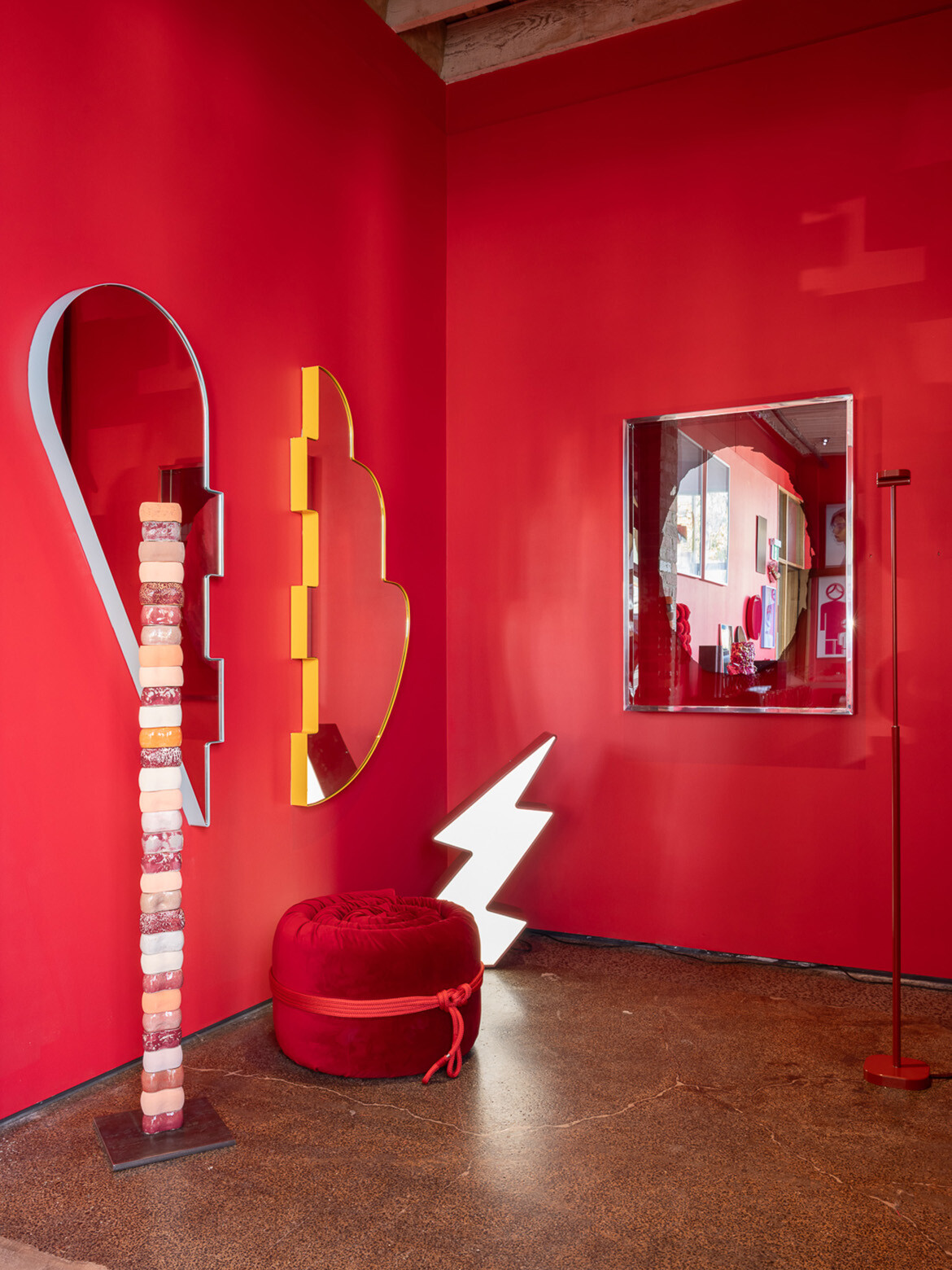
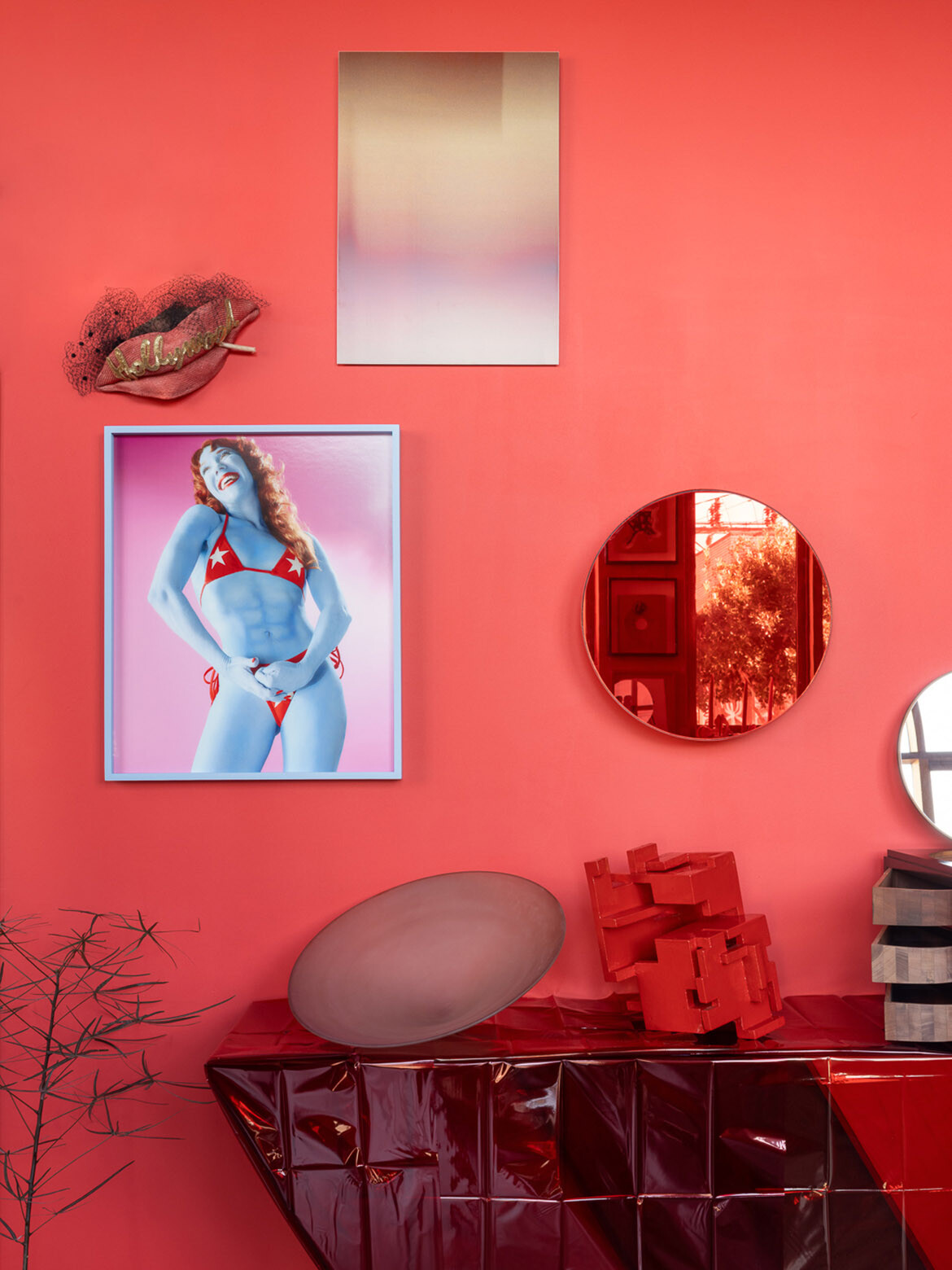
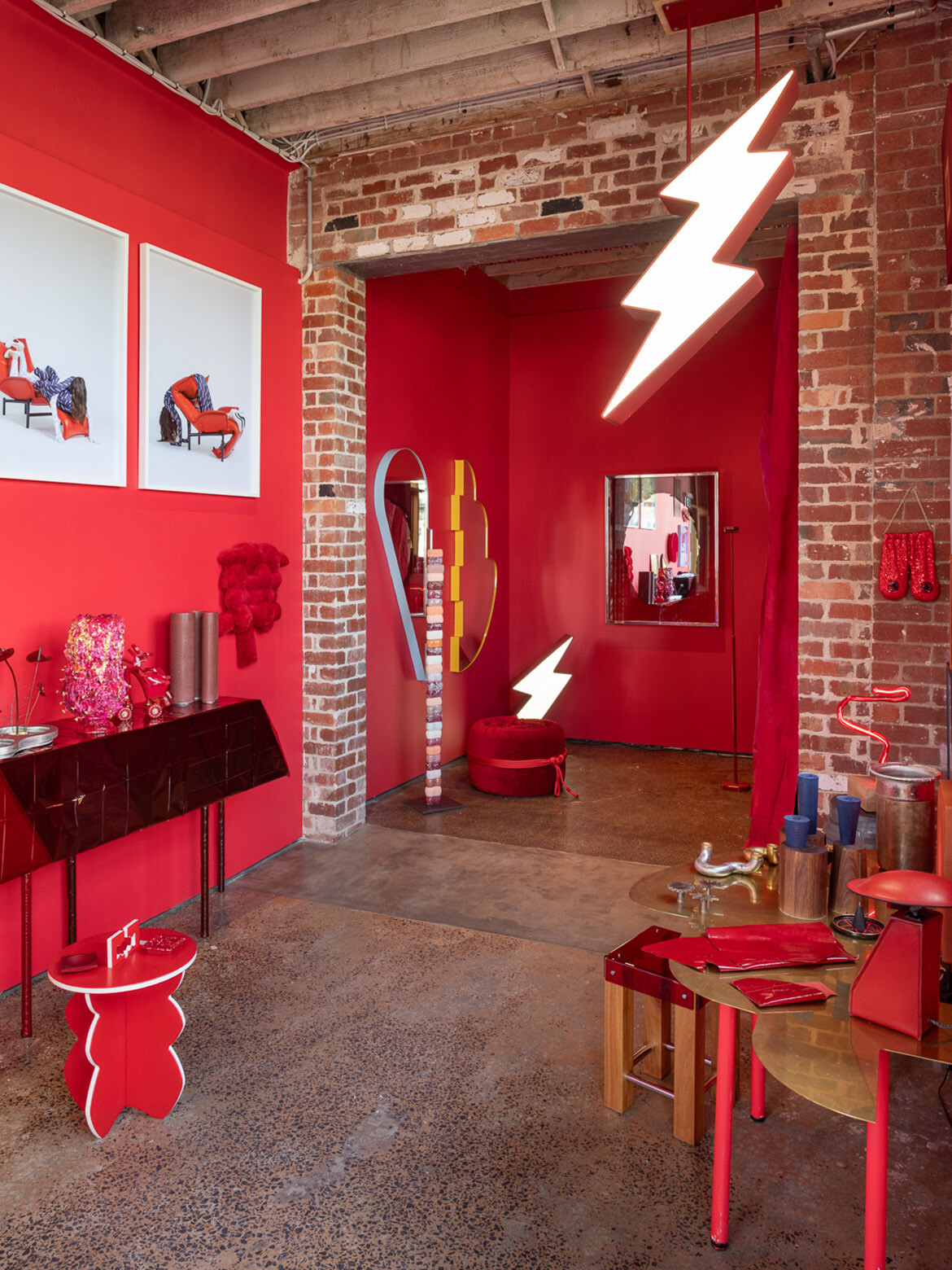
In a similar – if looser and wilder – vein, Superhot Shop saw Danielle Brustman transform her small studio into an electrifying den of delight. She invited designers to respond to themes and catchphrases revolving around ‘hot’ – hot mess, hot flush, hot head, hot rod, hot topic – and ‘What’s hot, what’s not’. The provocation elicits a wide array of responses set against red-painted walls, from mood mirrors, hand-blown glass, glazed stoneware, red stiletto skates, and a Schvitz ‘n’ Tits necklace / wall hanging. Combined, the contents and staging radiate an electric energy that makes the heart race.
Related: Melbourne Metro with Ingrid Bakker
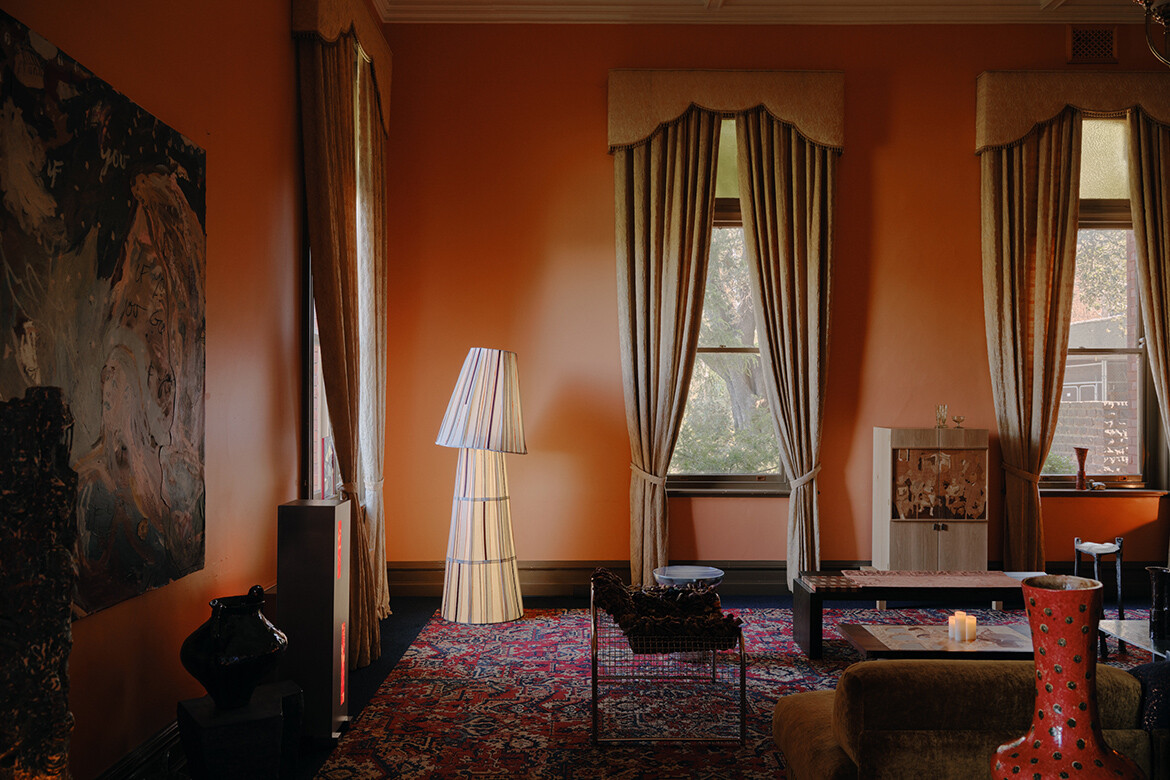
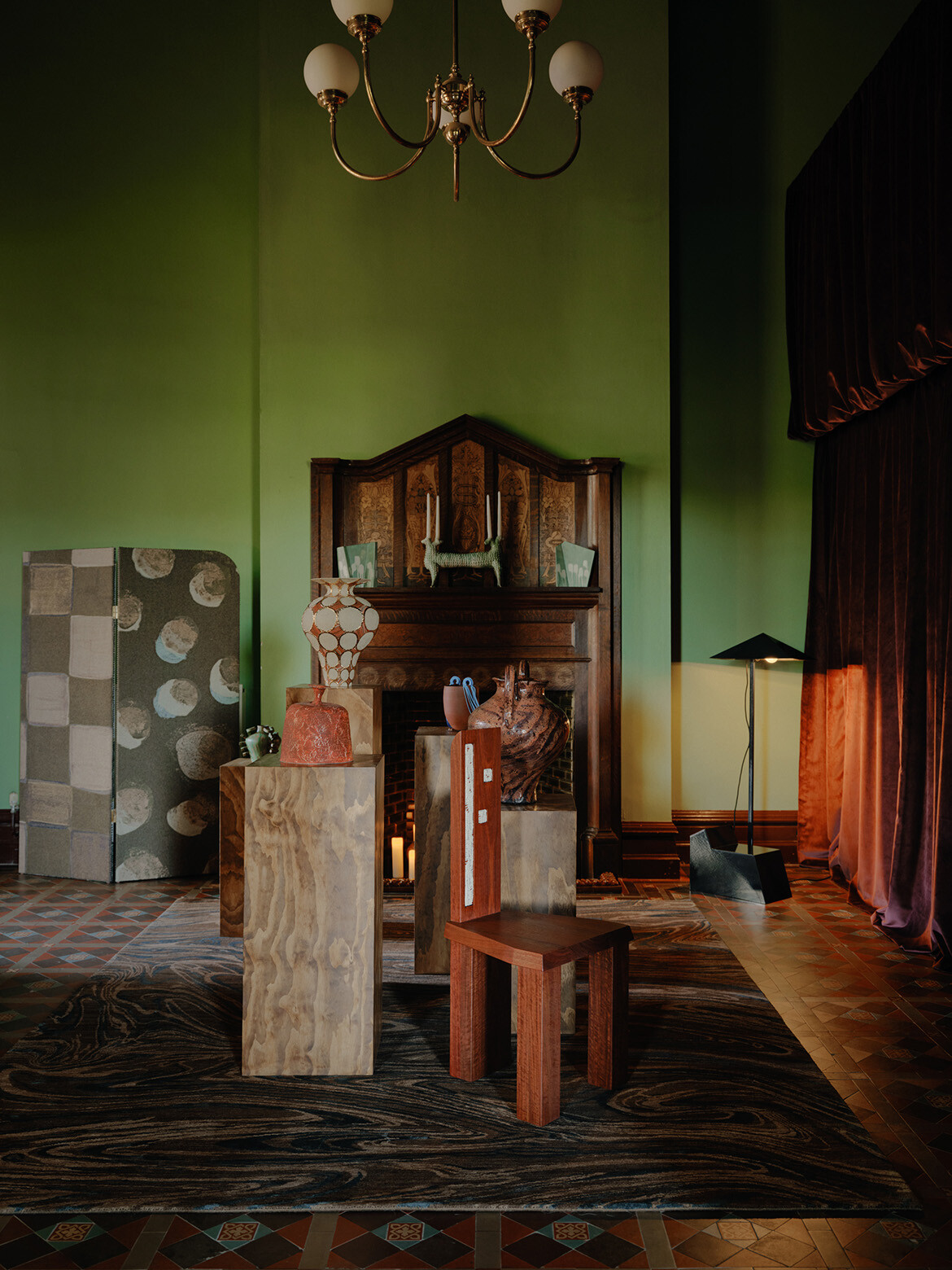
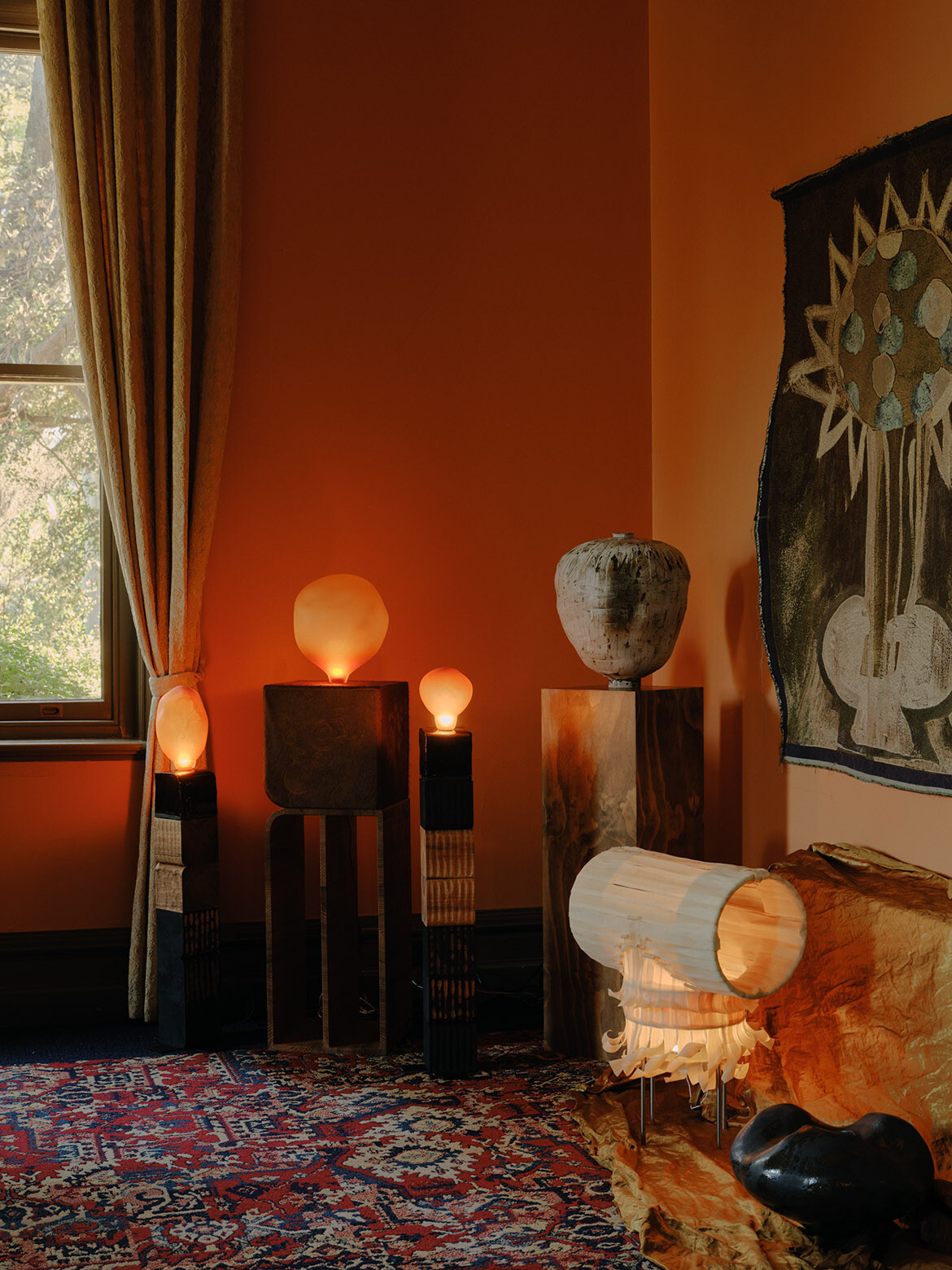
There are designers who know how to bring together a range of works into a collective chorus and transform a space into an atmospheric environment that supports and lifts each piece. Ruby Shields is one. In Synthesis she has transformed two rooms in the historic Abbotsford Convent into a sensuous interior with the work of over 40 designers, artists and makers. A vestibule acts as a scene setter, with a process wall of sketches, images and material samples facing handwritten introductory text, before stepping through plush velvet curtains into an interior of sensory delight.
As Shields says, it reflects a move away from stark interiors towards “environments that hold memory, personality and emotional weight.” The flair of her selection creates relationships and readings beyond what any could produce alone.
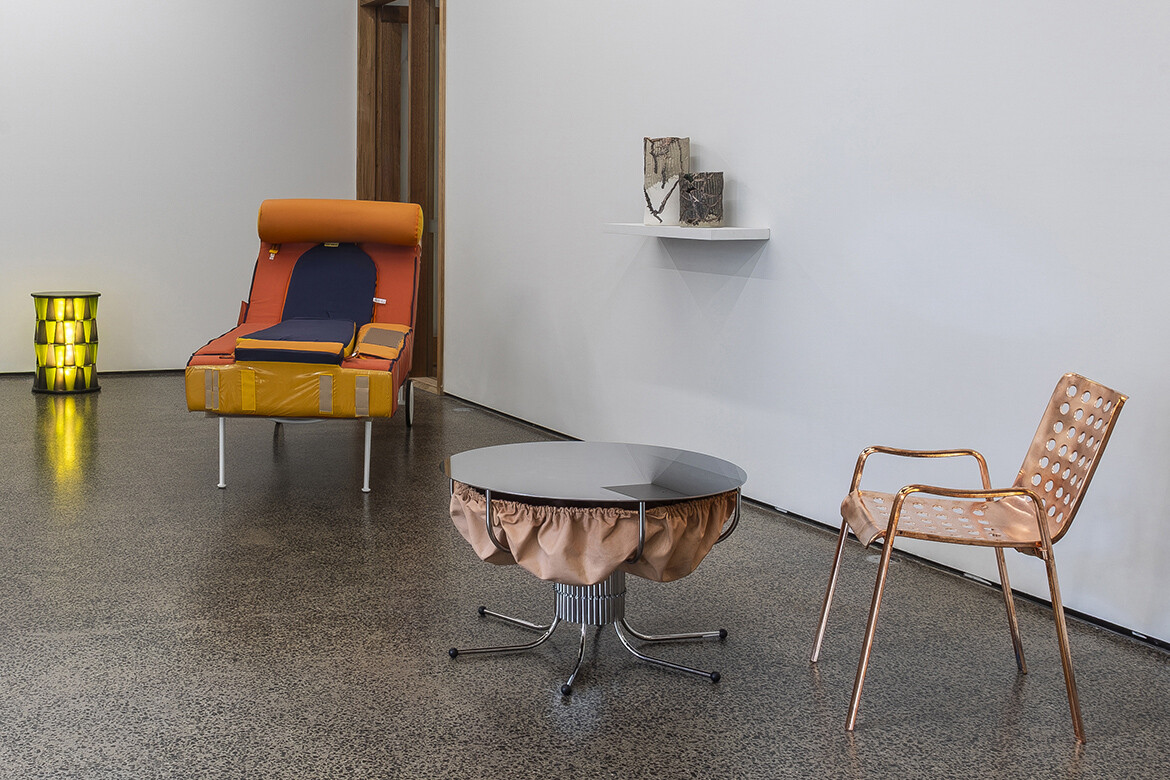
Of a different vein is Transformational Repair at Useful Objects, a standout gallery specialising in collectible design. The show is one output of six years of research by Guy Keulemans and Trent Jansen, in collaboration with JamFactory and the Australian Design Centre and supported by the Australian Research Council. The result is rigorous, laced in creativity and provocation. Curators gave their chosen designers free rein to select their own objects for repair, often something from home or studio. In some cases broken objects are artfully repaired, in others they are given new function and identity.
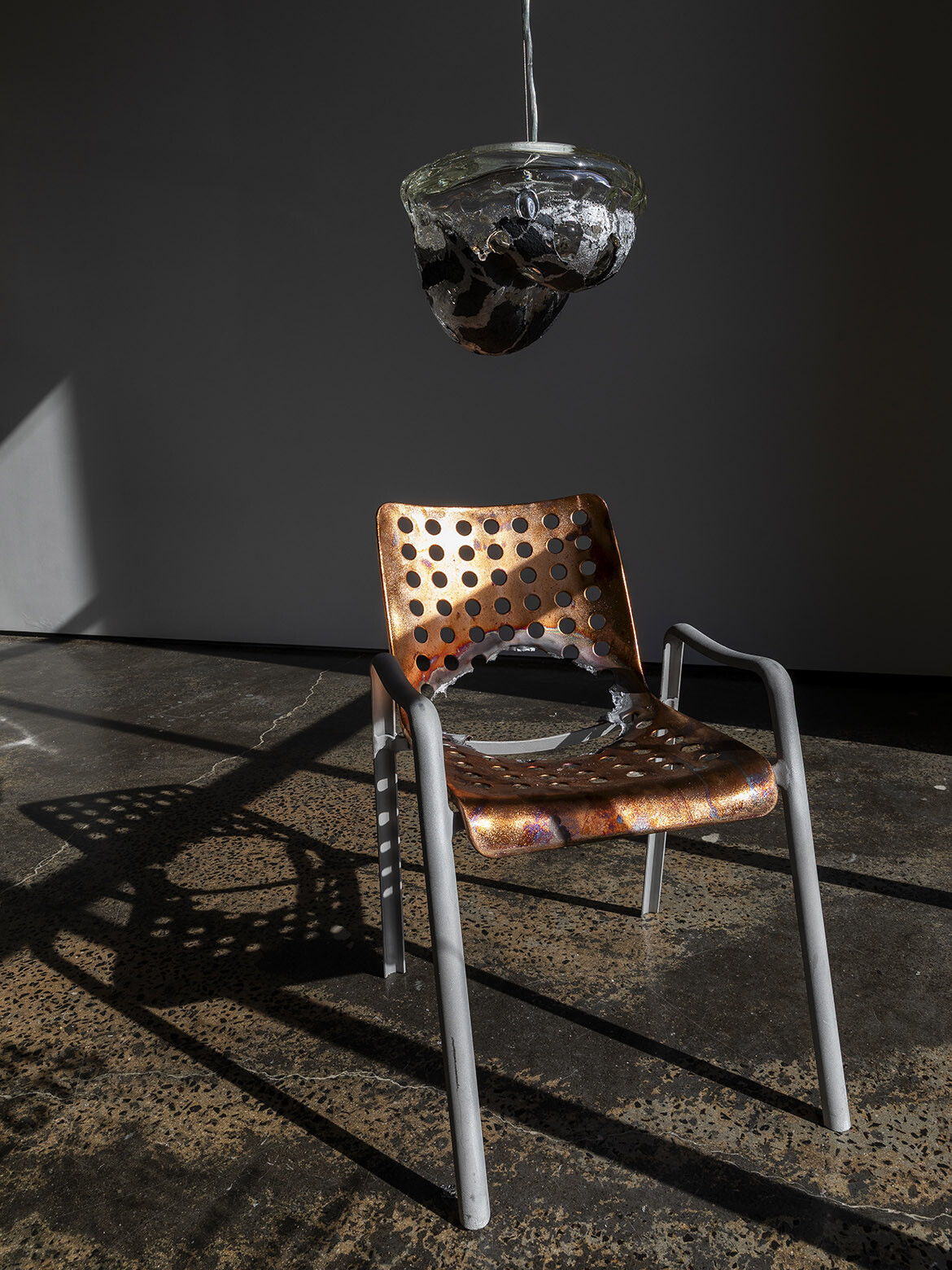
Danielle Brustman and Edward Linacre reimagined perforated Hans Coray Landi chairs as moulds for blown-glass pendants; Rina Bernabei and Kelly Freeman transformed a Sidse Werner–designed Fritz Hansen Coat Tree into a low mirrored table. Credits are never to a sole author – original designers are noted alongside the collaborative teams who brought different skills and material expertise to bear. Each work invites attention before you’ve even read its story in an enticing book on the wider project.
Taken together, these shows make a larger point. Freed from institutional constraints, and initiated and led by designers, each had a quality of creative liberty that made them especially enjoyable and demonstrated that designers are building opportunity for other designers, feeding an ecosystem. The works in all four shows were also for sale, helping creators build a market for their practice. What these shows collectively underline is that we need opportunities and a range of venues for design to be exhibited, discovered and understood beyond the industry itself.
Melbourne Design Week
designweek.melbourne