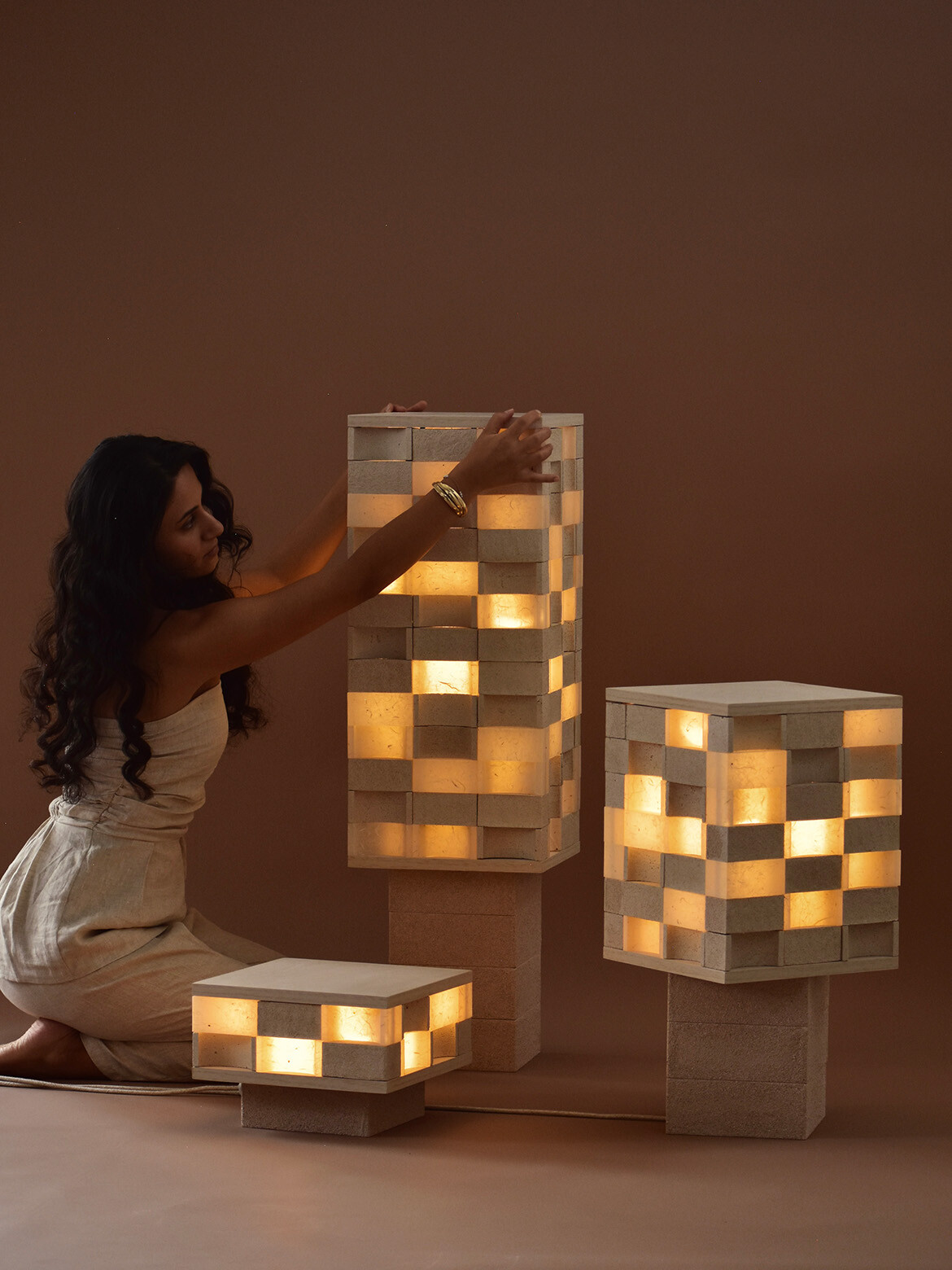
There is something familiar about Mod-u, in the way that it is an invitation to play: to stack, rearrange, assemble and reassemble. Designed by Melbourne-based Joanne Odisho, the winning entry of the 2026 Australian Furniture Design Award draws on the instinctive logic of modular building blocks, translating childhood memory into a sophisticated response to contemporary compact living.
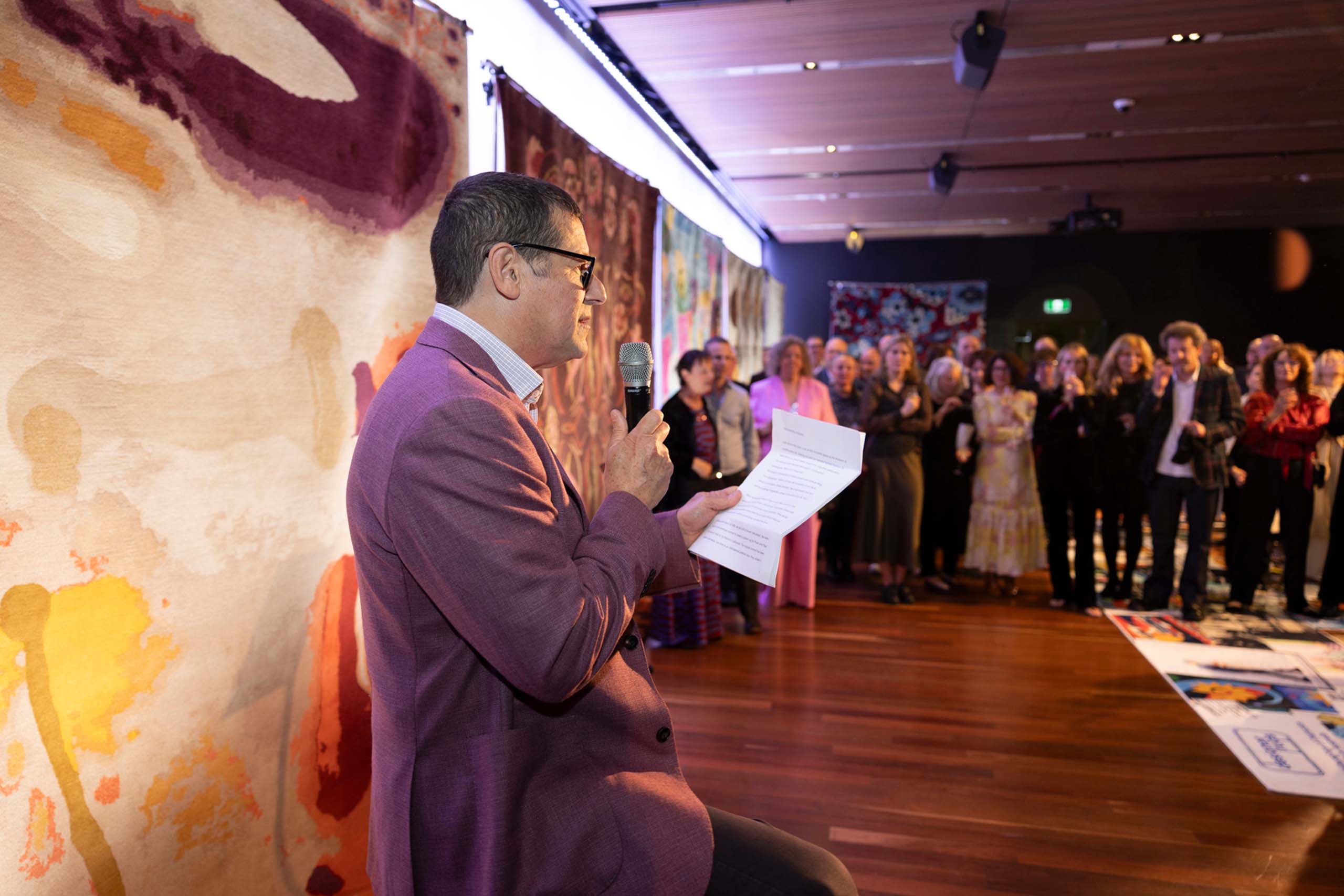
Presented by the National Gallery of Victoria and Stylecraft as part of Melbourne Design Week, the Australian Furniture Design Award is one of the country’s most significant platforms for emerging and established furniture and lighting designers. Founded by Stylecraft and first awarded in 2015, the biennial program recognises excellence in Australian design while supporting the development, production and distribution of new work.
For 2026, the theme was Living Well Living Small, a brief that asked designers to consider the realities of denser urban living. Submissions were required to respond to compact Australian homes through comfort, functionality and wellbeing, while also engaging with sustainable, responsibly sourced, recycled or upcycled materials and circular design thinking.
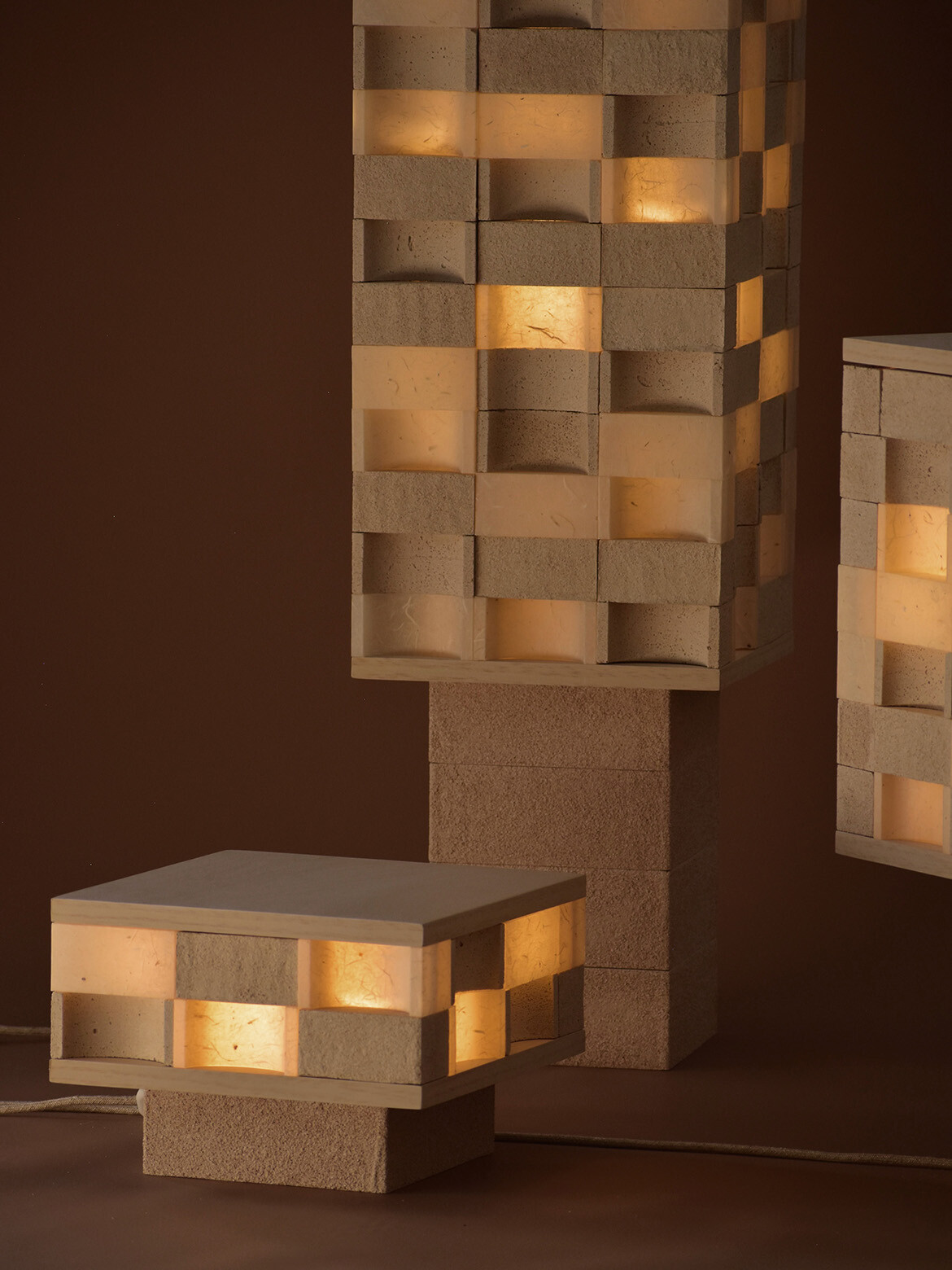
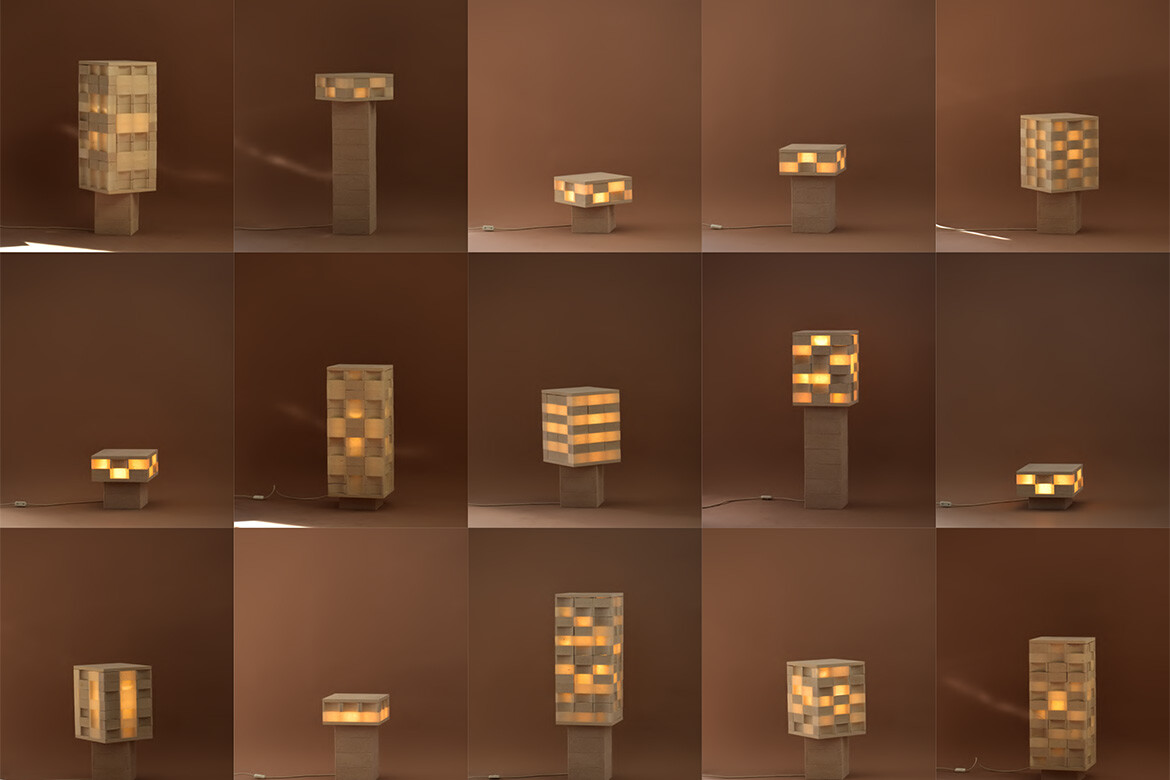
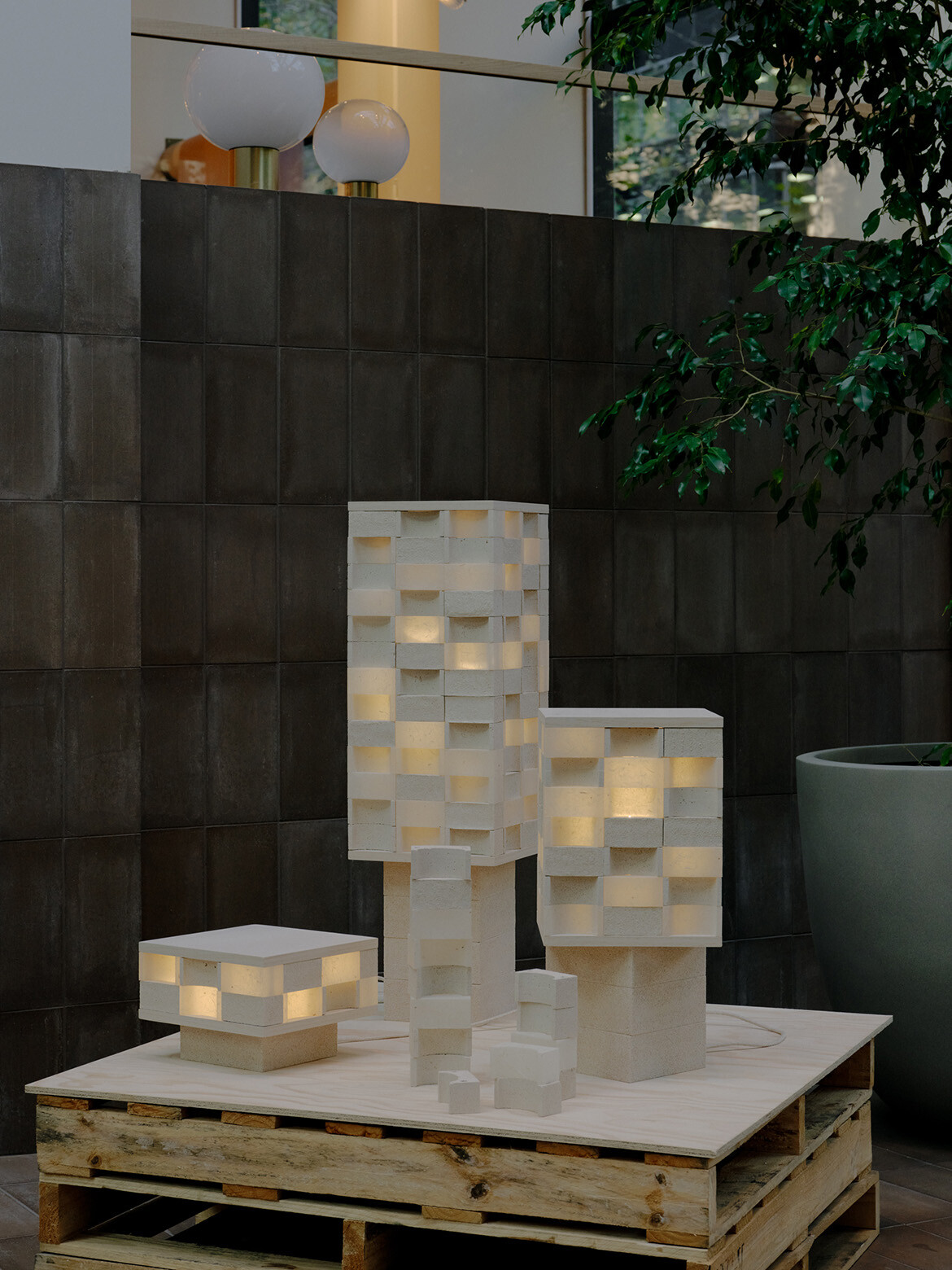
Odisho’s winning work, Mod-u, answers that brief with a lamp that can grow, shrink and shift in response to changing spaces and changing lives. Rather than presenting lighting as a fixed object, the design places agency in the hands of the user, who assembles the piece from the base up and determines its height and pattern.
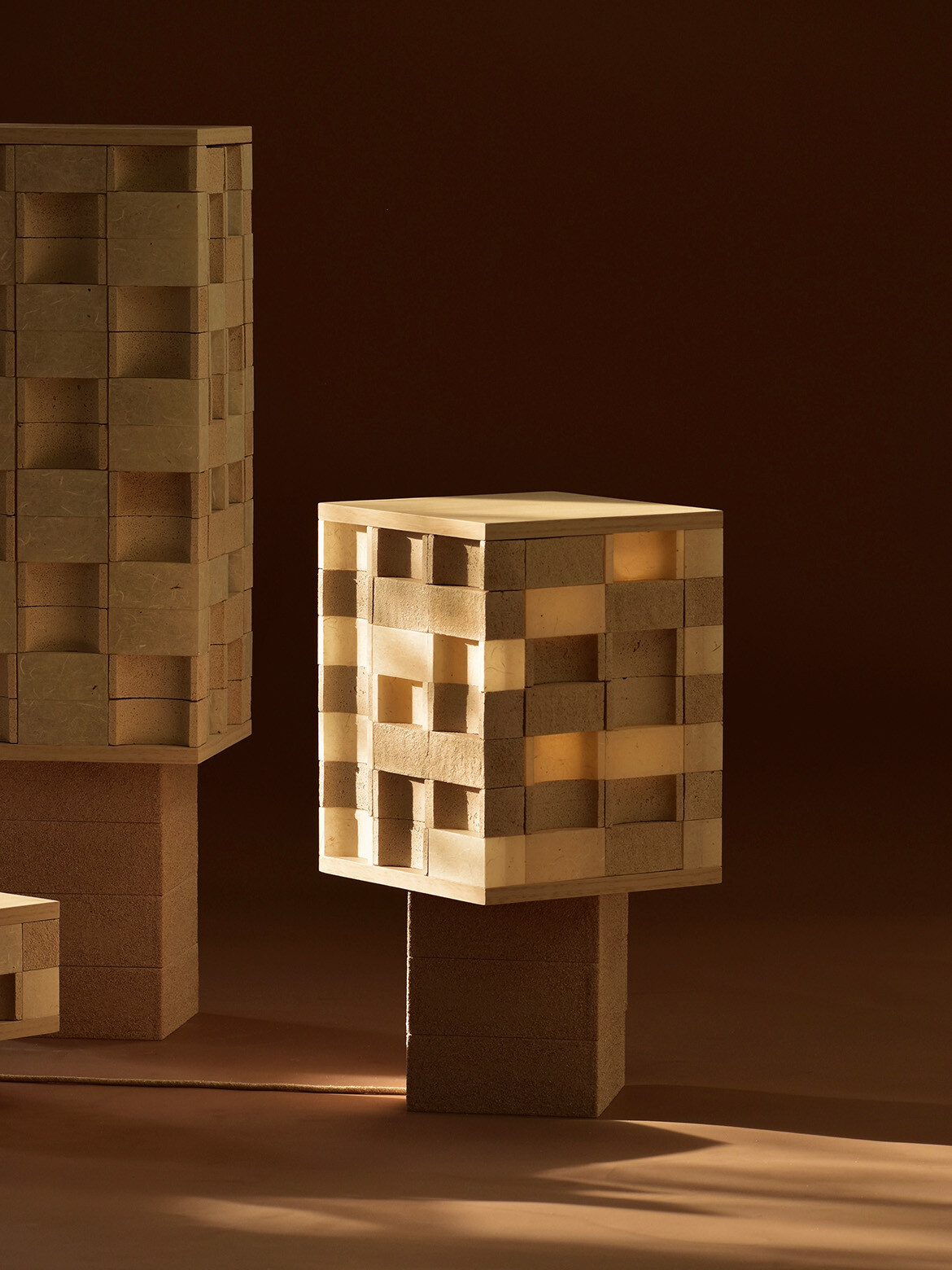
Its material story is central. Mod-u is cast from eggshell composites, handmade from thousands of eggshells collected from local cafés, and paired with Unryu Thai paper-wrapped bio-filament blocks. The result is a self-assembled modular lighting system that is at once tactile and architectural. In their notes, the jury praised the work for its “rigour of material development,” describing a process of trial, adaptation and refinement that arrived at a system “both biodegradable and beautiful.”
Related: Brewing a new rooftop typology in Vijayawada
For Odisho, whose practice is grounded in interior design, the project reflects an interest in how objects can shape spatial experience and everyday behaviour. Her work is described as being committed to sustainable practices, with an emphasis on mindful material selection and reducing waste.
The jury commended Odisho’s experimentation and production rigour, noting the design’s potential to be realised as “a sophisticated domestic light for living small and living well.” Alongside the $20,000 cash prize, Odisho will receive support from Stylecraft across design, production and distribution — a pathway that positions the award not only as recognition, but as a mechanism for bringing Australian design into broader circulation.
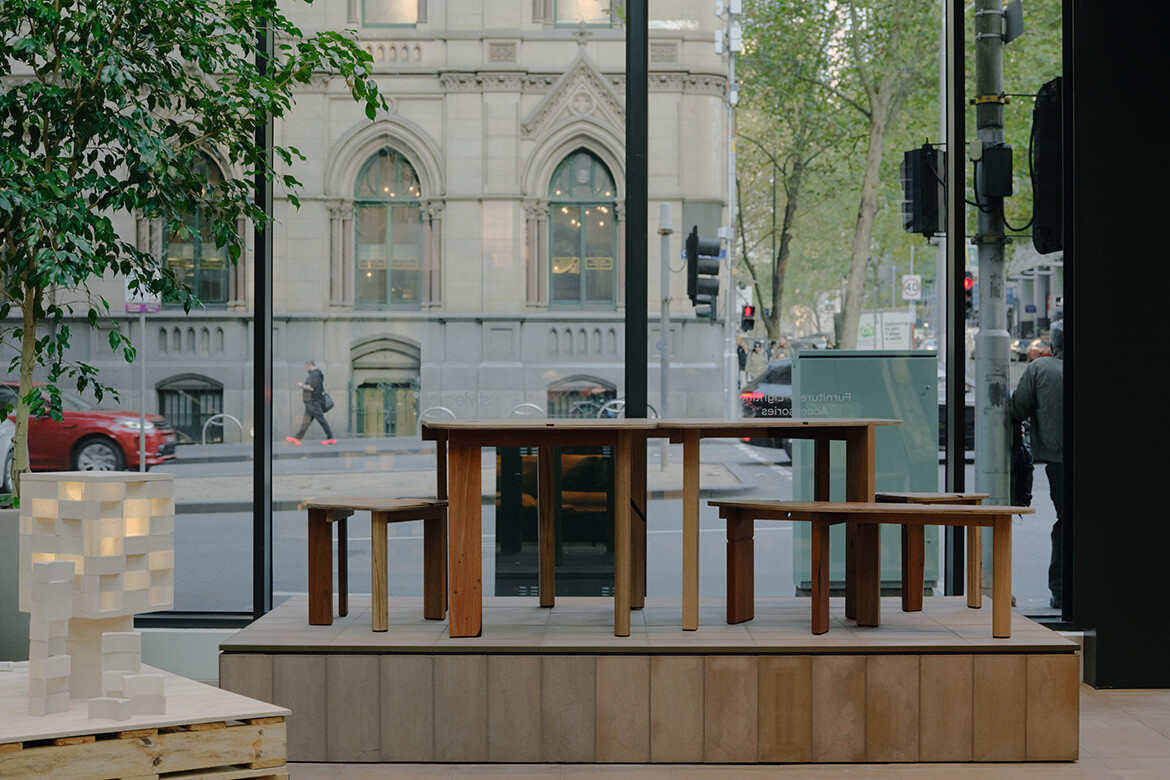
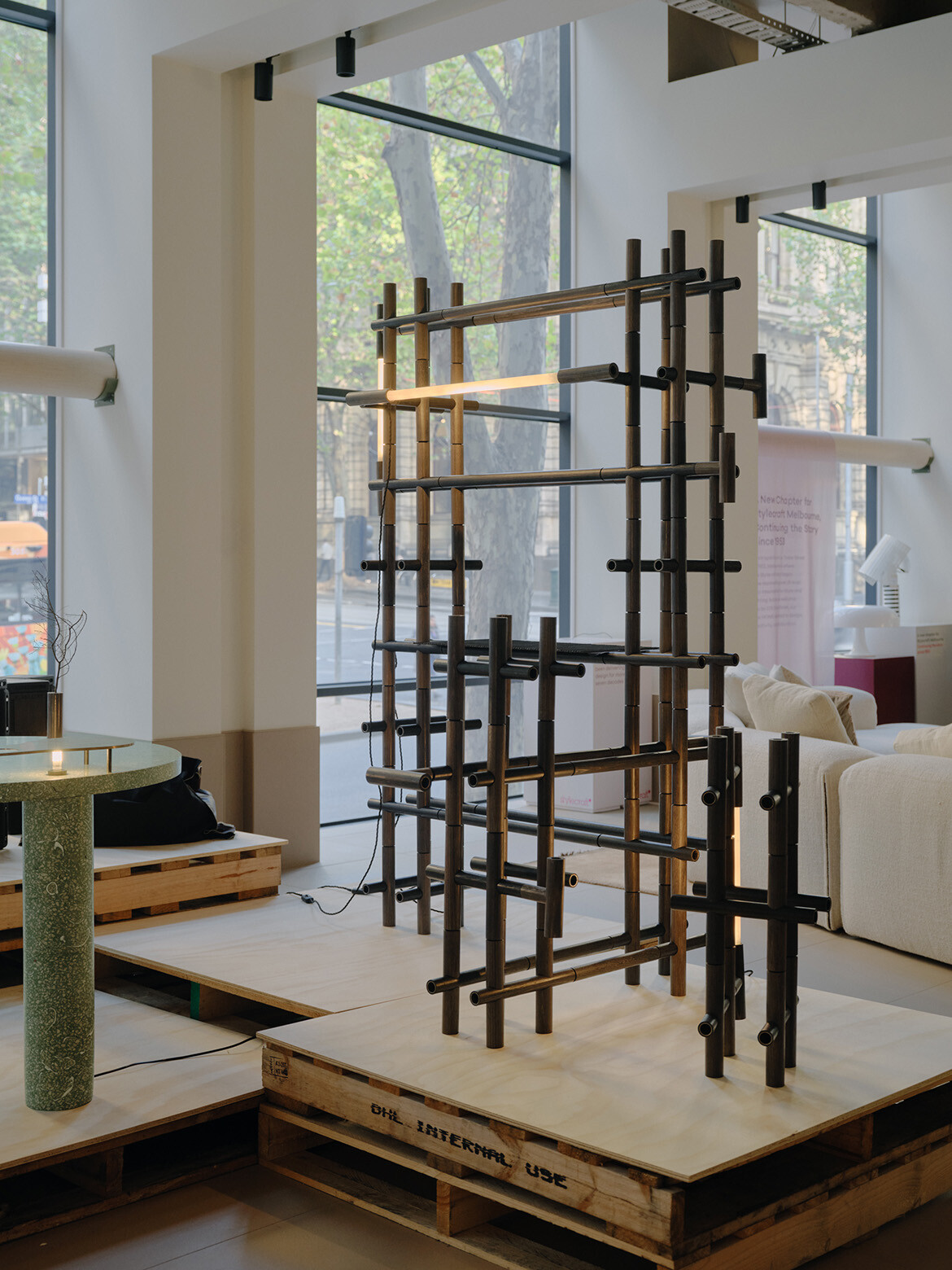
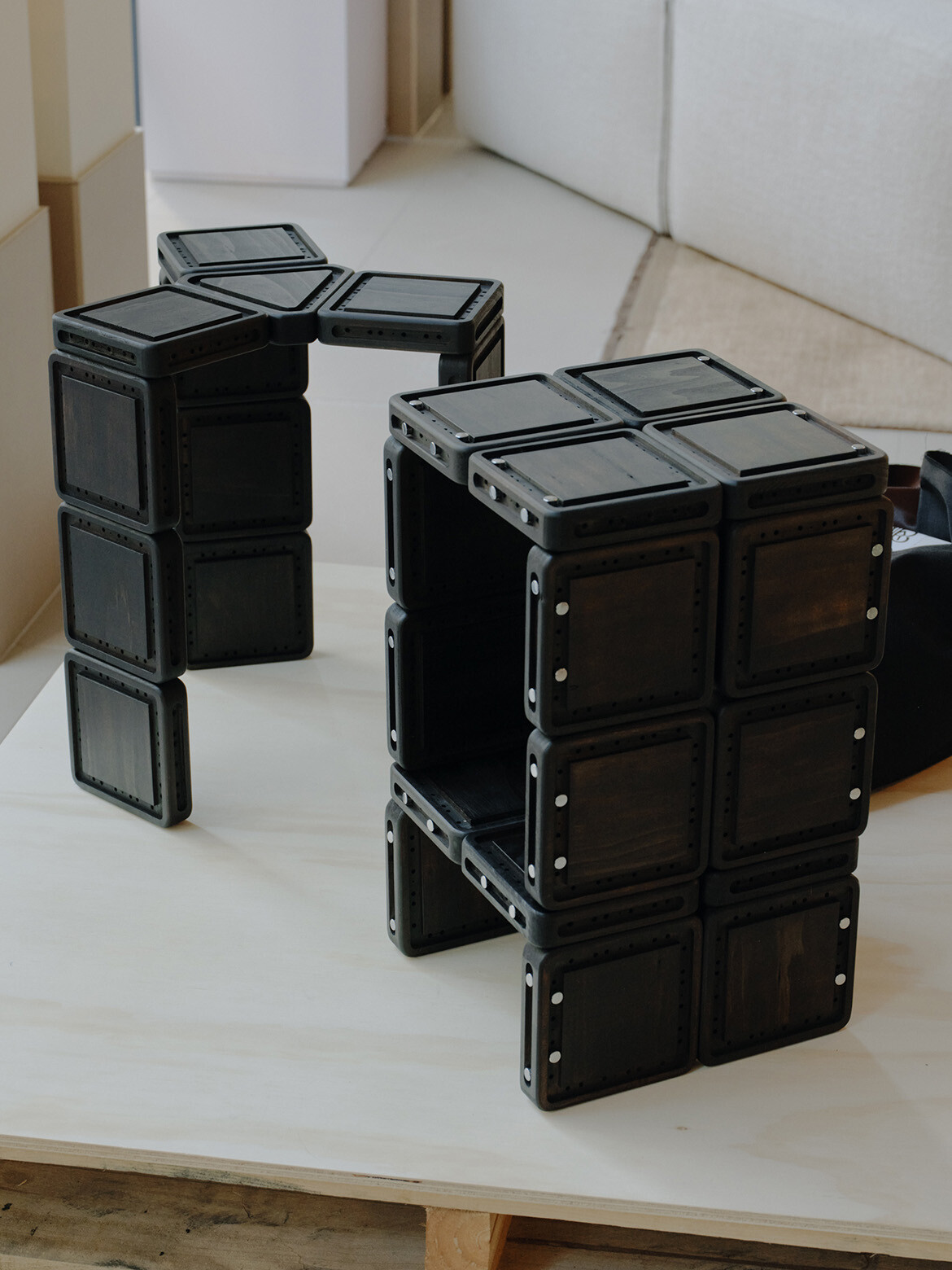
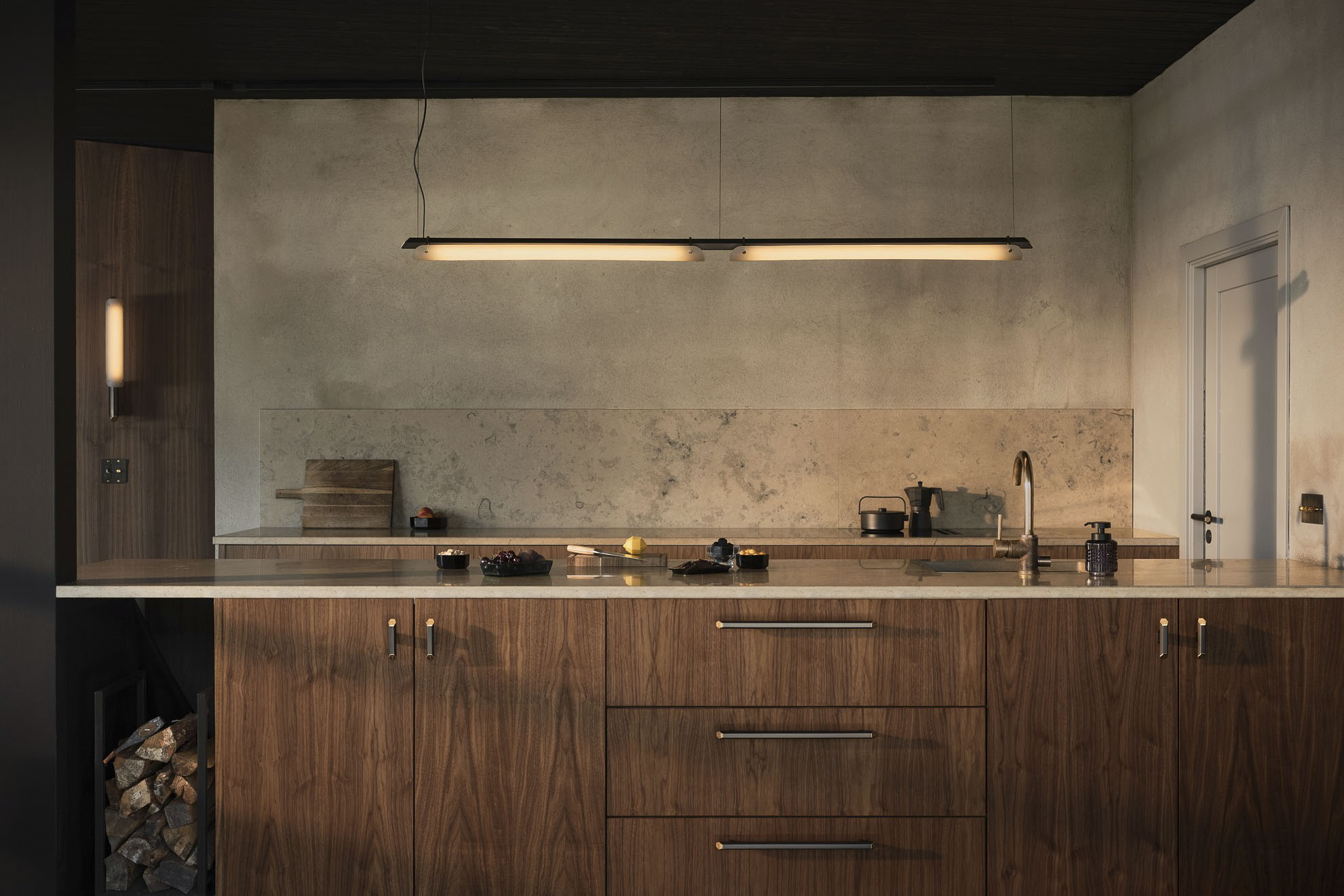
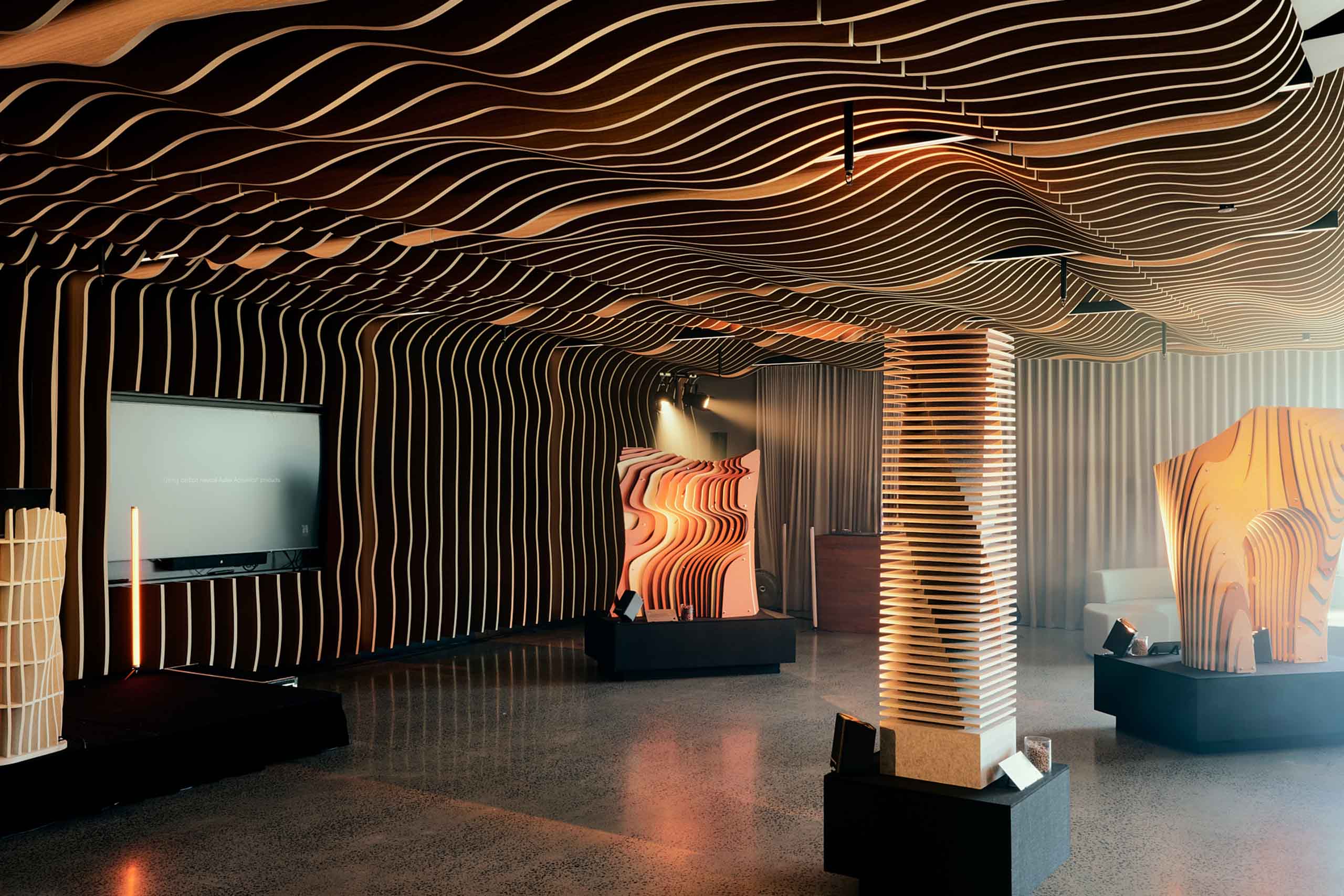
This year’s shortlisted designs are also being exhibited at Stylecraft’s new Melbourne CBD showroom at 379 Collins Street for the duration of Melbourne Design Week 2026. Bringing the award into the showroom context gives the program a public-facing dimension, placing experimental Australian furniture and lighting design in direct conversation with the commercial design community.
At a moment when the design industry is being asked to think more carefully about material origins, waste streams and adaptable ways of living, Mod-u is small in scale but expansive in implication. It represents a lamp that treats sustainability as a creative system; and compact living as a prompt for more intelligent, expressive design.
National Gallery of Victoria
ngv.vic.gov.au
Stylecraft
stylecraft.com.au
Melbourne Design Week
designweek.melbourne
Photography
Tom Ross
Courtesy of Joanne Odisho