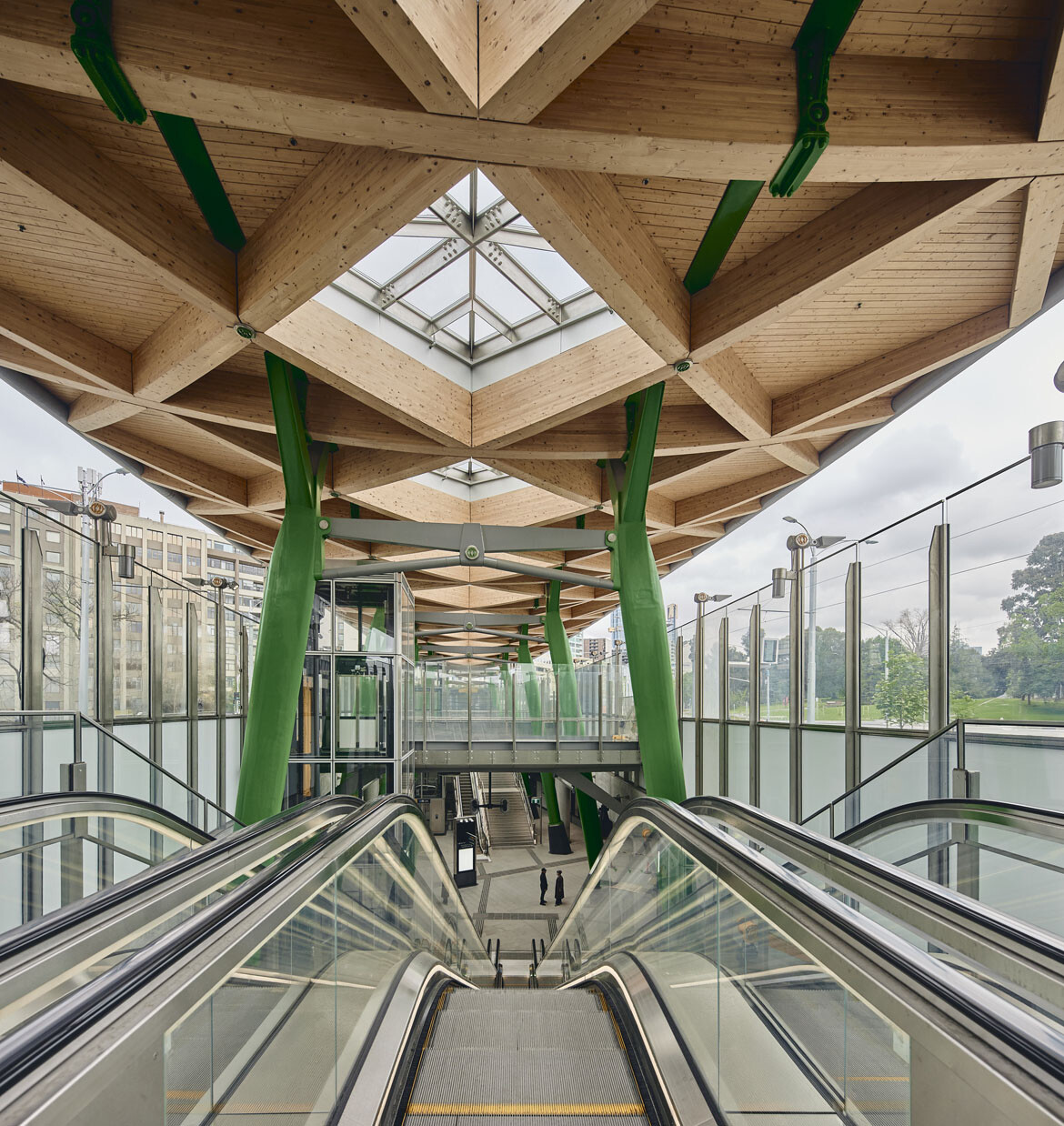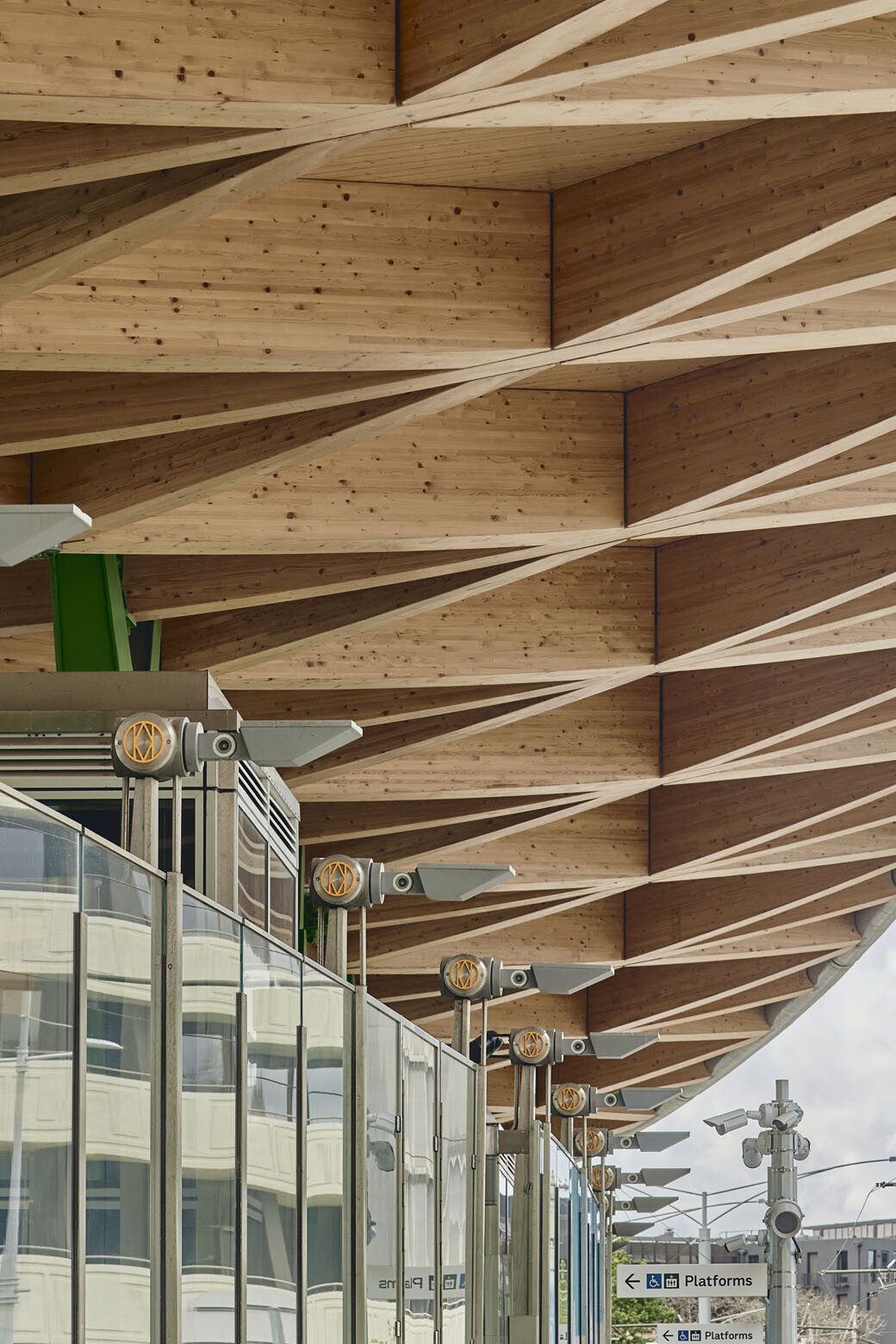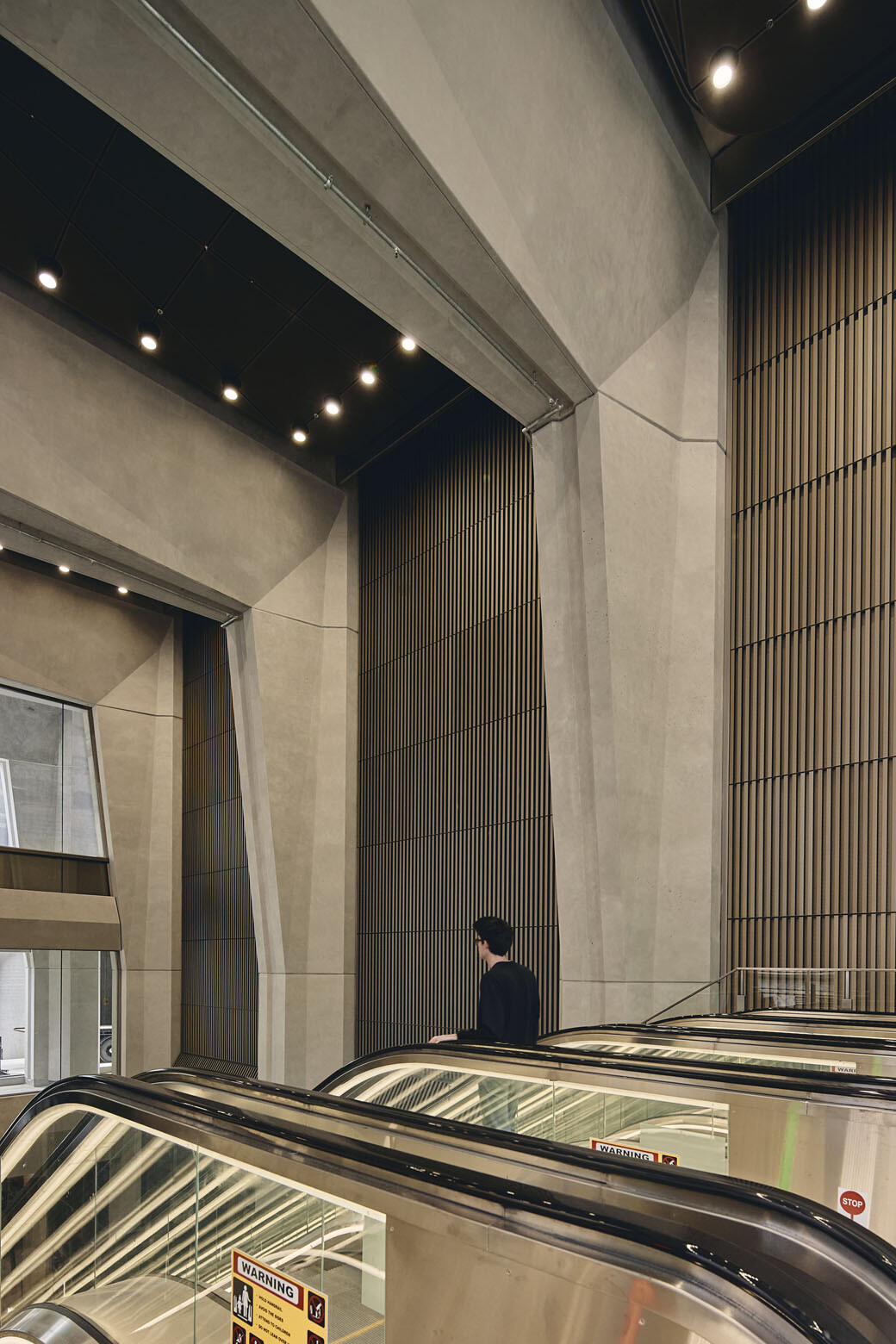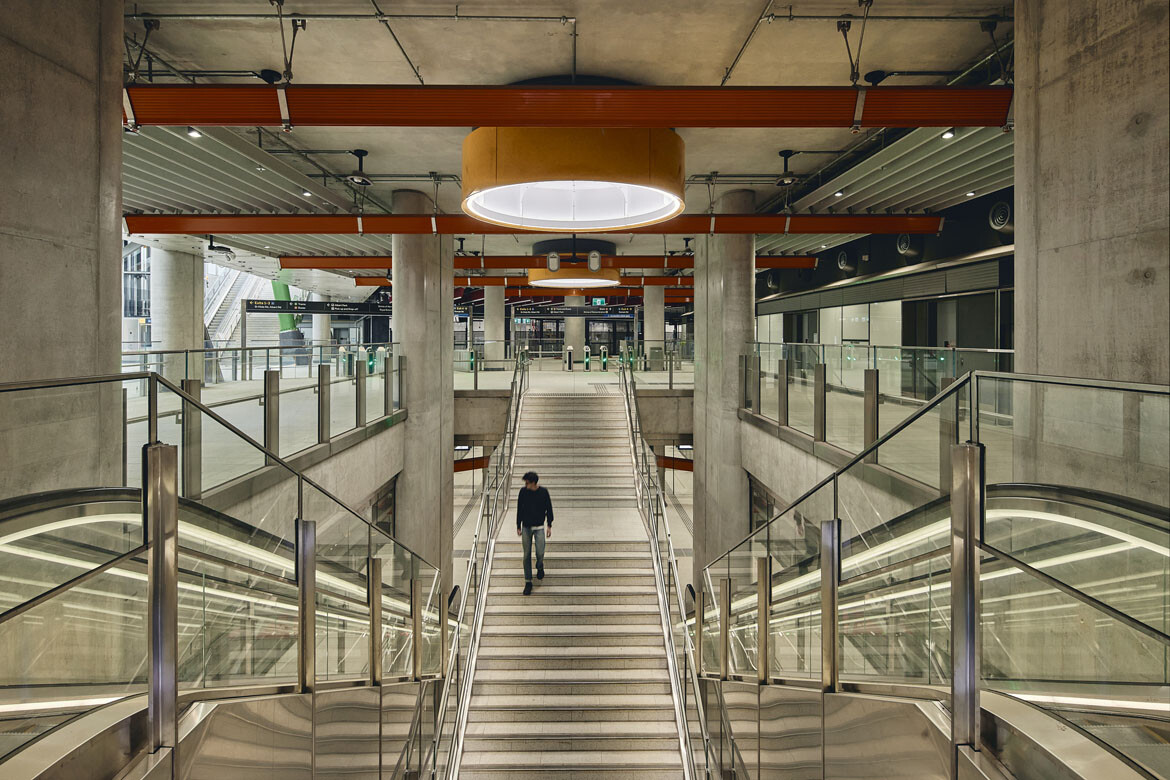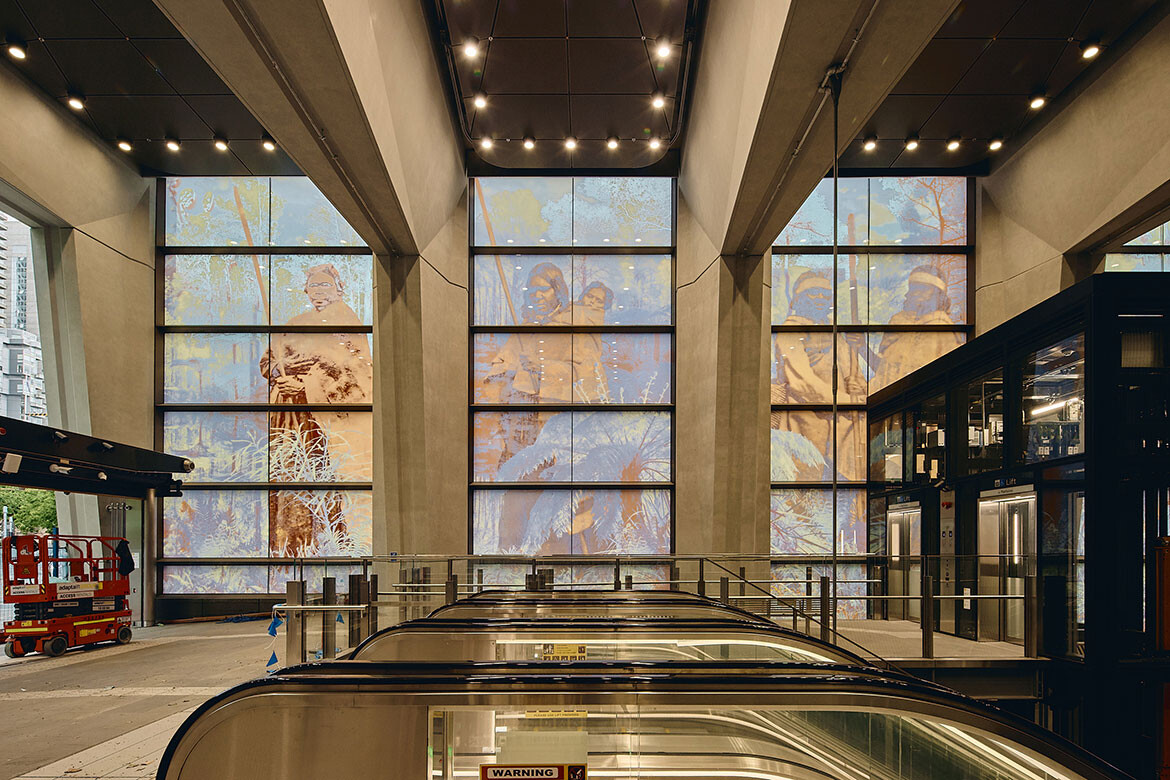
Having opened in late 2025, Melbourne Metro Tunnel gained significant attention even beyond our beloved realm of design media. Likewise, Sydney Metro. These are obviously huge projects, but there seems to be something extra garnering all this attention recently in Australia – a certain dynamic that keys into the wider importance of such large-scale transport infrastructure projects.
For Hassell’s Ingrid Bakker in Melbourne, it has something to do with how “the architecture reflects the city’s spirit and civic pride.” Civic or public architecture comes in many forms and typologies, but there seems to be something especially potent about transport hubs for shaping a city’s connectedness, liveability and identity altogether.
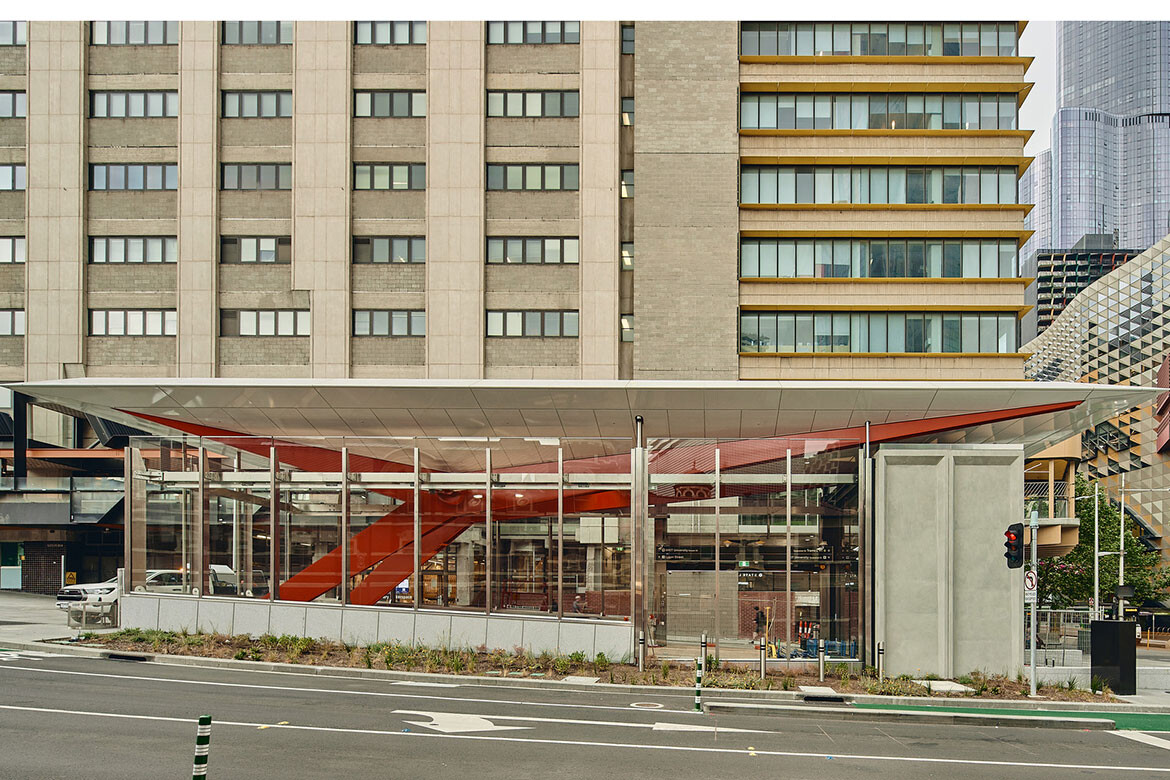
“I think [transport] is really uniquely placed to create some amazing opportunities for the city,” explains Bakker. “It’s about a mind shift or change as well, because in the past, maybe transport projects have been a little bit more utilitarian and not necessarily civic in their nature. So, this project was a real opportunity to do a bunch of other things – like plant trees, tell cultural stories and design the space between where real life happens.
“If we could achieve those additional spaces, we’ve done more than just build a metro; we’ve added to the liveability of the city or even built a better version of Melbourne.”
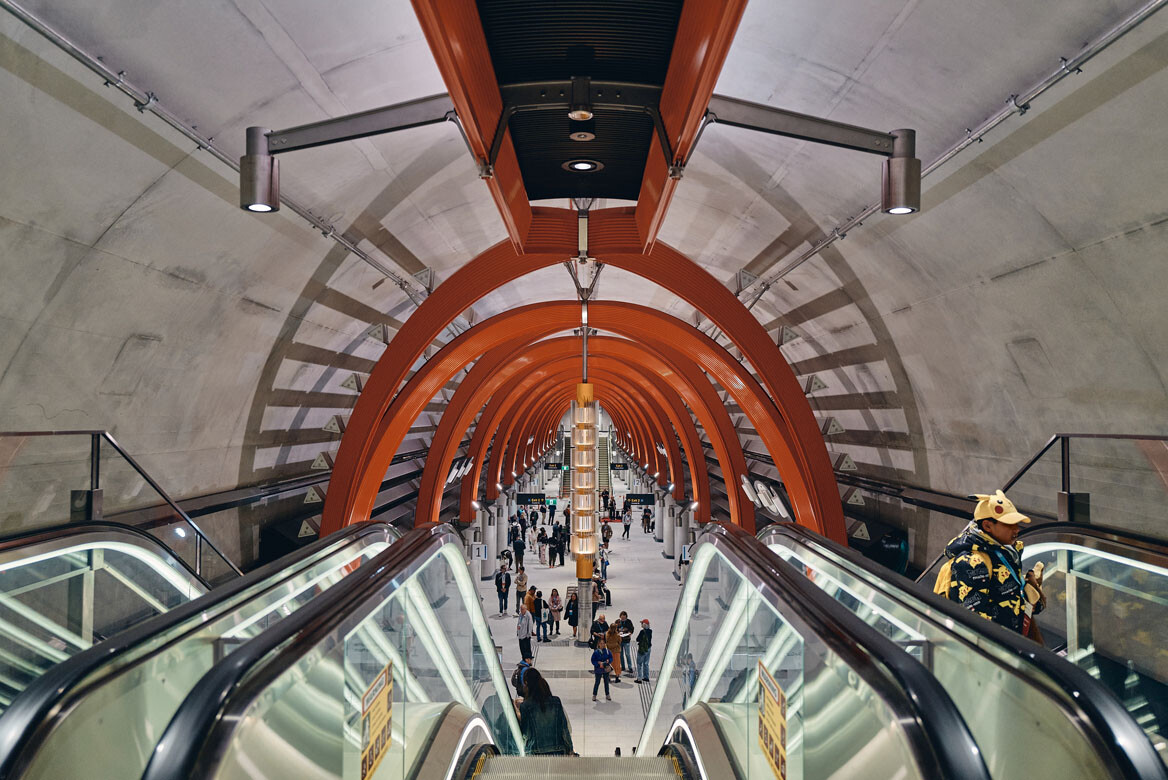
Bakker then turns to the concept of ‘open metro.’ She says it’s “about being open to natural light and fresh air, and also being open to everyone – inclusive and conscious of everyone’s mobility.”
Related: John McAslan + Partners on Sydney Metro
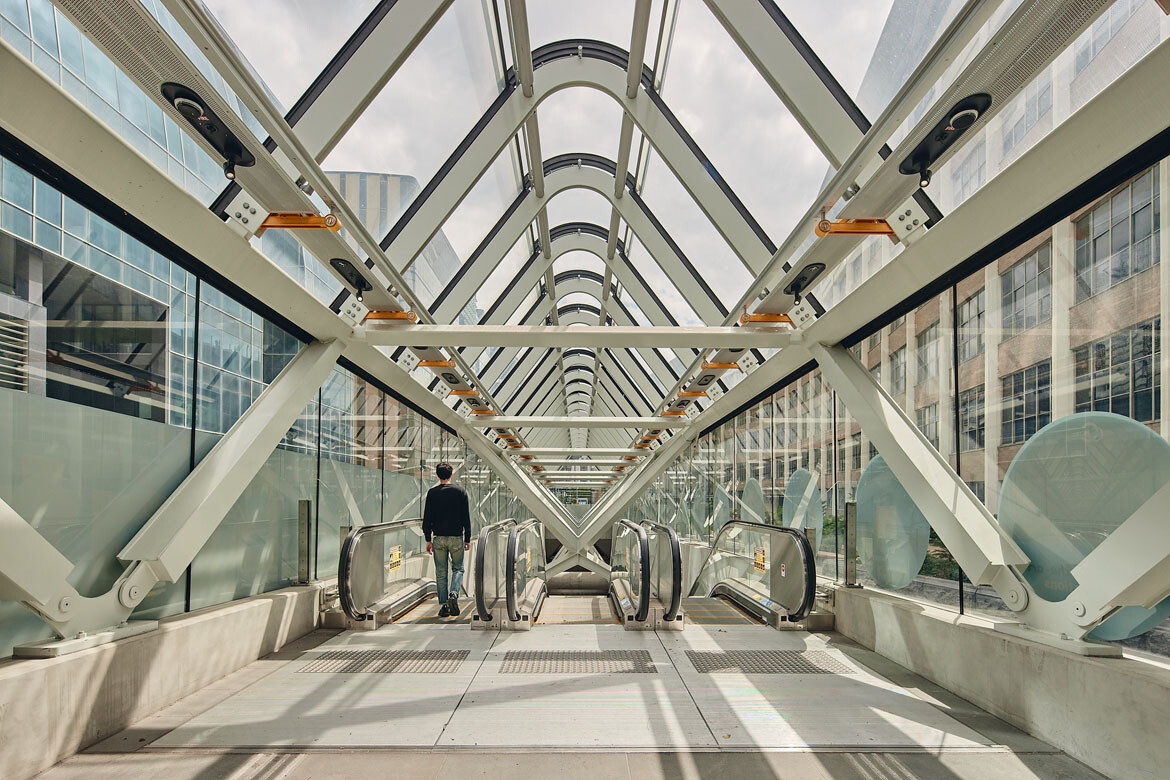
The wider design team for Melbourne Metro – which included WW+P Architects and RSHP as well as Hassell – has been keen to emphasise public space in the project. This covers not only its city-shaping scale, but also considerations such as crowd sizes and future expanded capacity.
“There was a great opportunity to create amazing spaces that people could move through to do the great things they do when they’re in Melbourne,” continues Bakker. “It’s also thinking about the future – the city’s growing, so we need to think about population growth and the number of people that are going to be using the system.
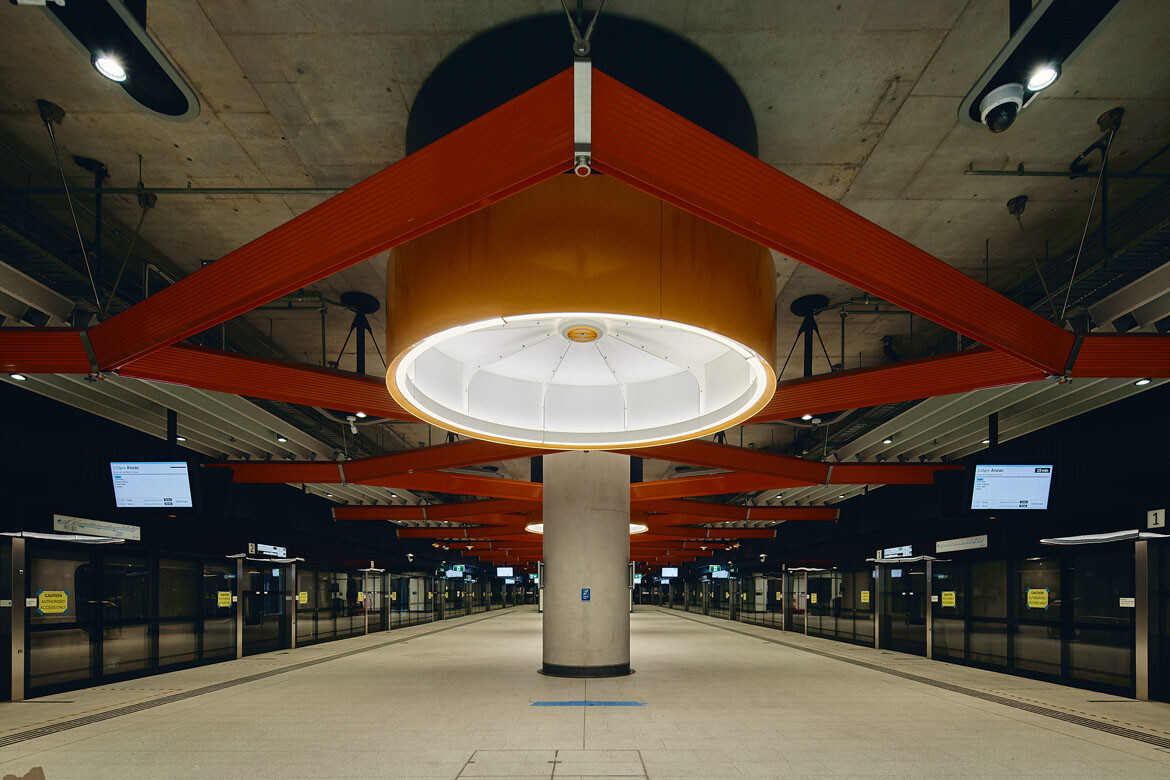
“The platforms were designed to accommodate much longer trains [in the future]. That then translated to thinking about all the pedestrian modelling through the stations, particularly on those days where big things were happening in the city.”
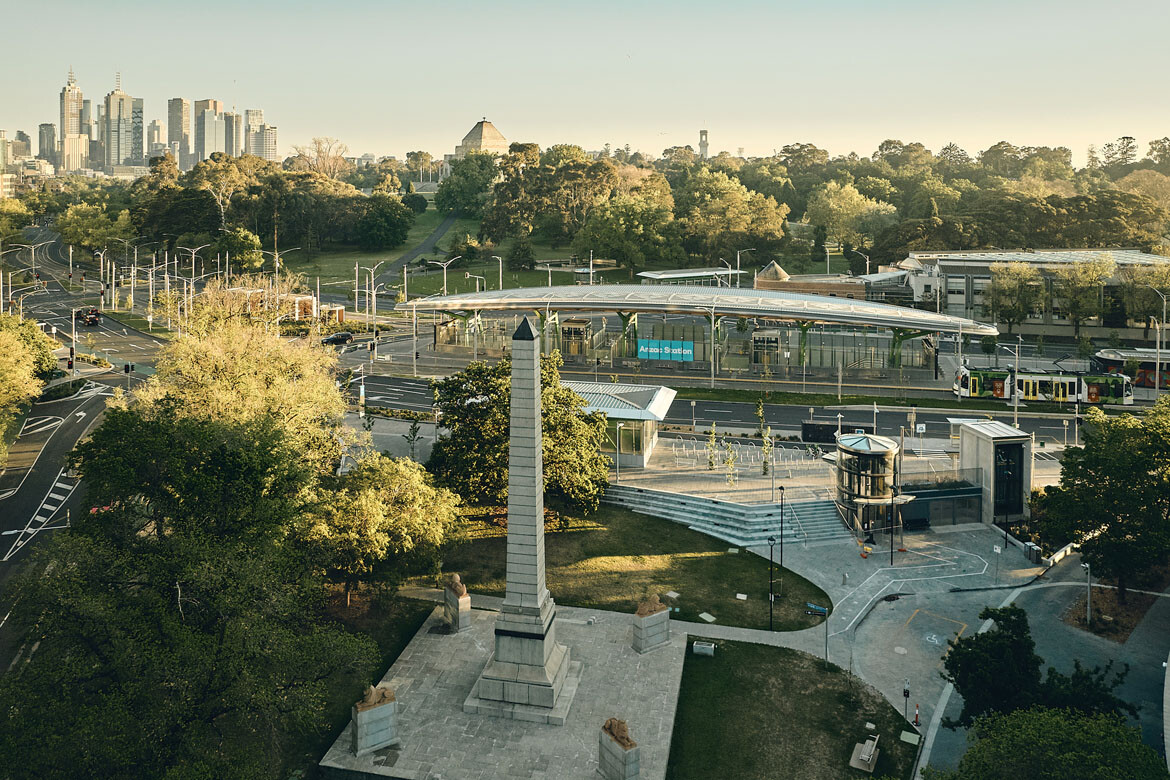
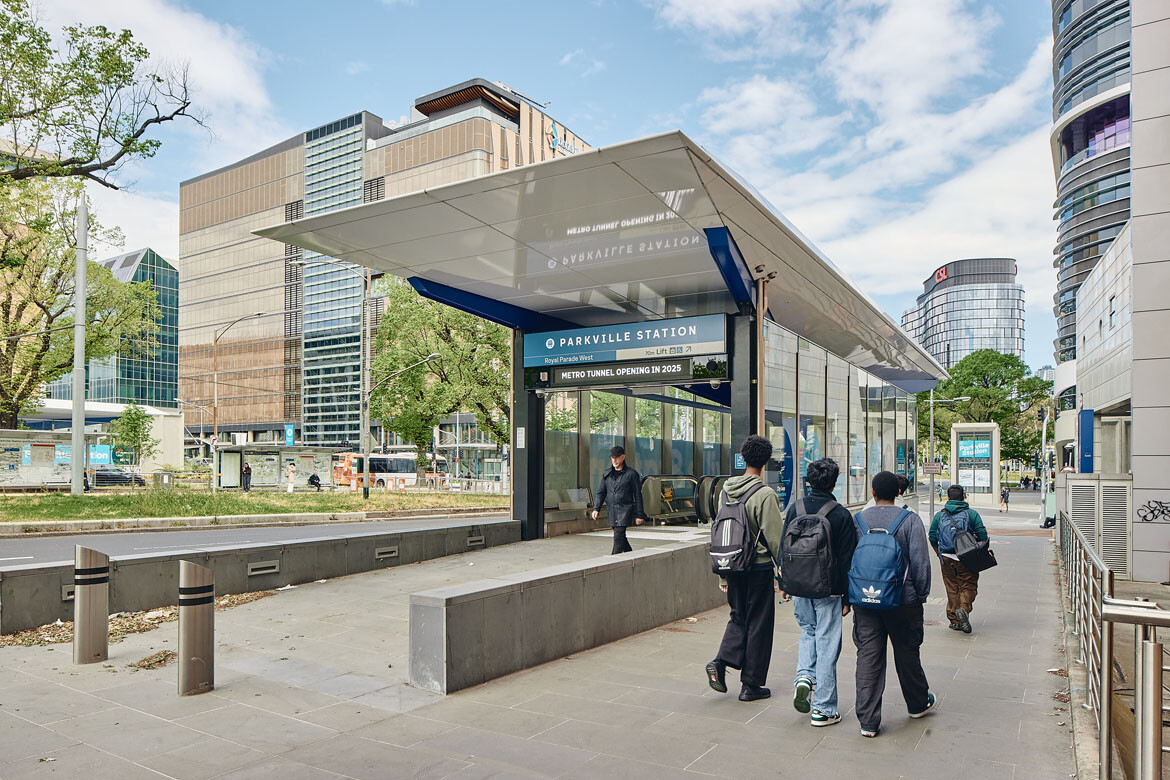
Returning to the sheer scale Melbourne Metro, the designers have deliberately sought to bring a sense of grandeur to the stations. There is, of course, such a thing as big architecture that nevertheless lacks a civic quality, but it’s something that Hassell, WW+P and RSHP have tried to avoid.
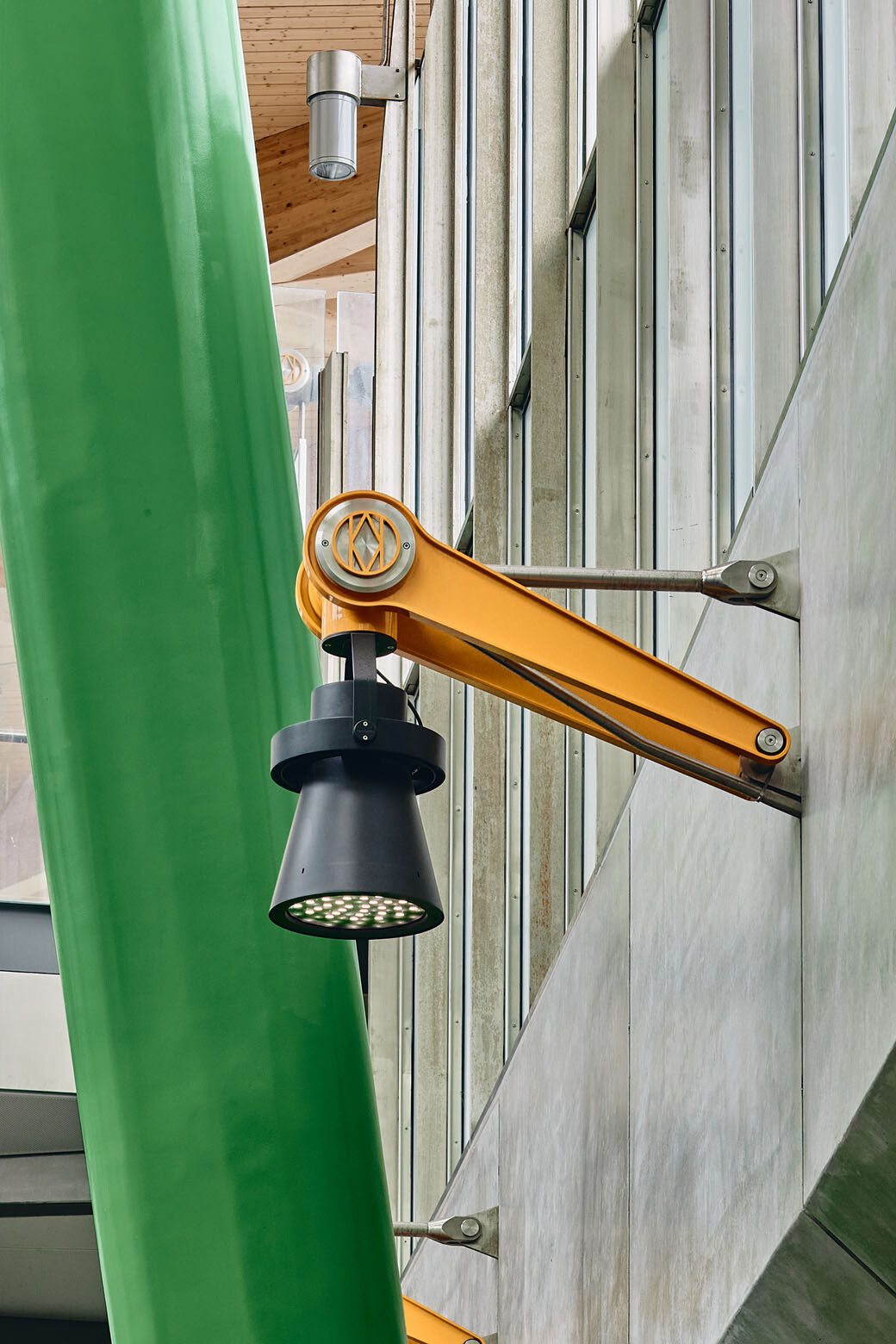
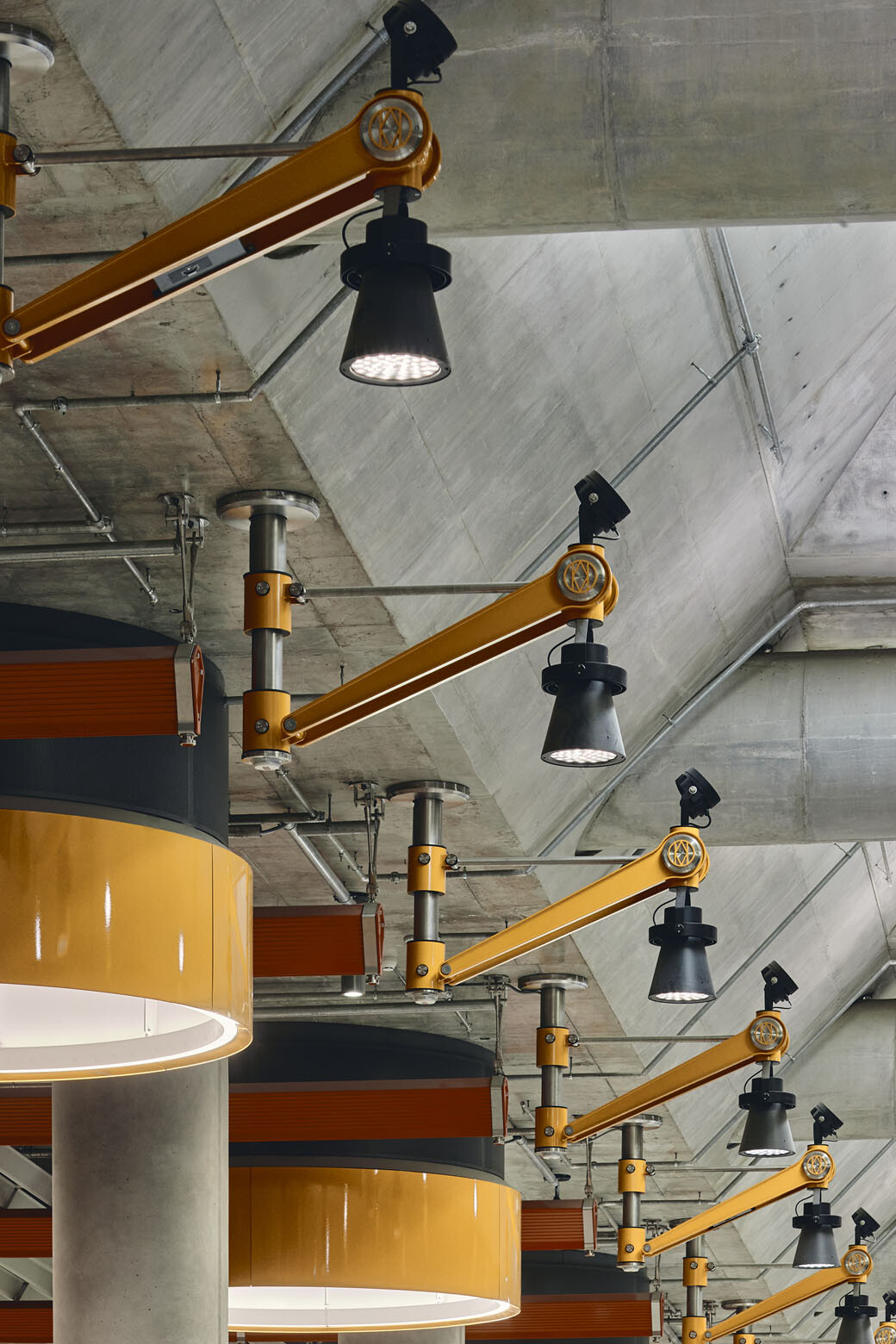
“There are quite a few benefits to having this kind of grand volume, this scale of space… I think it adds to the civic [quality] and makes it less utilitarian,” says Bakker, who also notes an emphasis on intuitive way finding across the project.
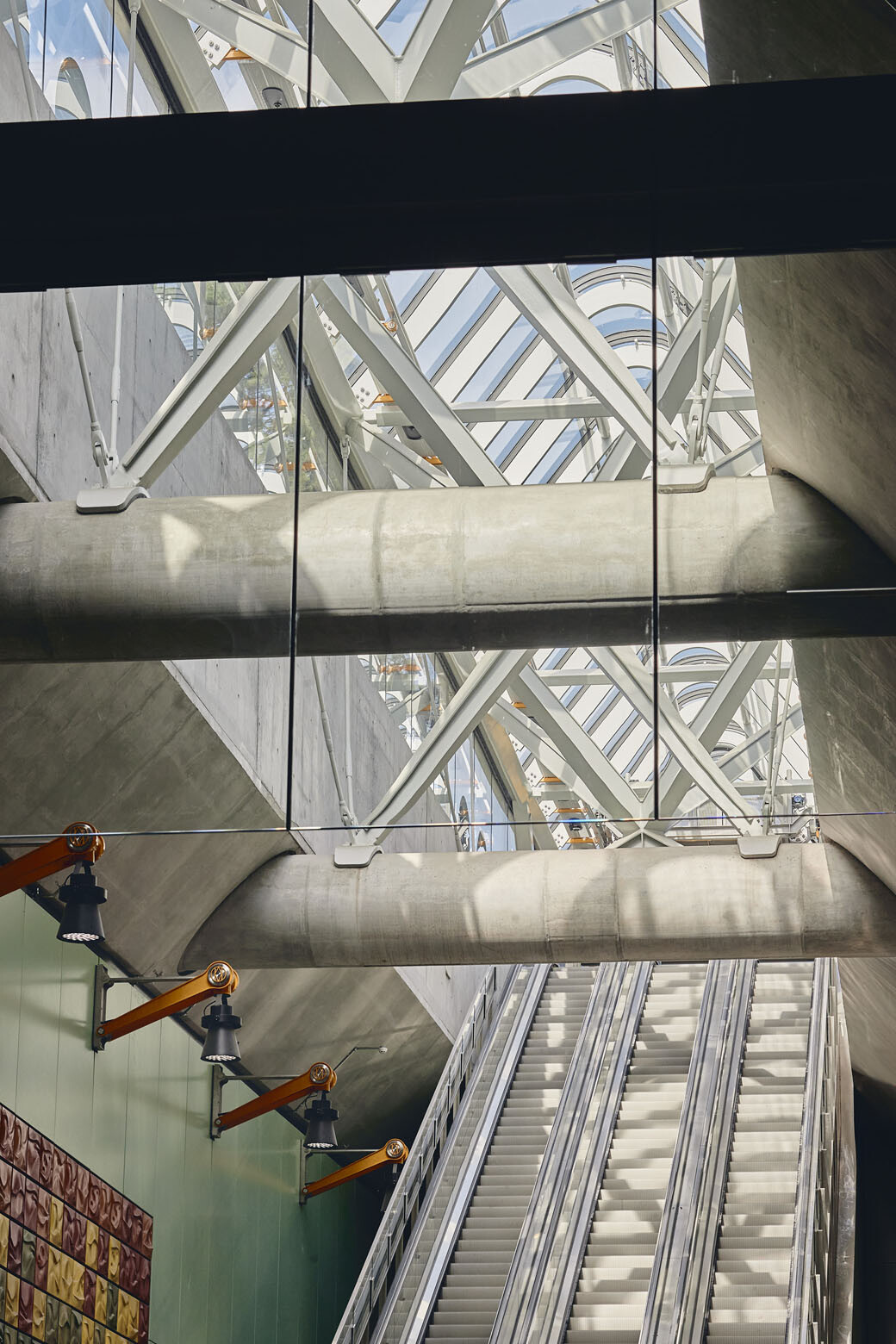
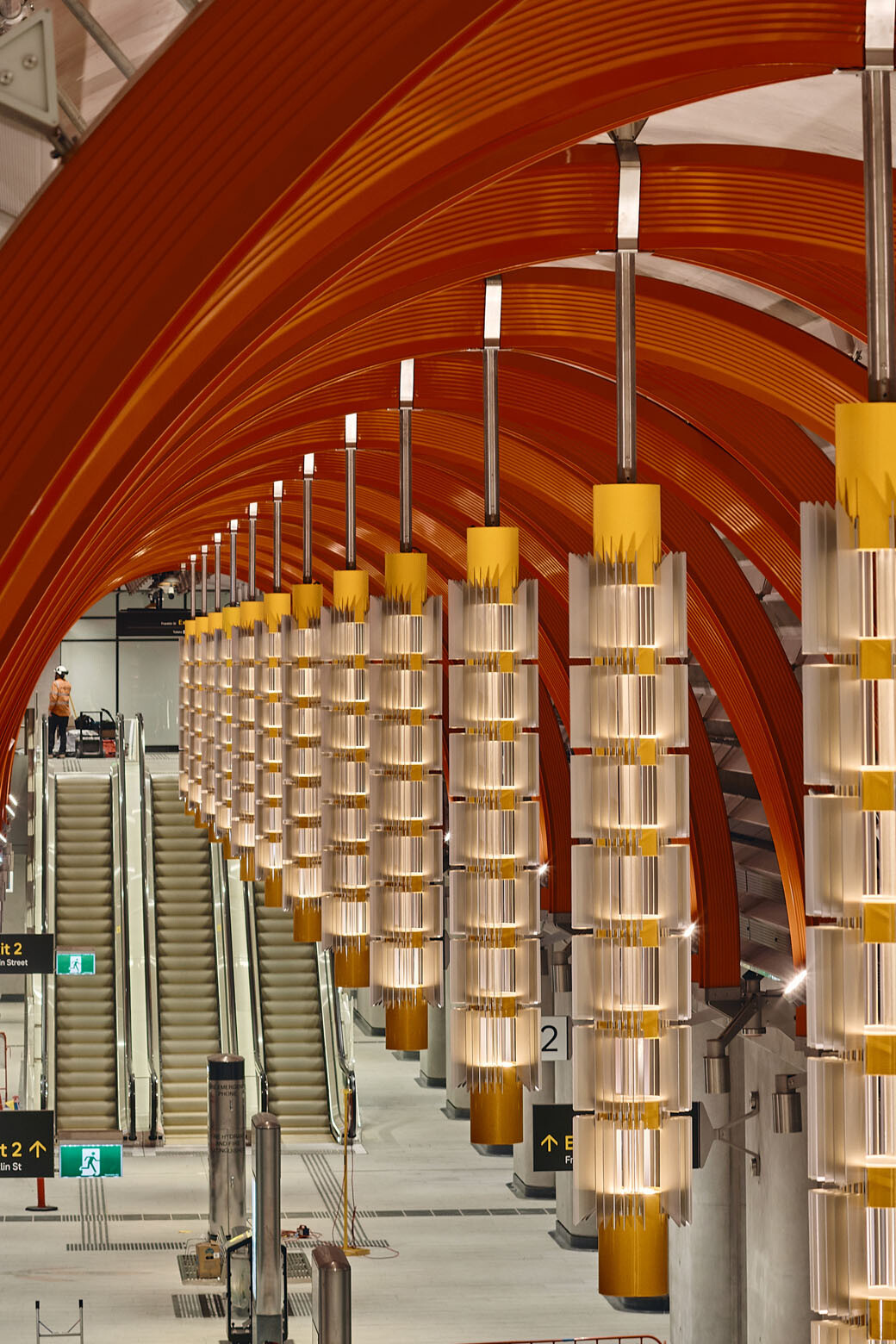
As for precedents elsewhere in the world, Bakker references the Elizabeth Line in London as a contemporary example as well as the historic Moscow Metro. While the latter provided some inspiration in terms of spatial volume and grandeur, she says that ultimately the design team wanted it to be uniquely Melbourne.
Perhaps the best way of characterising the new stations for Bakker is as “an extension of the city into those spaces.” That was, she concludes, “the big opportunity” here in a project that is set to shape its city for a long time to come.
Hassell
hassellstudio.com
RSHP
rshp.com
WW+P Architects
wwparchitects.com
Photography
Peter Bennetts
Landscape architecture by Hassell, line-wide and wayfinding by Maynard Design Consultancy, engineering by Arup, Arcadis and WSP as part of the CYP Design and Construction (CYP D&C) Joint Venture comprising Bouygues Construction, John Holland and Lendlease, on behalf of the Victorian Government.