Powerhouse Parramatta is significant in terms of design in all kinds of ways, from its distinctive exoskeleton structure to the concept of Ma deployed by architects Moreau Kusunoki and Genton. (For more on that, listen to this podcast interview with them recorded just days after official opening). For Sydneysiders, however, this landmark cultural project carries especial significance because of the intra-Sydney dynamics at play – one of the city’s foremost cultural venues has gone west, into the geographical centre and multicultural heart of Greater Sydney.
Speaking to OMA Managing Partner David Gianotten in Sydney, what is perhaps most impressive is his intimate understanding of these Sydney dynamics. After all, he’s Dutch architect based in Rotterdam. However, he has a longstanding relationship with Australia and fully comprehends the significance of this institutional refocus away from harbourside glamour and towards the city’s western suburbs. And it’s precisely this knowledge that led OMA/AMO to focus on the shopping centre and retail culture in their exhibition, The Mall.
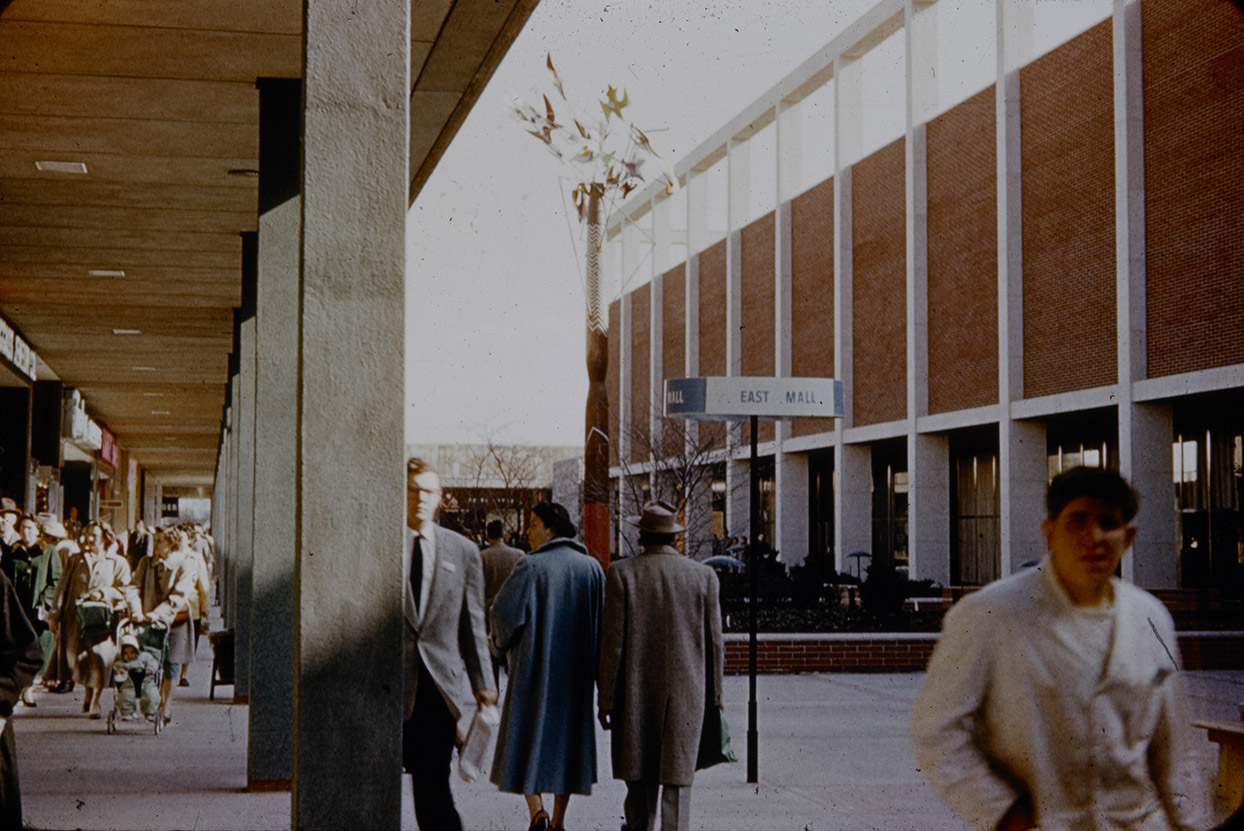
“We had several conversations about what would be really contextual for Western Sydney and of course the malls that are there,” says Gianotten. Clearly, the intention is to lean into the suburban nature of Sydney’s west by creating an exhibition with solid relevance to the lives of regular people. More specifically, it refers to what was once Australia’s largest mall in Westfield Parramatta (1975), as well as the wider area’s role in pioneering a global model of large-scale, transport-integrated retail.
“We wanted it to be about shopping, and the industry and logistics behind it,” explains Gianotten, adding too “the Western Sydney context versus the global context.”
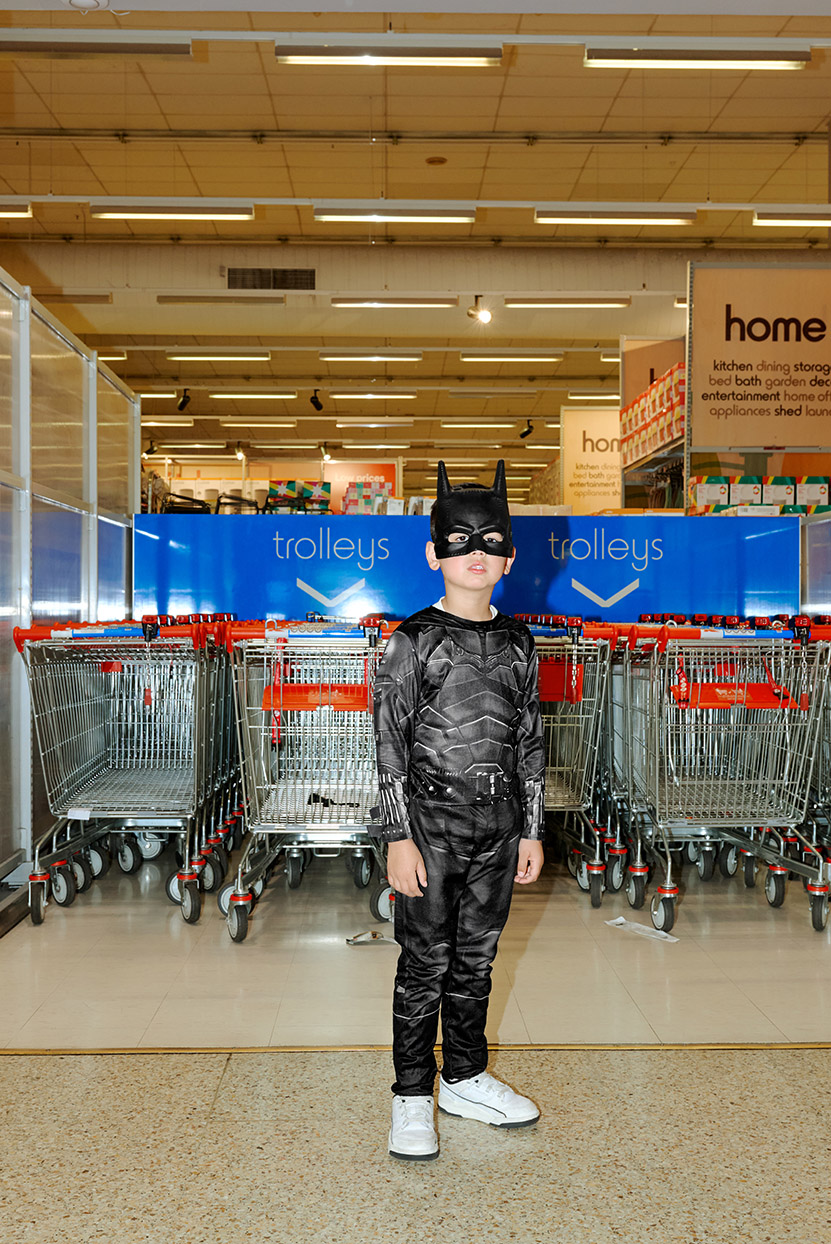
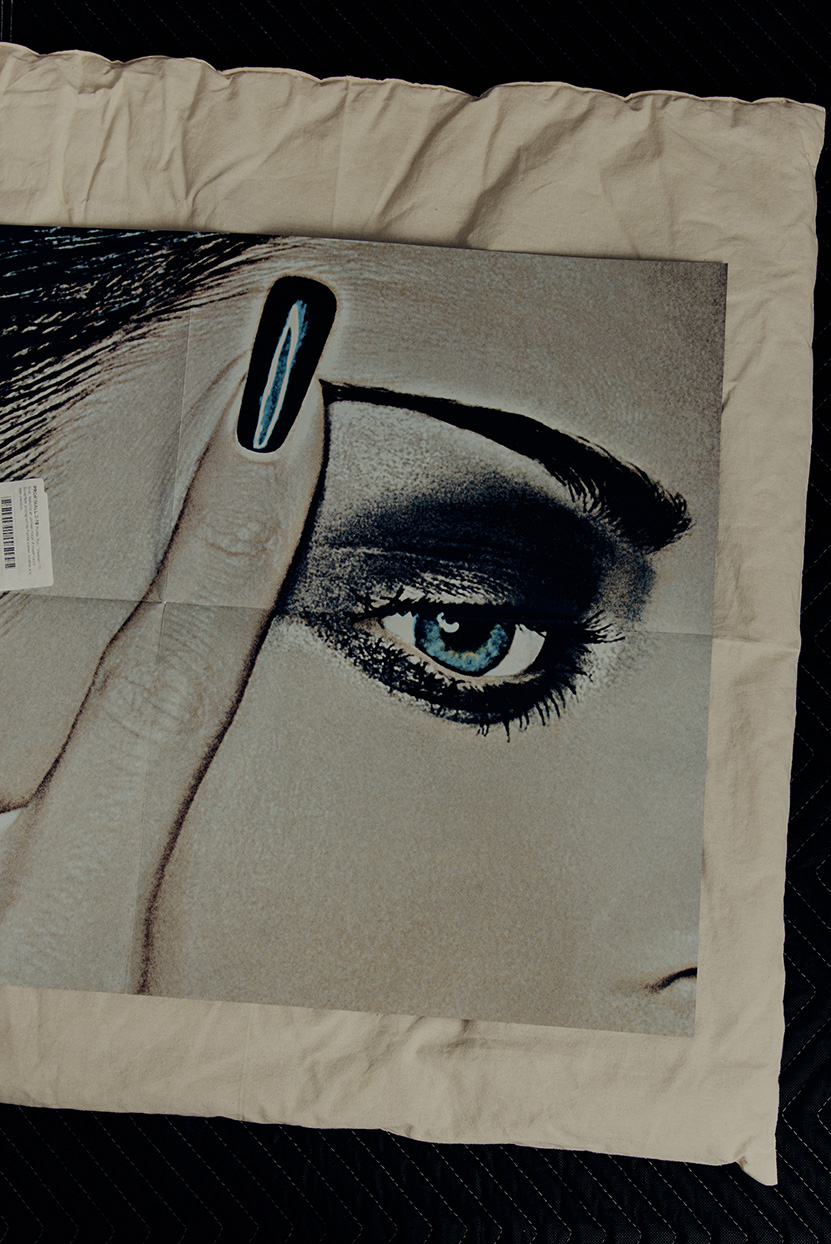
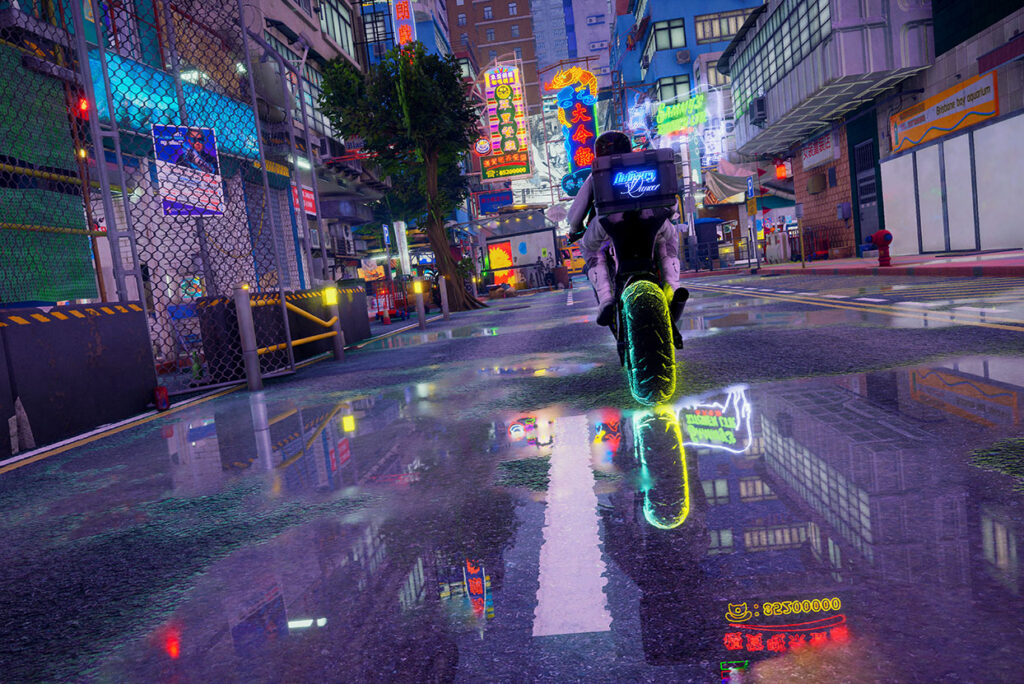
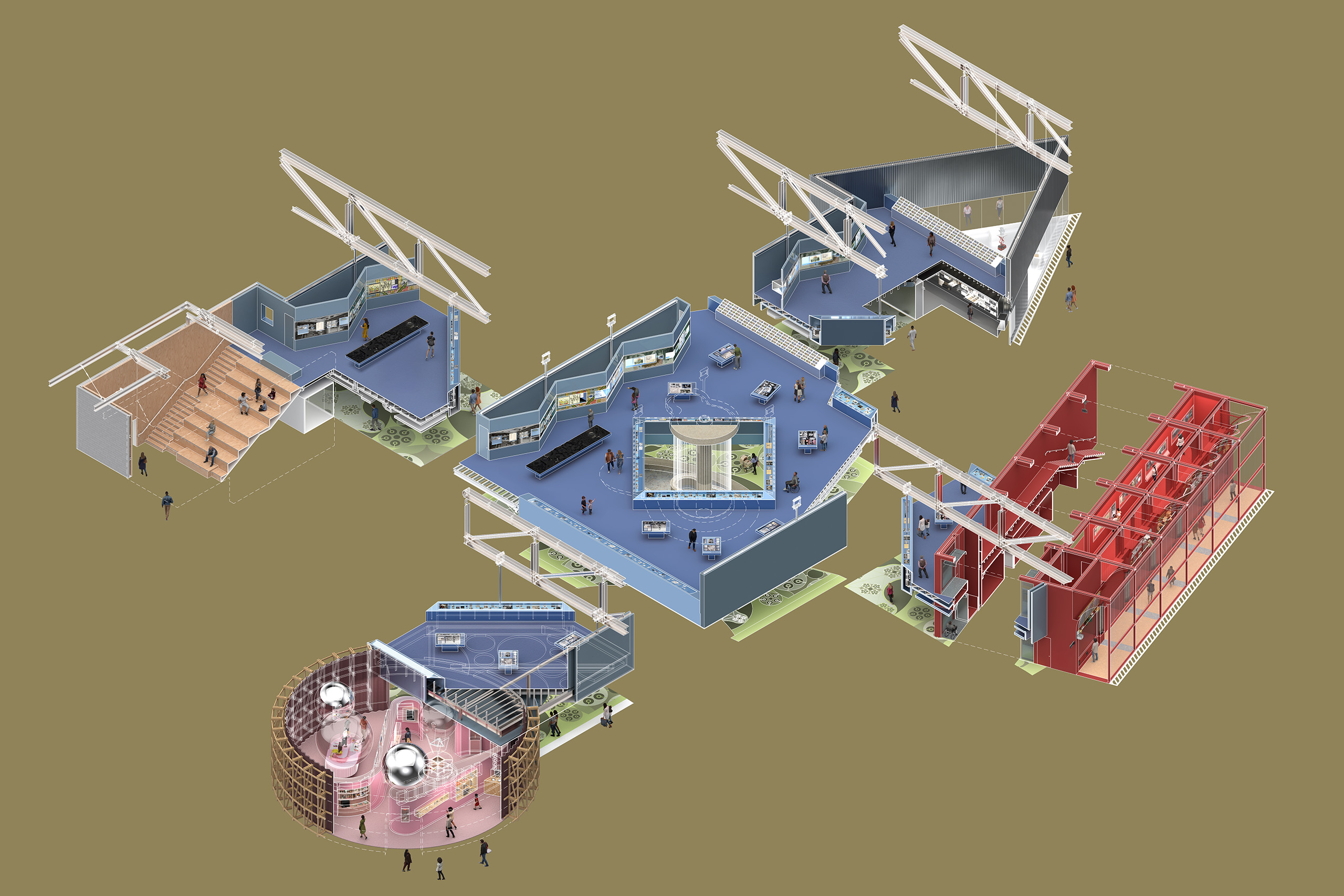
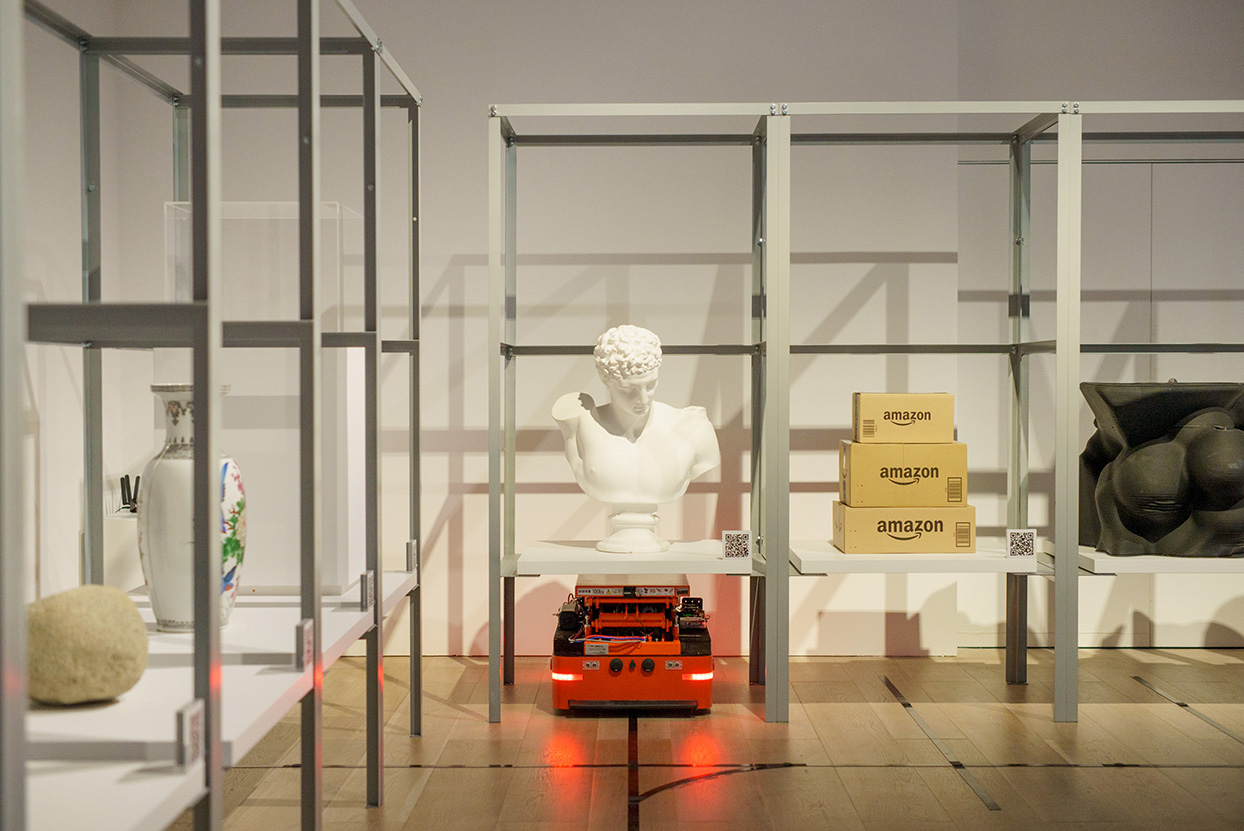
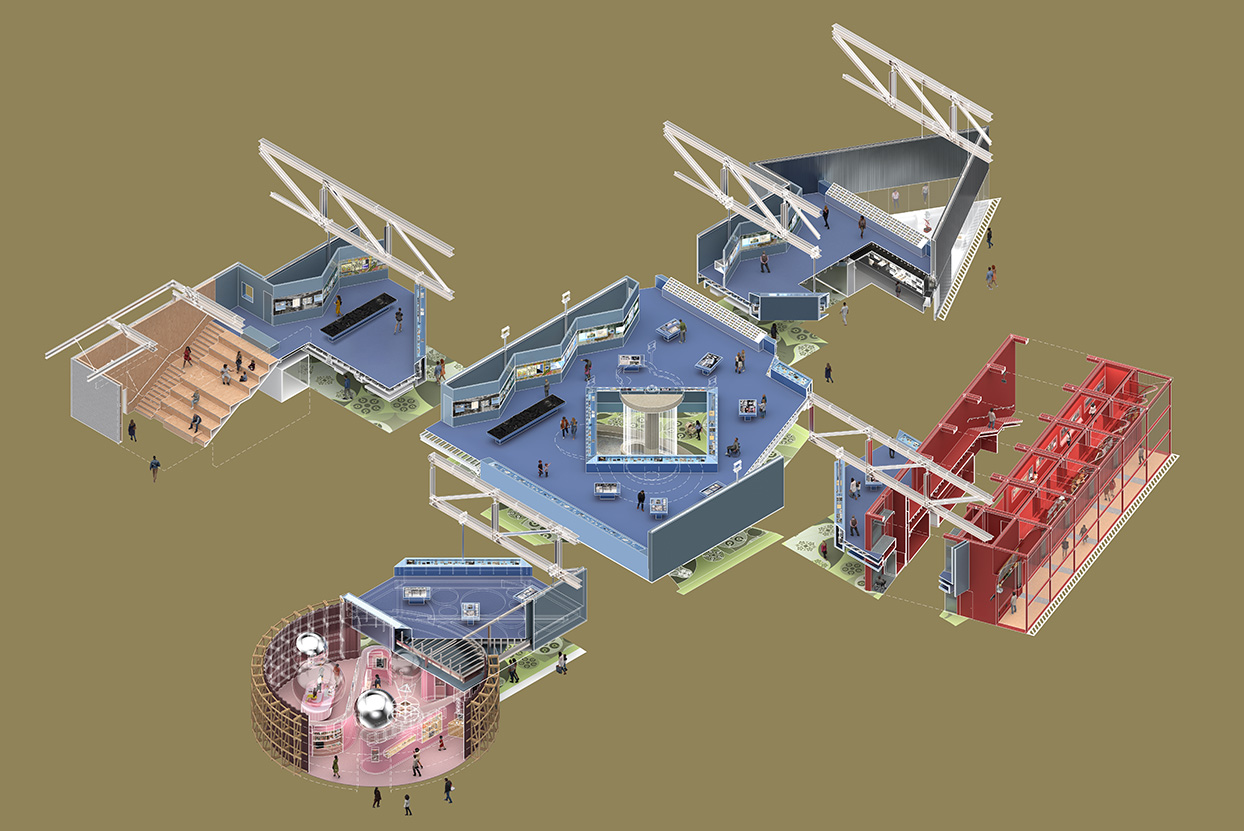
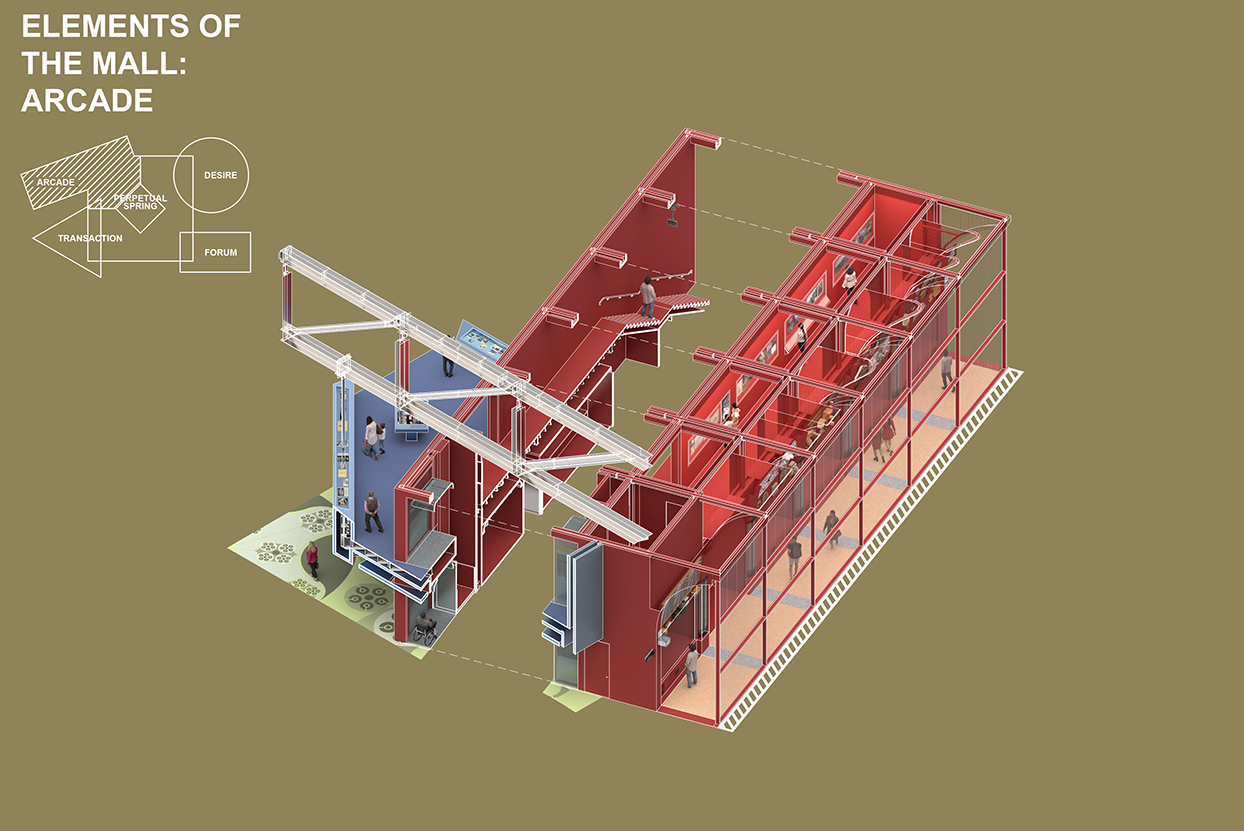
On show as part of the official Powerhouse Parramatta opening, The Mall will be there for two years. As a work of exhibition design, its multiple structures and even storeys takes advantage of the museum’s generous, column-free spaces and is organised around the five thematic nodes of Desire, Arcade, Transaction, Ideal City and Forum. Importantly, the exhibition seeks to display the visual experiences of the shopping mall alongside their less visible spatial, technological, economic, cultural and social systems.
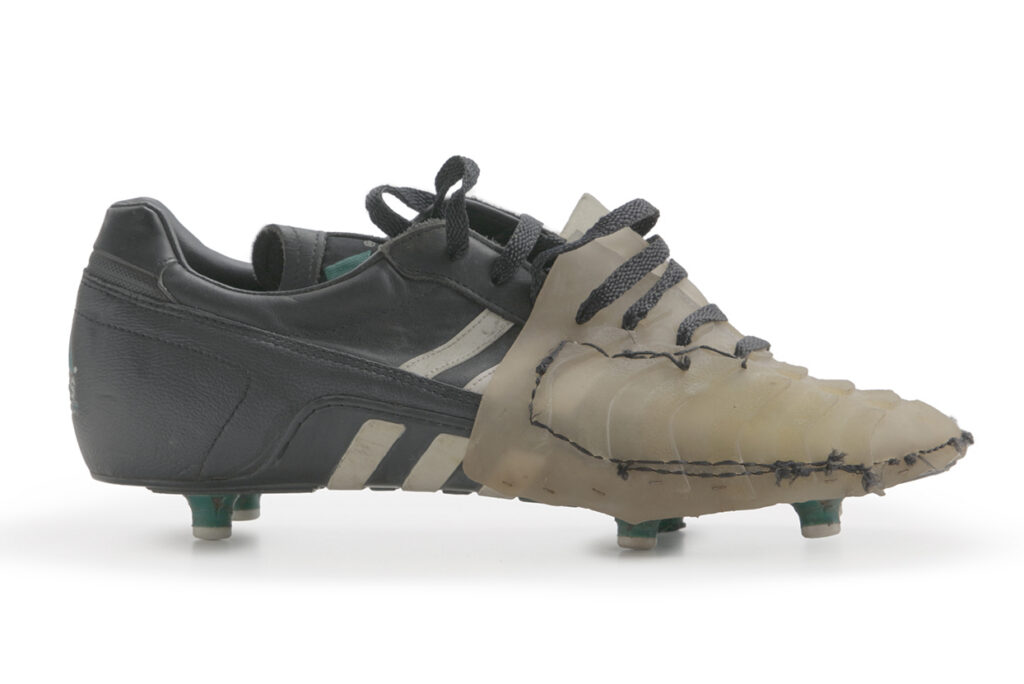
“We found a very good cluster of work that we could tap into,” notes Gianotten in reference to Archigram, the Japanese Metabolist movement and others. “Then we went also to the archives of the Powerhouse – they’re so vast and we really found a lot of beautiful material that is related to the arcades and beautiful objects that are there purely for seduction.
“Then we came up with the idea to recreate the mall… and by building a little mall inside of a museum, you can look at the beautiful sides of it, but you can also start explaining it – what it needs to do, how it tries to seduce people. And at the same time, we can also look at the less good things about shopping malls.”
As such, the exhibition is neither pure celebration nor criticism. The very act of building with reference retail typologies and their history within a museum successfully reframes and decontextualises them. A particularly notable moment in this regard is found in Arcade, where a visitors pass through a long, somewhat ornate, double-level space designed to reinterpret Sydney’s historic arcades. While looking into shop windows within, they are themselves observed like objects in a shop window by way of a one-way mirror as distinctions of spectacle and spectator dissolve.

Reflecting on the future, Gianotten suggests that “the younger population who want to live in cities have very different demands than in the past. And I think we see it, for example, in Europe, where there are a lot of housing crises – but that’s not because the amount of housing is not enough; it’s too expensive. And it’s not what people want anymore. People don’t want to live in a house with a front and a back garden, and then have to drive to work and go with a car to a supermarket. What they want nowadays is an environment in which they can live 24/7.
“That means a total different type of planning of cities, be it suburbs or central cities. People demand something else… it’s a total different dynamic that is asked for within cities. And I think the mall is a very good example of that: the mall was there to capture people, people had to travel there and therefore they stayed longer. The model of living together has changed completely, and the typology of the mall is, of course, based on that presumption that people need to take action to go out there – which now very often is actually what people don’t want. They want to stay in their own environment, where they feel belonging.”
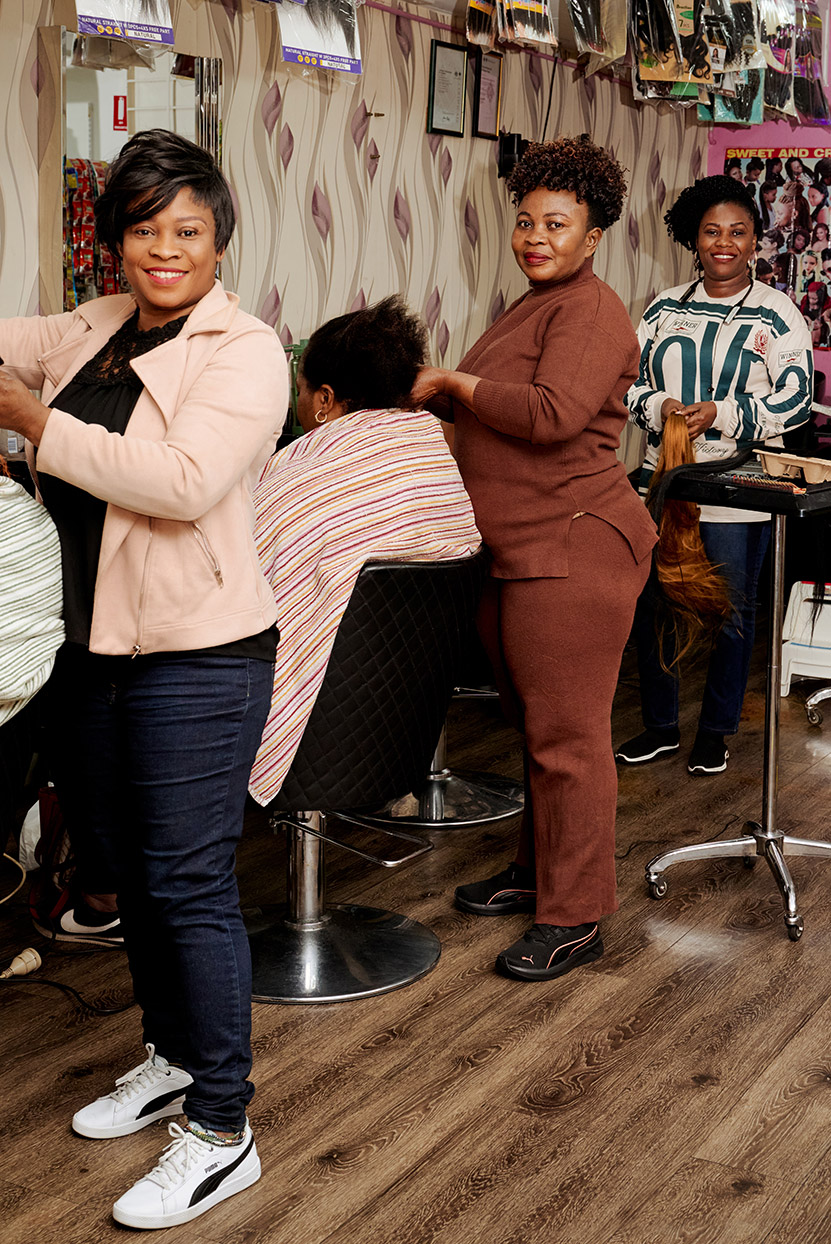
The Mall, then, presents shopping, its cultures and designed environments, on several levels at once. It acknowledges emotional connections of memory and nostalgia, community and innovation, as well as more critical lenses such as surveillance. Above all, it’s a fitting exhibition to kick off life at Powerhouse Parramatta.
The Mall at Powerhouse Parramatta
powerhouse.com.au
OMA/AMO
oma.com