The home of architecture and design in the Asia-Pacific
Get the latest design news direct to your inbox!

Get the latest design news direct to your inbox!
From landmark transport infrastructure and adaptive reuse to inventive housing and regional projects, the 2026 NSW Architecture Awards recognised the breadth of architecture shaping the state.
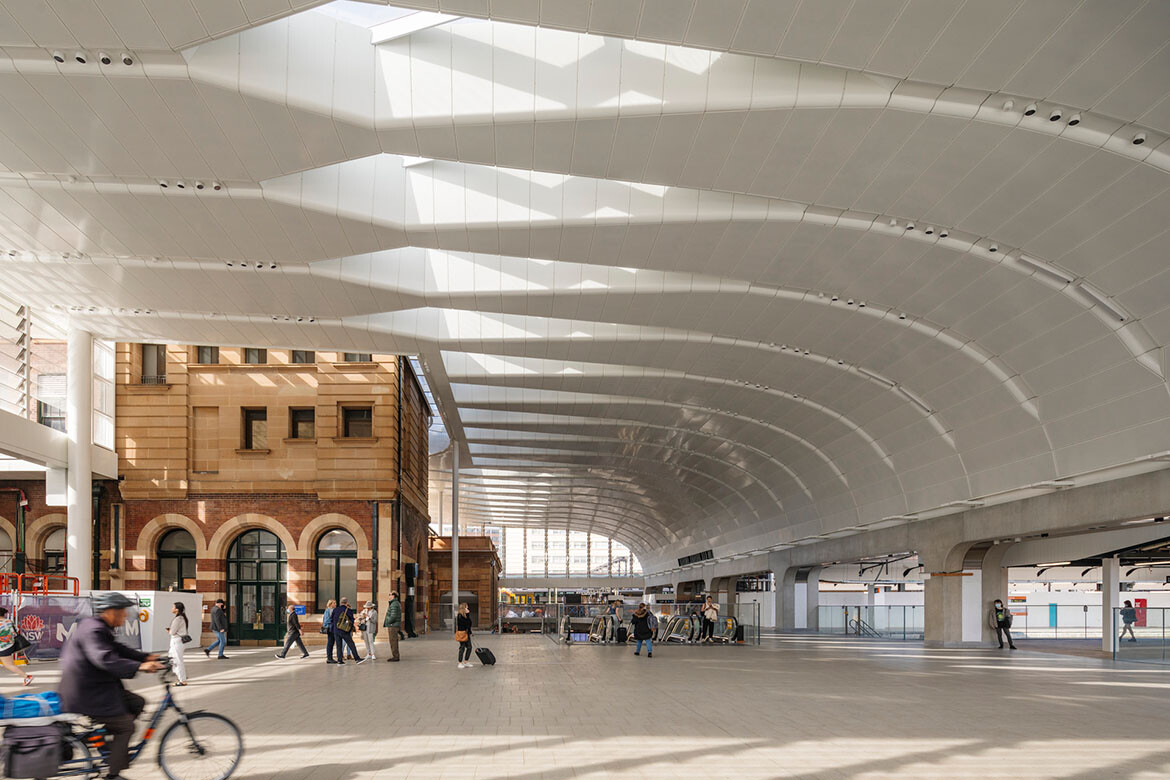
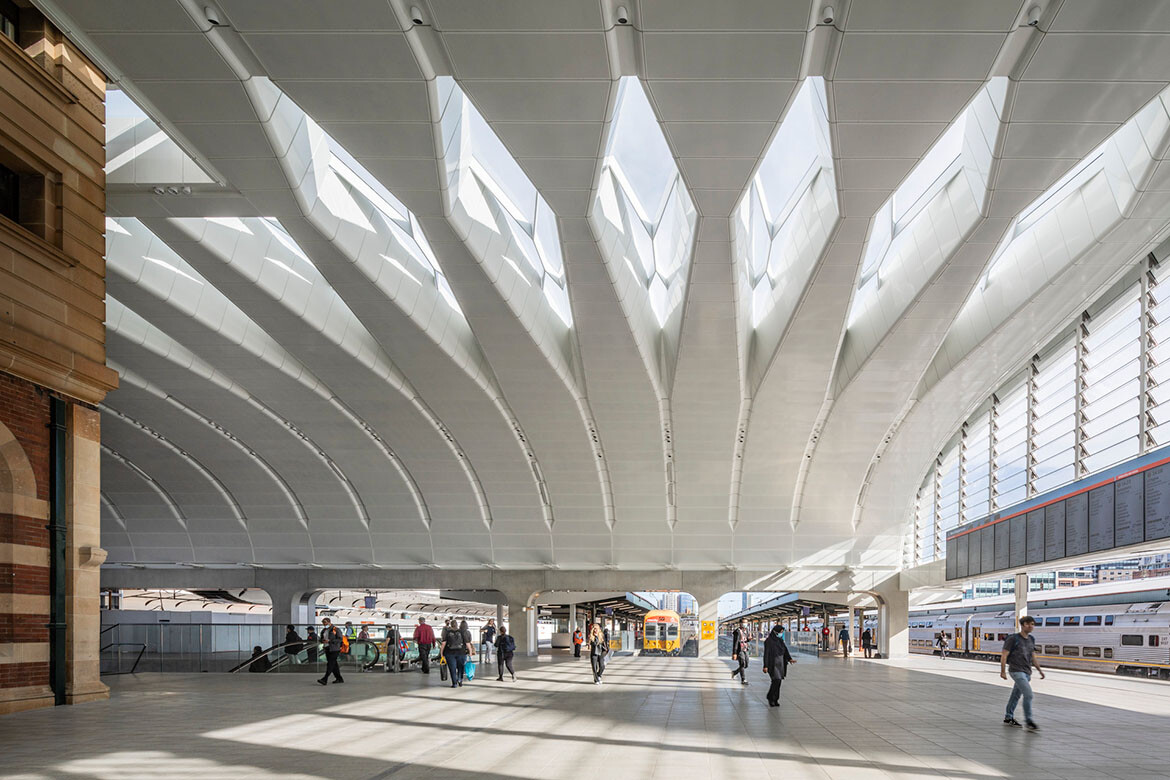
Central Station. Photo by Trevor Mein.
July 7th, 2026
The Australian Institute of Architects celebrated the state’s best architecture last week, with Central Station taking home the NSW Architecture Medallion at the 2026 NSW Architecture Awards.
Held at Sydney‘s City Recital Hall and hosted by Tim Ross, the annual awards brought together practices from across New South Wales to recognise excellence across public, commercial, residential, educational, heritage and interior architecture. While projects of every scale were honoured throughout the evening, this year’s major winners reflected a profession increasingly focused on public life, adaptive reuse and architecture that responds thoughtfully to place.
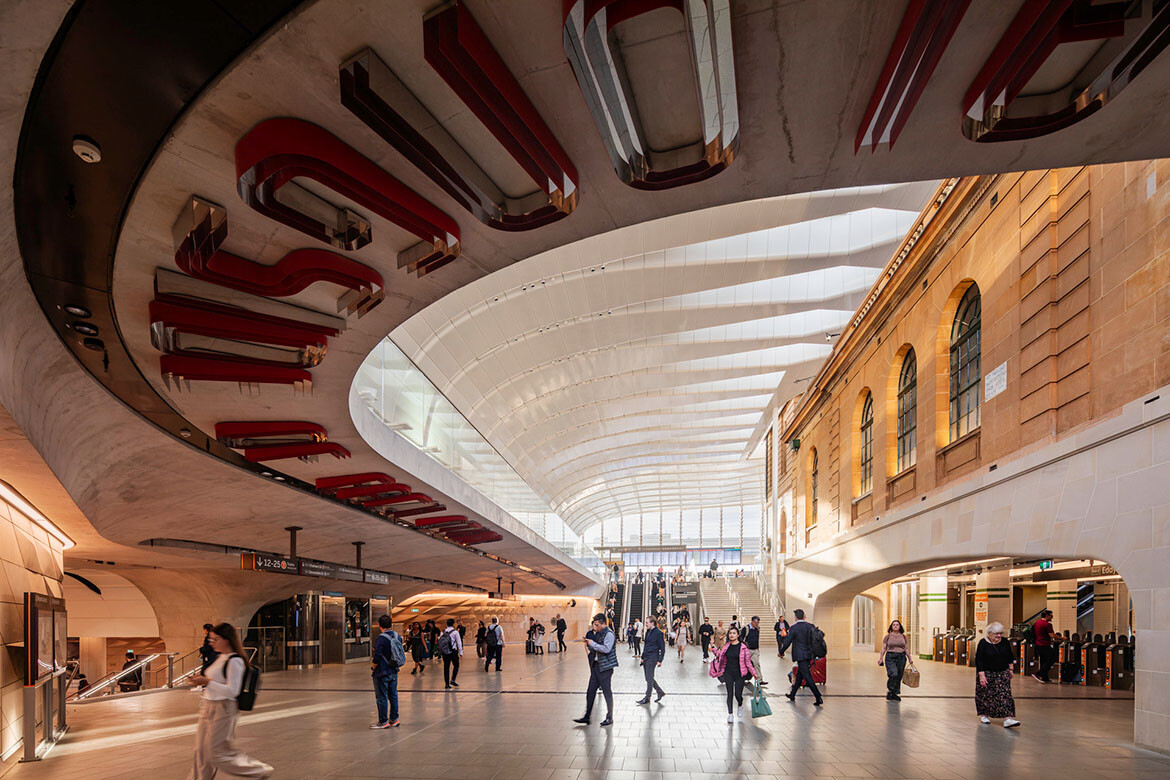
The night’s highest honour went to Central Station by Woods Bagot in collaboration with John McAslan + Partners. Alongside the NSW Architecture Medallion, the project also received the Sulman Medal for Public Architecture, recognising the transformation of one of Australia’s busiest transport hubs. Integrating Sydney Metro into the existing station while improving circulation, accessibility and the overall passenger experience, the project stood out as one of the state’s most significant pieces of civic infrastructure.
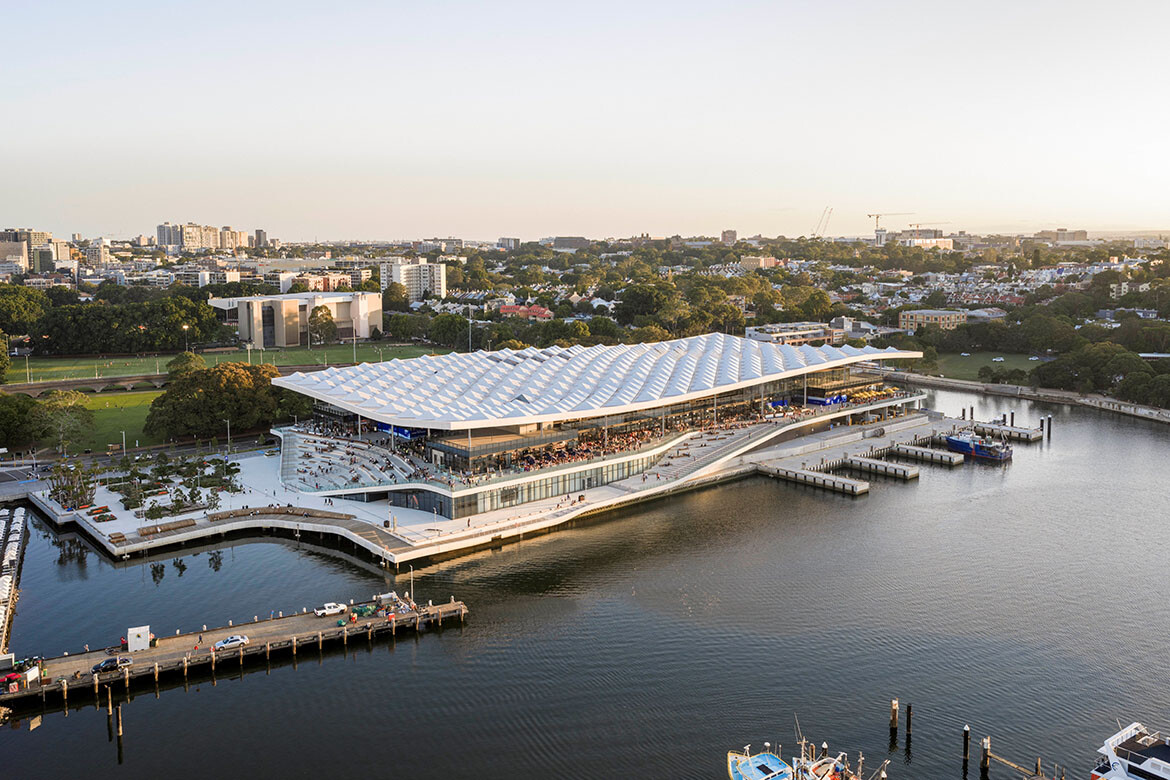
Public architecture featured prominently throughout the awards. The new Sydney Fish Market by 3XN in association with BVN and ASPECT Studios received the Premier’s Prize alongside the Sir Arthur G. Stephenson Award for Commercial Architecture and a Public Architecture Award. At the same time, Western Sydney International Airport by COX Architecture, Zaha Hadid Architects and Woods Bagot was recognised for delivering a major new civic gateway ahead of the airport’s opening.
Related: Indi Footscray reimagines build-to-rent as urban repair
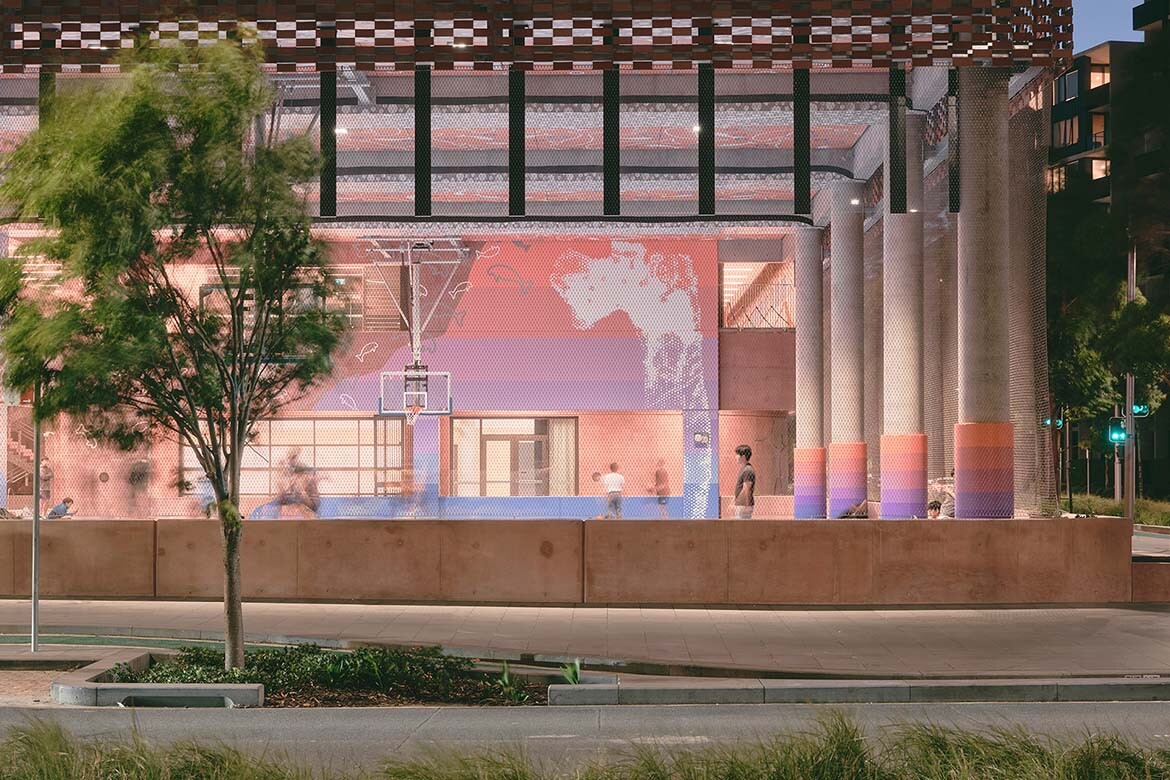
Education was another standout category, with BVN’s Green Square Public School receiving both the William E. Kemp Award for Educational Architecture and the Lord Mayor’s Prize. The project was recognised for successfully combining a public school with community facilities on a constrained inner-city site, establishing a new benchmark for education infrastructure in dense urban environments.
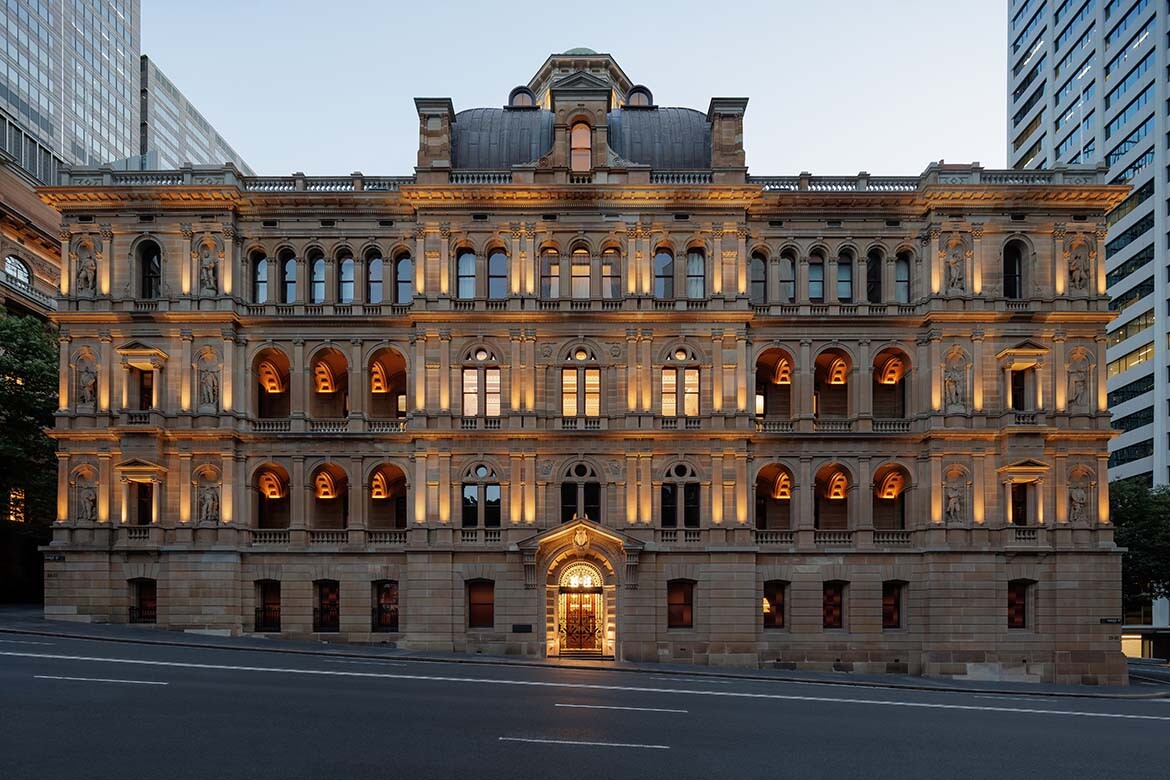
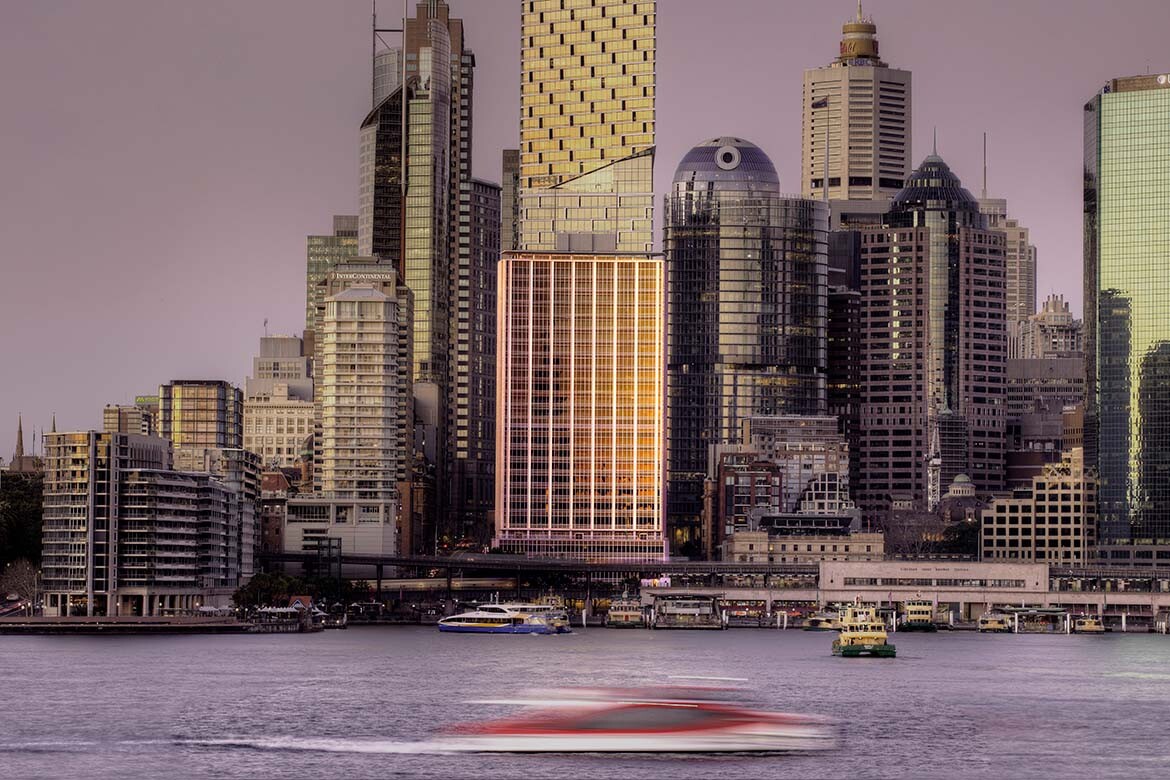
Adaptive reuse continued its strong presence across the program. The Lands by Capella by Hassell in collaboration with Purcell Architecture emerged as one of the evening’s most awarded projects, taking out honours in Heritage, Commercial Architecture and Interior Architecture. Nearby, JPW’s renewal of 33 Alfred Street was recognised in Heritage for its careful revitalisation of one of Circular Quay’s most recognisable office towers, while the Sydney Harbour Bridge Northern Access Cycleway demonstrated how contemporary infrastructure can sit comfortably alongside one of Australia’s most significant heritage structures.
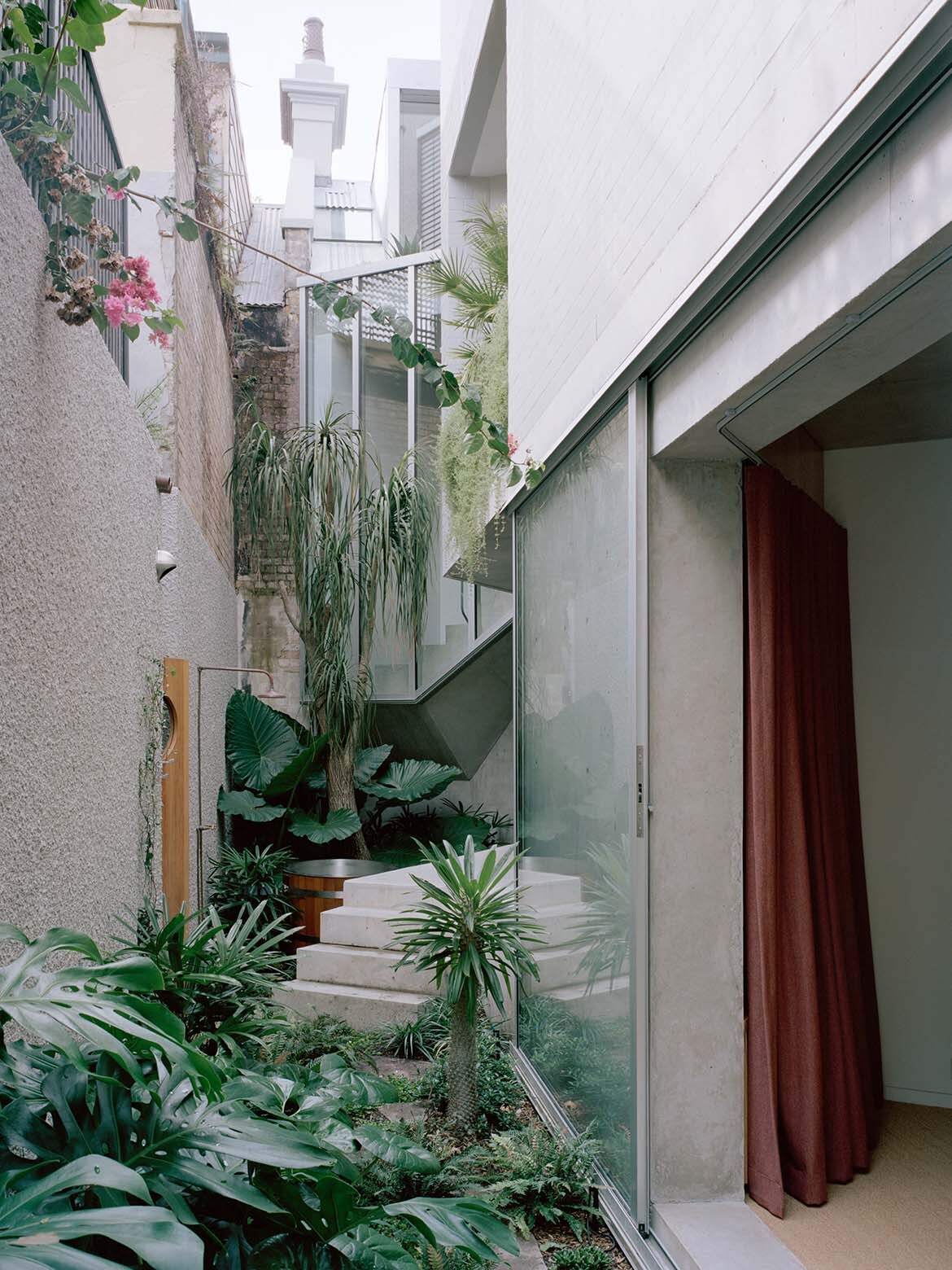
Residential architecture remained one of the most closely watched parts of the program. In the Houses (New) category, Curious Practice received the Wilkinson Award for Cowrie Hole, a home that negotiates its narrow Newcastle site through a carefully sequenced series of spaces and views. The Hugh and Eva Buhrich Award for Houses (Alterations and Additions) went to Anthony Gill Architects for Darlinghurst House, which transforms a constrained terrace and adjoining warehouse into a richly landscaped inner-city retreat.
Other residential winners highlighted the diversity of work emerging across the state. Bokey Grant’s EA House claimed both a Residential Architecture award and the Blacket Prize for Regional Architecture, while projects including Smart Design Studio’s Surrey 112, Downie North’s The Corner Shop House, Lintel Studio’s House Gretchen and Retallack Thompson’s Rows End reflected the continued strength of carefully crafted alterations and additions. Across the residential categories, architects demonstrated that challenging sites, heritage constraints and compact footprints continue to produce some of the state’s most inventive work.
Beyond the headline winners, projects such as Gilgandra Library and Community Hub by DunnHillam Architecture + Urban Design, Campbelltown Station Commuter Car Park by Hill Thalis Architecture + Urban Projects and Pier Pavilion by Besley & Spresser reinforced the breadth of work recognised across regional New South Wales and public infrastructure. Sustainability also remained a defining thread, with projects rewarded not only for environmental performance but for longevity, adaptability and thoughtful responses to context.
While the projects varied widely in scale and typology, a consistent theme emerged throughout the evening. This year’s awards celebrated architecture that contributes to the public realm — whether through transport, education, housing, adaptive reuse or community infrastructure — highlighting a profession increasingly focused on creating places that serve people as much as they impress.
The awarded and commended projects will now progress to the Australian Institute of Architects’ National Architecture Awards later this year, where New South Wales’ strongest work will compete alongside projects from across the country.
Australian Institute of Architects
architecture.com.au
INDESIGN is on instagram
Follow @indesignlive
A searchable and comprehensive guide for specifying leading products and their suppliers
Keep up to date with the latest and greatest from our industry BFF's!
The internet never sleeps! Here's the stuff you might have missed