The home of architecture and design in the Asia-Pacific
Get the latest design news direct to your inbox!

Get the latest design news direct to your inbox!
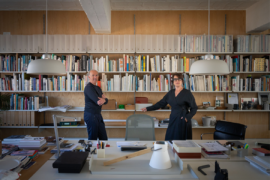
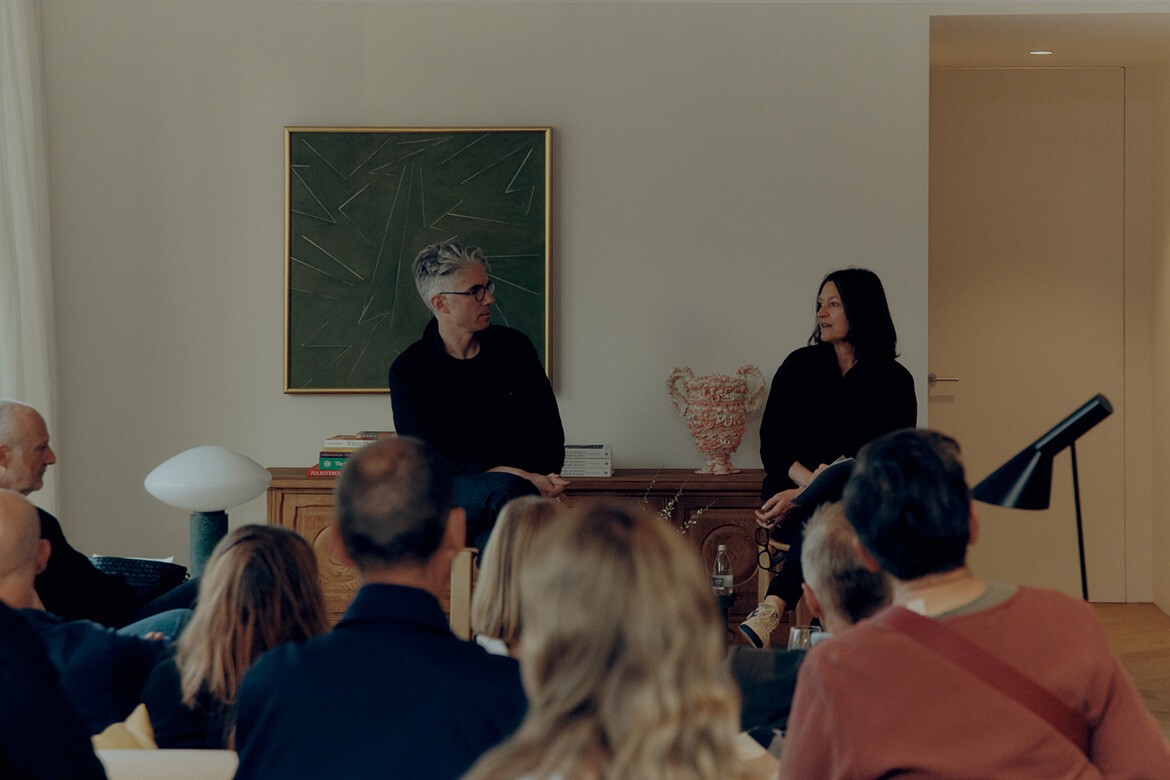
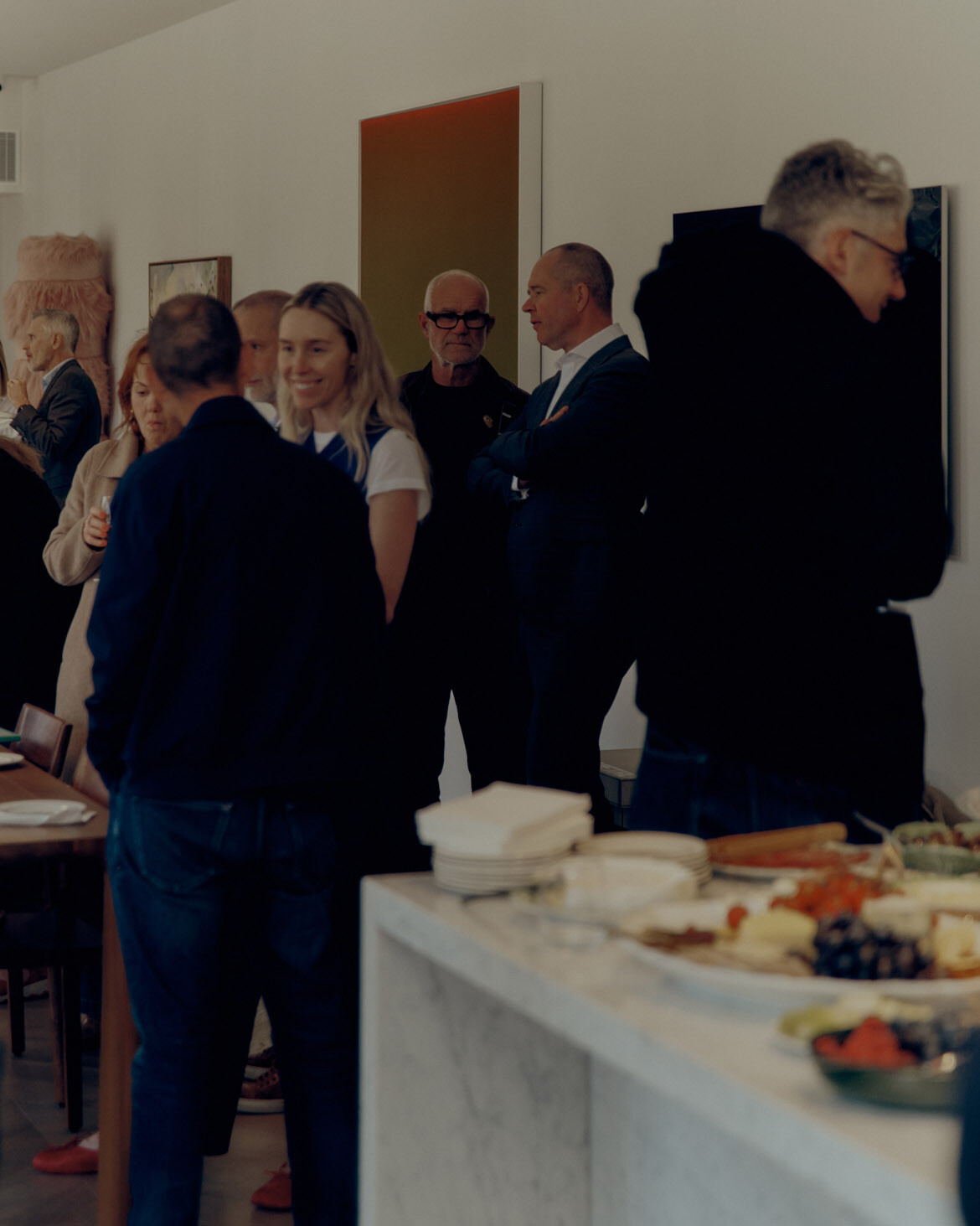
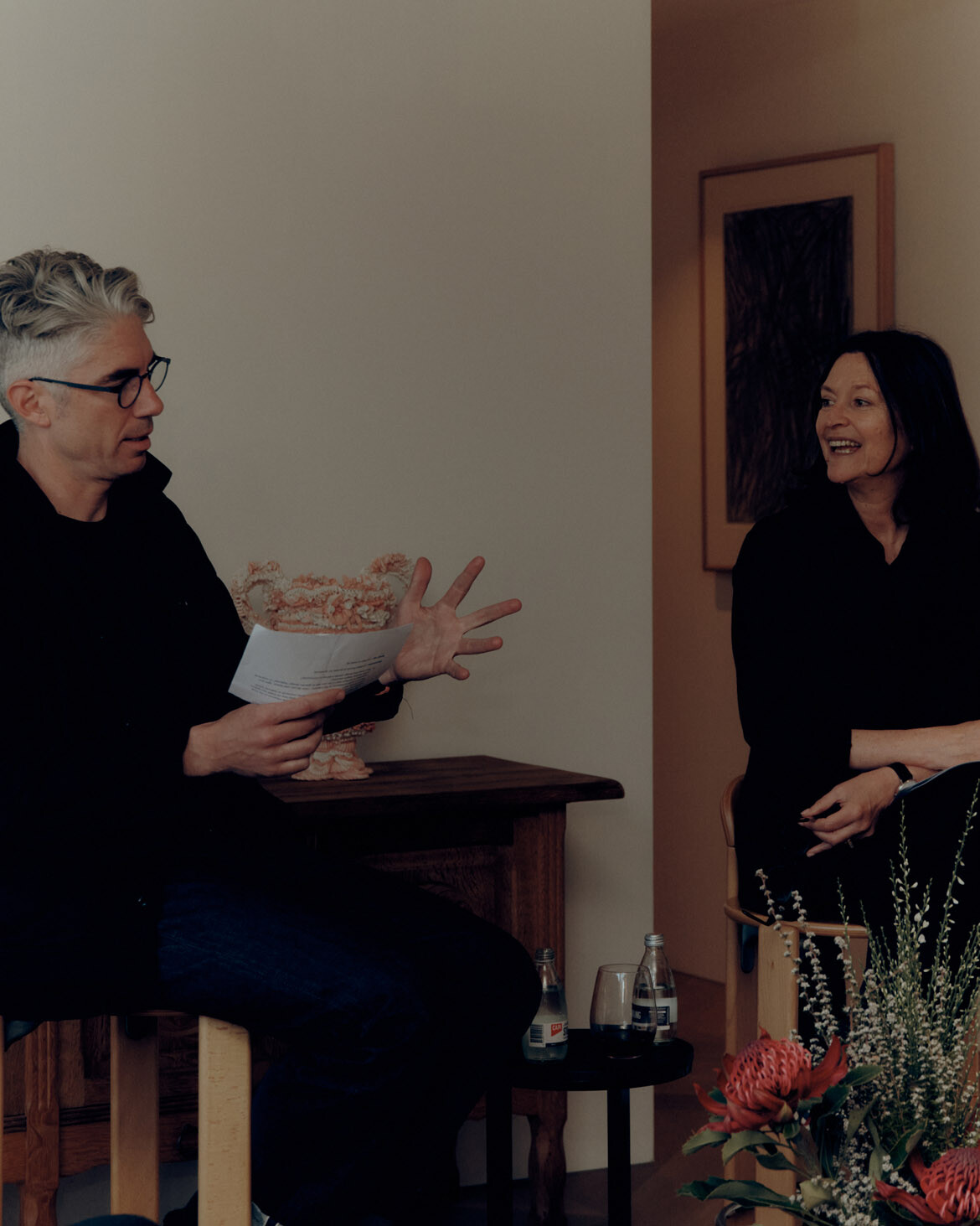
Kerstin Thompson of KTA and Neometro Director Lochlan Sinclair discuss density, character and the inner city during a recent gathering in St Kilda East.
March 17th, 2026
Description provided by event organisers.
Melbourne’s apartment culture has always shaped how the city lives together. In suburbs like St Kilda and Brunswick, higher density was never just a planning metric; it was a defining feature of their social and architectural identity. The mansion blocks of St Kilda and the warehouse conversions of Brunswick didn’t flatten their surroundings; instead, they absorbed and extended them.
It was this relationship between housing and neighbourhood character that framed a recent conversation between Gold-Medal winning architect Kerstin Thompson of KTA and Neometro Director Lochlan Sinclair, reflecting on their collaboration at 97 Alma Road in St Kilda East. The pair explored how the spirit of a suburb can be absorbed, interpreted and extended into contemporary architecture, adding to the identity of a place rather than diluting it.
Designing with character, not against it
Melbourne’s inner suburbs were not shaped by uniform masterplans but by waves of migration, industry and reinvention. St Kilda’s grand villas became boarding houses, then flats, then family homes again. Brunswick’s warehouses gave way to studios and terraces. Fitzroy and Collingwood evolved from working-class enclaves to creative hubs.
Yet much contemporary housing risks becoming placeless. The pressures of planning compliance, construction cost and investor logic often produce buildings that could sit anywhere. The conversation between Thompson and Sinclair explored a different proposition – that designing to the spirit of a place requires clarity of intent from the outset. Not nostalgia or mimicry, but a commitment to understanding what has made a suburb endure.
Related: Architecture and democracy
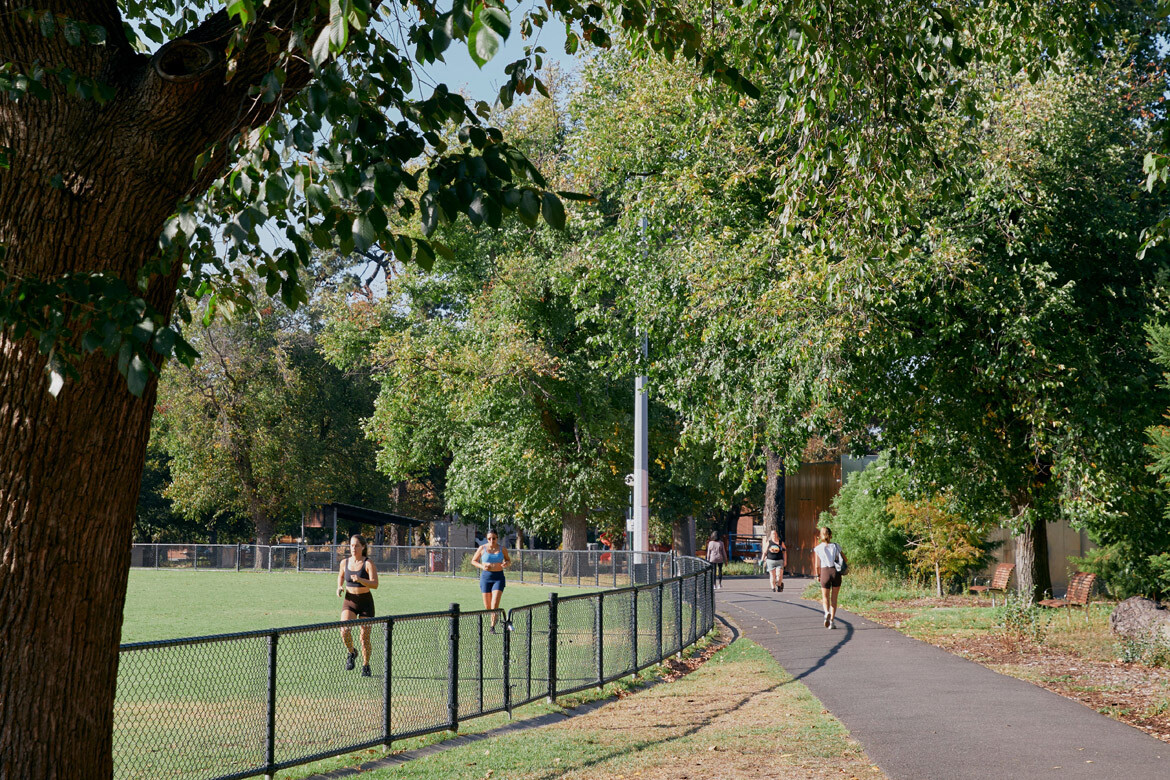
In Neometro and KTA’s case, that meant recognising St Kilda’s long comfort with higher density. Unlike other parts of Melbourne that historically treated apartments as a compromise, St Kilda embraced them early. Its mansion blocks and walk-ups sit within gardens, its facades carry hints of Hollywood glamour and Spanish Mission revival, its streets hold a mix of the grand and the idiosyncratic. There is a certain looseness, a permeability between building and landscape, that defines its character.
Sinclair suggests that “the idea at 97 Alma Road was not to replicate an architectural style, but to respond to St Kilda’s looseness.” It’s a view that acknowledges how apartment and townhouse living in the suburb has historically been social, layered and slightly eccentric.
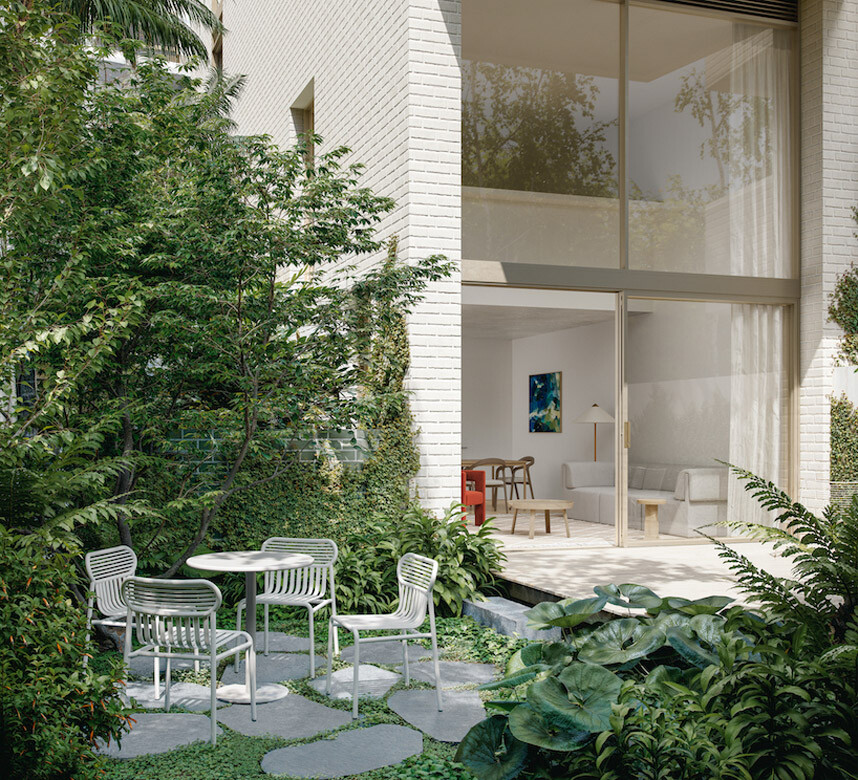
As such, the project’s facade swells and recesses, its plans resist the neat stacking logic of the typical apartment slab with a deliberate sense of irregularity. The reference point is mansion block or subdivided villa – a large house that has evolved over time, accumulating difference and character.
Longevity as a cultural act
Designing to the spirit of a place also means designing for time. Suburbs like St Kilda remind us that housing is cumulative, with each generation leaving its next layer. If new buildings are to sit comfortably within that accumulation, they must be generous in a number of ways – good orientation, cross-ventilation, proportion and a strong connection to landscape. Sinclair and Thompson suggest these are the bones that allow homes to remain desirable decades on.
Longevity is not only environmental, though embodied carbon and resource use make it imperative. It’s also social. When people want to stay in their homes for longer, when their homes feel adaptable, dignified and support their everyday lives, neighbourhood character deepens and communities naturally strengthen.
Sinclair says that the group’s projects tend to take on a personality of their own once they’re inhabited, formed by the residents within and the surrounding community: “Our approach to fostering community is to not over-dictate what a space should be used for. It’s about setting up a platform for the individual personalities.”
Gardens as infrastructure
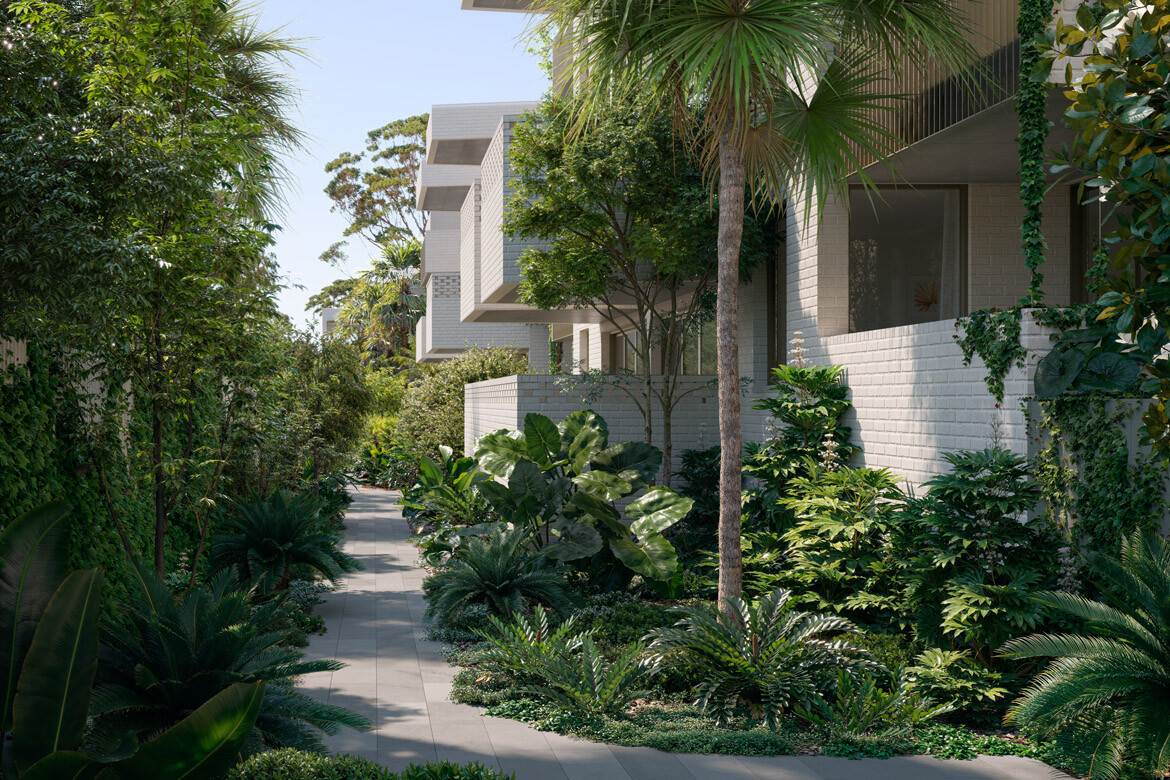
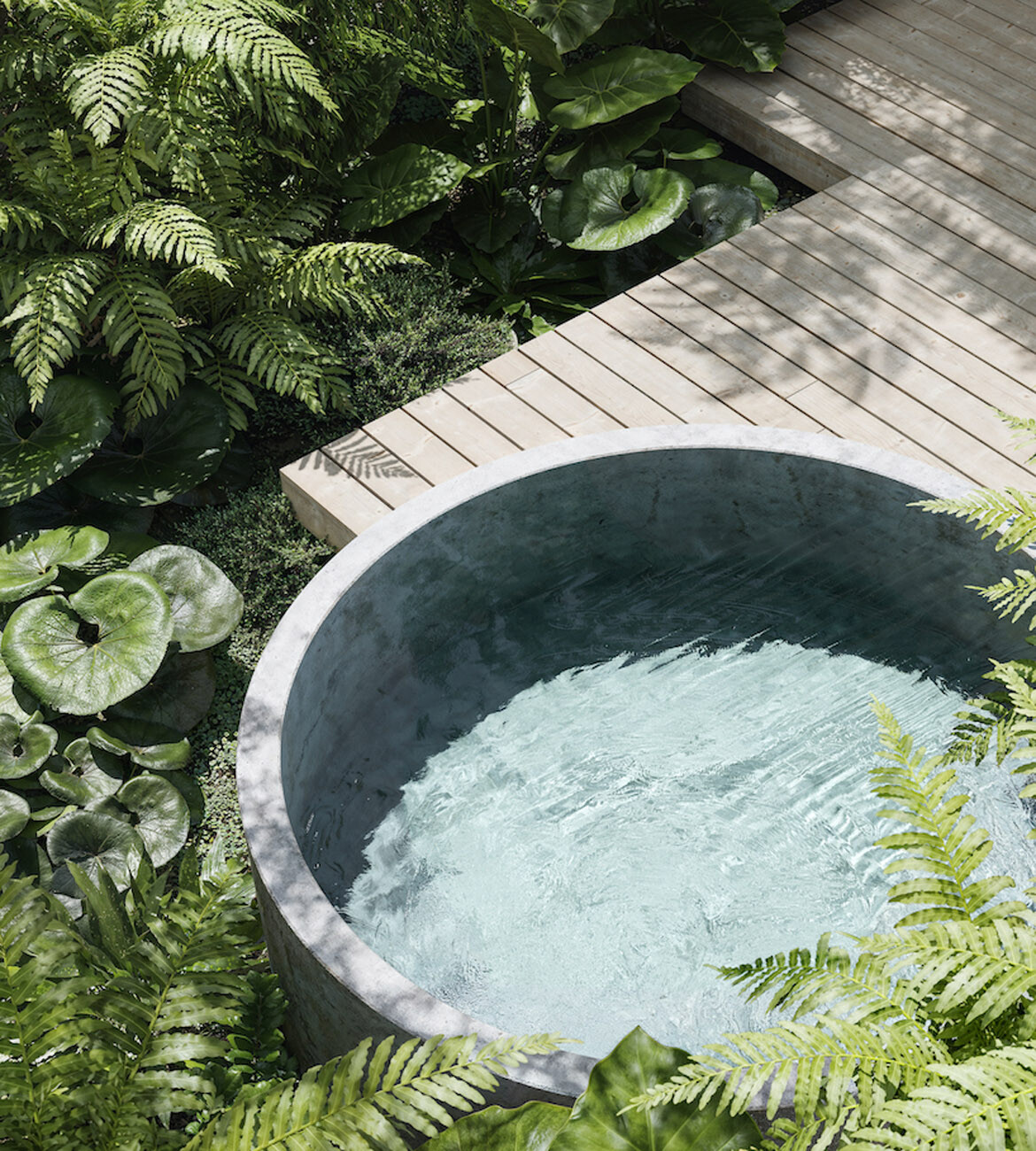
The apartments and townhouses at 97 Alma Road have a direct relationship to the adjacent parkland, Alma Park. Thompson says that St Kilda’s traditional leafiness – buildings sitting in generous, often slightly unruly garden settings – became a driver for the design. The arrival sequence unfolds through planting. Setbacks are not dead zones, but extensions of the park. Rooftop gardens add another layer of inhabitable landscape.
The landscape by Myles Baldwin Design reinforces this idea of gardens as working infrastructure. Natives and non-natives, combined with a focus on leafy greenery, signature plantings, dramatic foliage and rhythmic patterns, create a dynamic setting that will evolve with the seasons.
Space beyond the squares
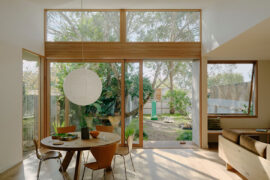
The conversation also challenged Melbourne’s fixation on square metres, with apartment value often reduced to floor area alone. But spatial quality, both Sinclair and Thompson agreed, is as much about height, proportion and volume as it is about footprint. Double-height volumes, bay windows that create subtle bulges in plan, generous setbacks and cross-ventilation all contribute to a feeling of spaciousness that numbers cannot fully capture – all ideas consciously embedded into 97 Alma Road.
As Melbourne once again turns to its inner suburbs to accommodate growth, projects like 97 Alma Road remind us that well-designed density has always been contextual. If Melbourne’s apartment culture is to mature rather than repeat itself, it will depend on projects that treat housing not as a standalone object, but as part of a longer cultural conversation with place.
Neometro
neometro.com.au
INDESIGN is on instagram
Follow @indesignlive
A searchable and comprehensive guide for specifying leading products and their suppliers
Keep up to date with the latest and greatest from our industry BFF's!
The internet never sleeps! Here's the stuff you might have missed