When we think about architecture and democracy, a few obvious themes come to mind. Public space, protest, patterns of ownership, housing affordability and so on. Many architecture students, for example, will have been exposed to texts such as Henri Lefebvre’s milestone The Right to the City (1968), in which he argues for urban space to be saved from commodification.
But what about questions of democracy in relation to the built environment on more micro, individual level? What would it mean for citizens, as a rite of passage, to be actively engaged with the architecture that forms not only the background but the full setting in which their lives are lived out?
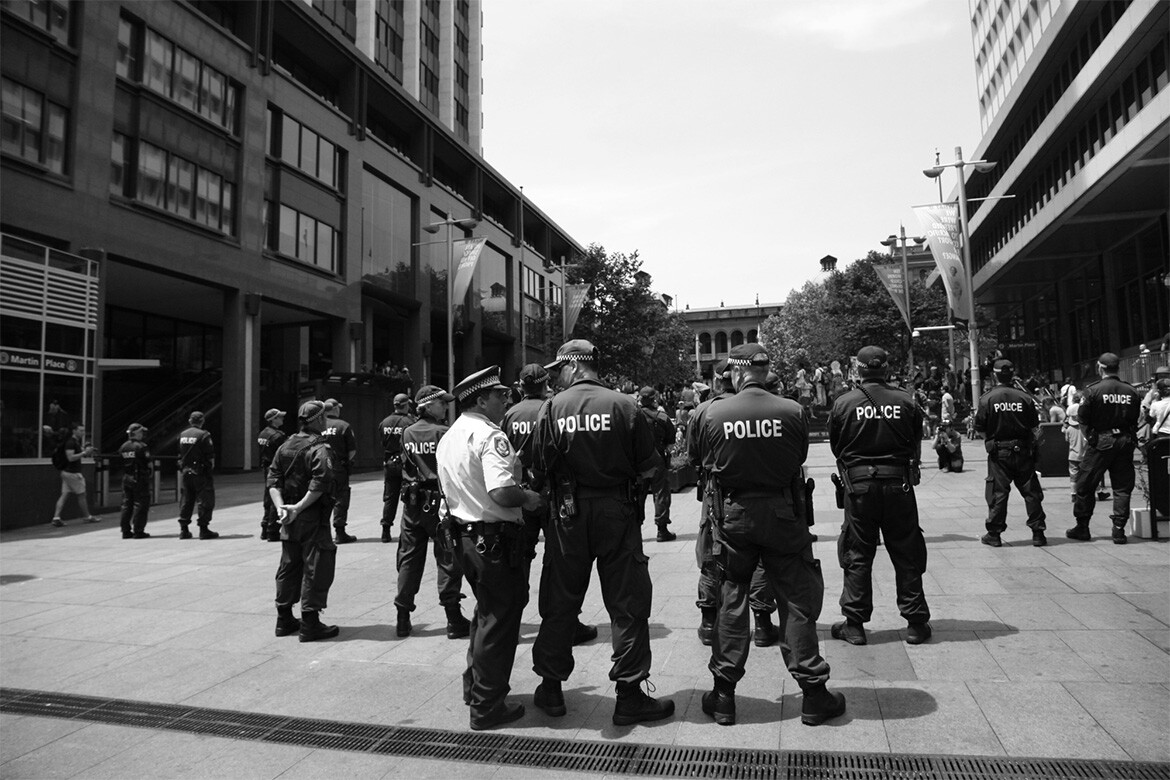
To be clear, there are bigger, arguably more important questions at play. Housing affordability crises, repressive state policies towards protest, wealth inequality and other political issues aren’t going to be fought on the sole basis of civic education – but perhaps some small steps in this direction would help.
So, here’s the idea: being part of this society – let’s say Australia for the moment – means actively learning about and engaging with architecture and design. Let’s imagine it formed part of a civic education component at school, like when kids learn the broad brushstrokes of parliamentary procedures or some other constitutional matter.
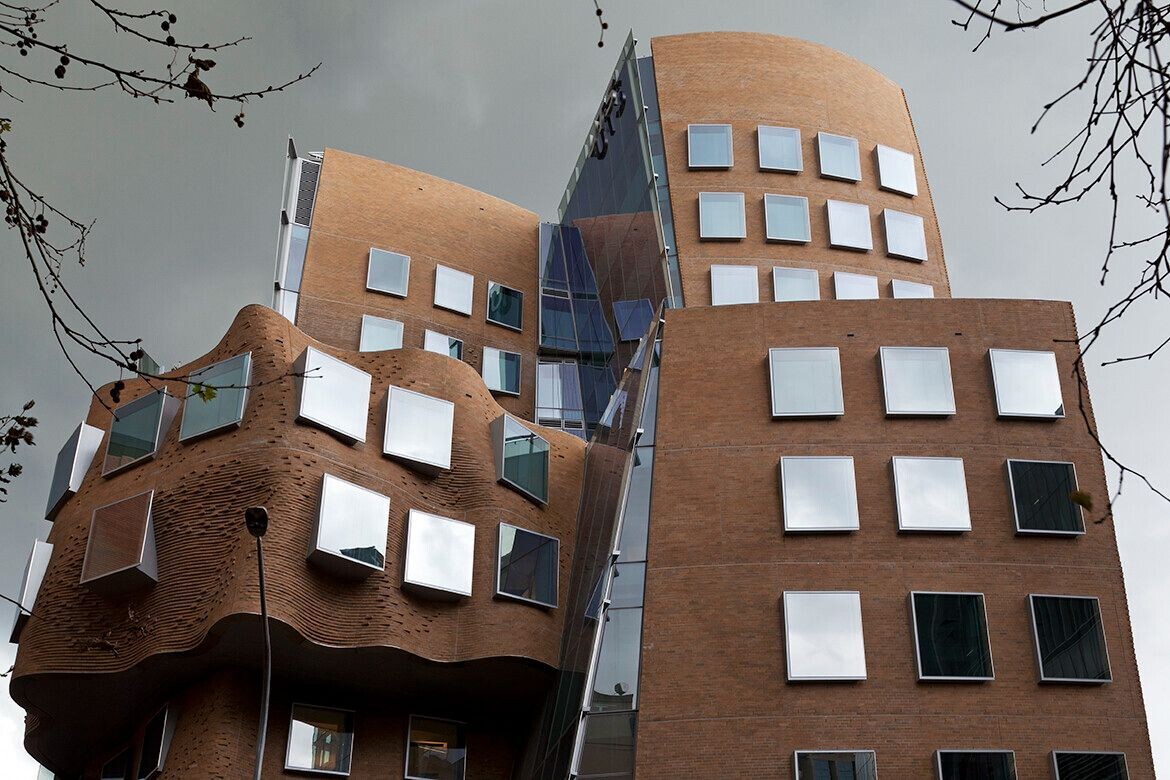
The reason is simple – architecture is all around us, almost all the time, throughout our whole lives. Indulge me in sharing a personal angle on this. For years, I took a strong amateur interest in architecture, wherever I happened to live or travel. This was done, however, always from the outside – no real understanding of who designed what, why or when.
Crucially, it left out the contested histories, the ways in which our cities don’t develop in inevitable directions but are fought over. (This civic education might start in New South Wales, for example, with the Green Bans that saved The Rocks).
Related: Vale Frank Gehry
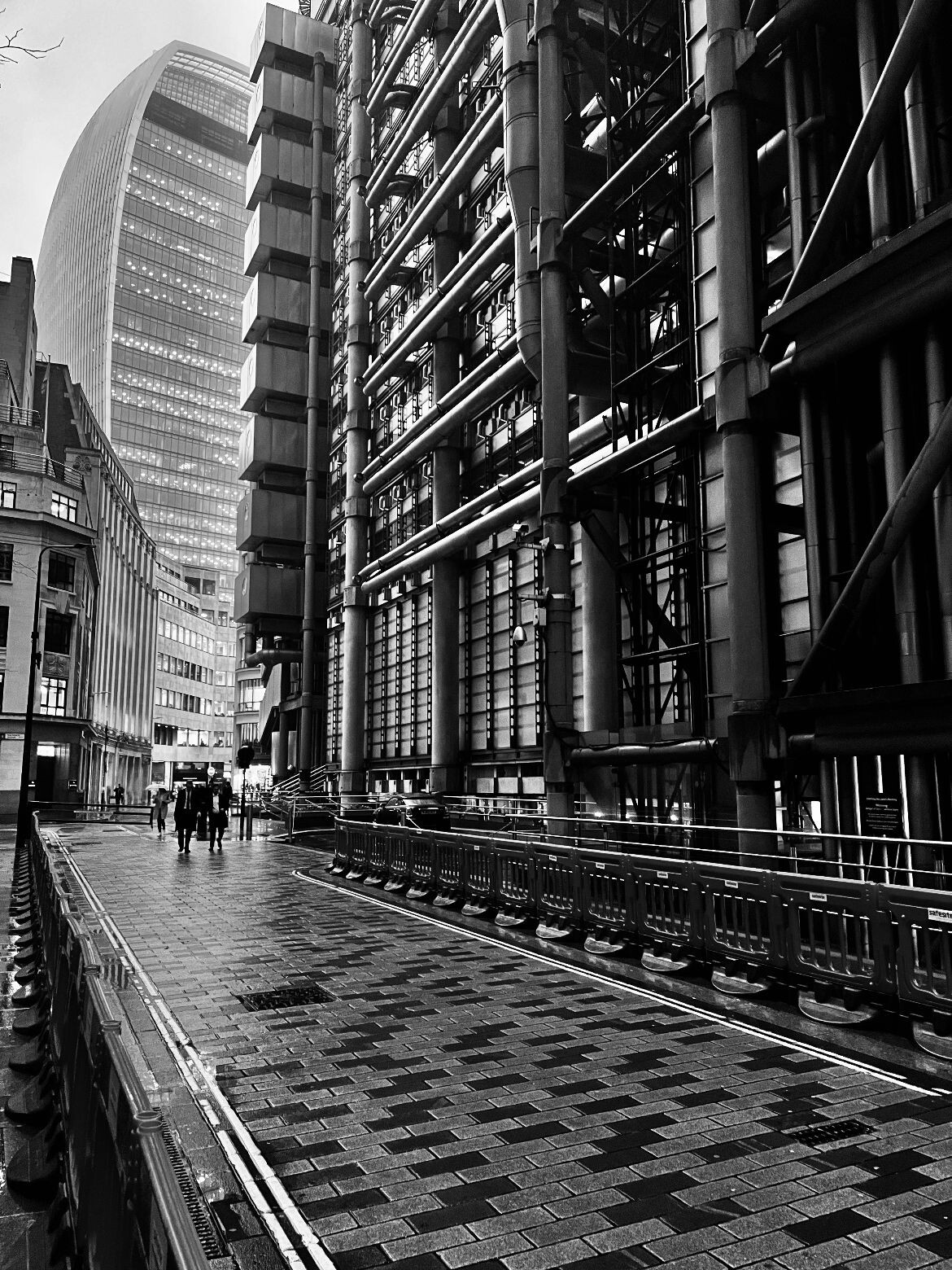
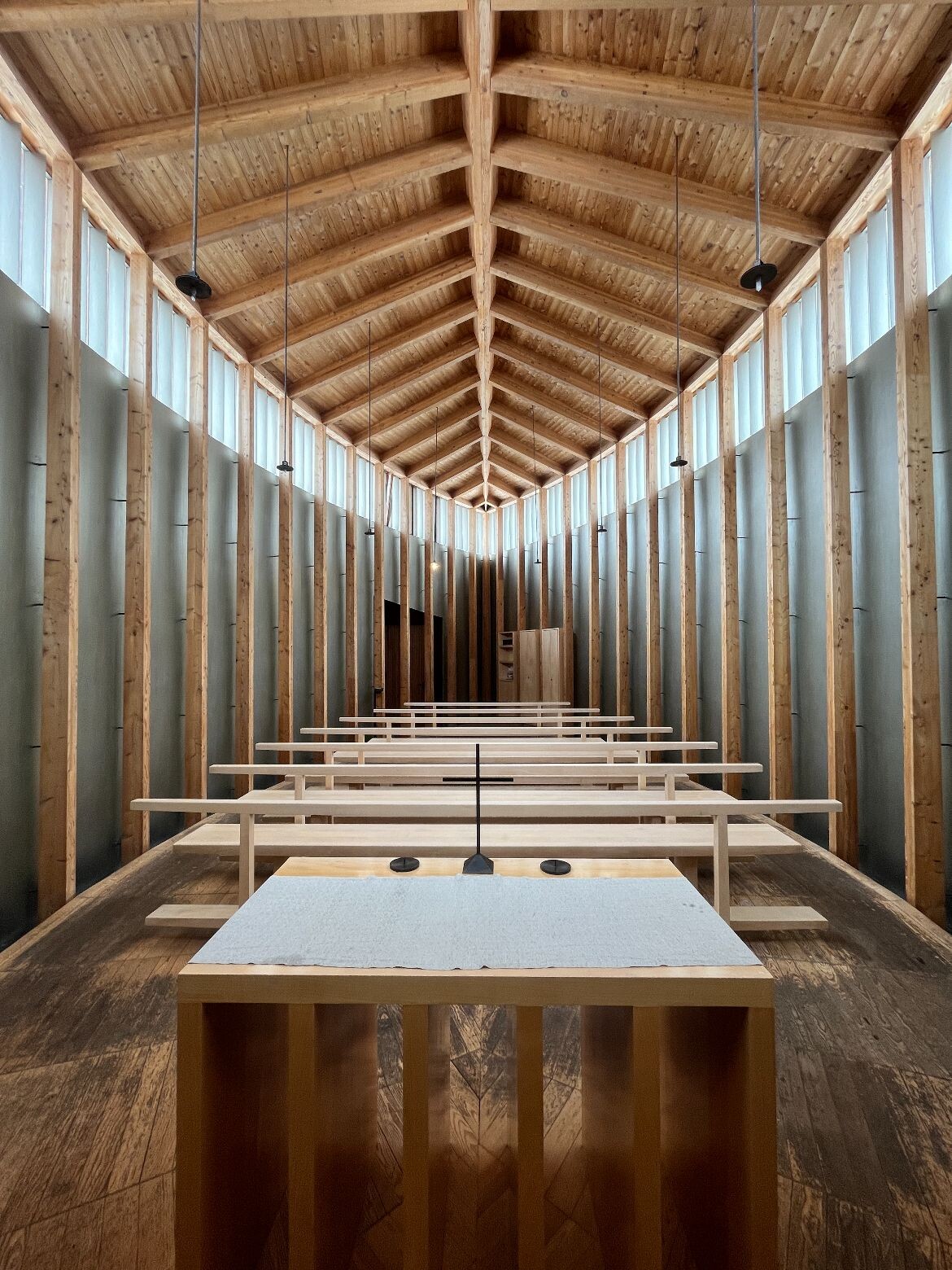
Then I went back to university and studied architecture. I started writing about architecture, and I became part of a wider community that understands a certain language, common sense and shared history about design. The point I want to make is that this experience resulted in me feeling more at home in our cities, precisely because I understand them and their built histories a little better. Now, that doesn’t necessarily mean understanding in terms of technical expertise or specialist knowledge – it means having just enough understanding to feel part of the built environment around us rather than merely subject to it.
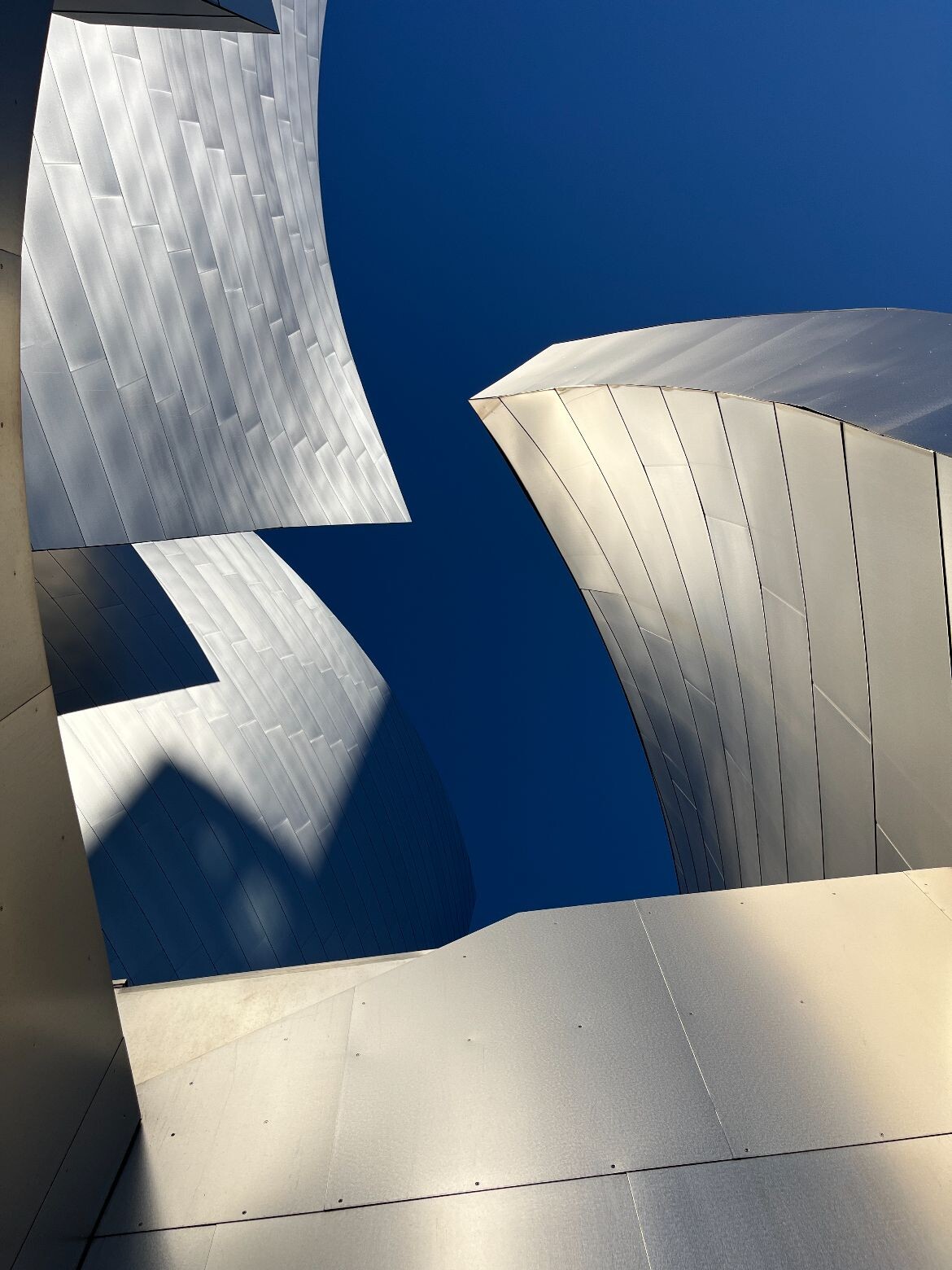
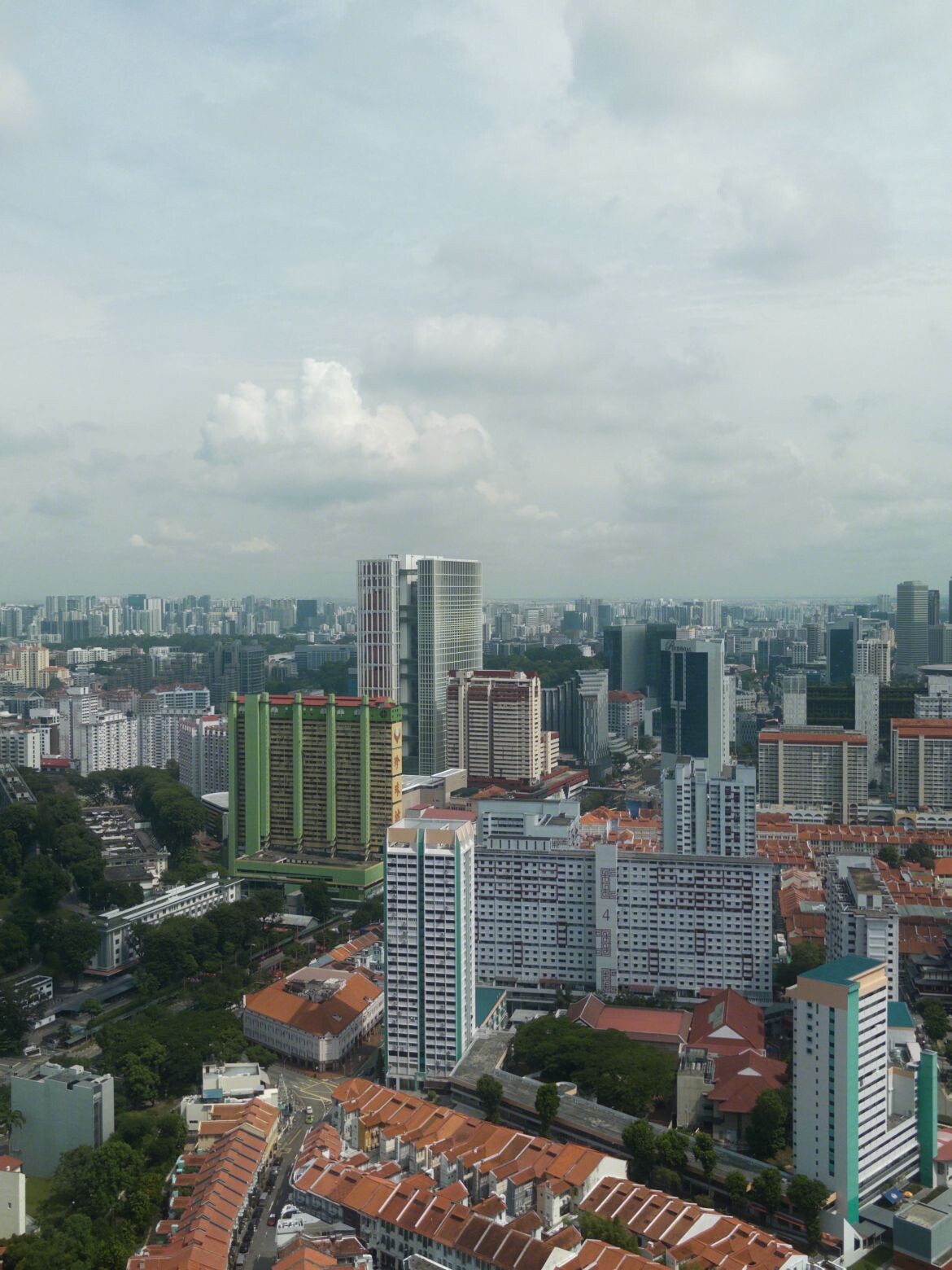
Two further points arise for the architecture world. First, the sheer importance of the built environment. It might seem an obvious point to many of us, but there’s a reason why I’m suggesting a place for design in mandatory civic education rather than, say, poetry (though that should obviously be part of it too). It’s because architecture and design are everywhere, all the time. They are the water we swim in, the air we breathe, the vessels in which humans live their lives – so why shouldn’t be more actively engage young adults with their story?
Second, there’s the old chestnut about architecture and elitism. Architects tend to speak out of both sides of their mouths on this – they want more mass engagement, yet are often guilty of the very gatekeeping that prevents it. Opening up a basic educational engagement with design would be a way of breaking down some of the barriers that exist, perceived or real, between ordinary people and the designers who create the places they live and work in.
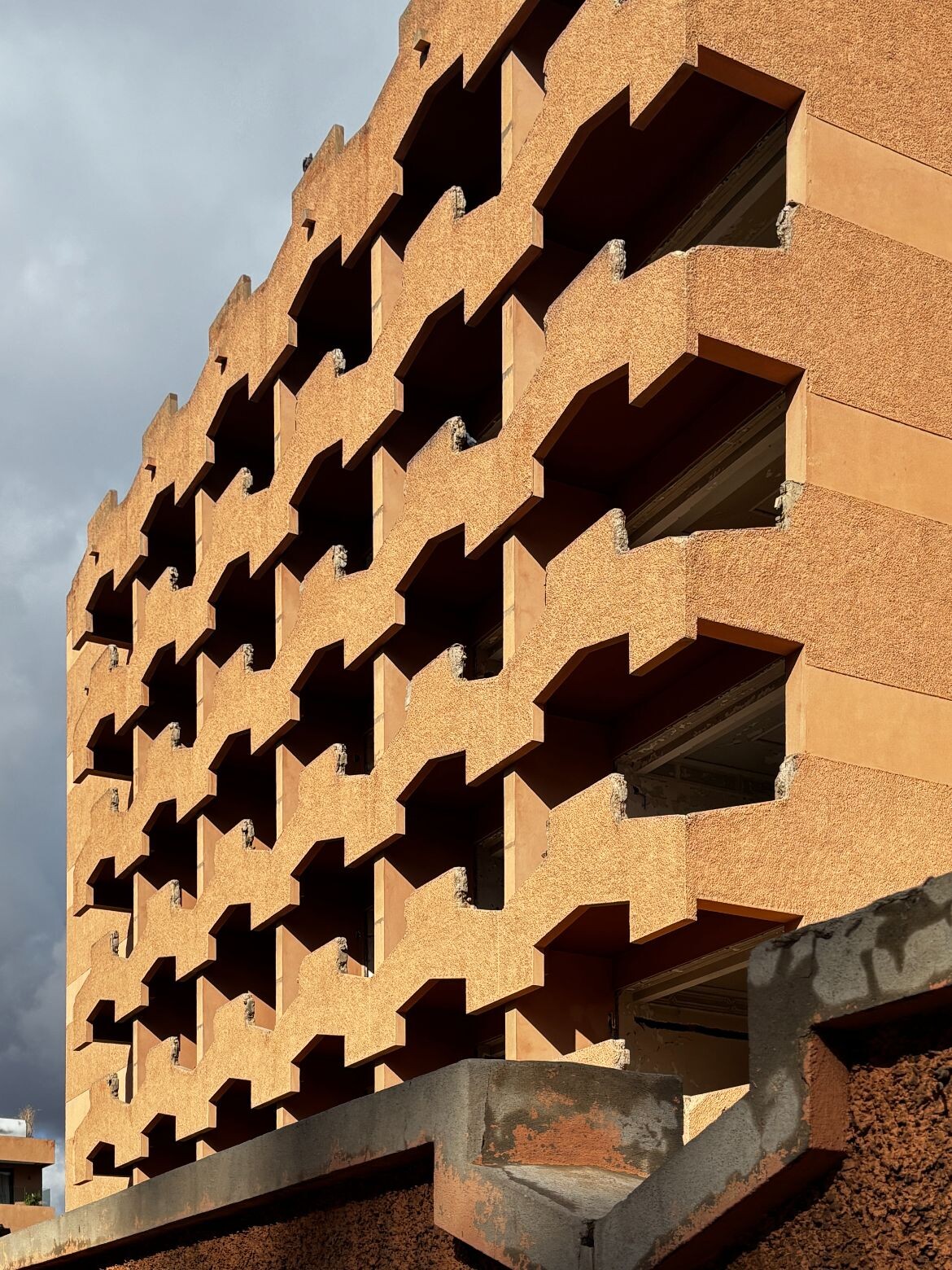
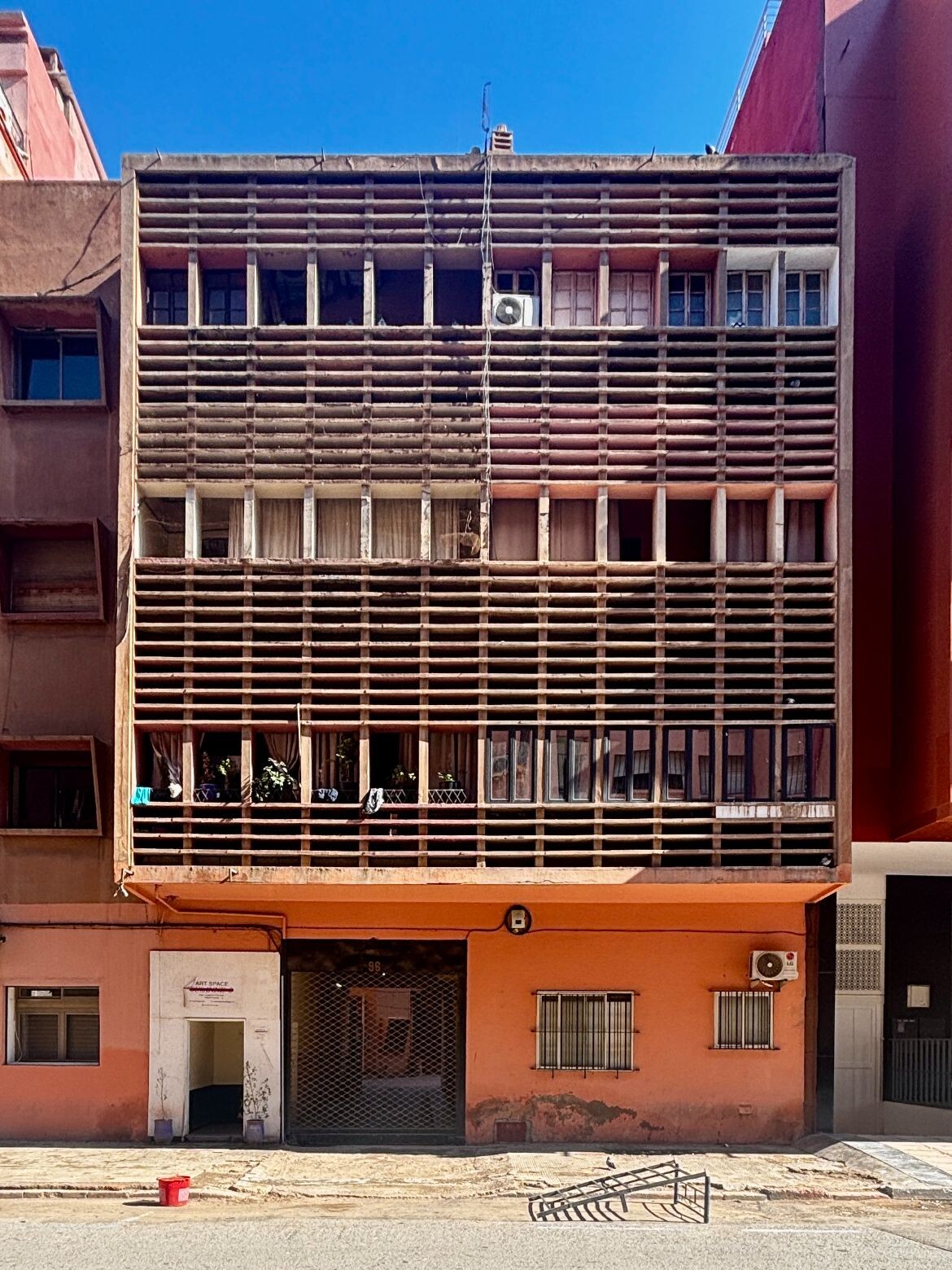
The UN estimates that a majority of the world’s population became urban in 2007, yet so many people are somewhat alienated by the environments they live in. If streets are the quintessential public space, how does the average person really feel about the latest skyscraper or luxury apartment complex? I think – more often than not and when they look at all – they see a shape and an invisible ‘no entry’ sign. The point is not that the ordinary citizen’s opinions and impressions are invalid, but that they are denied any kind of basic knowledge on which to make them. A basic architectural education would at the very least convey some factors such as orientation to sun and wind that would help people feel more connected to the buildings around them.
When I look at the latest office tower in Sydney or Melbourne, I have a basic sense of why the designer opted for one thing and not another. Essentially, the building towering over me becomes humanised, with reasons for it being the way it is. Whether we like a building or not is a different question to whether it alienates us or not. In short, a bit more widespread educational engagement with architecture would make the design element visible rather than faceless. Surely this would be one small step in resisting the ubiquitous sense that our lives under late capitalism are controlled by invisible forces over which we can have little understanding or agency.
Photography
By author unless credited separately