The home of architecture and design in the Asia-Pacific
Get the latest design news direct to your inbox!

Get the latest design news direct to your inbox!
Colin Seah discusses the philosophy behind crafting meaningful social spaces, the importance of emotional intent in architecture, and how “creative amnesia” helps his studio stay ahead of trends.
February 24th, 2026
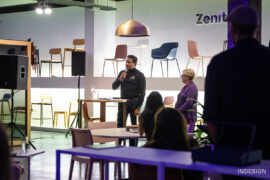
As part of the SpeakingOut! series for the 2026 INDE.Awards, host Jan Henderson sat down with Colin Seah from Ministry of Design to unpack the thinking behind some of the region’s most distinctive hospitality and social environments. This episode is proudly supported by Maxton Fox, partner of The Social Space category.
At the core of Colin Seah’s approach is a simple but often overlooked question: How should a space make someone feel? From this starting point, design becomes less about stylistic gestures and more about constructing a complete sensory world. Visual appeal remains important, yet it is only one layer among many – sound, scent, tactility and the social dynamics within a space all play equal roles in shaping experience.
This philosophy is especially relevant as hospitality, residential and workplace environments increasingly blur into one another. Offices adopt the warmth of living rooms, homes double as studios, and hotels evolve into cultural destinations rather than transient stopovers. In this shifting landscape, the most successful social spaces are those that allow for multiple emotional states at once: calm and energy, intimacy and openness, stimulation and rest.
Another defining thread is the idea of “creative amnesia” – a deliberate willingness to forget previous solutions in order to avoid repeating them. Rather than chasing trends at face value, the emphasis is placed on understanding why certain movements resonate, then reinterpreting their essence through local culture and project-specific context. It is a mindset that prioritises reinvention over replication.
For Colin, the path into architecture was not a straight line. Early ambitions leaned toward photography and theatre – both immersive in their own ways, yet ultimately fleeting. Photography felt confined to the frame, while theatre disappeared once the curtain closed. Architecture offered a rare balance: three-dimensional, experiential and enduring. That discovery set the foundation for a career defined by spatial storytelling and emotional intent.
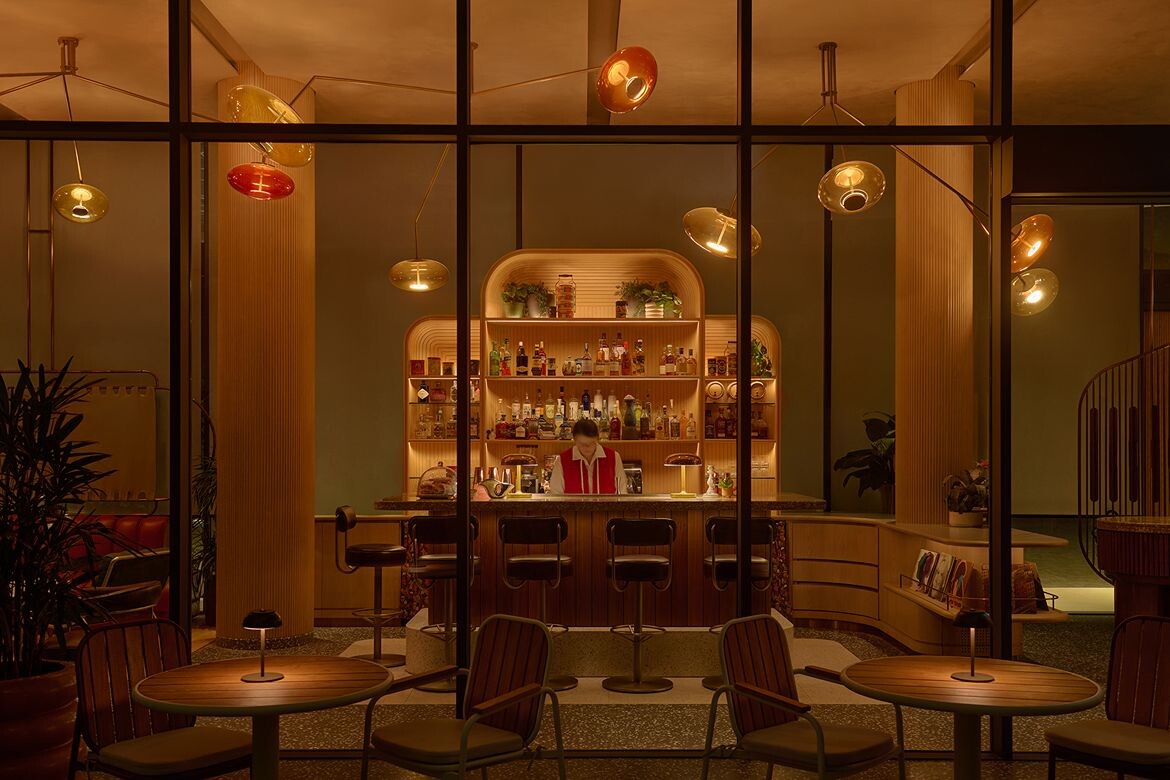
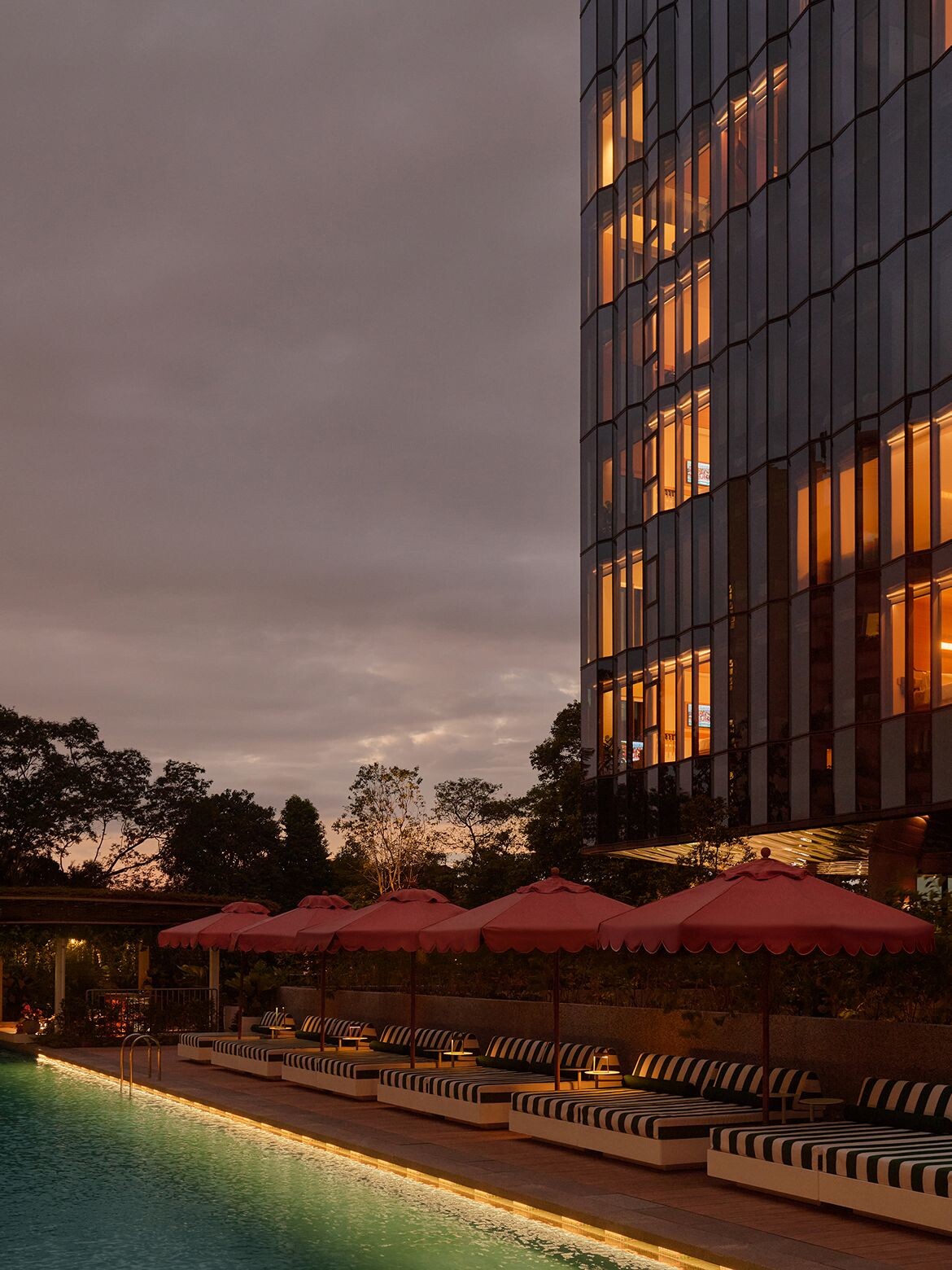
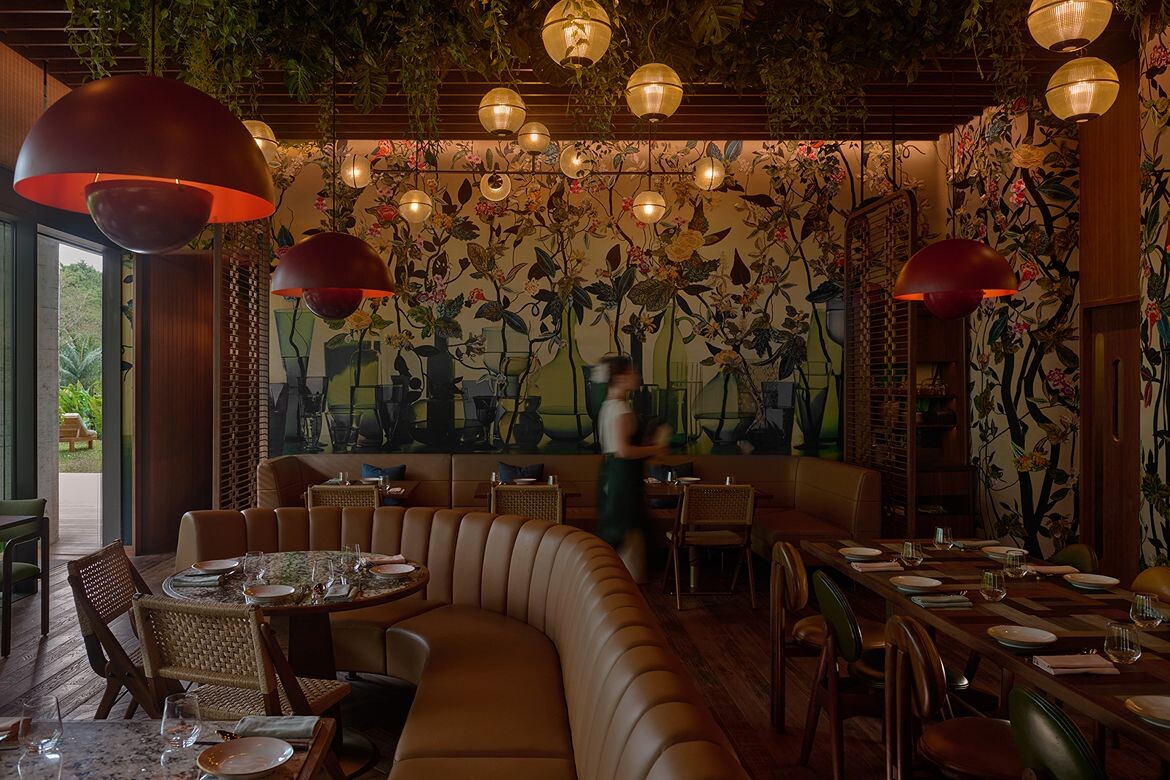
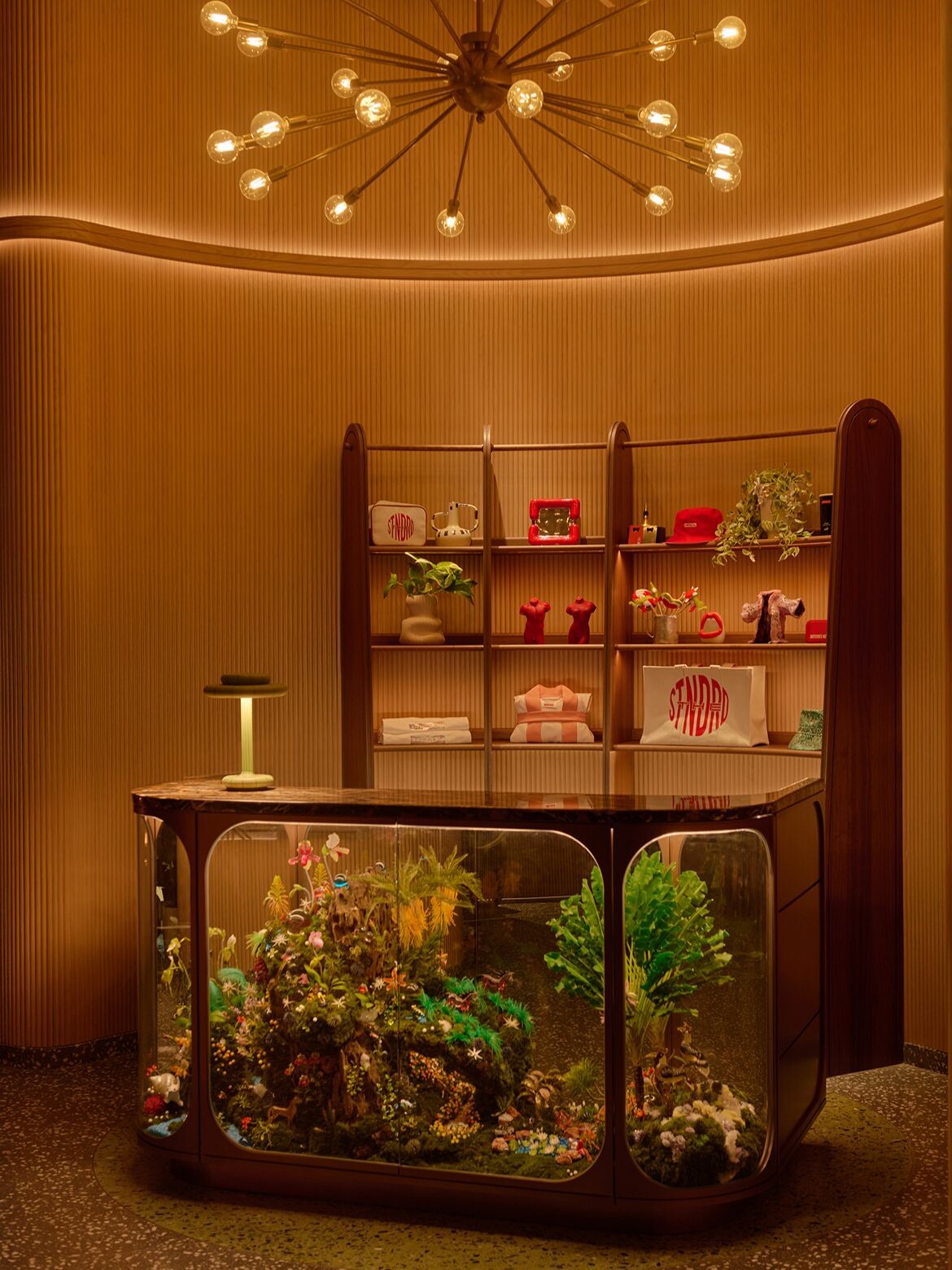
This layered philosophy is vividly expressed in The Standard, Singapore, The Social Space category winner by Ministry of Design recognised for its distinctive blend of playfulness and restraint. Conceived as a tropical oasis with a mellow party-pad spirit, the project balances brand identity with local authenticity, ensuring the environment feels unmistakably Singaporean while still aligned with the global hotel’s character.
Art is not treated as decoration but as infrastructure. A reception desk transforms into a terrarium installation, inviting guests to engage with greenery and sculpture simultaneously. Overhead, a constellation-like pendant becomes both lighting feature and spatial anchor. Throughout the hotel, boundaries dissolve between artwork and architecture, creating moments where function and expression coexist seamlessly. Collaborations with regional artists and craftspeople further embed the project within its cultural setting, reinforcing the idea that social spaces thrive when they reflect their surroundings rather than imitate elsewhere.
Ministry of Design’s work continues to influence how contemporary environments are conceived across Asia-Pacific, particularly in the realm of hospitality and mixed-use developments. By prioritising emotional clarity over aesthetic trends and integrating art into the operational fabric of a space, their projects contribute to a broader industry shift toward experiential, human-centred design.
The studio’s commitment to regional collaboration also amplifies local creative voices, ensuring that large-scale commercial projects maintain cultural nuance rather than generic uniformity. In doing so, their spaces become more than destinations, they act as social frameworks that encourage gathering, dialogue and shared memory.
Thoughtful, immersive and quietly radical in its emphasis on feeling over form, Colin Seah’s perspective offers a compelling vision for the future of social space design. With thanks to Colin for his insights and to Maxton Fox for supporting The Social Space category, the conversation continues to inspire designers and entrants alike.
To explore the full SpeakingOut! episode and discover more visionary thinking, tune in to the complete interview here. Entries are now open for the 2026 INDE.Awards. Start your submission today and be part of our milestone 10th year.
INDESIGN is on instagram
Follow @indesignlive
A searchable and comprehensive guide for specifying leading products and their suppliers
Keep up to date with the latest and greatest from our industry BFF's!
The internet never sleeps! Here's the stuff you might have missed