The home of architecture and design in the Asia-Pacific
Get the latest design news direct to your inbox!

Get the latest design news direct to your inbox!
What insights, impressions and inspirations does a student of architecture gain from travel? Khushi Chevli, based in Sydney, recently travelled around India, so we asked her to share the experience with us.
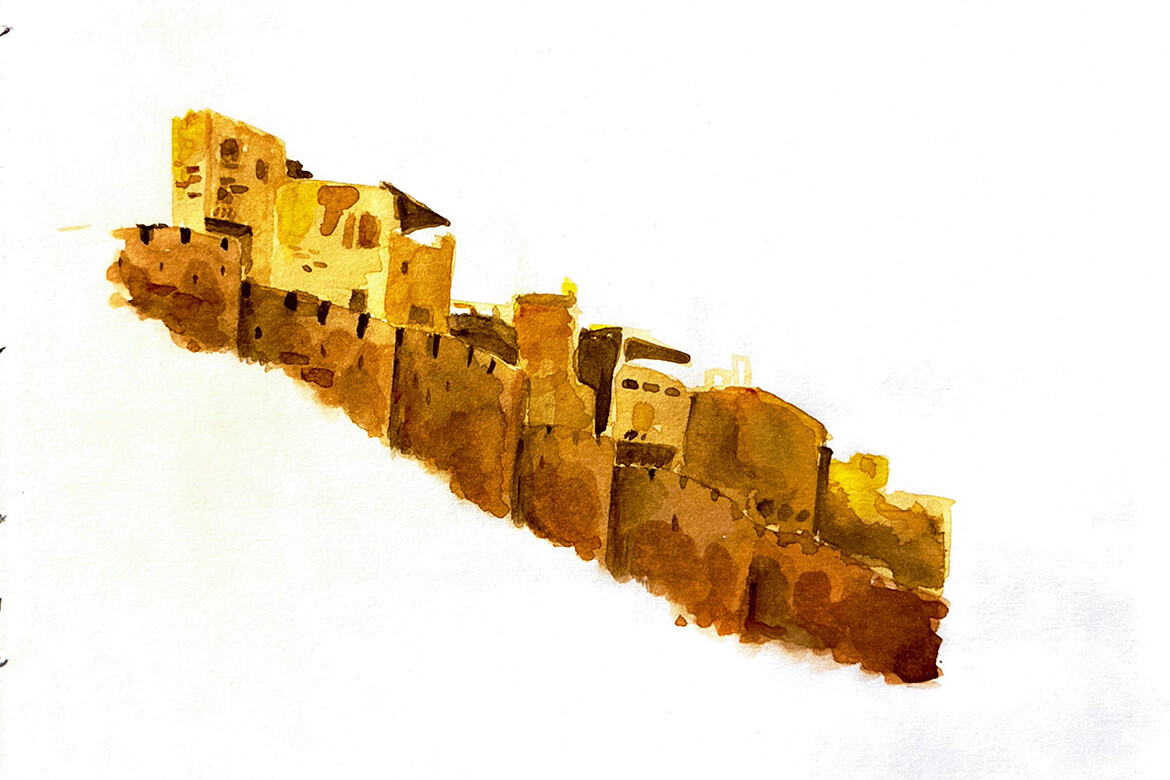
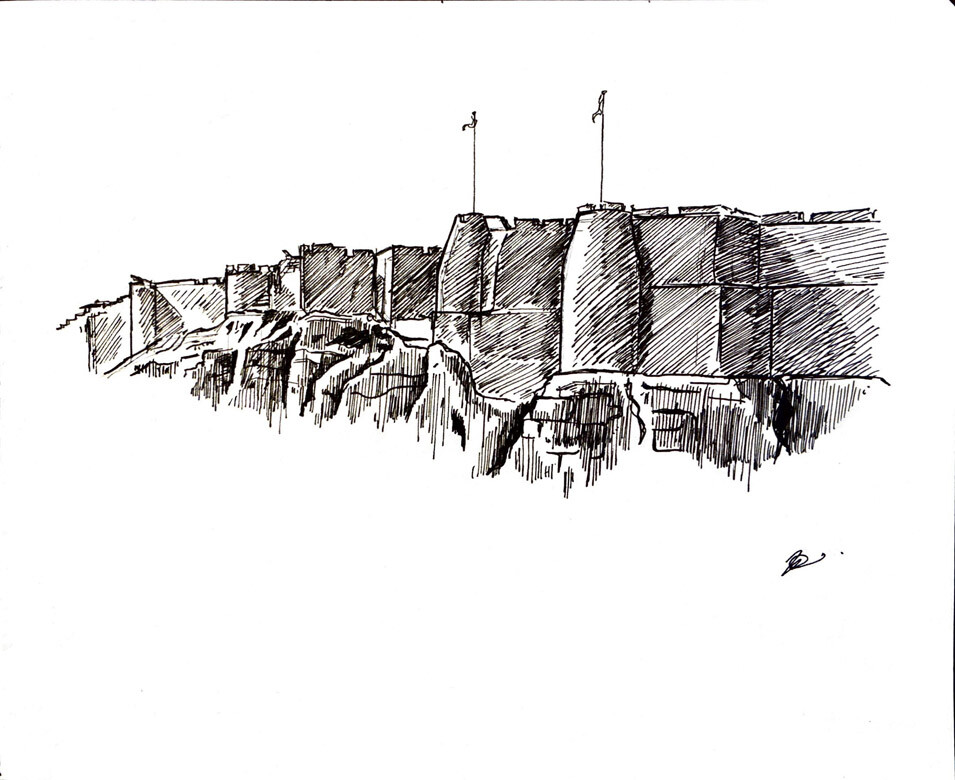
Sketch by the author.
March 24th, 2026
In late December, winter rolls across the Indian subcontinent, and with it come travellers from around the world. My parents, also architects, organised the trip to improve my understanding of architecture, but I hadn’t truly considered the weight of travel in architectural education. In my mind, it registered as little more than precedent photographs to add to my perspective.
India’s atmosphere is unlike any other. Your senses are at once assaulted and awoken. It is a melange of aromatic spices and rancid cow dung, symphonies of hymns and horns and shouts, and a strange contrast of cheerful colours, dripping from freshly laundered clothes and bougainvillea, that hang over ominous, greige concrete apartments. Dogs look both ways to cross the road; bony cows with tikkas and flower garlands march dutifully alongside your car.
Jaisalmer was the first stop in our journey. Here in Rajasthan, the days are hot and the desert nights freezing. It’s known for its stone buildings, and the vibrancy of life there – patterns, clothing and food – that so starkly contrasts its monochromatic desert, and imbues itself into its built forms.
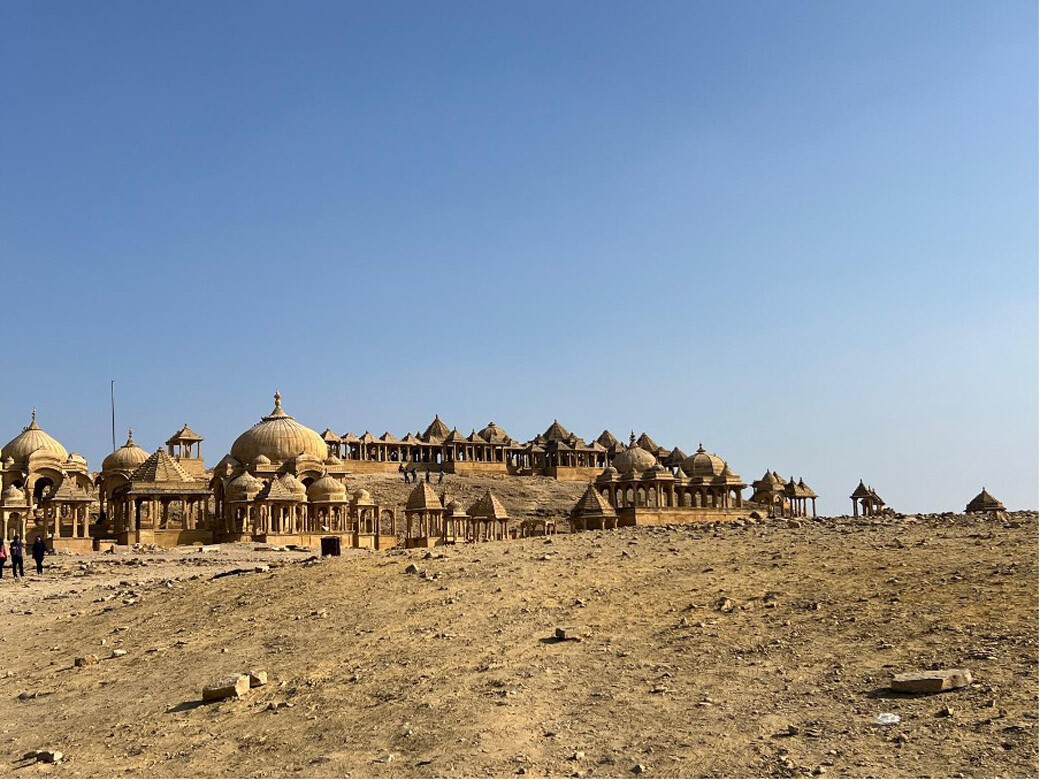
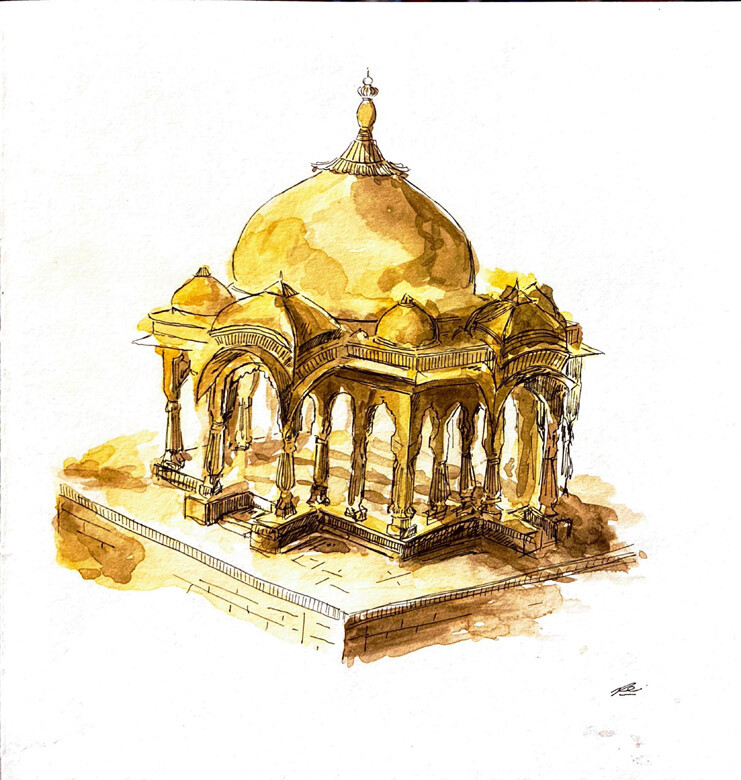
Dubbed the ‘Golden City’ for its yellow stone, Jaisalmer glows in the evening light. On the outskirts of the walled city, away from the noise, lies a cemetery named Badabagh – big garden. Here, chhatri herd together, teetering over the desert sand to overlook the adjacent mango grove. The buildings were first erected 600 years ago to commemorate a king’s passing. The older chhatri are pyramidal, interlocked stone buildings. After the Mughals invaded, they morphed to a domed typology.
Between the different Hindu and Islamic architectures, both are constructed from the same stone quarried from the land. Seeing the raw, jagged mountain stone in contrast with the polished monuments made tangible a transfusion of context and site into architecture. From afar, the chhatri blend into the site, visible only from golden lines where the sun first hits.
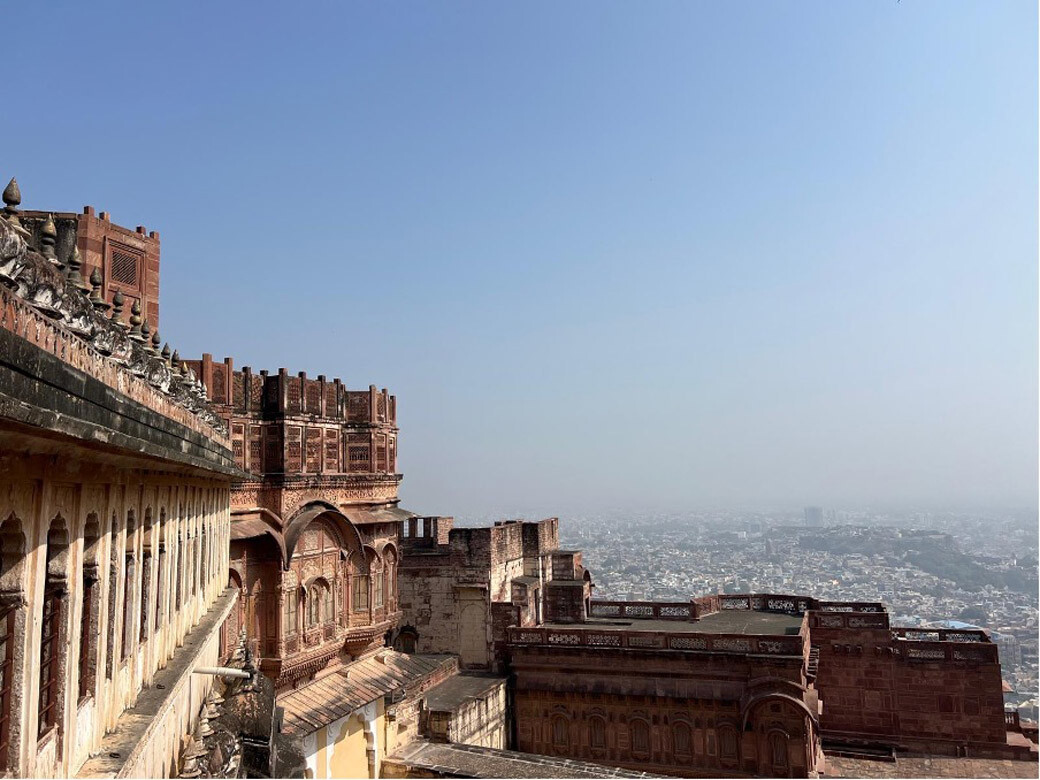
The golden city turns to blues and pinks as we drive to Jodhpur. Whilst the city is traditionally known for its blue buildings, Mehrangarh Fort is built from pink mountain stone, which emits a hazy, rosy hue from afar.
Rajasthani forts were built before India had formed as a unified nation. Instead, each fort protected an independent kingdom against invaders. Mehranghar has an entry procession through seven gates, coiling you inwards and upwards to the palace. Each gate is ornately decorated; in one, flower carvings encircle a gate spiked to puncture enemy elephants, while another is pockmarked from cannonball fire.
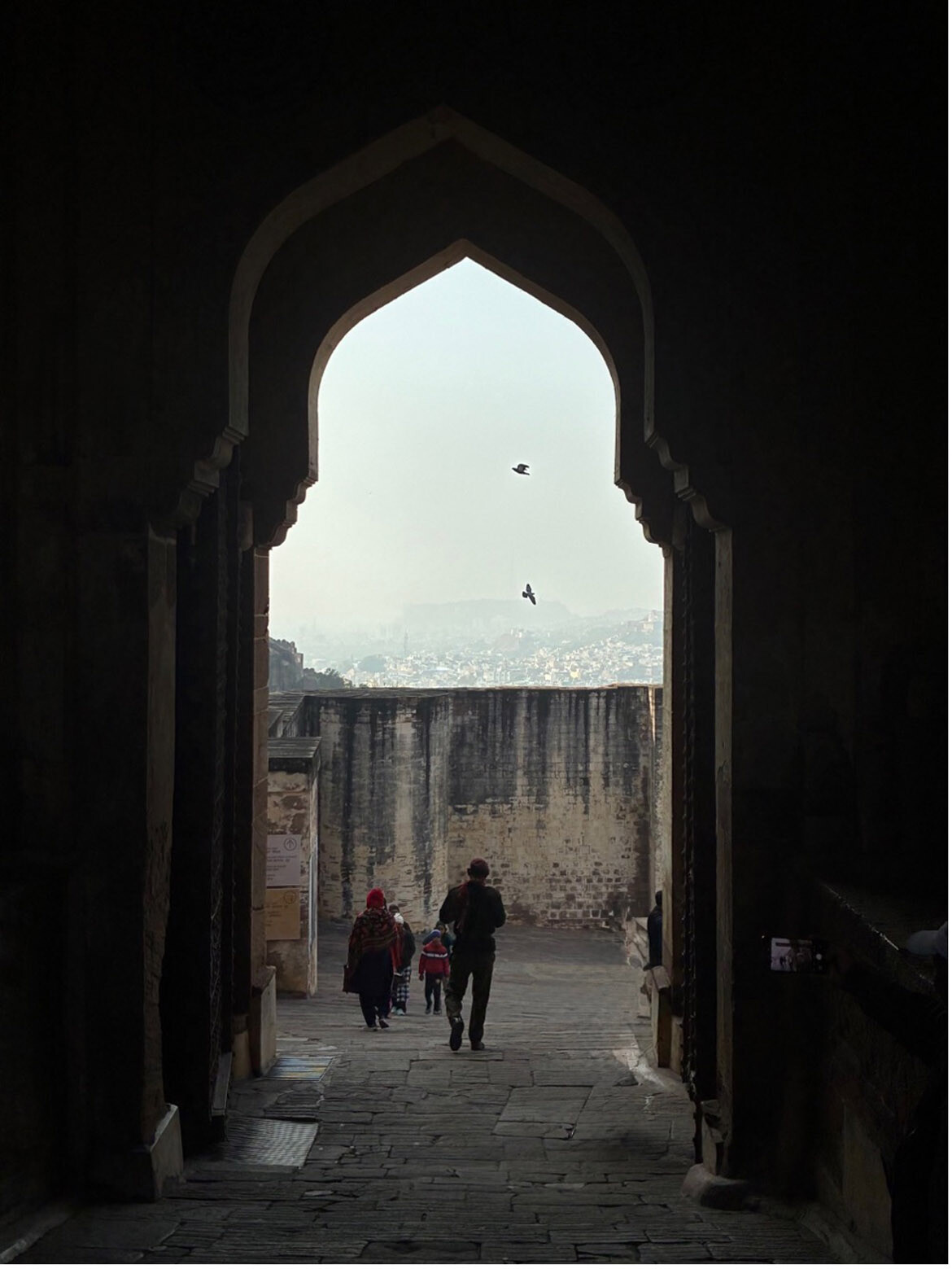
Within, gates and opulent palaces are connected by a series of courtyards – an architectural undulation from inside, to outside, then inside again. The pattern of courtyards and gates transcended forts: it was something I would come to notice in residential buildings, in institutions, in landmarks.
As we move from Jodhpur to Jaipur, city colours slowly took on a pink hue. Whilst Jaipur is renowned for its heritage buildings, my parents first took us to a modernist arts and culture centre.
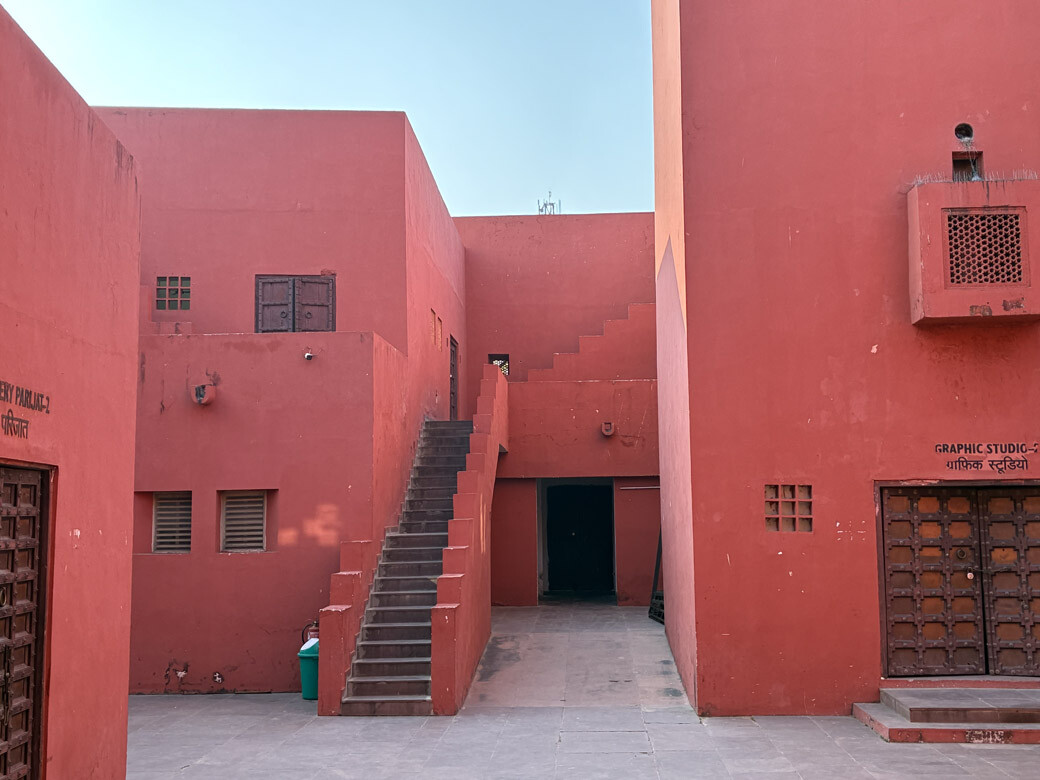
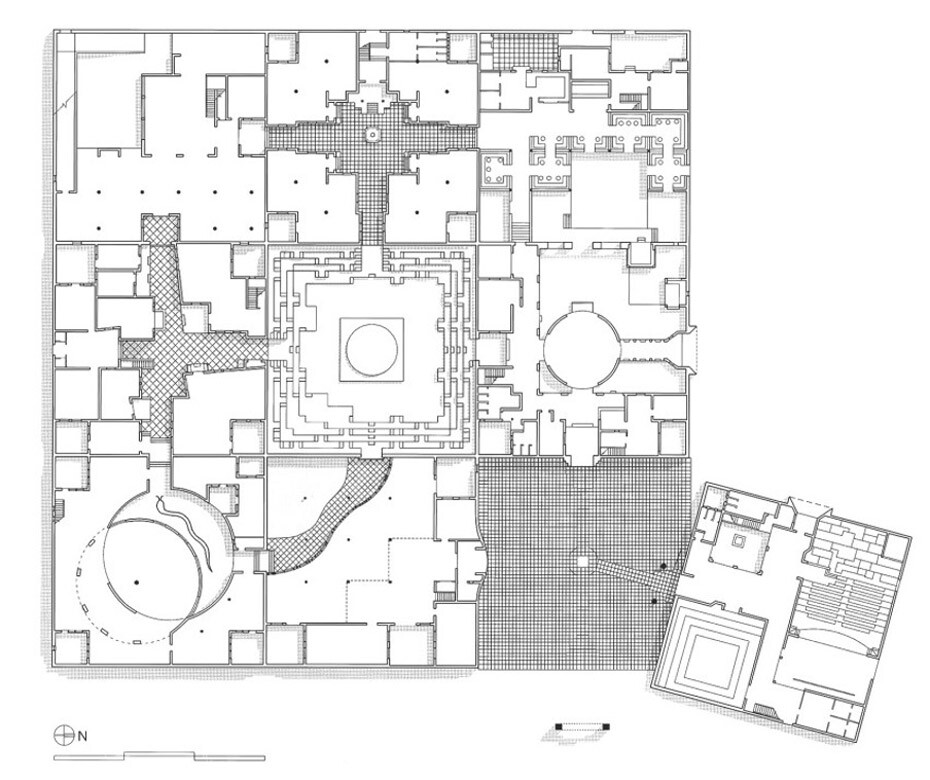
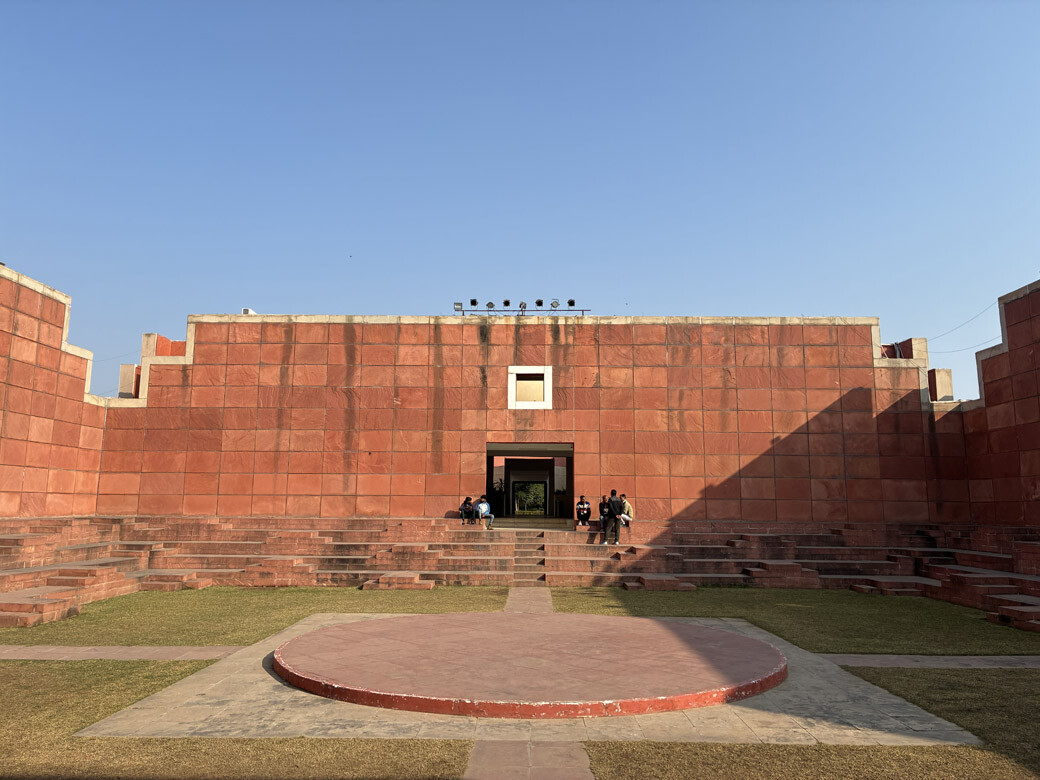
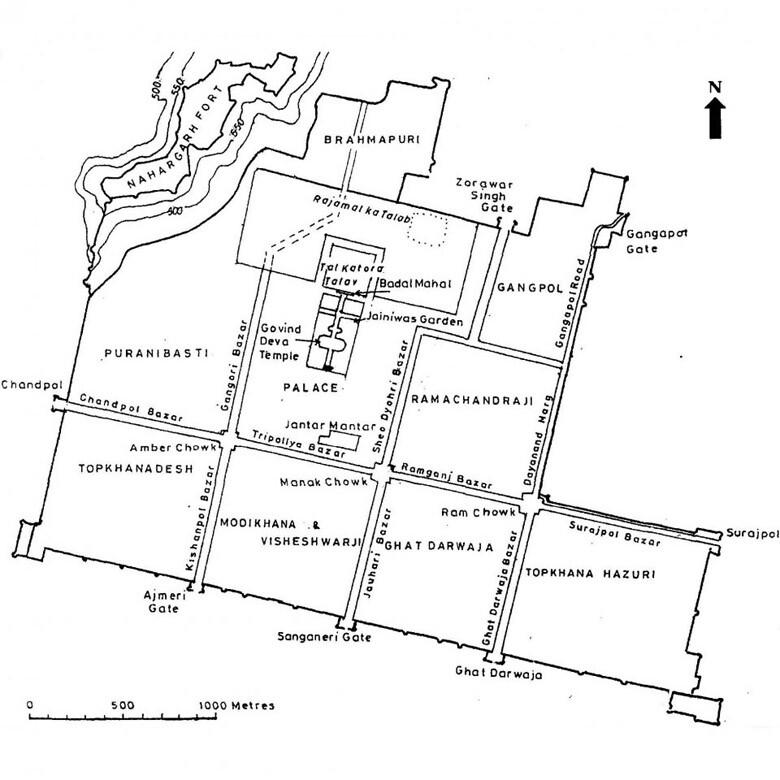
The Jawahar Kala Kendra is an intricate piece of architecture derived in part from Jaipur’s urban plan. The floorplan is divided in nine square sections, each square defined by eight-metre-high walls, with one offset like the urban plan of Jaipur.
The building was designed by Charles Correa, who is largely referred to as the father of modernist Indian architecture. In my own architectural education, I have found that teachers prefer you to stumble upon the realisations yourself – that way, it really clicks. The entry procession, like that of an ancient fort, takes you through three gates, into a central courtyard. Experiencing the fort, then experiencing JKK, was a parallel experience in the fluctuation of space – and further impressed upon me the power of travelling to see architecture in person. What’s more, I saw a novel translation of Indian heritage architecture into a clean, modernist form. It prompted me to consider whether my own heritage was something I could invoke in upcoming creations in studio.
Finally, we reached Ahmedebad. In a hidden gully in the old city lies a blue and green haveli – a courtyard house.
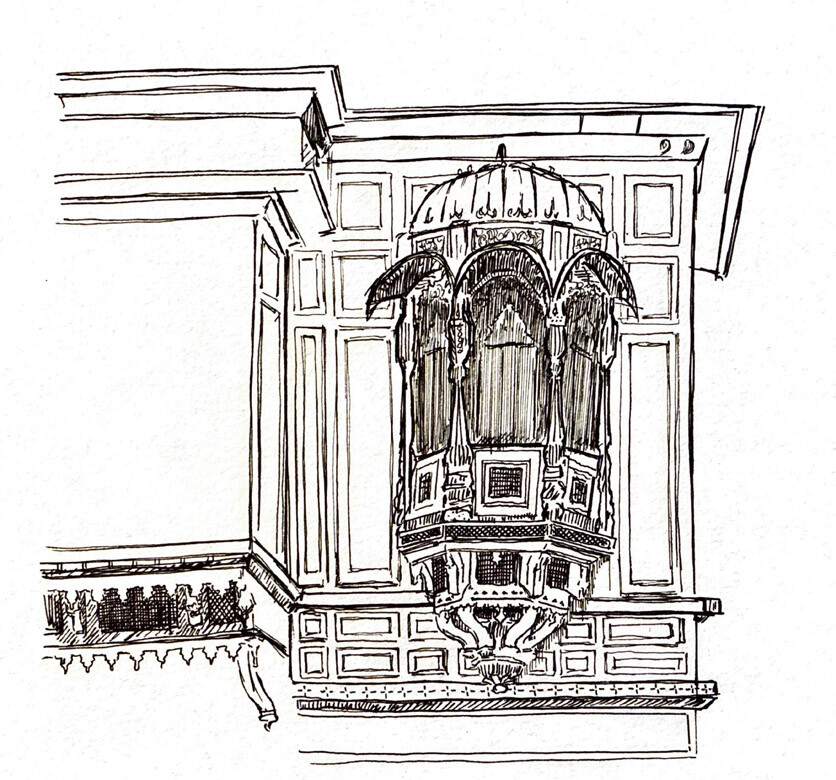
We arrived, greeted by Abhijeet Lakhia, the principal of Pratima architects. Whilst far from unassuming from the outside, there is nevertheless an element of surprise when you enter the walled façade and see a mezzanine spanning five stories. The interior is refurbished and intricately decorated to function as a labyrinthine hotel, with features such as an in-house aviary and themed rooms, each connecting to the home’s history in some way. Pratima ni Haveli dates back to the 1570s, where Lakhia has continued to refurbish his ancestral home.
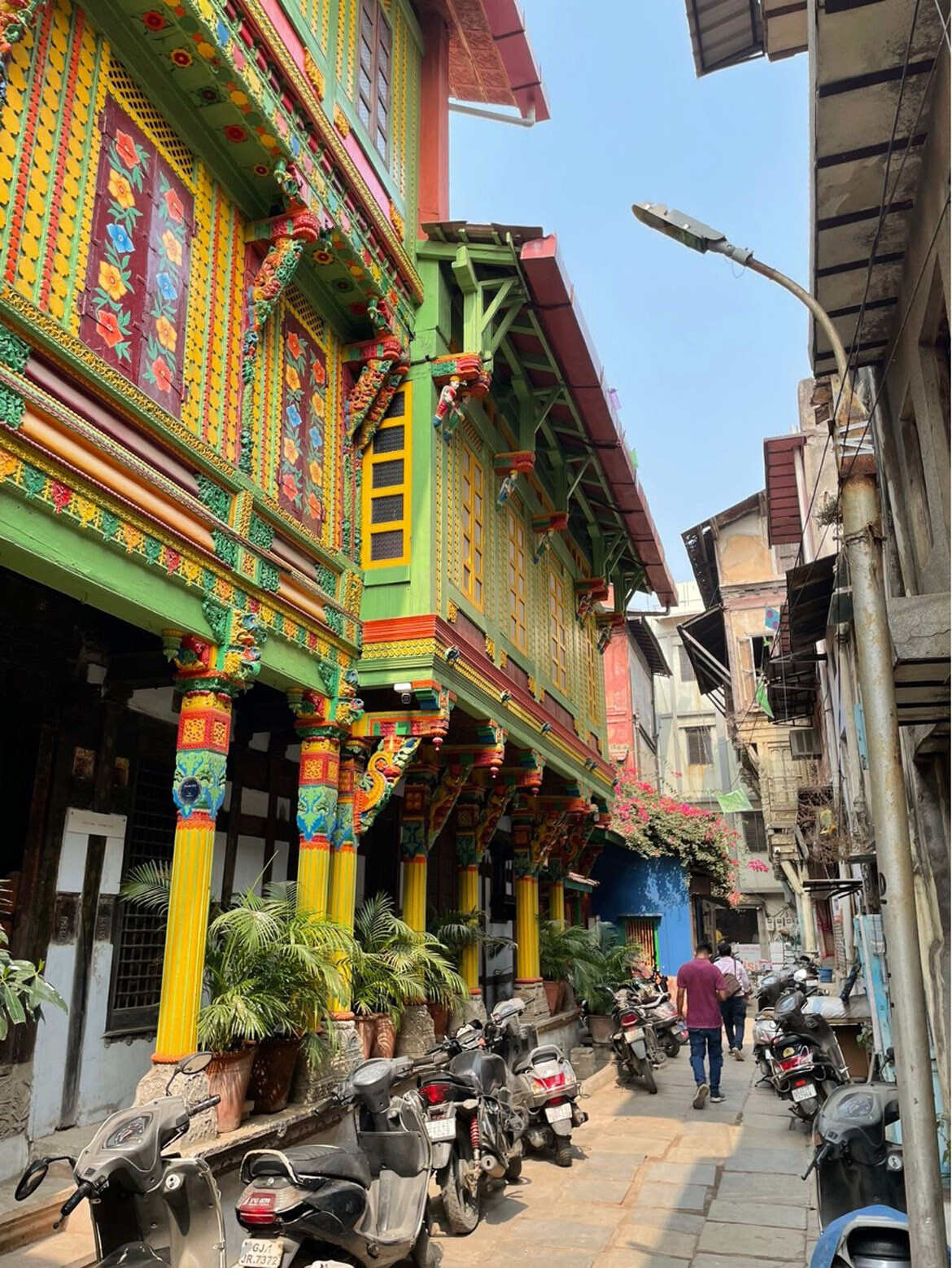
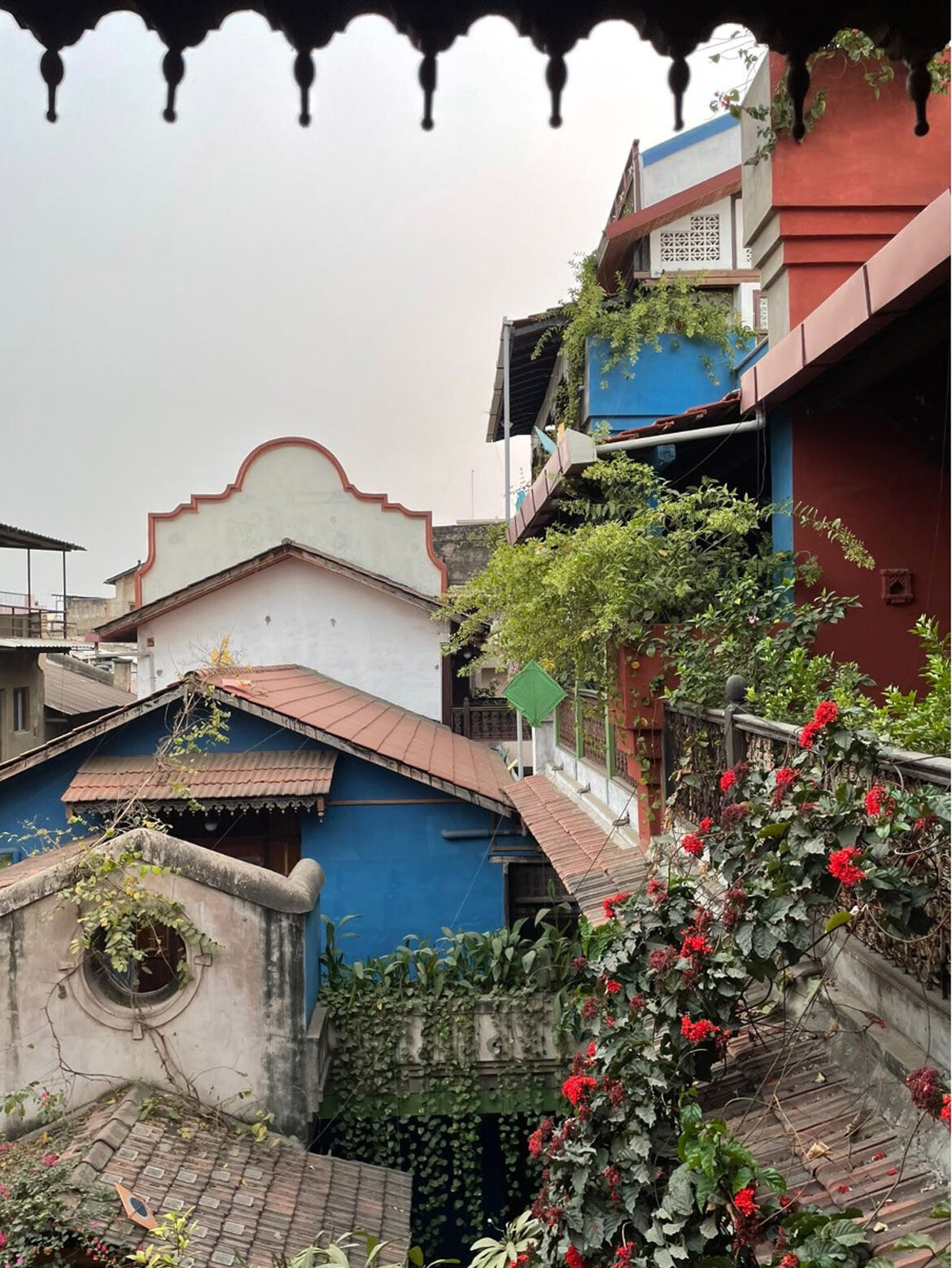
What struck me was the care that is consistently put into Pratima, and the joy with which Lakhia refurbishes it. To me, it represented the everyday of Indian architecture; not public spaces, but the intricacies of the home, and the little ways a building and its elements shape around and hold culture. Take the hichko, a couch-sized swing that is meant only for a moment of pause, or the rooftops that provide sleeping spaces on hot summer nights.
Related: Michael Jones heads to Europe with travel scholarship
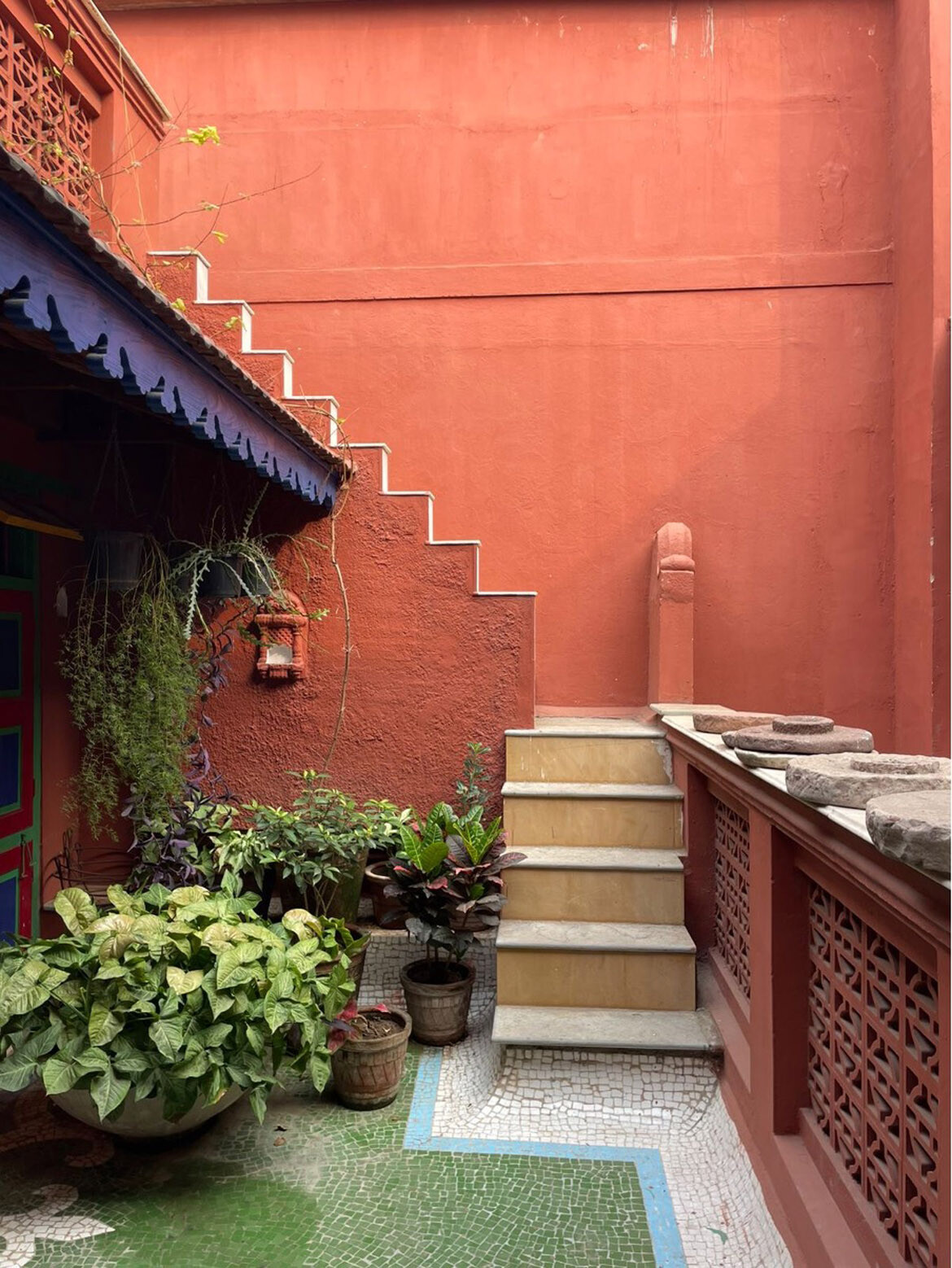
As explosive an ending as you can get on an India trip, we visited the Taj Mahal. Again, a procession of gates. Marble reflected in pools like milk in a silver dish. White against a dusky blue, a landscape tiled with blue rocks and carpeted with soft, lush greenery.
This was the first time I had visited, and I was breathless. The building sparkles: every inch is dazzling, with each inlay of flowers a different semi-precious gem. And it’s evident why people call it the world’s most beautiful love letter. Commissioned by the Mughal emperor Shah Jahan to hold the tomb of his most beloved wife after her death, construction began over the site of her burial and lasted for 22 years.
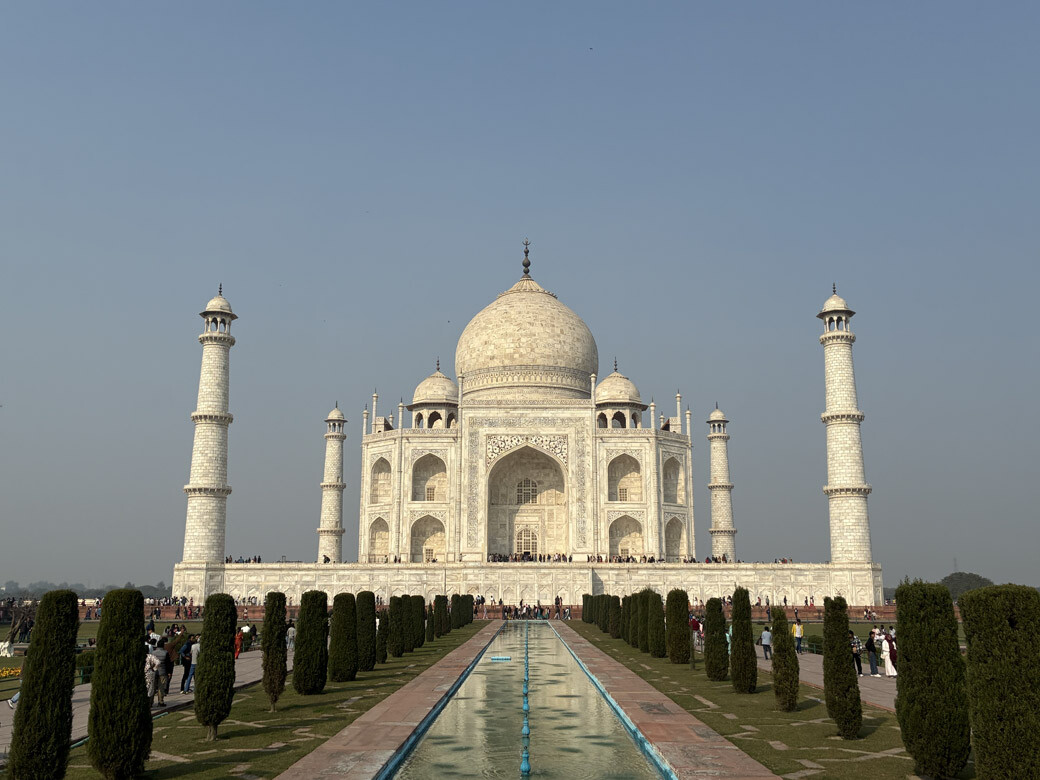
The ornamentation of Indian culture was what I noticed most: intricate patterns that flitter from clothes to jewellery to henna, reflected back to me in the form of light through jali screens and sparkling flower inlays.
Travel gives young architects a chance to see culture, history and the intangible moments that a photograph can’t capture; the way people may linger around a building, the cool feeling of a stone underneath your fingers. In exploring India, I saw the way a building, like a liquid, takes the form of the culture around it and guides you in your journey through it.
For me, the architecture was the backdrop to merchants on the streets and trips to get street food with a cousin. A place to study, a place to explore. It was the corner for grandparents swinging on the hitchko reading the newspaper, with chai and biscuits in the dish besides them. It was the space for a hot meal on a freezing Rajasthani night, or a place for pigeons and street dogs to take shelter from a blistering day. Seeing a new culture bends your mind and opens your eyes to new experiences and new ways of living, and therefore, sparks new ideas about how people could live.
Khushi Chevli is a student at the University of Sydney and also works at Lockhart-Krause Architects.
INDESIGN is on instagram
Follow @indesignlive
A searchable and comprehensive guide for specifying leading products and their suppliers
Keep up to date with the latest and greatest from our industry BFF's!
The internet never sleeps! Here's the stuff you might have missed