The home of architecture and design in the Asia-Pacific
Get the latest design news direct to your inbox!

Get the latest design news direct to your inbox!
Understanding how your land, lifestyle and the build process connect helps set a clear direction.
March 10th, 2026
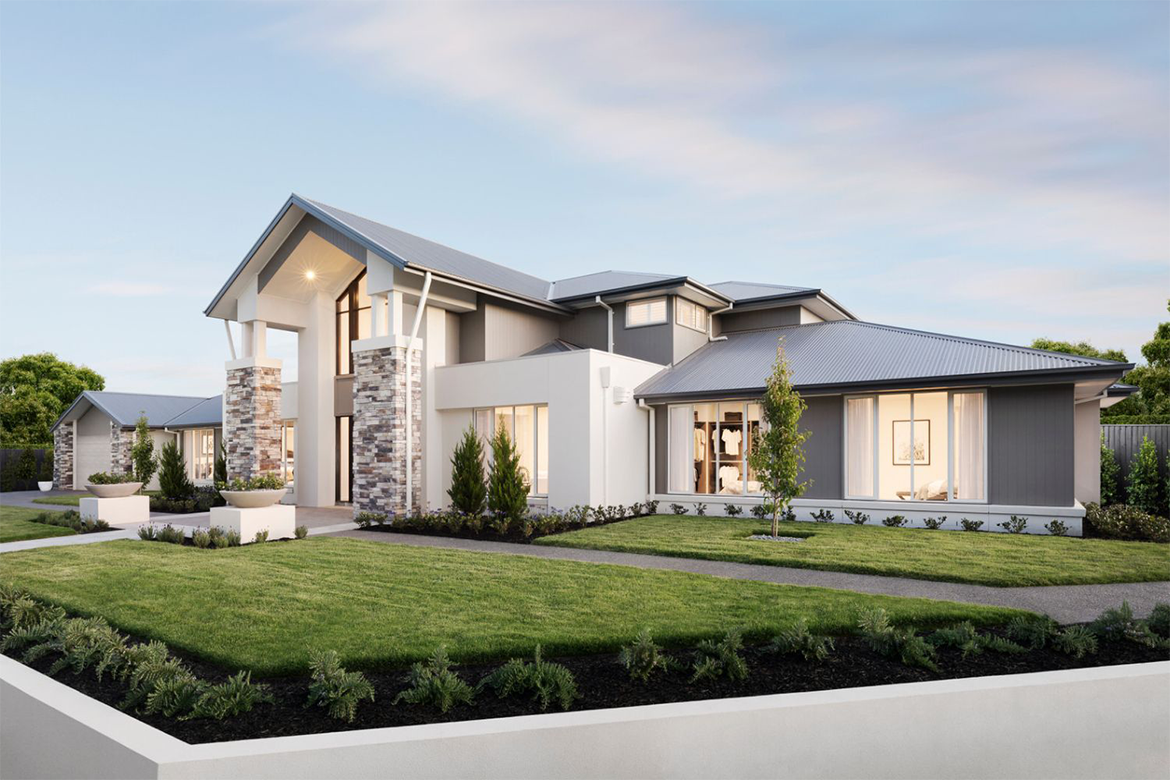
Owning land changes the building process. Instead of searching for a location, the focus turns to how a home will sit on your specific block and what practical decisions need to come first. If you’re ready to build on your own land, this is the stage where good planning really makes a difference.
Understanding how your land, lifestyle, and the build process connect helps set clear direction. Let’s go through the important steps to help you turn your block into a home that feels right for your life.
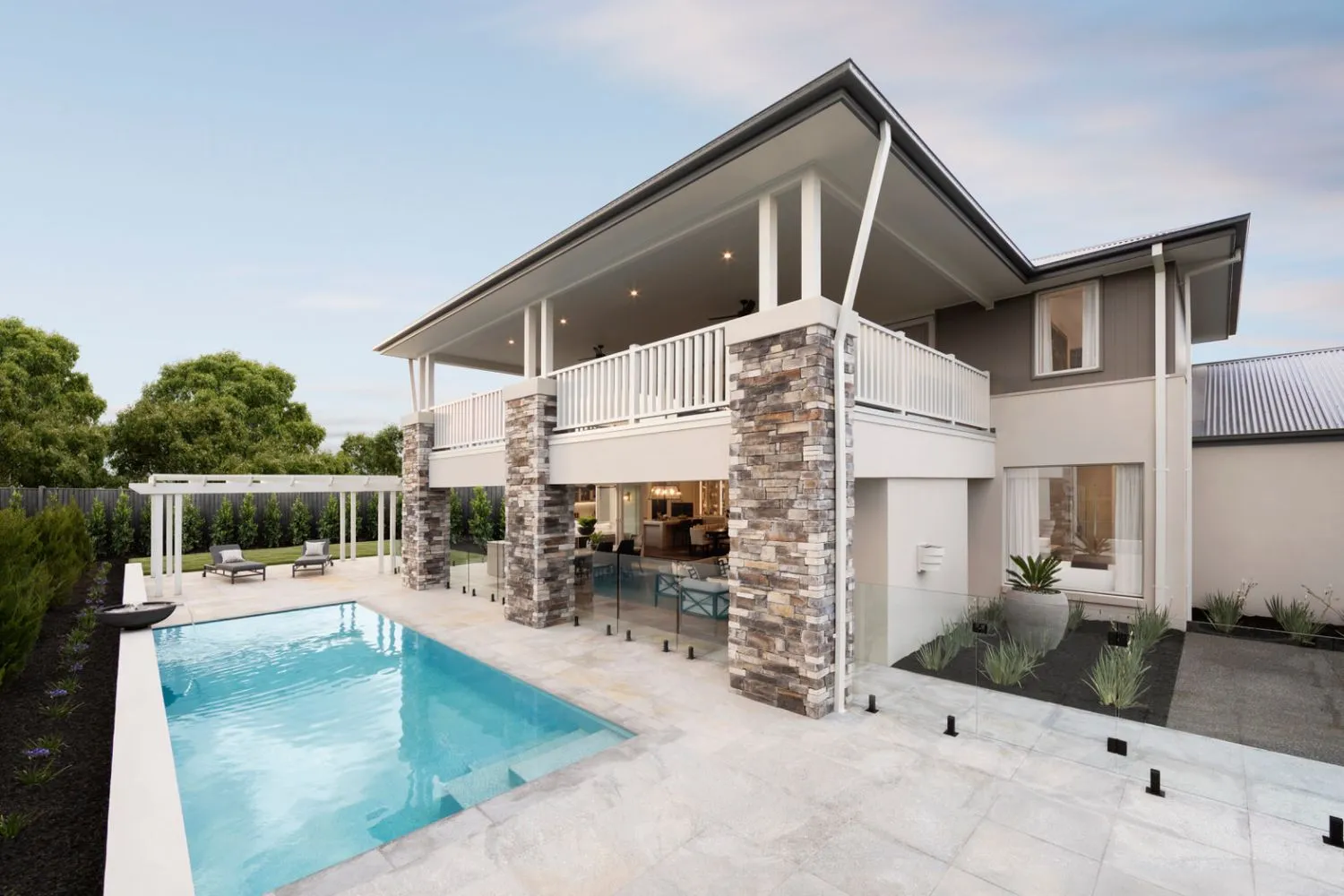
Before getting attached to a design, spend time on what your land can realistically support. Look at how steep it is, which way it faces, where access makes sense and what the council allows. These details shape what will work well on the block.
Taking this into account early on helps you choose a design that fits the block naturally. This makes it easier to place living areas for the best light and create a seamless flow between your indoor and outdoor spaces.
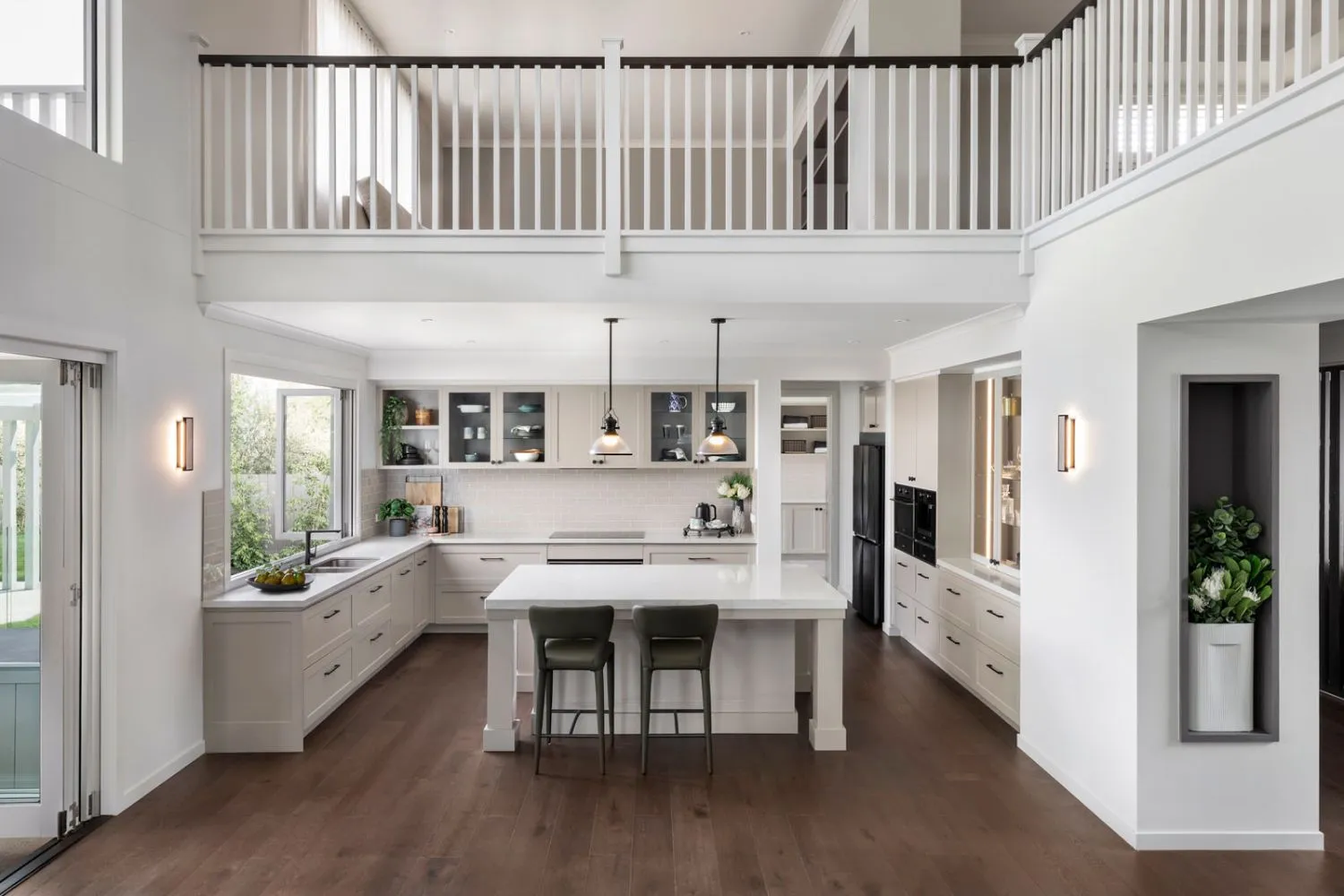
Think about how you actually use your home on a normal day. You might notice that everyone passes through the kitchen in the morning, or that bags and shoes tend to collect near the entry. Paying attention to these small, familiar patterns helps guide where rooms should sit and how spaces flow from one to the next.
If you’re a first-time home builder, this step builds confidence. Before you commit to a design, use your actual habits to walk through different layouts. It’s a practical way to see if a plan fits the way you live.
Pick a home design that suits your block’s specific features. A wide block usually works well with a single-storey design that spreads out and makes good use of the space. On a sloping block, a split-level design can follow the land’s natural fall, which often makes construction more straightforward.
Making the right choice at this stage makes everything easier. Plans are more likely to move through approvals with fewer changes, colours and fixtures can be locked in sooner, and the build can start with clearer direction.
Stay involved with your home builder from start to finish. This means working with your advisor on council approvals, finalising your selections at the design studio and making sure you’re comfortable with the contract before building starts.
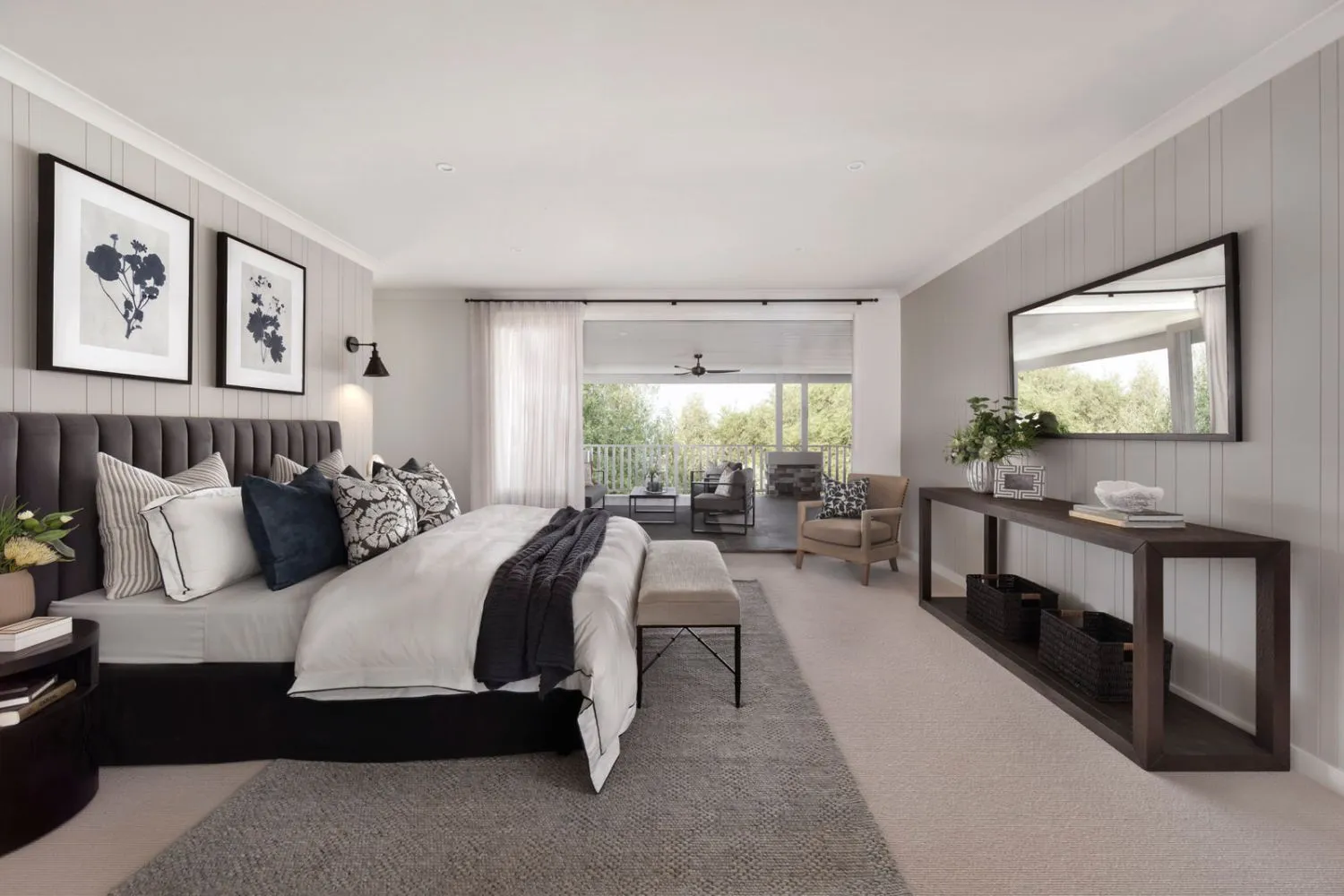
If you check in regularly, the project is more likely to stay on schedule and avoid last-minute changes. This involvement also gives you confidence as you watch your home take shape and ensures the final result matches your vision.
For a more straightforward build experience, Metricon, Australia’s award-winning home builder, guides you through a clear, step-by-step process. To begin, you can browse their site and shortlist your preferred home designs that suit your land.
INDESIGN is on instagram
Follow @indesignlive
A searchable and comprehensive guide for specifying leading products and their suppliers
Keep up to date with the latest and greatest from our industry BFF's!
The internet never sleeps! Here's the stuff you might have missed