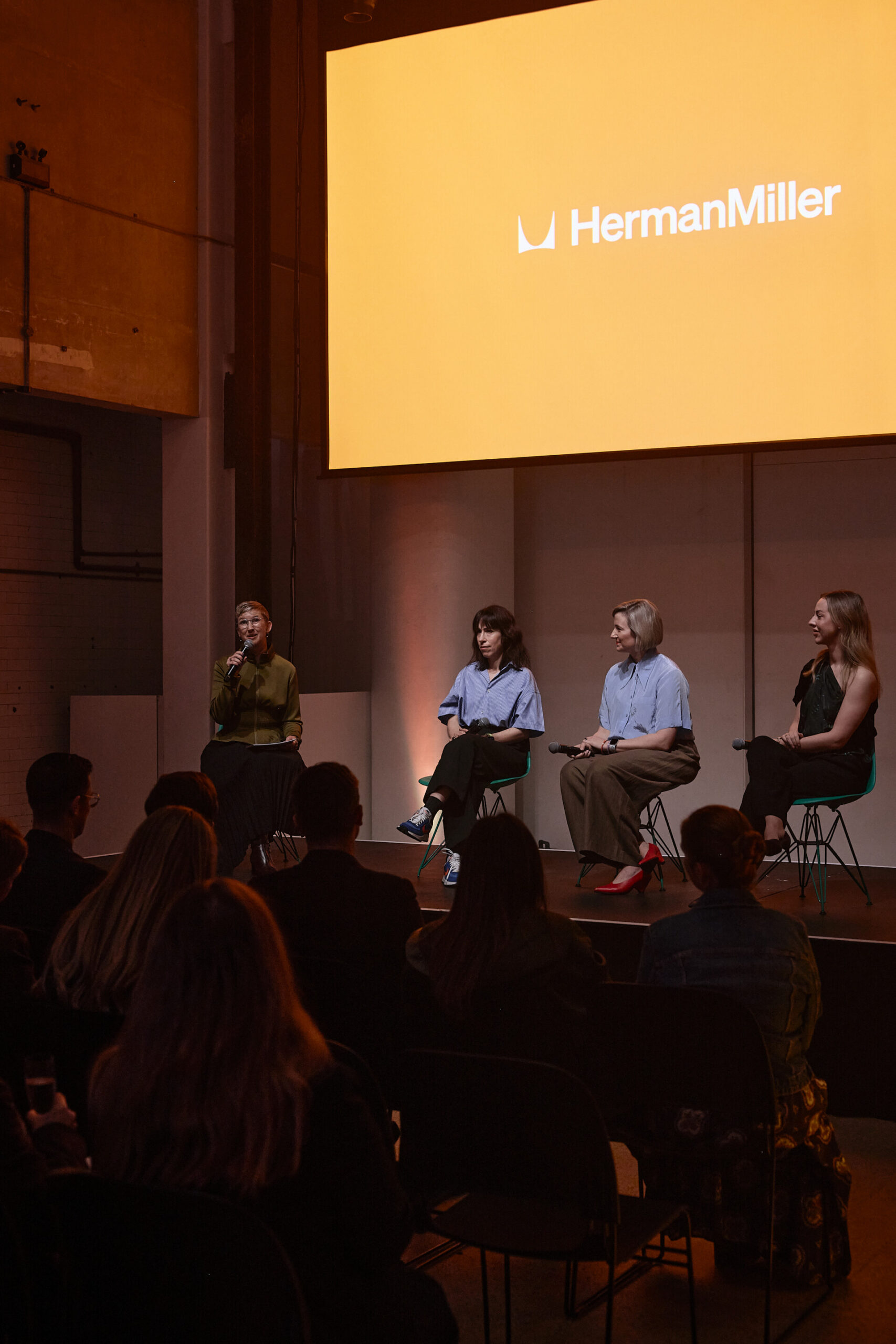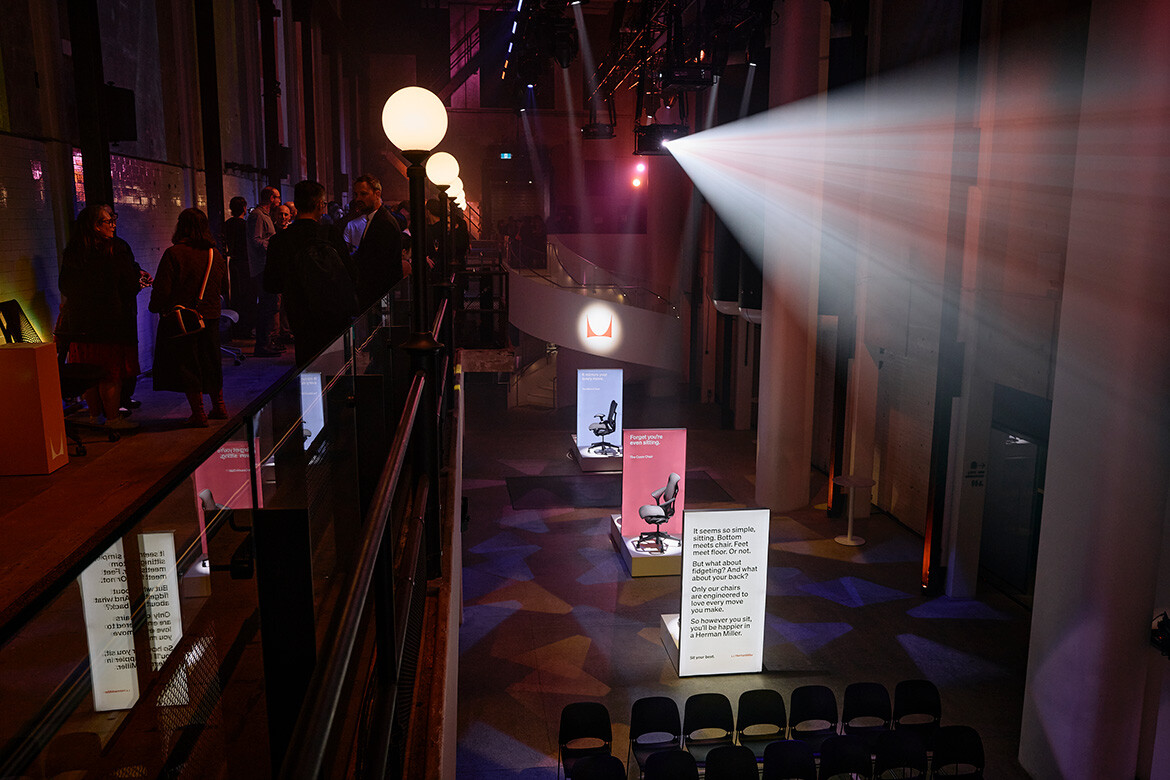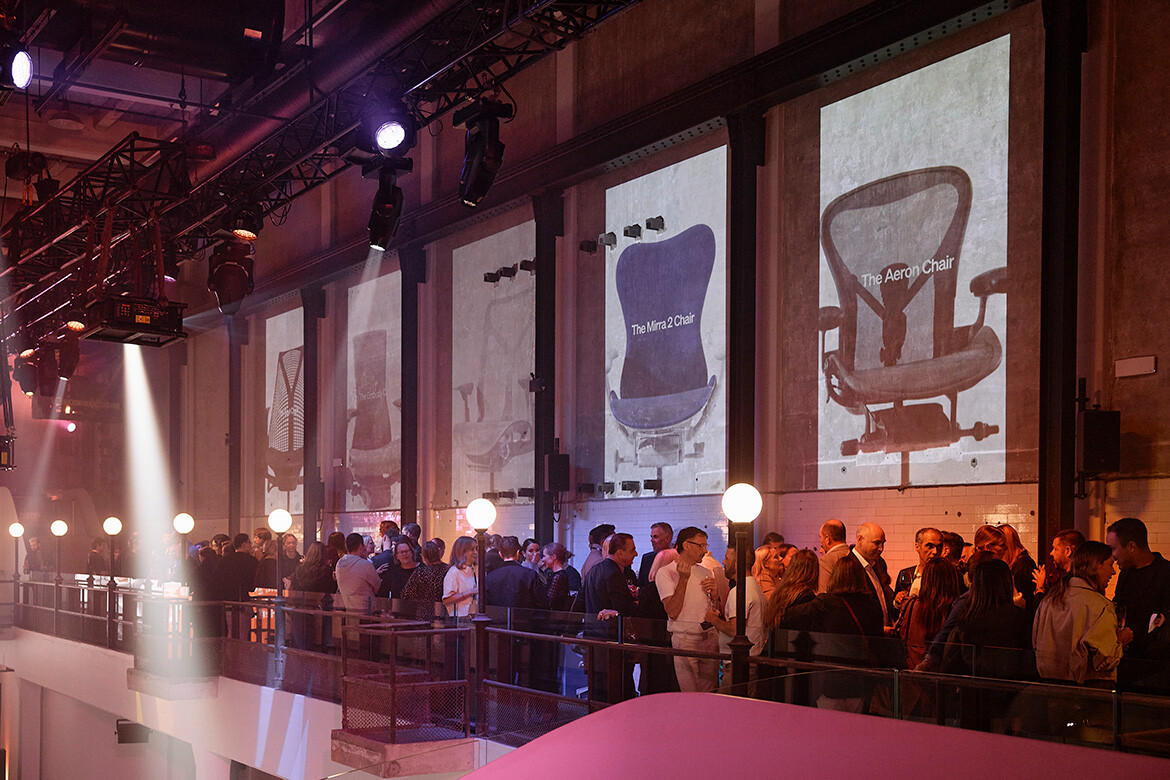
Herman Miller brought Sydney’s architecture and design community together at Machine Hall on 27th May for an event exploring performance seating and its role in the contemporary workplace.
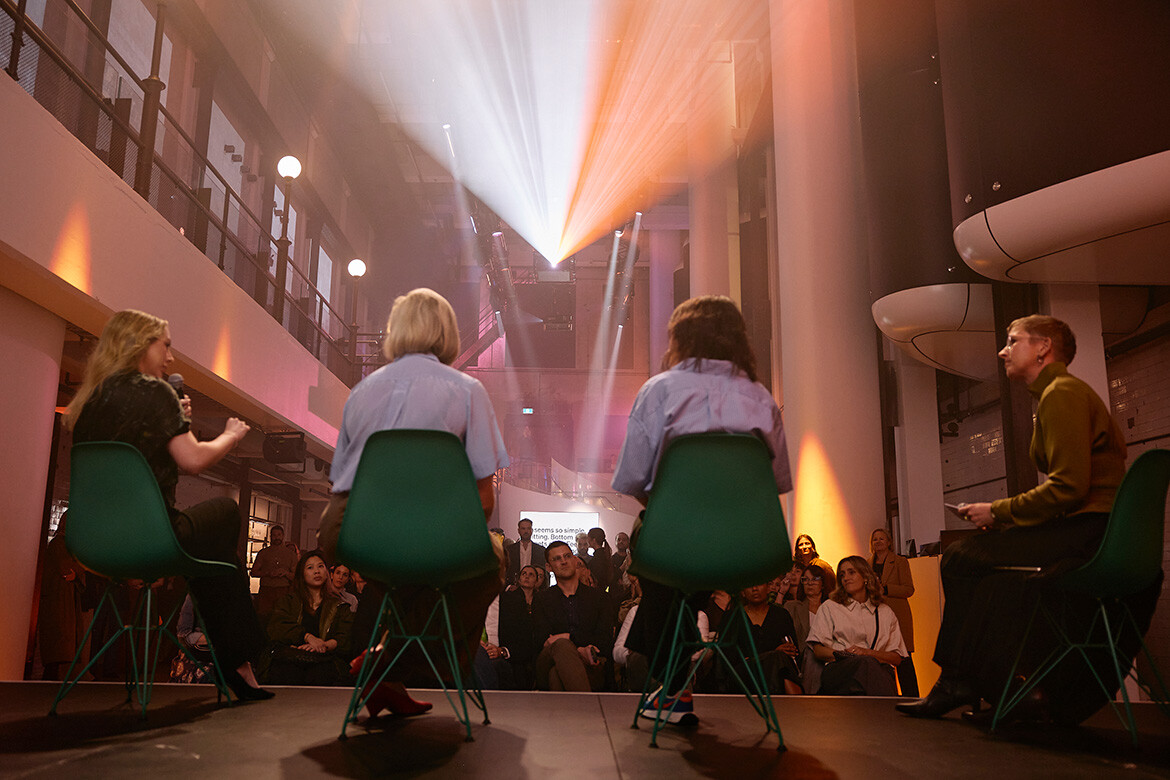
The evening centred on the idea that seating is not a neutral background object, but something that directly affects comfort, focus, movement and performance. Moderated by Alice Blackwood, the panel brought together Dr Amantha Imber, Alex Hopkins of Studio Tate and Alexandra Ramundi, MillerKnoll Workplace Strategist, for a discussion across workplace design, behavioural science and the habits that shape how people work.
Guests were also able to try key pieces from Herman Miller’s performance seating portfolio, including Aeron, Embody, Cosm, Sayl and Mirra 2. The event also included a preview of the next evolution of Aeron, ahead of its release in two new colours and with a continued focus on sustainable design. First launched in 1994, Aeron remains one of Herman Miller’s most recognisable chairs, but the evening positioned it less as an icon and more as a product still being adjusted through research, material development and changing workplace expectations.
Related: Embracing elegance
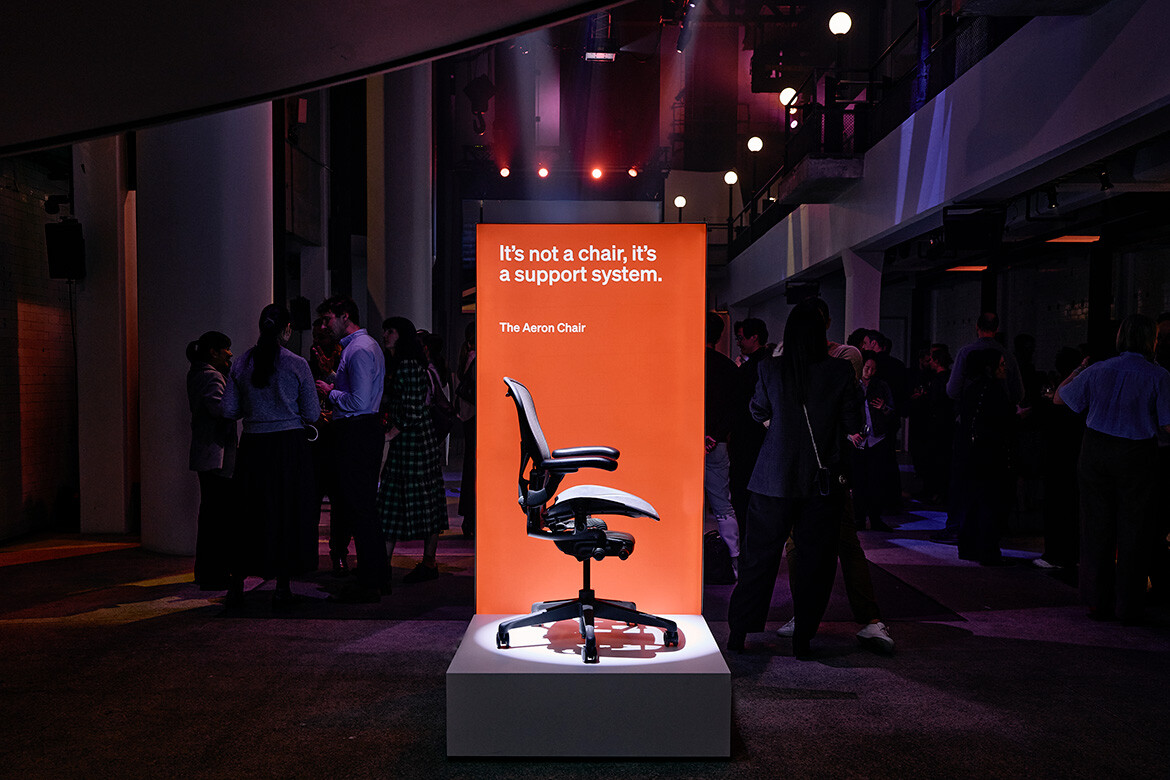
For Herman Miller, the broader message was about designing for bodies in motion. As James Barnby, Senior Marketing Manager APAC & MEA at MillerKnoll, put it: “The way we sit has a direct impact on how we feel, focus, and engage throughout the day. For Herman Miller, performance seating has always been about designing for the body in motion and supporting the many ways people work.”
Being in the room, what worked best was that the event did not try to make seating feel more glamorous than it is. The strongest moments came when the conversation stayed close to the practical realities of work: how long people sit, how often they shift, how offices can support concentration and collaboration without pretending everyone works in the same way. In a venue like Machine Hall, with its scale and architectural presence, the chairs had enough room around them to be understood as designed objects, but also as tools.
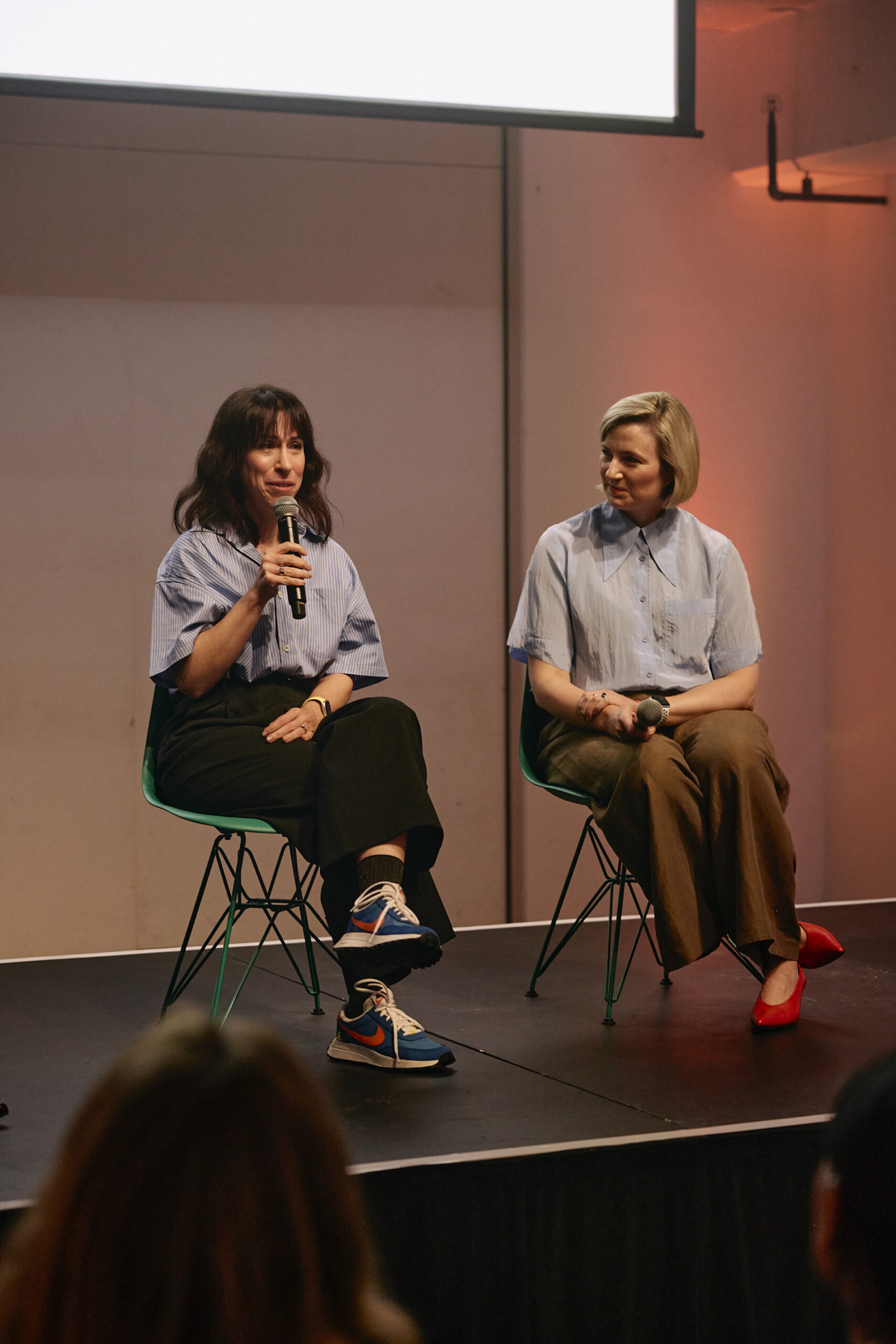
There was also something useful in being able to move between the panel and the products themselves. Talking about ergonomics can become abstract very quickly, and sitting in the chairs helped bring the discussion back to the body. The differences between Aeron, Embody, Cosm, Sayl and Mirra 2 became less about a product line-up and more about different responses to posture, movement and workplace use.
Josh Coughlan, Sales Manager ANZ at MillerKnoll, described seating as “one of the most personal and important decisions within a workplace,” adding that for designers and clients, “it is not only about how a chair looks in a space, but how it supports people over time.”
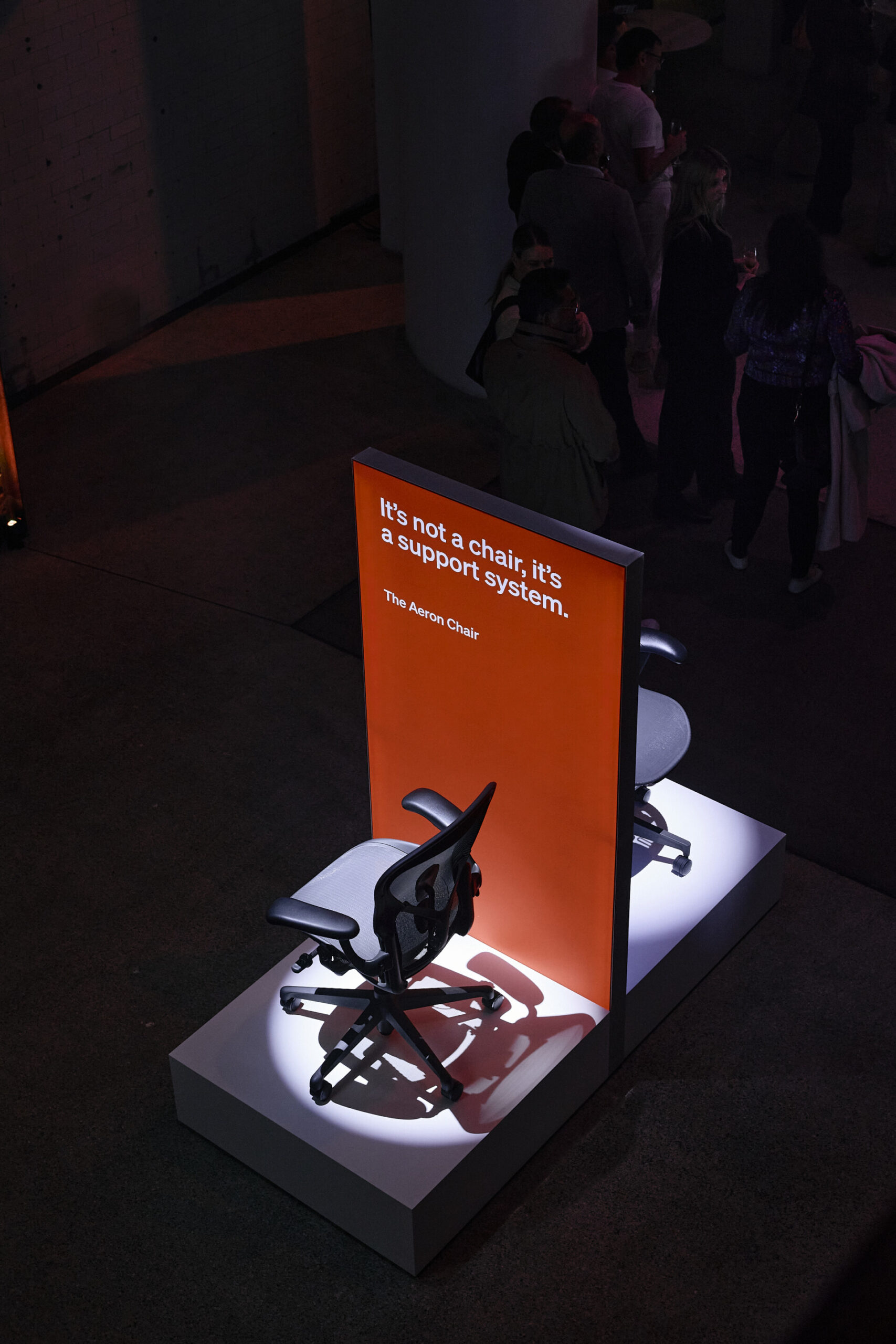
In workplace design, chairs are often treated as the last layer, specified after the larger spatial strategy has been resolved. Herman Miller’s argument is that they should be considered earlier and more seriously, not because a chair can solve workplace culture, but because it is one of the few parts of the office people physically negotiate all day.
The Sydney event forms part of a broader series of Herman Miller activations across APAC and MEA, bringing together product experience and local design conversations. For a subject as familiar as office seating, the evening was a reminder that the everyday object still has a lot of pressure on it. In the office, comfort is never only about comfort.
Herman Miller
hermanmiller.com
Photography
Piers Fitton