The home of architecture and design in the Asia-Pacific
Get the latest design news direct to your inbox!

Get the latest design news direct to your inbox!
Evidence suggests that timber might just have a more significant effect on your health than you’d expect.


When responsibly sourced, timber is one of the more environmentally sound products that specifiers can use in their projects. When properly used, it can also be one of the most beautiful – but we’ve always known this. What you might find surprising, however, is that long after the aesthetic and functional groundwork has been laid for a project, timber continues to have a positive impact on the physical and mental wellbeing of the occupants who dwell amongst it.
This might sound like so much fluff, but it has its basis in quantifiable fact. The quantifier, in this case, is Planet Ark, who in 2015 conducted an extensive study into the health benefits of wooden products. The findings revealed that in-situ interior wooden products have the same measurable benefits on both body and brain as spending time in the great outdoors. When used in larger-scale projects such as hospitals, it can even reduce recovery time.
“An increasing body of research is beginning to show that being surrounded by wood at home, work or school has positive effects on the body, the brain and the environment,” explains Chris Philpot, the Make It Wood campaign manager at Planet Ark.
“[It] can even shorten hospital stays through reduced recovery times,” Philpot continues.
Humans might be for the most part desk-dwelling creatures these days, but you can’t change biology. We still have a physical and psychological craving for natural sights, smells and textures – something that is made clear in the results of Planet Ark’s study. Occupants who were exposed to wooden products demonstrated lower blood pressure and heart rates, reduced levels of stress and anxiety, and increased positive social interactions. No doubt this was also assisted by the fact that natural timber surfaces have been shown to improve indoor air quality by moderating humidity.
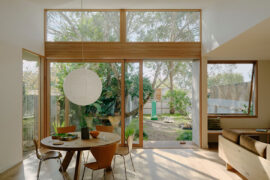
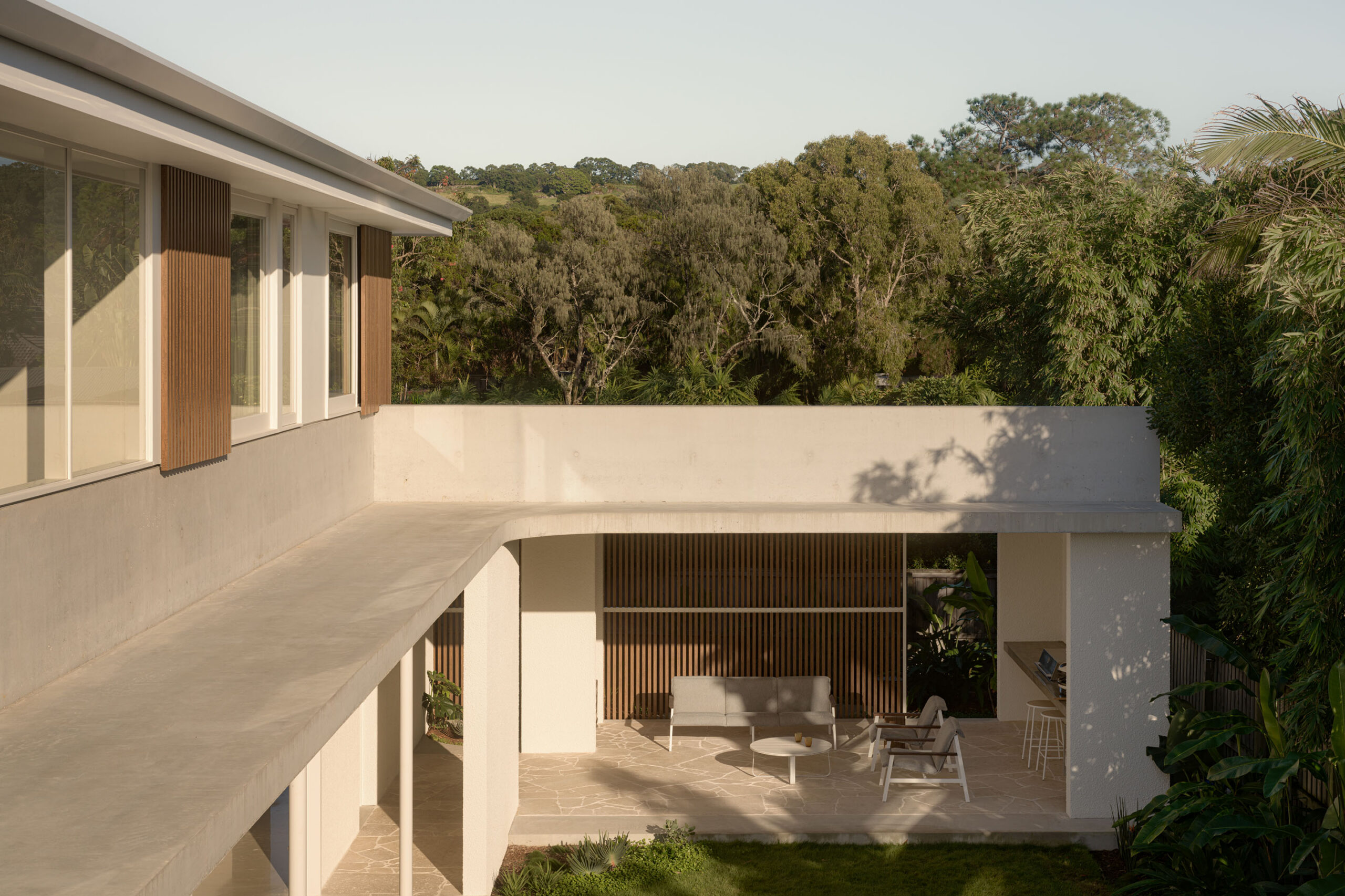
All of this comes down to the inherently warm and comforting character of natural timbers, which elicit the same effects as their parent products: trees. There are a number of different natural timber products available on the current market that maintain the same rustic, textured appearance of their forest-dwelling relatives, therefore maximising the occupant’s psychological connection between indoors and out.
According to Planet Ark’s research, this connection is instinctive. Without knowing the proven physical and psychological benefits of timber, 96 per cent of Australians surveyed were drawn towards interiors that incorporated heavy doses of wood when given the choice between different interior schemes.
And unsurprisingly, environmental responsibility and health benefits go hand-in-hand. In the words of Planet Ark, “the use of responsibly sourced, certified wood can have significant positive environmental outcomes and help reduce climate change”.
Perhaps better than no other brand for the Australian A+D community, Precision Flooring understand the health and wellbeing benefits of timber for the end-user. Committed to constantly striving for nothing less than best-practice in design service and environmental standards, Precision Flooring’s dedication to the sustainable use of timber means that the waste and emissions often associated with the manufacturing industry are mitigated significantly. The brand’s ongoing quest to celebrate recycled timber as a fantastic aesthetic and ecological choice helps to ensure that generations to come will be able to partake of timber’s health benefits. The lack of toxic chemicals across the entire Precision Flooring range is also an inevitable contributor to the air quality of the indoor environment where they are used – a decided boon for an increasingly health-conscious commercial sector embittered by the struggles of end-user wellbeing and talent retention. After all, it doesn’t take a rocket scientist to equate better air with better health – both for ourselves and our planet. But it does take a designer to make sure we all can take a deep breath … for all the right reasons.
Precision Flooring
precisionflooring.com.au
INDESIGN is on instagram
Follow @indesignlive
A searchable and comprehensive guide for specifying leading products and their suppliers
Keep up to date with the latest and greatest from our industry BFF's!
The internet never sleeps! Here's the stuff you might have missed