The home of architecture and design in the Asia-Pacific
Get the latest design news direct to your inbox!

Get the latest design news direct to your inbox!
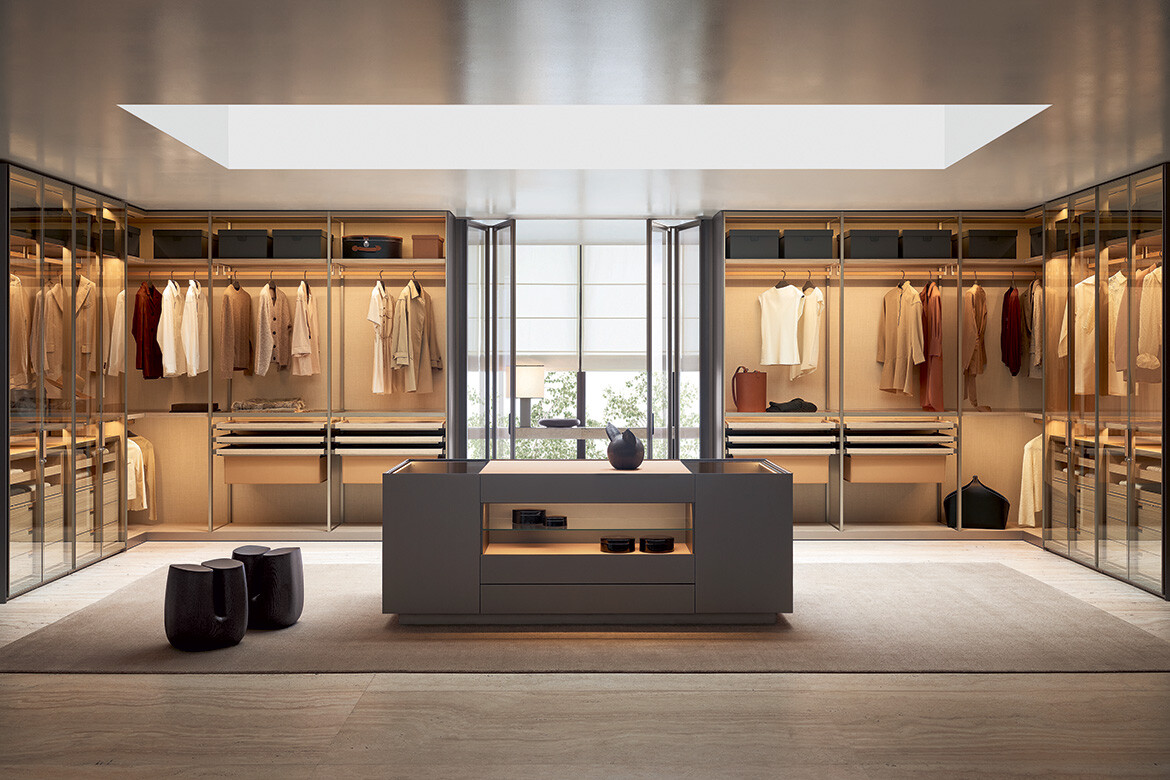
Poliform approaches wardrobes as a kind of architectural infrastructure within the home – modular systems, with highly-engineered fittings and a wide palette of finishes to allow for configurable, design-led solutions.

March 25th, 2026
In contemporary residential design, storage is no longer treated as a secondary element. Architects and interior designers are finding ways to integrate wardrobe systems as part of the framework of a home – resolving circulation, spatial clarity and material continuity with a single gesture. Poliform’s wardrobe collection approaches this challenge with a design language based in modularity, precision engineering and restraint.
Conceived and manufactured in Italy, Poliform wardrobes sit as part of the brand’s broader design ecosystem of kitchens and furniture, allowing storage systems to integrate seamlessly with other interior elements. Rather than operating as standalone joinery, these systems function as spatial infrastructure – organising daily life while contributing to the visual aesthetics of a room.
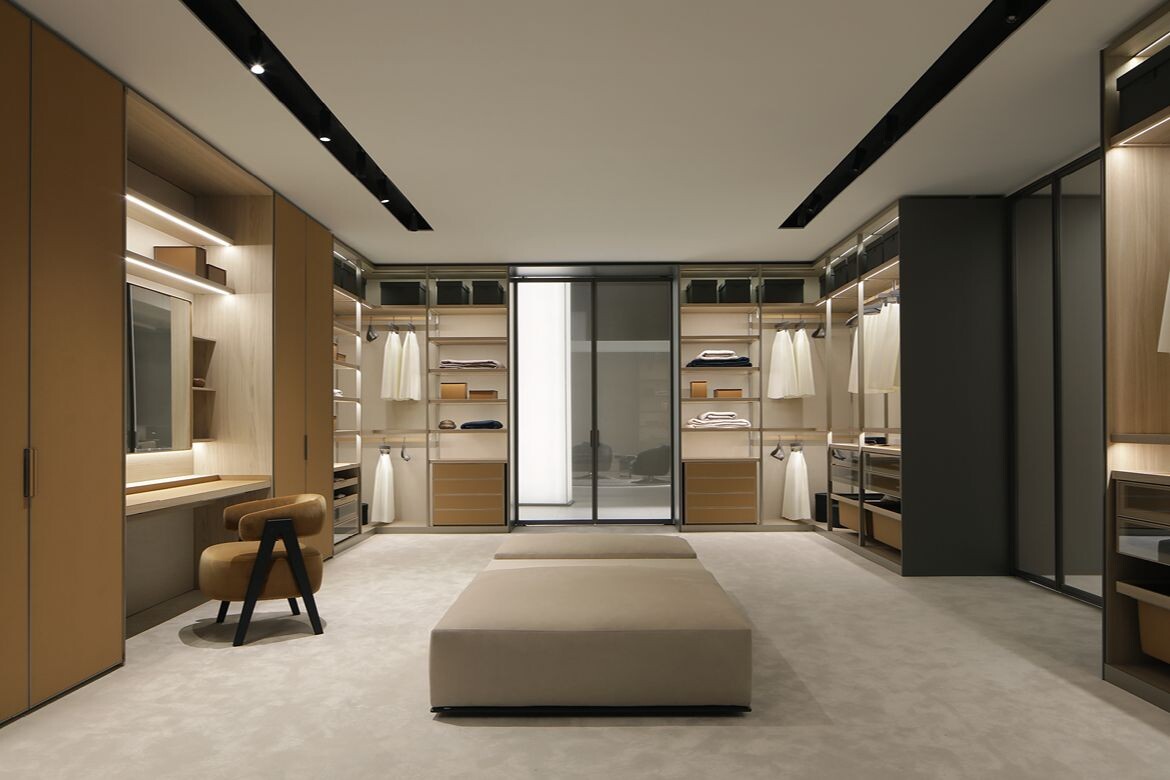
At the core of the collection is a highly flexible modular framework. Adjustable shelving, drawer systems, hanging rails and specialised accessories, which allow designers to configure wardrobes according to the specific needs of a project. From compact urban apartments to expansive residential suites, the systems scale with ease while maintaining a consistent design language.
Materiality plays a central role in this flexibility. Finishes range from matte lacquers and textured melamines through to timber veneers and reflective glass, allowing wardrobes to align with a wide variety of interior palettes. Integrated LED lighting is recessed, illuminating interior volumes while maintaining a calm and controlled atmosphere.
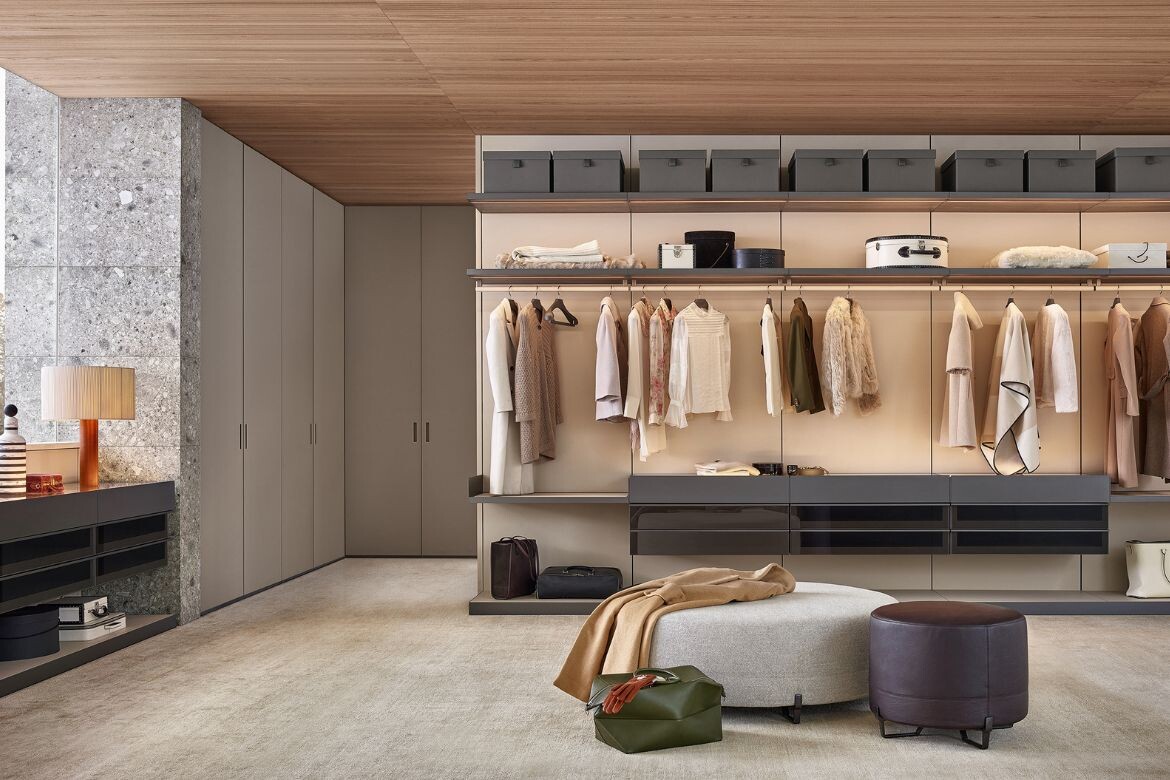
Several key systems demonstrate the breadth of Poliform’s approach. The Ubik Walk-In wardrobe has an open composition, where shelving, rails and trays form a structured display. The system works particularly well in dressing rooms, creating an ordered and legible environment that supports daily use.
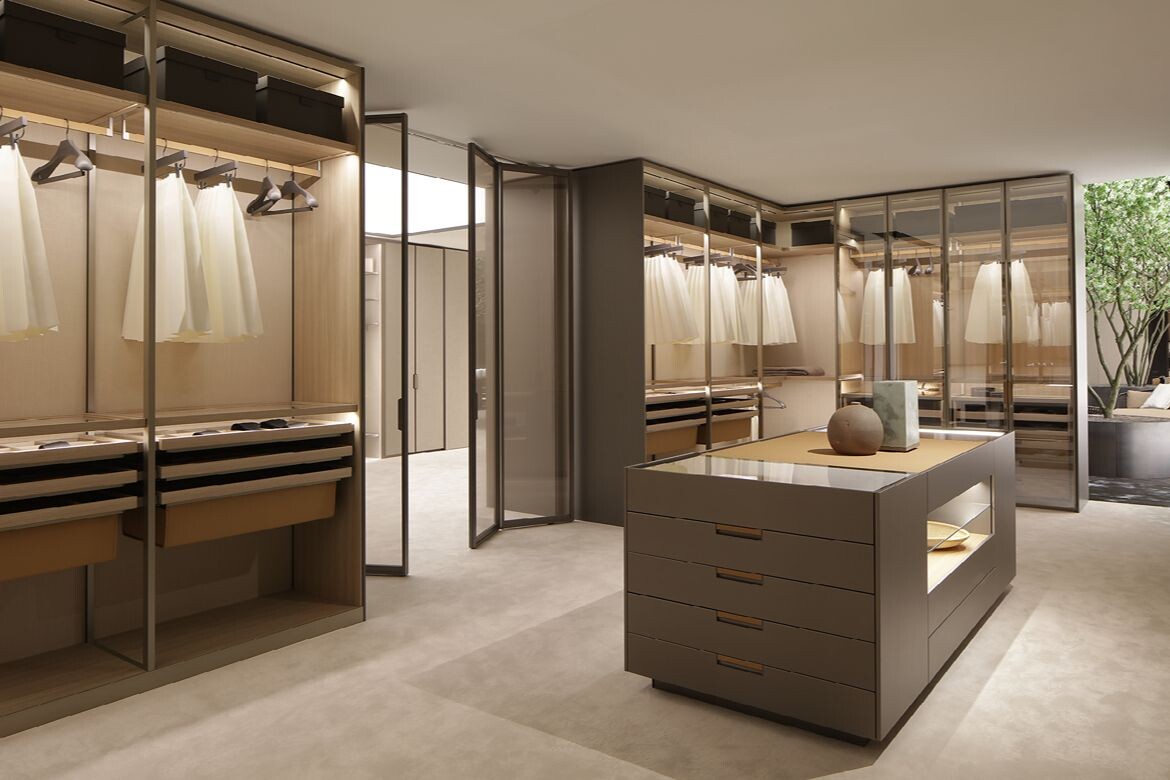
The Senzafine system emphasises adaptability. With a wide range of door styles, internal fittings and configuration options, Senzafine can be tailored precisely to spatial constraints or programmatic requirements. It can be fully concealed within wall planes or expressed as a feature element within the room.
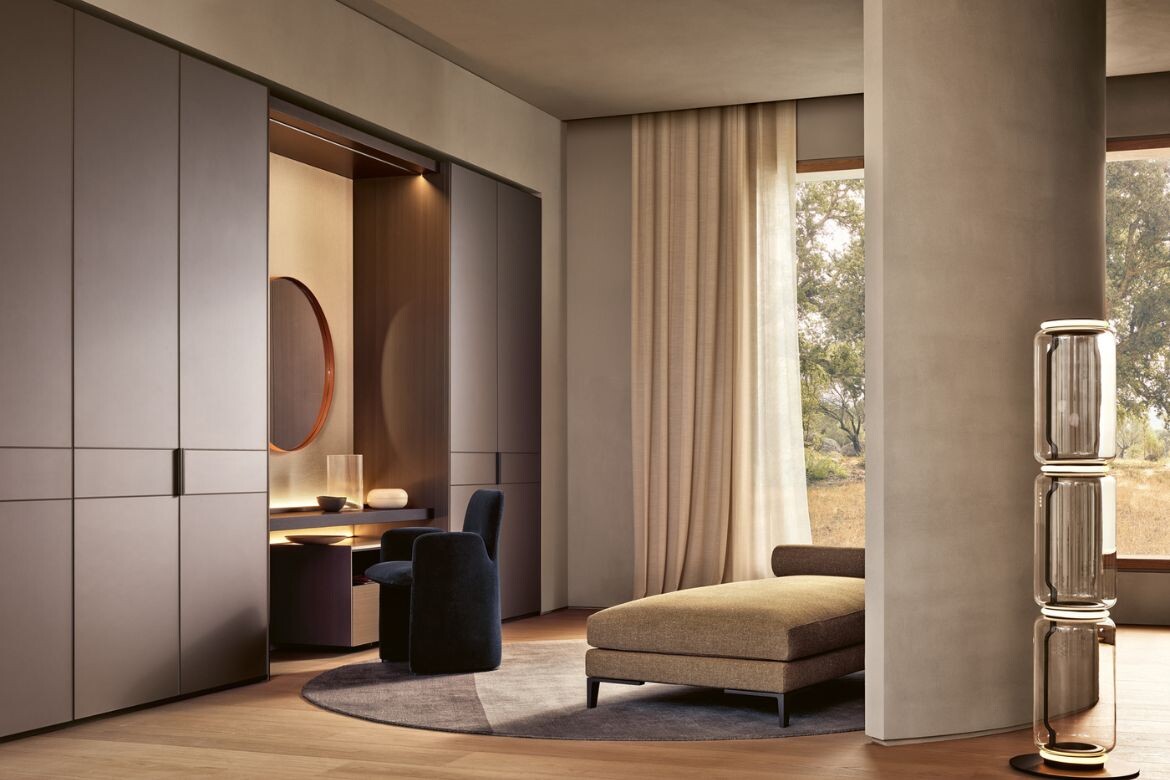
The Cover Wardrobe introduces a more architectural expression. Full-height panels slide to reveal or conceal internal joinery, which allows the wardrobe to straddle both minimalist surface and functional storage.
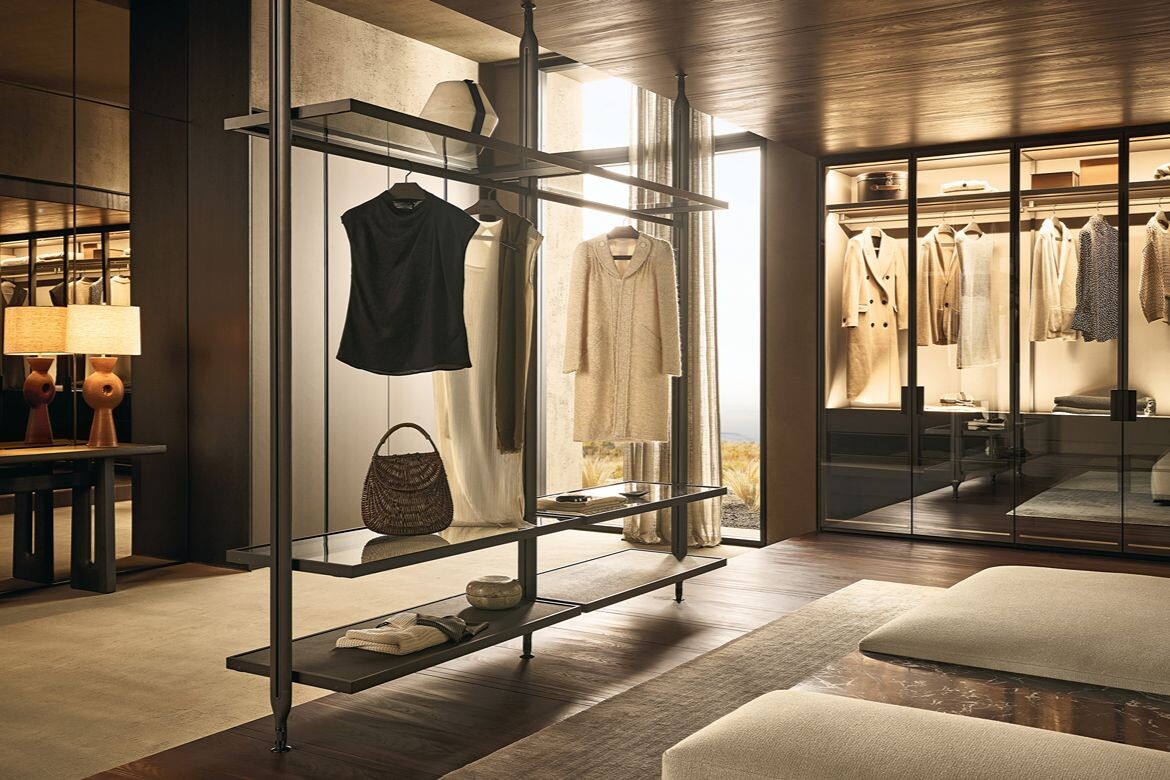
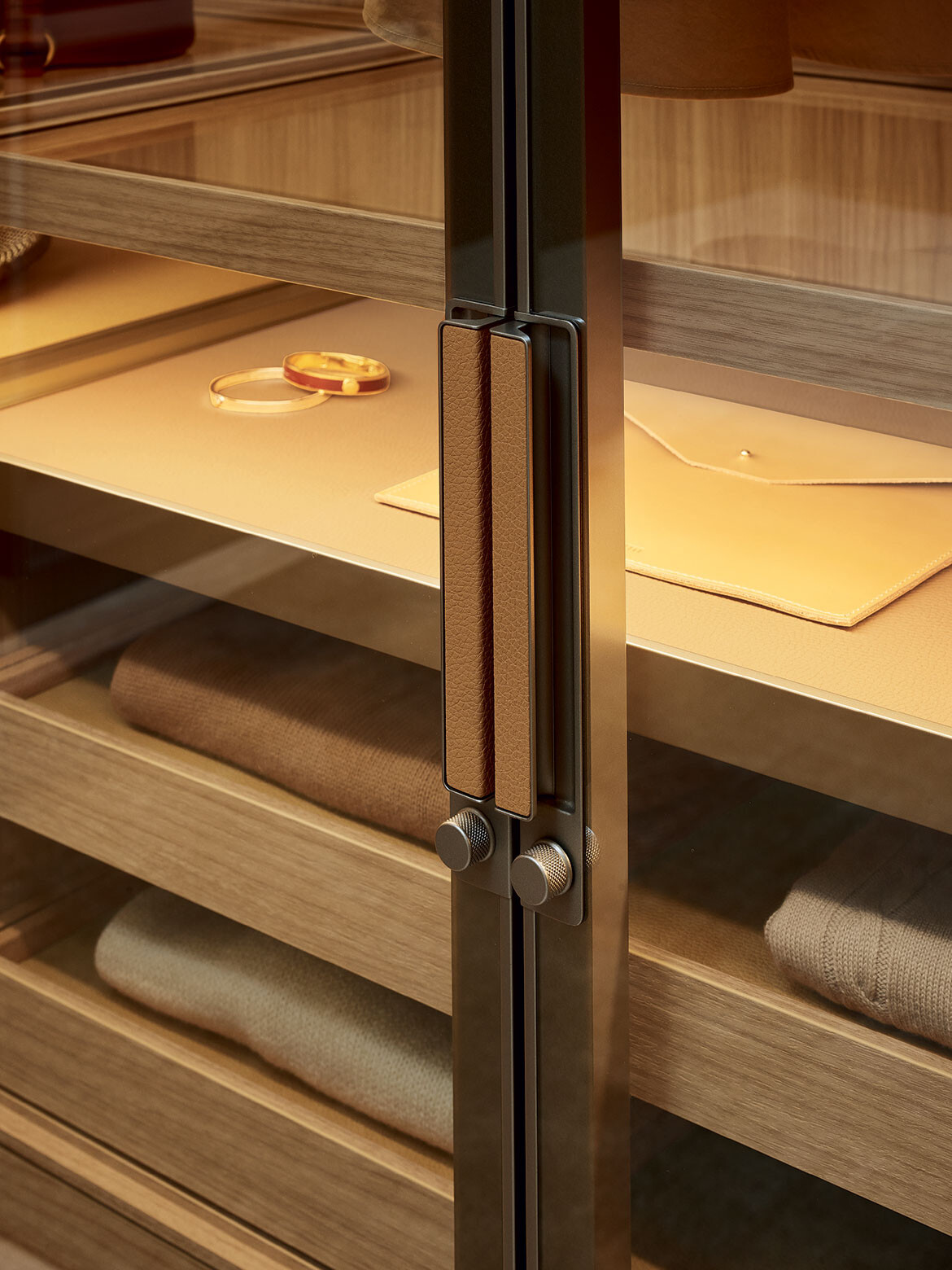
The Lexington system offers a lighter, more transparent character. Defined by an aluminium frame and glass elements, it introduces permeability while maintaining the exactness associated with Poliform’s design approach.
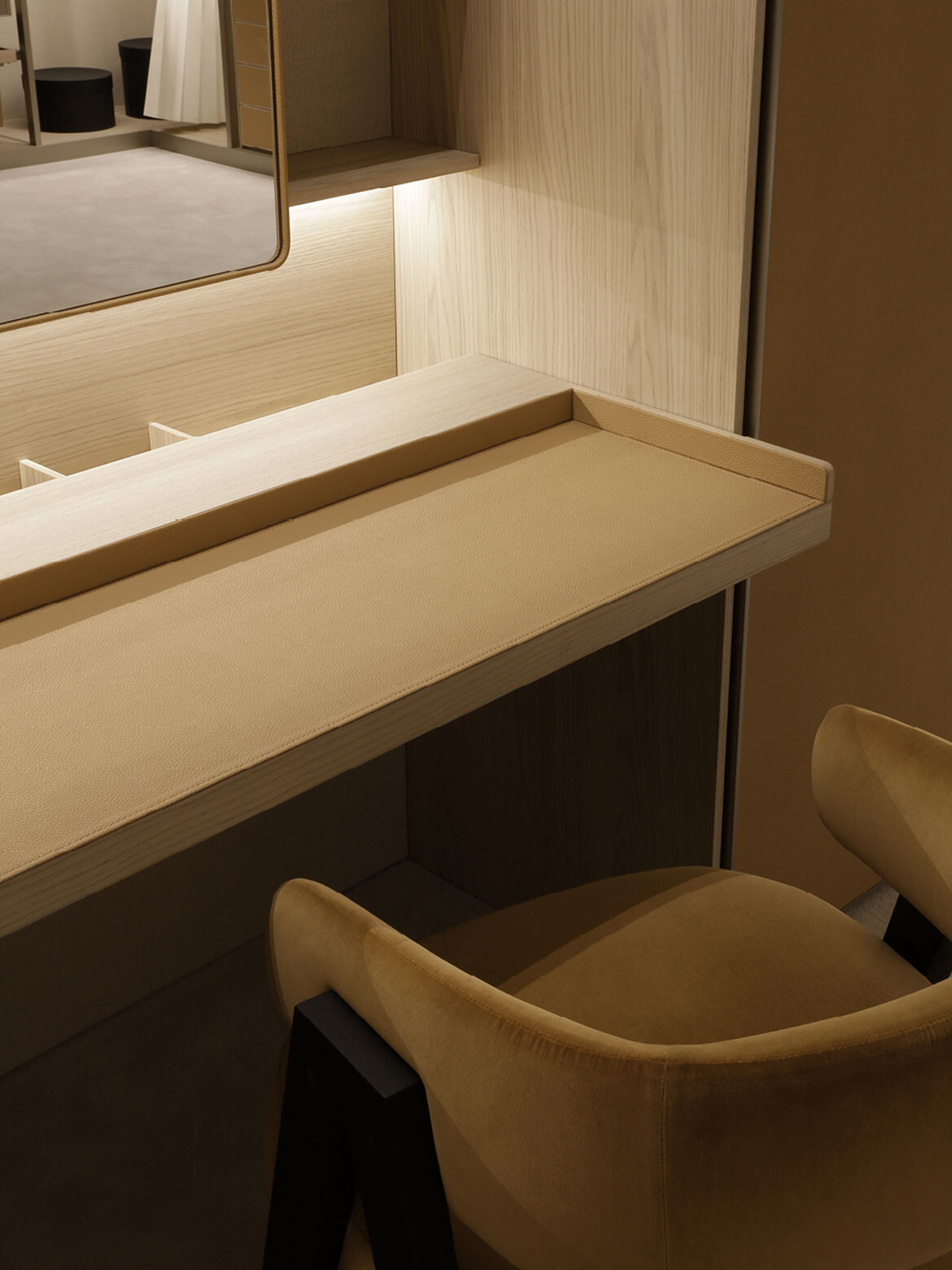
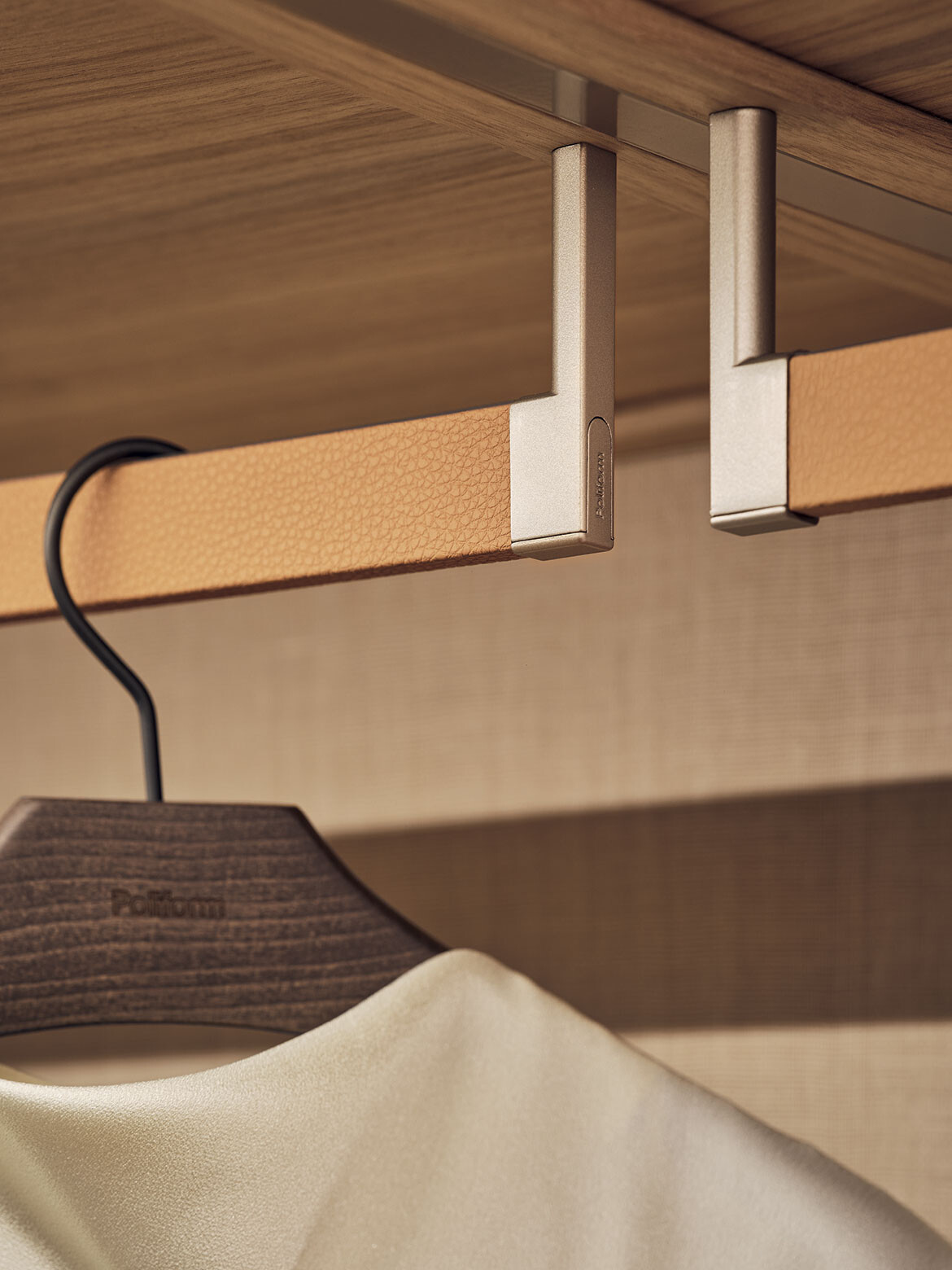
Across all systems, craftsmanship and engineering remain defining characteristics. Hardware is designed for smooth, silent operation, with soft-close mechanisms supporting daily use. Edges, junctions and structural details are resolved with a level of care that reflects Poliform’s Italian manufacturing heritage.
Rather than treating storage as an afterthought, Poliform sees it as an integral part of the home.
Design professionals and their clients can explore the wardrobe collection at Poliform’s Australian showrooms or customise a storage solution for unique project requirements.
Poliform
poliform.com.au
INDESIGN is on instagram
Follow @indesignlive
A searchable and comprehensive guide for specifying leading products and their suppliers
Keep up to date with the latest and greatest from our industry BFF's!
The internet never sleeps! Here's the stuff you might have missed