“I wish it need not have happened in my time,” said Frodo.
“So do I,” said Gandalf, “and so do all who live to see such times. But that is not for them to decide. All we have to decide is what to do with the time that is given us.”
I’m not Frodo and thank goodness I don’t have a cursed ring. But I am weighted, as we all are, by the knowledge that the critical window for a serious response to catastrophic climate change is now and within the next few years.
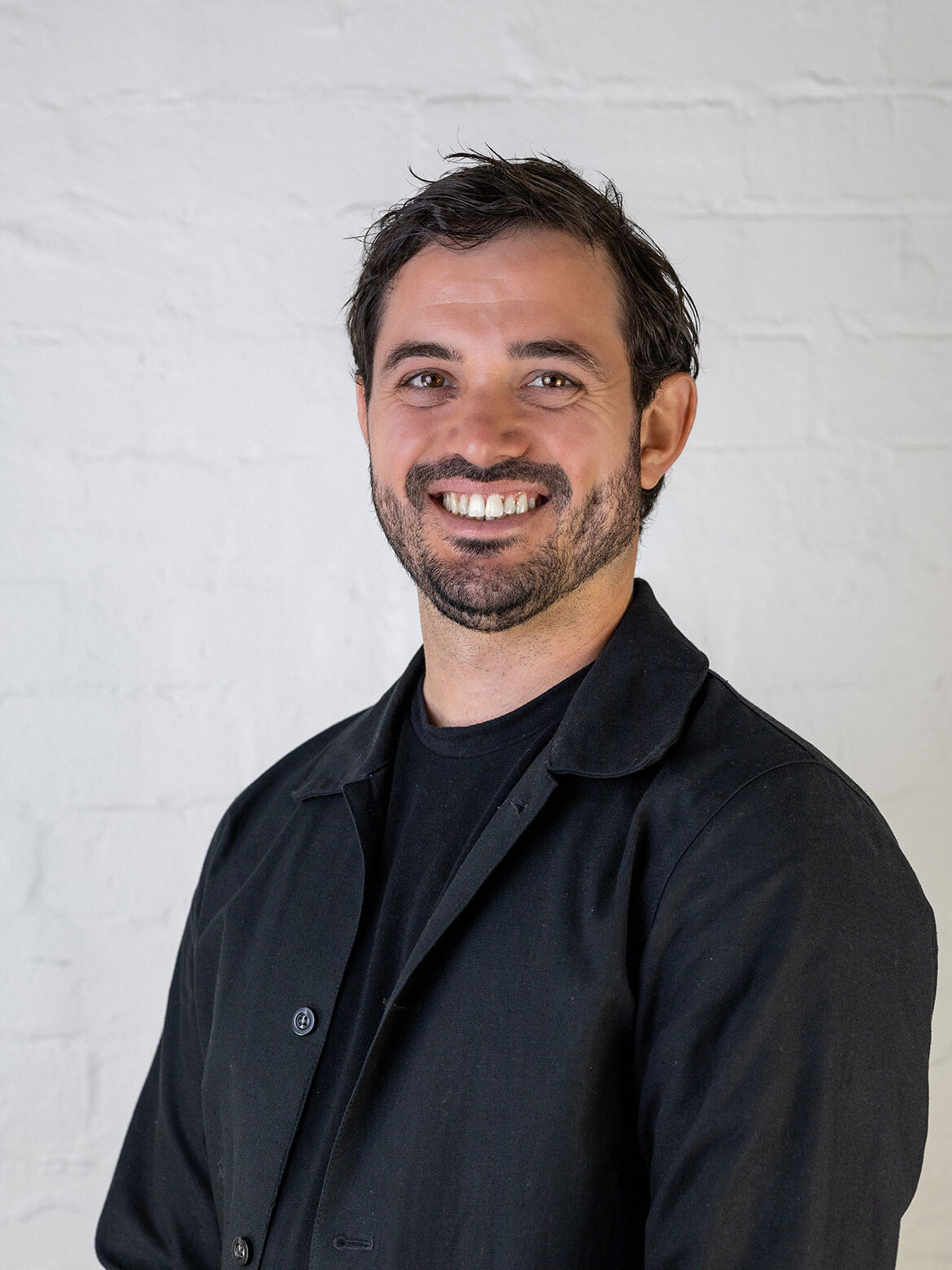
It is in this rather sobering context that I have been awarded the prestigious Byera Hadley Traveling Scholarship for my research project, “The Last Straw: There’s No Time For Wasted Waste”. My travels, in March and April this year, will take me to Slovakia, France, the Netherlands, Sweden and Denmark. I’ll be interviewing architects, contractors, manufacturers, clients, engineers and researchers, to better understand the opportunities and constraints for Australia.
My project – a direct reaction to the climate, justice and biodiversity polycrisis – aims to accelerate the uptake of biogenic and circular construction materials in Australia. My project is all about positivity, purpose and proactivity in response to the seemingly overwhelming pickle we’re all in.
Related: Sydney Fish Market podcast
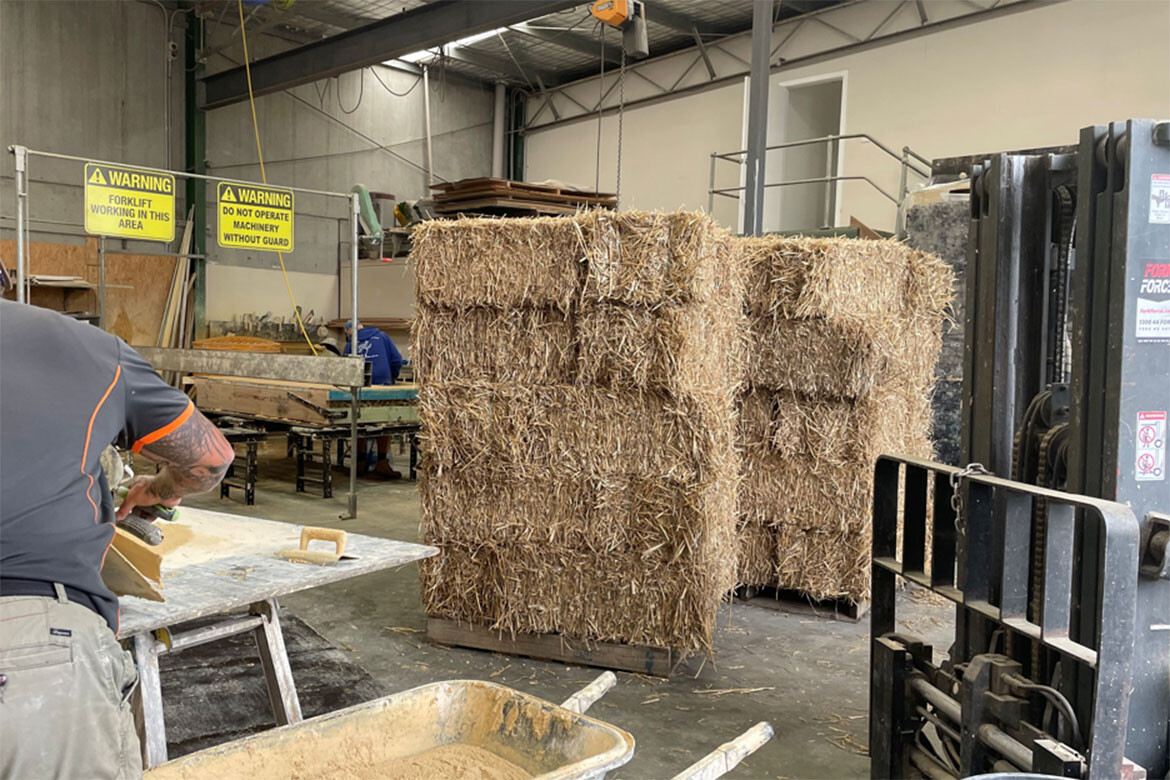
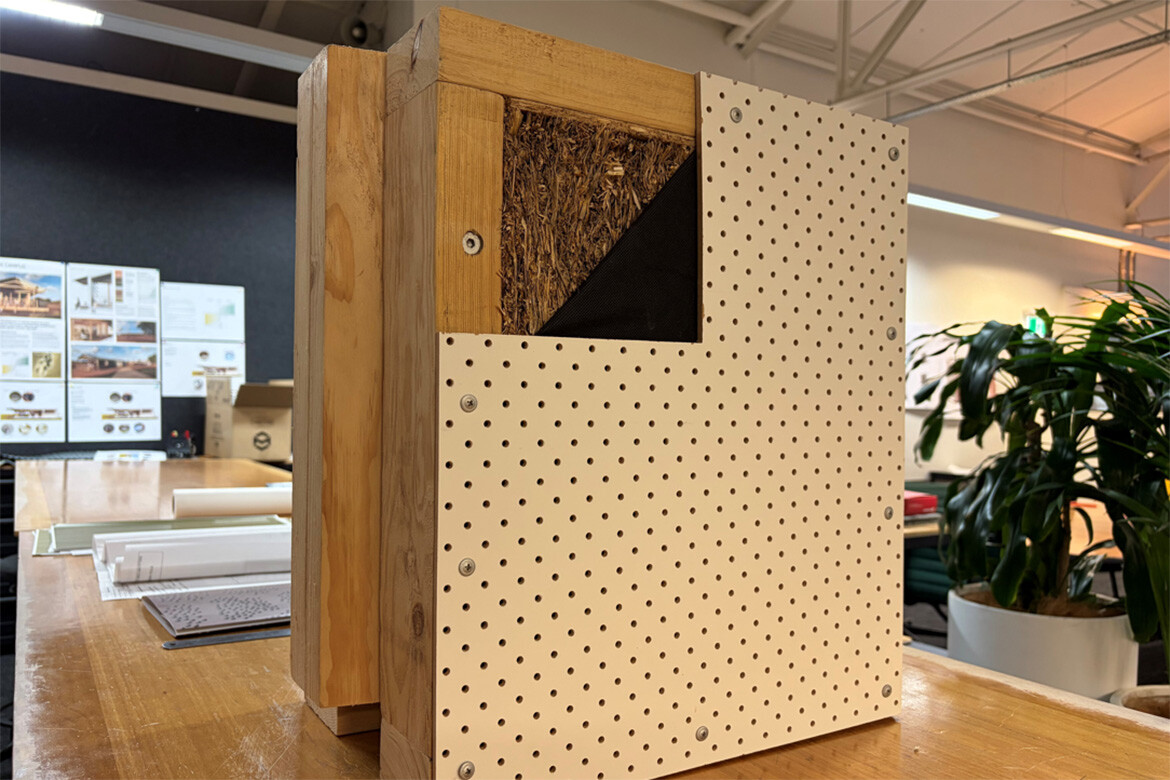
But the positivity of my proposal is not naïve. Let’s consider straw. Straw is an abundant, annually renewable waste product, being the stubble remaining after a wheat harvest. Over 40 million tons of straw is produced in Australia every year. It is pure waste; much of it is disposed of by burning. But when upcycled as a construction material, straw is hugely carbon-positive and has serious credentials as a high-performance thermal insulator. It’s cheap and locally grown. In buildings it can have a very long life, and its eventual destination is to be returned to the ground as mulch to feed the worms, rather than be landfilled. It is a very compelling proposition for an industry that needs to reduce its carbon footprint by 98 per cent within the next ten years. And it is the material basis for my research project.
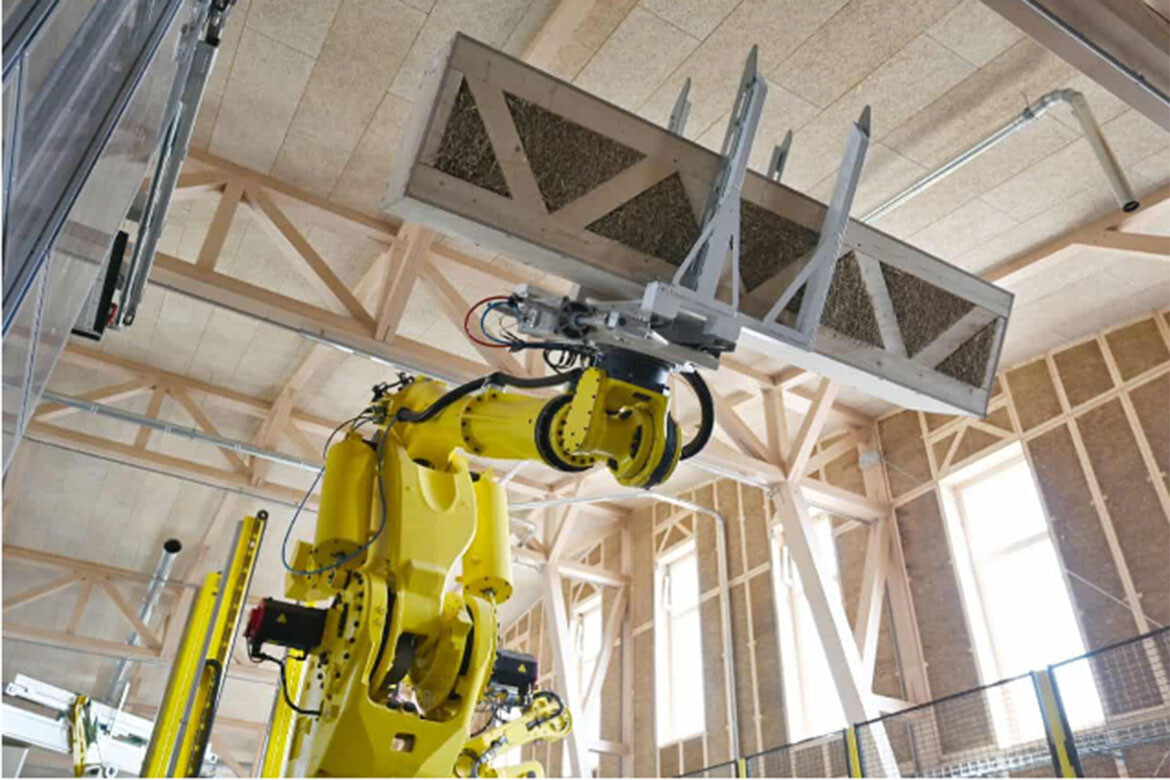
Let’s be clear here. I’m not researching ‘quaint’ or ‘alternative’ buildings like you’d find in Hobbiton. I’m researching the future of industrialised architecture. I’ll be visiting a brand-new factory of automated robots that assembles straw wall panels with precision and speed. I’ll be visiting a 155,000-square-metre logistics centre that is made from CLT, clad in straw and has a meadow on the roof; and a 12-storey apartment building that is the world’s tallest straw building.
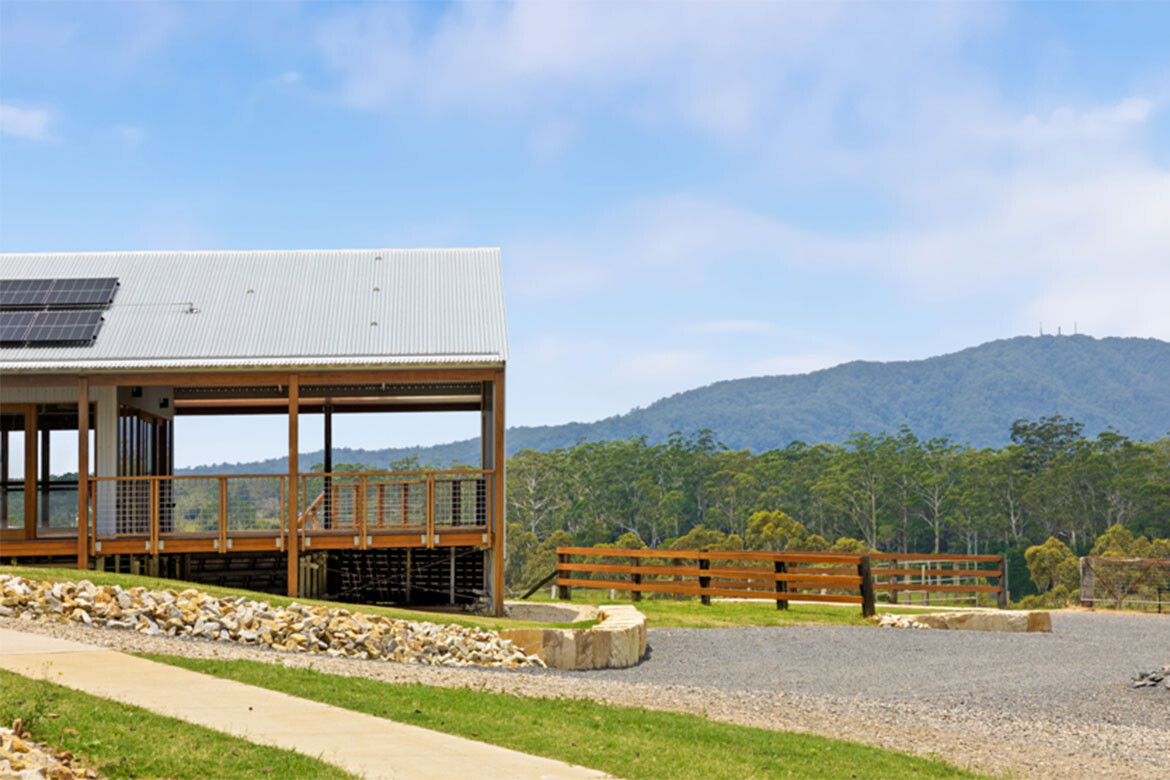
How did I find myself doing this? Over my 18 years in architectural practice it has become increasingly apparent that material selection is the specific realm of the architect, and our selection criteria must adapt to the needs of our time. My focus has shifted increasingly to biogenic materials. Using 2500 square metres of compressed straw panels at Newington College’s Eungai Creek Campus was pivotal. Our current portfolio (at AJC architects) includes two projects which, to my knowledge, are Australia’s first examples of elevating prefabricated straw panel construction from single houses to large public buildings. This research is an important and inevitable next step for me.
My traveling party will be like Frodo’s: a loyal companion (wonderful wife, not Samwise Gamgee) and two adorable halflings – who, at 3 and 1, are just as hilarious and troublesome as Merry and Pippin. Like Frodo, I feel like I’m embarking on a rollicking fun adventure. No doubt I’ll meet some of the people who, right now, are imagining our future. I might even learn some ex-straw-dinary things (sorry)…
What a great time to be alive.
Thanks to the NSW ARB for seeing as much merit in this project as I do. With any luck, I can contribute to extending Byera Hadley’s vision for ‘globally informed, locally impactful’ Australian architecture.
Michael leaves for Europe in early March – be sure to follow his journey as he reports back to us from Europe!