Before the start of a performance, musicians tune their instruments to be in perfect pitch. For musicians performing on the stage of the newly reopened BNZ Theatre in Kirikiriroa, Hamilton, New Zealand, not only will their instruments be tuned, but so too will the room around them.
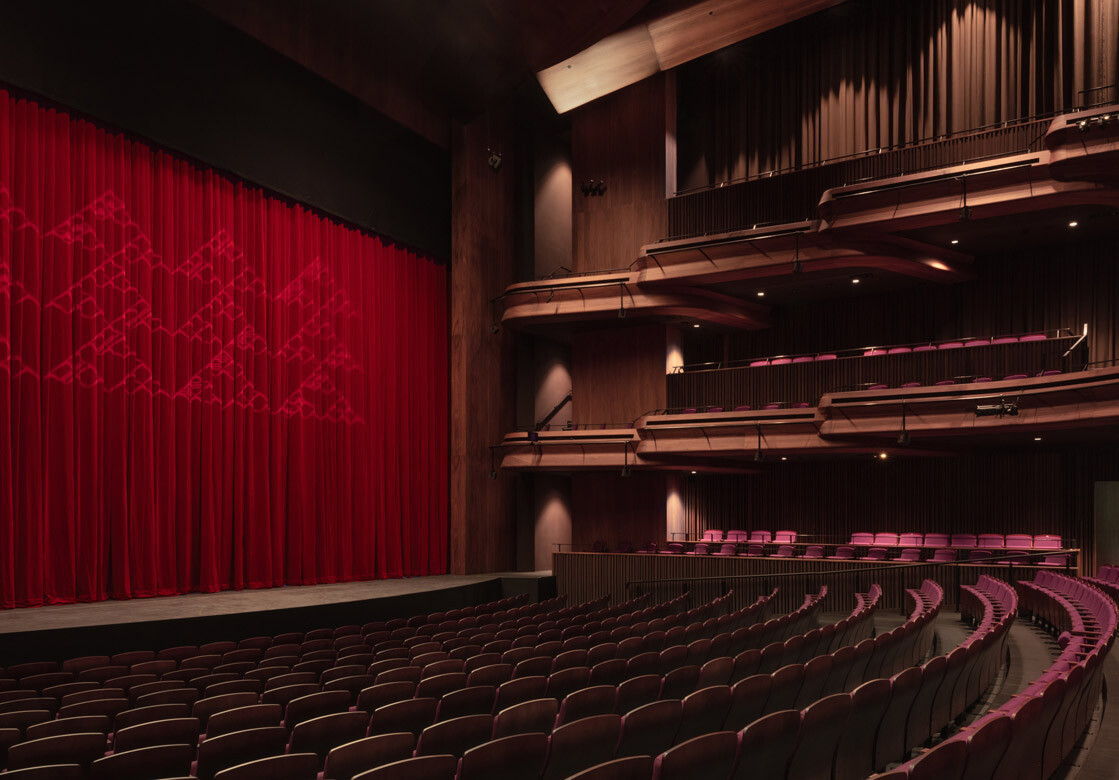
“Different theatre uses have different spatial and acoustic needs,” explains Erin Shepherd, director of Charcoalblue – a theatre, acoustic and experience consultancy, which worked with multidisciplinary design practice Jasmax to design the new theatre. The brief specified that the 1,300-seat auditorium should be suitable for different performance types, from operas to school productions, gigs to talks.
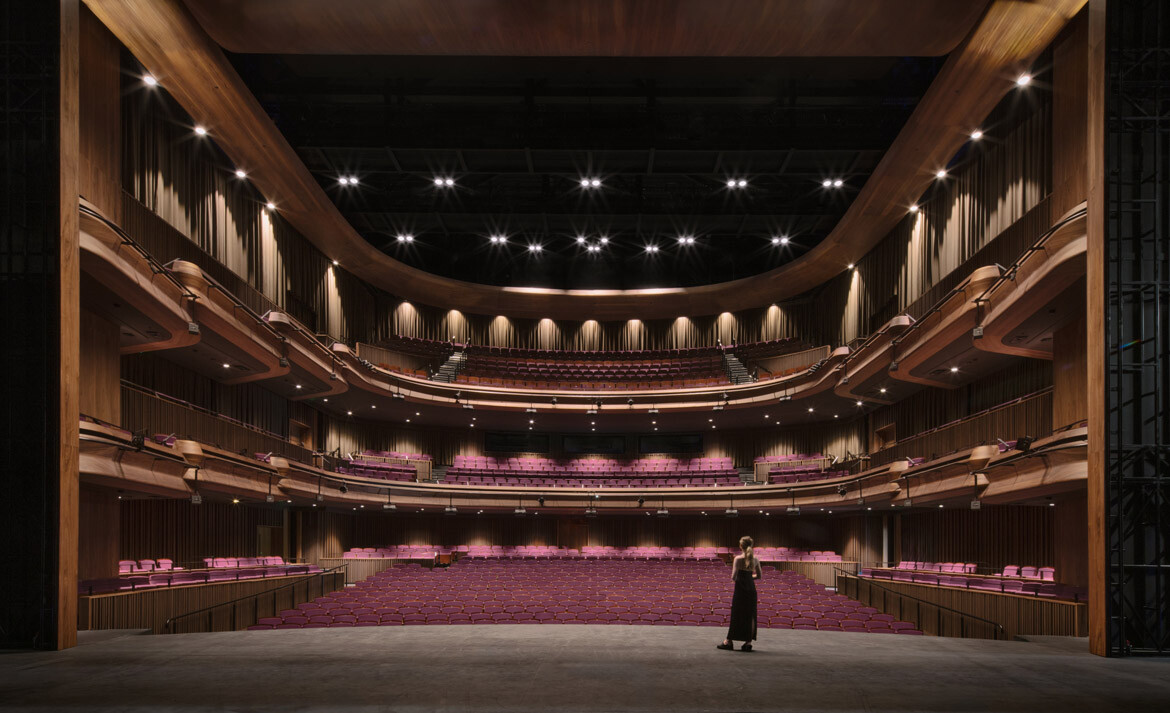
In response, the design and consultancy teams created an auditorium that can be adapted based on the needs of individual groups and communities. The area in front of the curtain on stage, for example, can be made larger or smaller. Drapes around the timber-lined perimeter can be moved to facilitate greater amplification of sound – for an orchestra, for instance – or to dull the noise, which can be helpful for rock concerts or musical theatre. The seating, too, is flexible, with the stalls being mounted on wagons that can be stored for standing events.
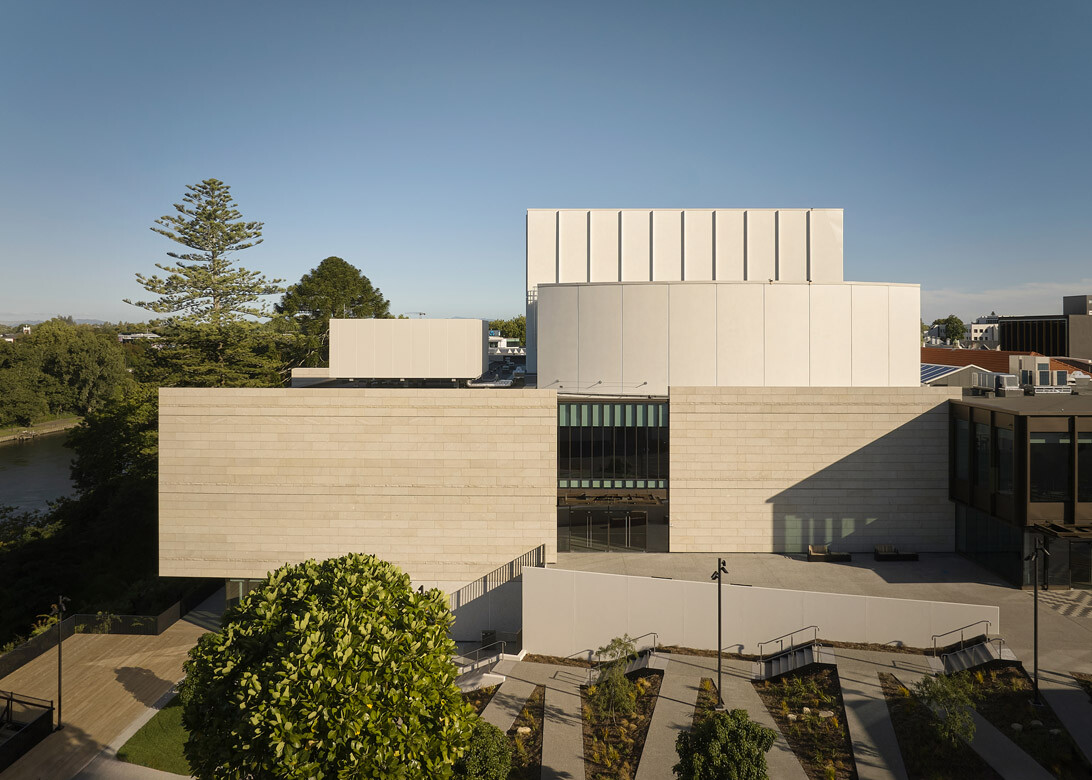
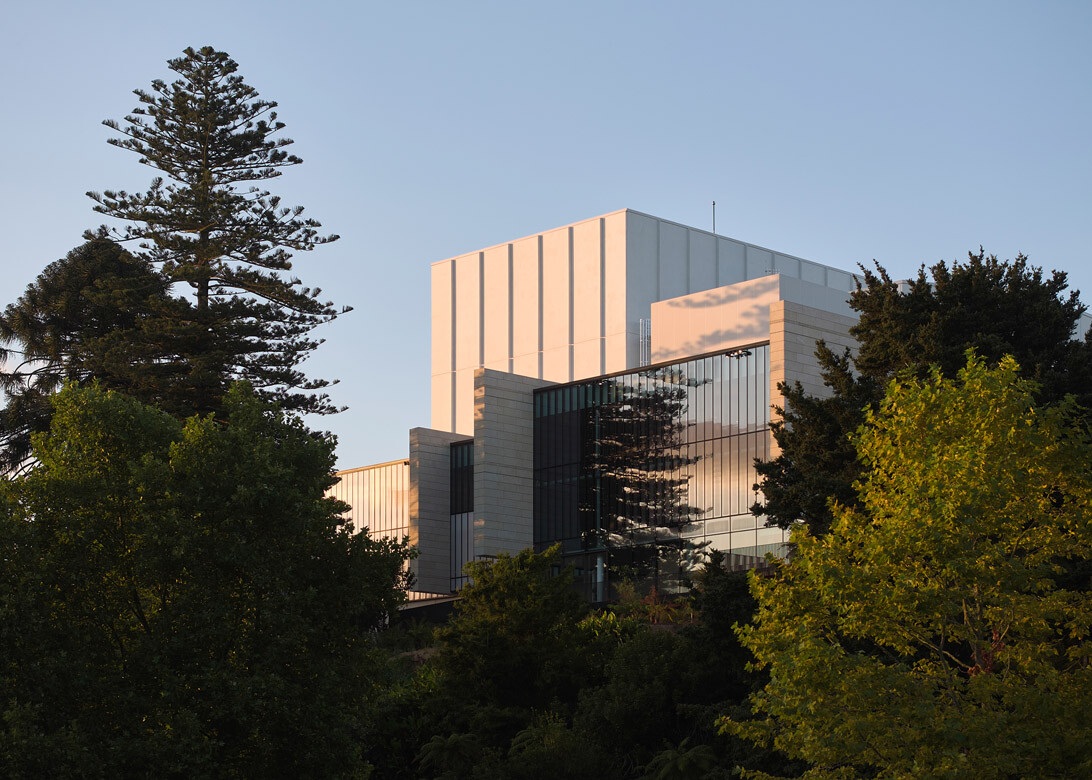
While a huge amount of effort and detailing went into the auditorium, it is just one part of the 8,500-square-metre project. It replaces the earthquake-damaged Founders Theatre, which closed its doors in 2016. The site for the new theatre was chosen after Jasmax visited 30 potential options, eventually landing on the river-fronting 1923 building that was once the Hamilton Hotel. The location is in the centre of New Zealand’s fastest-growing city, key to a wider precinct transformation that aims to be a vibrant catalyst for economic and cultural growth.
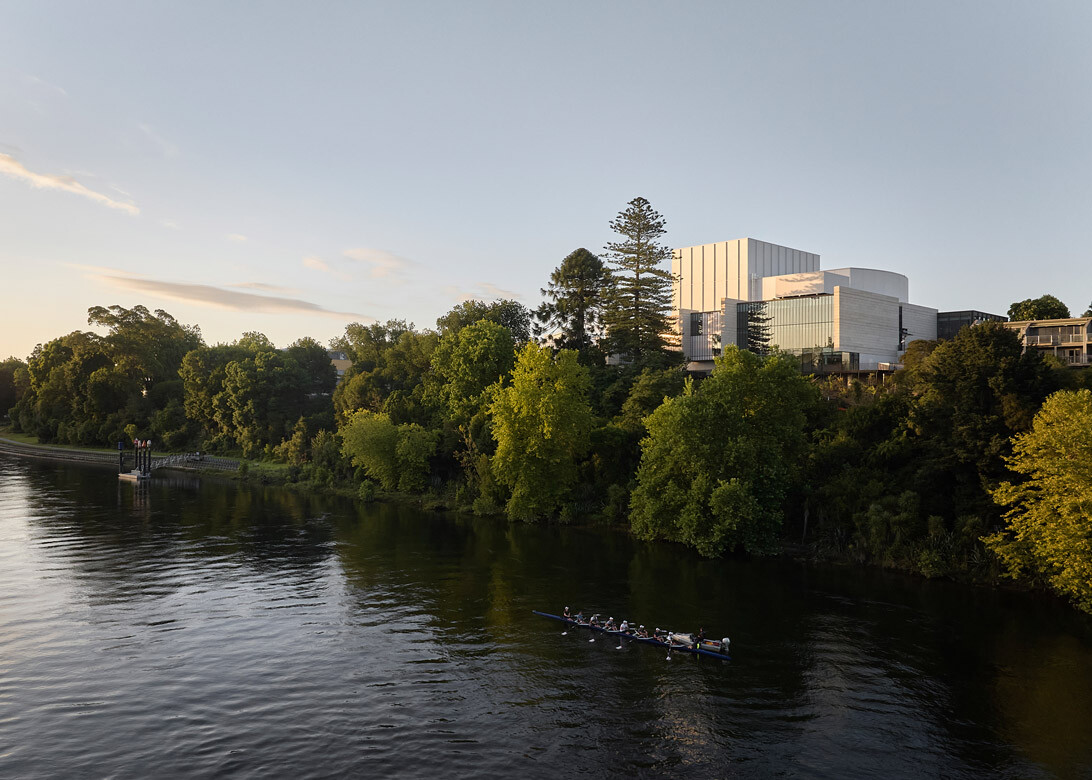
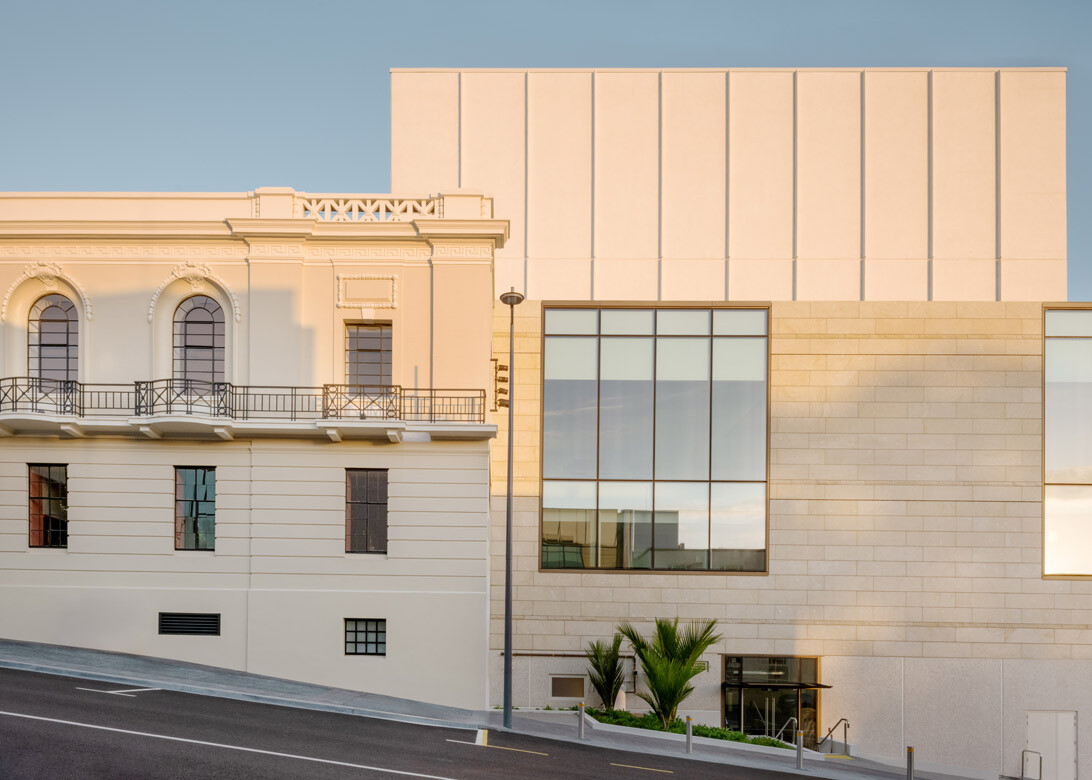
The complex project required Jasmax – which undertook the architecture, interiors and landscaping in a holistic design approach – to balance preserving the much-loved 100-year-old Beaux Arts façade of the former hotel and other heritage considerations while creating a contemporary, technically advanced and inviting space for all.
Related: Mountain cabins of the South Island
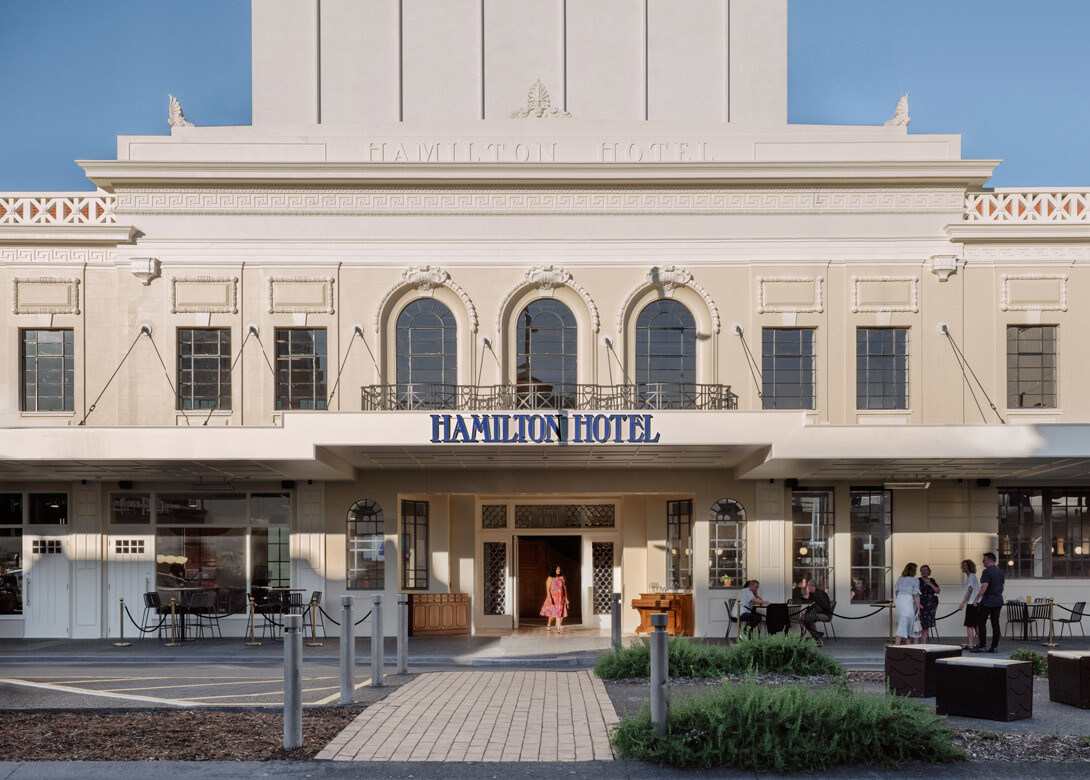
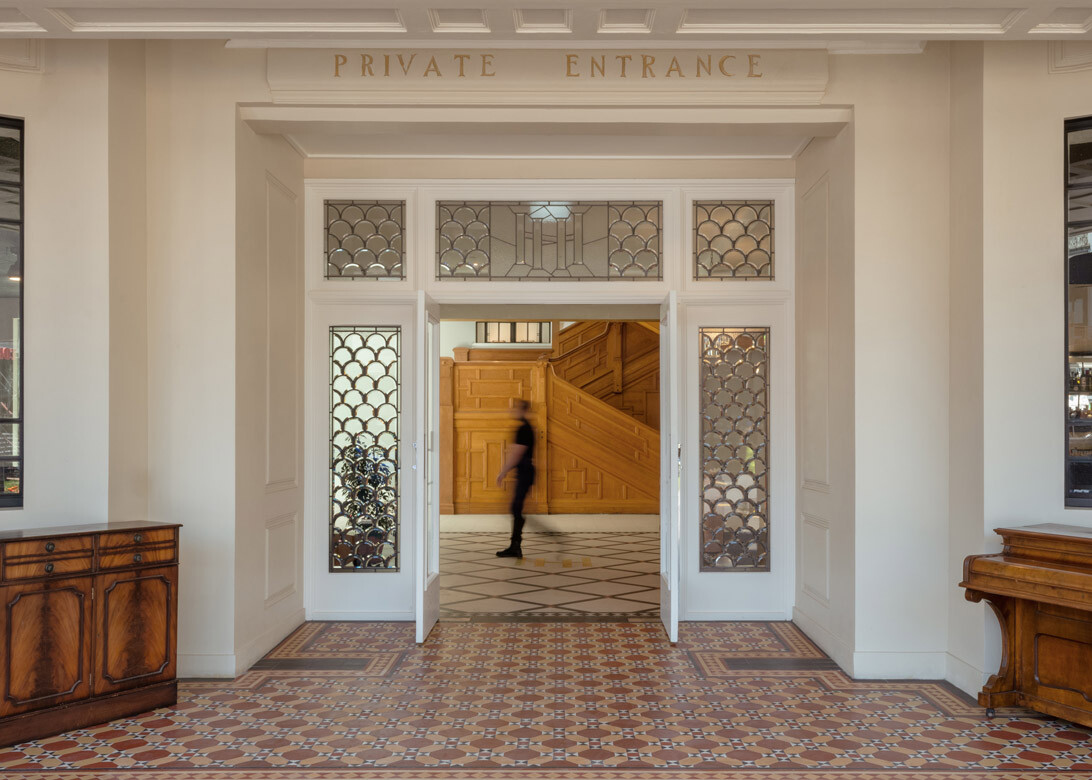
“The key was recognising that heritage and innovation aren’t opposing forces; both are about creating enduring architecture that serves its community across generations,” says David Pugh, Jasmax’s Project Principal.
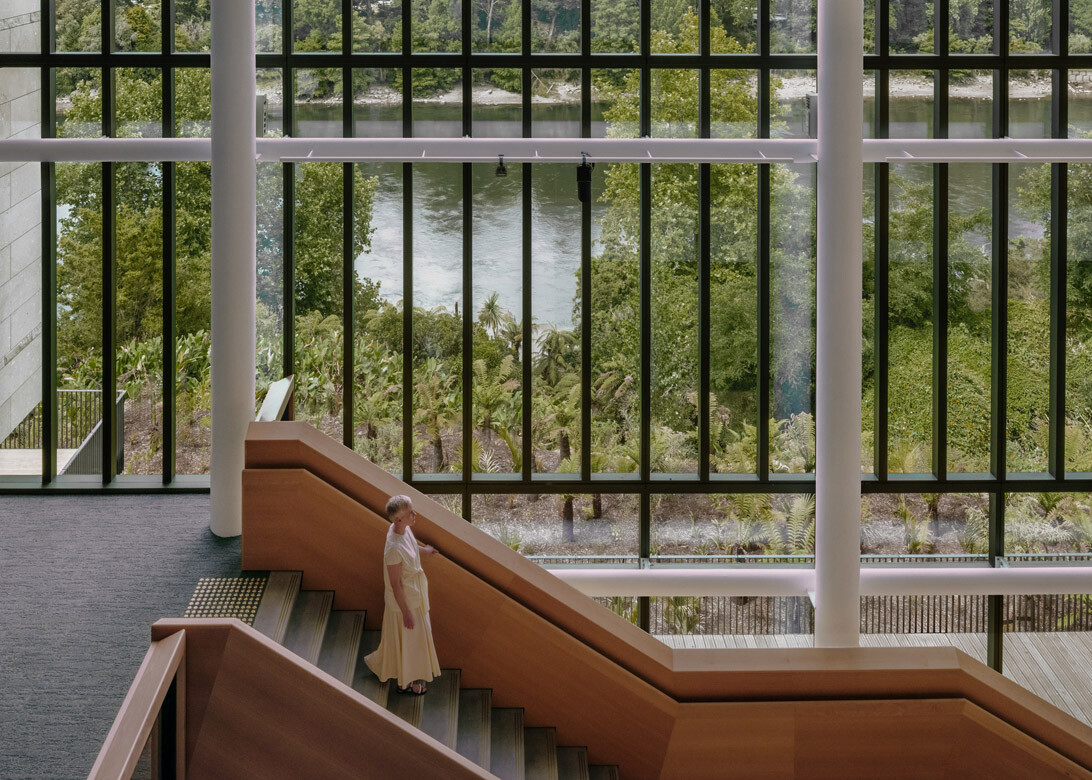
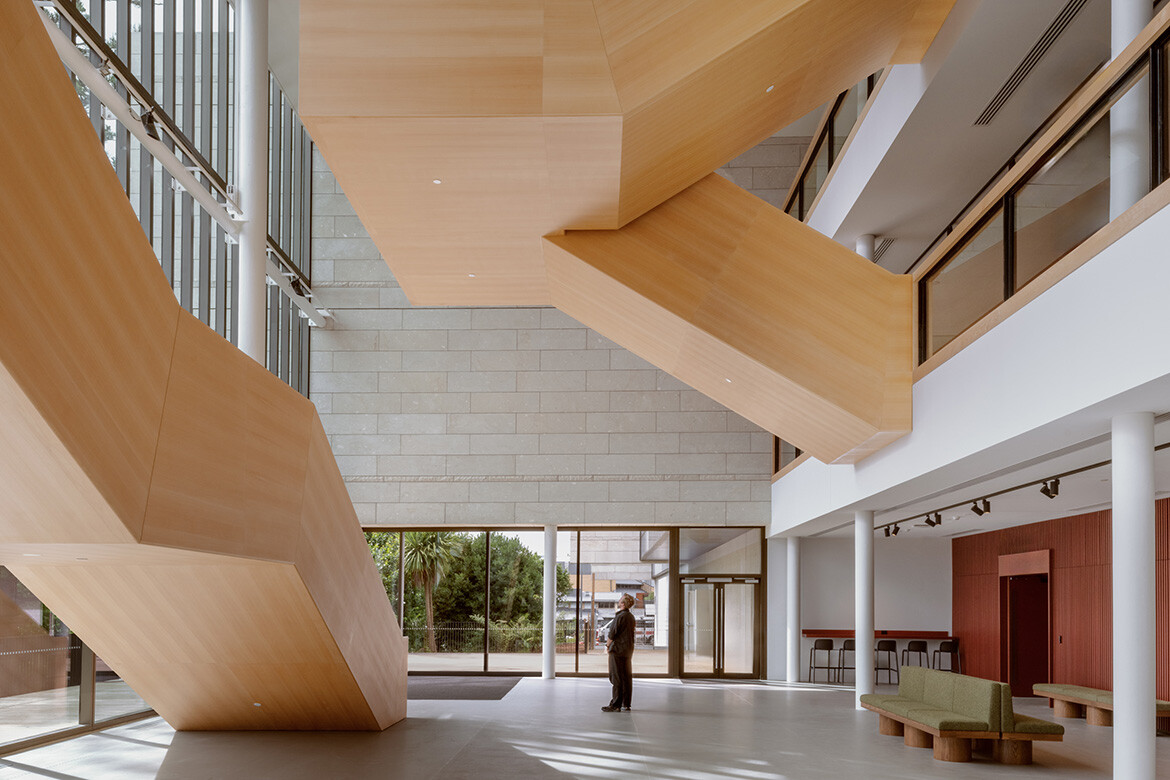
They achieved this balance by maintaining the street-side heritage elements by reinforcing the facade with steel beams as well as integrating other historic interior features (including a staircase from Queen Elizabeth’s Coronation tour apartment). Inside this structure, a new structure was added, opening up the river-facing side of the building through large glass windows.
“The connection to the Waikato River is fundamental to the entire design concept. The river is a taonga (treasure) of Waikato-Tainui and Ngāti Tūwharetoa, holding deep cultural, environmental and spiritual significance,” explains Pugh. “For too long, Hamilton had turned away from its greatest natural and cultural asset. The BNZ Theatre reestablishes that connection.”
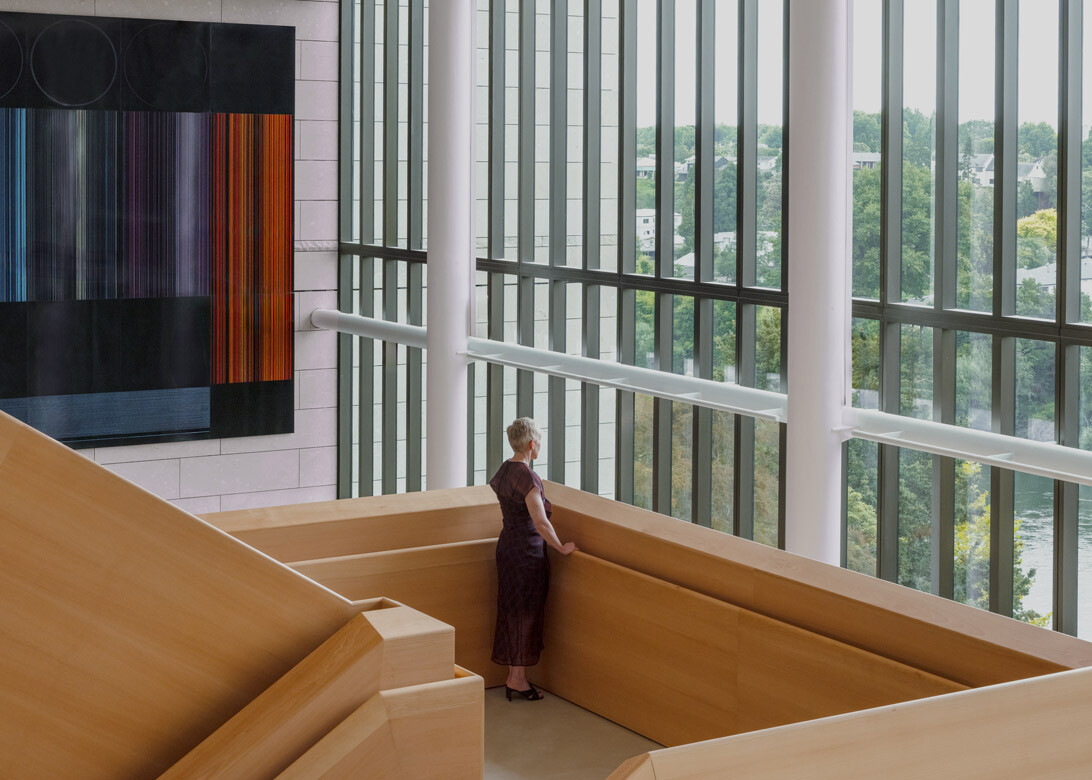
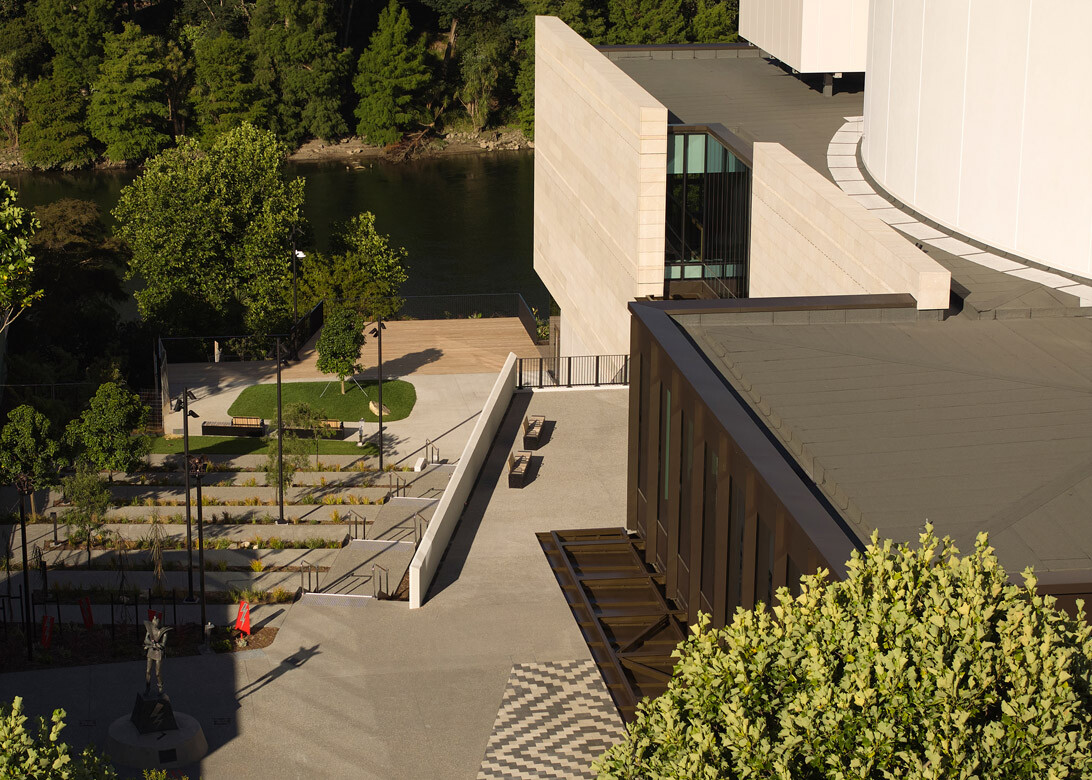
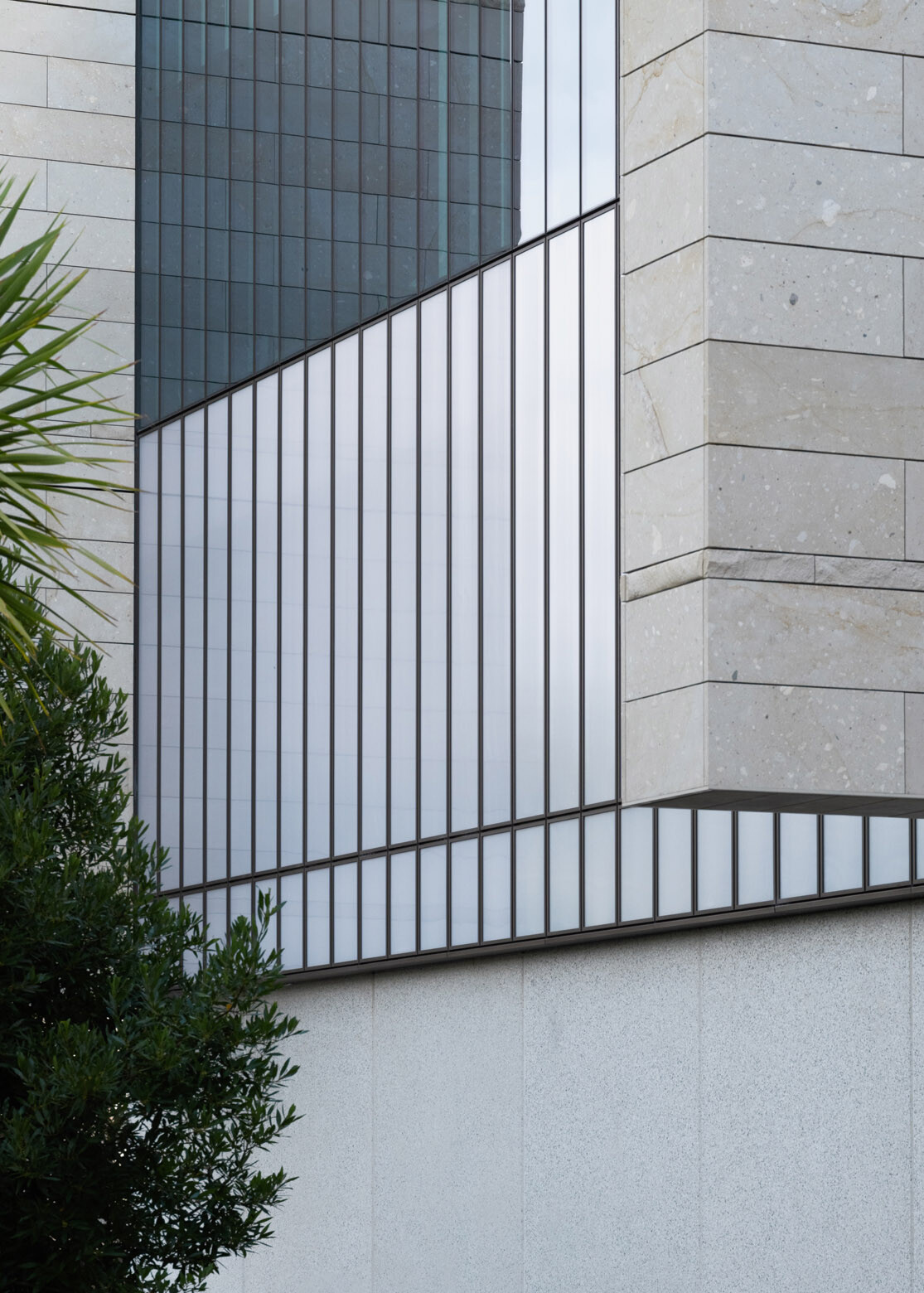
The addition is clad in locally sourced Hinuera stone, a natural volcanic rock. The modern, minimal design pleasingly contrasts with the white and terracotta hotel facade that surrounds it. The landscape design integrates a riverside boardwalk and an outdoor plaza. These elements combine with the transparency of the glass to make “the theatre feel welcoming and accessible, part of Hamilton’s daily life rather than a fortress of high culture,” he adds.
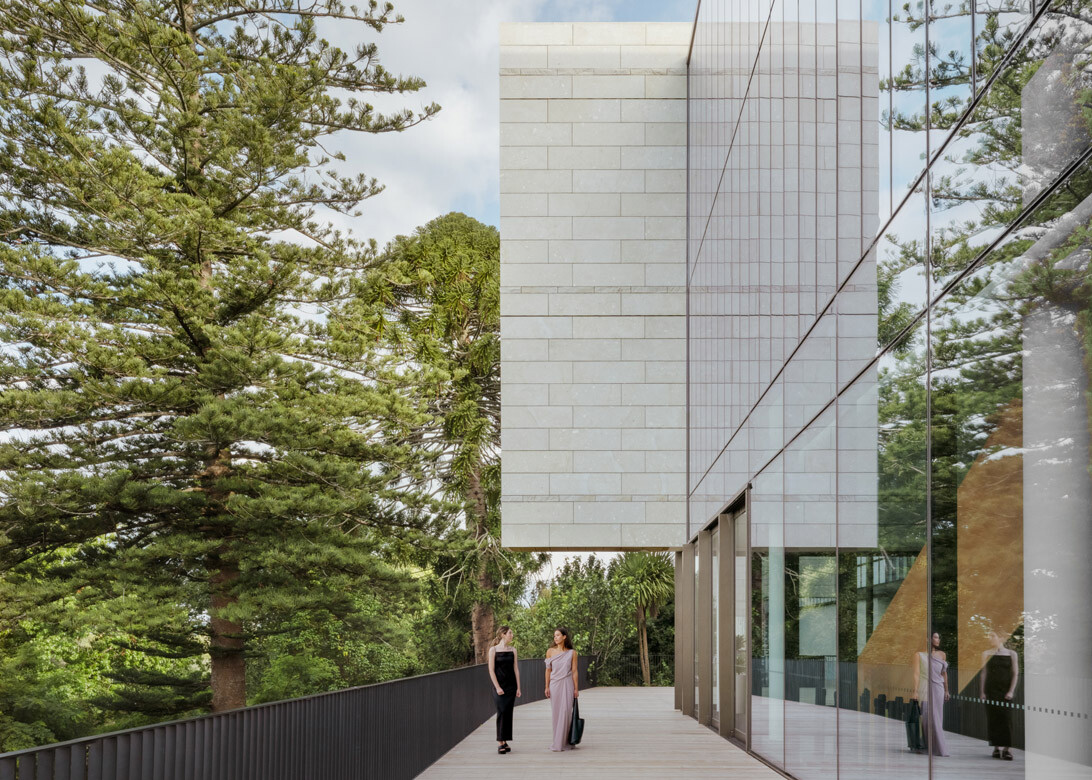
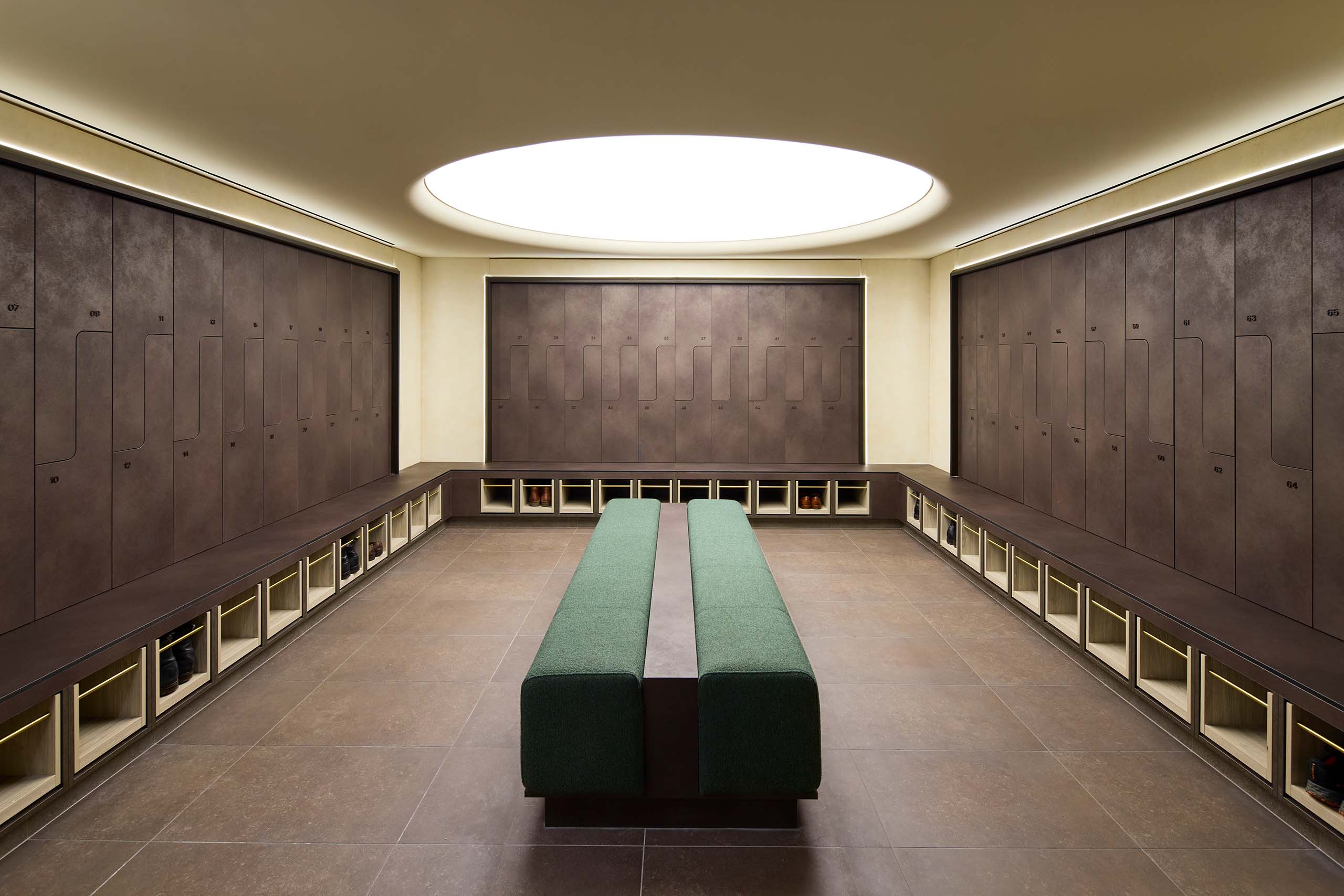
In the spirit of welcoming everyone in, the design and acoustic team worked closely with local communities and arts organisations to understand their needs. This resulted in a generous back-of-house area that can accommodate hundreds of children (and their many bags) at their end-of-year shows, as well as busking spaces for informal performances being integrated into the foyers and public realm zones.
Other considerations, designed to attract national and international touring performances, shaped the design. The New Zealand Symphony Orchestra, for example, required a turning circle for B-train access. Furthermore, a scene dock with ample light and space for setting up scenery and equipment was prioritised.
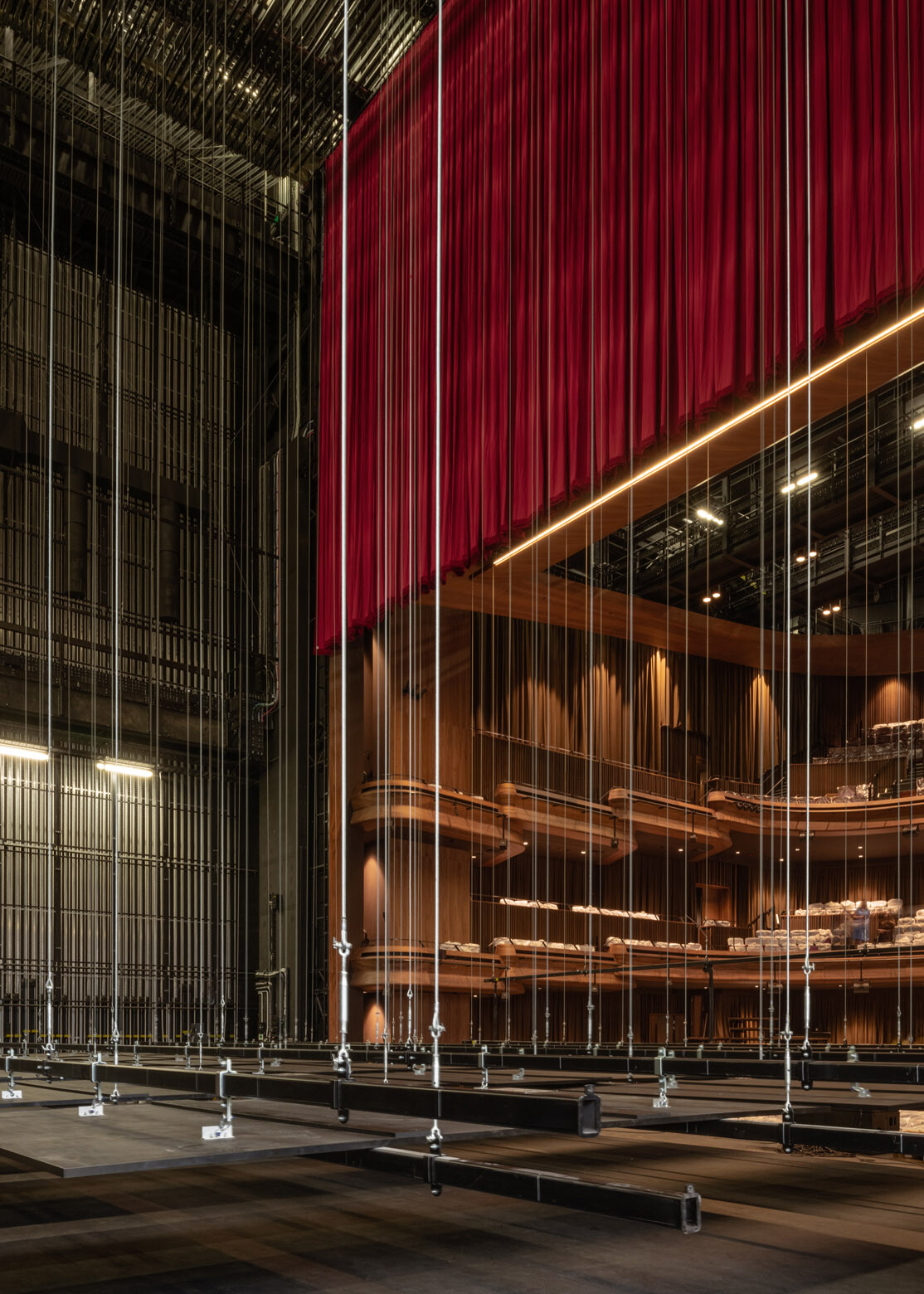
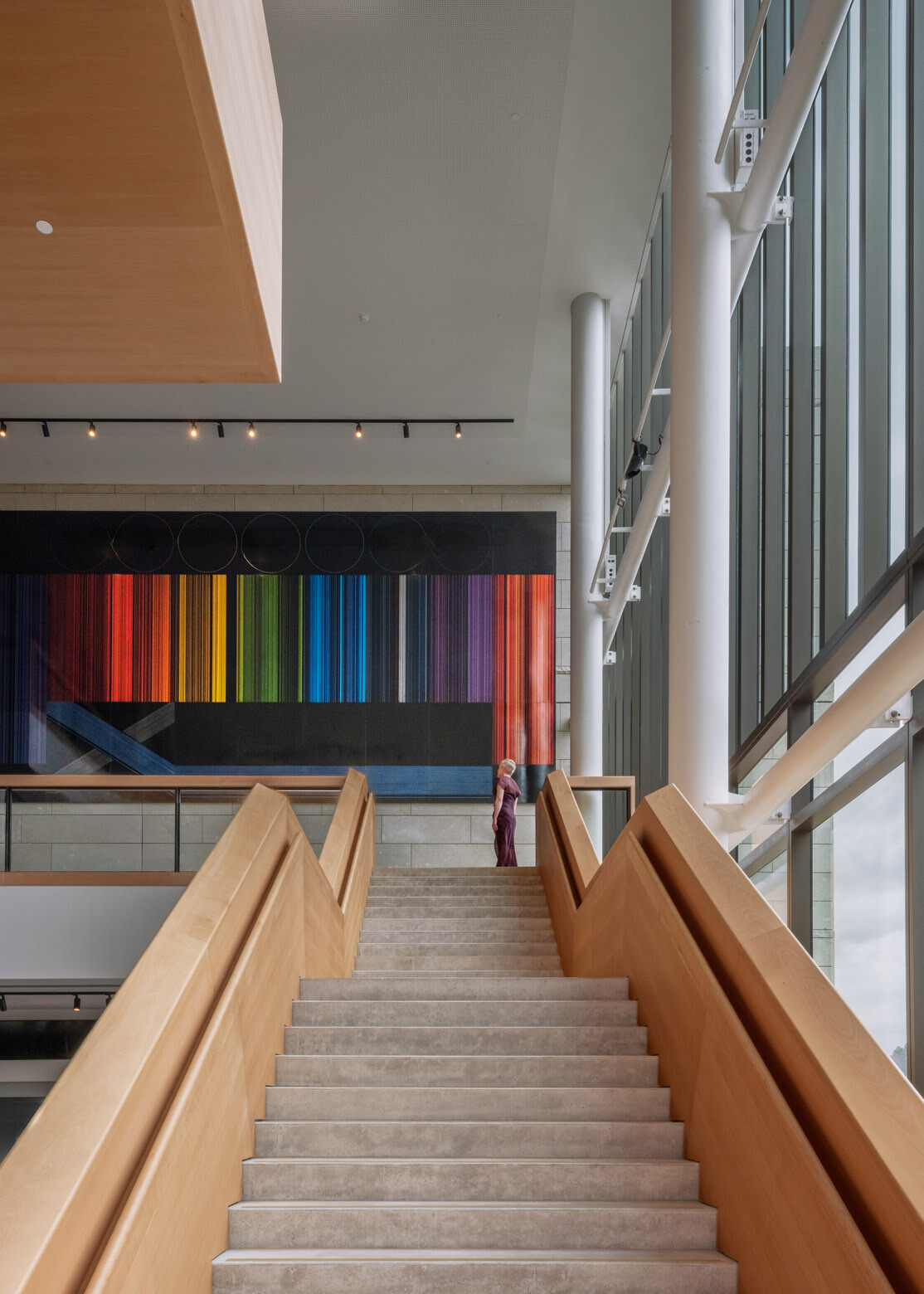
Opened in January 2026, the BNZ theatre was a decade in the making. It overcame significant hurdles, including Covid interruptions, funding struggles, heritage complexities and rising material costs. Now that its doors are open and the stage is full, Pugh says, “we’re most proud that the theatre delivers on its promise to serve multiple communities and purposes. It operates at the highest international standards while remaining deeply rooted in its place and accessible to local productions, youth theatre and emerging Waikato performers.”
Jasmax
jasmax.com
Charcoalblue
charcoalblue.com
Photography
Sam Hartnett & Jasmax