The home of architecture and design in the Asia-Pacific
Get the latest design news direct to your inbox!

Get the latest design news direct to your inbox!
Led by SJB, Newcastle Quay is imagined as a mixed-use waterfront precinct where housing, hospitality, public space and heritage work together to reconnect Newcastle with its harbour.
May 25th, 2026
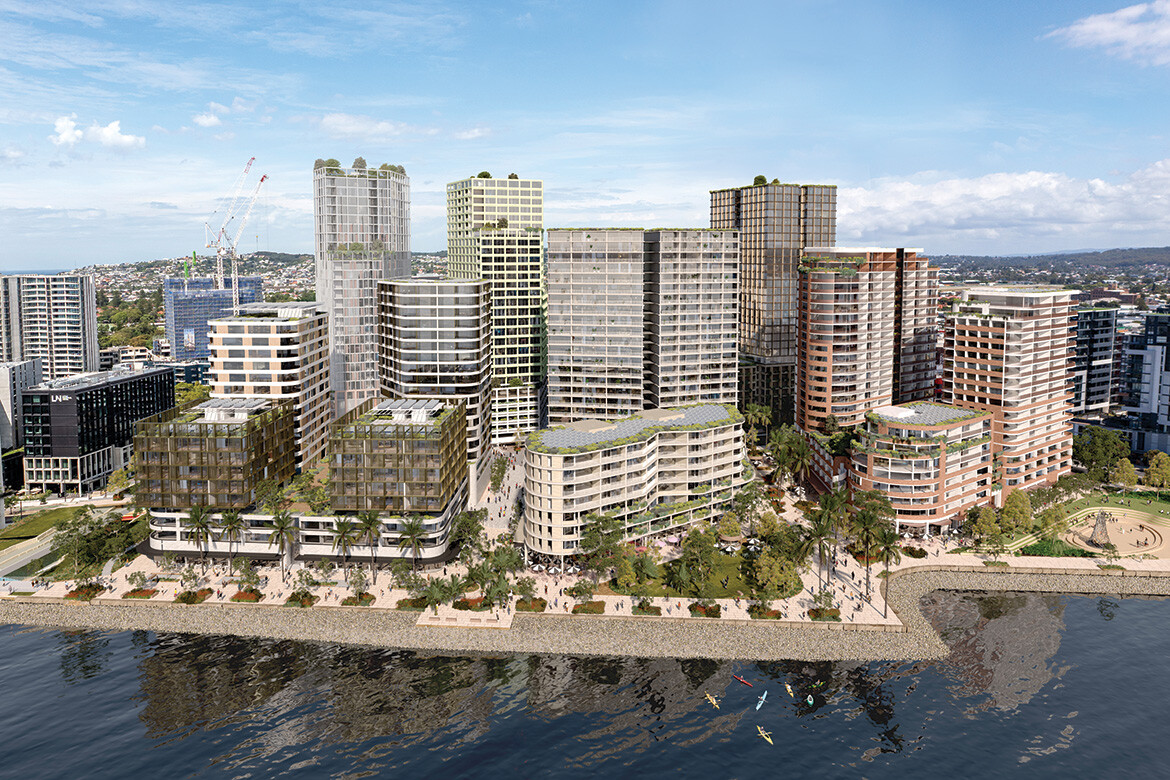
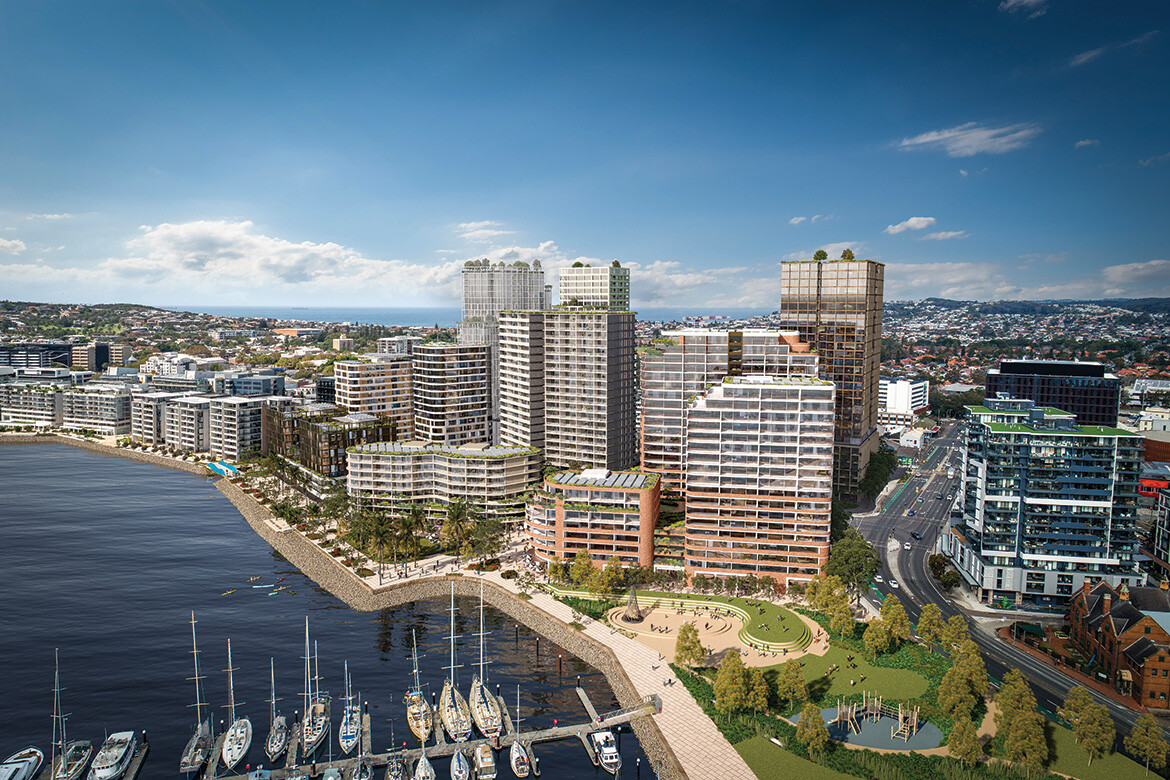
Newcastle’s harbour edge is set for a major new chapter with the unveiling of Newcastle Quay, a large-scale waterfront precinct by DOMA Group, with SJB leading the masterplan and executive architecture.
Occupying a prominent site along the Honeysuckle foreshore, the project is conceived less as a singular development than a new piece of city. Across the precinct, more than 1000 homes will sit alongside commercial, retail, hotel and cultural uses, forming a mixed-use neighbourhood intended to extend the city towards the water and bring everyday public life back to the harbour.
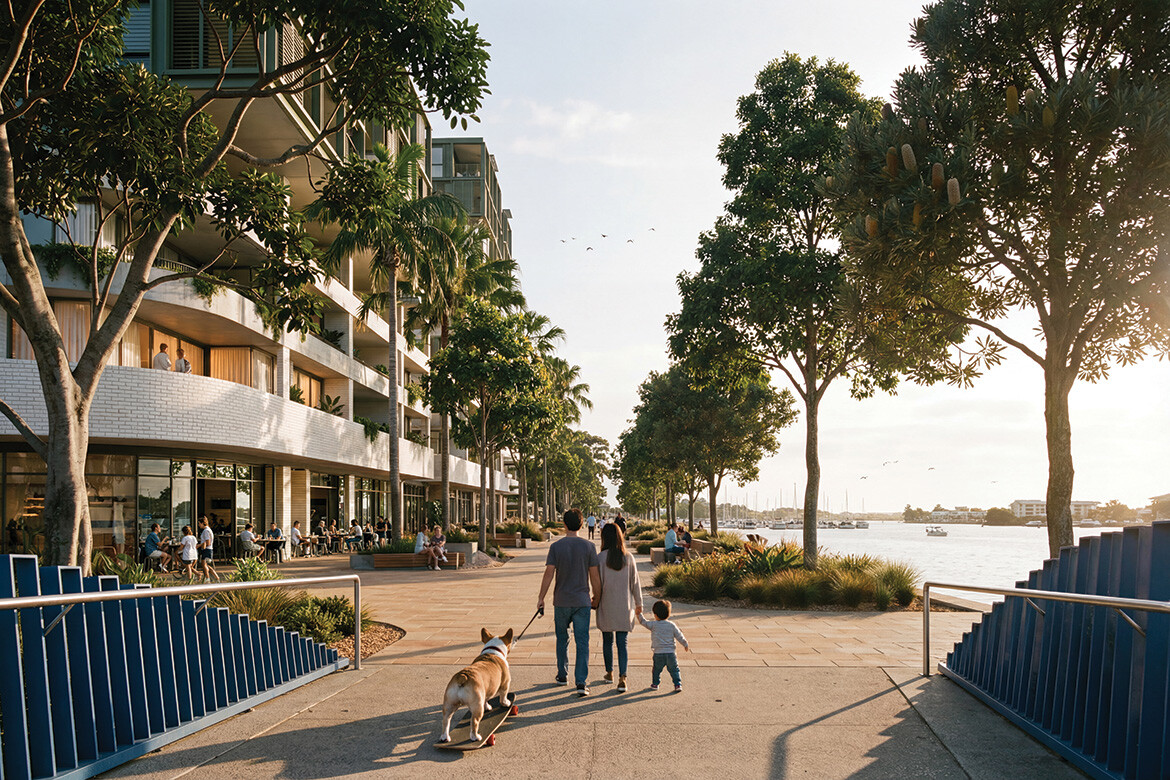
For SJB, Newcastle Quay is structured around social connection, with a fine-grain network of streets, laneways and open spaces that draw movement through the site and towards the waterfront. The harbour defies being a boundary, instead the masterplan positions it as the precinct’s civic centre: a place to arrive, gather, pass through and stay.
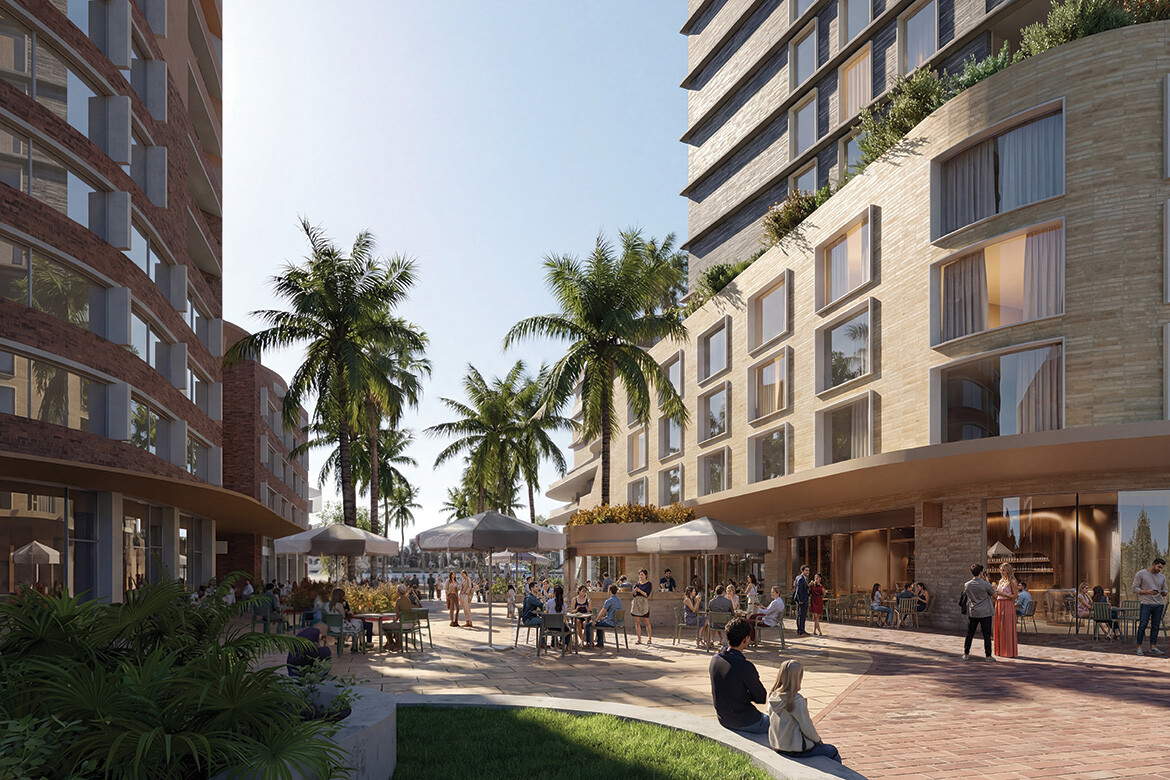
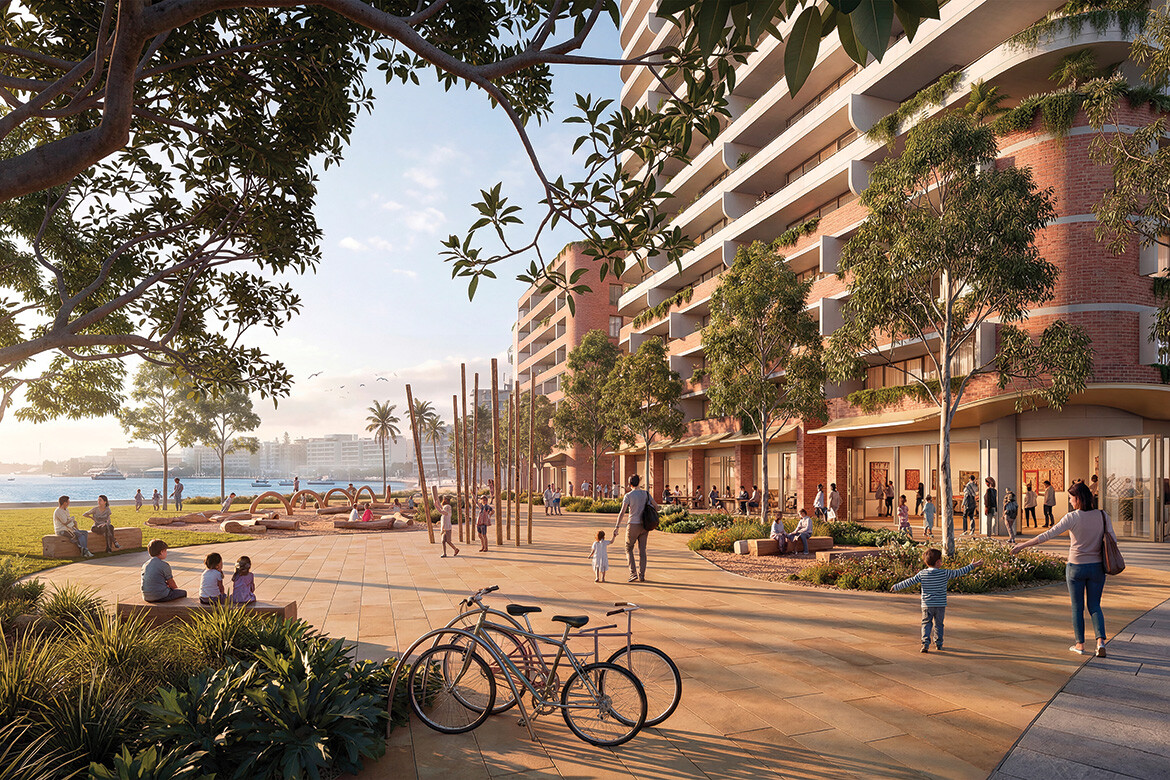
More than 11,000 square metres of public open space is planned across the site, including Honeysuckle Green and the Tree of Knowledge Park. These spaces form a sequence of plazas, green edges and waterfront rooms, designed to support both daily use and larger public events. At ground level, retail, dining and cultural programming are intended to keep the precinct active from morning into the evening.
Related: AJC Architects’ Southern Lookout opens Hornsby quarry to the public
Mid-rise street edges establish a consistent urban scale, while more slender towers are positioned to preserve light and openness. The emphasis is not simply on individual buildings, but on how those buildings shape streets, parks and harbour-facing spaces.
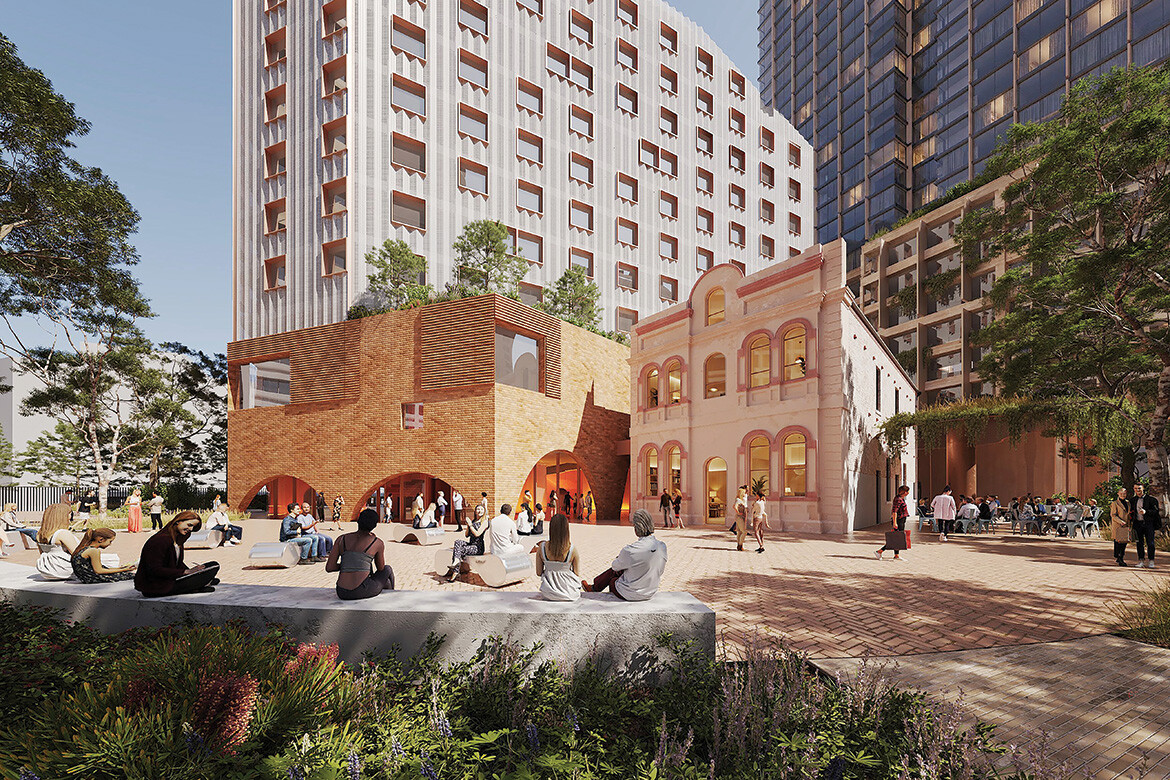
A significant part of the precinct’s identity will be shaped by the heritage-listed Wickham School of Arts, which is to be repurposed as part of a 180-room hotel and 500-seat conference and exhibition centre. Its retention gives the project a civic anchor, with a landscaped forecourt and active ground plane designed to draw heritage into the everyday life of the precinct.
SJB has developed the masterplan in collaboration with Stewart Architecture, Architecture AND and Curious Practice, with landscape design by Turf Design Studio. The approach brings together a range of architectural voices within a broader urban framework, allowing the precinct to feel layered rather than monolithic.
For Emily Wombwell, Partner at SJB, the project carries a personal dimension. Raised in Newcastle, Wombwell describes the work as an opportunity to shape a place deeply tied to the city’s identity.
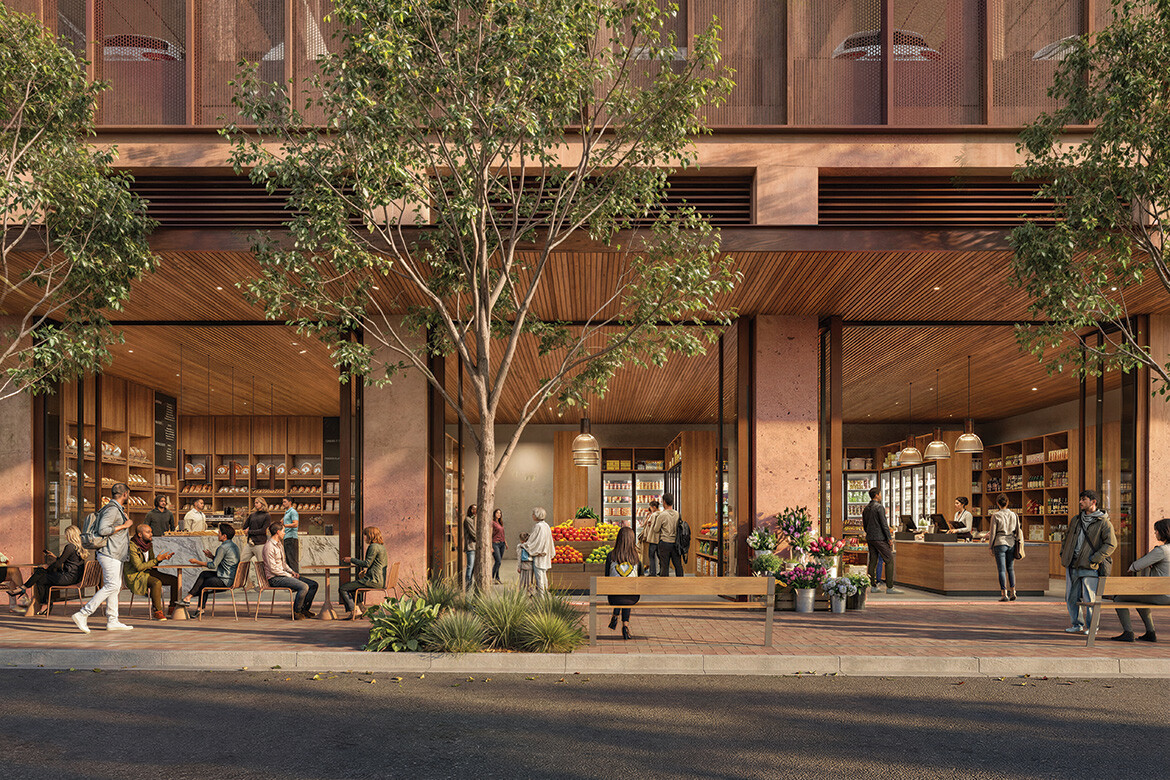
“Having grown up in Newcastle, this project is deeply personal. It’s rare to have the opportunity to shape a place you already have such a strong connection to — especially one that plays such a defining role in the city’s identity,” she says.
Her view of the project is grounded in the everyday experience of the city: how people move, meet, pause and return. “Newcastle Quay represents a shift in how the city engages with its harbour. It moves the waterfront from the edge of the city to its centre — creating a place that is open, active and part of everyday life.”
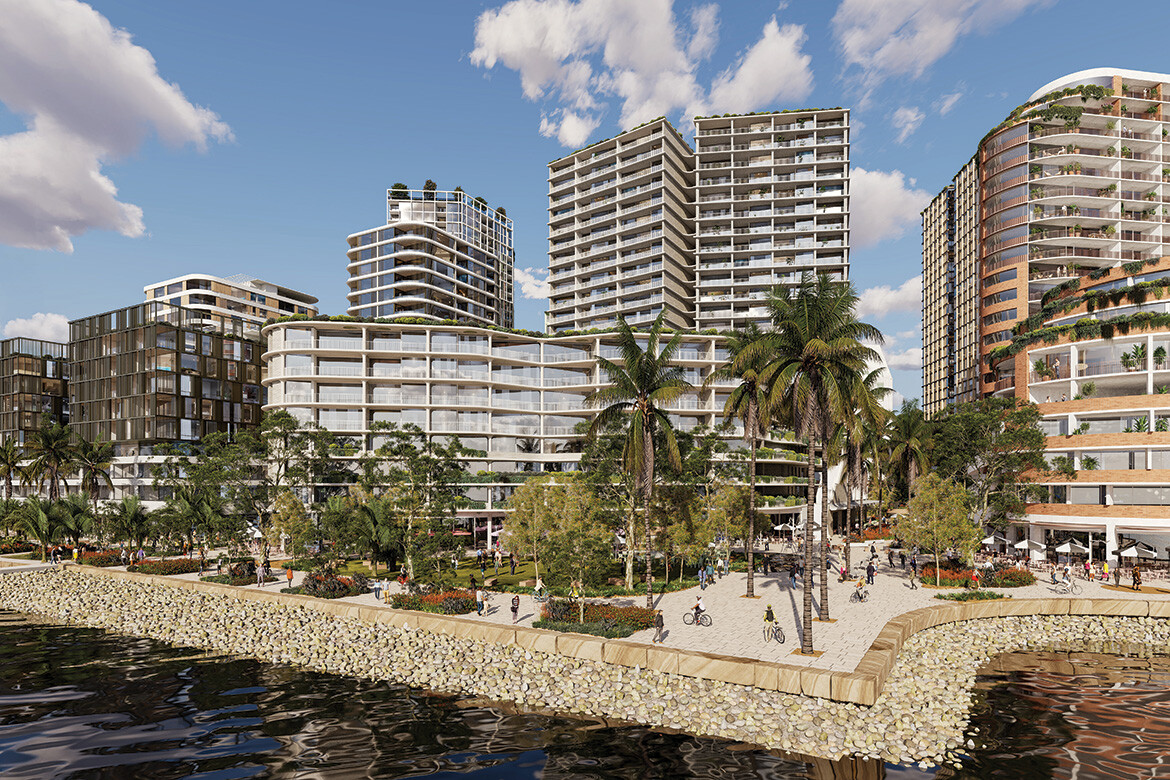
Sustainability also sits within the urban thinking of the project, with the precinct targeting Green Star certification across both Communities and Green Star Buildings rating tools. Pedestrian and cycling connections, public art, cultural spaces and accessible open areas are all part of the broader ambition to create a precinct that feels generous, connected and distinctly local.
As the final stretch of the Honeysuckle foreshore is drawn into the city, Newcastle Quay proposes a more porous relationship between Newcastle and its harbour. Its success will depend not only on scale, but on the quality of its edges: the shaded laneway, the public park, the heritage forecourt, the room to pause by the water.
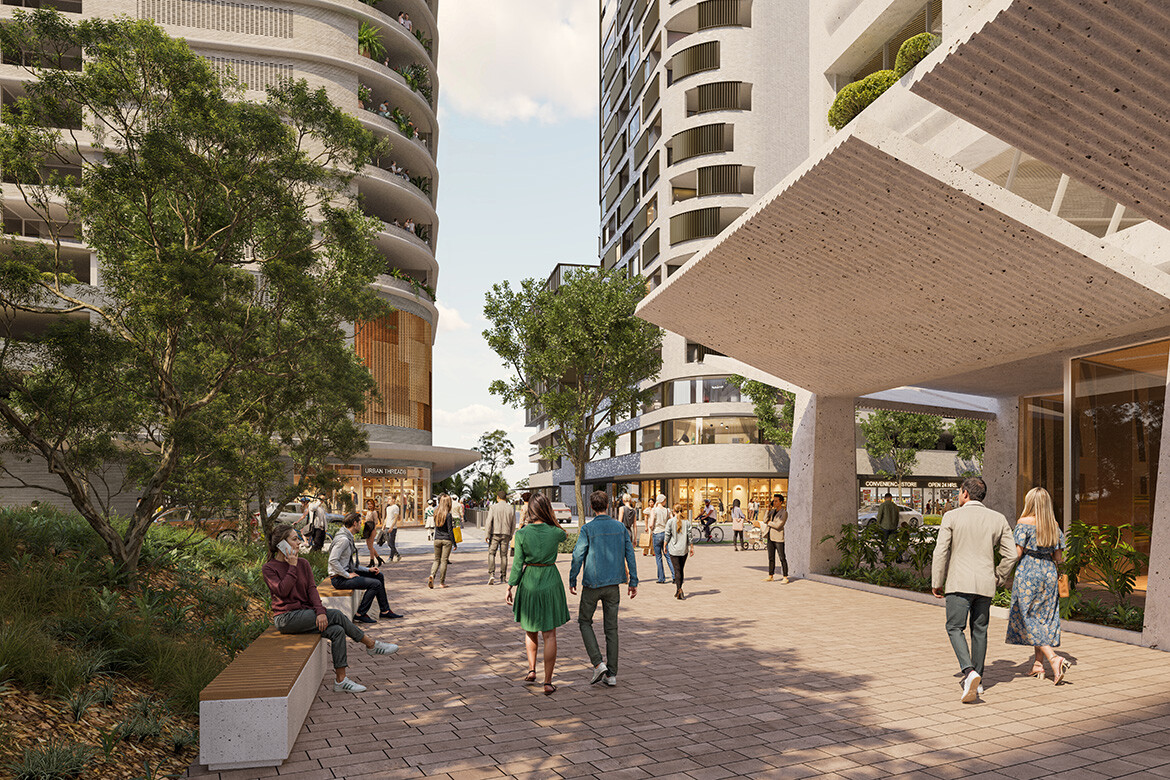
In that sense, SJB’s work is less about producing a new landmark than setting the conditions for public life to unfold.
SJB
sjb.com.au
Photography
Artist’s concept render, subject to approvals. Image courtesy of DOMA Group.
INDESIGN is on instagram
Follow @indesignlive
A searchable and comprehensive guide for specifying leading products and their suppliers
Keep up to date with the latest and greatest from our industry BFF's!
The internet never sleeps! Here's the stuff you might have missed