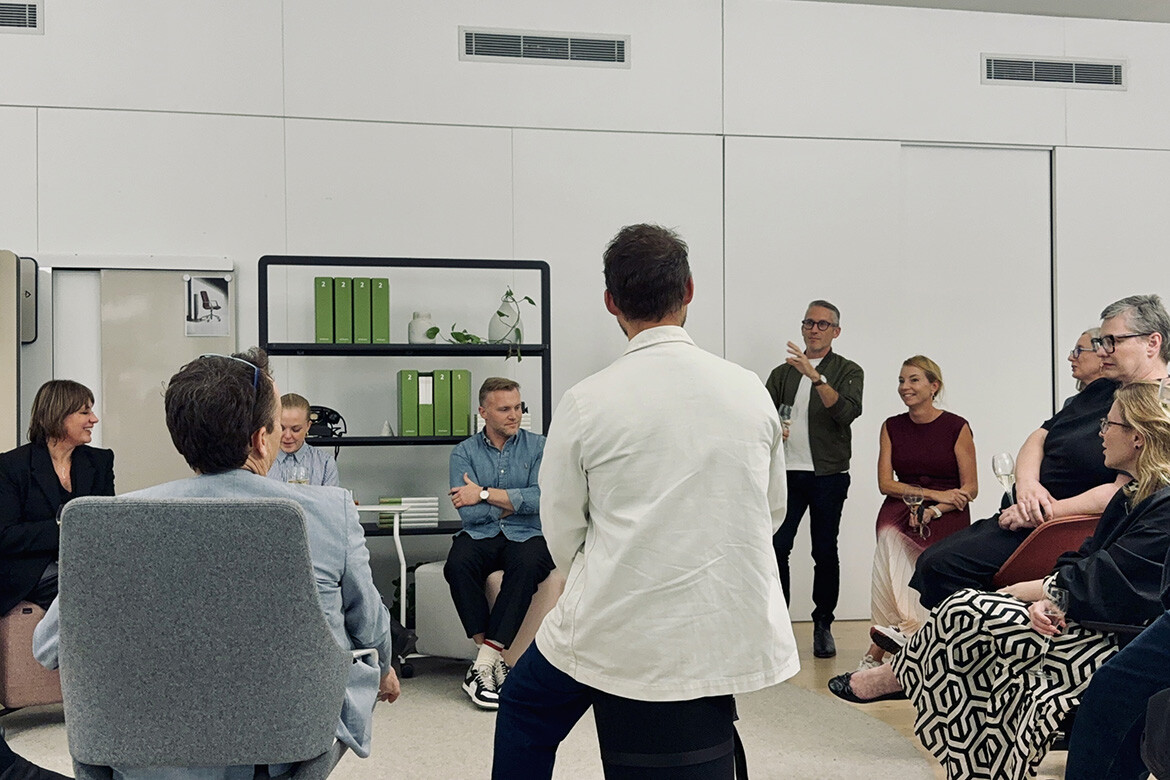
As part of our ongoing series of intimate editorial gatherings, Indesign recently partnered with Wilkhahn to host a conversation around a topic that feels increasingly relevant — and difficult to define: the office.
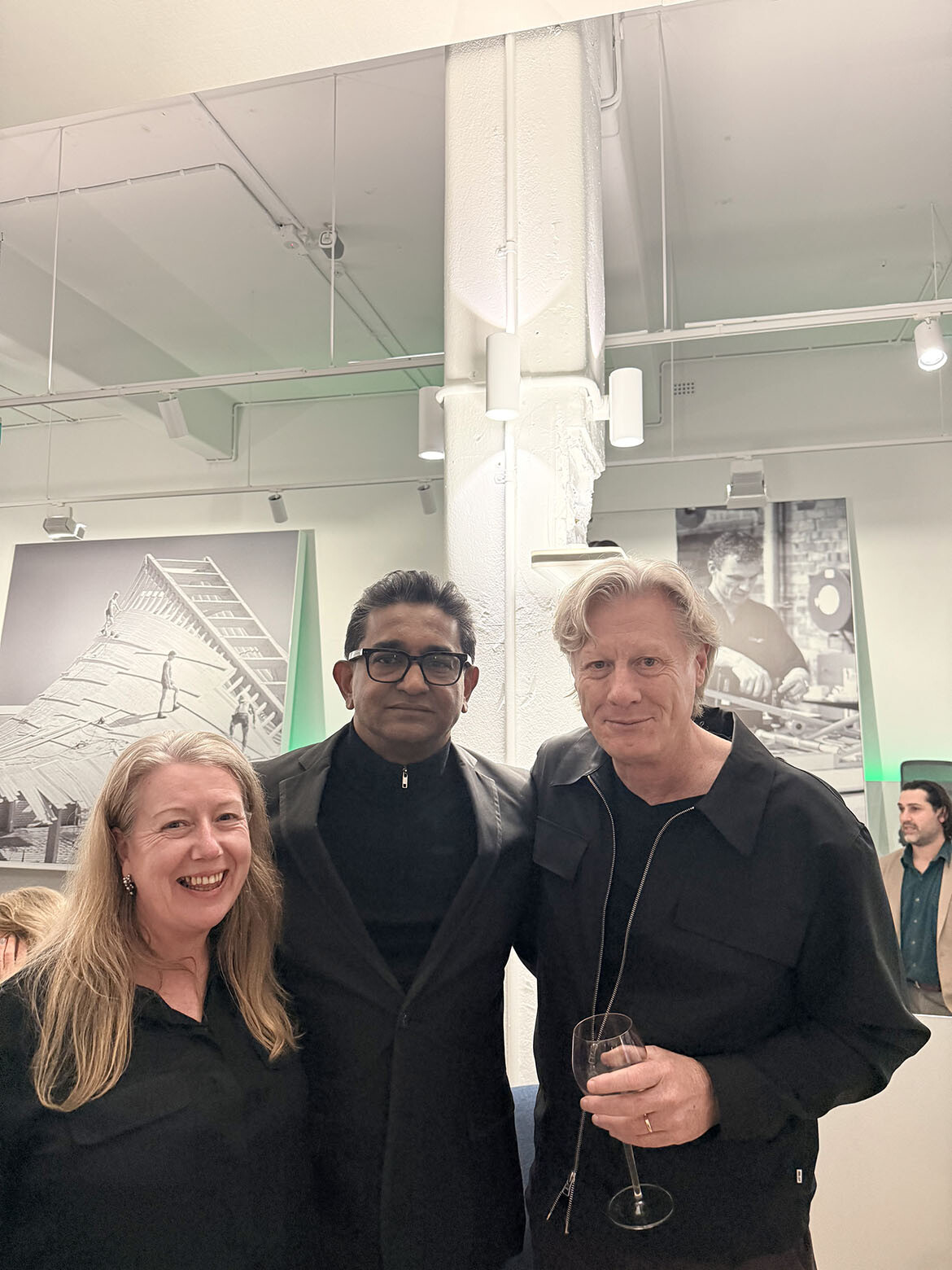
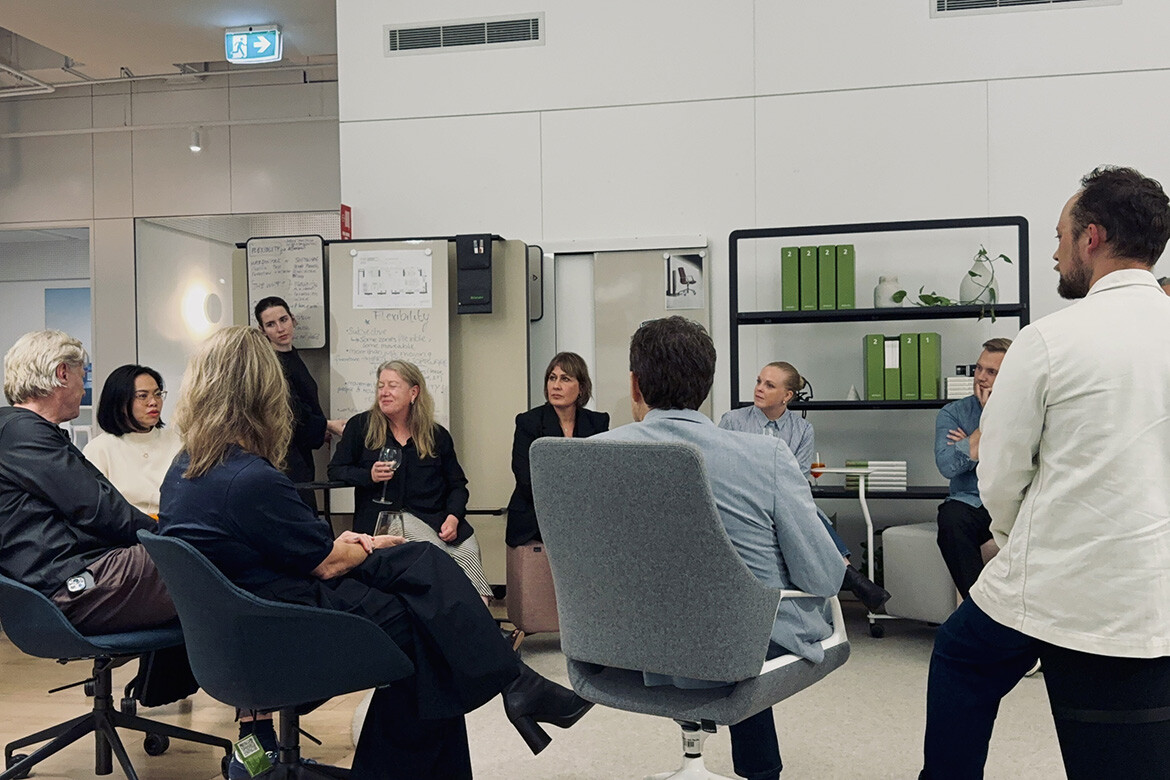
Hosted at the Wilkhahn Forum in Sydney, The Office as a Stage brought together a small group of architects and designers to discuss flexibility, technology and the ways contemporary workplaces support different forms of interaction and collaboration.
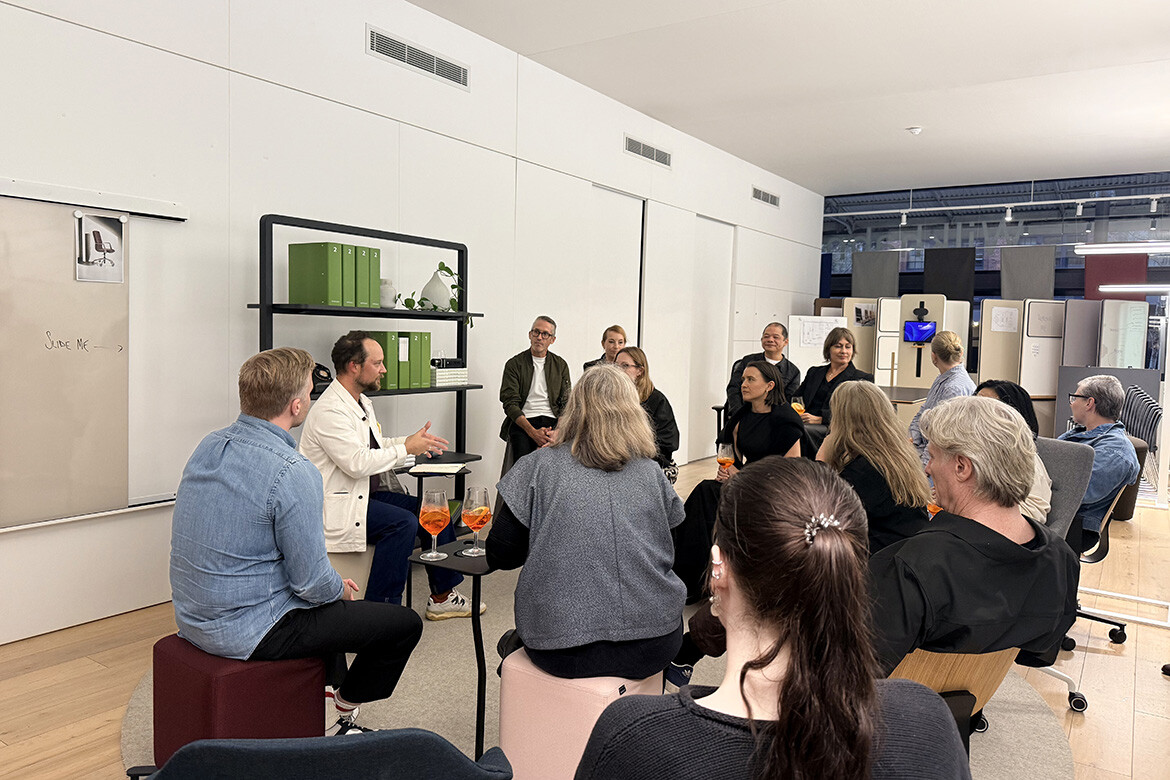
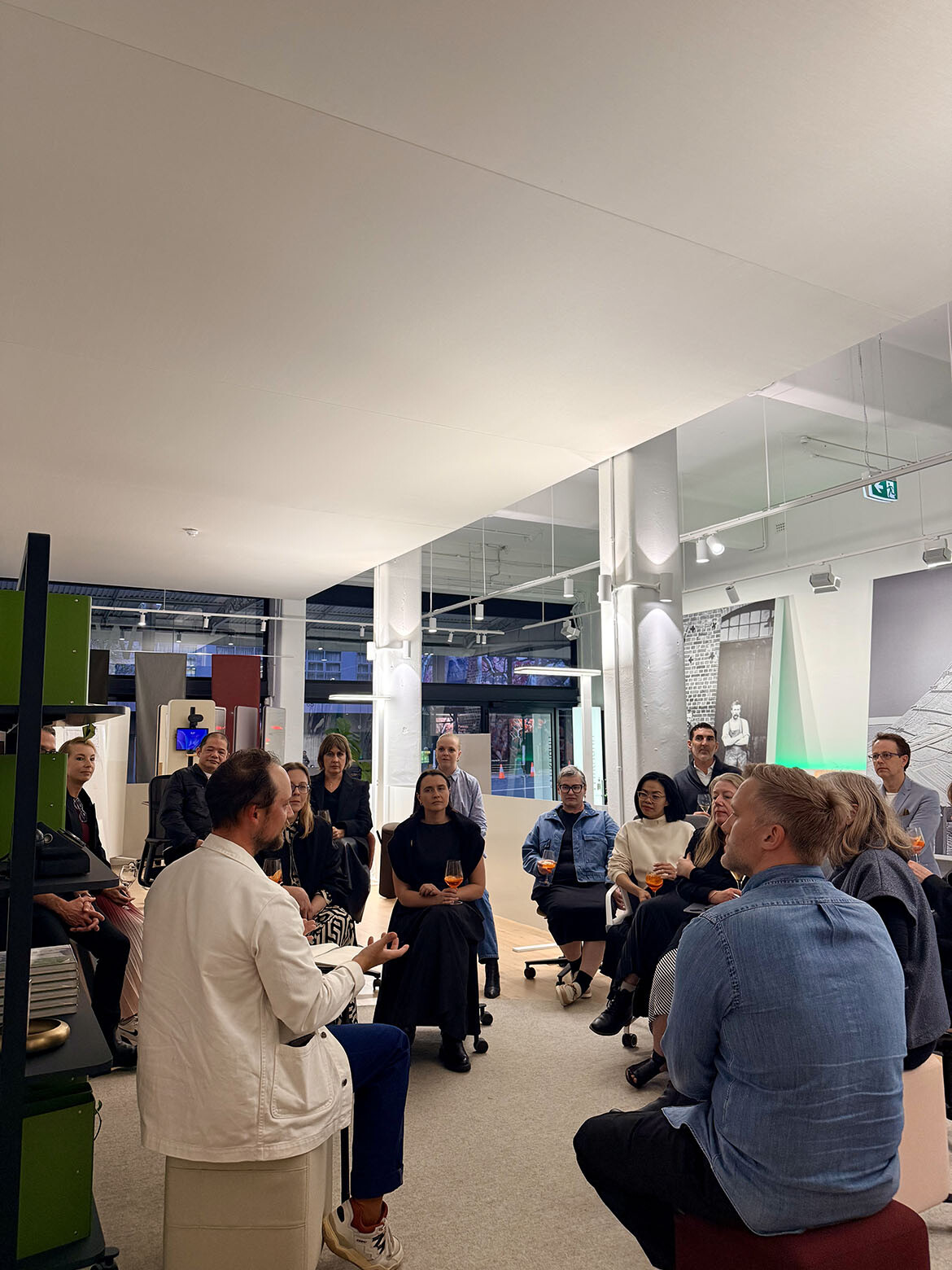
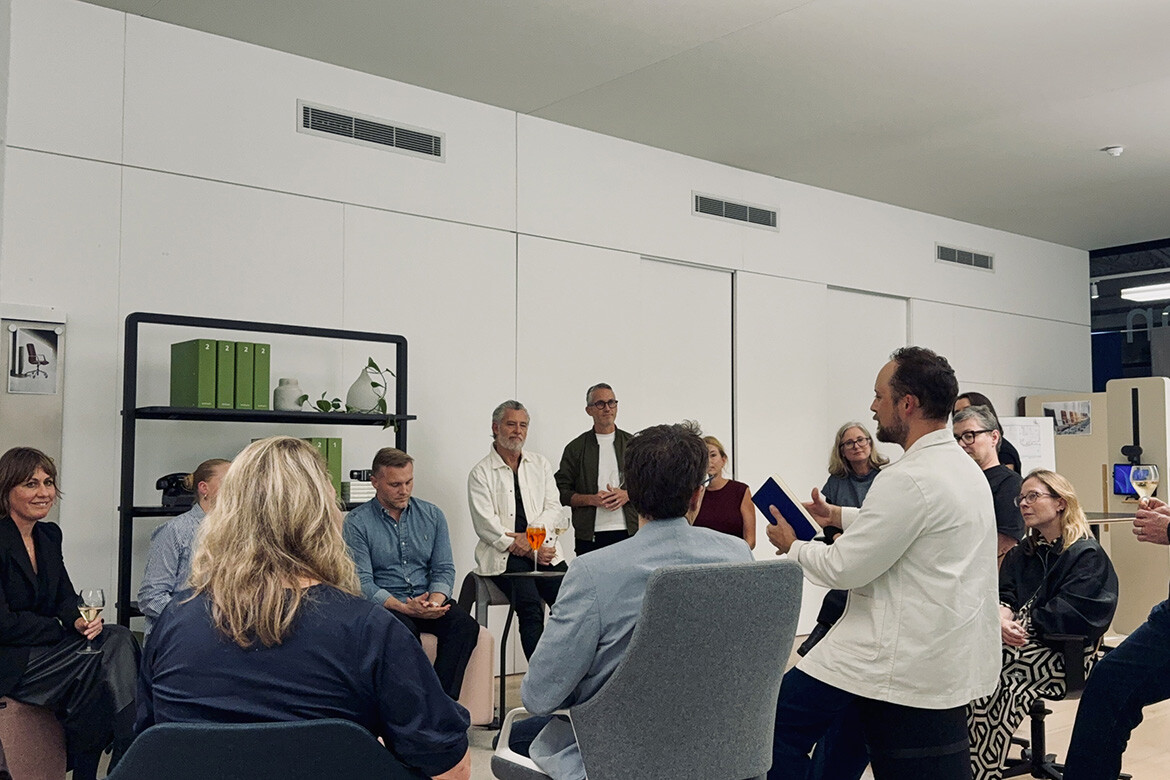
Rather than a panel discussion, the format was deliberately conversational. Participants were invited to move furniture, reconfigure settings and use the showroom itself as a testing ground for ideas. Wilkhahn’s Confair Next system formed part of the discussion environment, allowing the room to shift between small-group conversations, workshop-style settings and collective discussion throughout the afternoon.
Certainly, the setup reinforced one of the event’s central themes: rather than treating flexibility as an abstract workplace concept, participants experienced it directly through movable stools, mobile Liteboards and Mixboards and a Media Wall that supported both analogue and digital forms of collaboration.
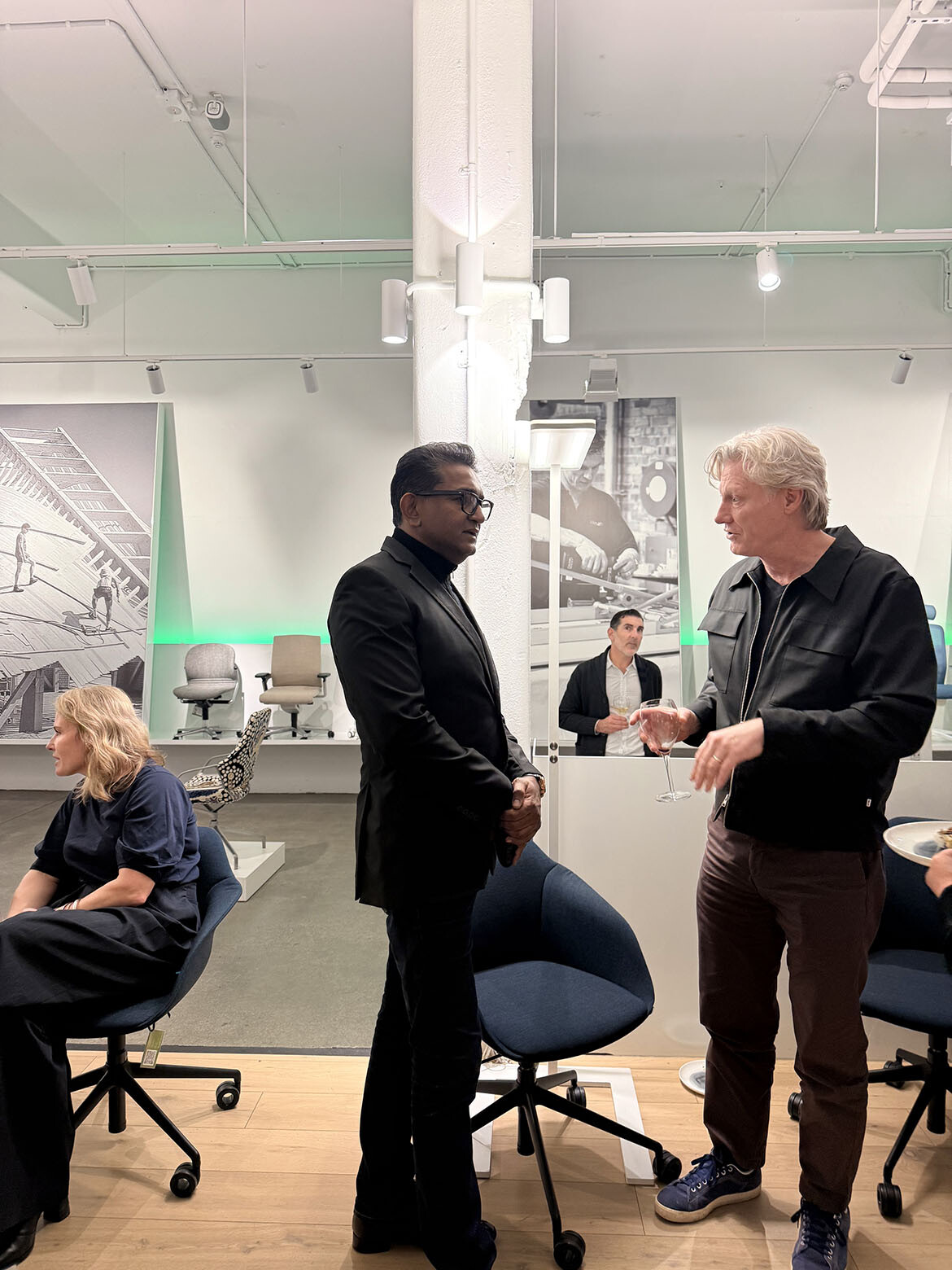
1. Flexibility means different things to different people
Perhaps the strongest point of agreement was that flexibility has become one of workplace design’s most overused terms.
The discussion circled around how flexibility is often treated as a universal goal despite meaning very different things depending on context. A workplace can be physically flexible through movable furniture and adaptable layouts, but flexibility can also be organisational — shaped by policies, technology, headcount, leasing arrangements and workplace culture.
One participant suggested that adaptability may now be the more useful word. Rather than endlessly reconfiguring spaces, the challenge is creating environments capable of responding to change over time.
2. The question is not whether technology belongs in the workplace
Most attendees agreed that technology will continue to become more deeply integrated into workplace environments, often in ways that are invisible. The conversation was less about whether technology should be present and more about how it is deployed.
Different workplace sectors clearly have different technological requirements, but there was broad agreement that technology works best when it is there to support people. Indeed, the idea of technology becoming more ‘pro-human’ emerged several times throughout the discussion.
3. Hardware and software both shape workplace experience
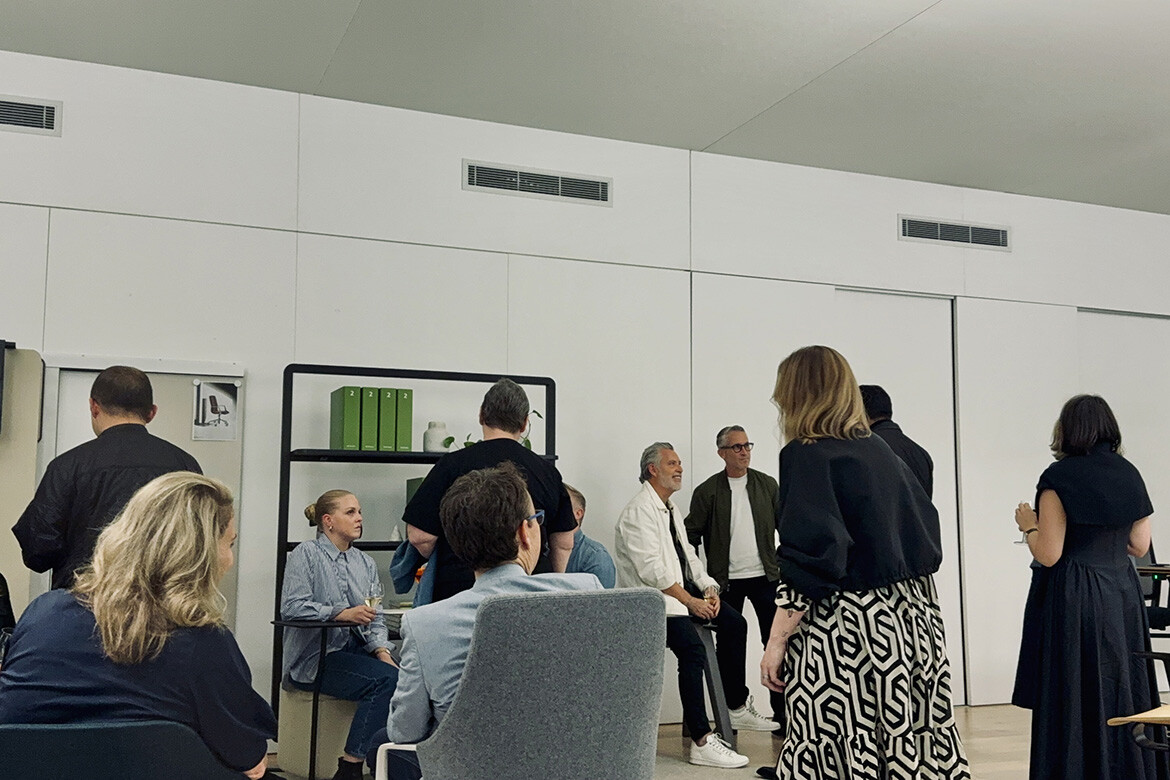
An interesting distinction emerged between the physical and operational dimensions of workplace design. Furniture, infrastructure and spatial planning were described as the workplace’s hardware. In turn, policies, behaviours, permissions and organisational culture became its software.
The discussion reinforced the idea that workplace design increasingly operates across both realms at once.
Related: Attendee Neill Johanson on offline connections
4. Human connection remains the reason people come together
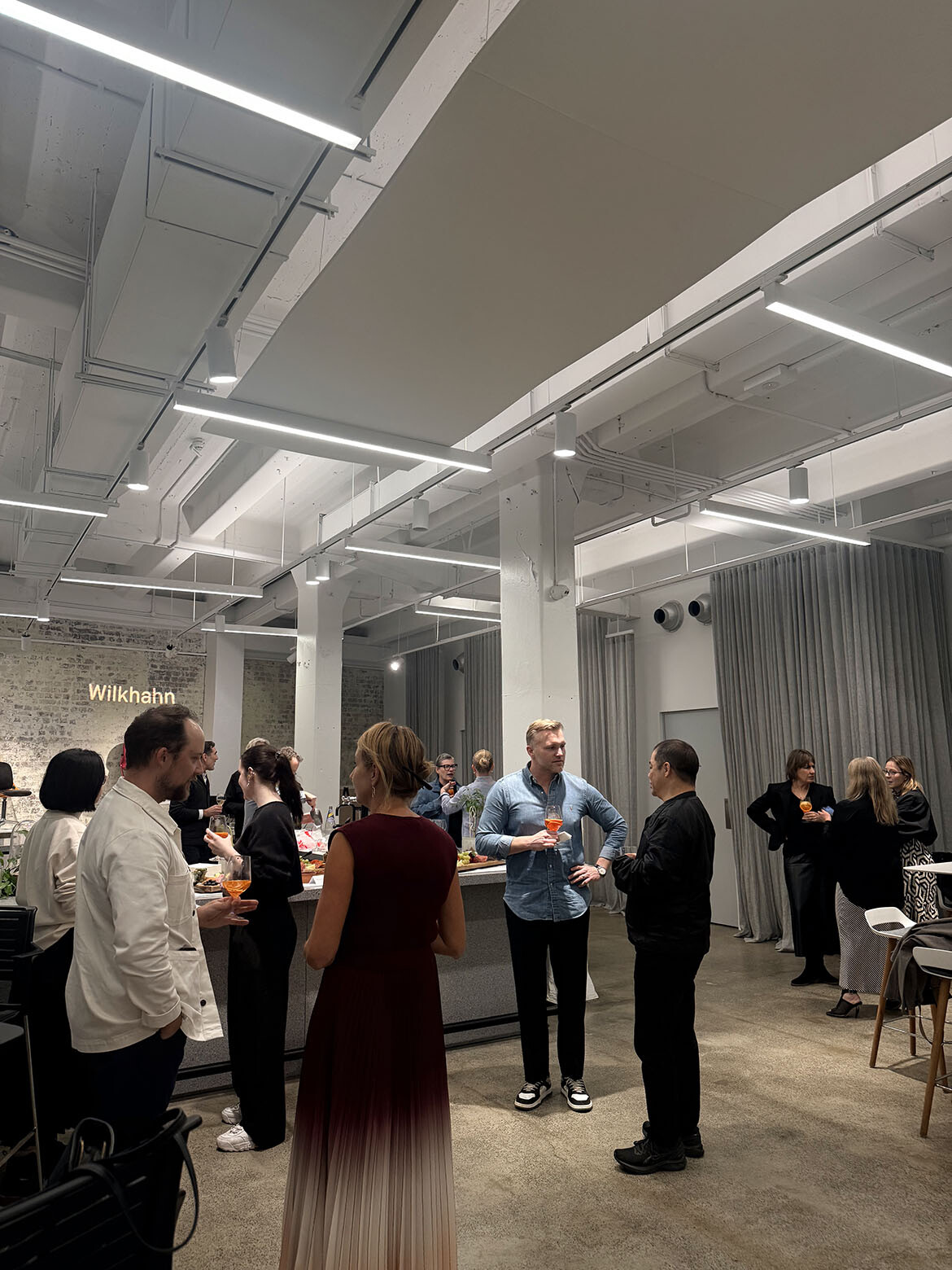
While technology featured heavily throughout the afternoon, the conversation repeatedly returned to the social role of the office.
Face-to-face interaction and collective experience were consistently identified as workplace qualities that remain difficult to replicate elsewhere. Several attendees also discussed the growing importance of spaces that support focus and rest alongside collaboration.
This raised an interesting point: as workplaces become more technologically sophisticated, many designers are also seeking ways to strengthen human connection through spatial experience and biophilic designs.
If the office is indeed a stage, it appears likely that its most important performance remains fundamentally human.
As workplace models continue to evolve, discussions such as these serve as a reminder that the industry’s most useful conversations often begin by questioning the language we take for granted. In this case, a seemingly simple word — flexibility — proved far more complex than it first appears.
Wilkhahn
wilkhahn.com