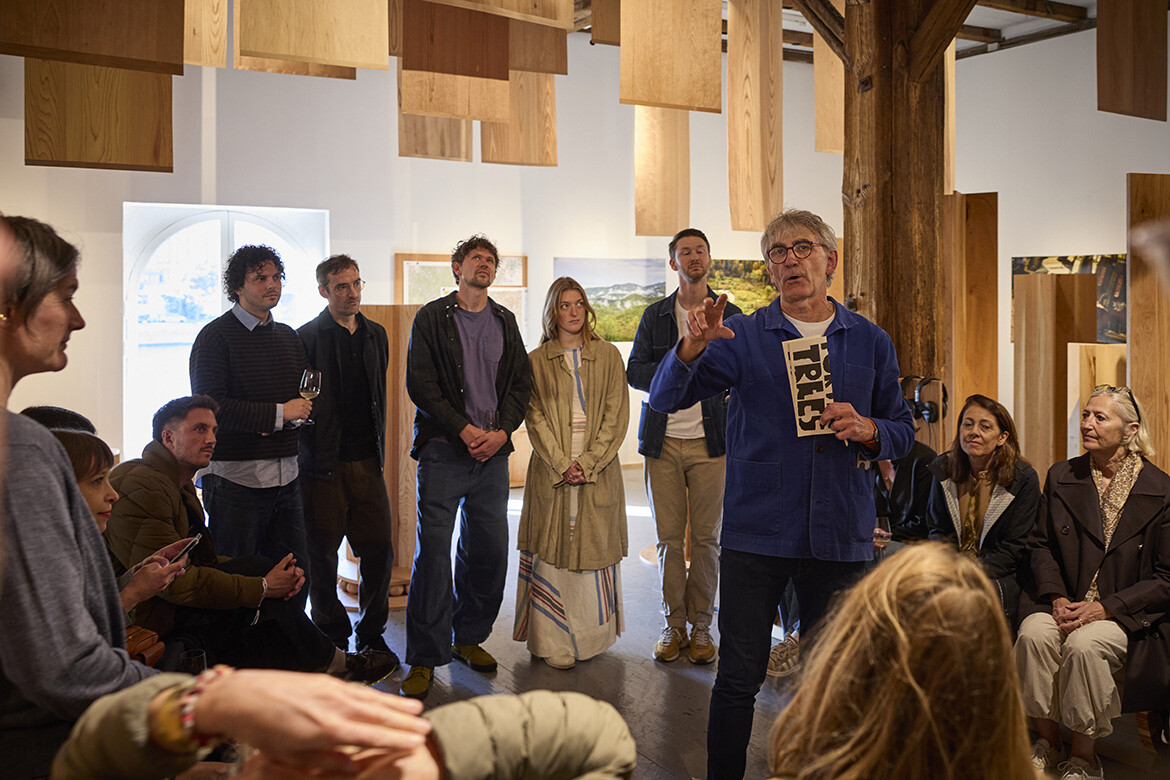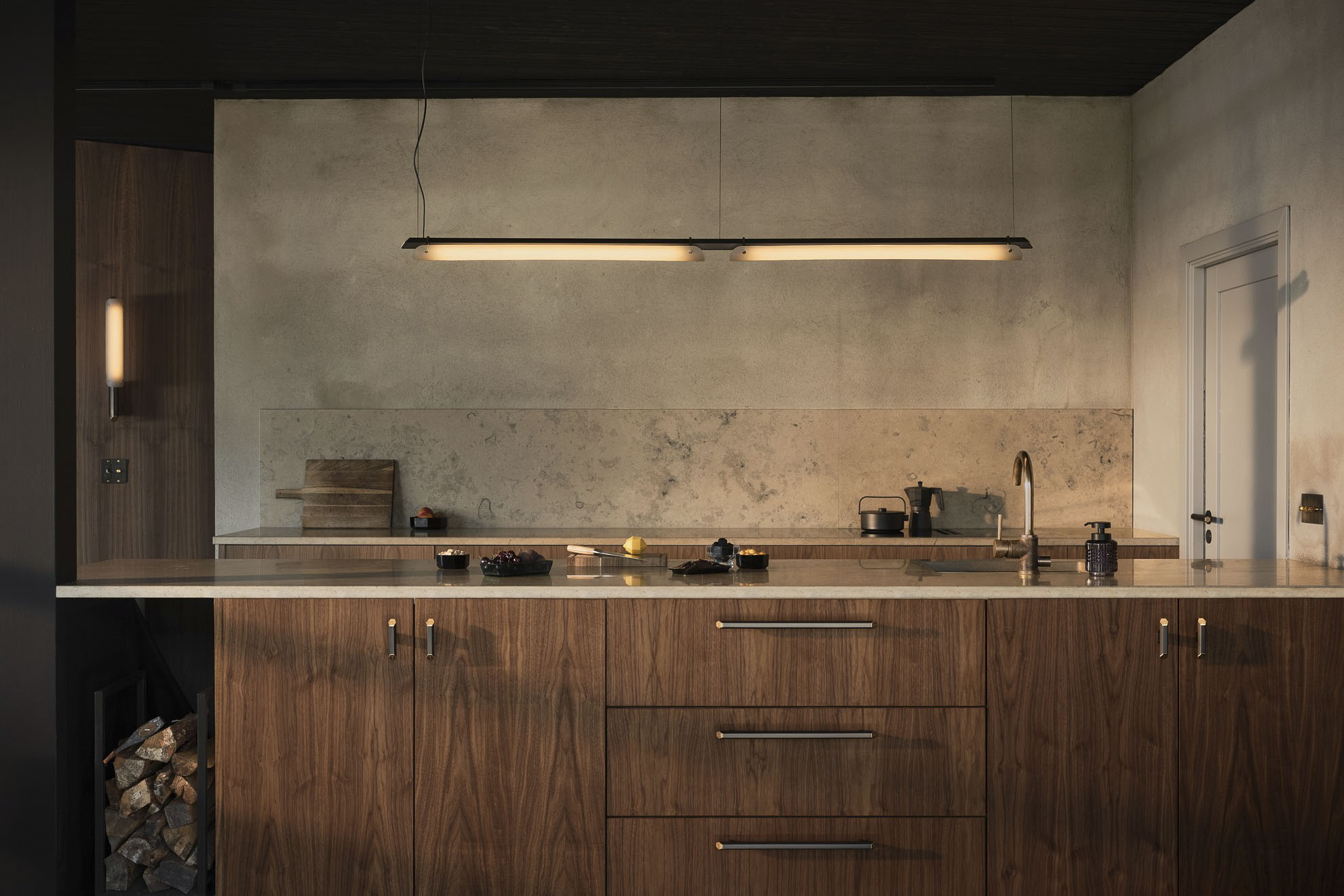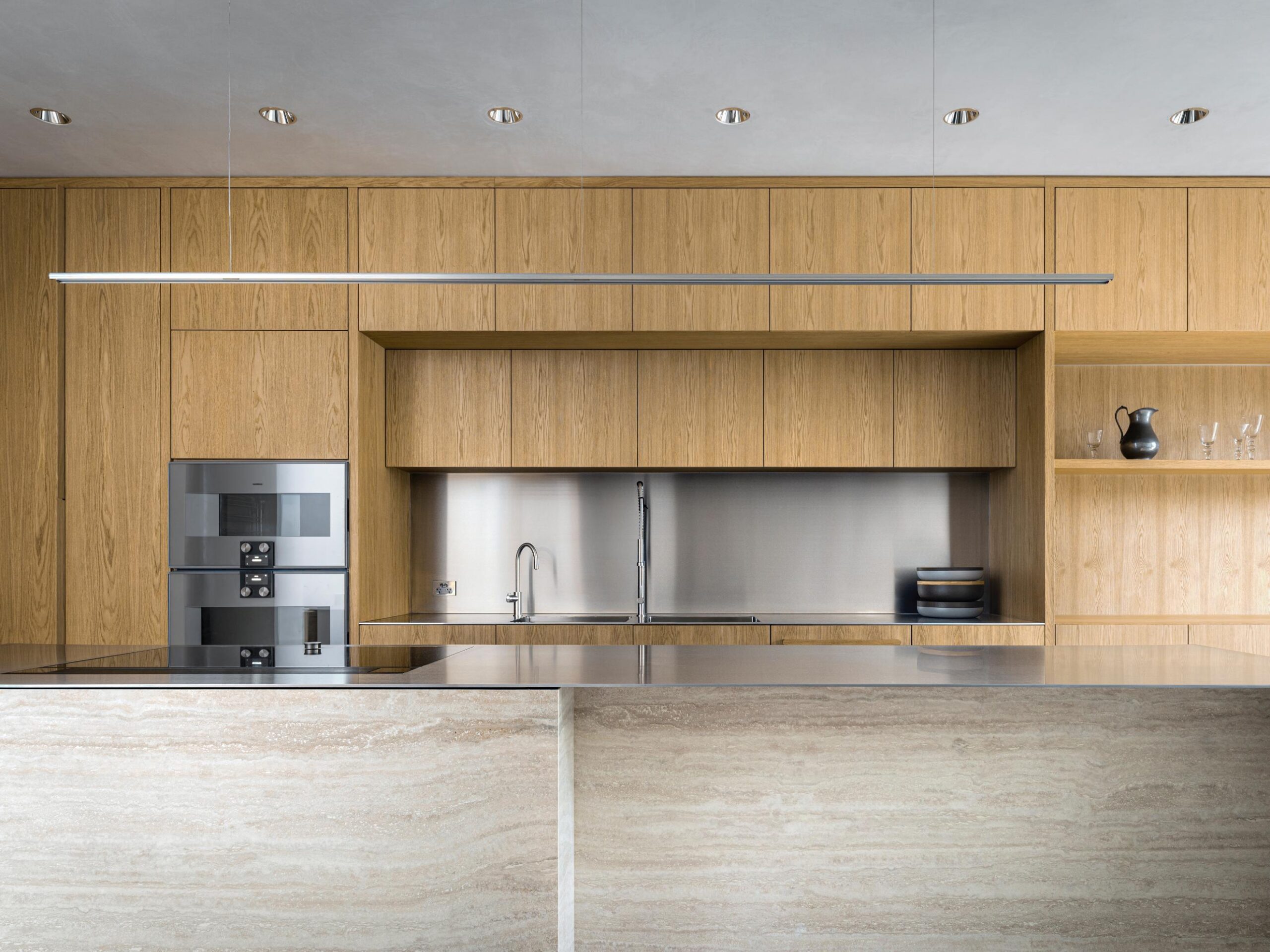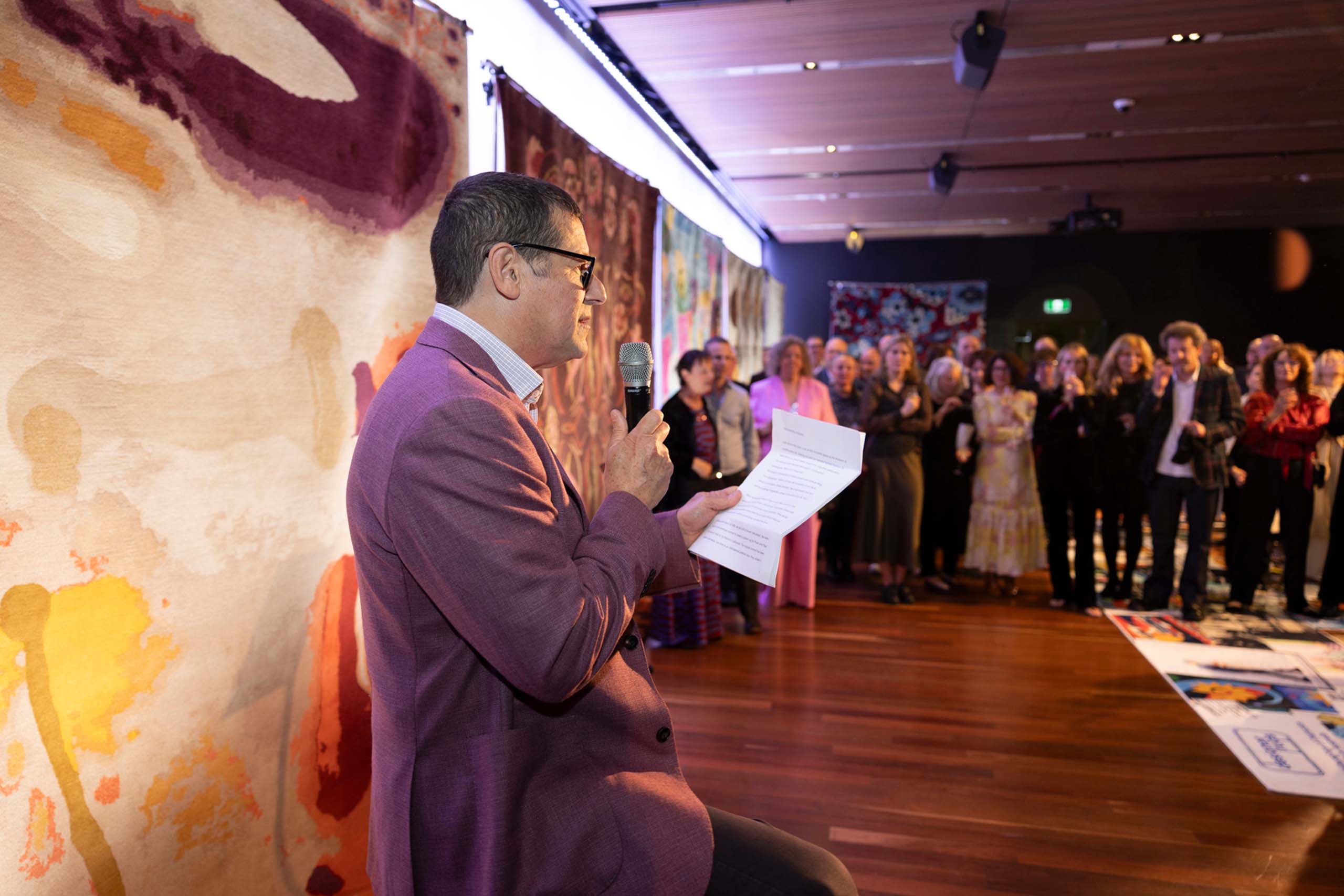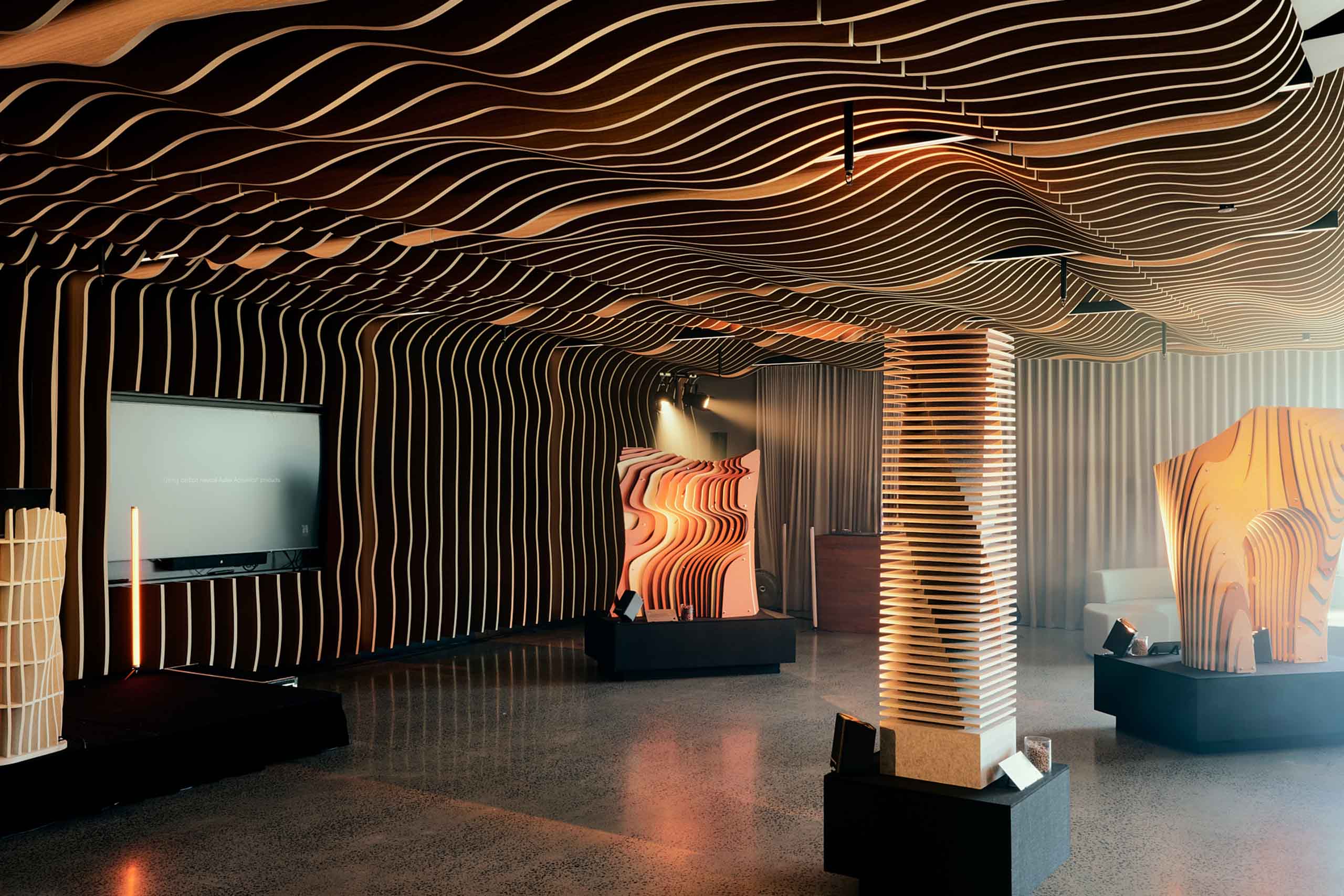
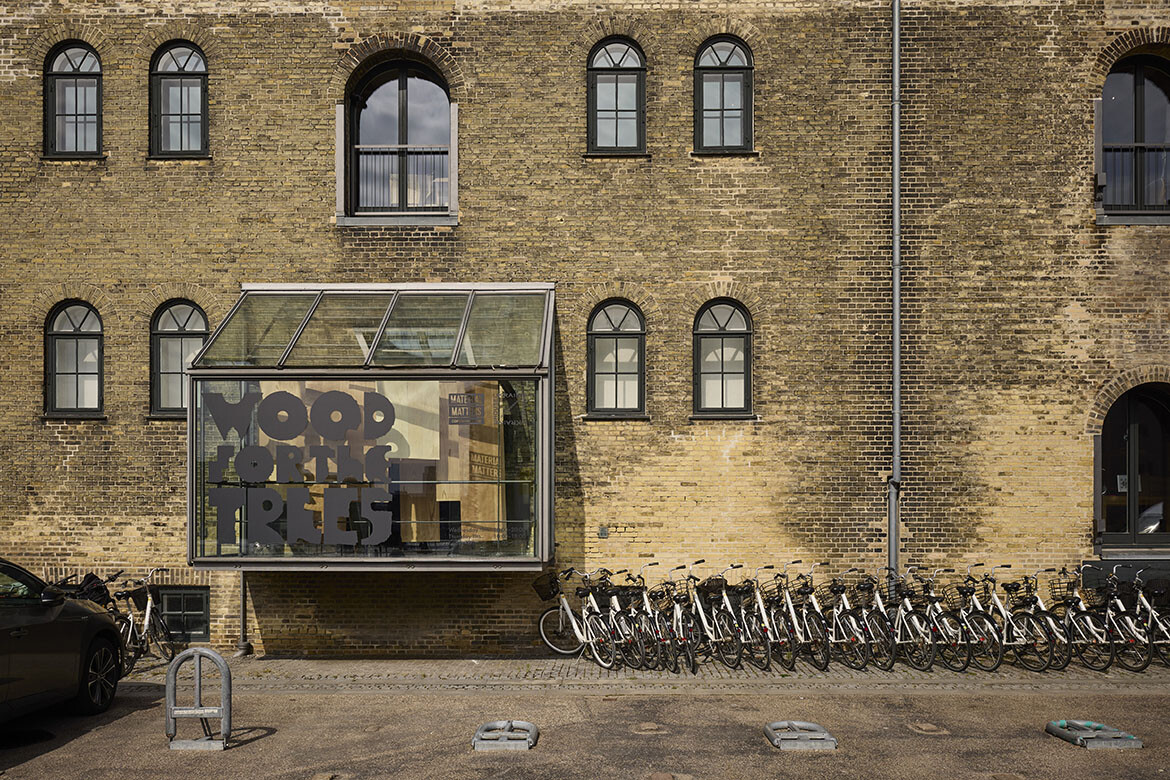
The 2026 iteration of Danish design festival 3daysofdesign promised a shift ‘from more to meaningful’ so we were on the lookout for projects, products and installations with purpose. As we predicted, Beginnings & Endings (Tarkett’s celebration of designers as agents of change towards circularity), materiality-focused fair Material Matters and AHEC’s Wood for the Trees (an immersive installation created in collaboration with Benchmark and Mitre & Mondays) all rose to the challenge.
Tarkett x Christan + Jade
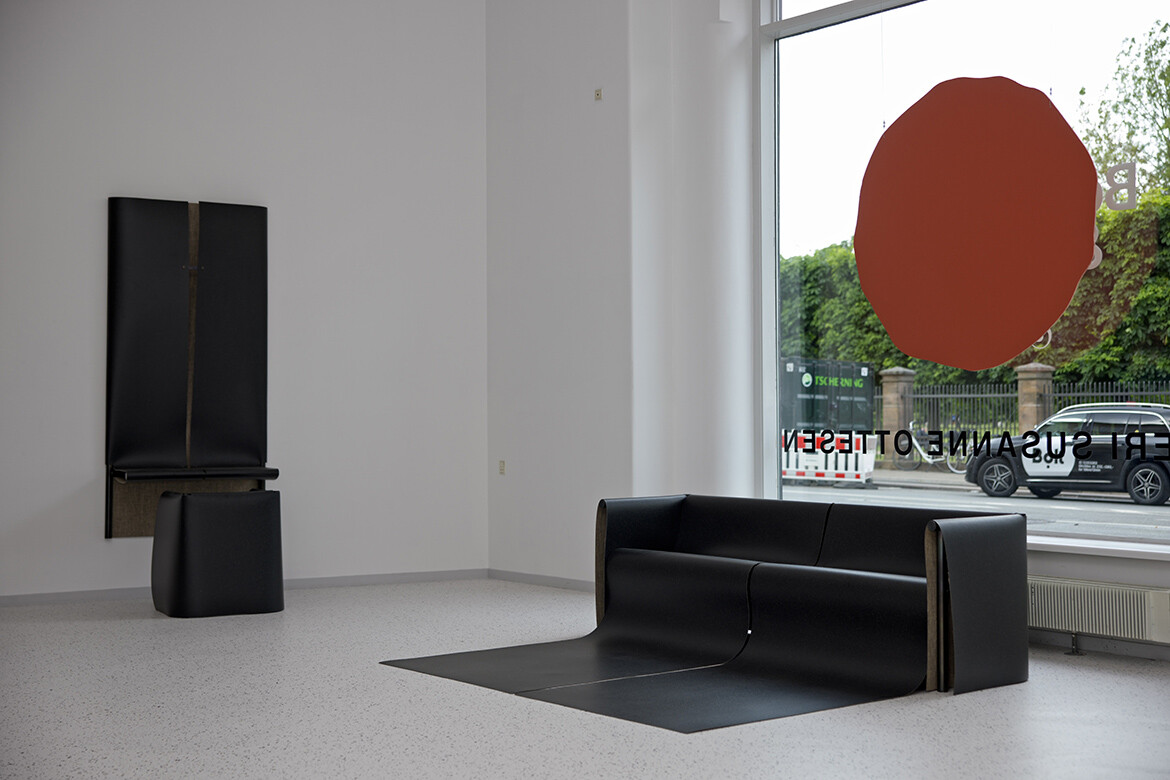
Christian + Jade’s response to Tarkett’s invitation proved to be a particular highlight. The pair conceived conceptual furniture from linoleum that blurs the boundaries between walls and floor, and between surfaces and objects.
“We wanted to embrace the possibility that the material can be taken back, recycled and returned into production,” they told us. “We designed the furniture so it can be disassembled. That reversibility became an important design principle.”
Recraft Studio
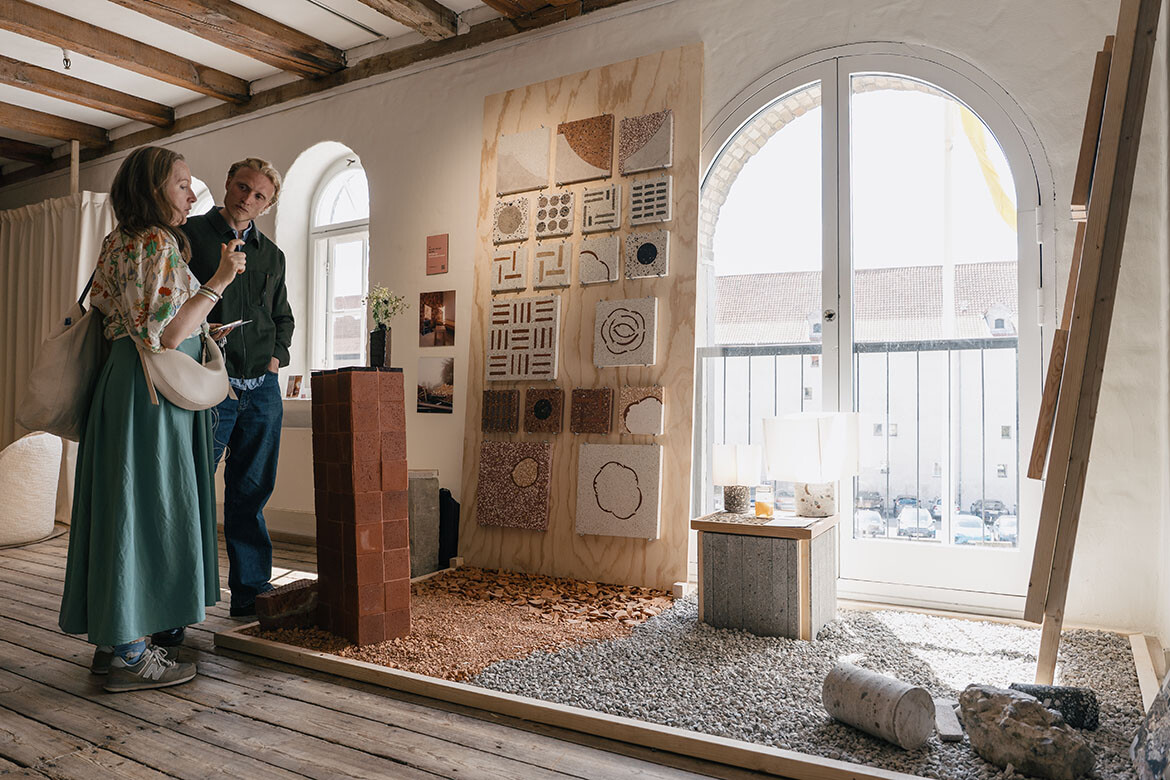
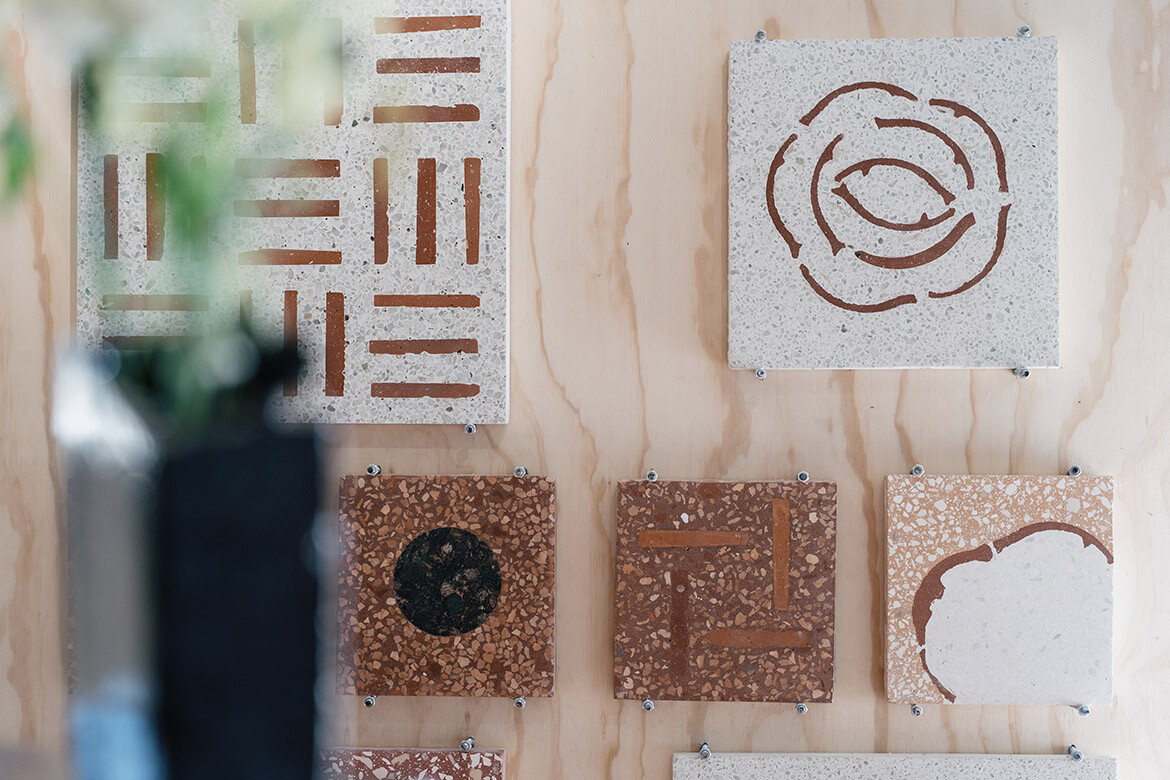
With the strapline ‘designing with what already exists,’ Recraft Studio was one of many stand-out exhibitors exploring material innovation at Material Matters. The Copenhagen-based practice reclaims demolition waste and offcuts to create fully circular, low carbon, architectural tiles and other objects, which avoid the usual ‘made from waste’ aesthetic without hiding their origins, to tell stories and create meaning in the built environment.
Kaikale x Alexander Mihel
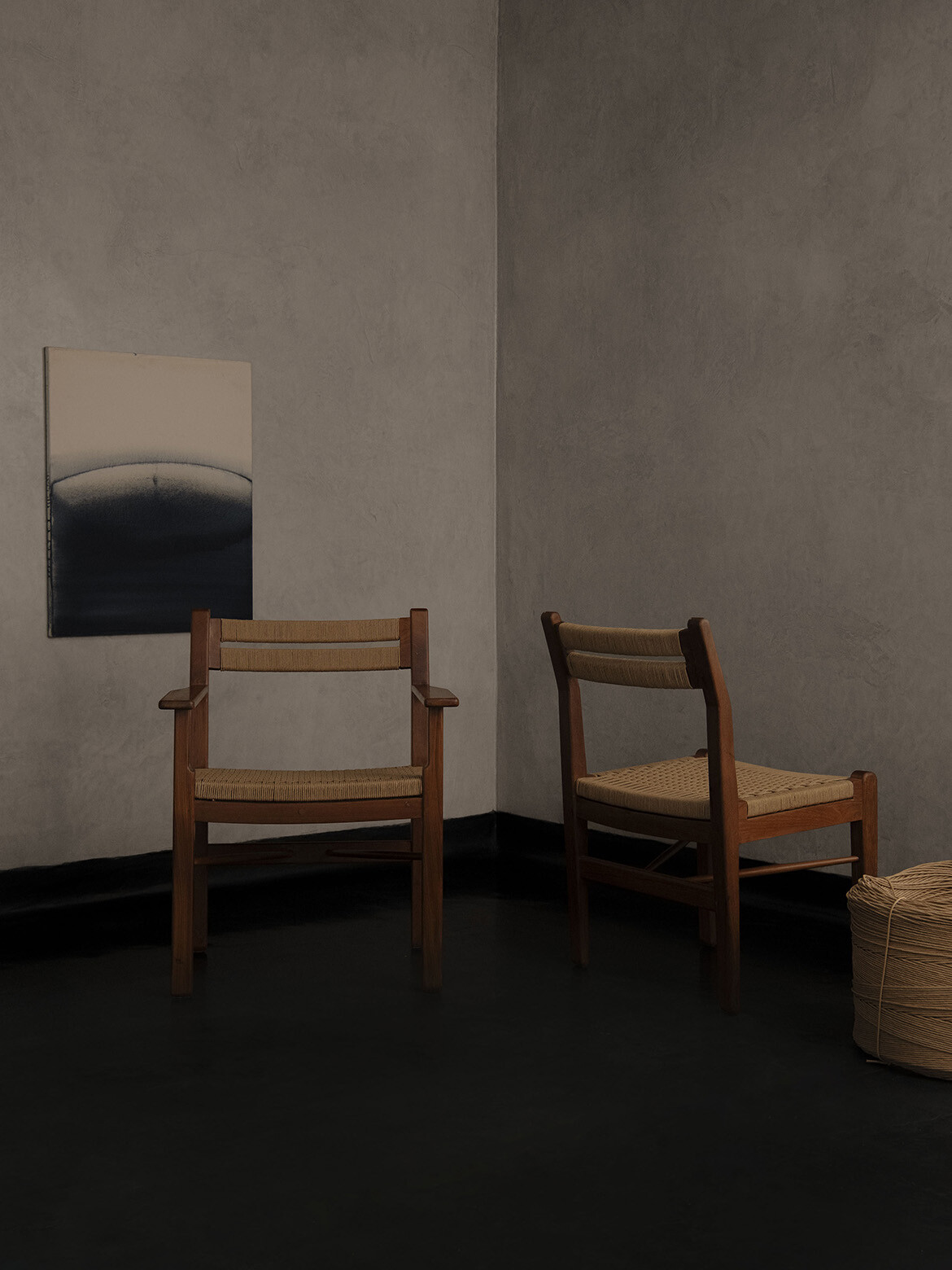
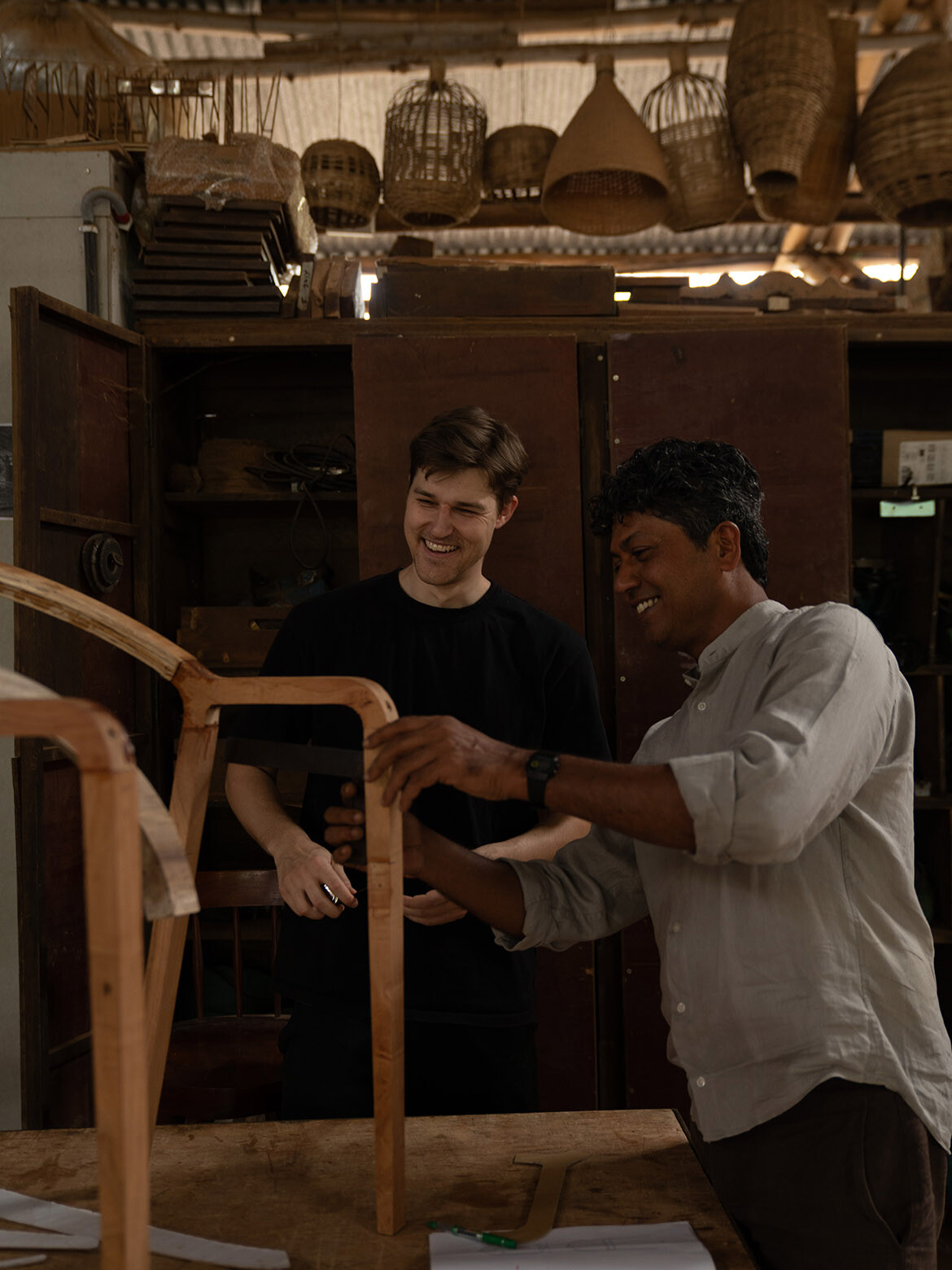
Based in the Indian state of Karnataka, ‘Kaikale’ means ‘made by hand’ and is a furniture brand founded by architect Ajith Andagere. For 3daysofdesign, Andagere collaborated with Swedish architect Alexander Mihel to combine extraordinary levels of Indian craftsmanship, Scandinavian design principles and material innovation. The most interesting pieces were made from coconut timber, which is harvested at the end of its productive life. Rarely seen in contemporary Western furniture, it makes for a durable material with a unique grain pattern.
Tommy Jiang
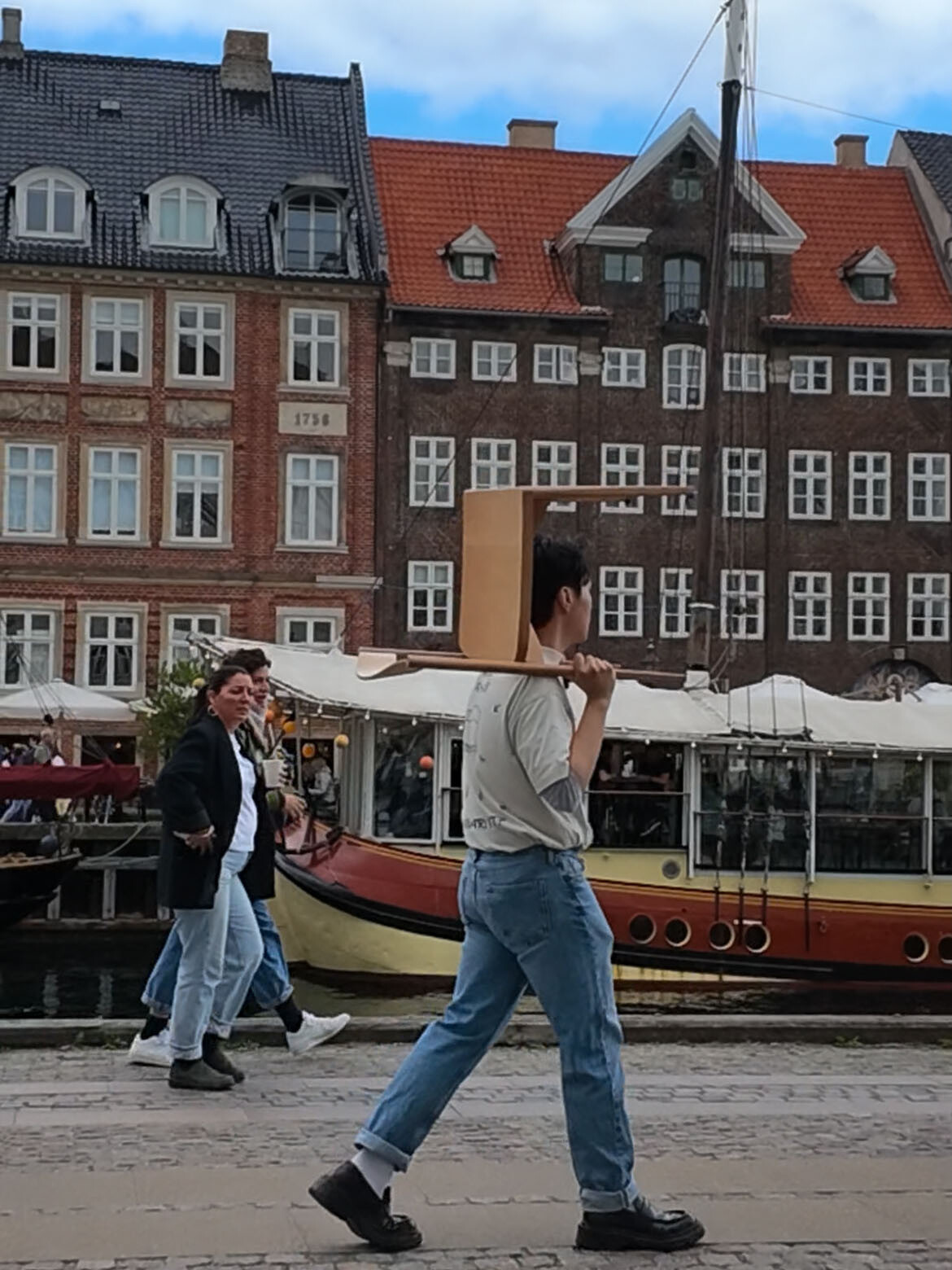
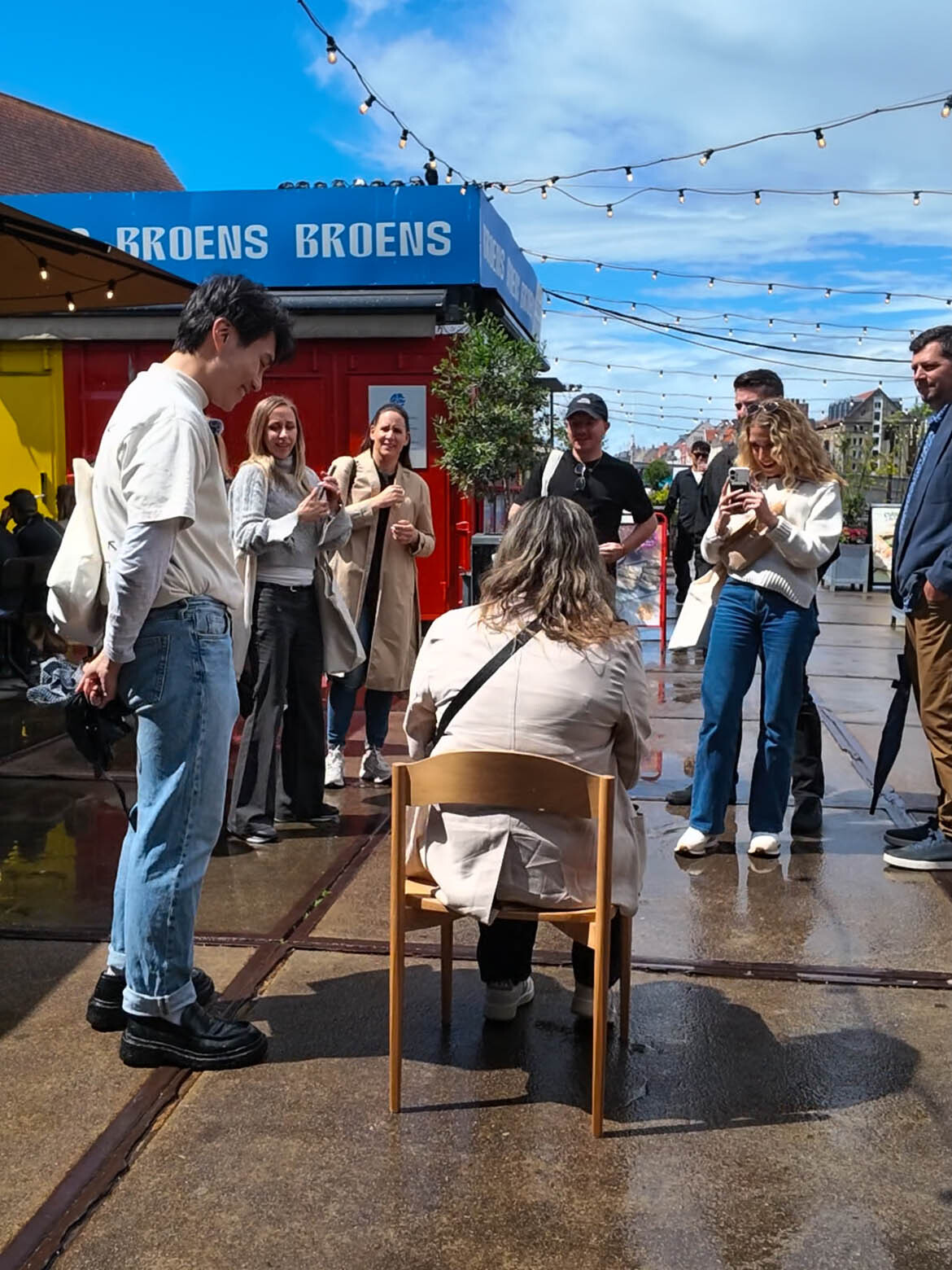
Lacking the budget for a formal exhibition, new designer Tommy Jiang carried his first chair prototype through Copenhagen, wearing a t-shirt with ‘need a chair?’ on the front. He even took it onto the Metro and offered people a seat at the food stall where he stopped for lunch. With 62 conversations, feedback from 32 people and 20 industry connections made in one day, he certainly made this moment matter for his future.
Related: Thoughts from Milan Design Week
L&G Studio x Cara Marie Piazza
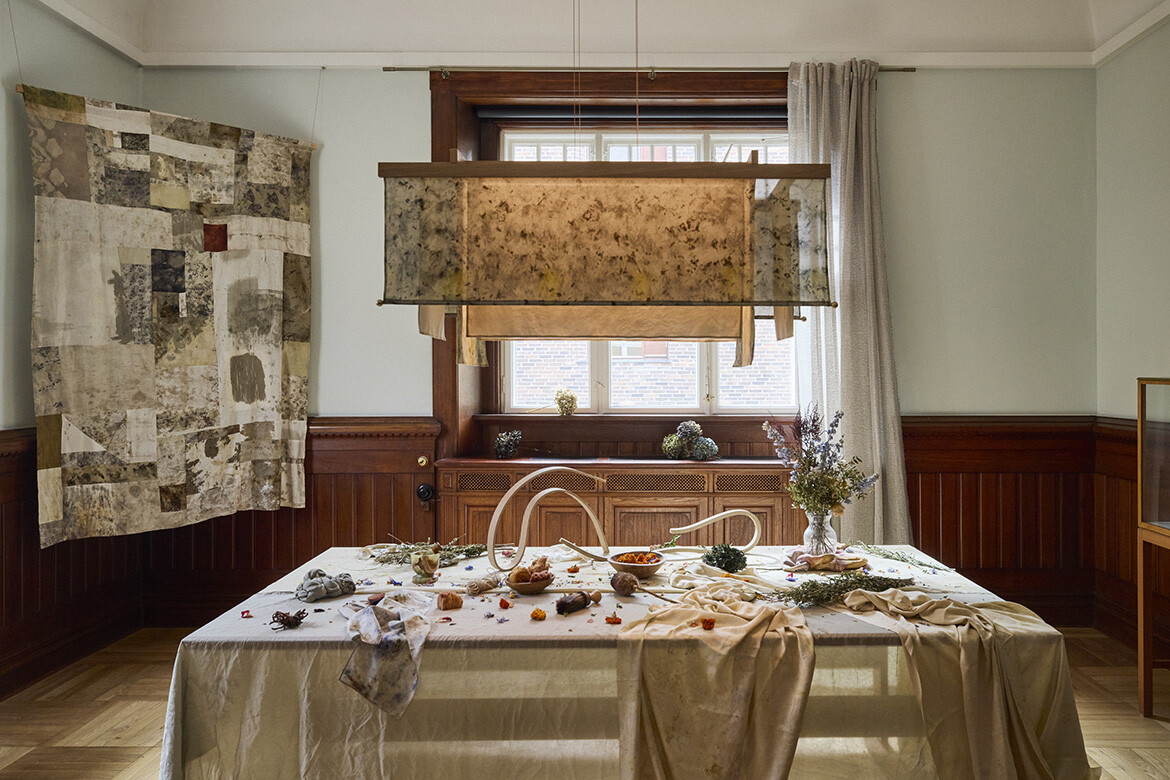
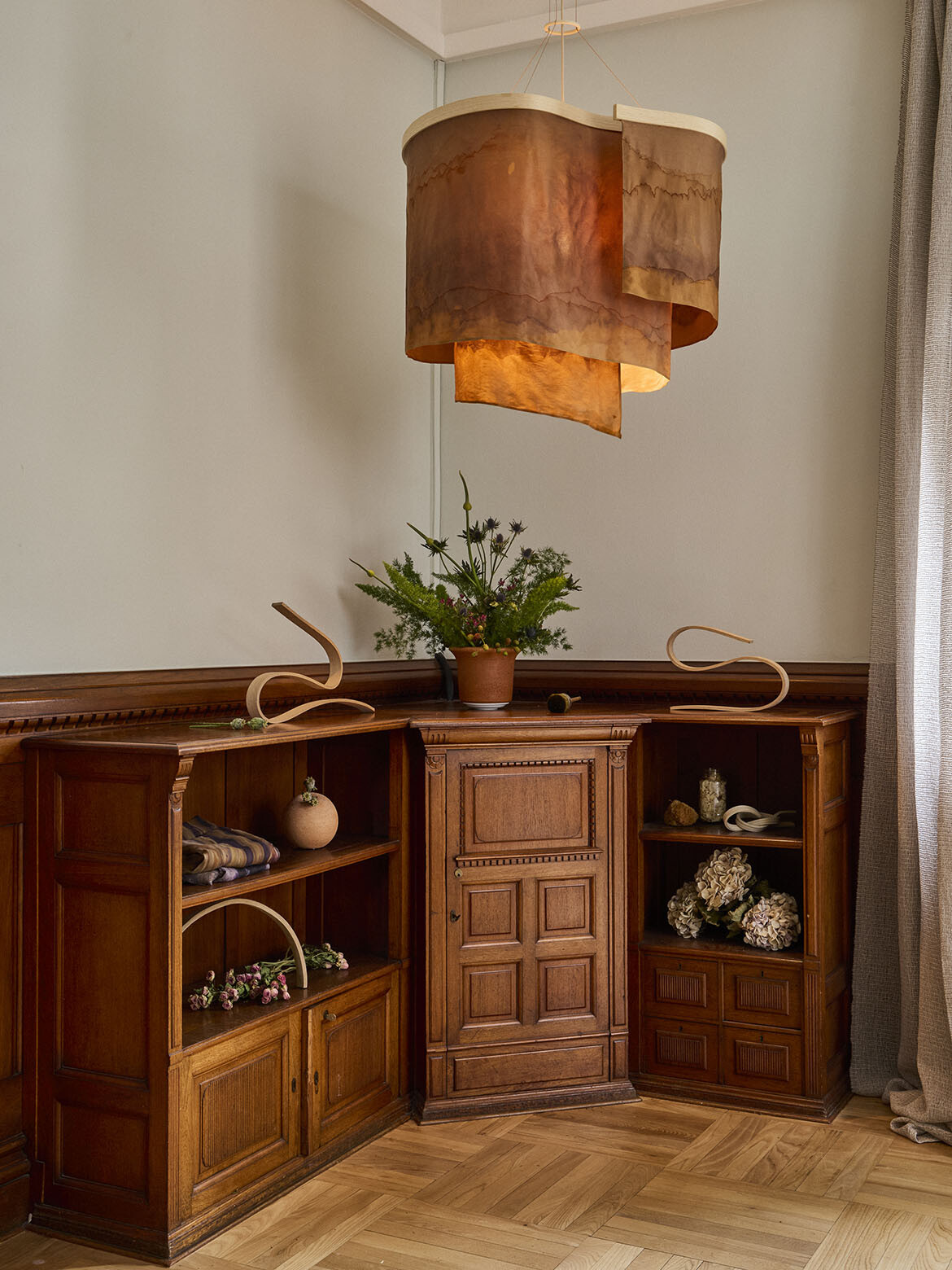
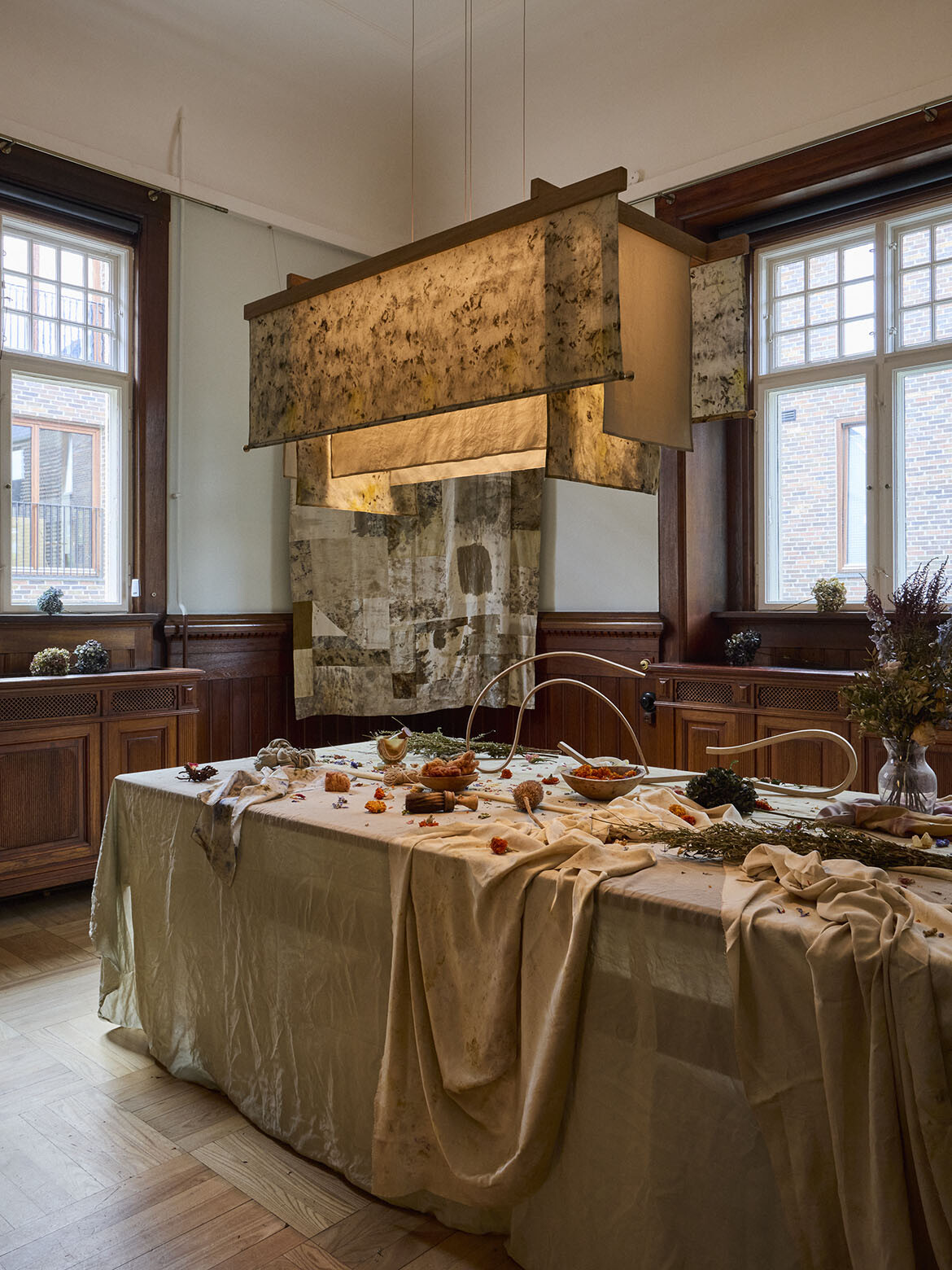
New York and Seattle based Ladies & Gentlemen Studio worked with natural dye artist Cara Maria Piazza to create an installation, which they described as ‘an alchemic union of botanical pigment, silk and light,’ demonstrating her dipping and bundle dyeing techniques and showcasing a collection of lights that combine L&G’s forms with Piazza’s process. The installation was part of The House of Making at Copenhagen’s Asia House, which Gabriel Tan curated to showcase brands with a commitment to making.
Max Lamb x Hem
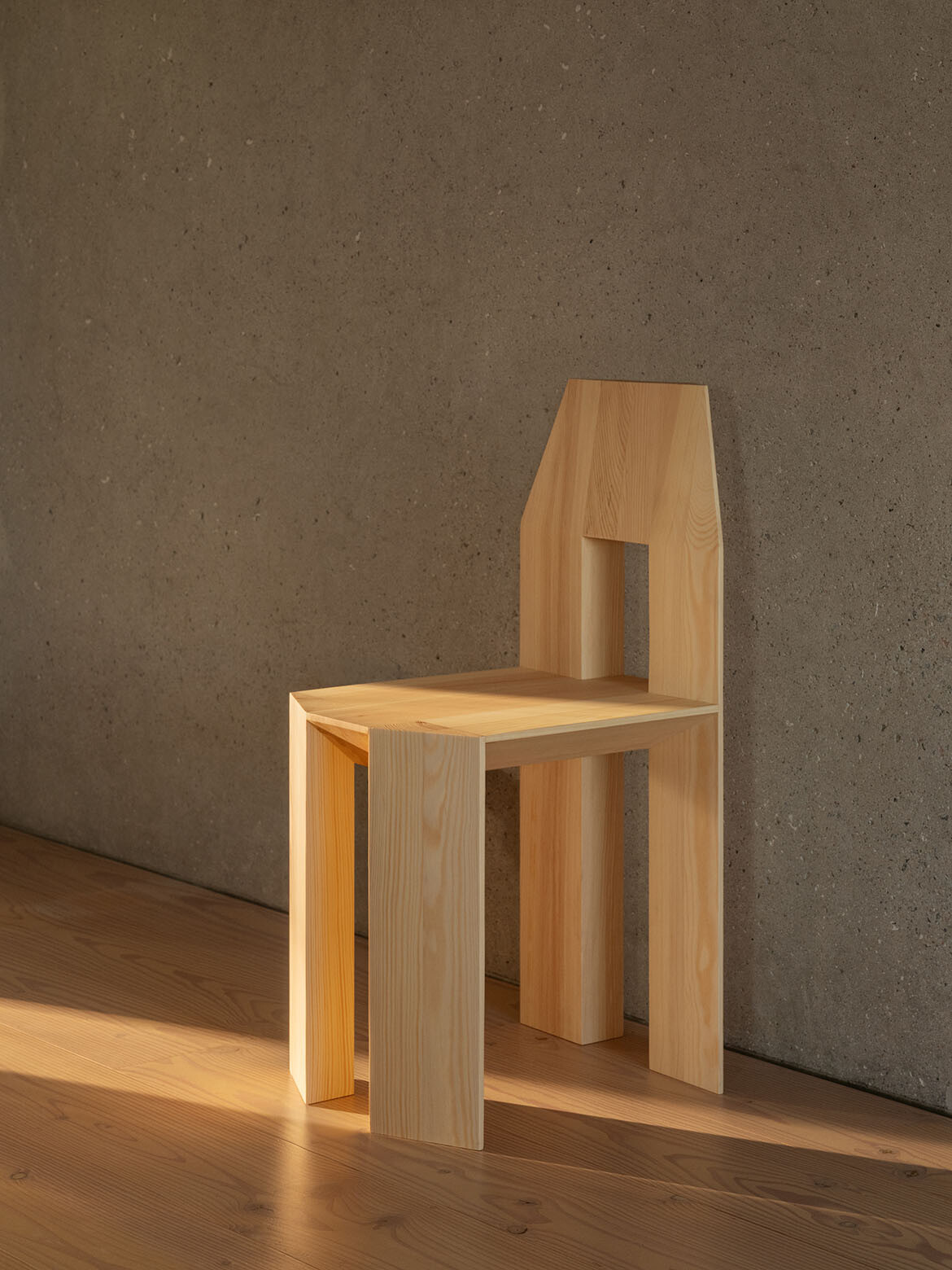
Max Lamb’s MIN chair for Hem is made from a single length of solid pine timber using the smallest number of cuts. Described by Hem as ‘an archetypal chair reduced to its essential form,’ it is an exercise in minimalism and remarkably readable — even a non-designer could understand its construction just by looking at it. The chair is the latest evolution of Lamb’s Economy Chairs, a long-running series he started in 2020.
Kinto x studio x ( kitchen )
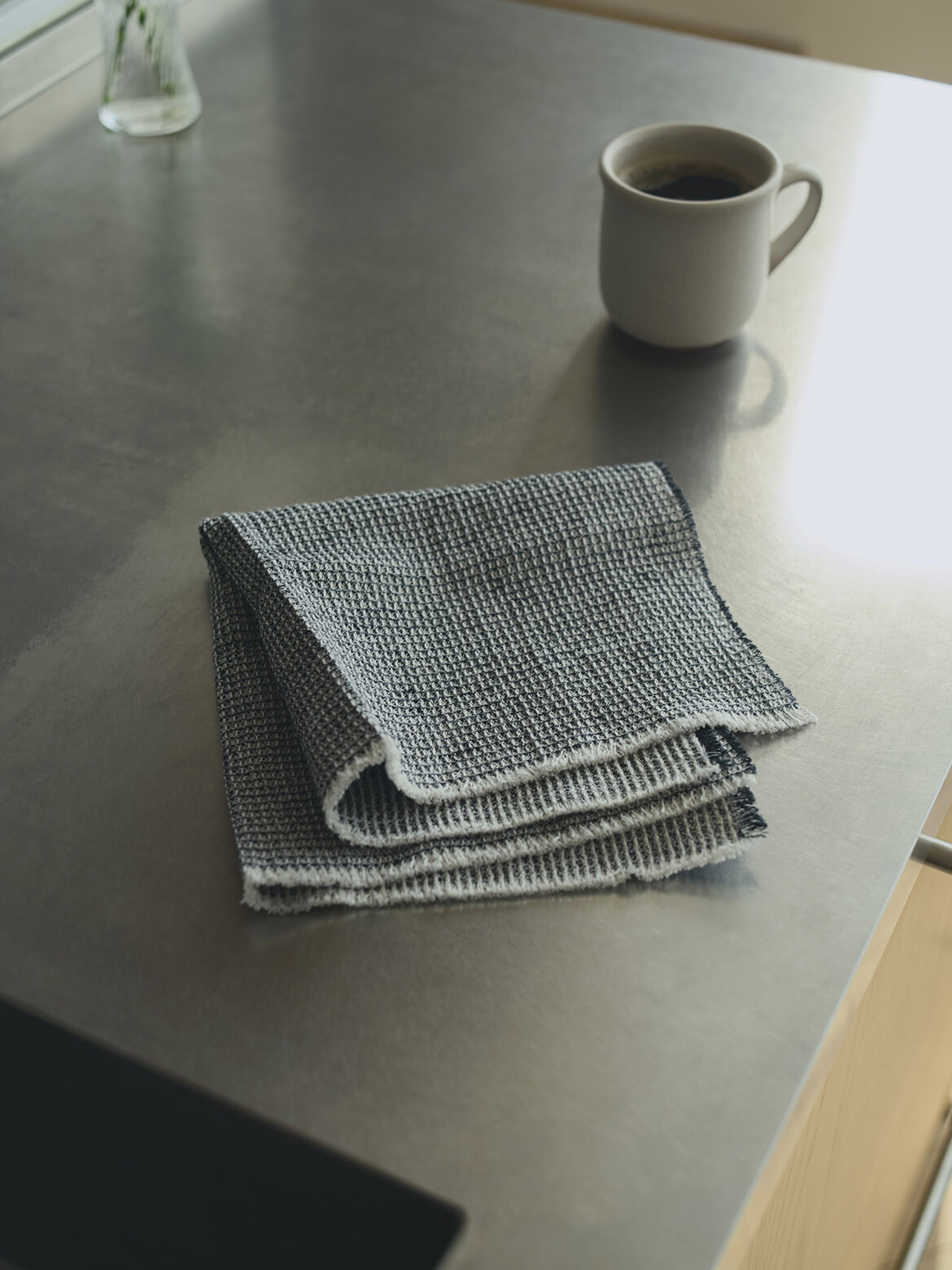
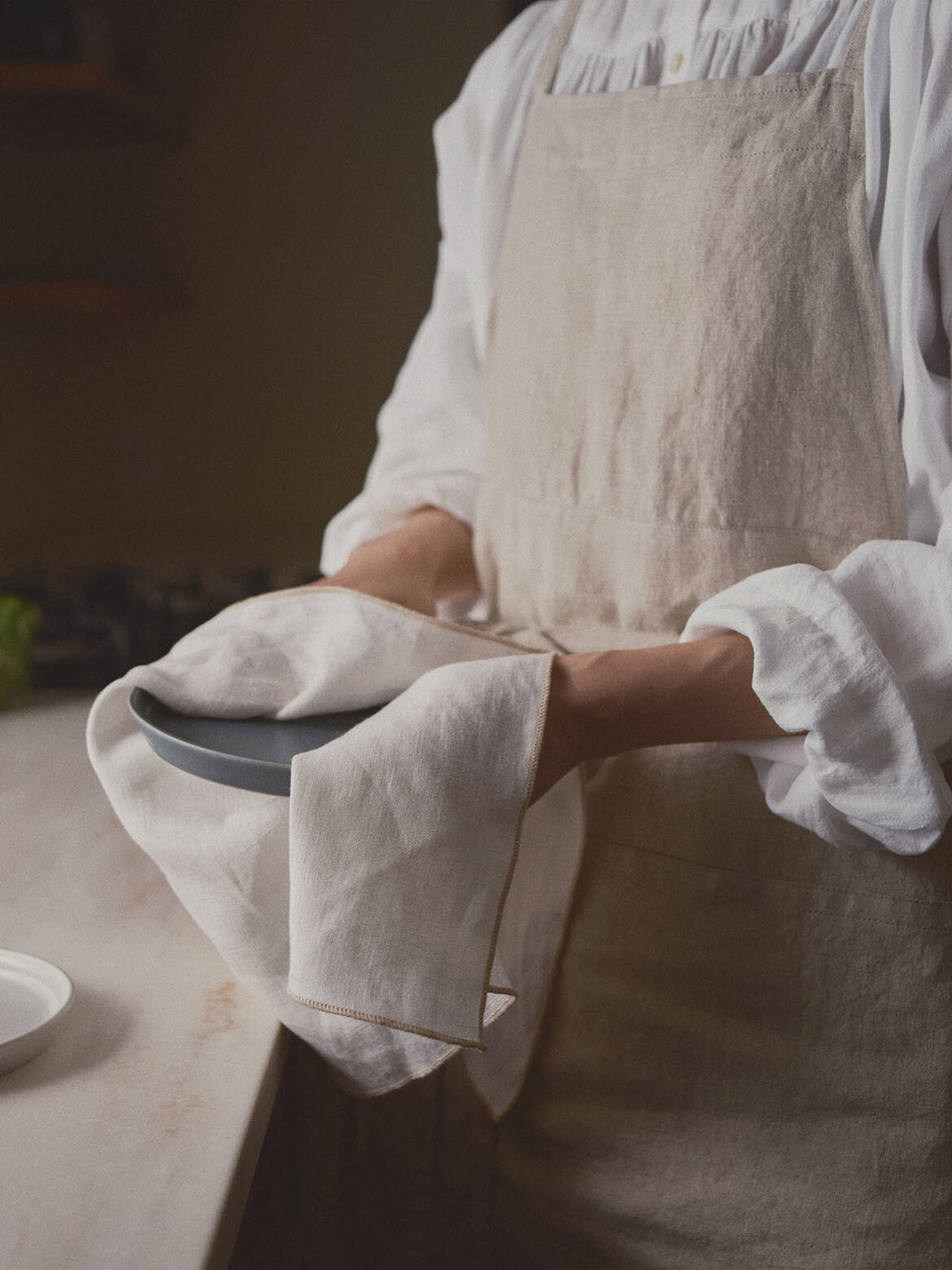
Japanese homeware brand Kinto worked with studio x ( kitchen ) to invite visitors to experience the concept ofてま. Formed from the characters ‘te’ (hand) and ‘ma’ (space/time), てまevokes the beauty of intentional ‘slow-work’. Seasonal rhubarb tarts served with energising yuzu-ade, opened up a pause in which to really engage with two new Kinto collections that reflect this approach: Futo textiles by Asako Sakata and Mui tableware by Keita Suzuki.
3daysofdesign
3daysofdesign.dk