Soft, rounded edges abound
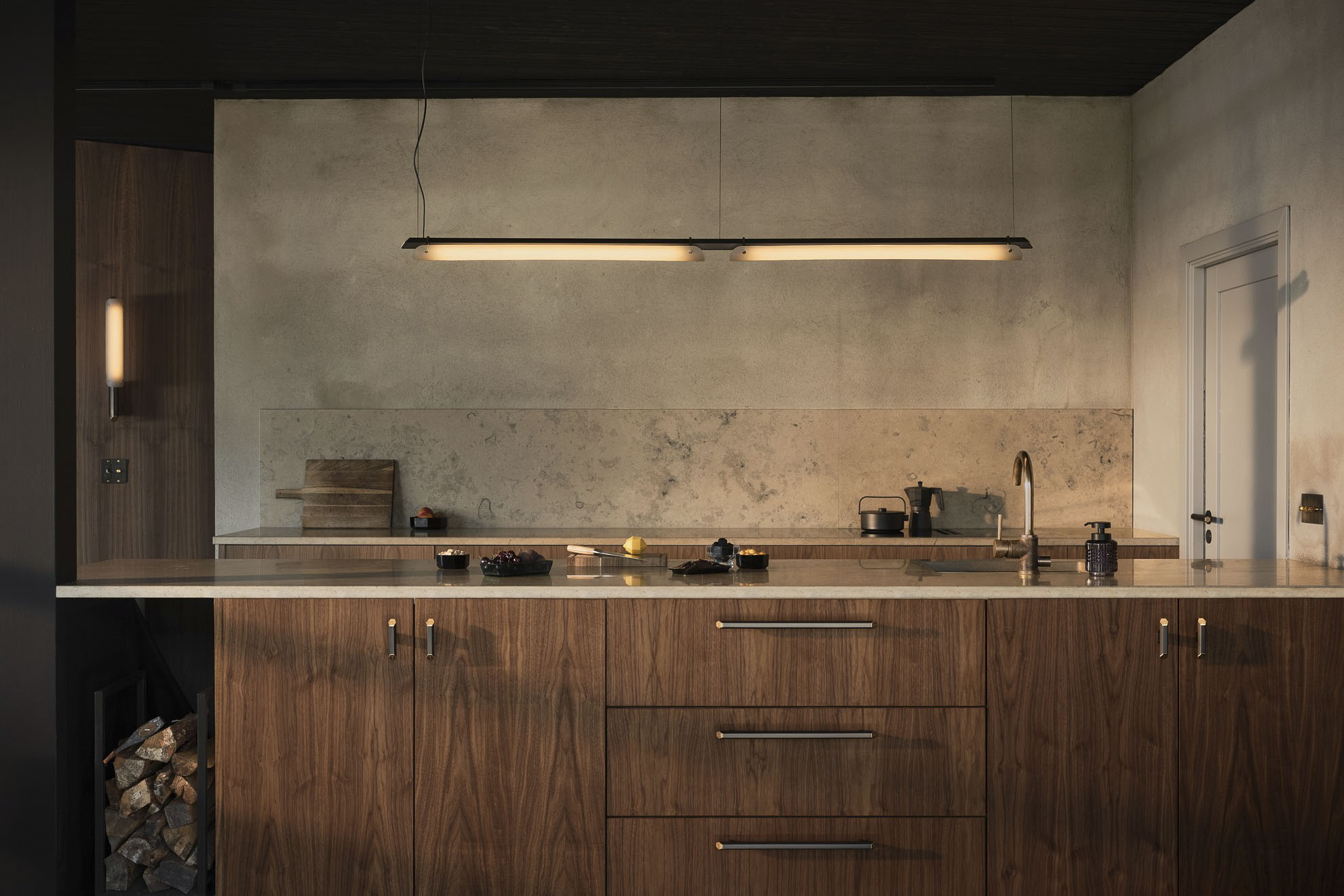
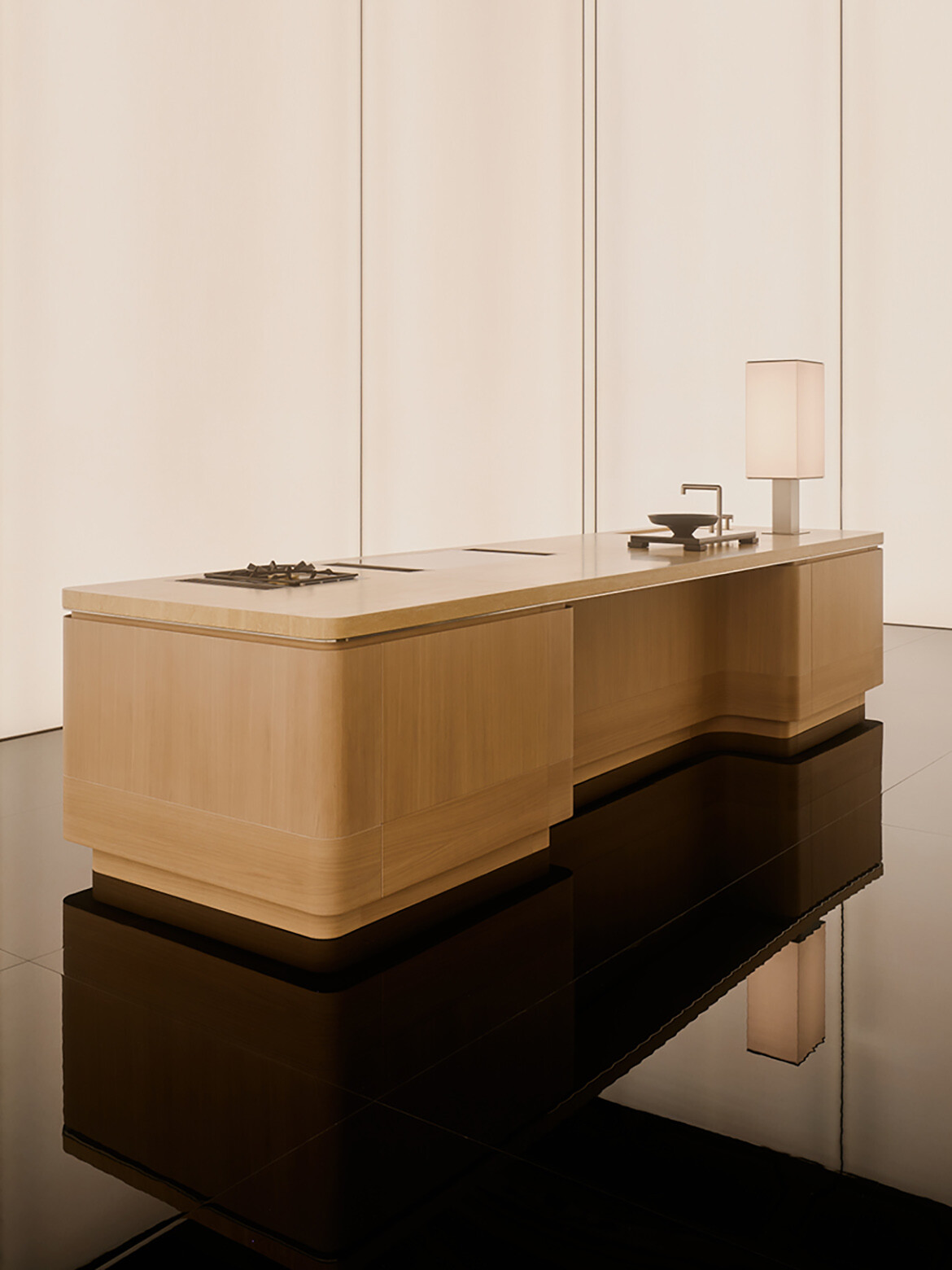
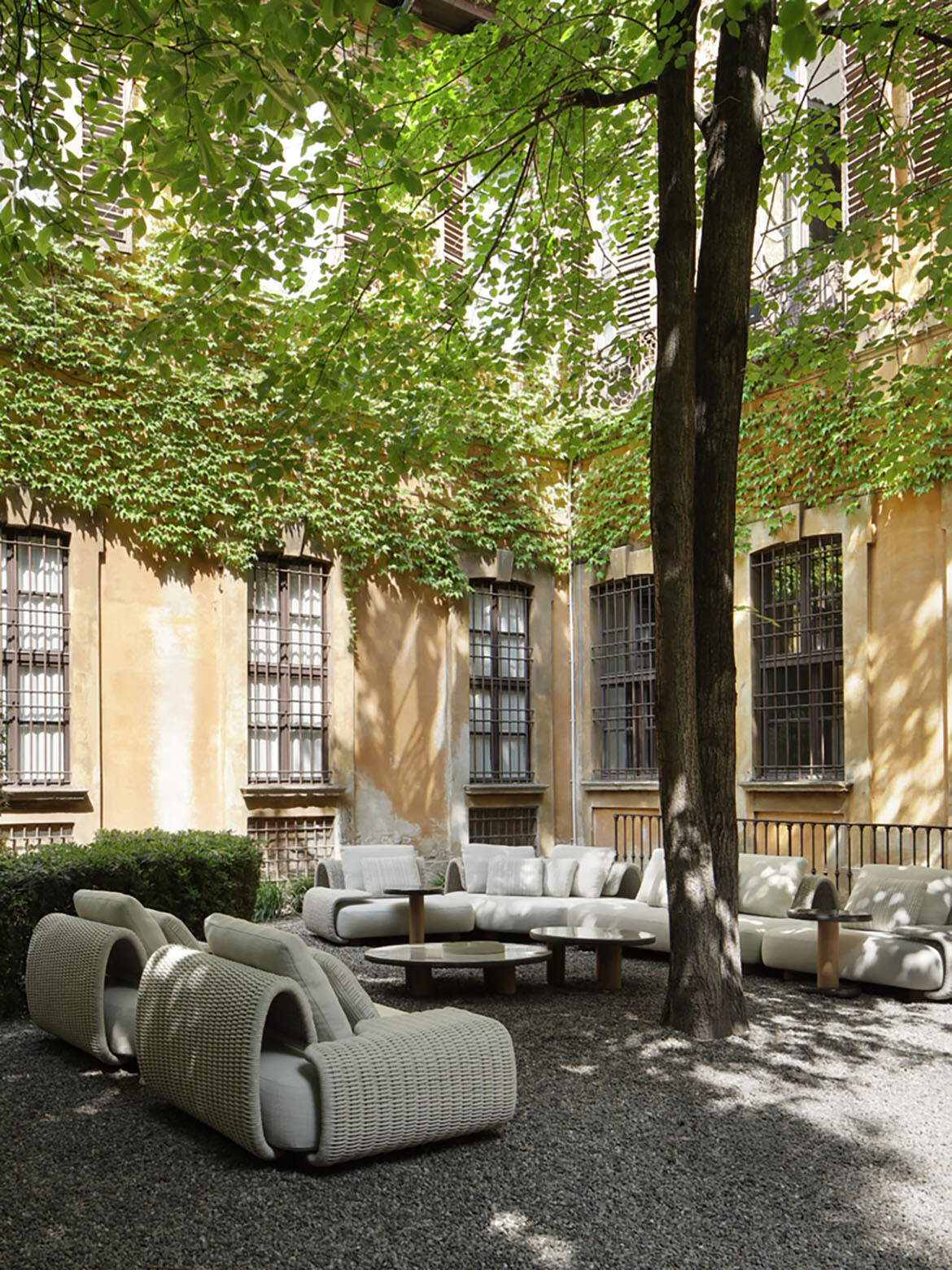
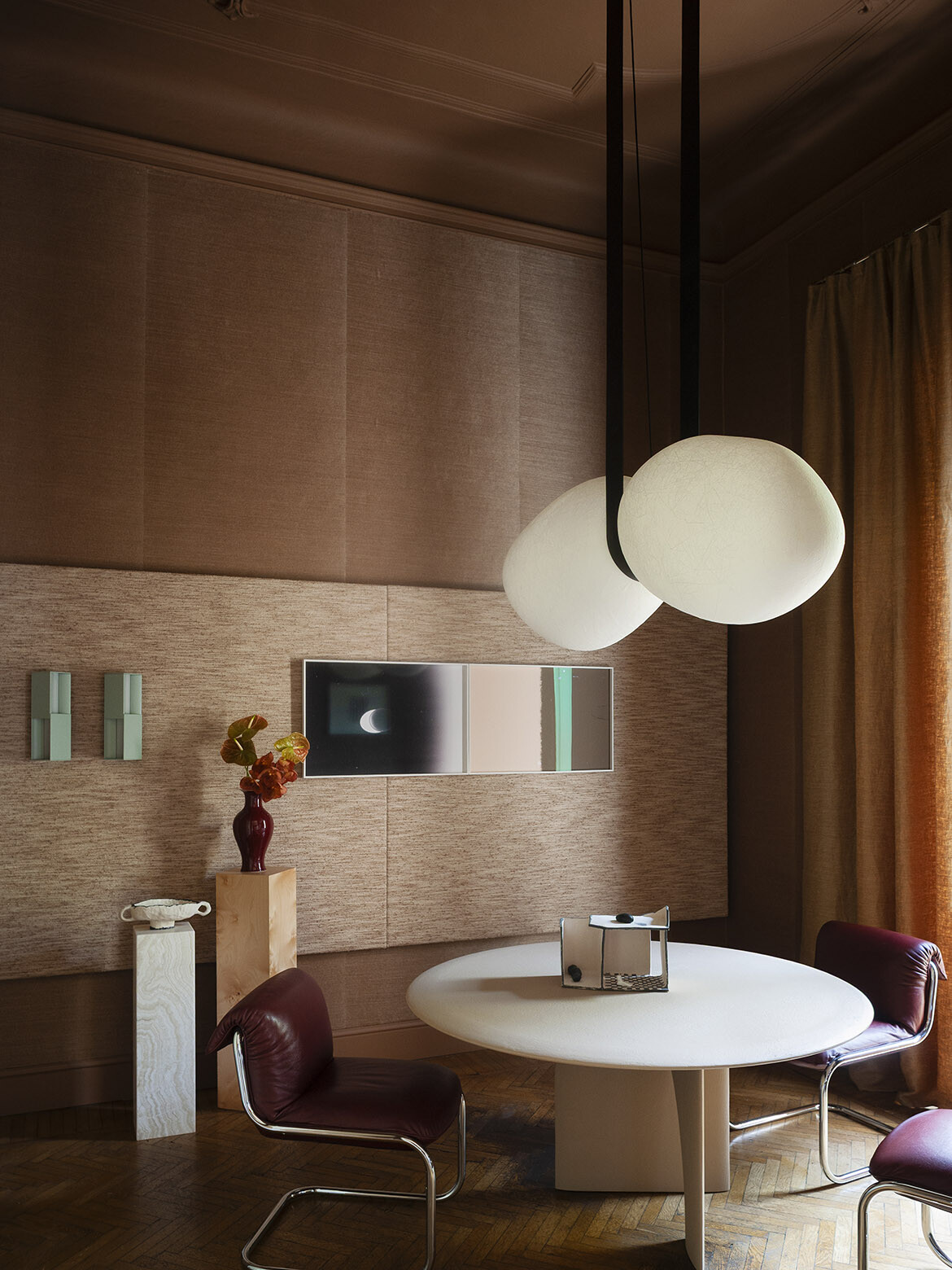
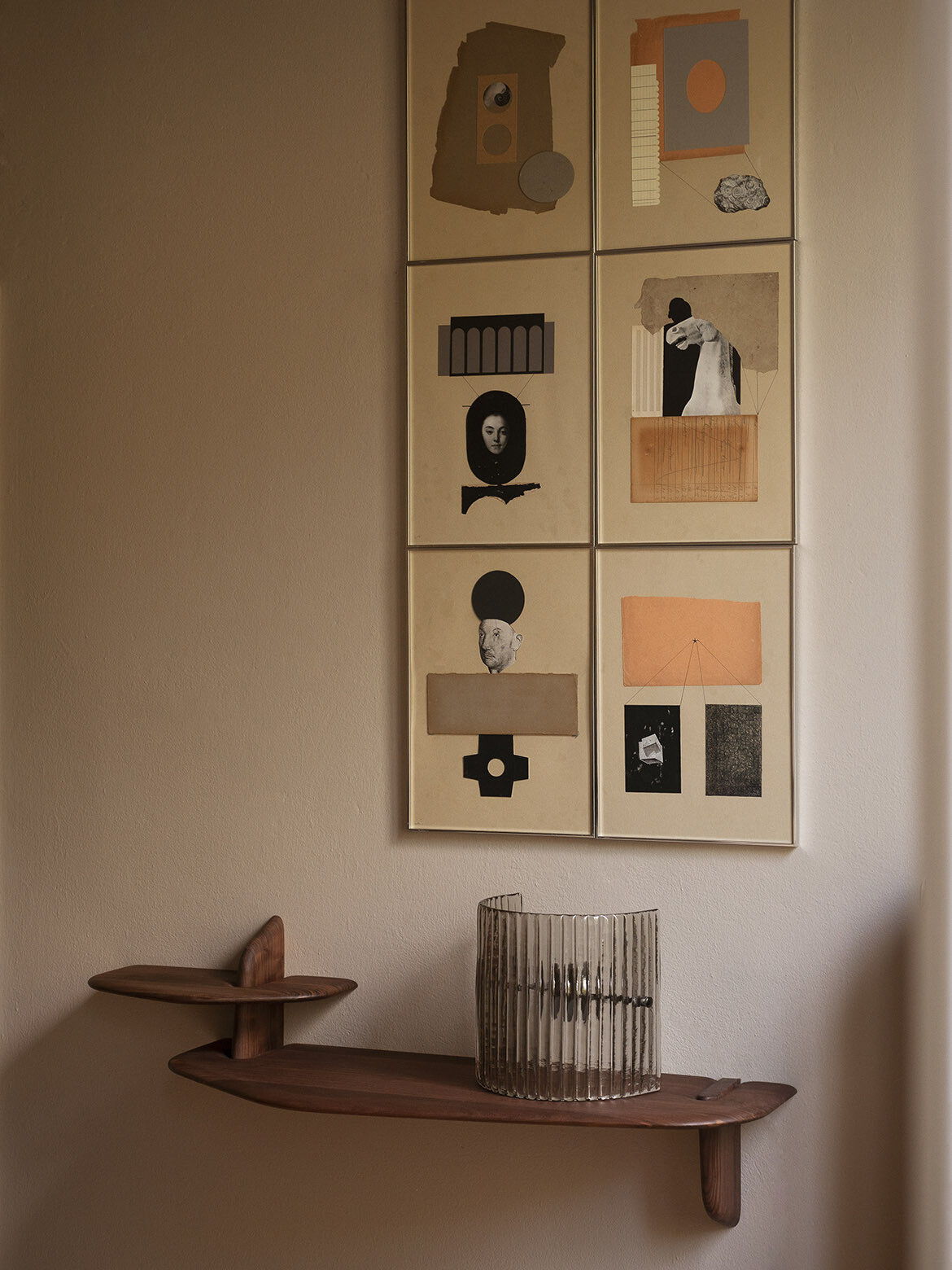
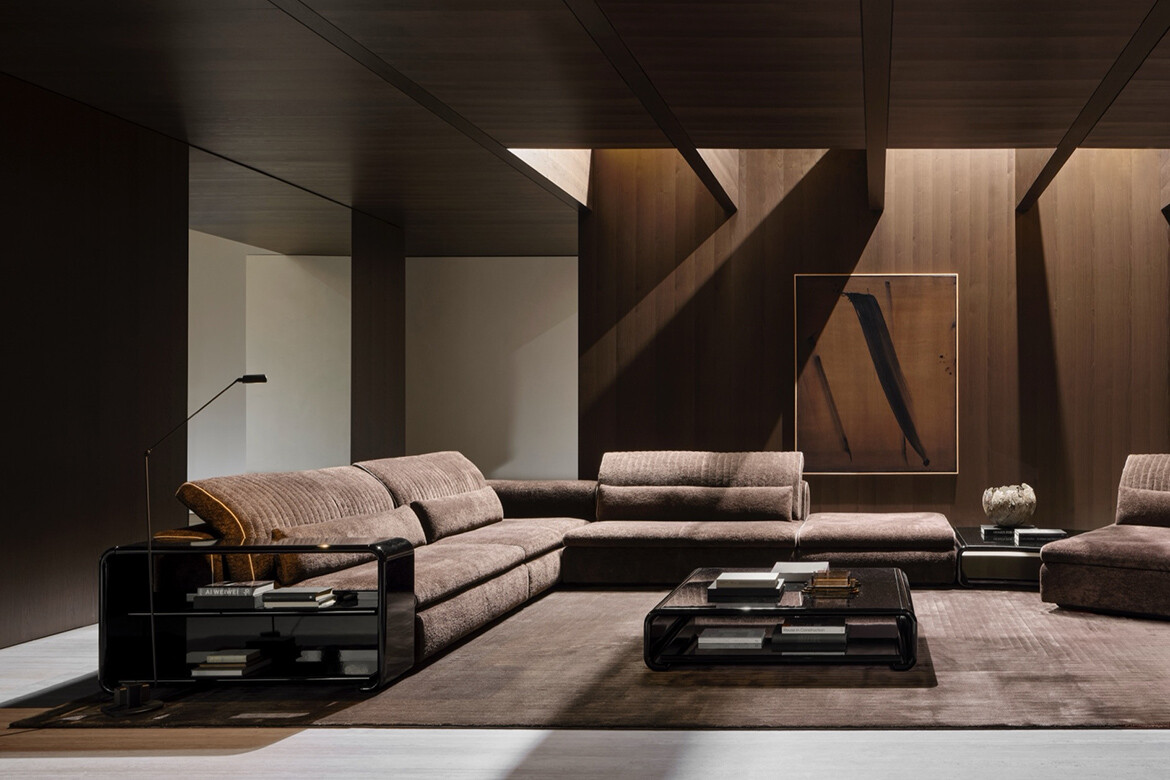
Obviously, we know that curves are not a new thing in furniture. But in Milan this year, there did seem to be an increase in rounded edges that touched off pieces from sofas and chairs to kitchen appliances with a certain softness. This included objects from Poliform’s newest collections, Molteni&C’s flagship via Manzoni palazzo showroom, Talenti’s Itaca collection with Carlo Colombo, Kave Home and many more.
Structure on show
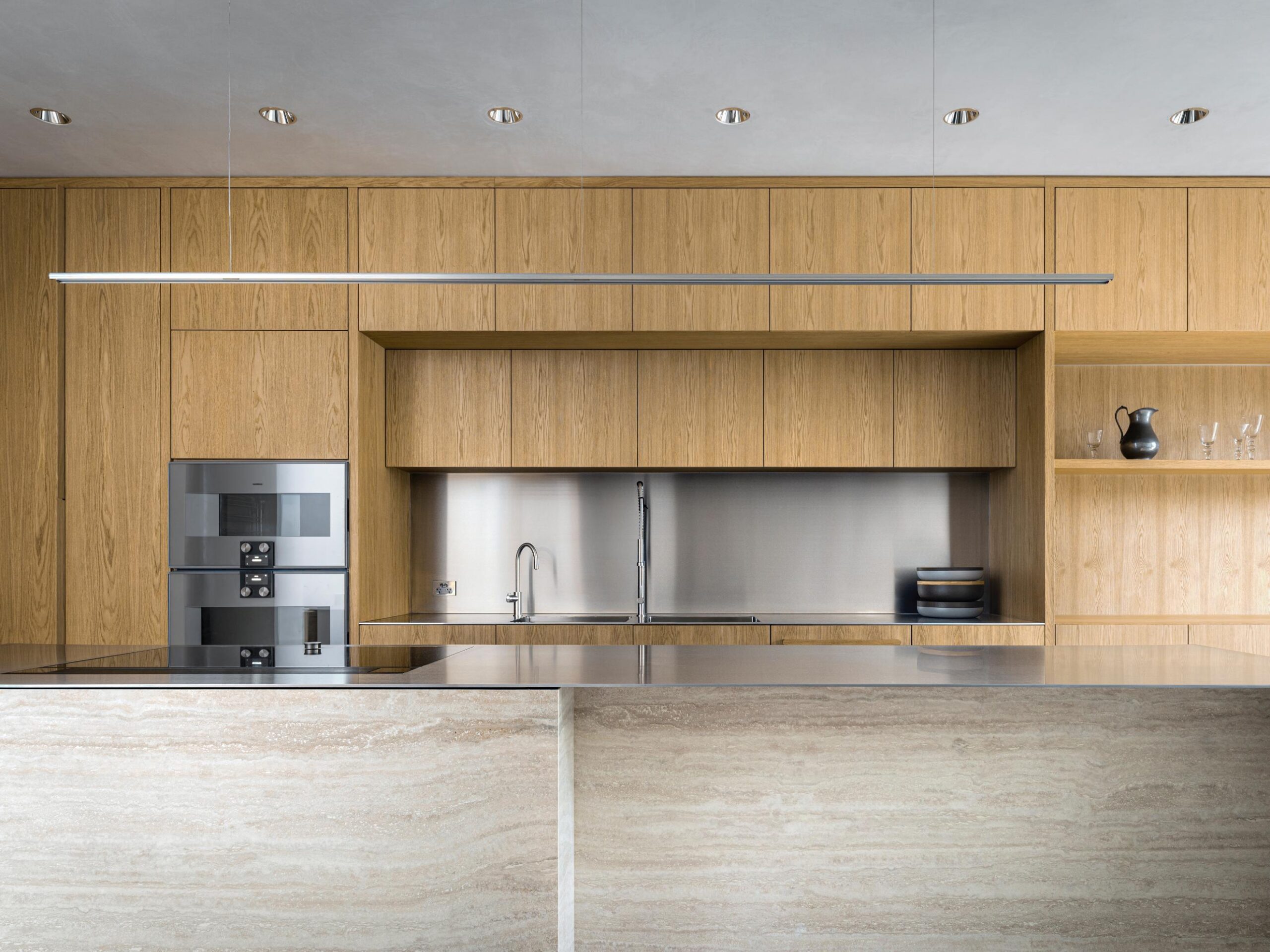
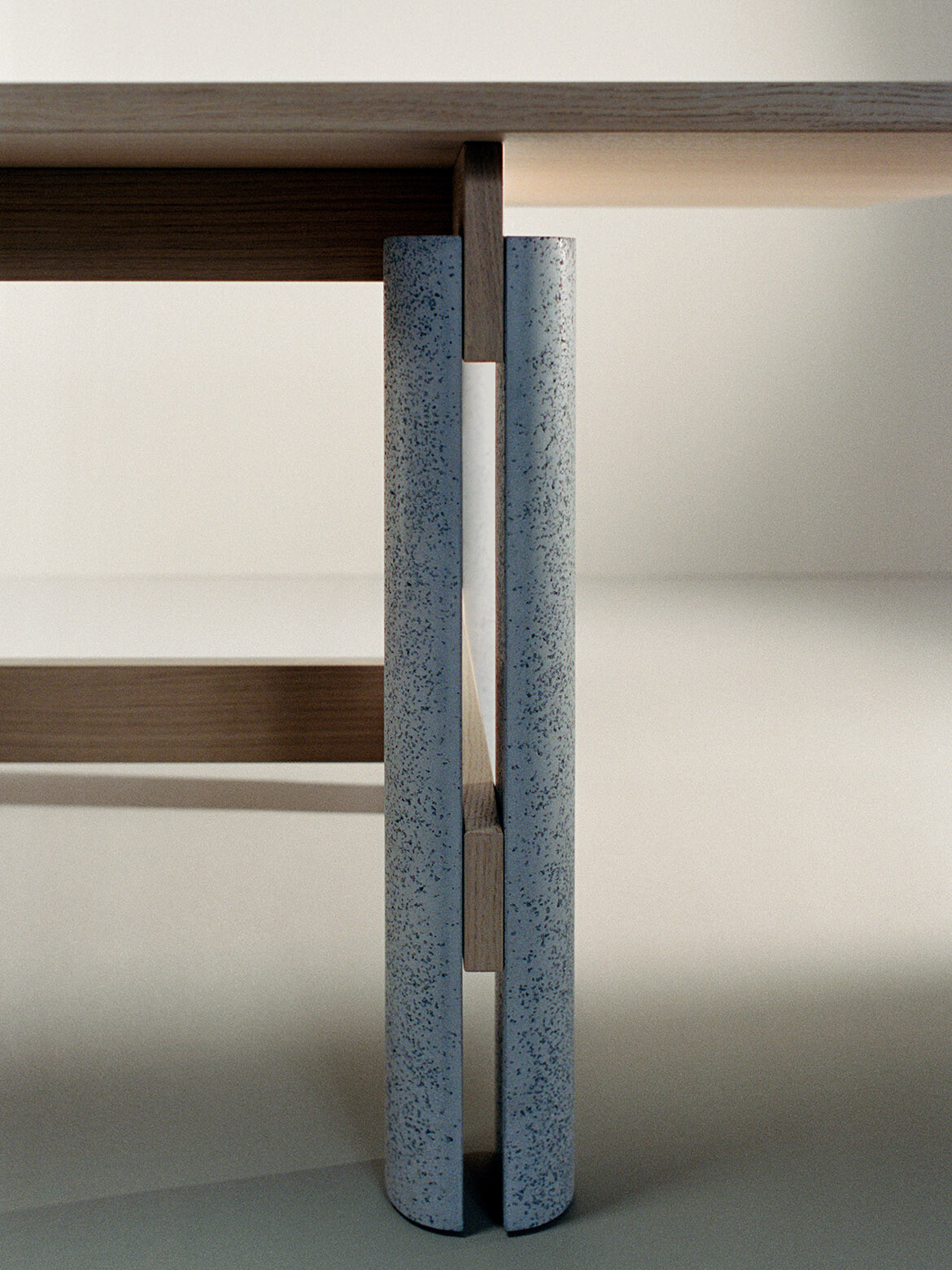
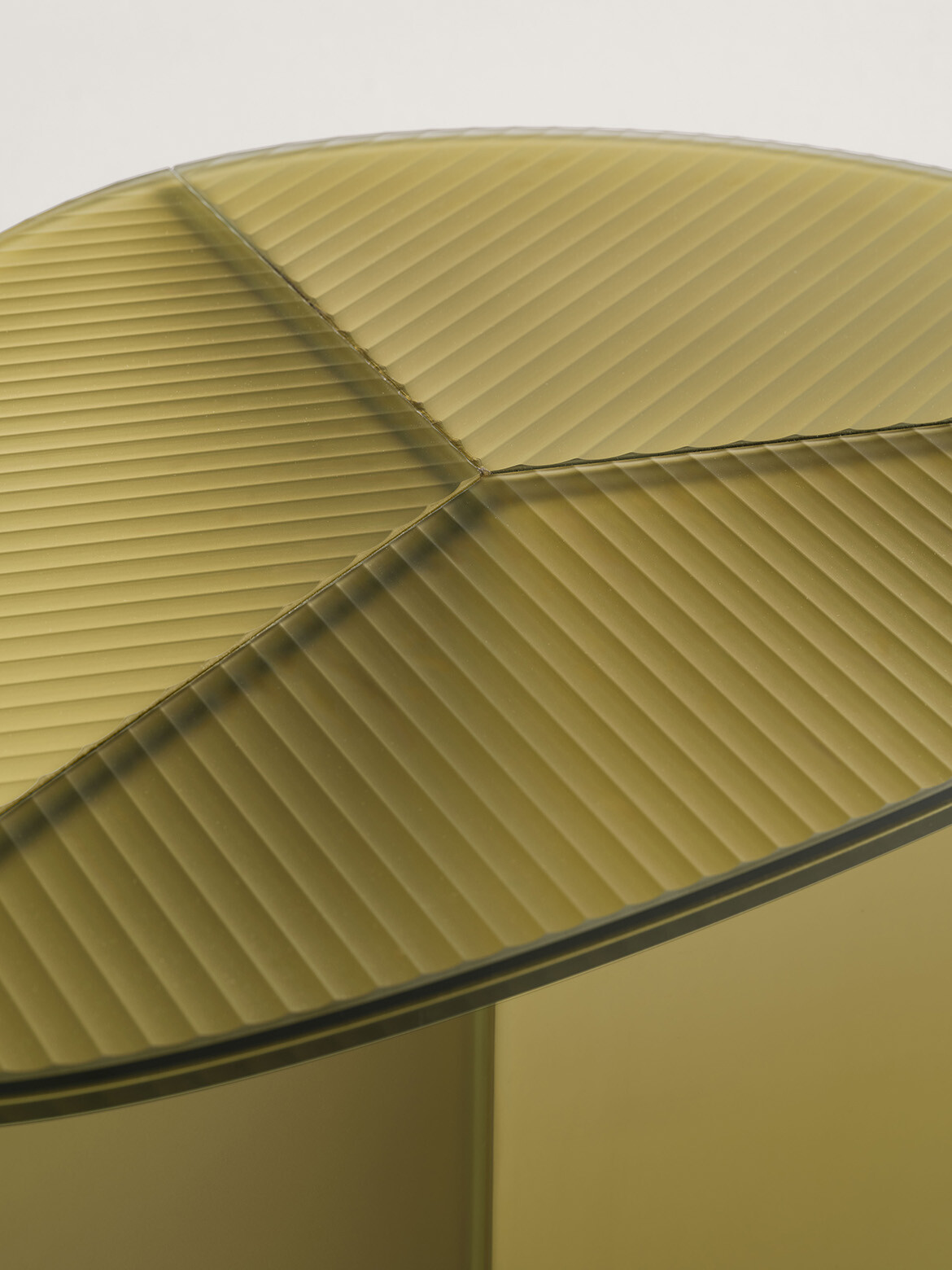
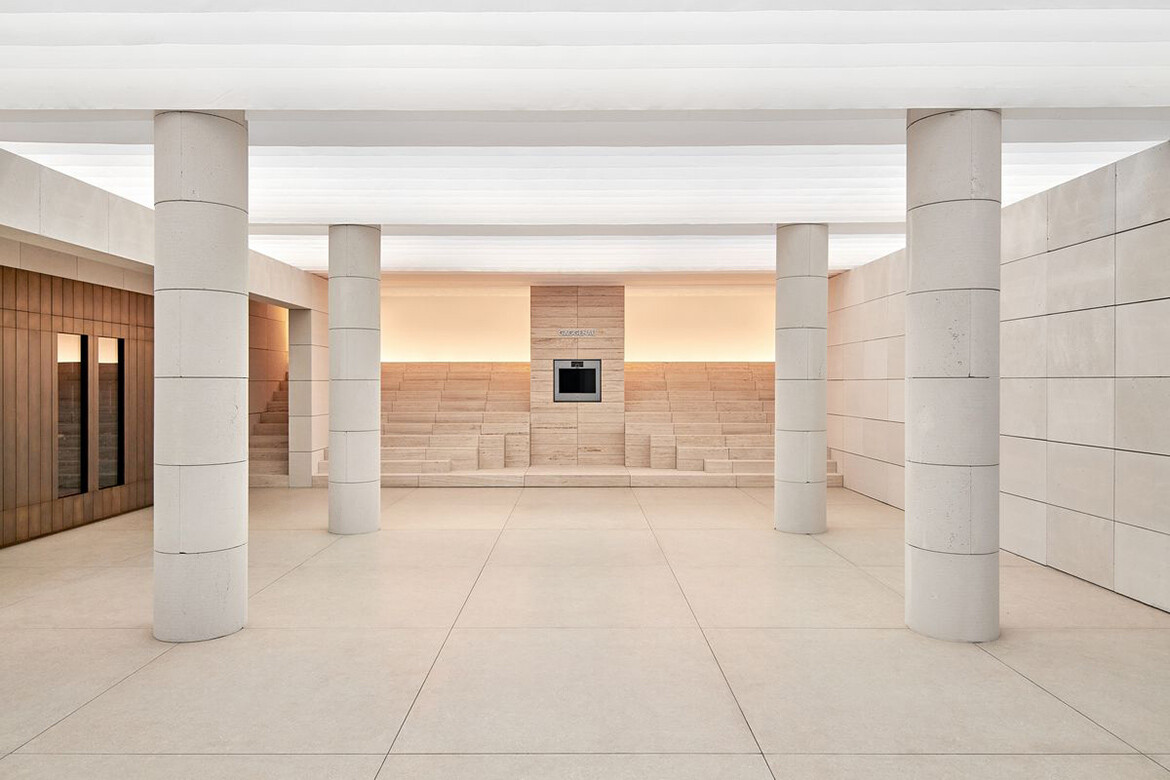
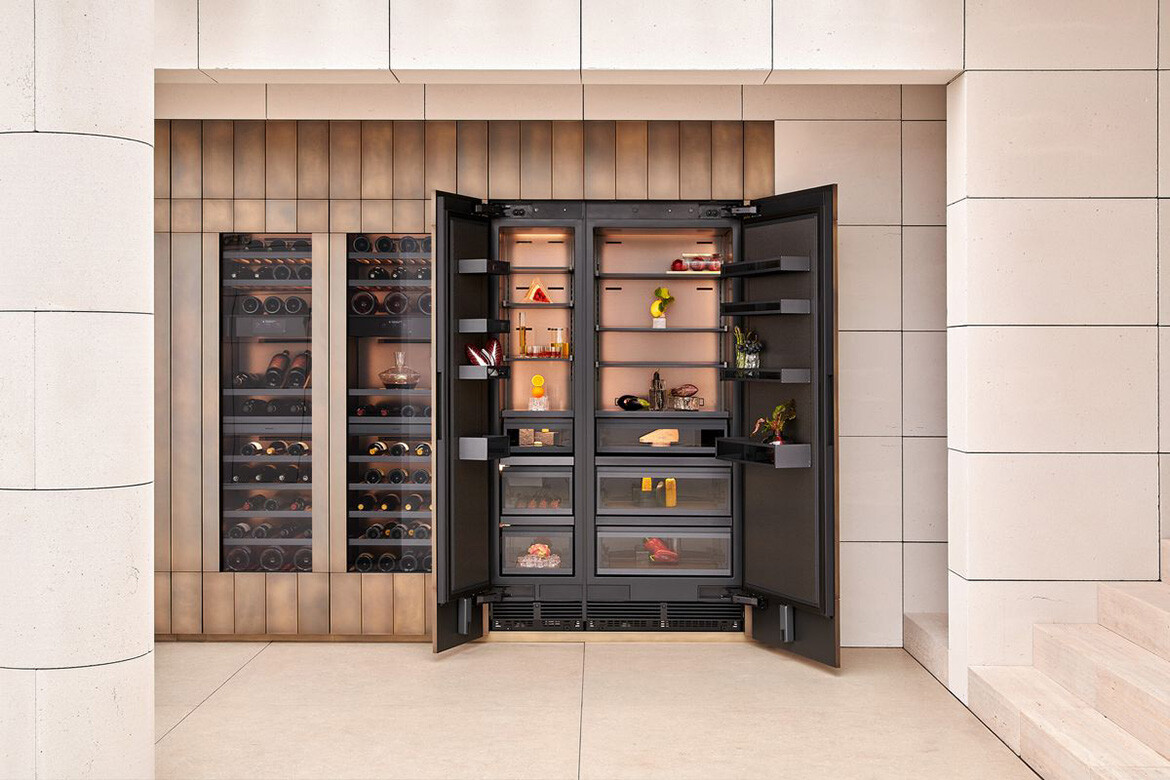
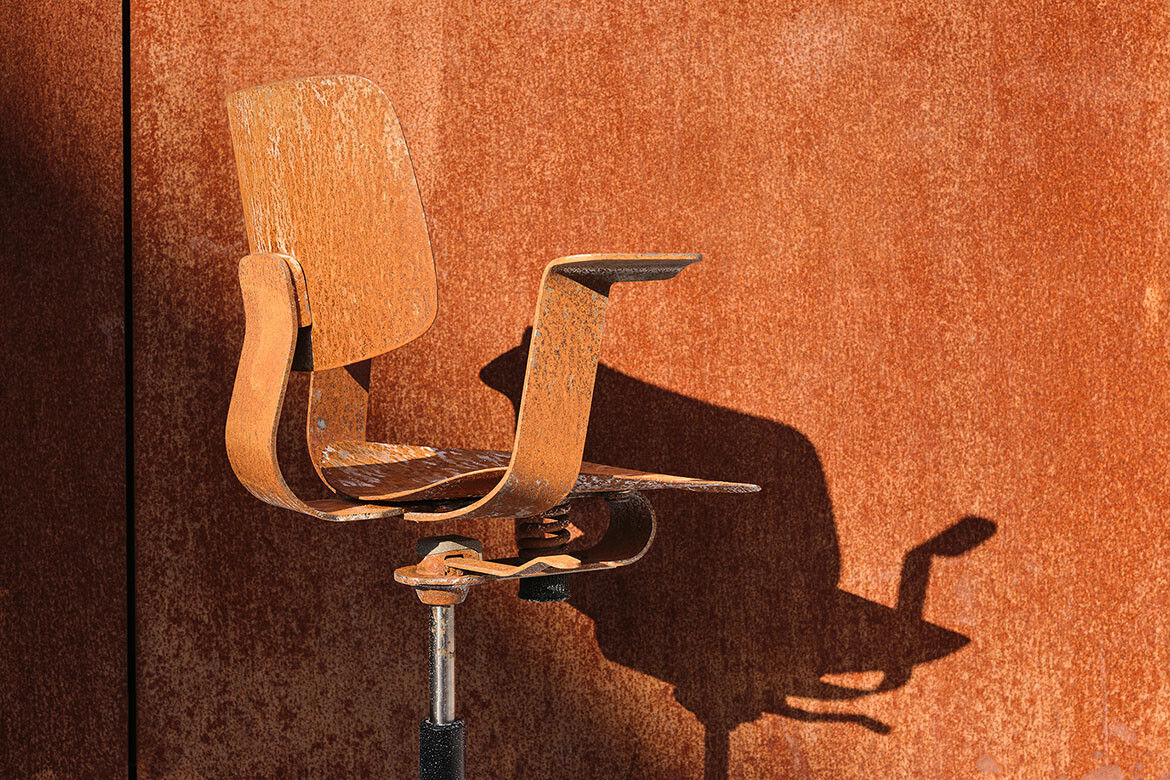
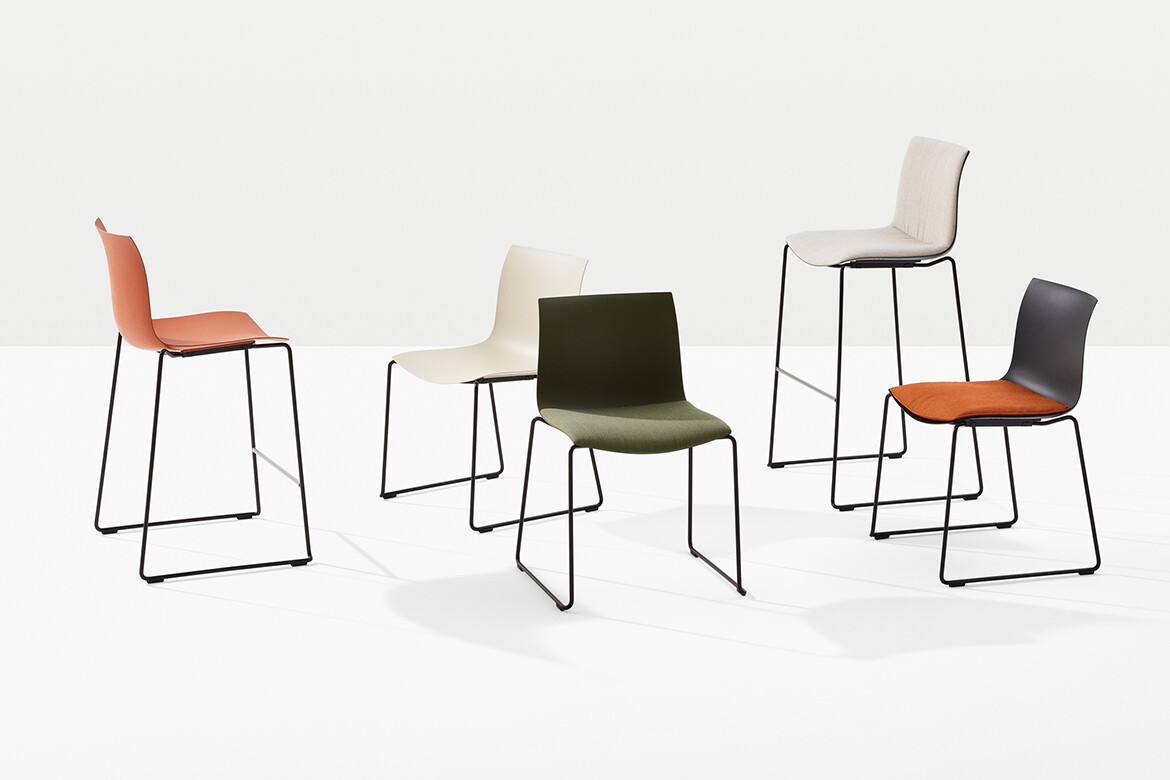
More designers have been making more of a virtue out of showing more structure — of celebrating the construction and even architectural features of a piece of furniture. As for the celebration of architectural scale, Gaggenau’s impressive Presence installation was a full pavilion at Villa Necchi designed by 1zu33. Ronan Bourollec explicitly describes his Abaco pieces for B&B Italia as having been directly inspired by the architecture of Renzo Piano and Richard Rogers, while pieces by Wilkhahn, Arper, Glas Italia and others touched on similar ground.
Elsewhere: muted colour palettes and gentle marble tones
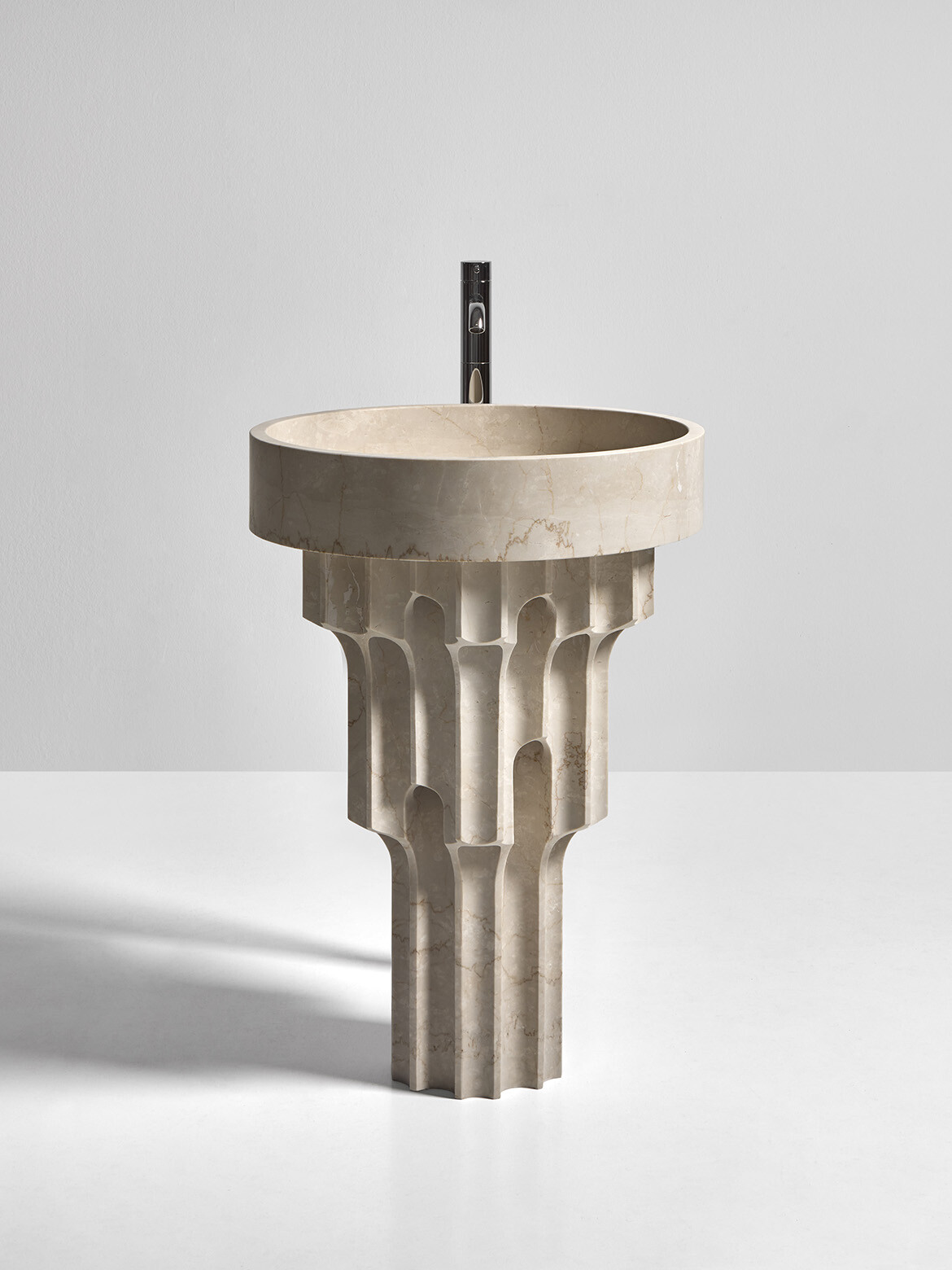
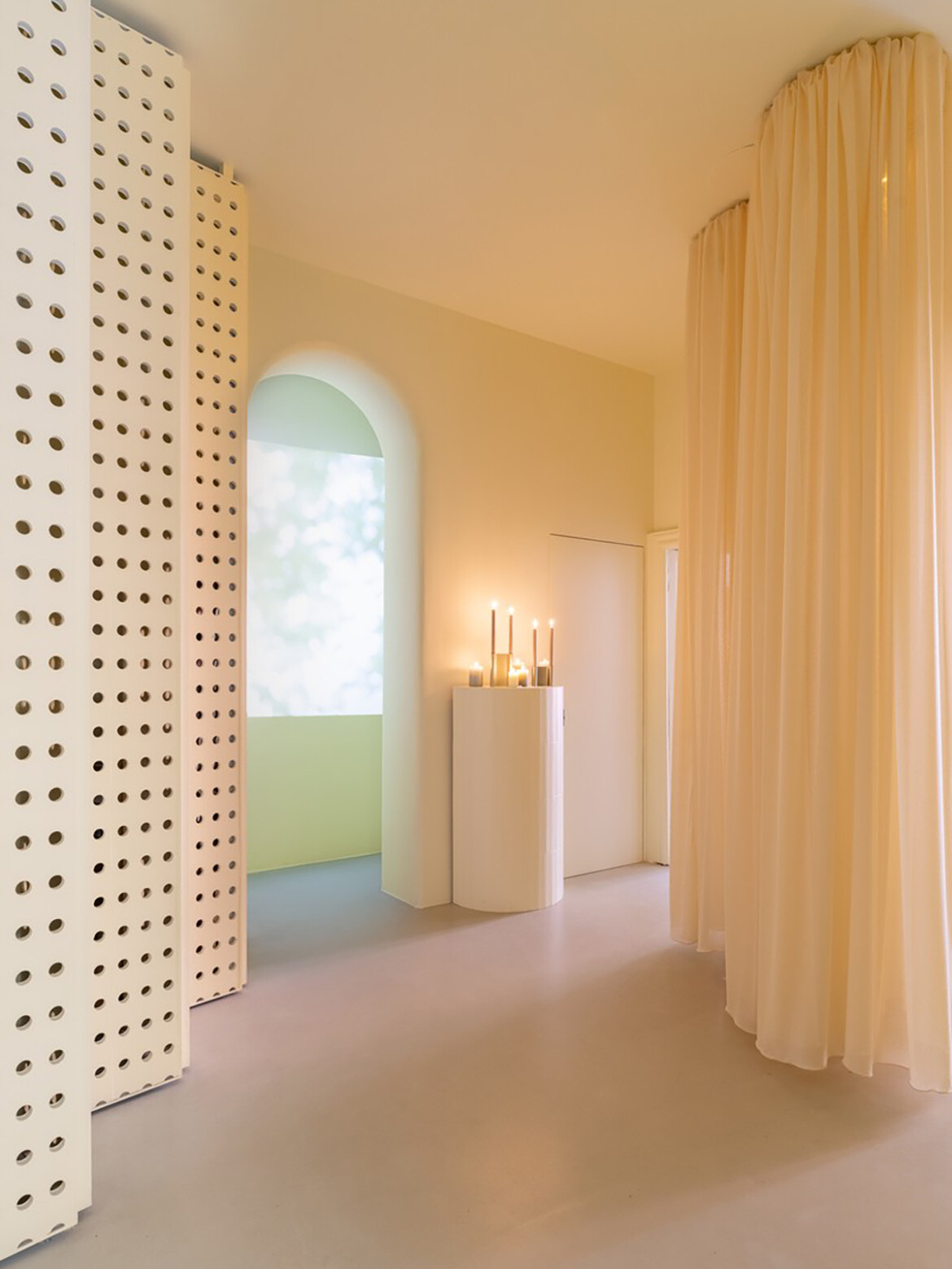
Perhaps not quite at the level of ‘trends,’ but we did notice a continued upturn in muted, softer tones and colours — especially on the scale of room interiors or bathroom/kitchen pieces.
The critical view: Luxury Brands Week?
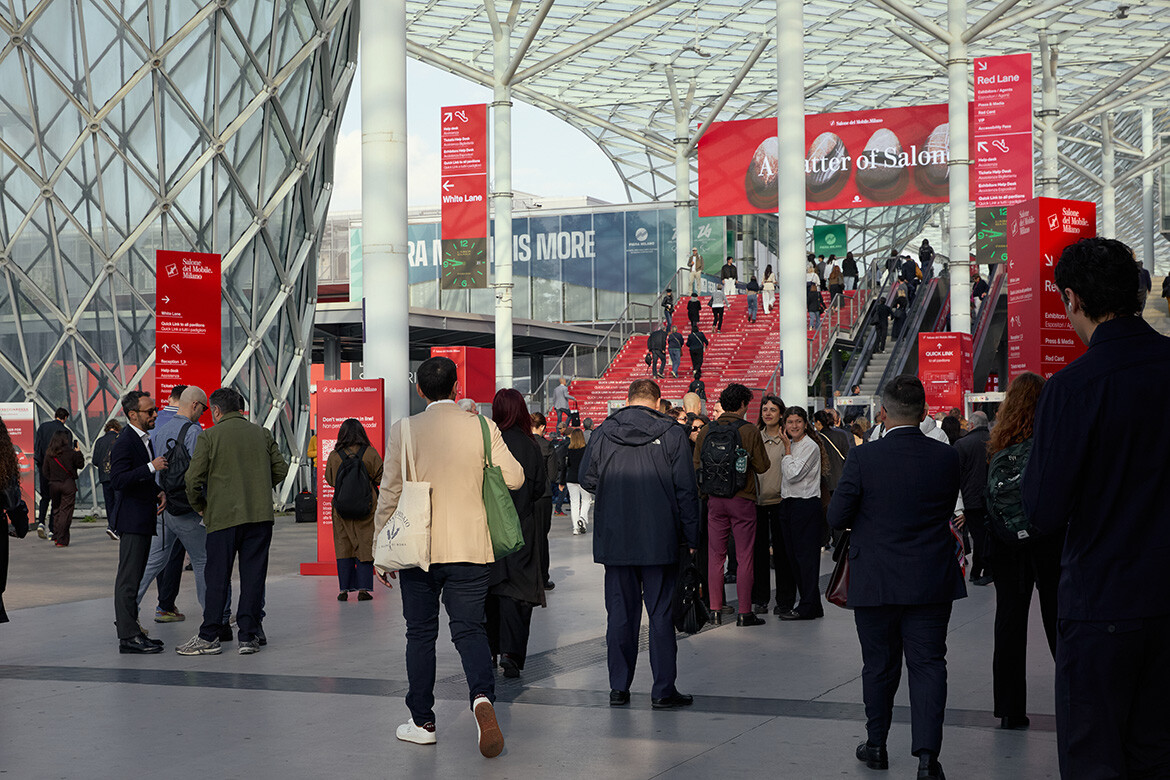
Set amidst the Old-World glamour that so easily seduces American and Australian visitors, Milan is the grand masquerade ball at which the design industry — ruthless as any other — cosplays aristocratic elegance. There have been plenty of critiques of Milan Design Week in recent years. They usually focus on the waste that comes with erecting what is more or less a village of temporary installations at Salone del Mobile. This criticism is not wrong, but nor does it get to the heart of the matter.
Milan is a festival of consumption, a bacchanal of consumerism, luxury, status symbols and general excess. With its pseudo-aristocratic settings across the city centre, Milan presents itself as a joyous coming-together of creative communities. For all the romantic stories of dynastic family furniture brands tied to the terroir of Italian design, however, it is the brutal logic of capitalist industry that underpins the whole thing — competitive, flattening and anarchic in its productive priorities.
This bubble obfuscates a few truisms. For one thing, we don’t need most of the products on display. Even if we do, most of them are well out of the reach of regular people, local Milanese or otherwise. And then there’s the sense that designers, like court painters of old relying on royal patronage, work with some brands simply because they have to. Increasingly, it’s fashion and other design-adjacent brands that compete for the star designer collaboration, entrenching the kind of ‘starchitect’ narrative that many are utterly tired of.
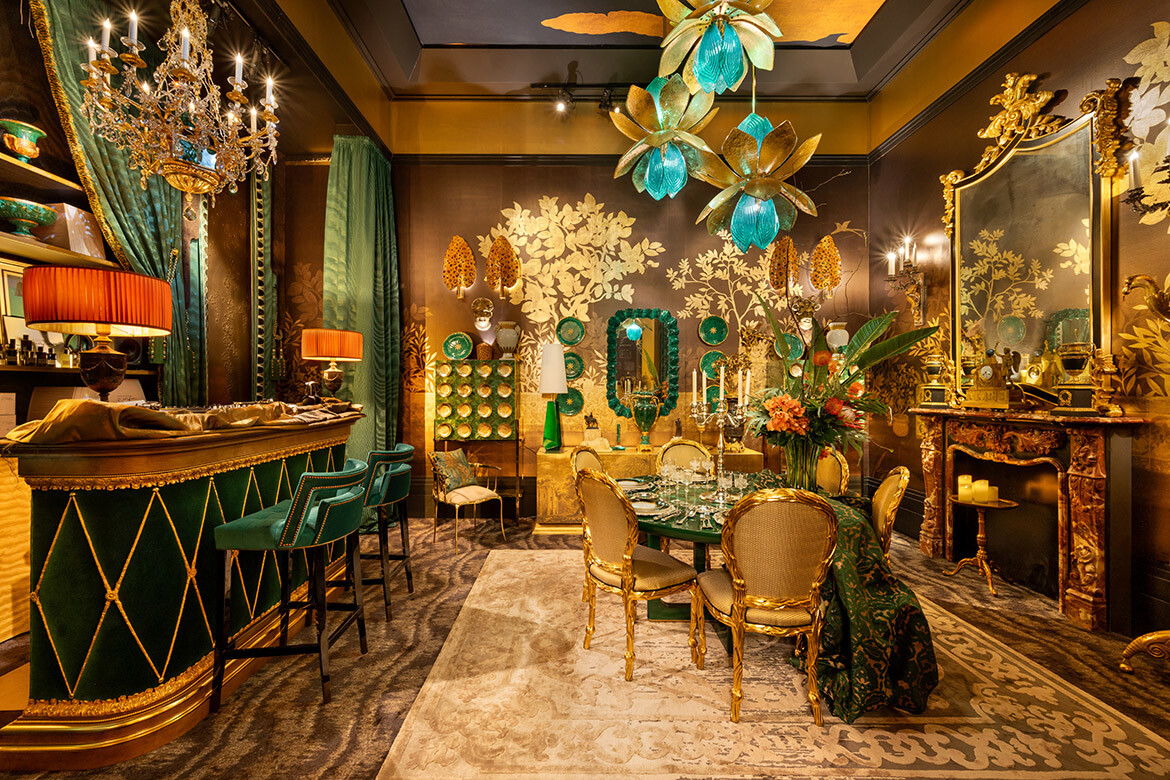
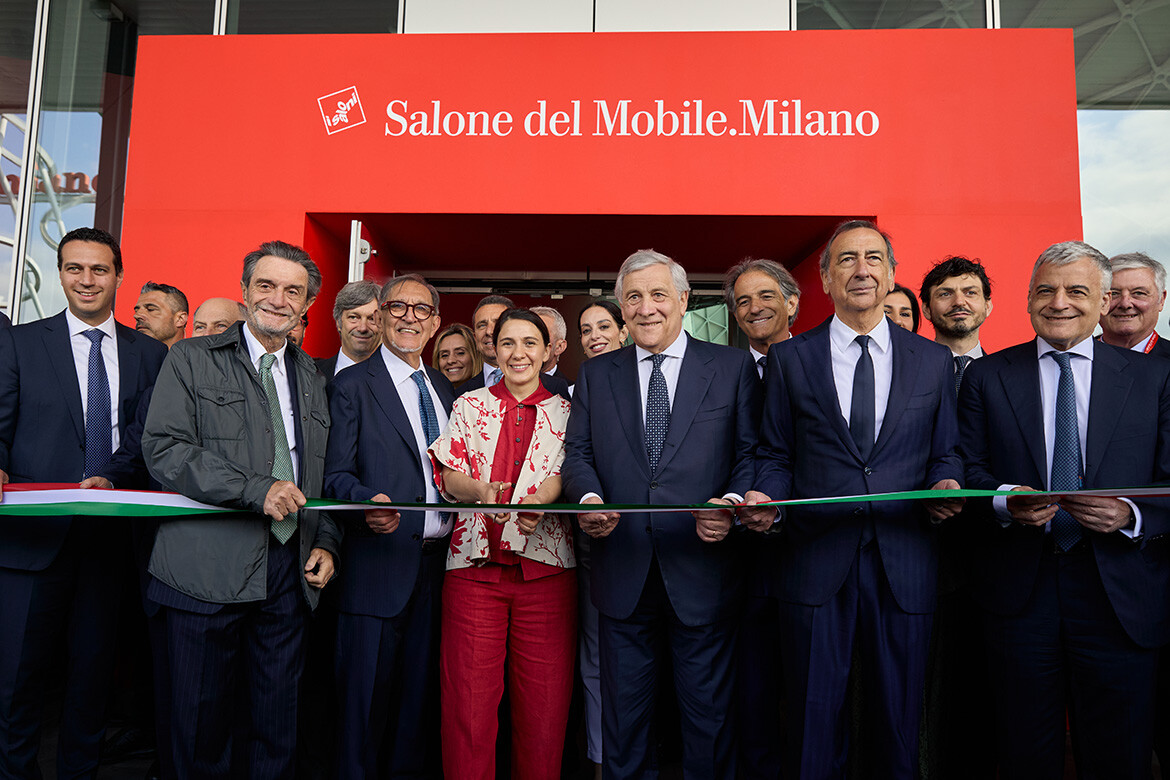
Further, there’s the dissonance of seeing countless new luxury items amidst a world of crises, from cost of living and housing affordability to climate and war. Where are the Design Week spotlights on these and so many more social and political issues? (Giorgia Meloni’s visit certainly does not count).
If the excessive production is one side of a coin, the other is its exclusivity. Milan is full of design excellence, but too often it’s an excellence directed towards the luxury, exclusion and inaccessibility of objects made for the rich. A mighty river of human creativity is dammed up and redirected to irrigate fields of conspicuous consumption rather than human need. As I leave Milan Design Week in 2026, I can’t help but imagine what we could do if this same mighty torrent of human creativity and brilliance were directed towards other ends.