Completed in 2023, this residence in Kyoto Prefecture reconsiders the traditional farmstead typology through a contemporary lens. Surrounded by farmland and bamboo forests, the project responds to a landscape shaped by centuries of agricultural settlement and, more recently, rapid urban change. We spoke with Tomohiro Hata Architect & Associates about history, hierarchy and redefining domestic space.
Tell us about the site context.
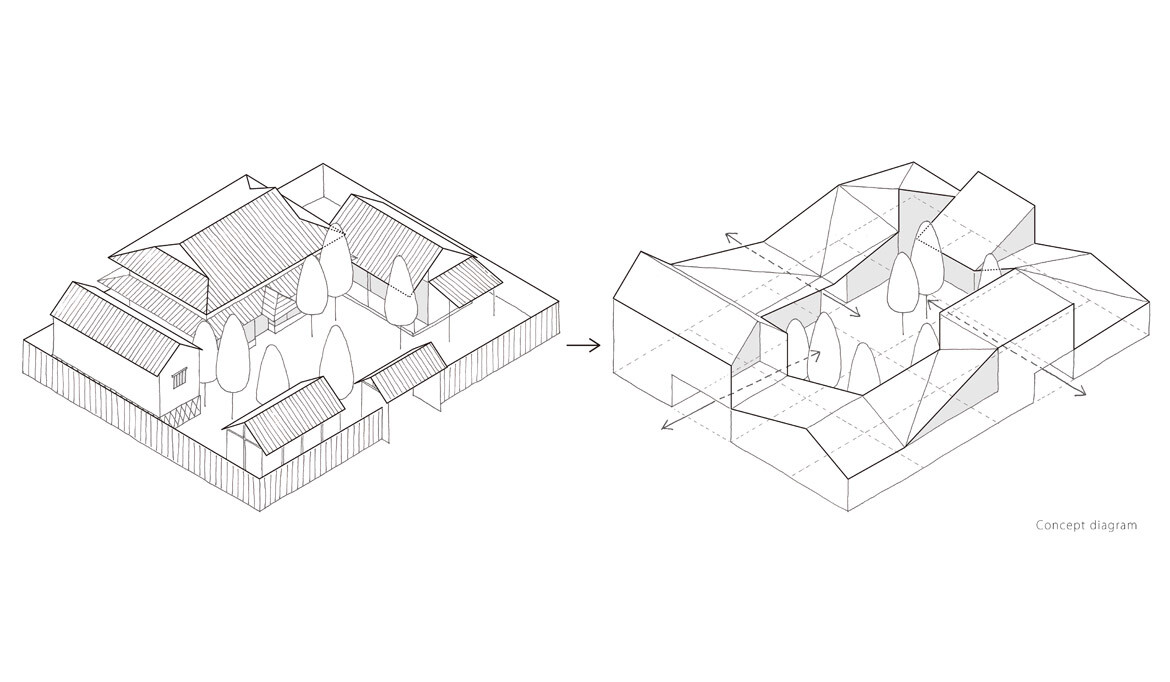
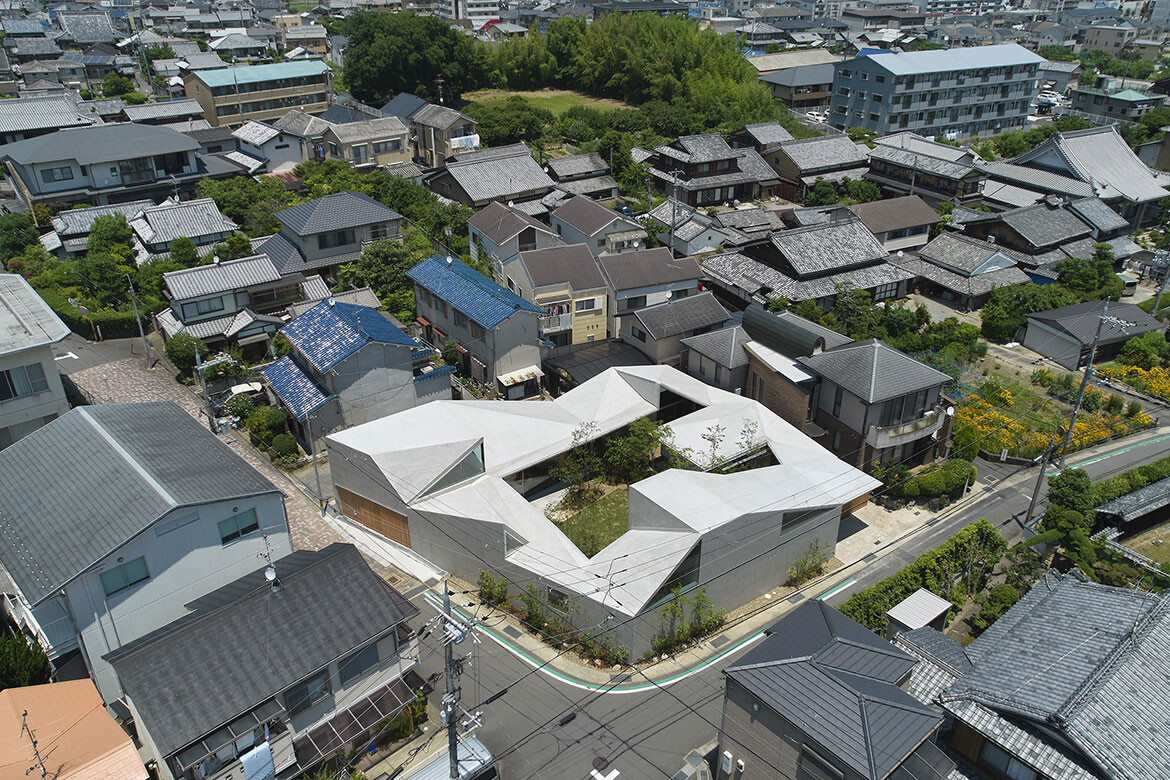
Farmland and bamboo forests spread across the site and its surrounds. Since ancient times, the area has been delimited by stone walls and dotted with farm-style habitations. Each consisted of a main house and a cluster of smaller buildings, forming a single residential unit. In recent years, however, rapid urbanisation has led to the demolition of many of these farm-style houses. The land has gradually been subdivided into a patchwork of old and new residences, often without regard for the prefecture’s historical fabric.
Related: A rural guesthouse framed by rice fields
What was the central architectural challenge?
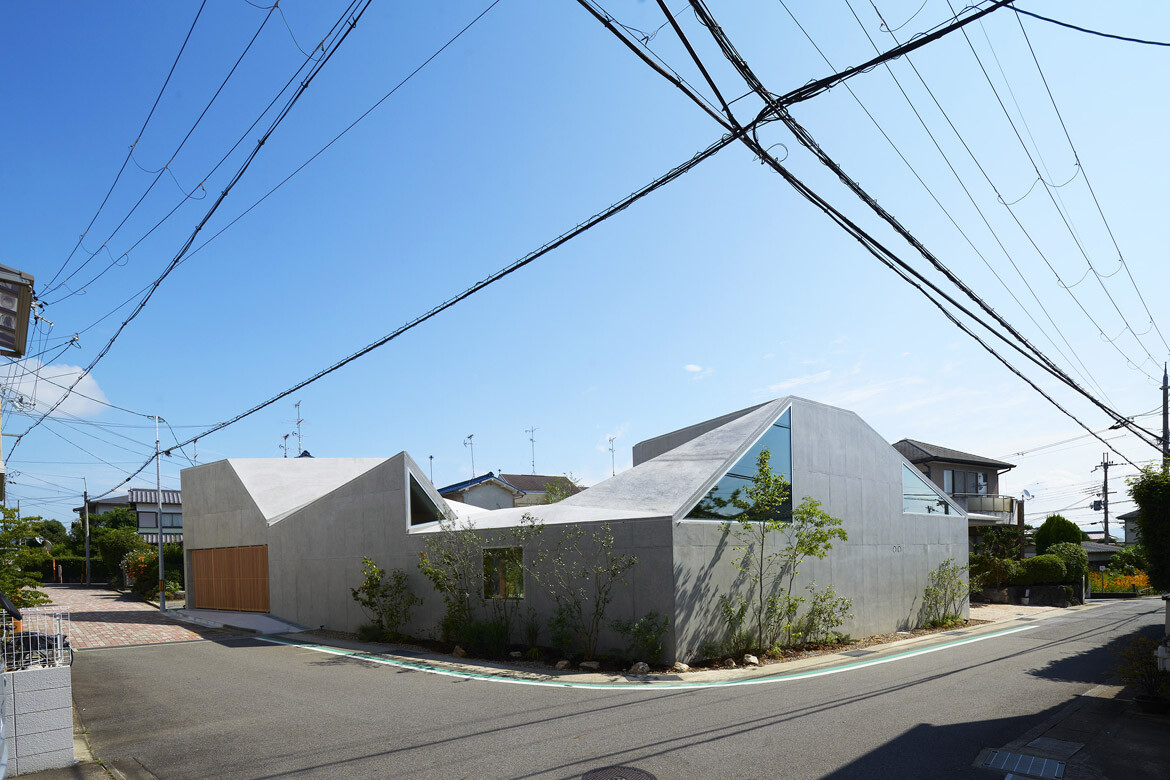
In planning a new residence here, we felt the challenge was how to overlap two time axes — the history of the place and the realities of modern life. Traditional housing in this region integrated open living areas with farmland and organised buildings hierarchically around a main house. Contemporary living, however, tends to favour neutral, flexible spaces without strict hierarchy.
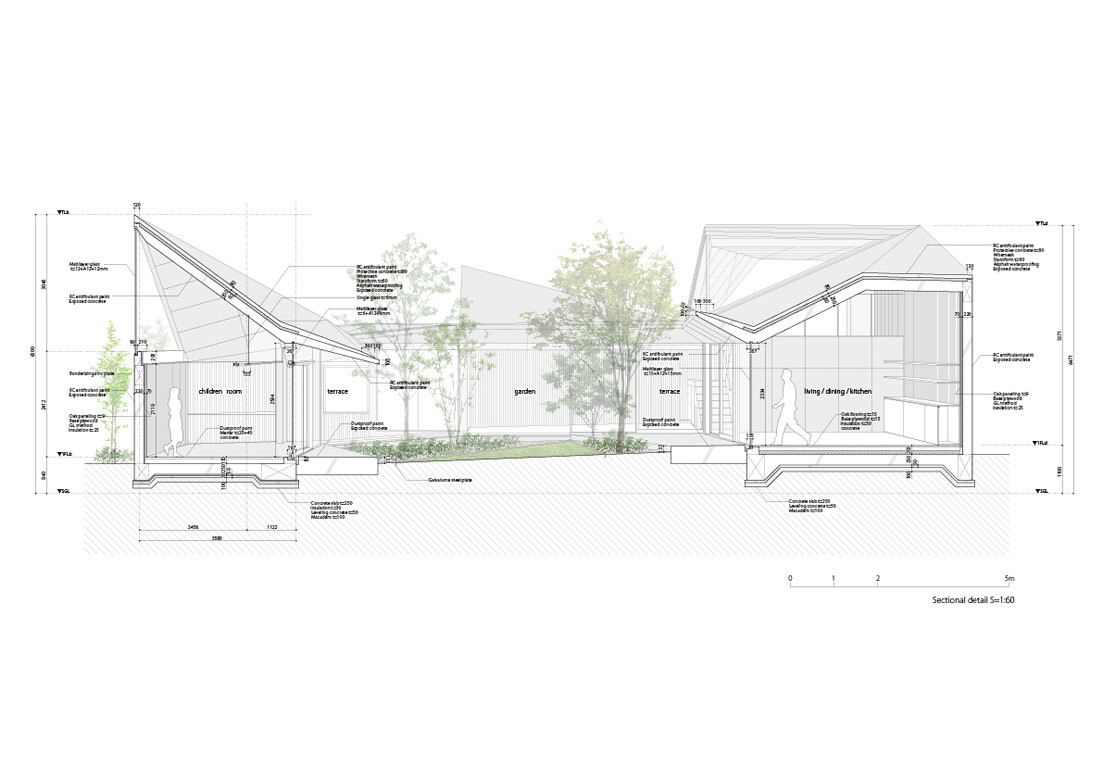
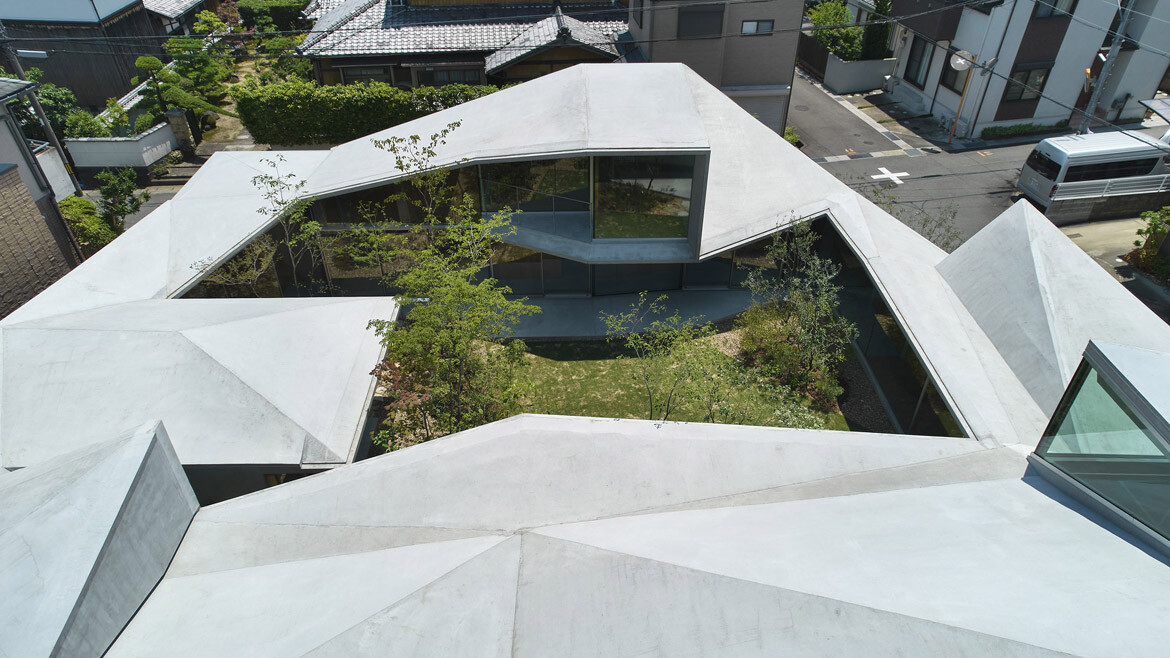
We asked ourselves how these ideas could coexist. The result was a form composed of small clusters of buildings that define the residence. Rather than being connected in a hierarchical way, they collide and continuously melt into one another, enclosing a large living area as a whole.
How does the design reinterpret the traditional farmstead model?
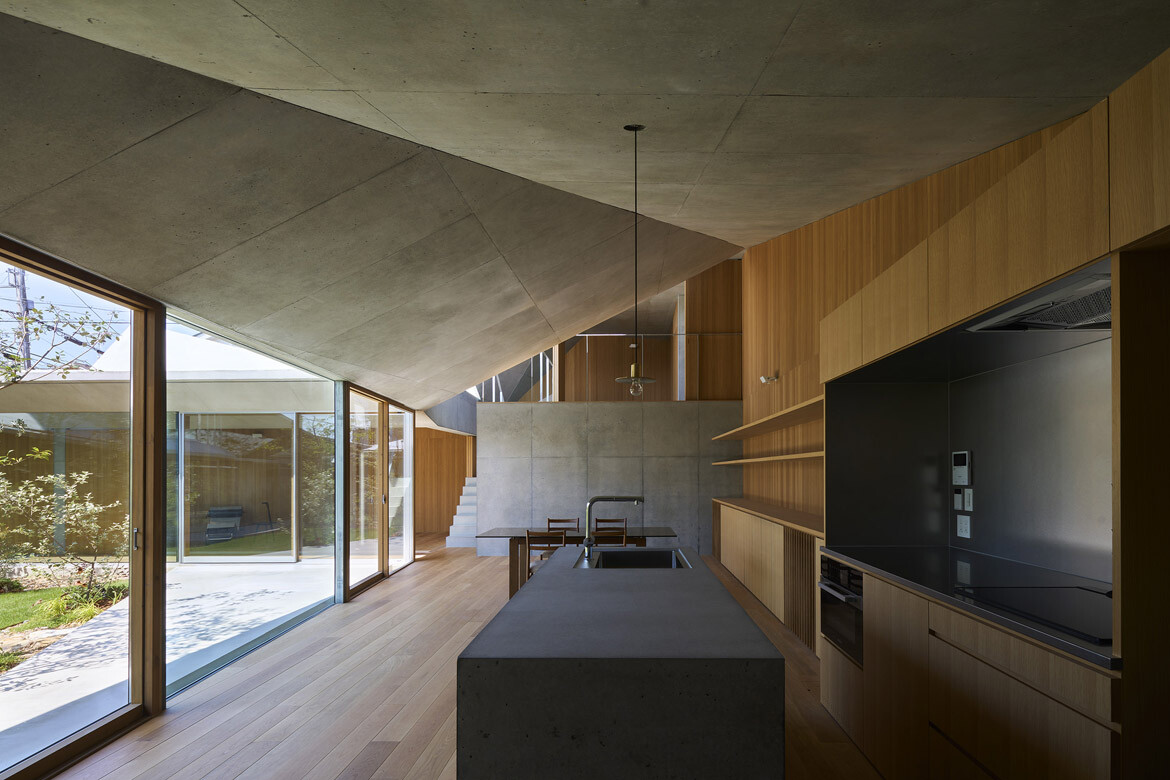
Instead of replicating the centralised main-house structure, we dissolved that hierarchy. The residence becomes a constellation of volumes that relate more fluidly. This approach reflects a shift from clearly defined roles within domestic architecture toward a more open-ended way of living.
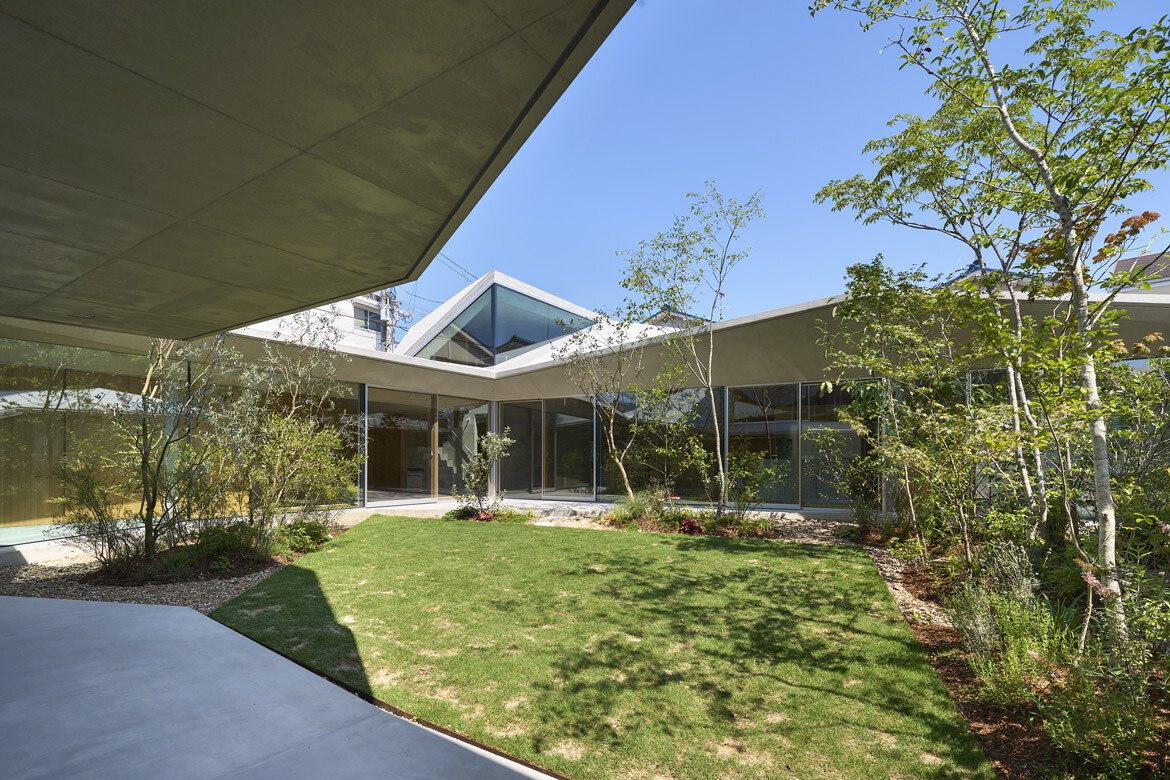
At the same time, the spatial organisation still acknowledges the traditional relationship between house and land. The living areas maintain a dialogue with the surrounding farmland, echoing the openness that characterised historical dwellings in the area.
What key material or structural decisions supported this concept?
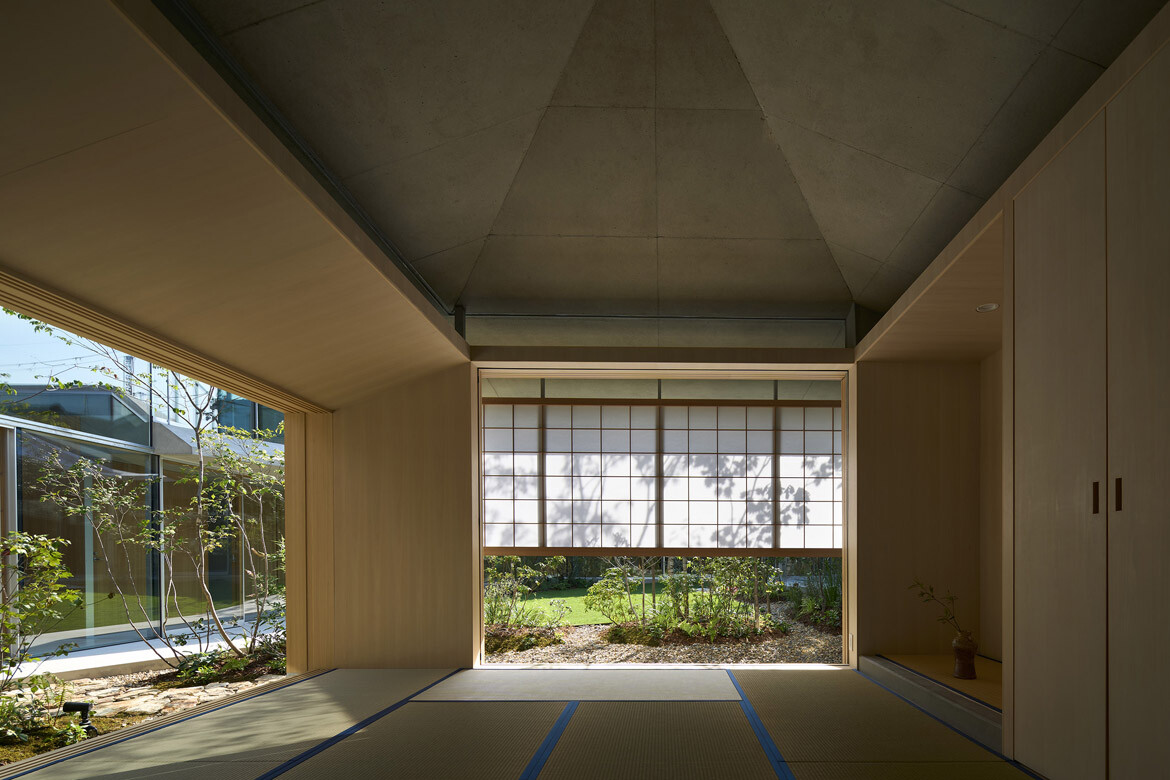
The idea of clustered volumes shaped the structural strategy. Each component operates as a distinct yet interrelated entity. Their proximity and overlap create spatial continuity rather than separation. This organisation allows interior and exterior to feel layered, rather than divided, and reinforces the idea of a collective whole.
What are your favourite moments in the design?
By layering the unique way of living in this area with the historical village structure and a contemporary domestic model, the residence connects to local tradition while expanding what we call the cognitive living space. It is not only about physical form but about how memory, history and daily life coexist.
The most rewarding moments are those where this overlap becomes tangible — where past and present can be felt simultaneously.
Tomohiro Hata Architect & Associates
hata-archi.com
Photography
Toshiyuki Yano