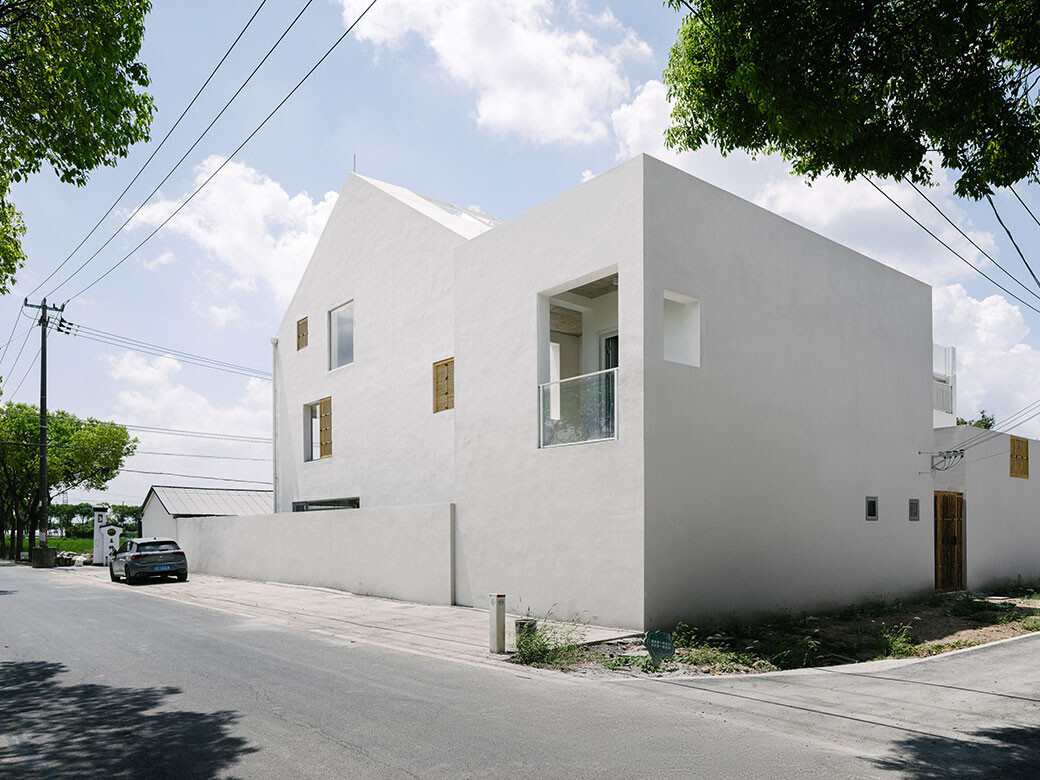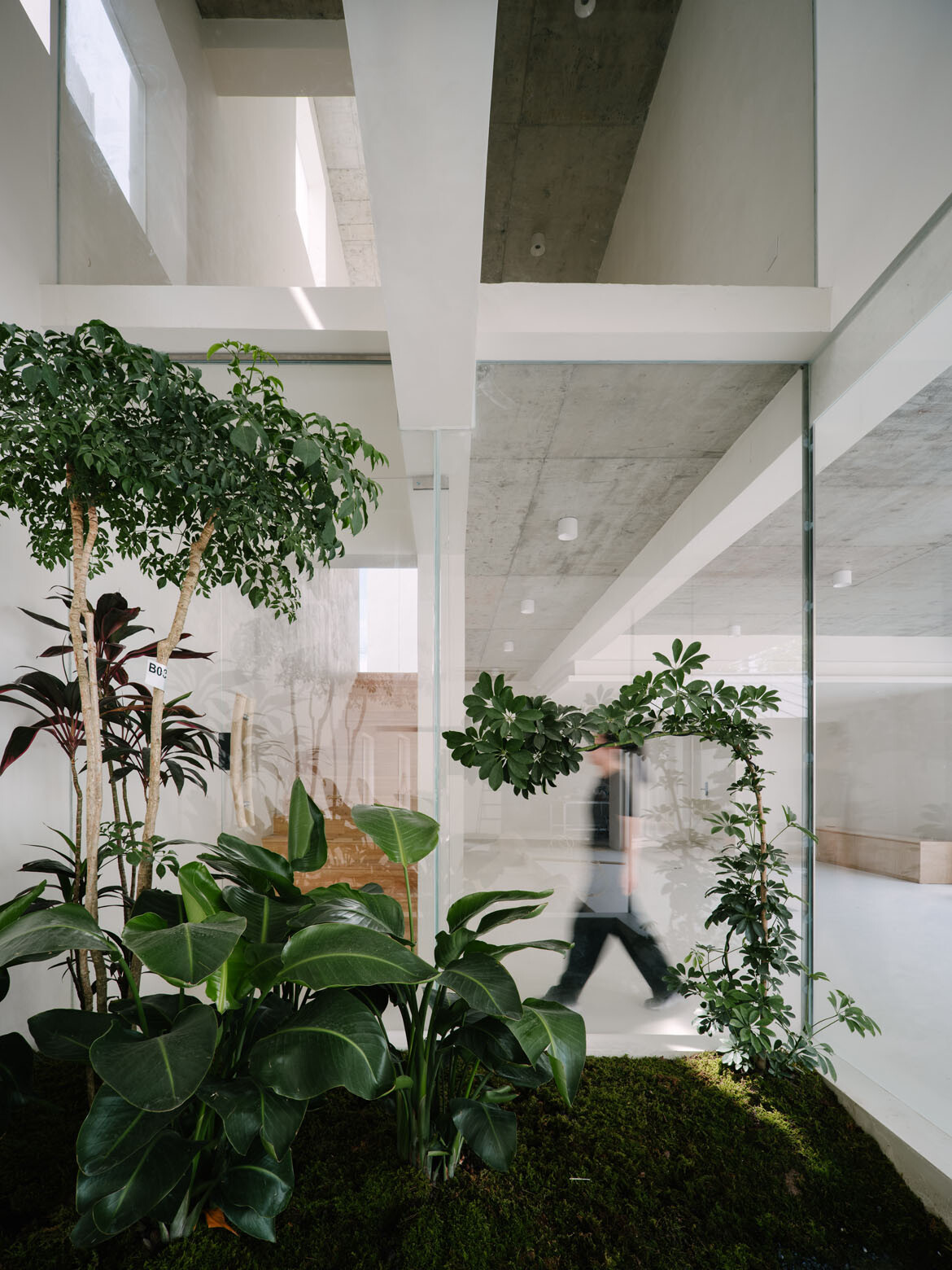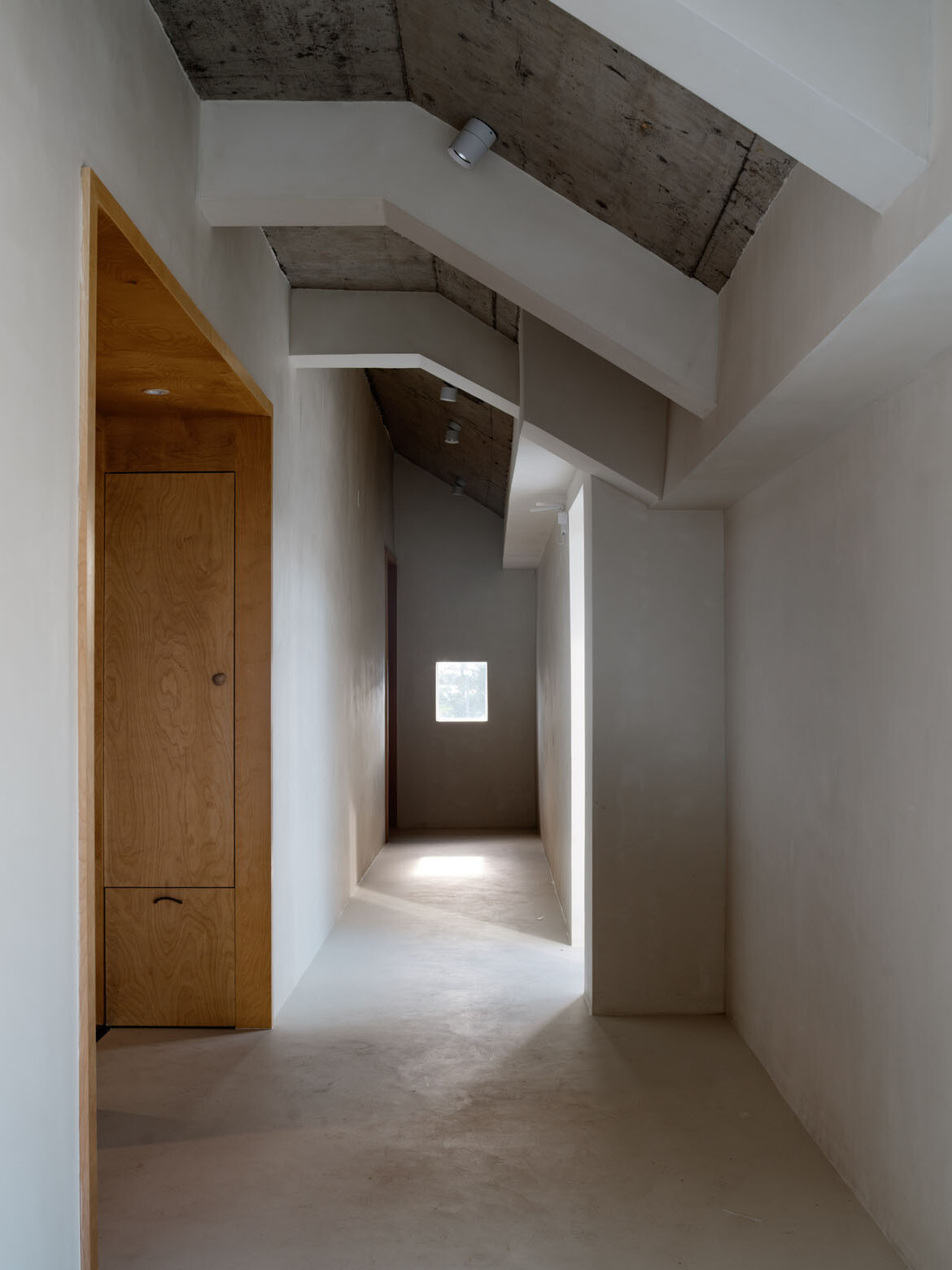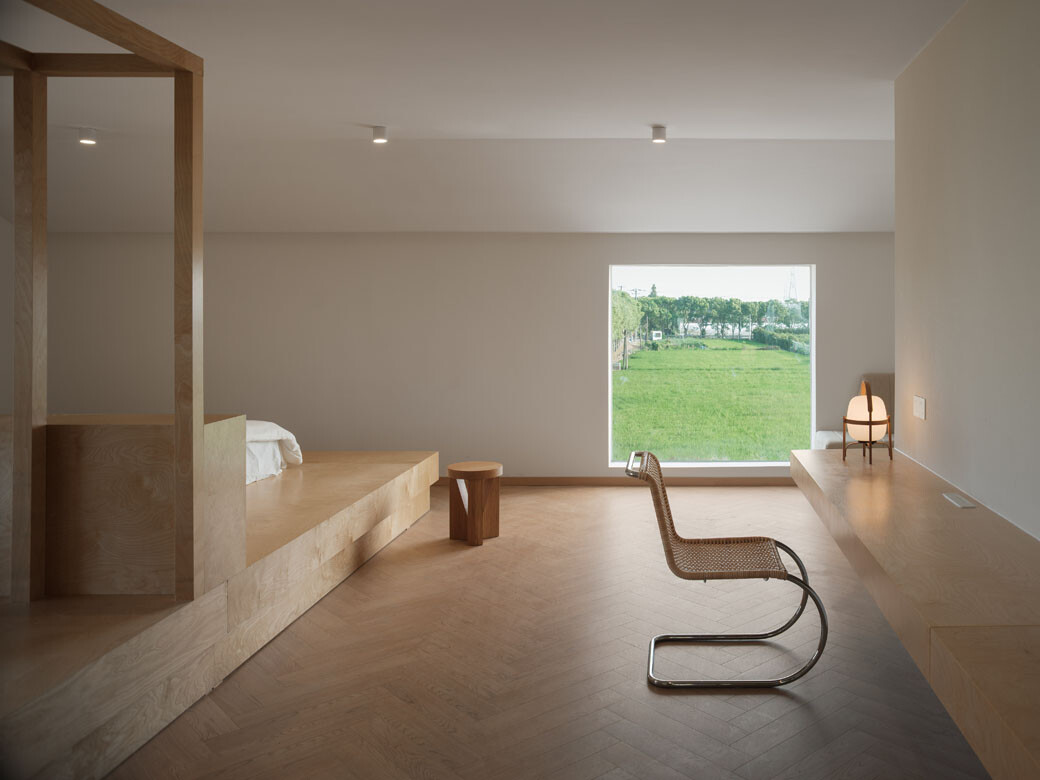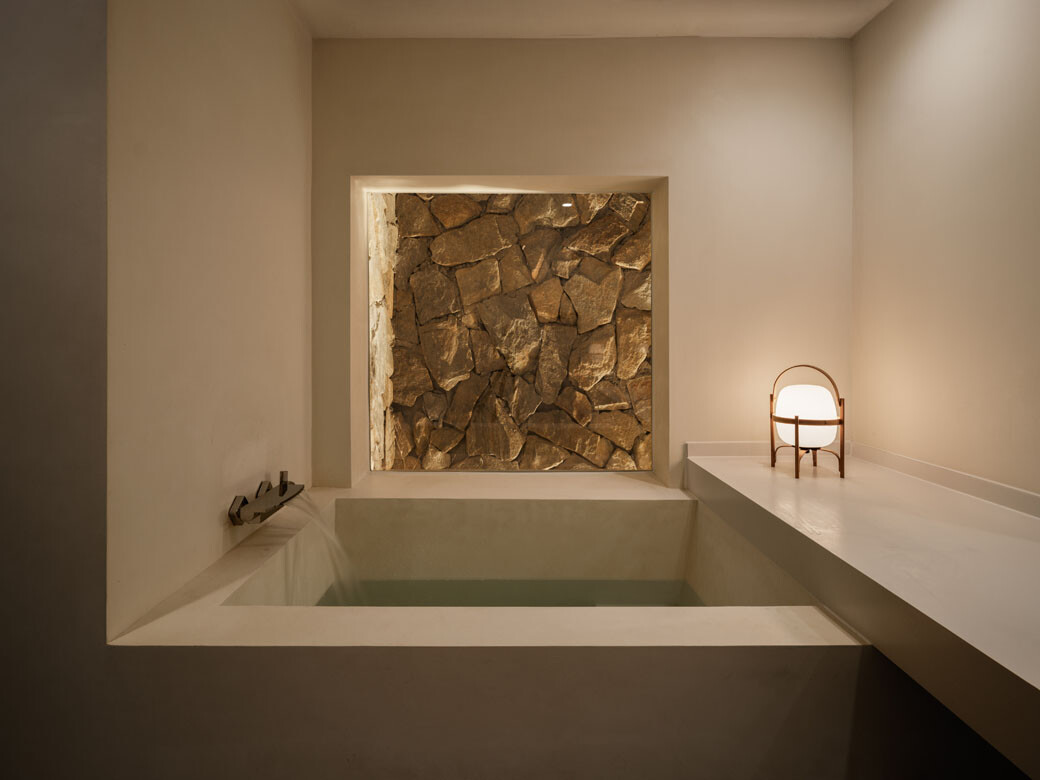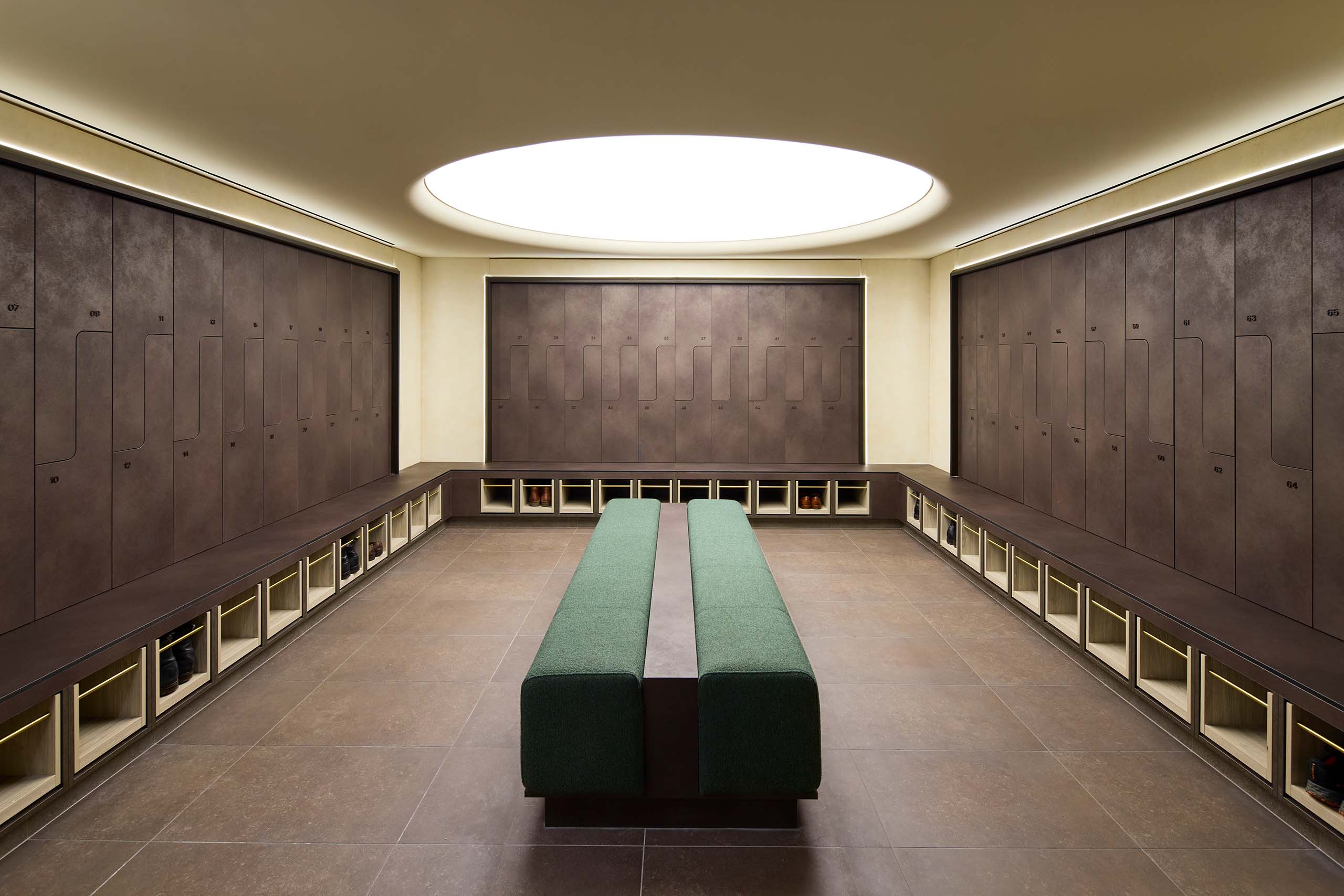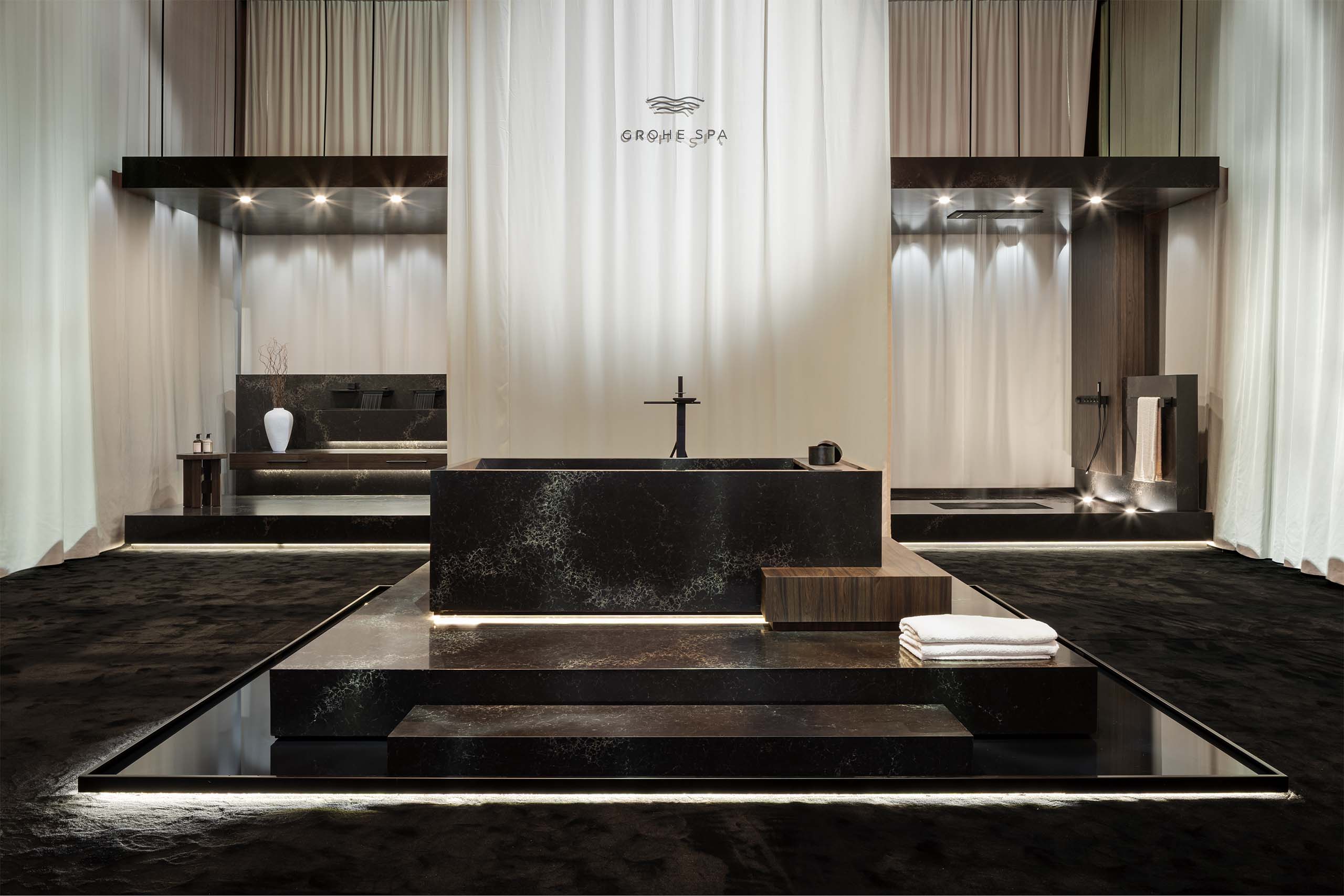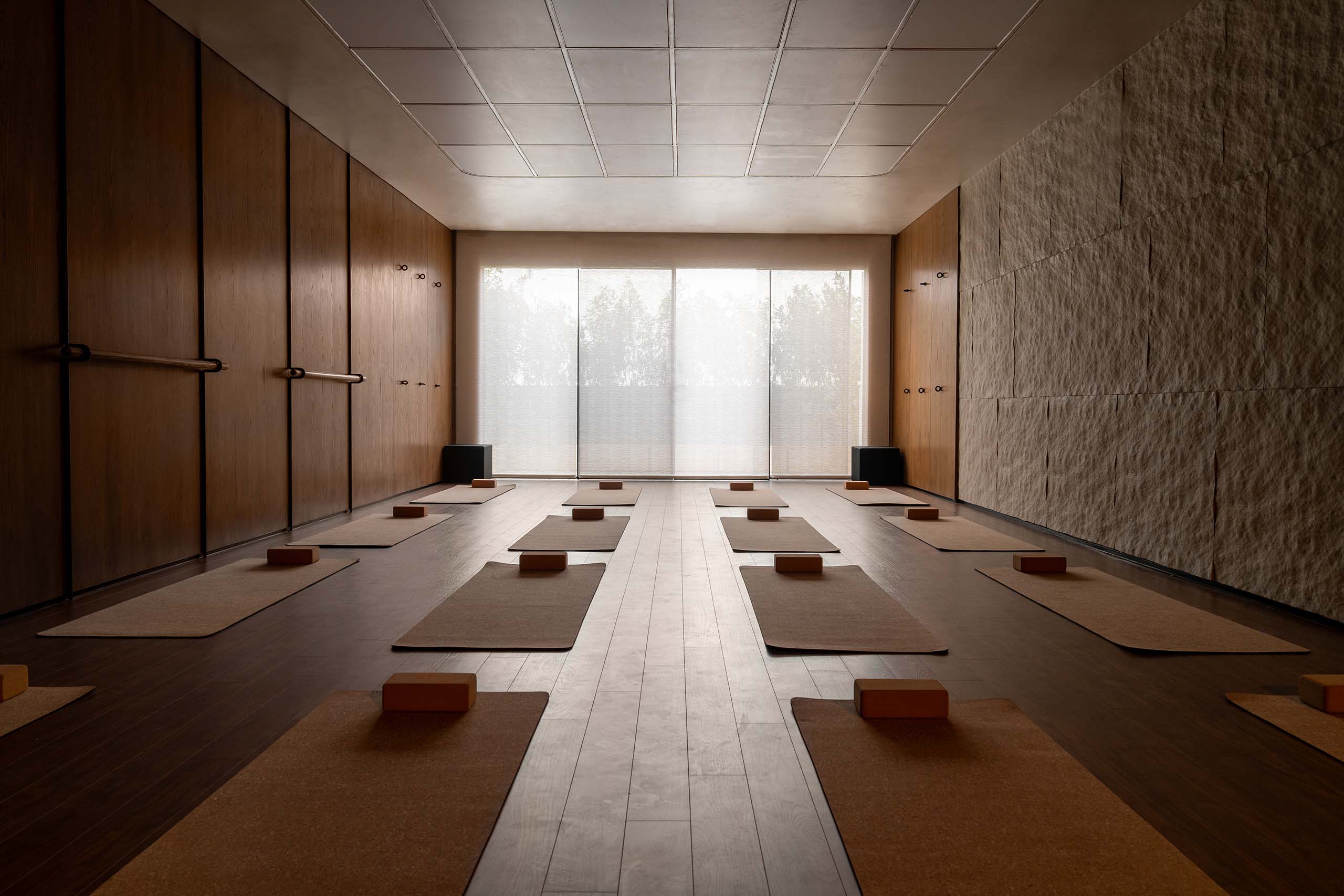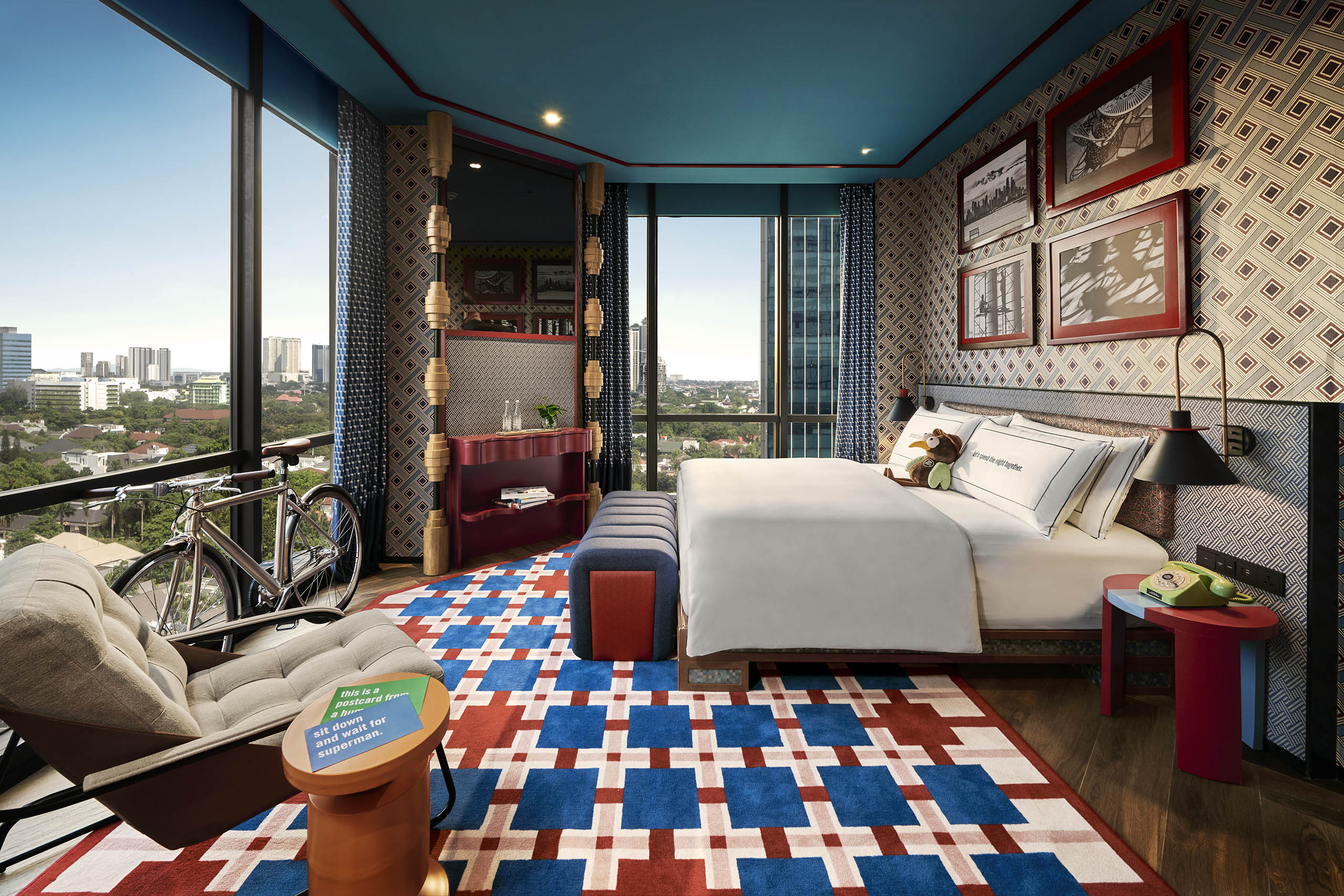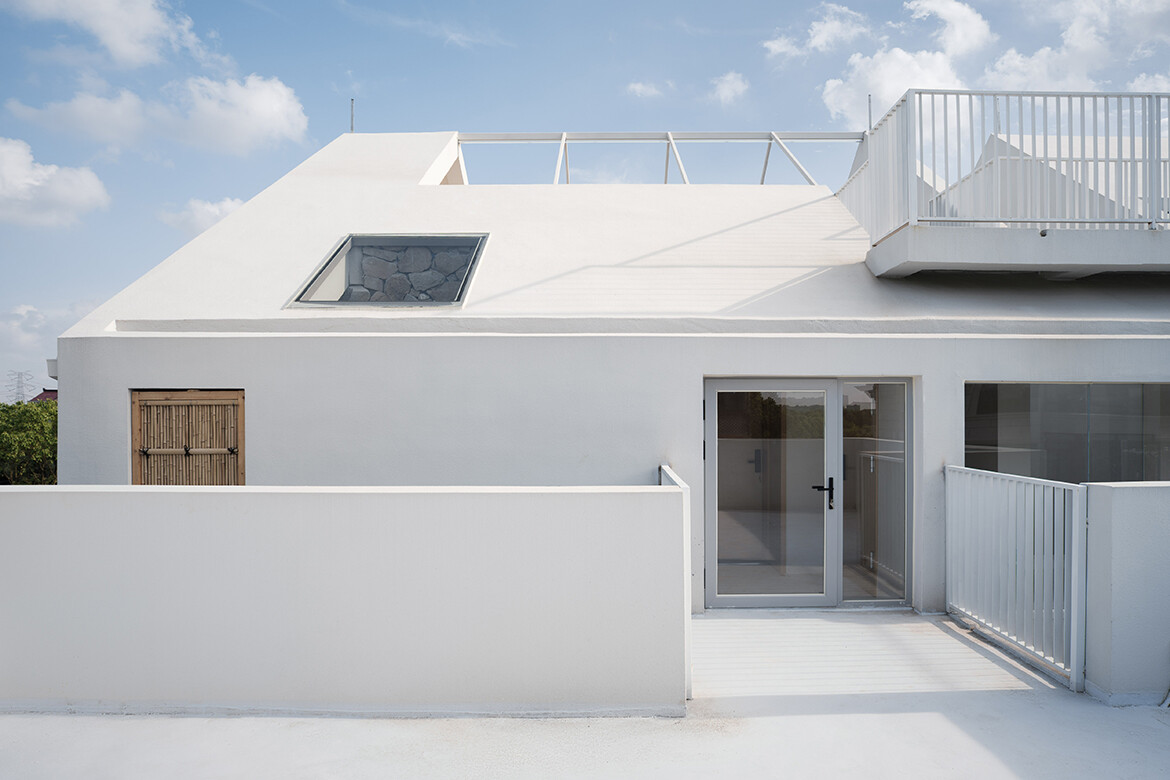
Set among the rice fields near Shanghai’s ancient town of Xinchang, The Catcher is a guesthouse shaped as much by restraint as it is by its landscape. Designed by TEAM_BLDG, the project reworks two self-built rural houses into a contemporary retreat that watches quietly over its surroundings rather than dominating them.
From the outset, the client gave the designers unusual freedom. Beyond meeting room numbers and basic public functions, the brief focused on making full use of outdoor spaces and rooftop terraces, allowing the architecture to respond directly to the expansive agricultural setting. The surrounding rice fields became the project’s conceptual anchor, informing an approach that privileges openness, framed views and a porous relationship between inside and out.
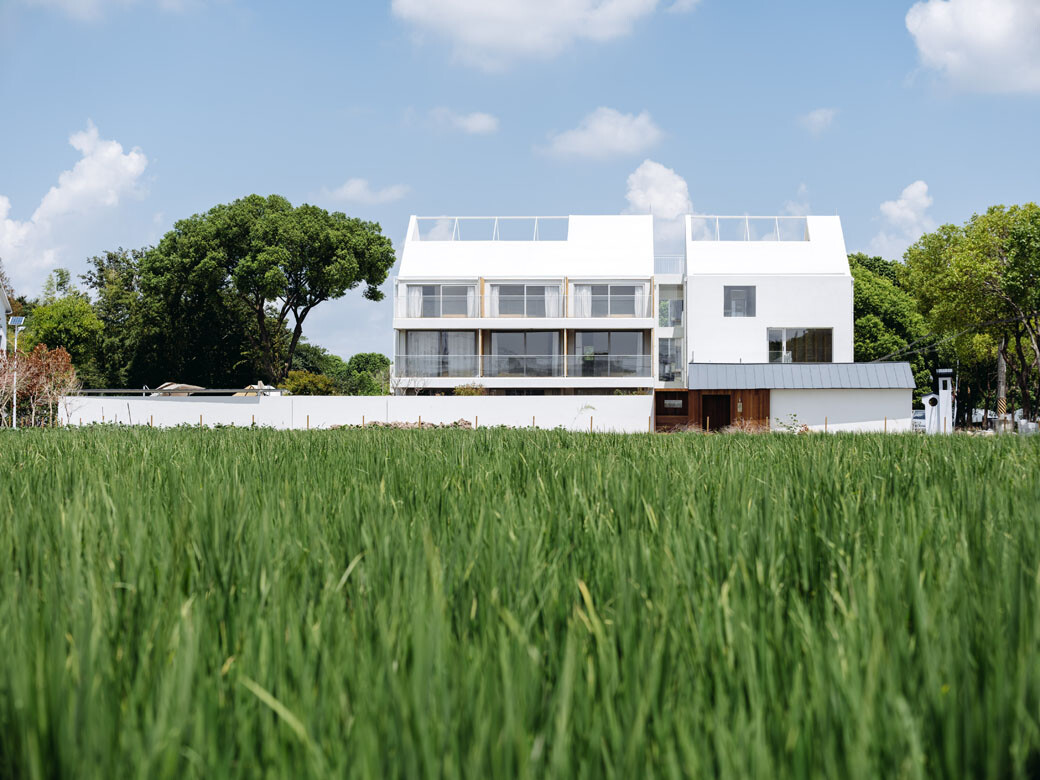
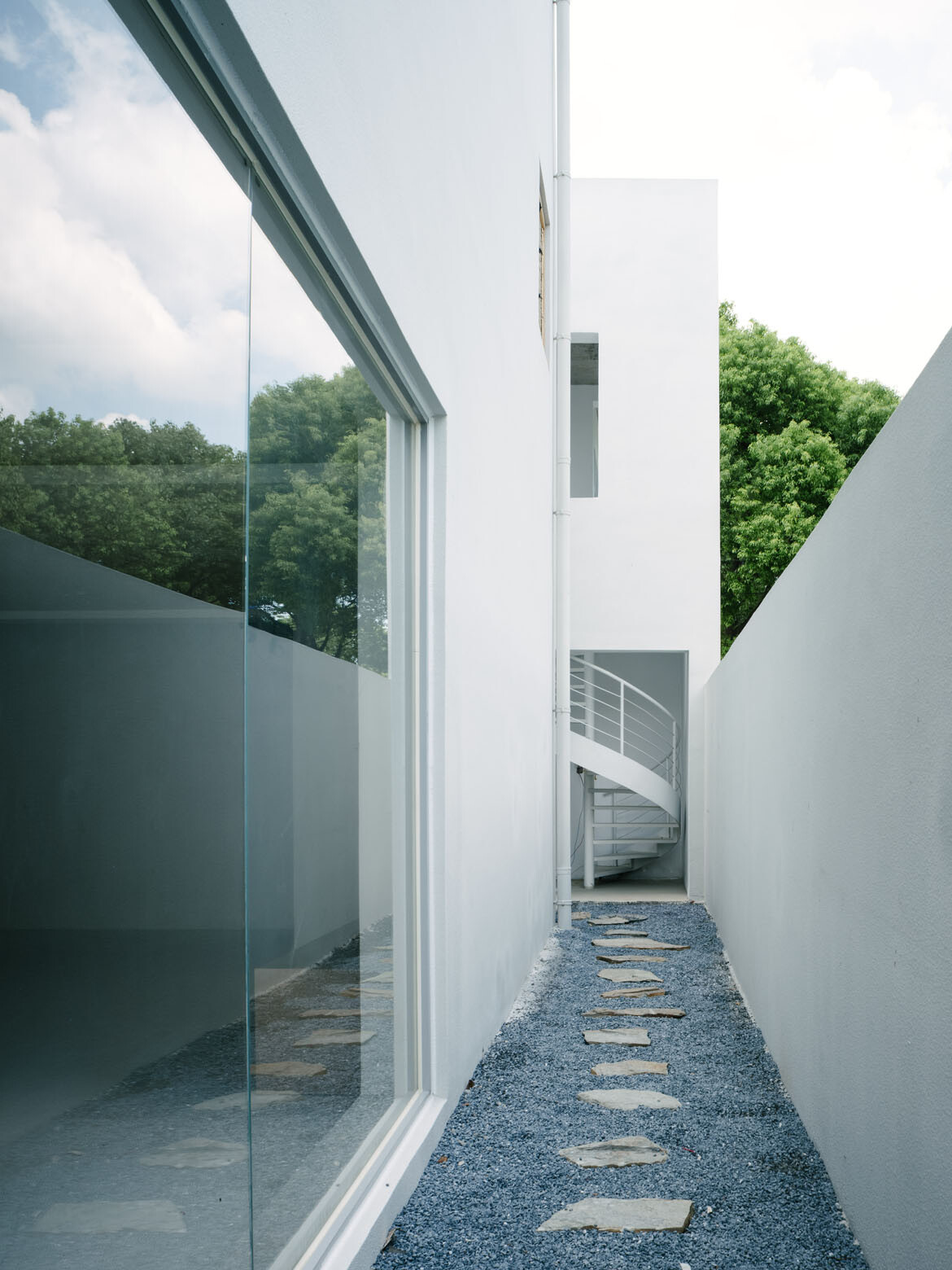
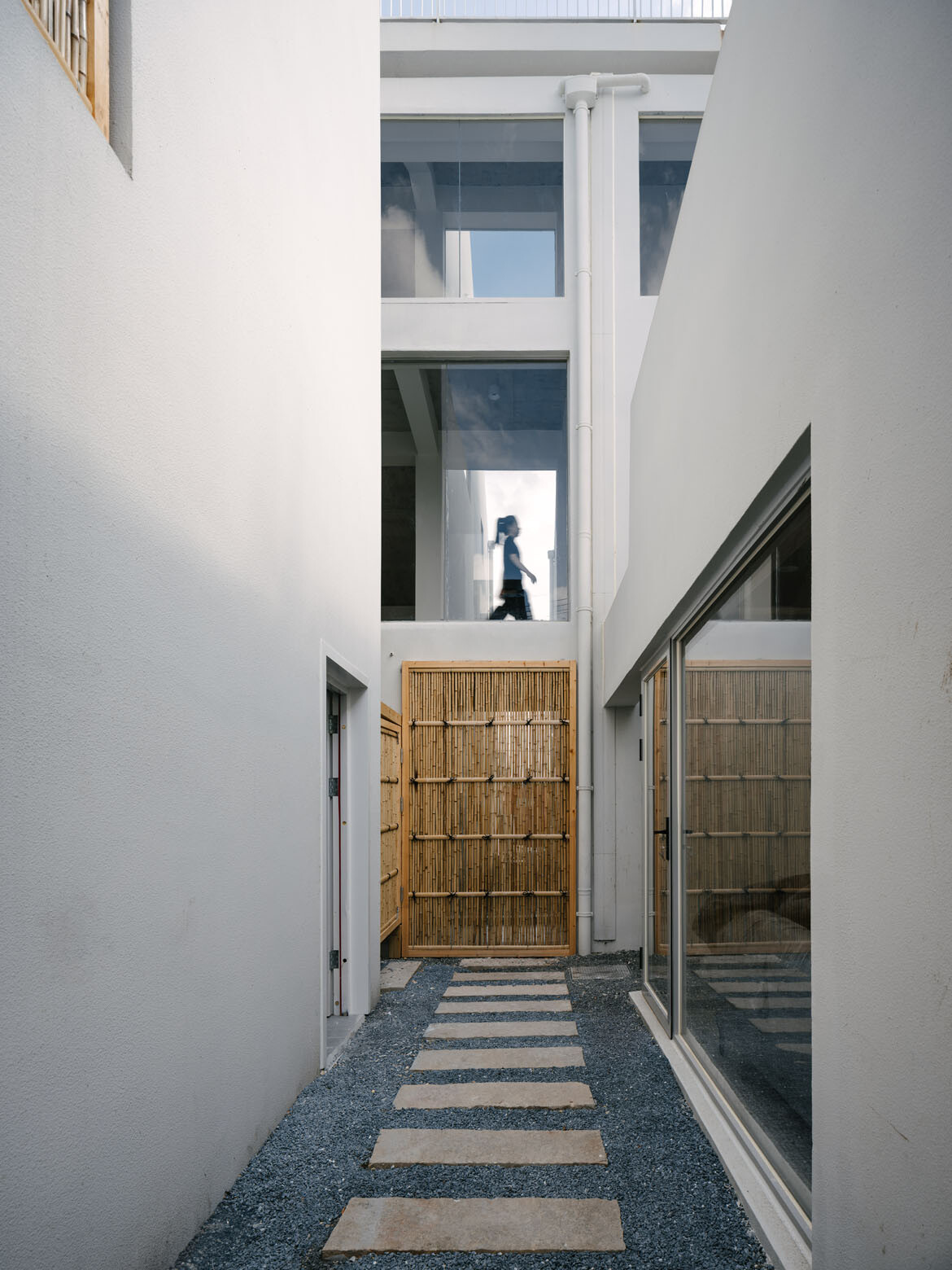
Rather than erasing the existing buildings, TEAM_BLDG retained much of their original structure, adapting them to accommodate 11 guest rooms alongside shared amenities such as a banquet hall and café. This light-touch strategy kept costs in check while allowing the new guesthouse to grow naturally from what was already there. A perimeter wall unifies the site, while three inserted architectural volumes act as connectors, housing key public functions and organising circulation across the property.
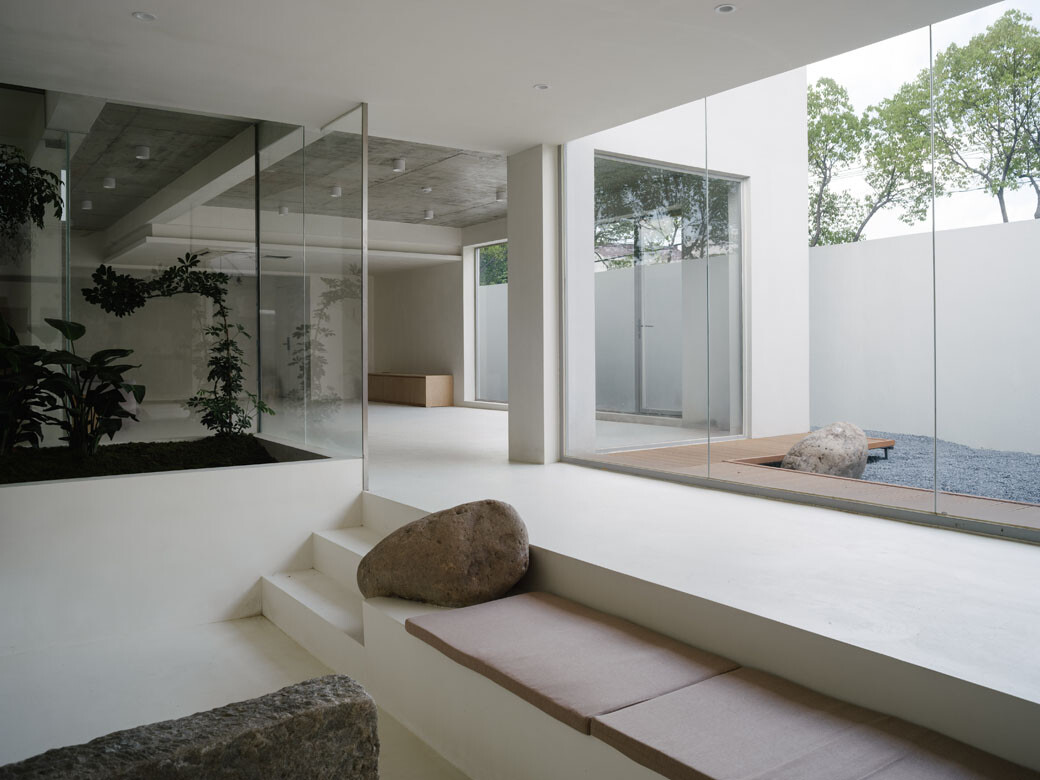
The idea of “catching” underpins the design. Like a figure standing in the field, the architecture positions itself as a mediator between people and landscape. Connections, courtyards and carefully framed openings draw views inward, while skylights and semi-outdoor spaces allow light and weather to animate the interiors. A sunken seating area in the lobby follows the natural terrain, forming a visual dialogue with the courtyard and pulling daylight deep into the building.
Related: The detail of design
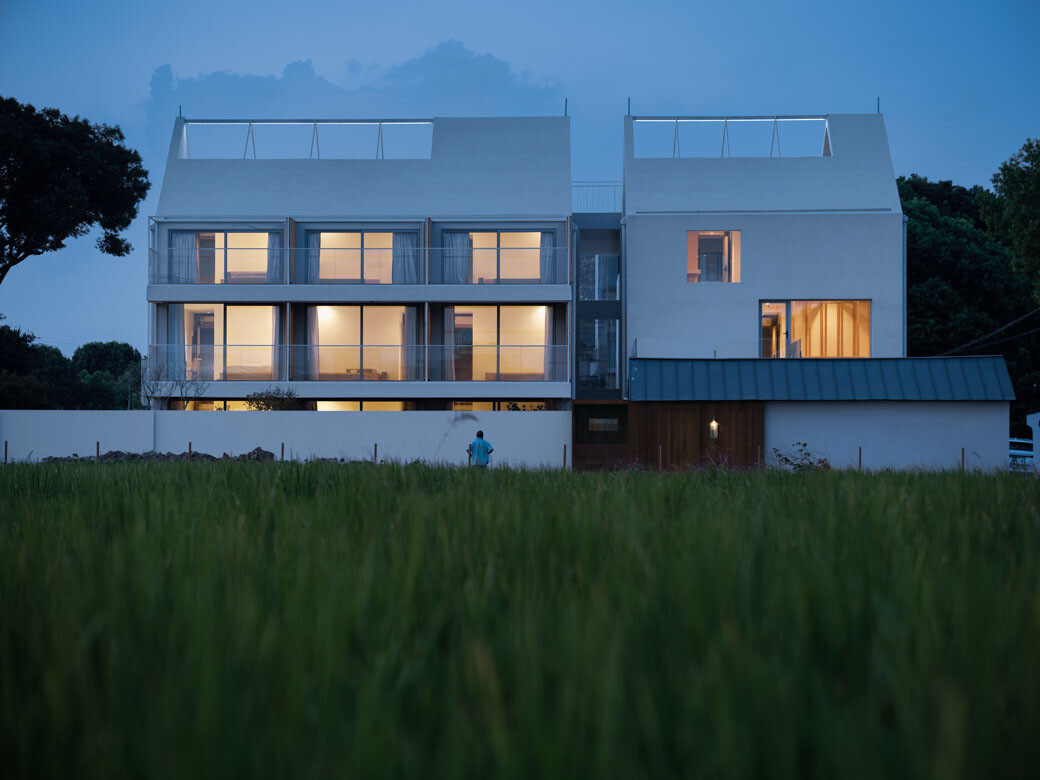
The original gable-roofed bungalow at the entrance remains largely intact, its roof replaced with aluminium-magnesium-manganese panels for safety rather than stylistic effect. Elsewhere, new interventions are deliberately purposeful. Landscaped views outside soaking tubs, for example, are not merely decorative but also conceal exposed services, reflecting the studio’s commitment to function.
Material and construction choices respond to both budget and context. Fixed furniture systems integrate multiple functions within guest rooms, reducing complexity while improving durability. Local construction methods were embraced, with details simplified and materials selected for ease of execution and longevity. Over time, timber, stone and metal are intended to weather gently, allowing the guesthouse to settle further into its rural surroundings.
In connecting old structures with new spatial rhythms, TEAM_BLDG has created a guesthouse that feels deeply rooted in place, offering visitors not spectacle, but a sustained and restorative dialogue with nature.
TEAM_BLDG
team-bldg.com
Photography
Hu Siyuan