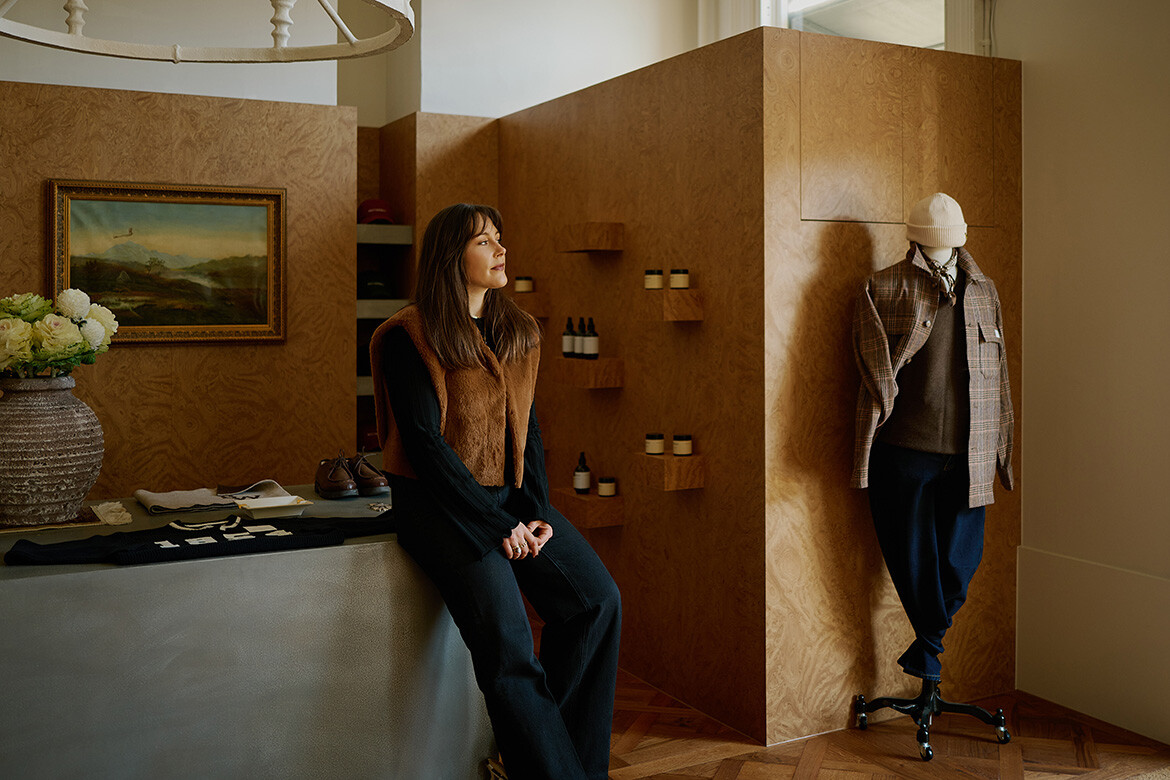
For Jessica Ellis, the decision to establish her own practice came at exactly the right moment.
Ten months ago, in April 2025, Ellis launched Jessica Ellis Studio, following eight successful years at Cera Stribley. Since then, the studio has quickly gathered momentum, with projects already completed and many more underway.
Design has long been central to Ellis’ life. From an early age, she was drawn to creating, a sensibility that has evolved into a thoughtful, refined and instinctive approach to shaping interiors. Over time, she has honed a practice grounded in material intelligence, spatial clarity and an intuitive understanding of how people inhabit space.
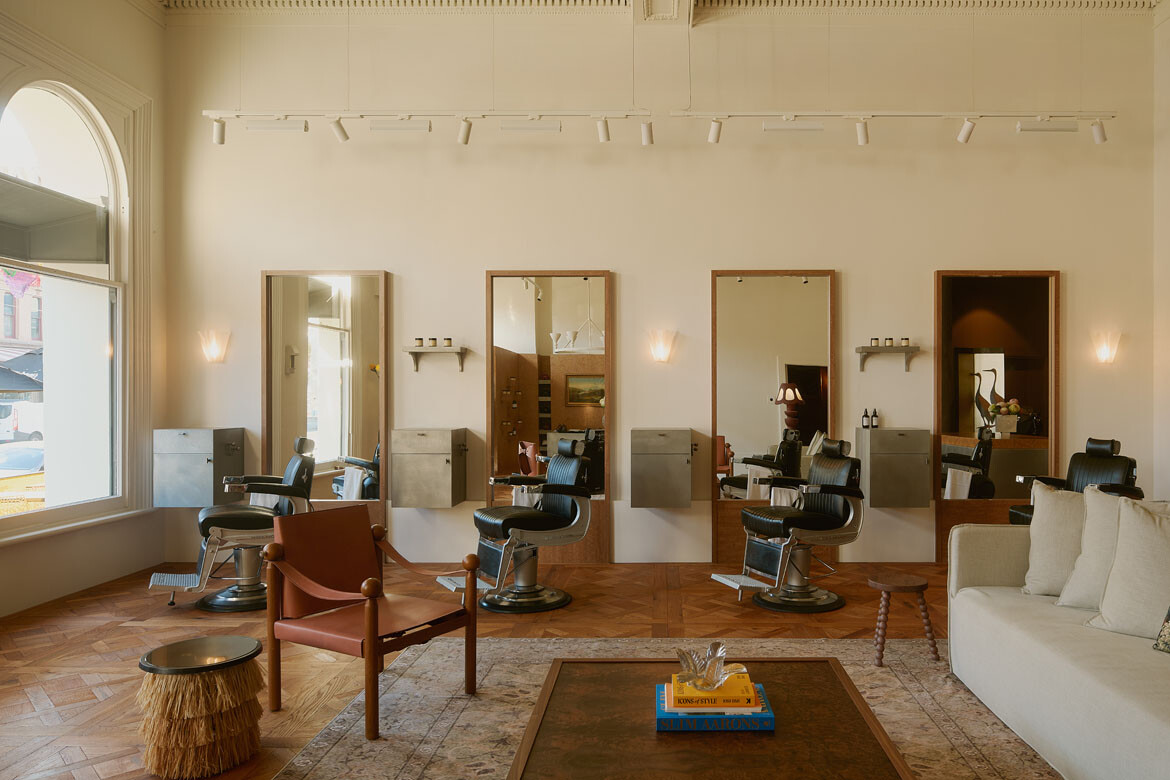
Ellis works across high-end residential, hospitality, retail, workplace and wellness projects, and her latest completed commission, Brotherwolf, demonstrates this breadth with clarity.
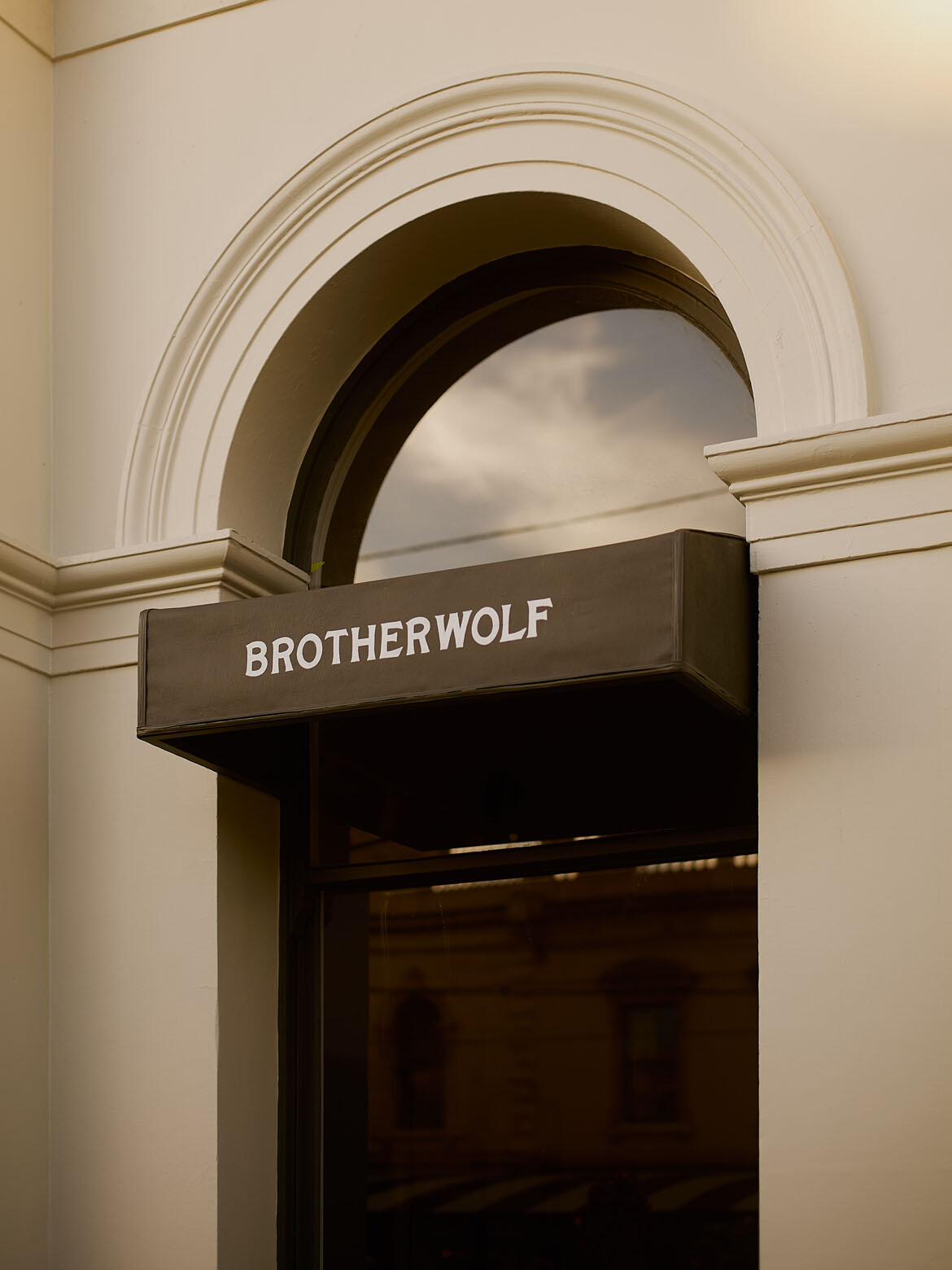
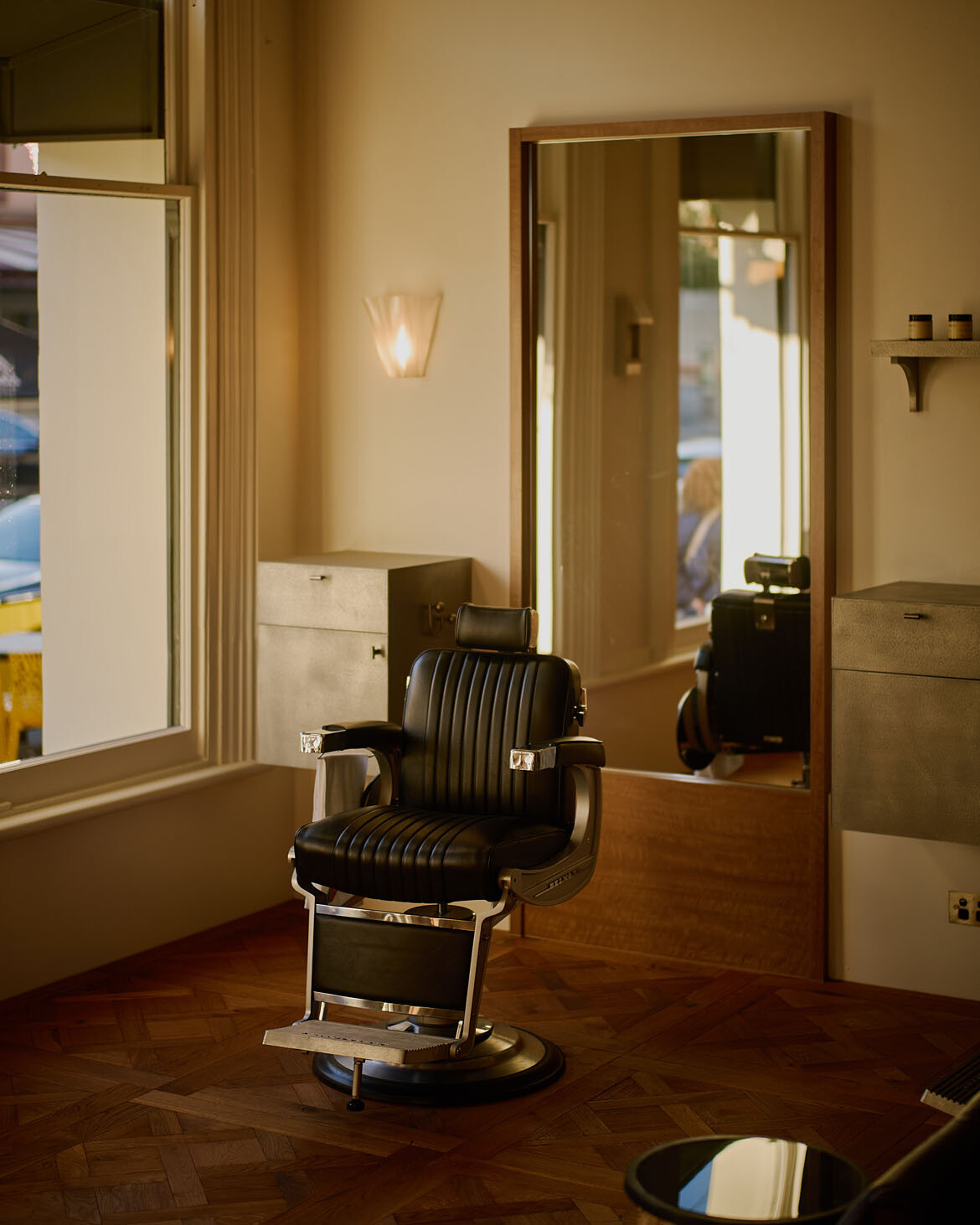
The project perfectly captures the Brotherwolf brand, a contemporary barbershop paired with retail and lifestyle offerings. The space feels relaxed and communal, encouraging clients to linger on a sofa or leather chair with a coffee or beer before their appointment.
Related: Perth Design Week 2026 adopts curated festival format
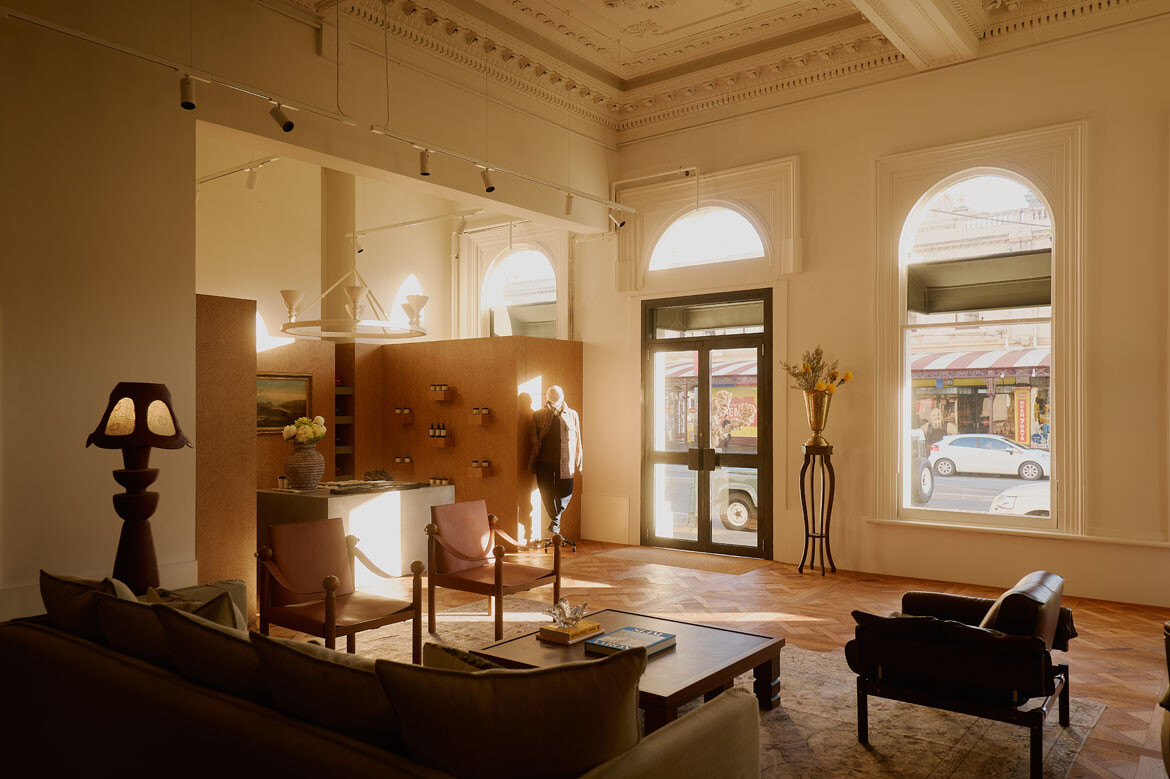
“The space is designed to encourage connection and facilitate conversation,” says Ellis. “More than a place to wait, it operates like a club lounge. Even when you’re not in the chair, you still feel part of what’s happening, which reflects Brotherwolf’s community-first ethos.”
Located in South Melbourne, the 120-square-metre flagship occupies a heritage-listed former bank dating back to the 1860s. The original structure offered strong foundations, which Ellis has carefully adapted to suit the brand’s evolving needs.
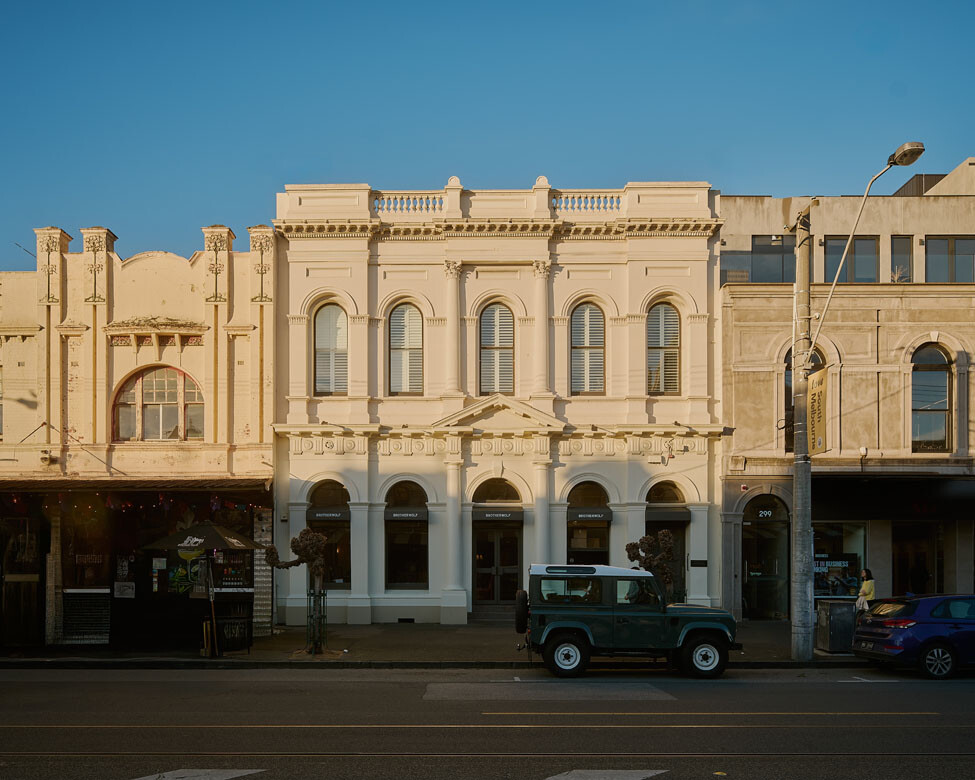
“This project marked the brand’s first concept store,” she explains. “It brings together barbering, the No.113 hair products and a new clothing line under one roof. The brief called for a highly adaptable environment that could operate as a retail space, a functioning barbershop and a venue for events.”
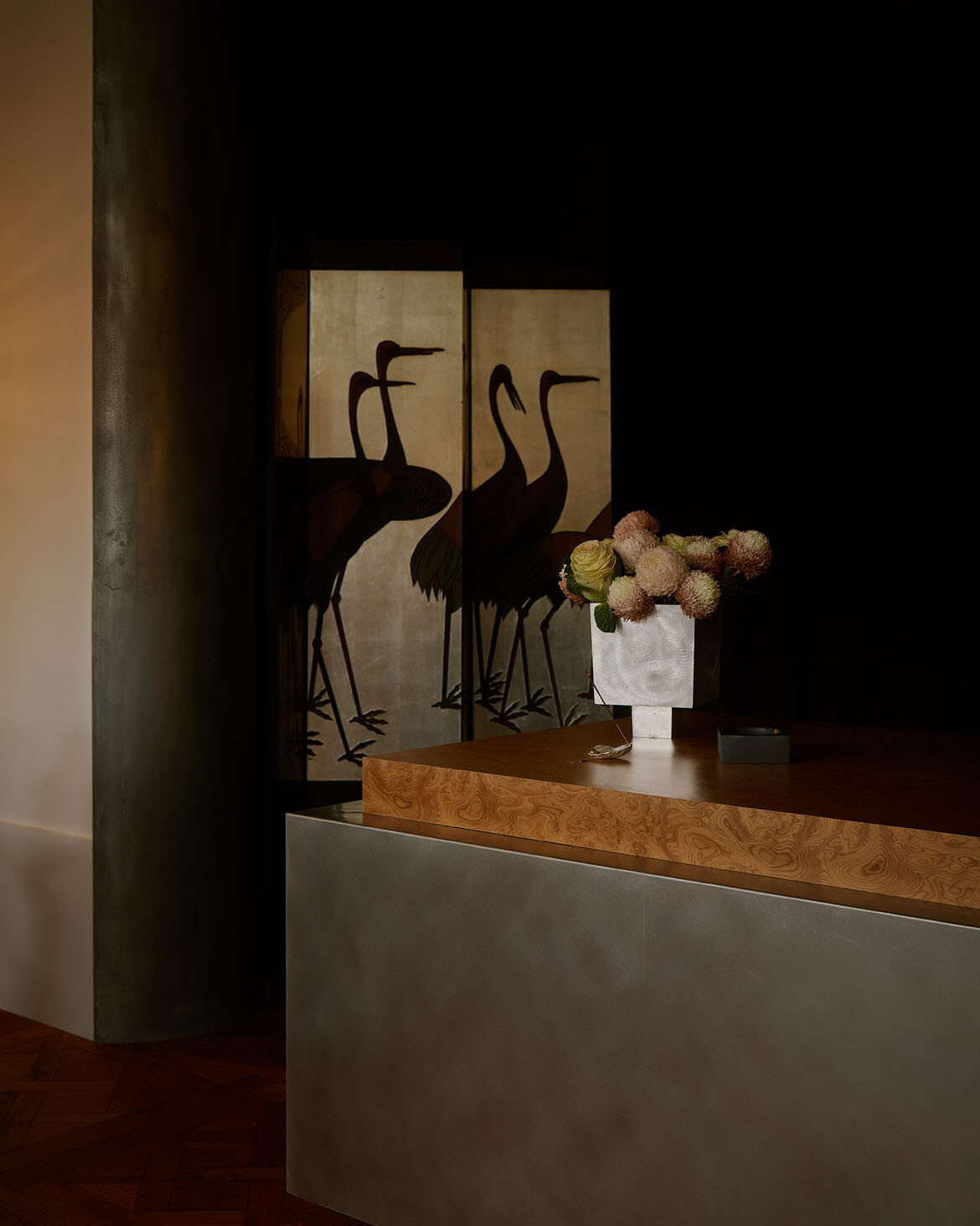
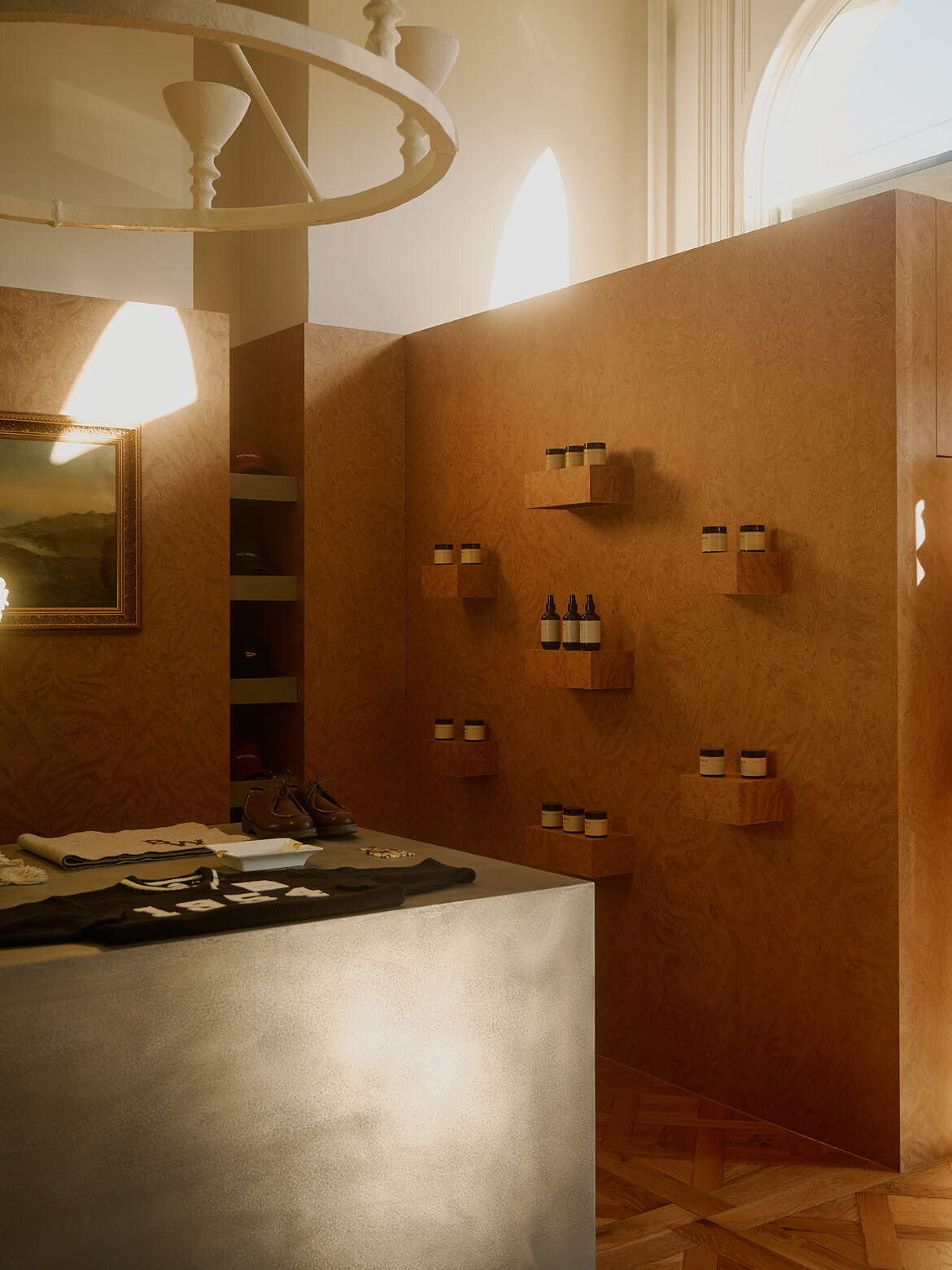
The layout loosely divides the space into a reception and lounge at the entry, with barber chairs and a DJ booth occupying the main floor. A retail zone sits to the side, where clothing is arranged around a central counter beneath a circular pendant light.
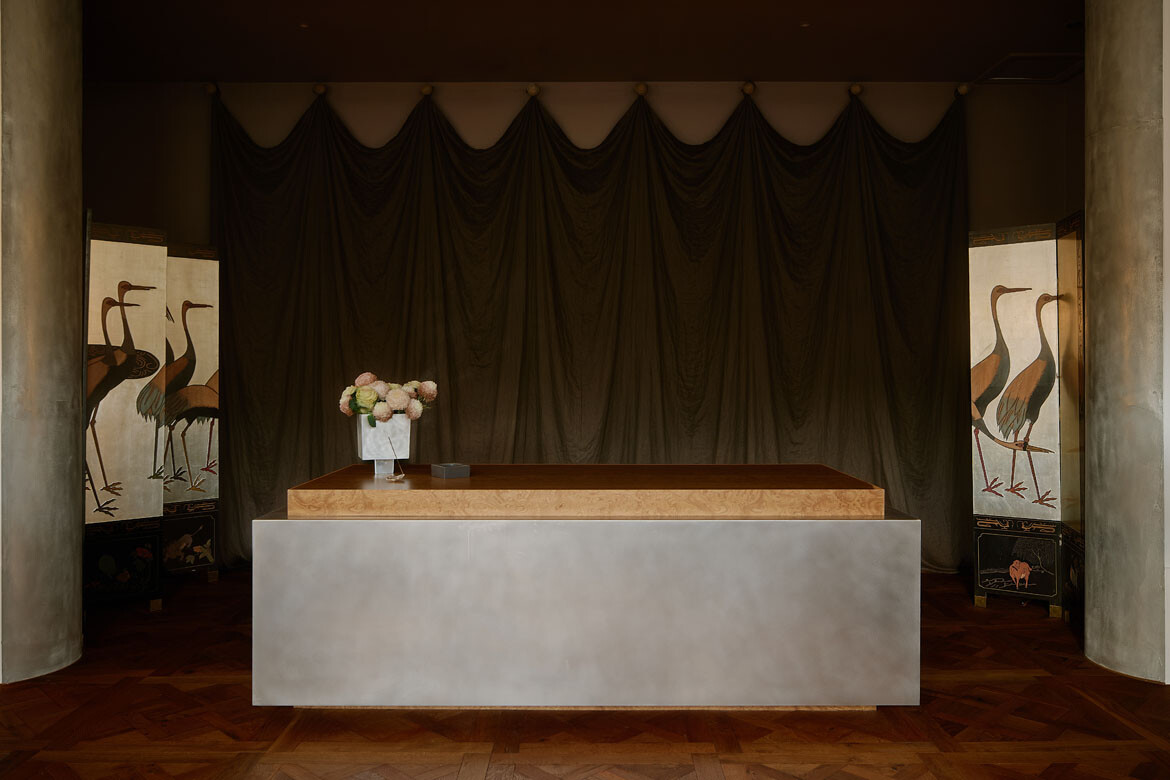
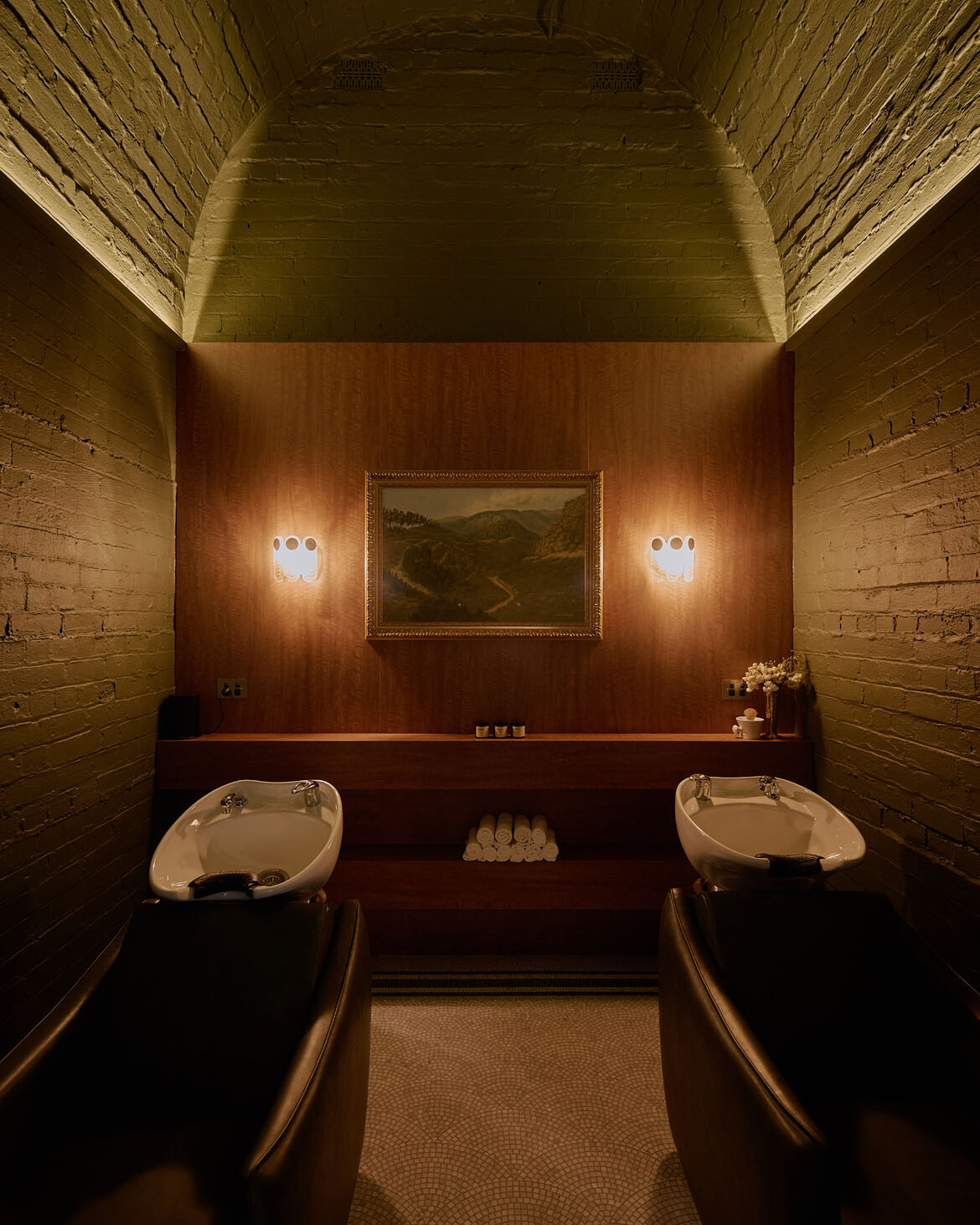
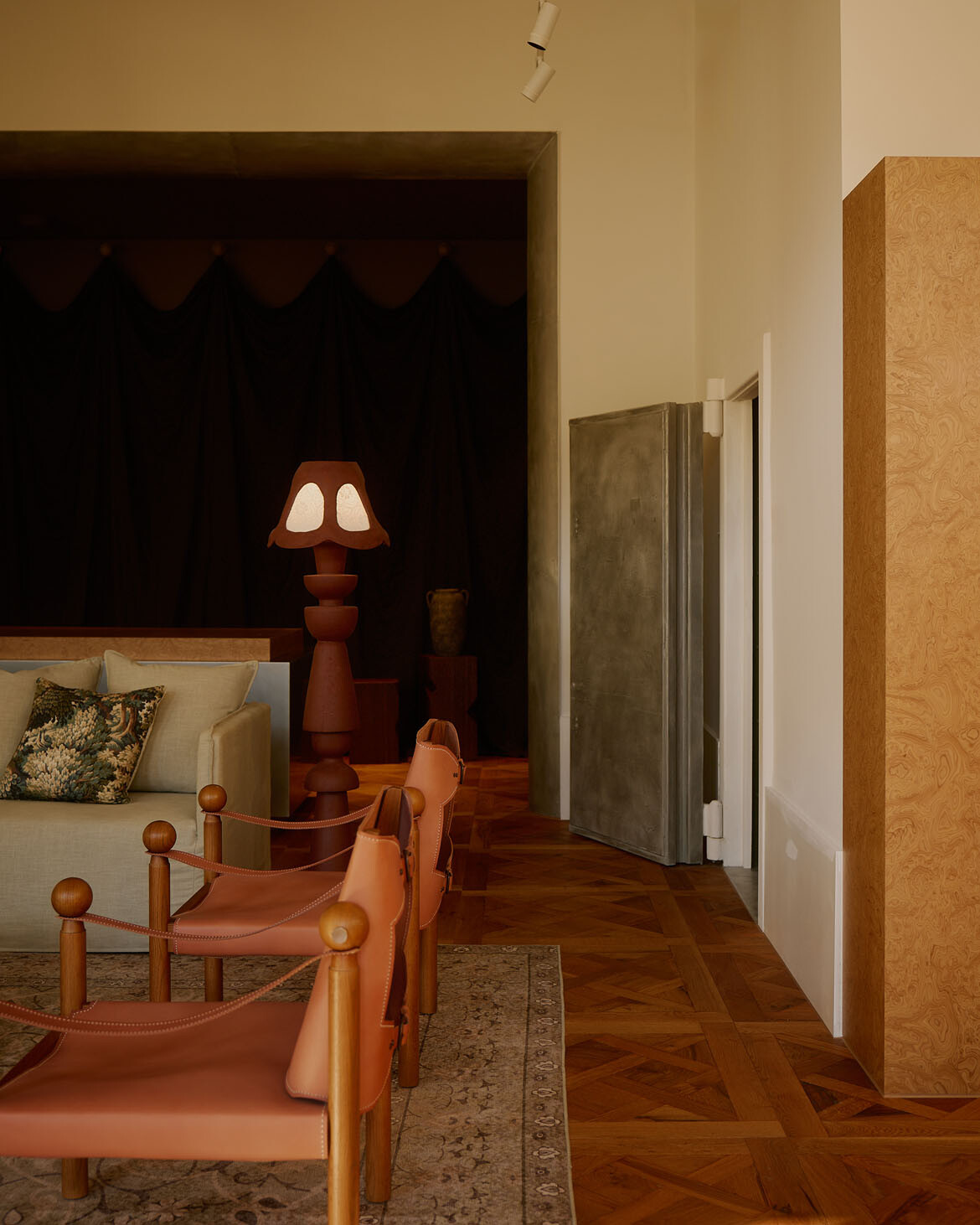
One of the project’s most unexpected moments is the hair washing area, located within the building’s original bank vault. Timber-lined walls, subdued lighting and leather chairs transform the space into a tactile, intimate retreat.
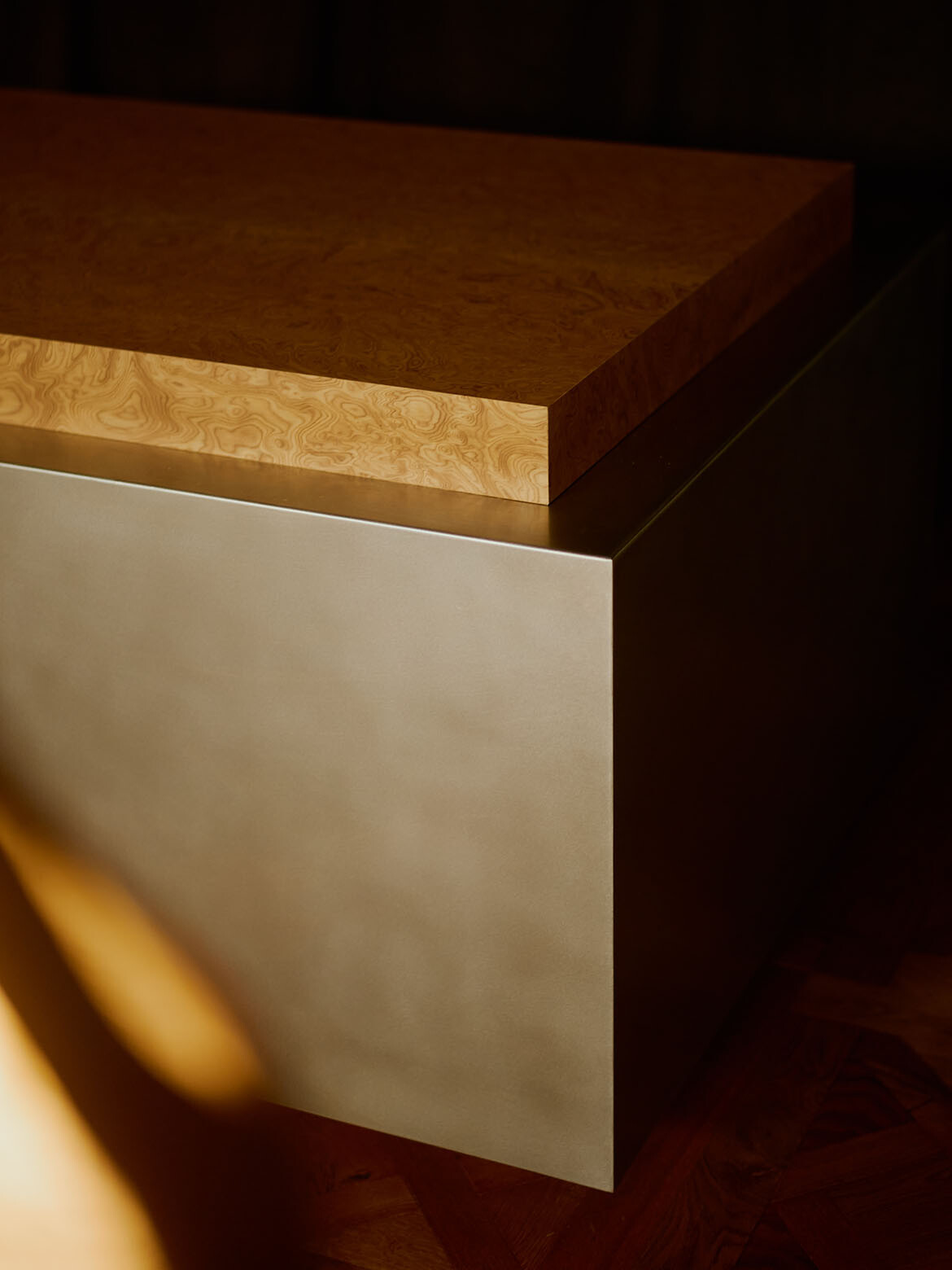
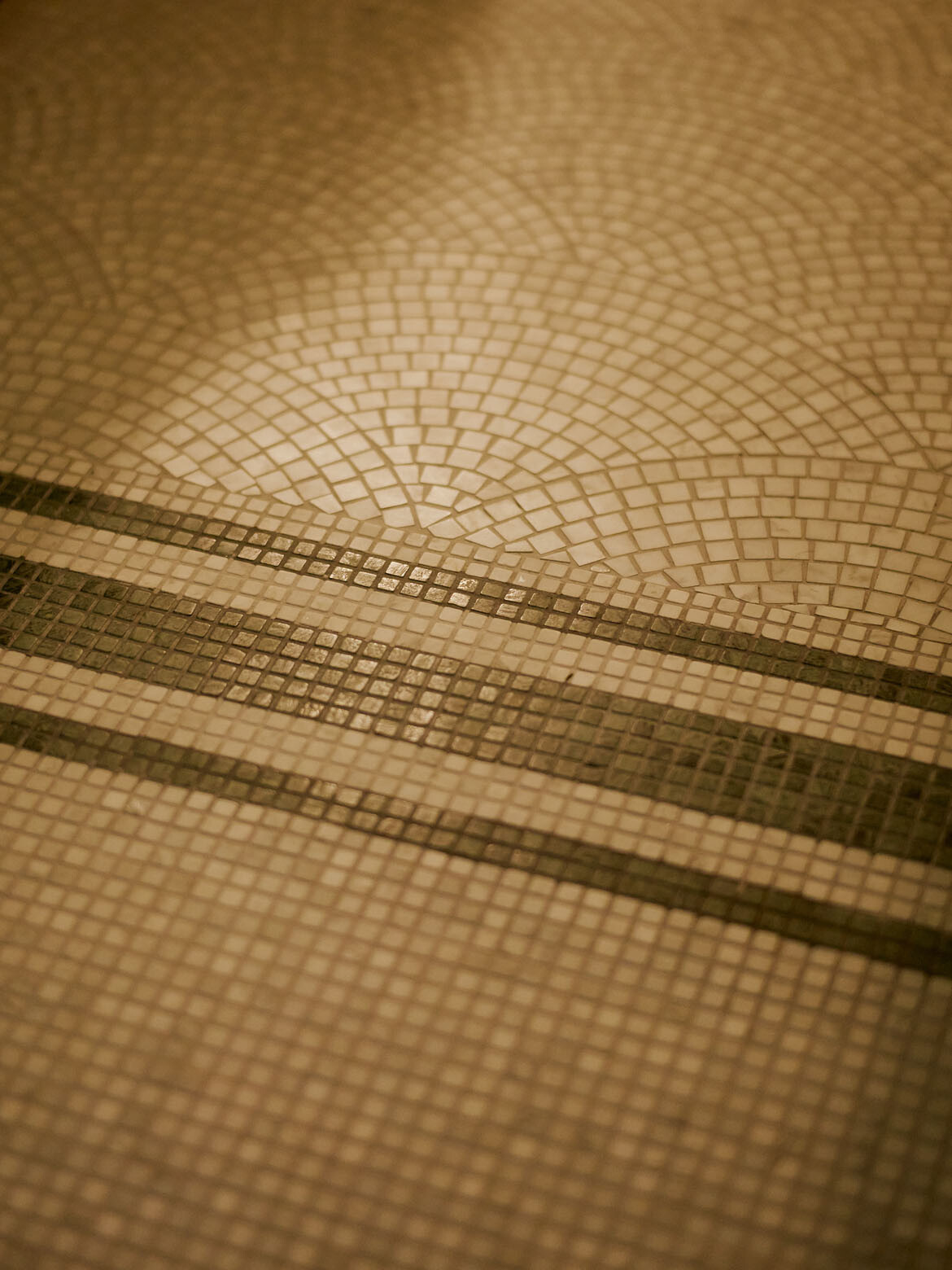
The palette is restrained and materially driven, with many original architectural features retained. Intricately patterned tiles have been restored, parquet flooring introduced, and brick walls either paired with honey-toned timber or painted a soft cream. New additions, including Versailles timber flooring and mosaic tiles within the vault, sit comfortably alongside the heritage elements. Over time, surfaces will patina, adding depth and character to the interior.
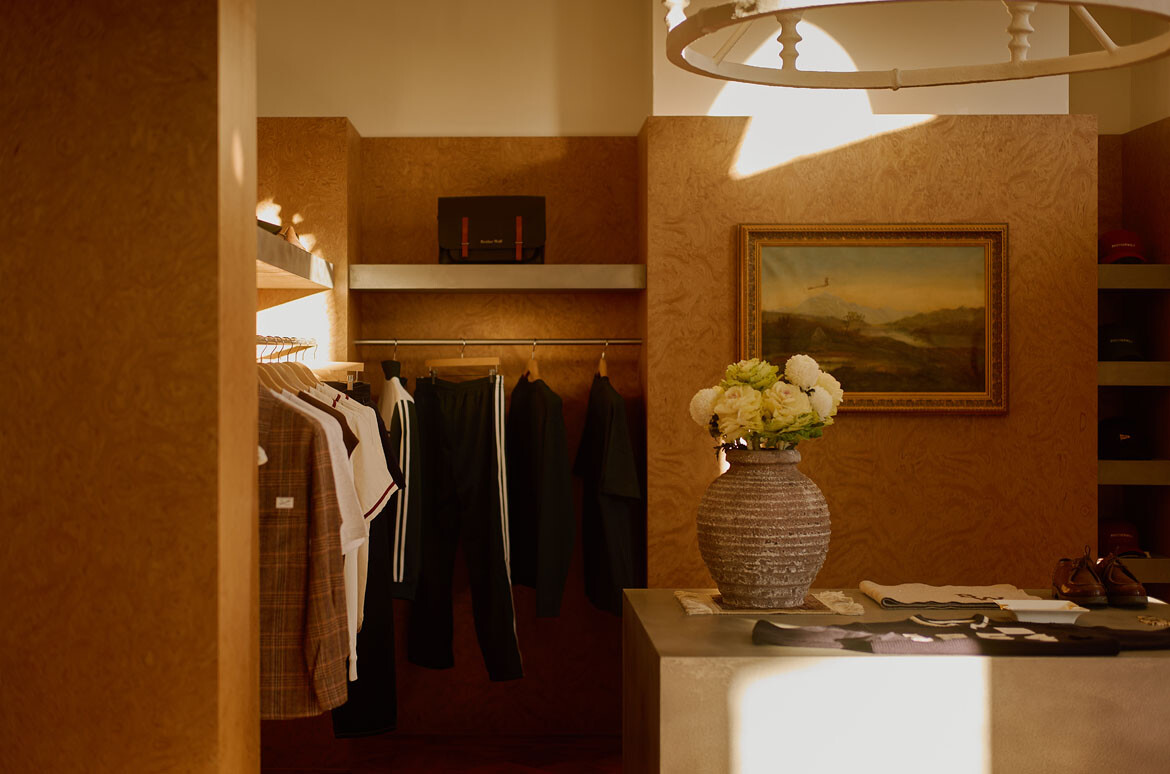
The result is layered and polished, reading more as a private club than a traditional barbershop. It is a space designed for return visits, where atmosphere and functionality are equally considered.
Jessica Ellis Studio operates with a deliberately hands-on model, allowing Ellis to remain closely involved at every stage of a project. This approach supports detailed outcomes, strong client relationships and carefully resolved interiors.
While the studio remains intentionally small, growth is on the horizon. Ellis is committed to maintaining a scale that allows her to guide projects from conception to completion.
“I think it’s pretty amazing to be able to visualise something and then bring it to life,” she says. “When you step into a space and it feels exactly as it was meant to, you do have to pinch yourself. Being able to positively impact the people who inhabit those spaces is what makes the work so rewarding.”
With a strong first year behind her, Jessica Ellis is clearly a practice to watch.
Jessica Ellis
jessicaellisstudio.com.au
Photography
Kristoffer Paulsen