Recent data from UTS confirms that in summer, Sydney’s western suburbs can be up to 10 degrees hotter than places closer to the coast. With climate change only raising temperatures, the vision for the Bradfield City Centre masterplan was clear – a cool, green city with public amenity to equal, or better, the rest of Sydney.
The Bradfield City Centre will become the heart of the wider Western Parkland City, Sydney’s third metropolis centred on the Western Sydney International Airport. Anchored around the Metro station and Central Park, it will transform 114 hectares of land into a residential, retail and commercial development set within generous, green public space.

The masterplan was designed by TURNER, Hatch Roberts Day and Turf Design Studio, and leverages tree canopy, water and a considered approach to built form to minimise the heat island effect and create a contemporary city connected to the landscape.
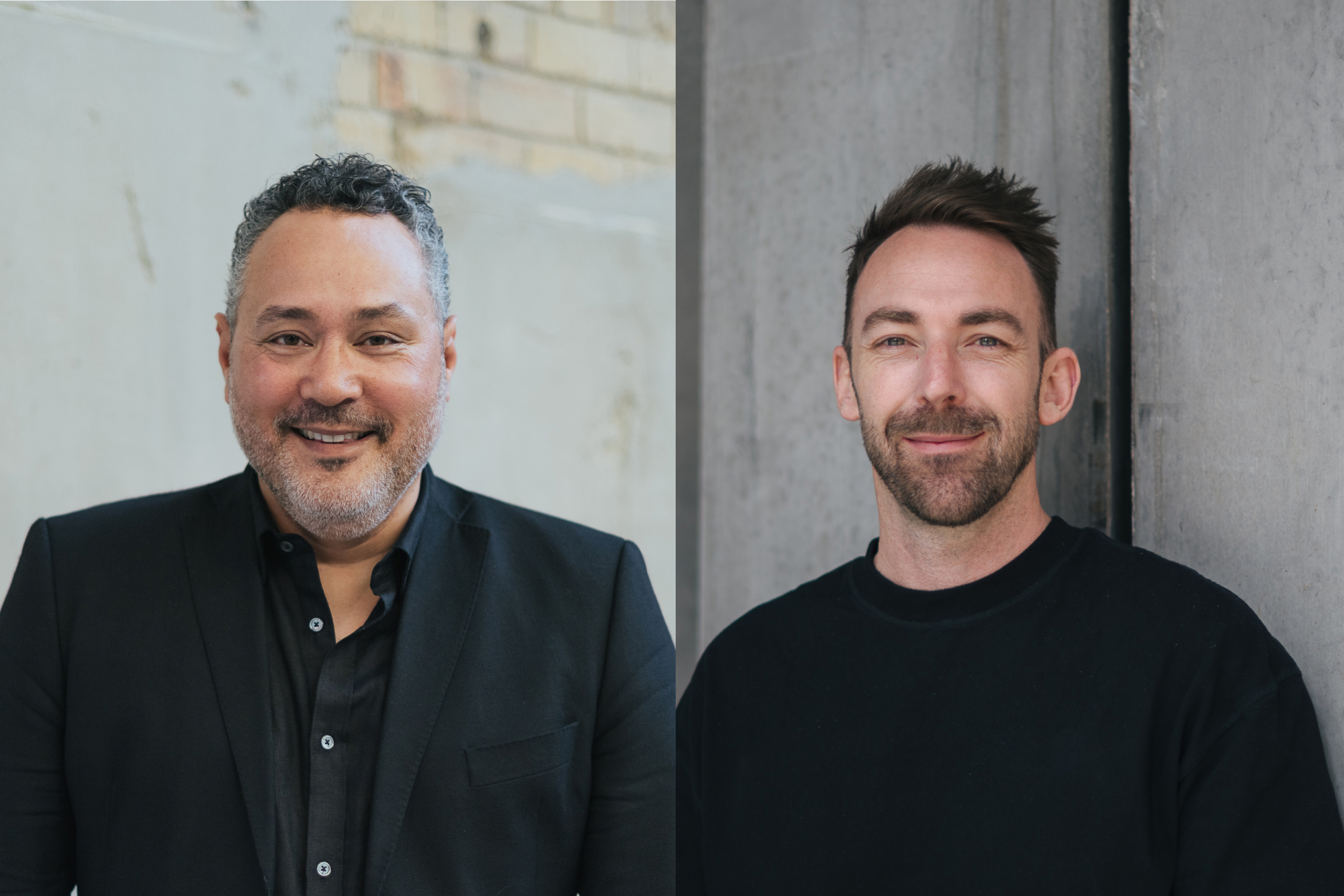
TURNER director, Dan Szwaj, says the design process was informed by working with Country, noting that the idea of a ‘blank canvas’ is a colonial construct. “Our planning framework started with a study of the site’s topography, waterways and existing trees. The site is on Cabrogal and Dharug Country and collaboration with First Nations people as integral members of the masterplanning team was at the heart of our approach.”

“We created a green loop that moves through the city in a way that acknowledges the landscape, its rich lines and its connection to water,” says Szwaj. “It relates to the area’s First Nations history and will have endemic planting.” A learning experience, the loop is connected to the Central Park and surrounding waterways by smaller parks. First Nations cultural values will guide planting, materials, art, lighting, signage and language.
The site is bordered to the east by Thompsons Creek. To the south, Moore Gully is the city’s major parkland space with its drawcard wetlands and trees. A swimming hole created on the edge of Moore Gully will give residents and visitors alike a place to cool off.
While Western Sydney swelters in summer, winter is bitterly cold. To address these extremes, tree canopy will play an important role in regulating temperatures, shading walkways in summer and opening to sunny skies in winter. Water is recycled across the site and rainwater is not just managed but celebrated by the inclusion of swales in the streets.
Related: BLP’s healthcare milestone

Built form is guided by two principles: balance and flexibility.
“Cities grow over a long time and no one can predict how they will be influenced. It was important to develop a framework with the flexibility to evolve and change. We focused on getting the right balance between landscape, nature and the intensity a city needs,” explains Szwaj.
Proximity to the airport limits building heights to 15 storeys. Building massing and positioning allow for good air circulation and natural light, to minimise energy use, reduce overshadowing and create better environments for people. ‘Loose fit’ and narrow building envelopes can accommodate a diversity of uses, be they commercial, residential or educational.

“We haven’t segregated activities into different areas. We’ve allowed that to be quite flexible, with key corner sites nominated for landmark buildings that will contribute to the city’s identity,” he adds.
Pedestrian laneways will make the city highly permeable, allowing people to move through easily on foot or via an extensive network of cycleways. The entire city is within walking distance of the Metro station and is designed to minimise car use.
“The challenge with anything is changing people’s perception of what a place is now and what it could be in the future,” concludes Szwaj. “Why would people want to work, live or set up a business here? Our overarching intent was to create a connected, contemporary urban parkland that will become an international destination and a place where people want to spend time. We look forward to watching it grow and evolve in response to its new community.”
TURNER
turnerstudio.com.au
Images
Courtesy of TURNER