Timothy Alouani-Roby: What came first, the idea or the collaboration with LOWF?
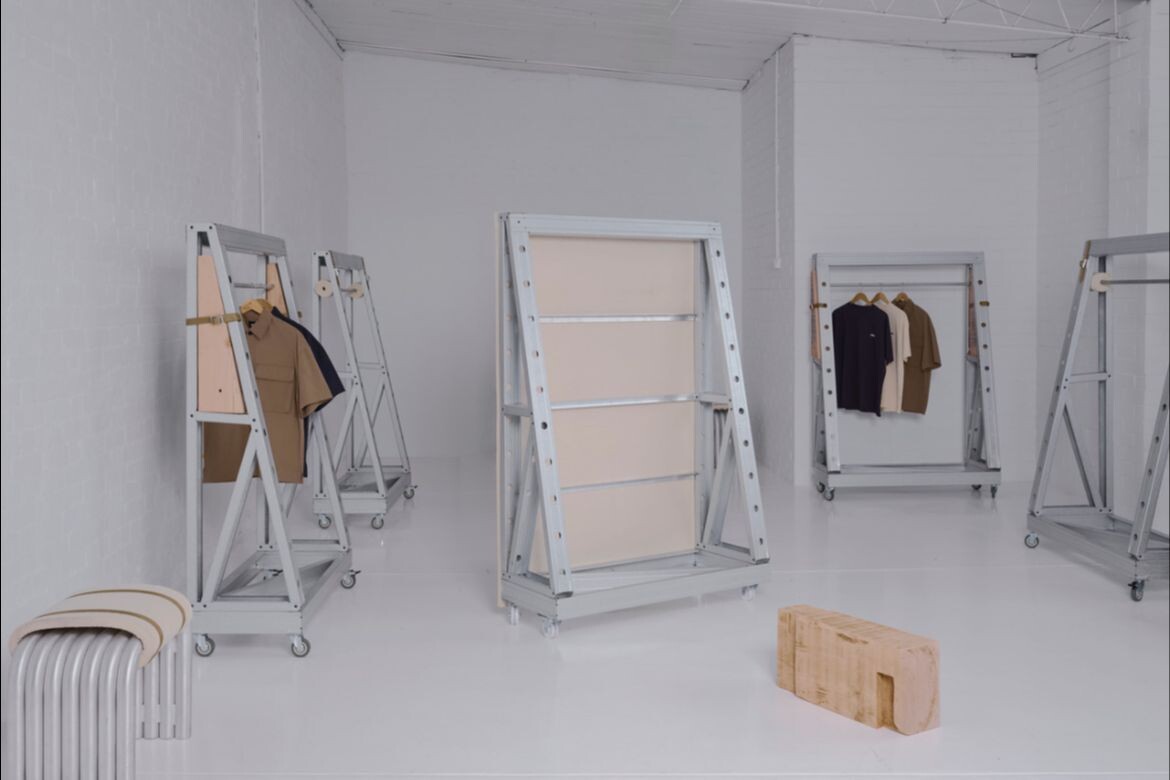
Ben Edwards: They developed in parallel. LOWF approached us wanting a retail environment that could evolve with their brand, something adaptable rather than site-specific. At the same time, we were exploring the idea of modular systems that could shift and reform across contexts. Shift+Space became a convergence of those threads: an experiment in how architecture could move.
How has the collaboration played out? Have you learned anything design-wise by working with a fashion label?
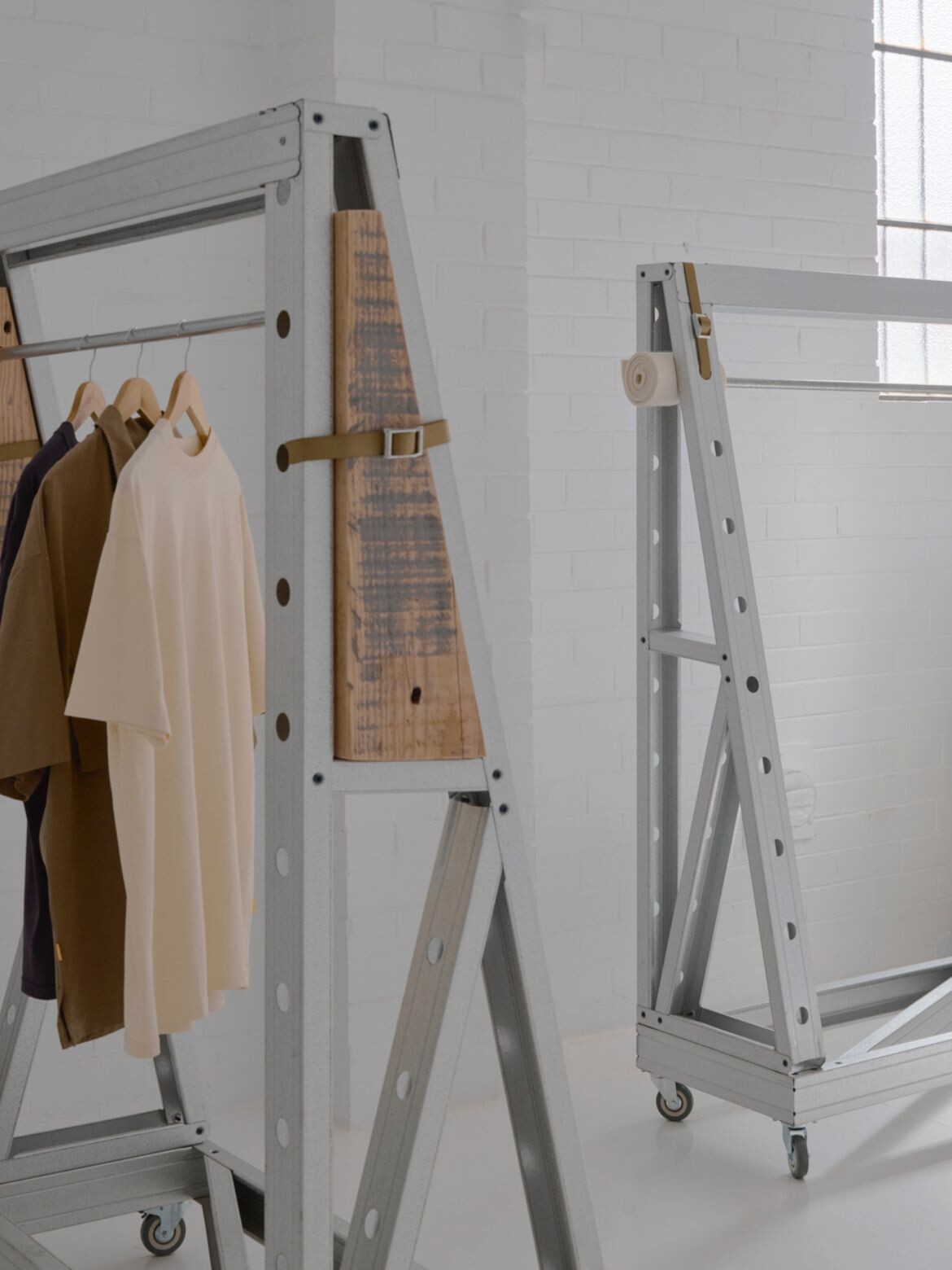
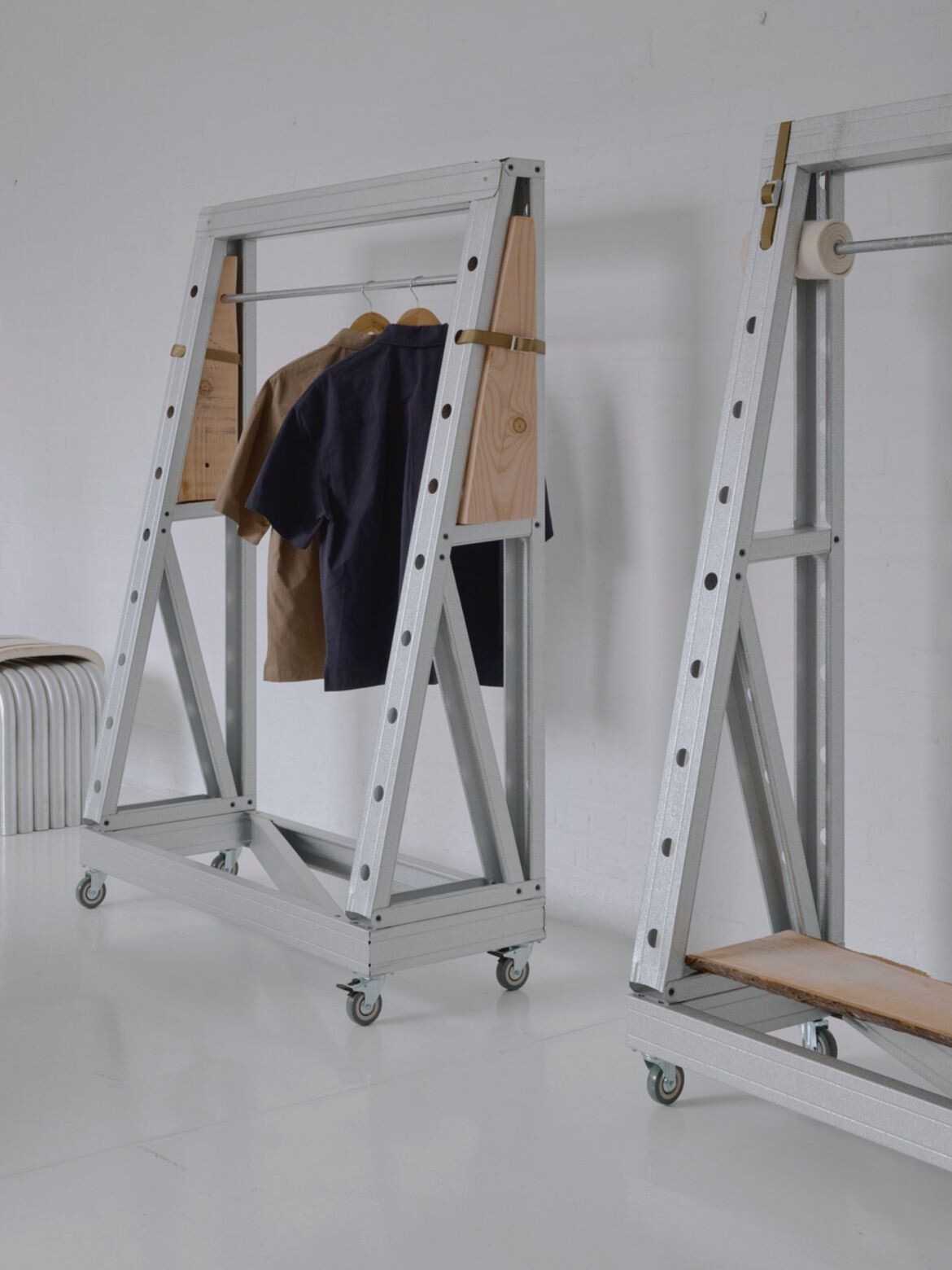
Working with LOWF has been a really rewarding process. They came to us with a clear idea of what they wanted to achieve which gave the project strong direction from the outset. Their team has a sharp eye for proportion, material and detail – which made the collaboration fluid and productive. We worked in a more iterative way than usual through making, testing and refining each component through the process itself.
Why is ‘adaptive retail architecture’ a valuable typology?
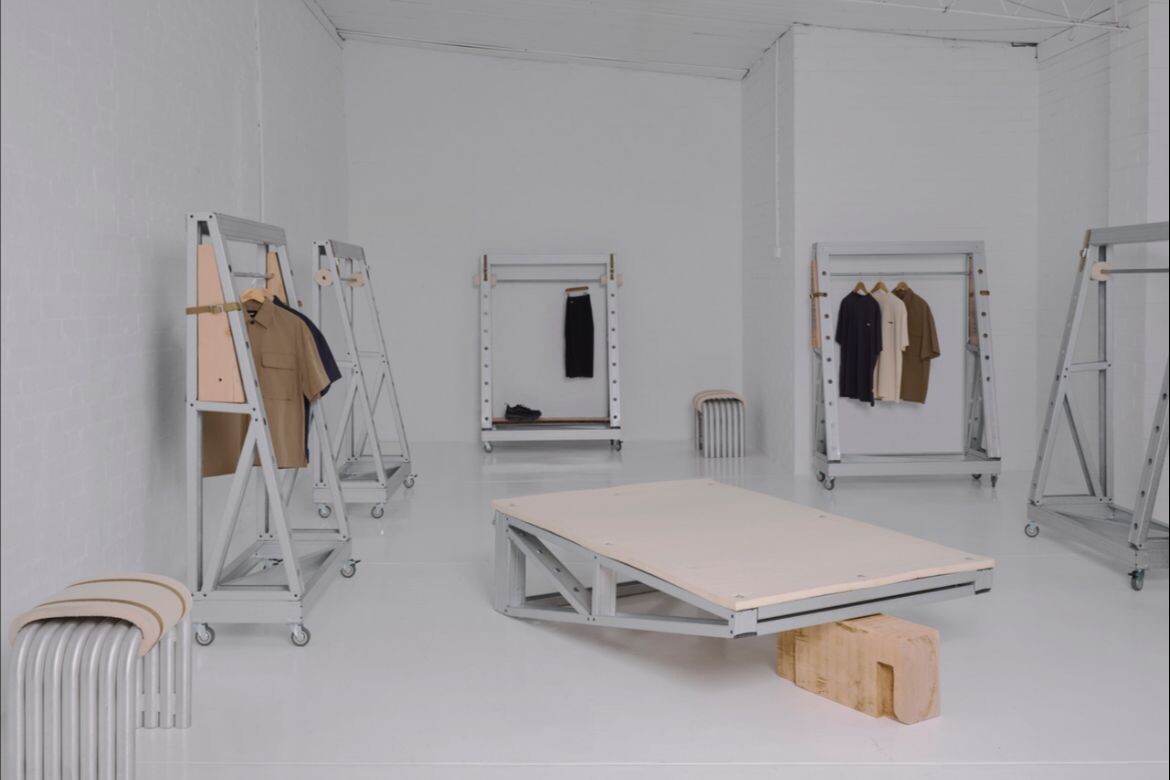
Because permanence no longer defines relevance. Brands move faster, occupy different spaces and evolve continually – yet architecture has been slow to adapt. Shift+Space demonstrates how built form can be agile without losing substance. It’s a framework that can be deployed, dismantled and reassembled with precision allowing identity and infrastructure to move together.
How do you see these pieces being used?
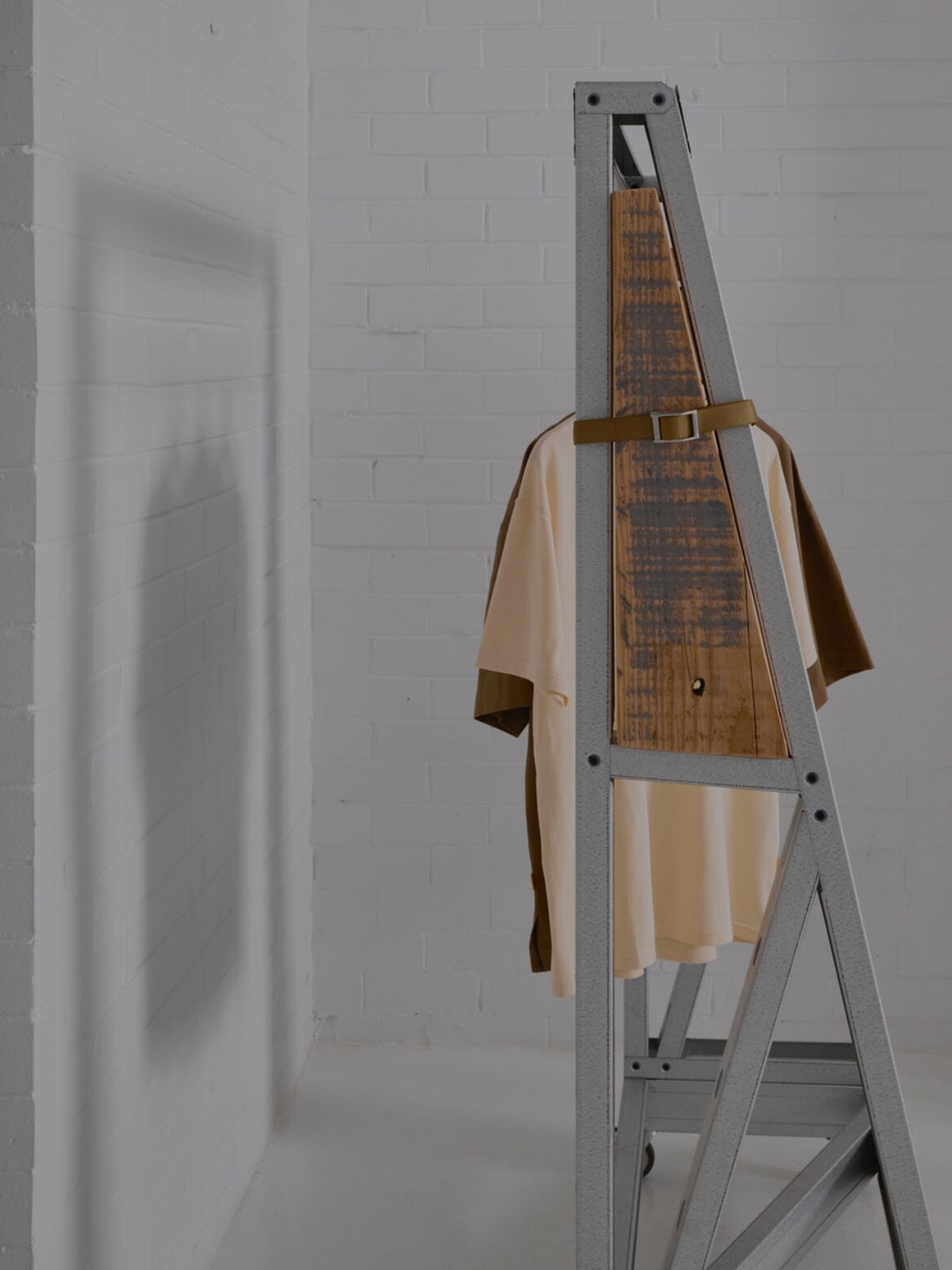
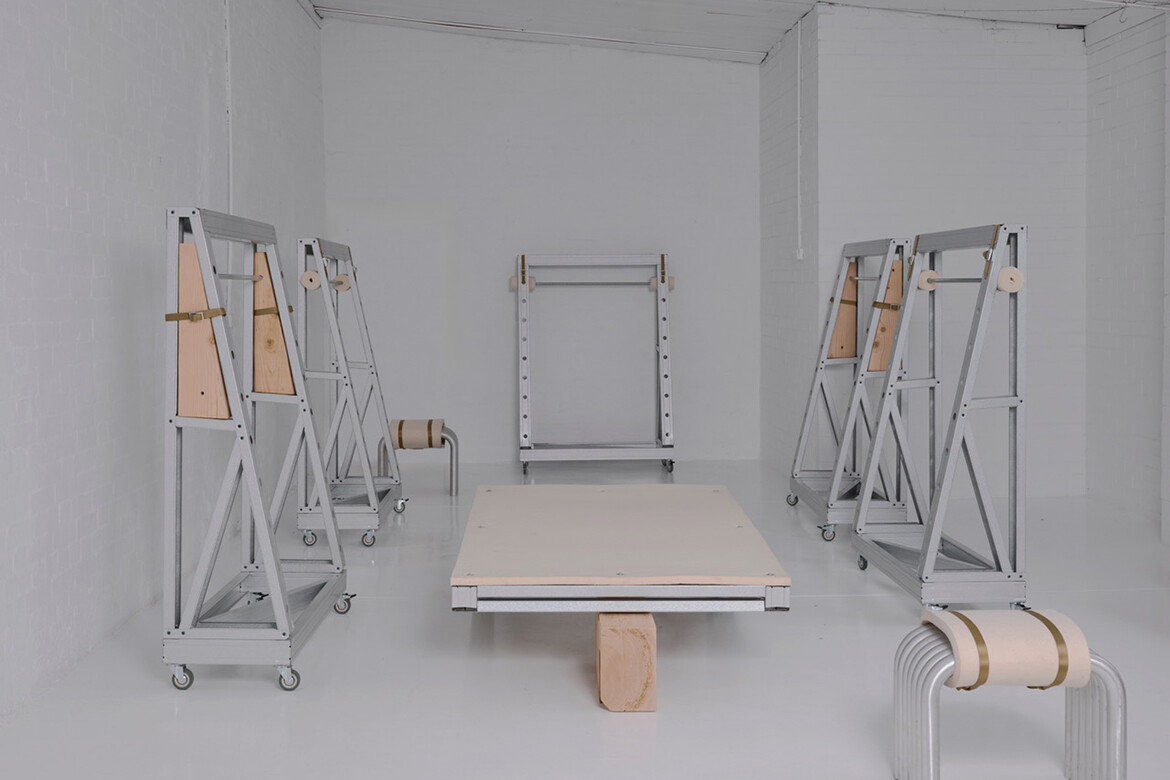
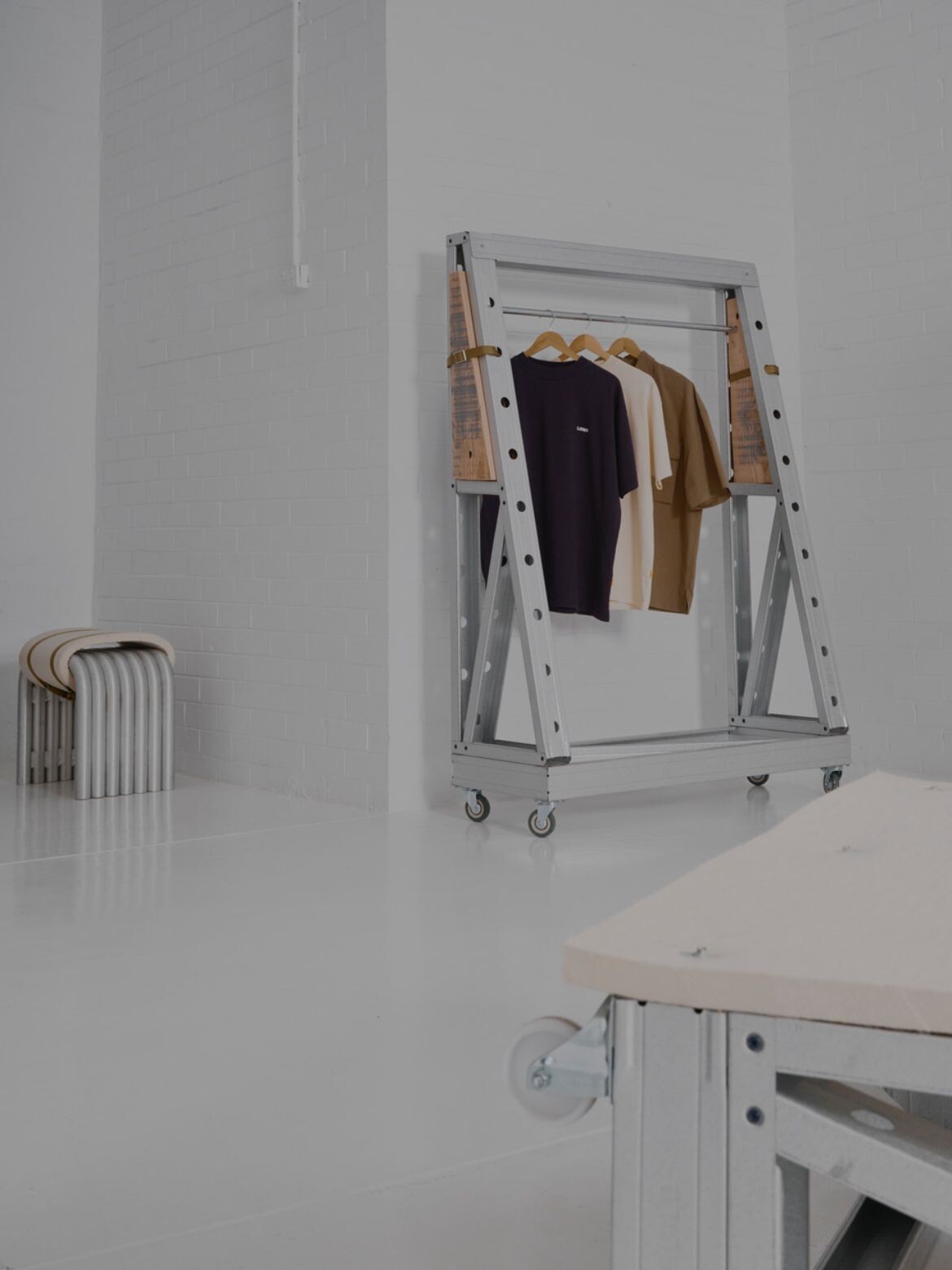
As an architectural system. The components can stand alone or combine to define an entire space. Their adaptability allows each iteration to respond to varying locations whilst maintaining a coherence. It’s a system built for movement, for testing and for continual re-use.
Related: A zero-waste workplace by Studio Edwards
How have you subverted convention hierarchies of material?
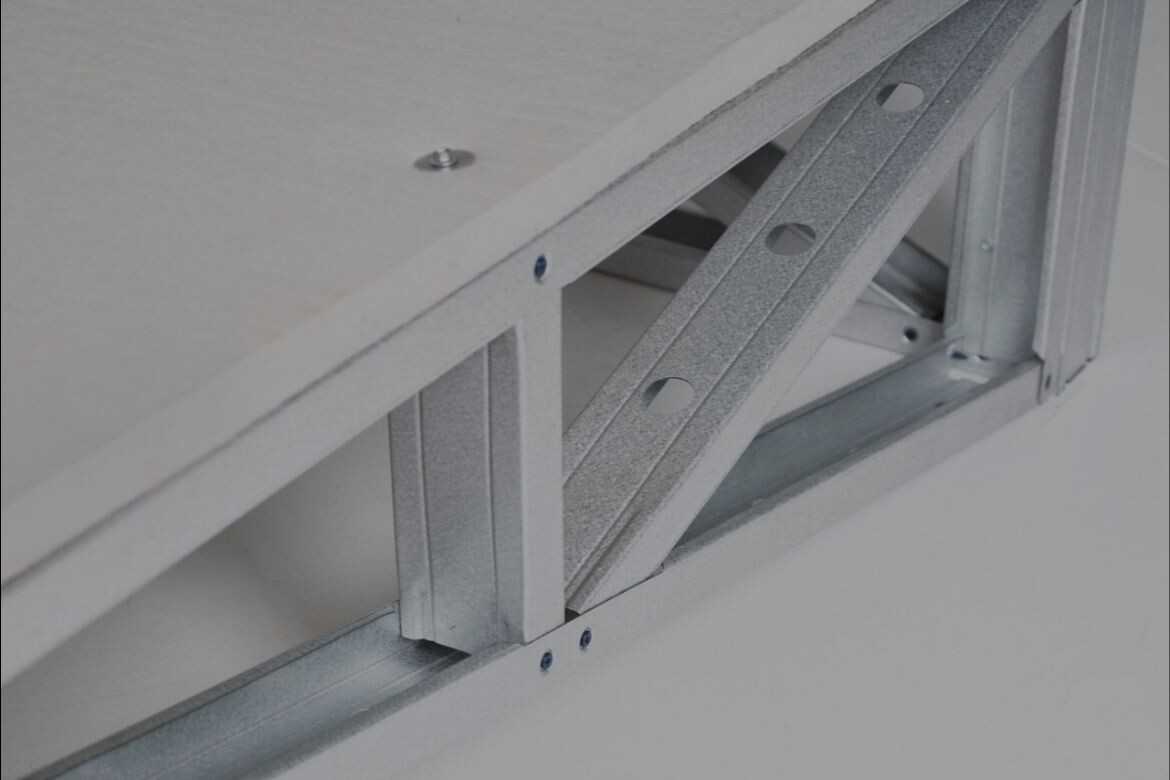
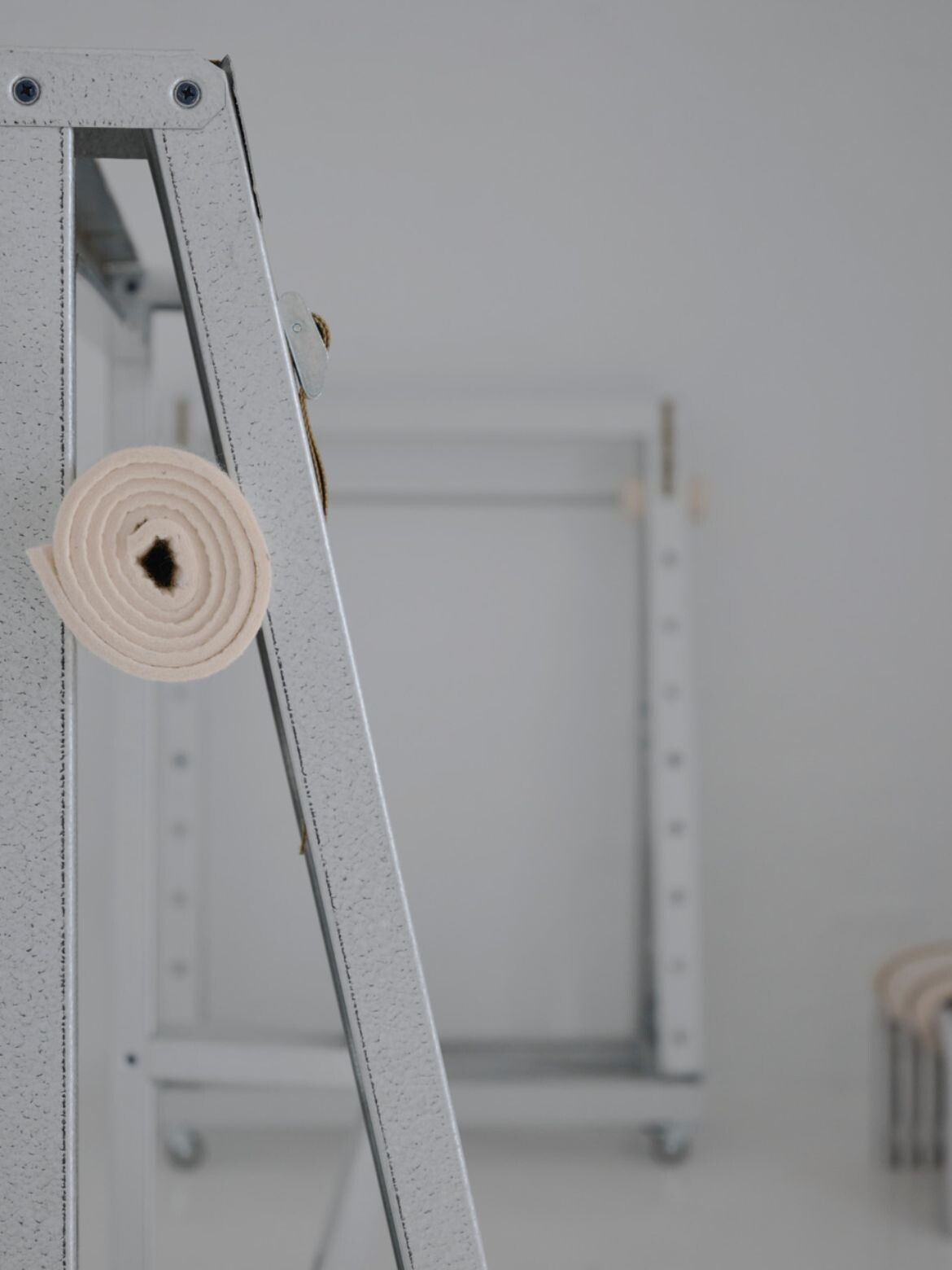
Making the hidden visible. Materials that usually sit behind walls – galvanised steel, raw timber, industrial felt are brought forward as the primary expression. It’s about raw precision: an honesty in how things connect and hold together. The structure becomes the architecture and construction becomes the language.
How do you balance material rawness, utility and architectural precision alongside a human touch?
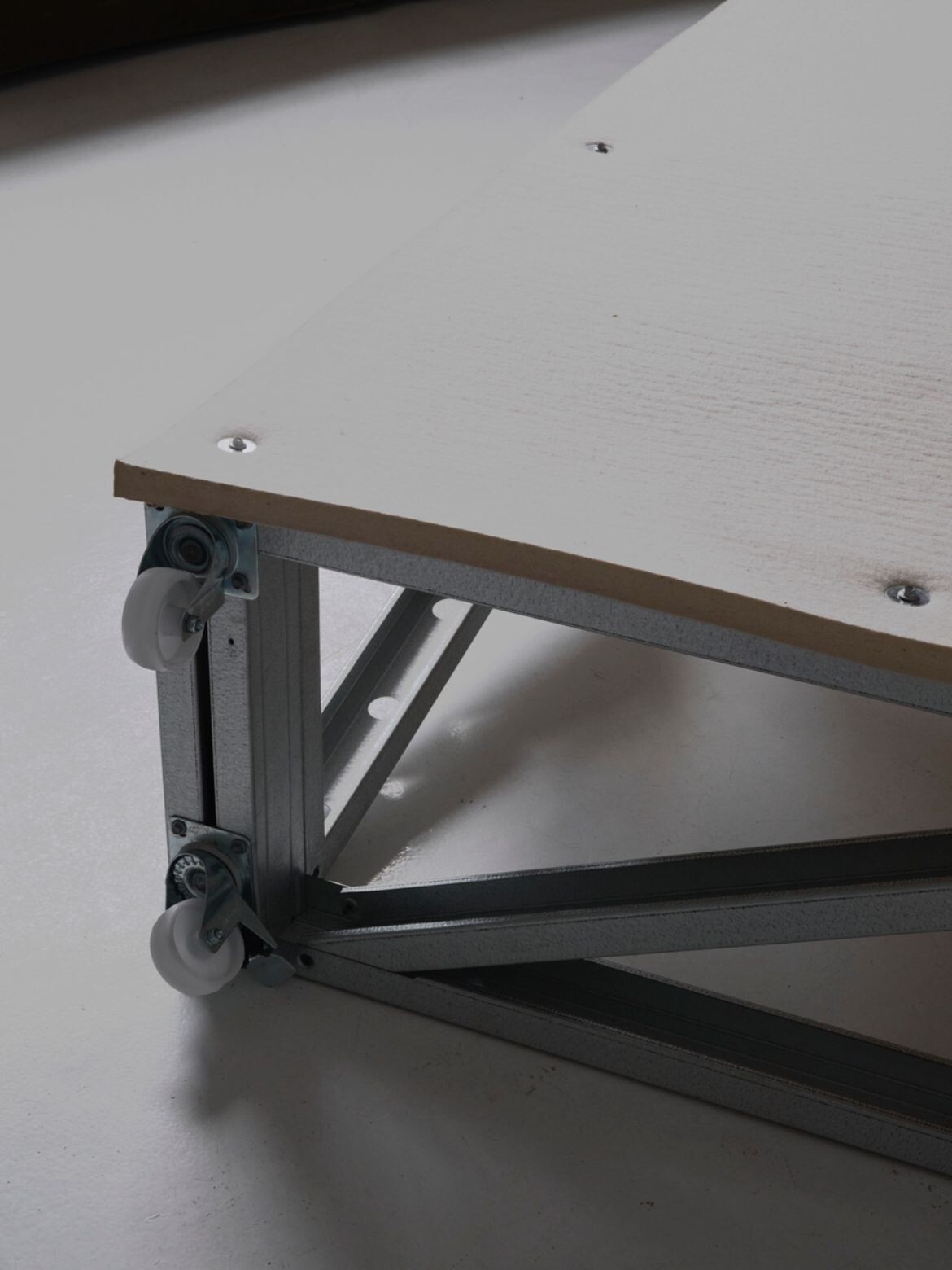
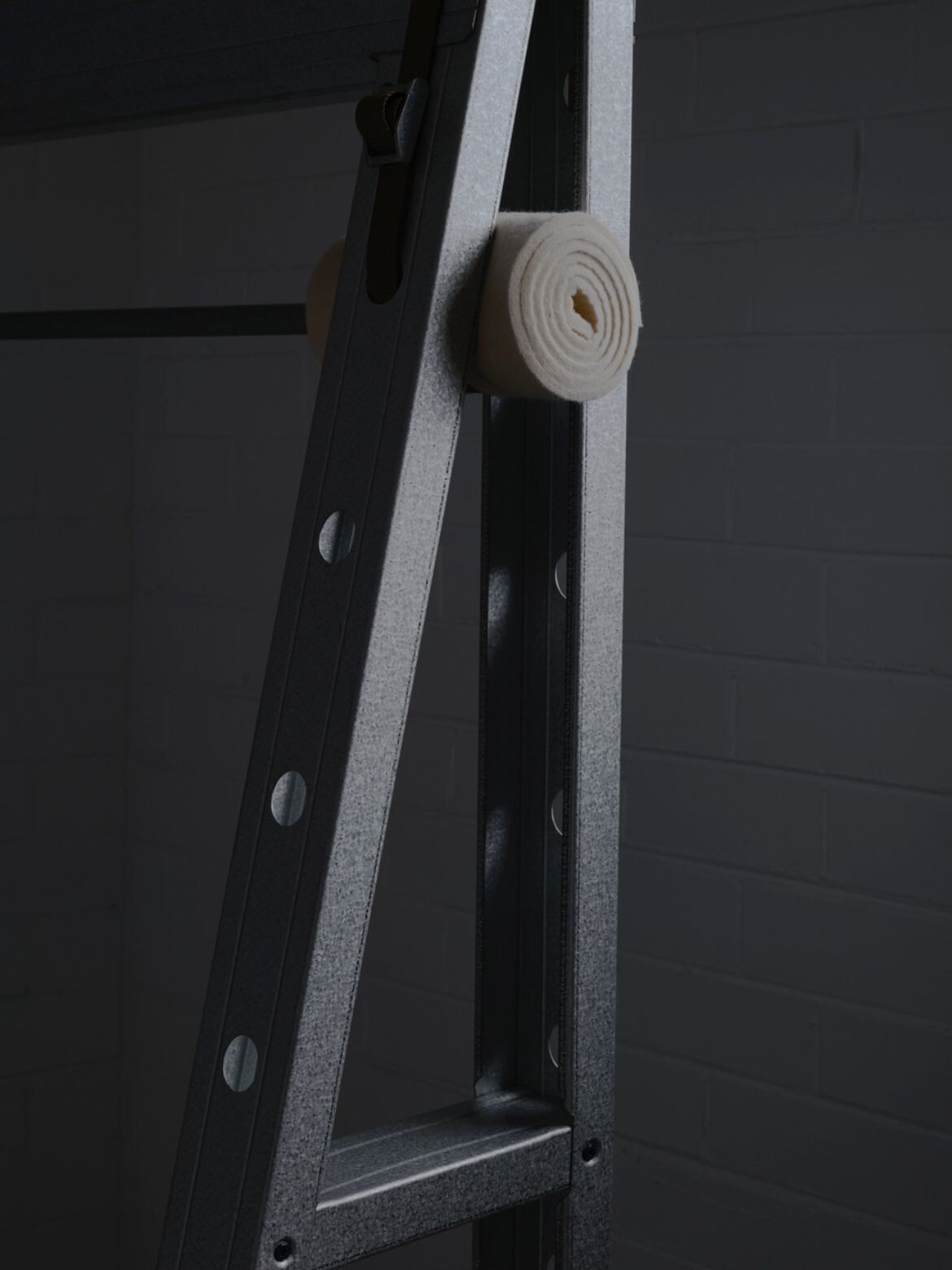
Through discipline. Each material performs structurally, visually and sensorially. The system is robust but not heavy, engineered but approachable. The human touch comes from the method of assembly – the tension straps, the hand-cut timber, the layered felt wrapping the rails. The process is made visible in the result which connects people to the work.
Studio Edwards
studio-edwards.com
Photography
Jack Carlin