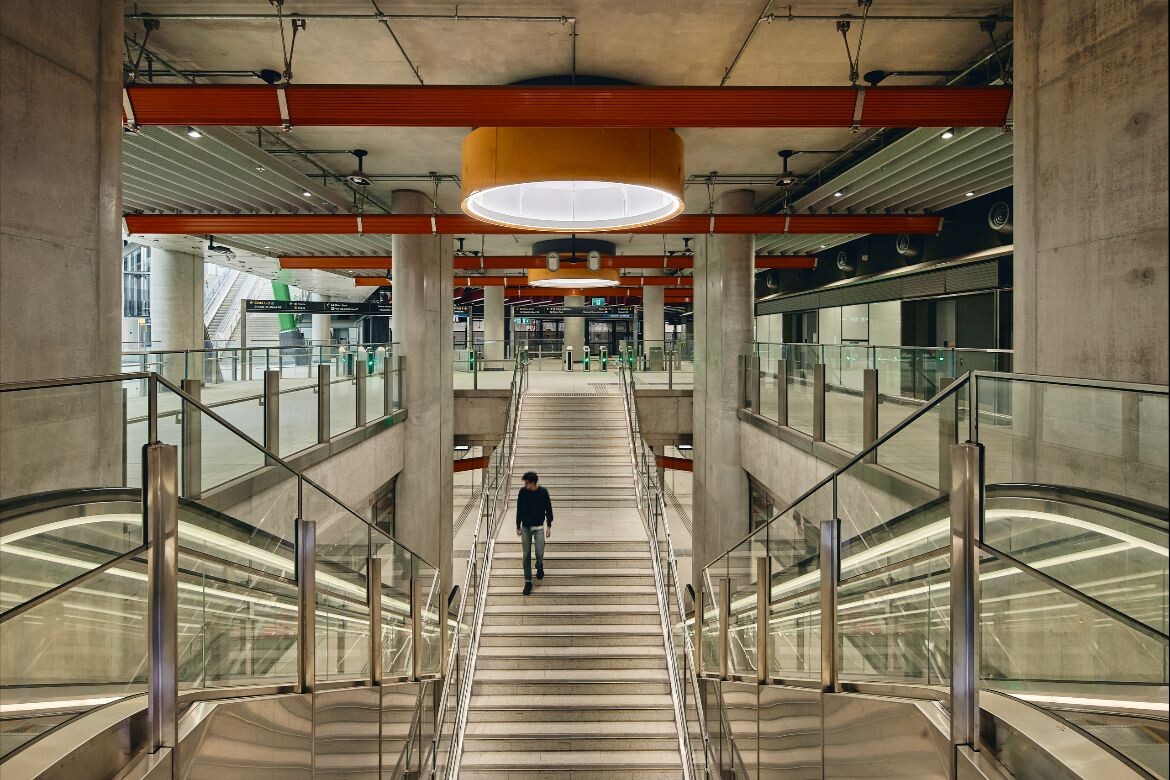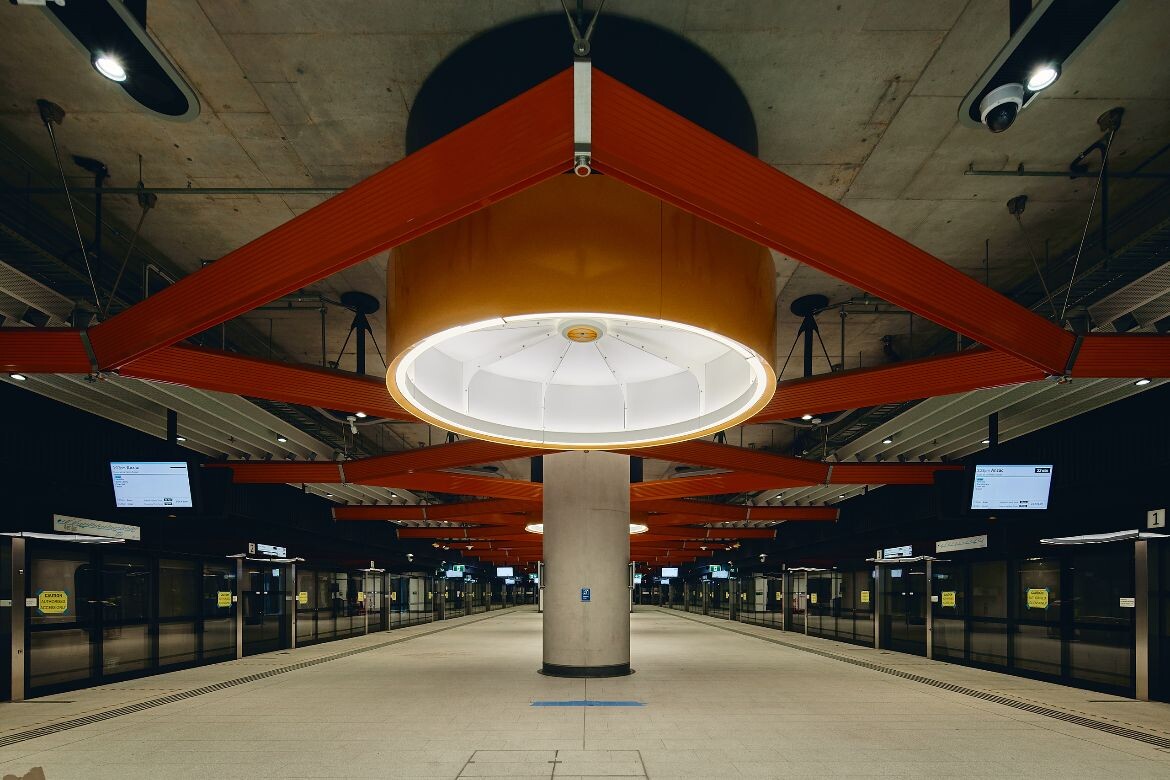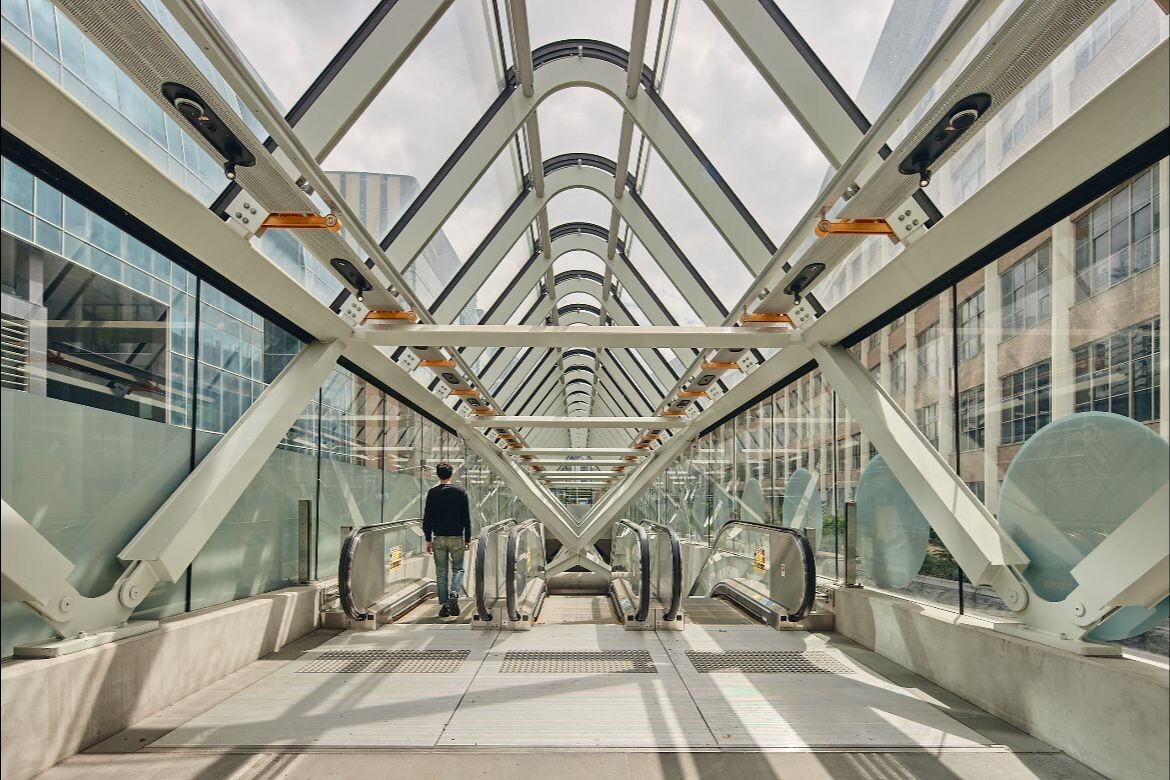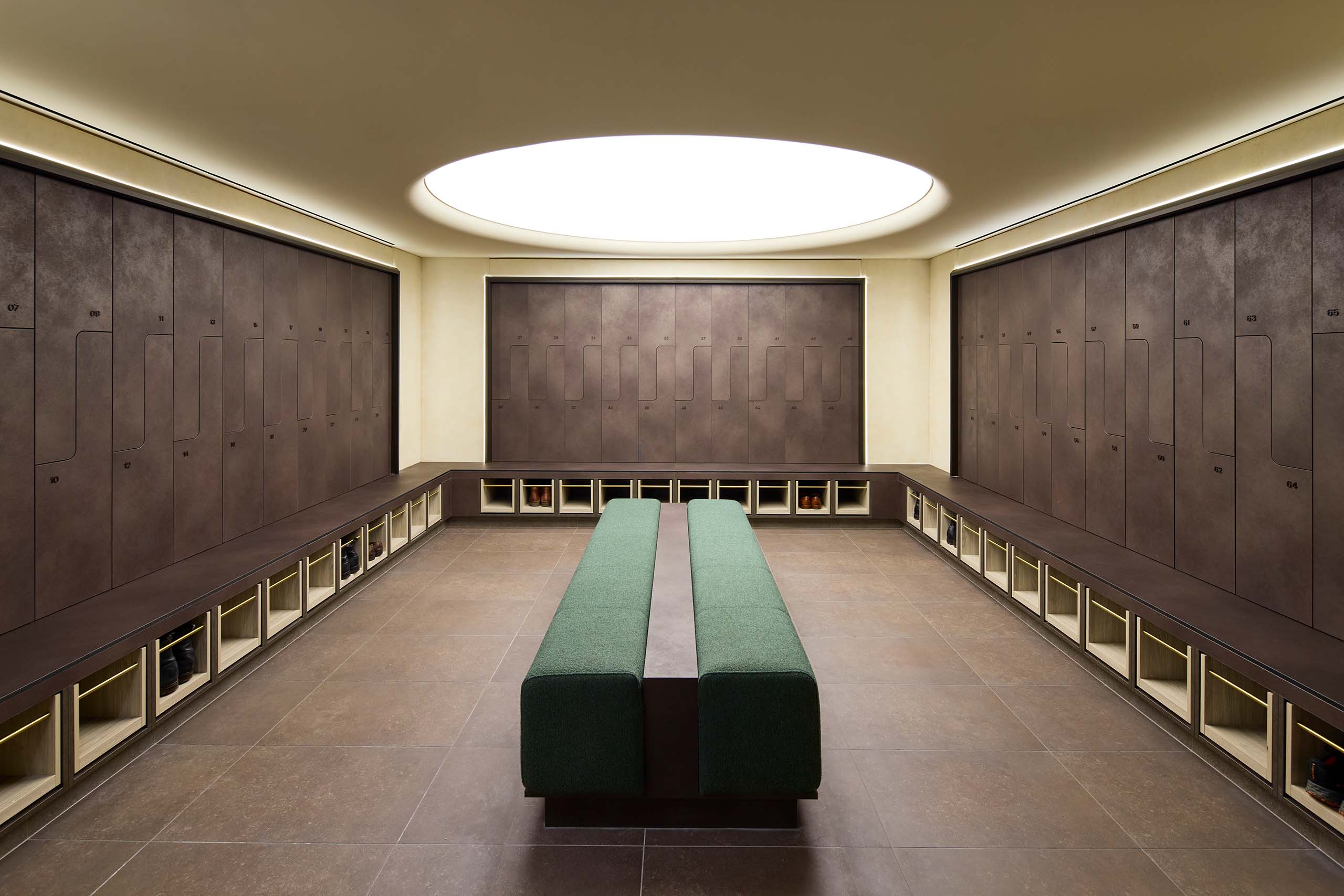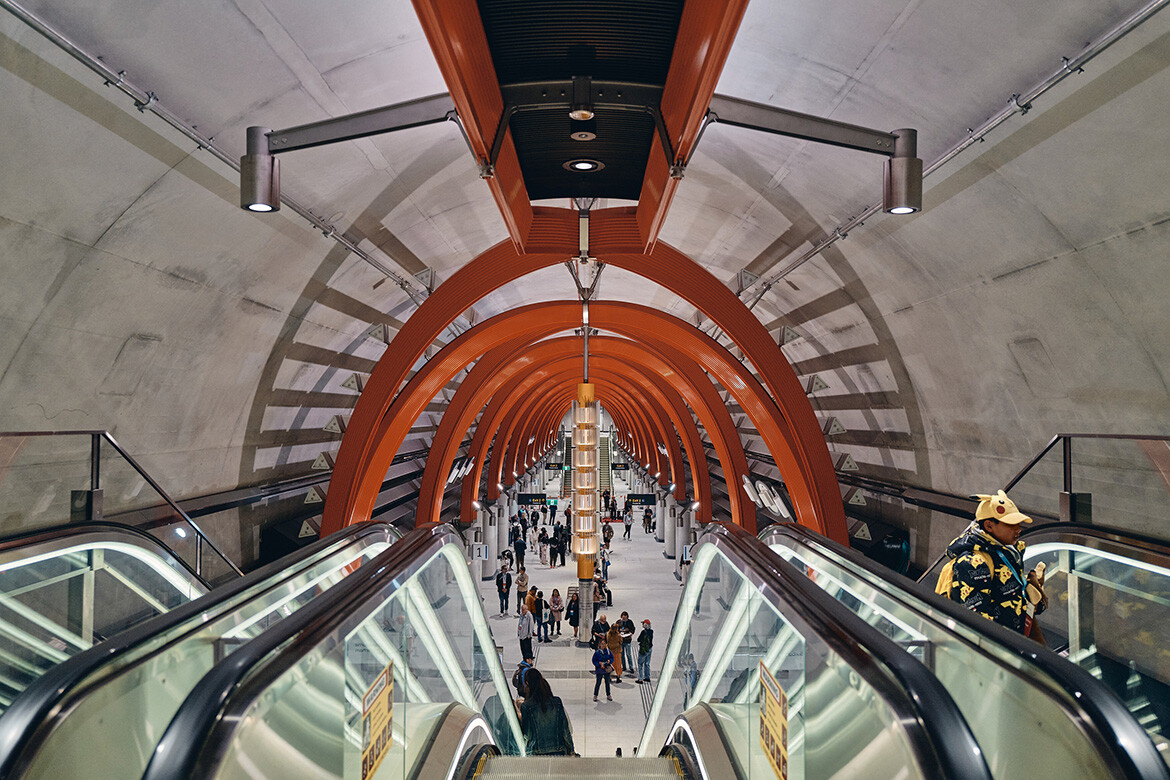
The Metro Tunnel introduces the first direct interchange between Melbourne’s tram and heavy rail networks. The project sees Arden (North Melbourne), Parkville, State Library, Town Hall and Anzac stations open as part of a new rail corridor beneath the city. Together, the stations form a line-wide architectural approach intended to deliver long-term civic landmarks alongside a more efficient and connected transport system.
Rather than treating stations as isolated underground environments, the design prioritises a strong relationship with the city above. Each station is shaped by its urban context, with entrances, materials and spatial qualities responding to surrounding streets and landmarks. Several sites also incorporate new or upgraded public spaces, including the revitalisation of City Square in Melbourne’s CBD.
“Respecting and integrating with their locations, each station is designed to celebrate the joy and efficiency of travel, collectively crafting a generous, uniquely new and memorable Melbourne experience,” says Mark Loughnan, Principal and Head of Design at Hassell.
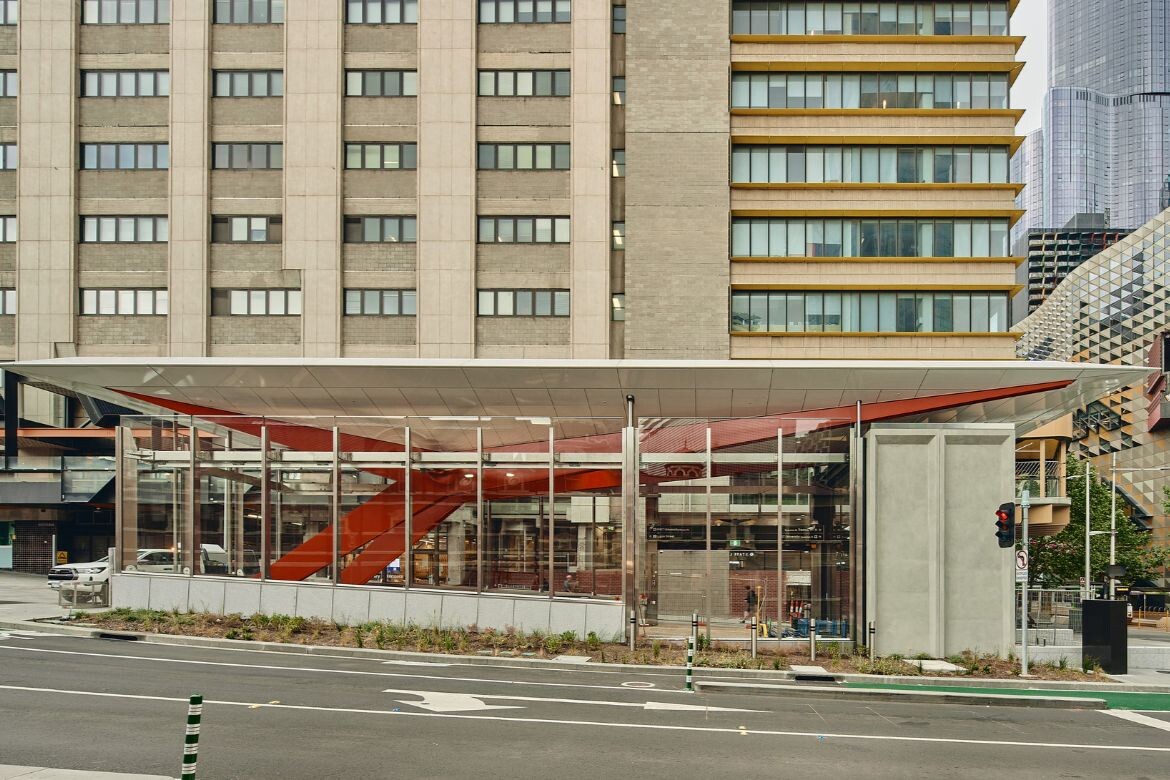
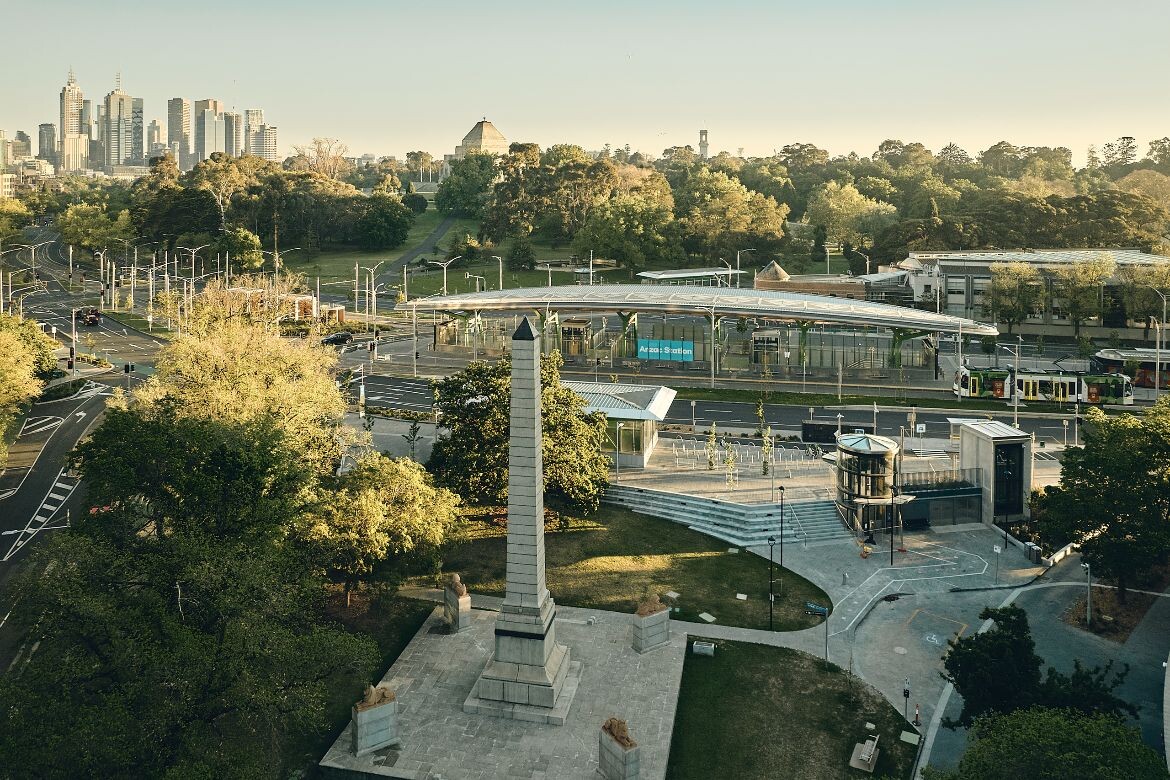
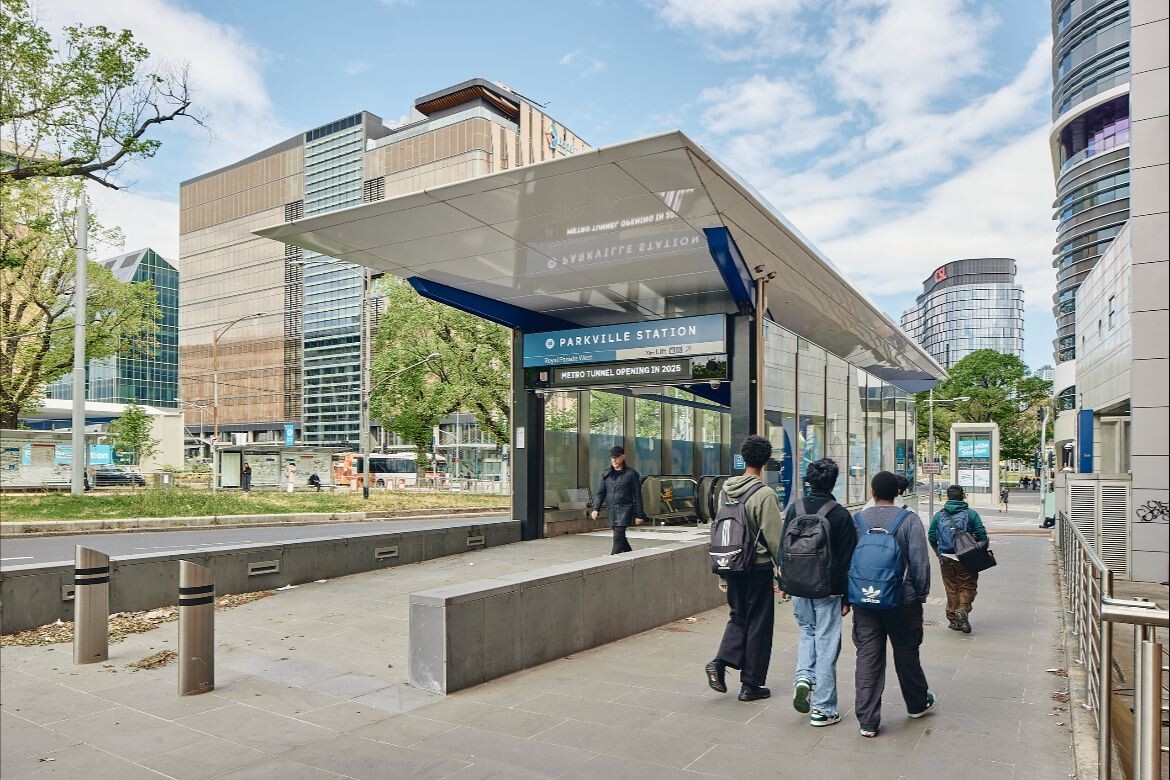
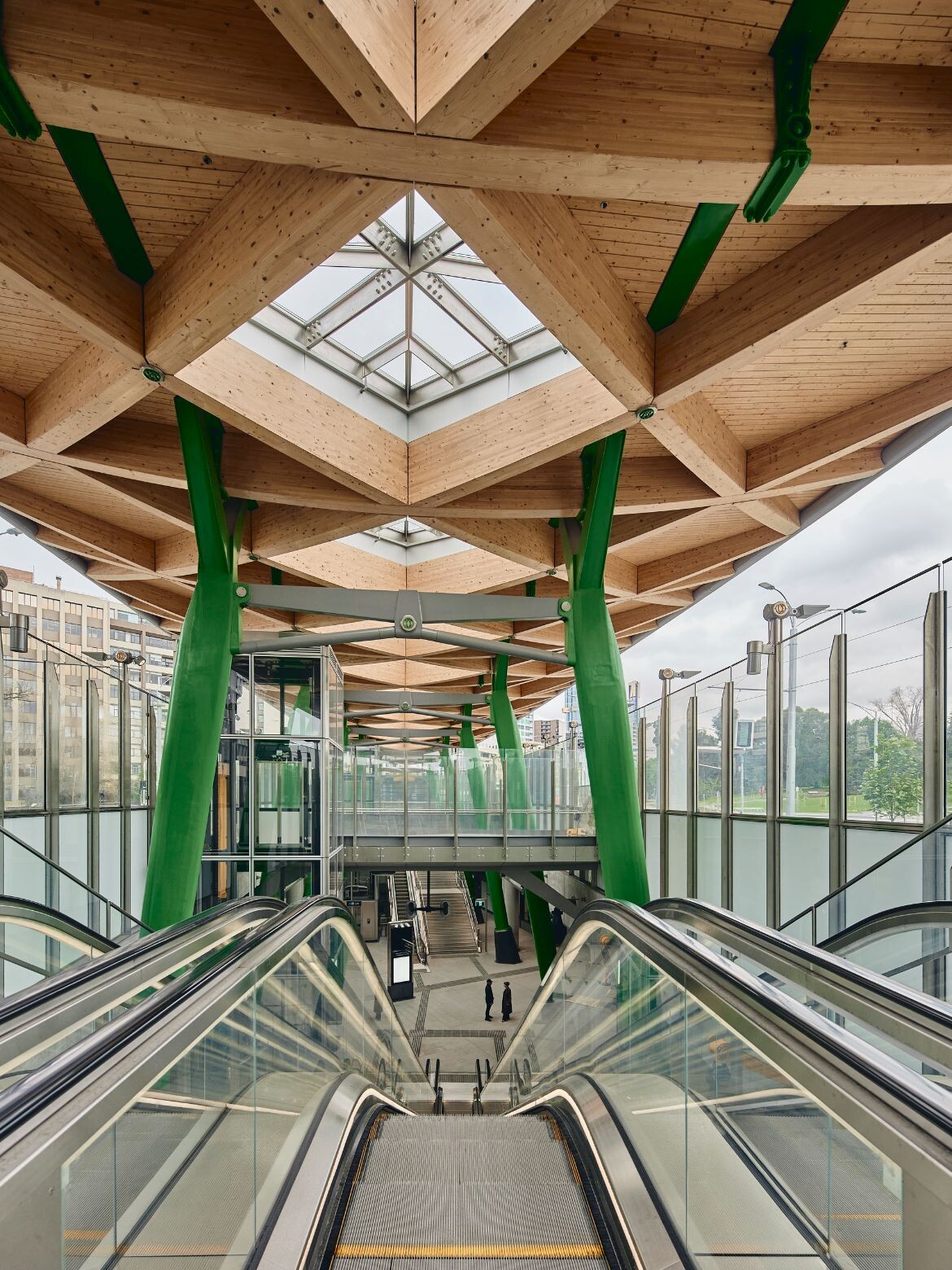
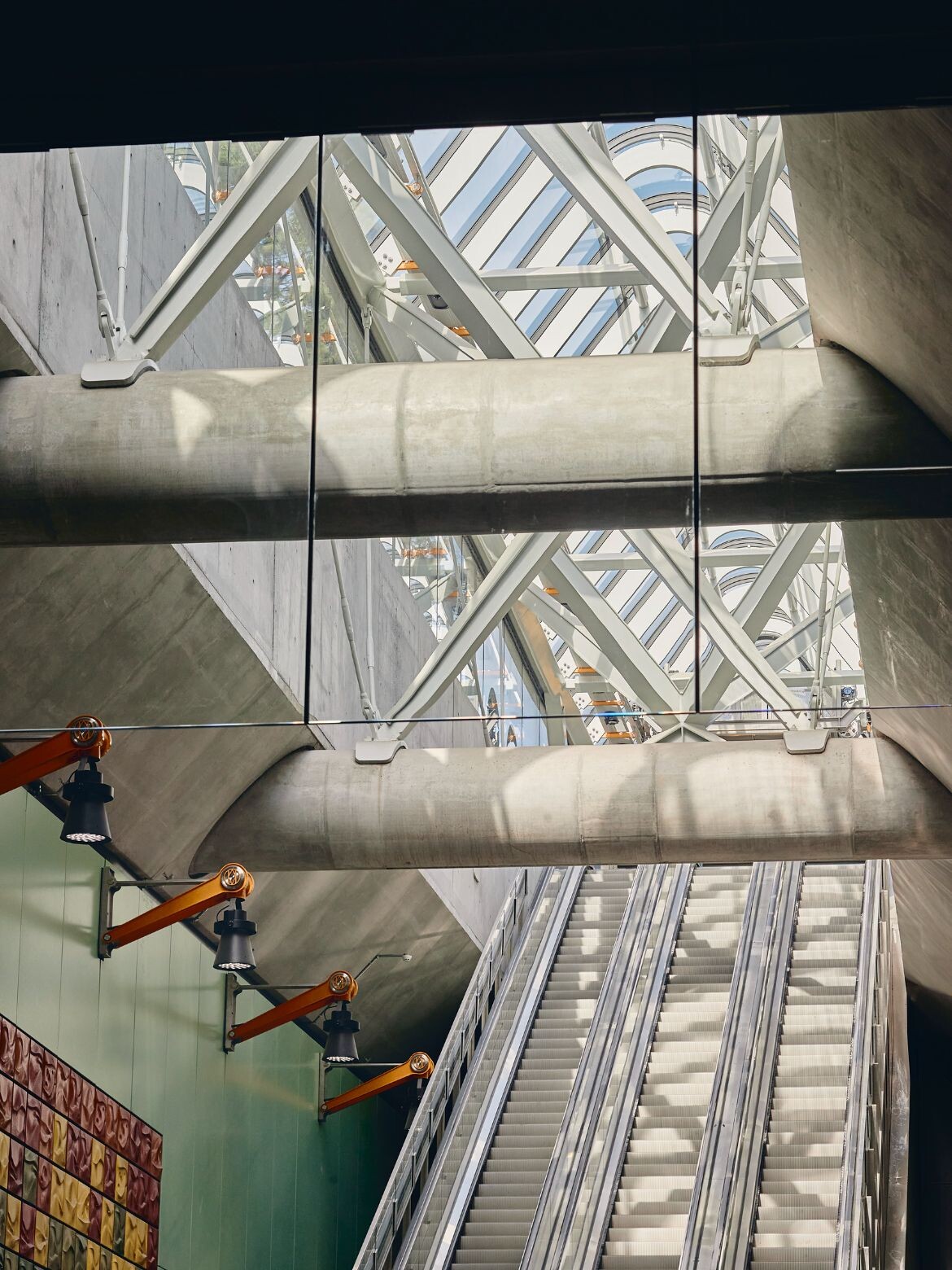
Meanwhile, access to natural light and fresh air is a defining feature across the project. At Arden and Parkville stations, large skylights bring daylight deep into the concourses, creating open, legible spaces. Materials such as brick and timber are used at Arden and Anzac stations to reflect local character. At Anzac station, a large elliptical canopy positioned in the centre of St Kilda Road shelters the concourse below, drawing daylight into the underground tram–rail interchange while providing weather protection at street level.
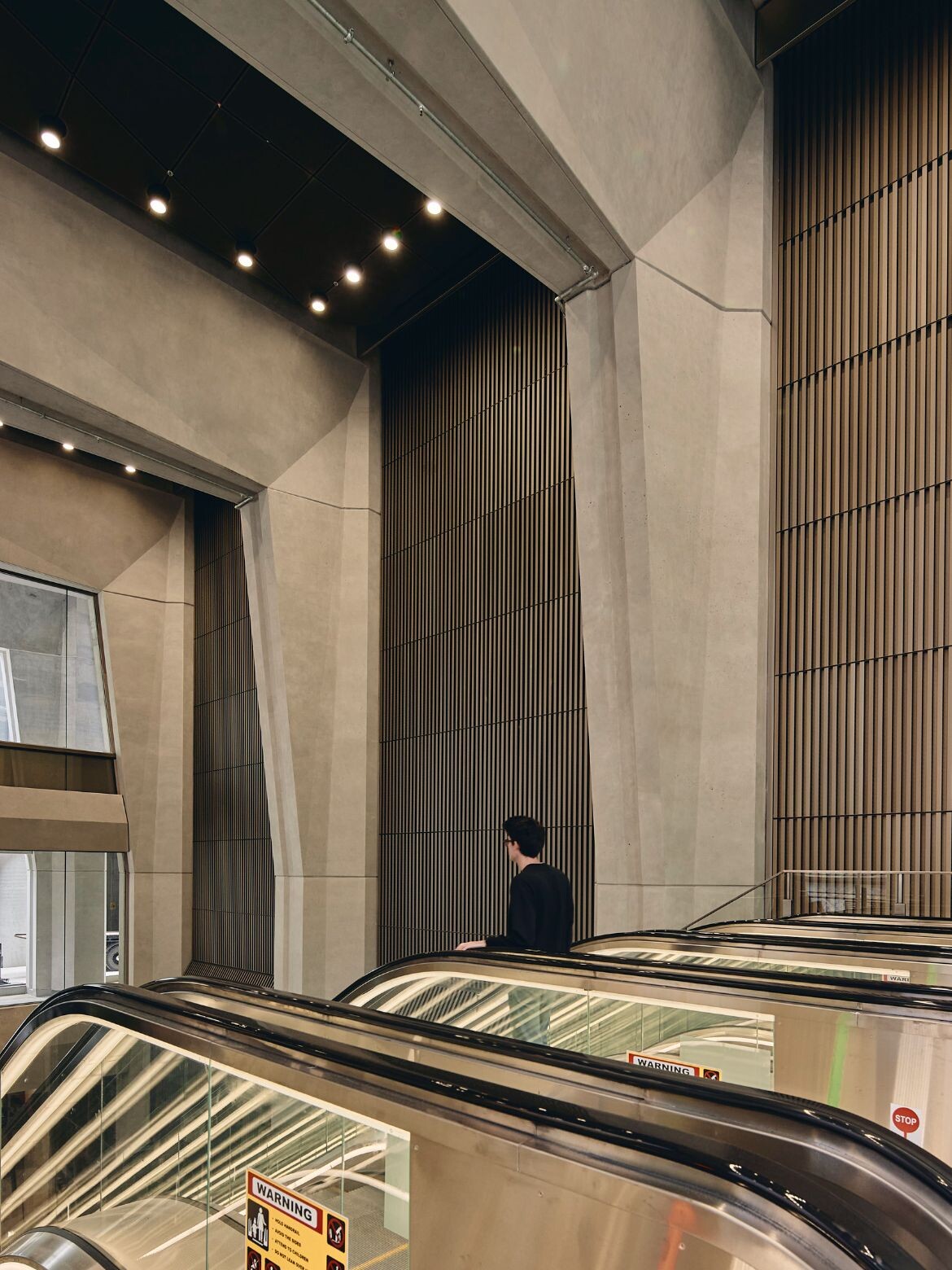
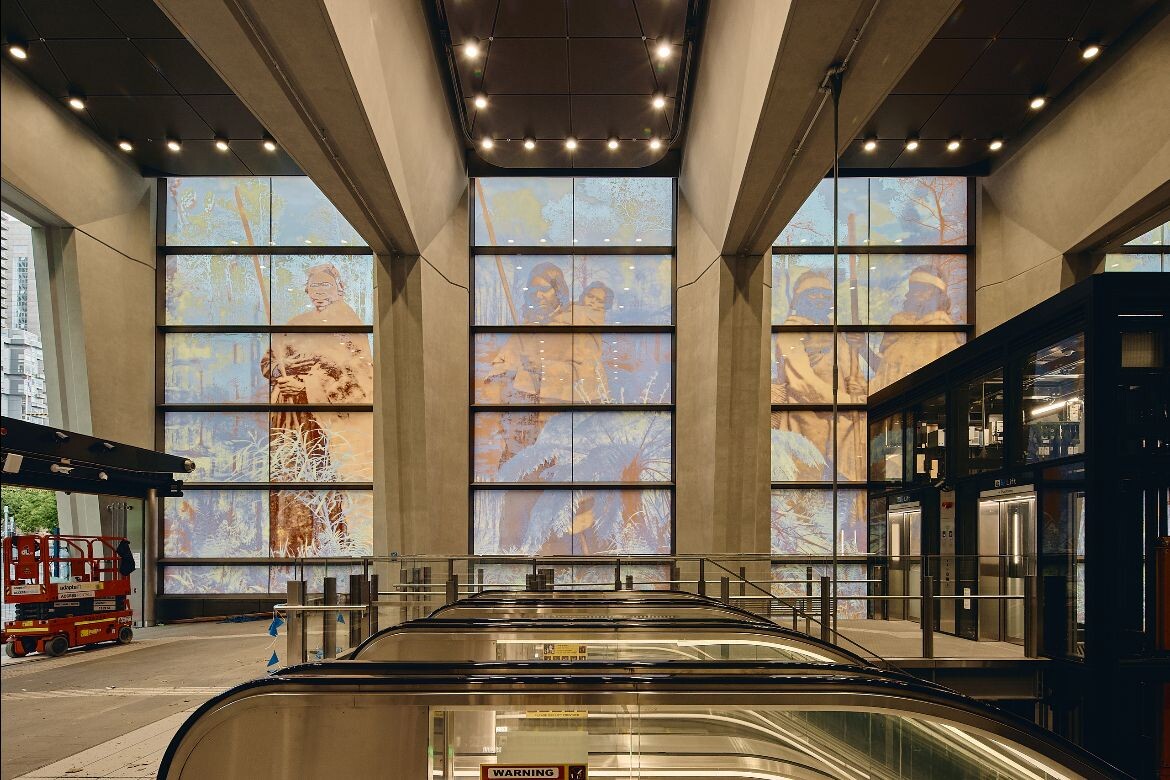
More constrained inner-city sites, such as State Library and Town Hall stations, required different solutions. Here, the design teams have created expansive, cathedral-like underground volumes that emphasise height and openness, with natural light introduced at primary entrances to improve orientation and comfort.
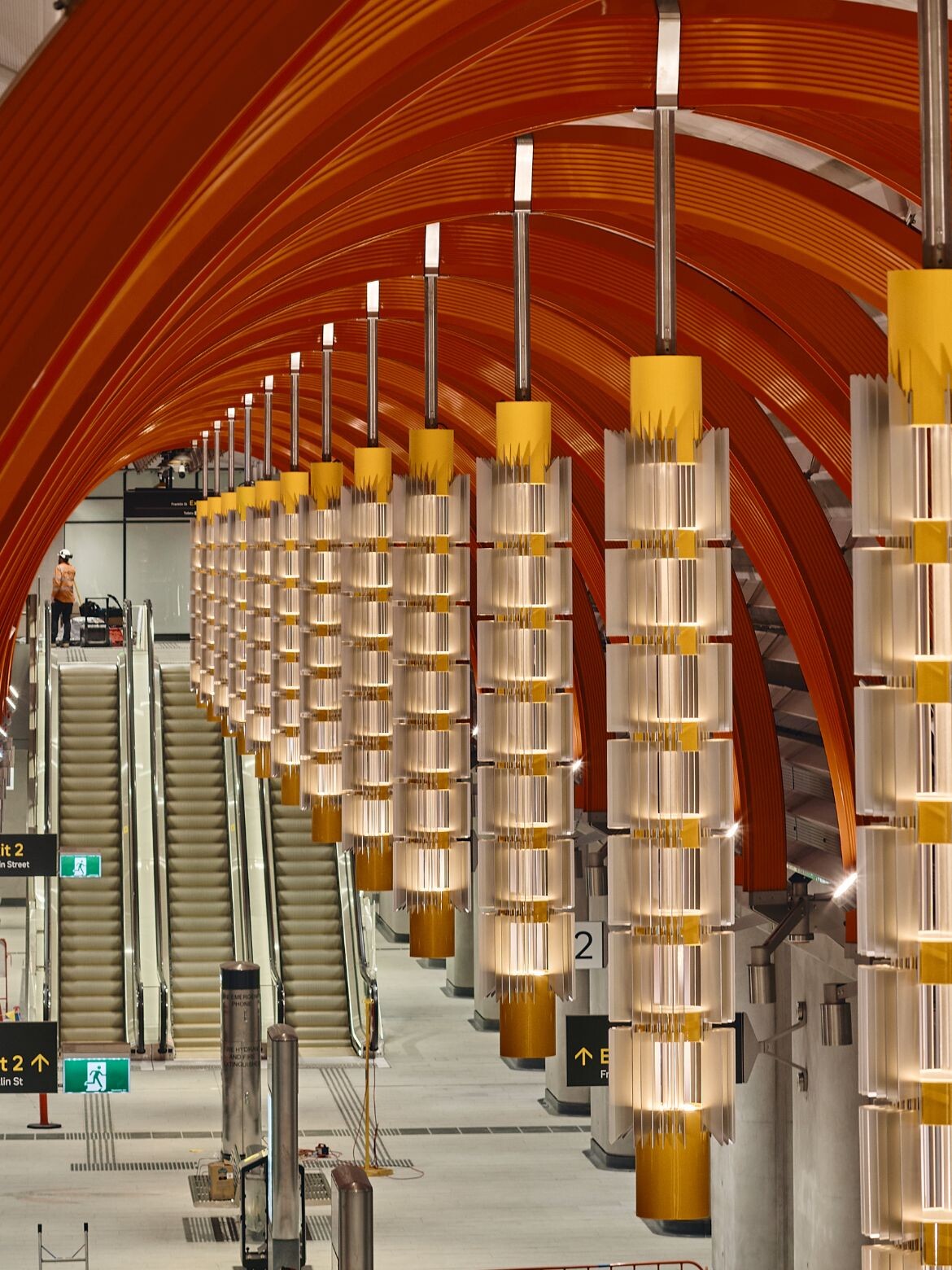
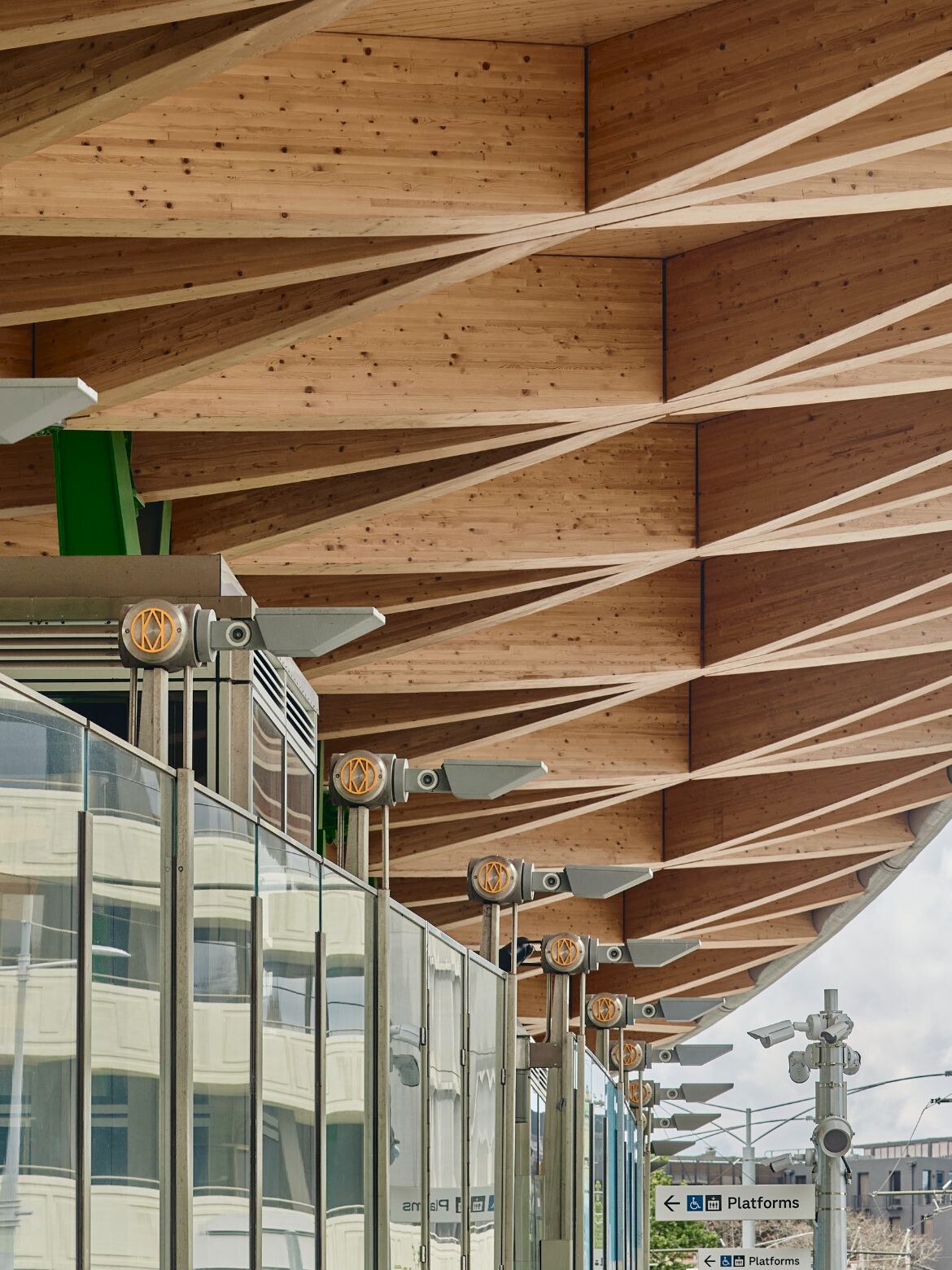
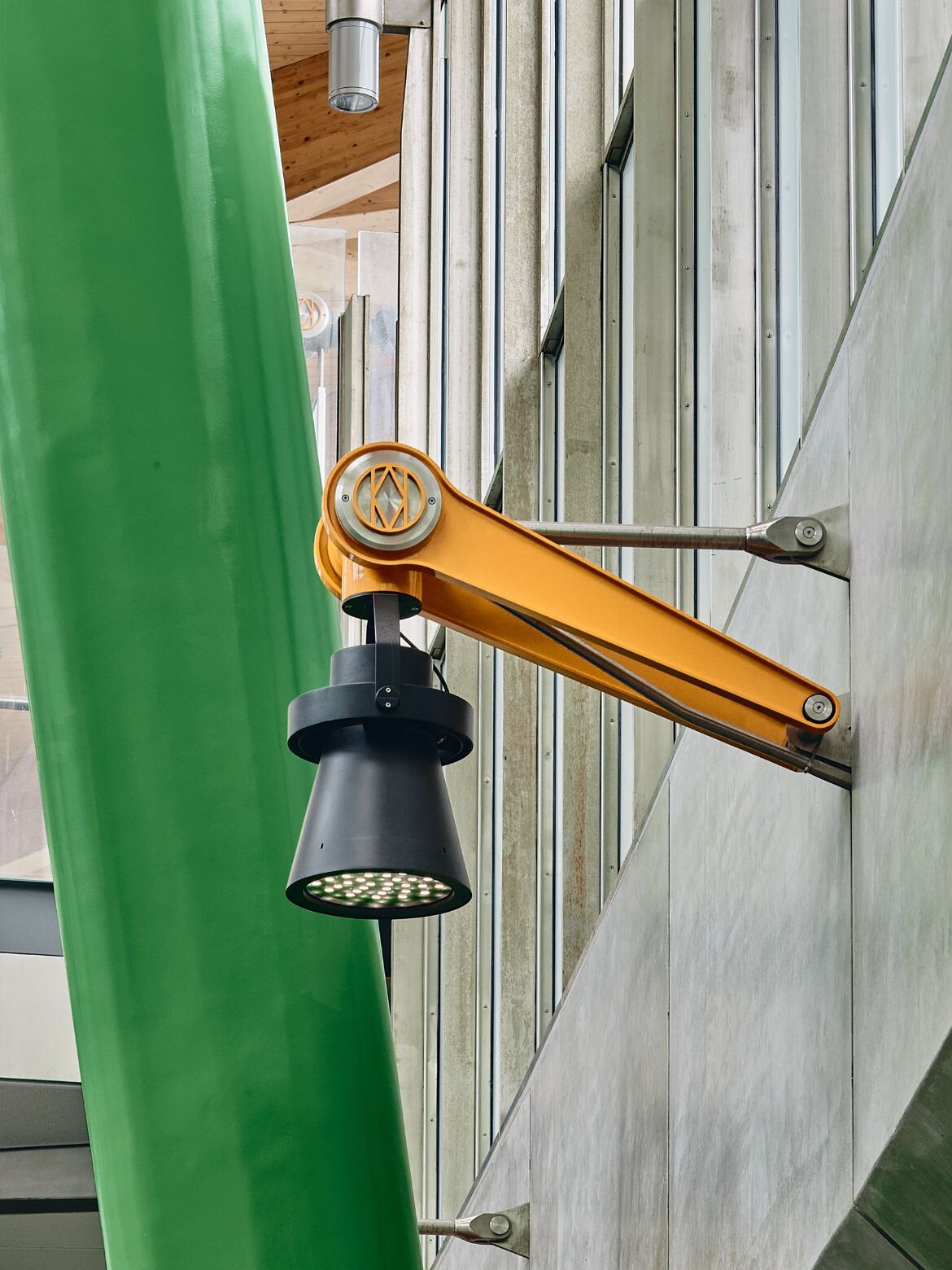
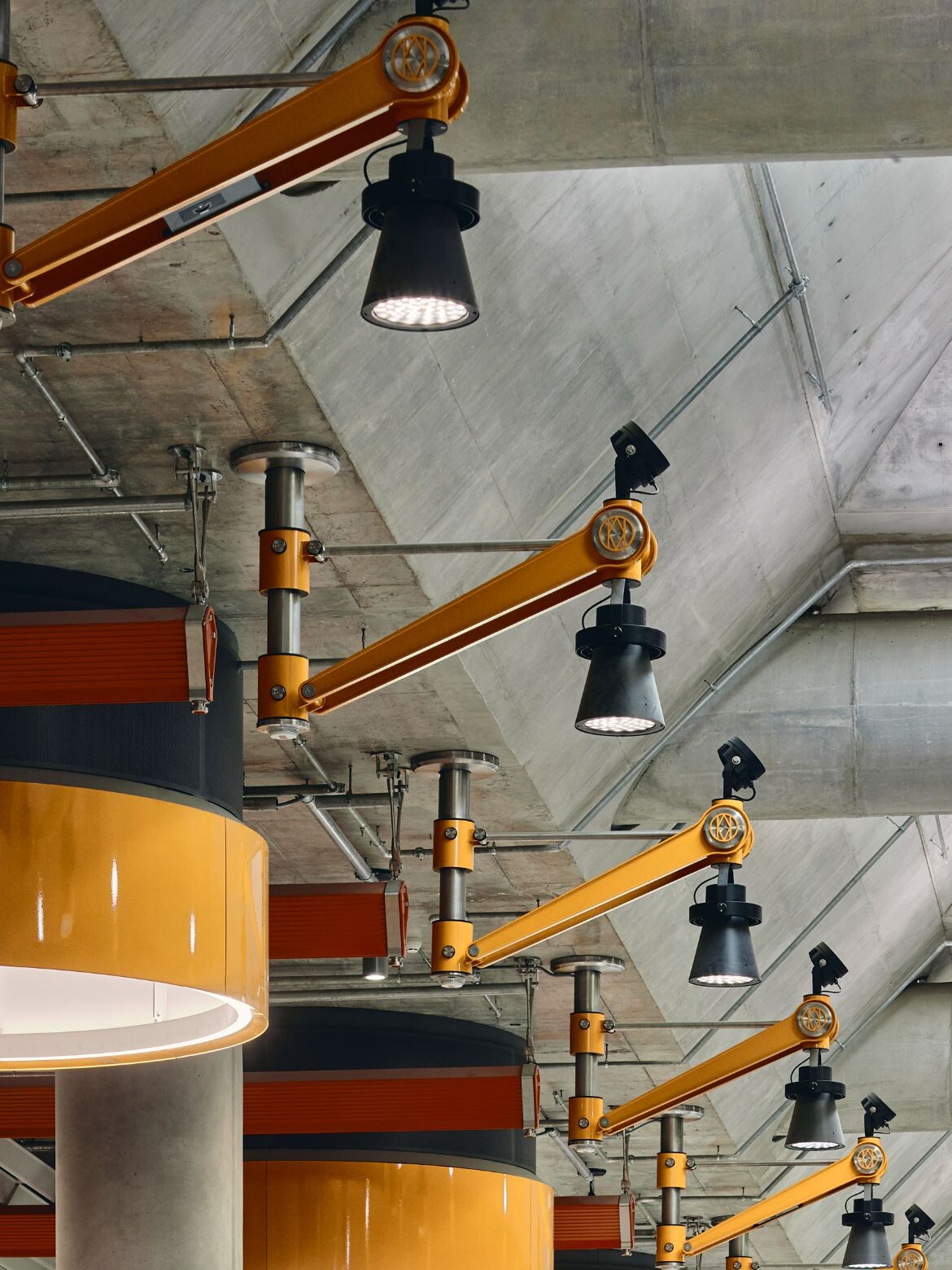
A consistent visual language is designed to unify the project as a whole. Brightly coloured structural elements house services and support bespoke lighting systems made from cast metal and thousands of glass globes. Wayfinding is then integrated through colour-coded metal baffles that guide passengers intuitively through stations and towards connecting services.
When fully operational, currently forecast for February 2026, the Metro Tunnel will connect the Sunbury, Cranbourne and Pakenham lines via a new cross-city tunnel with interchanges at Town Hall, State Library, Footscray and Caulfield.
“It has been a privilege to be part of the extraordinary effort by thousands of talented and skilled individuals collaborating to create Melbourne’s new metro together,” says Ivan Harbour, Senior Design Director at RSHP. “The architecture of the stations is designed to lift the spirits of all those using the metro day to day. Each is unique, and all five are sensitive to their respective locations. The vision that inspired them is a reflection of Melbourne’s creative spirit. As each entrance portal now emerges, it begins to reshape how this remarkable city is navigated – today and well into the future. I hope that Melburnians enjoy riding their metro as much as we have enjoyed playing our part in its creation.”
Related: An interview with RSHP’s Ivan Harbour
Rob Naybour, Chair at WW+P, concludes: “This is a project of global significance. Melbourne is a city defined by its openness: its streets, laneways and public spaces create a vibrant and welcoming atmosphere. We wanted that openness to shape the design of the new stations; each station design maximises natural light and fresh air, creating passenger spaces that are truly world-class. Our focus on connection and visibility ensures travellers feel part of the flow of the city – the stations are not just places of travel, but seamless extensions of Melbourne’s public realm.”
The Metro Tunnel is being delivered by the Victorian Government through the Victorian Infrastructure Delivery Authority and VIDA Metro. The Cross Yarra Partnership –comprising Lendlease Engineering, John Holland and Bouygues Construction – is the principal contractor, with architecture by Hassell, Weston Williamson + Partners and Rogers Stirk Harbour + Partners.
Hassell
hassellstudio.com
WW+P Architects
wwparchitects.com
RSHP
rshp.com
Photography
Peter Bennetts