Bates Smart is renowned for its refined designs across workplace, hospitality, retail and residential projects. It is this breadth of expertise that brings a distinctive quality to each commission, and the new workplace for CBRE demonstrates the practice’s considered, cross-disciplinary approach.
As a workplace – or perhaps a hotel or luxury residence – the CBRE Sydney office at 363 George Street resists easy categorisation. Through curated materiality and flexible spatial planning, the interior offers a contemporary model for a workplace that responds to the evolving expectations of both employees and clients.
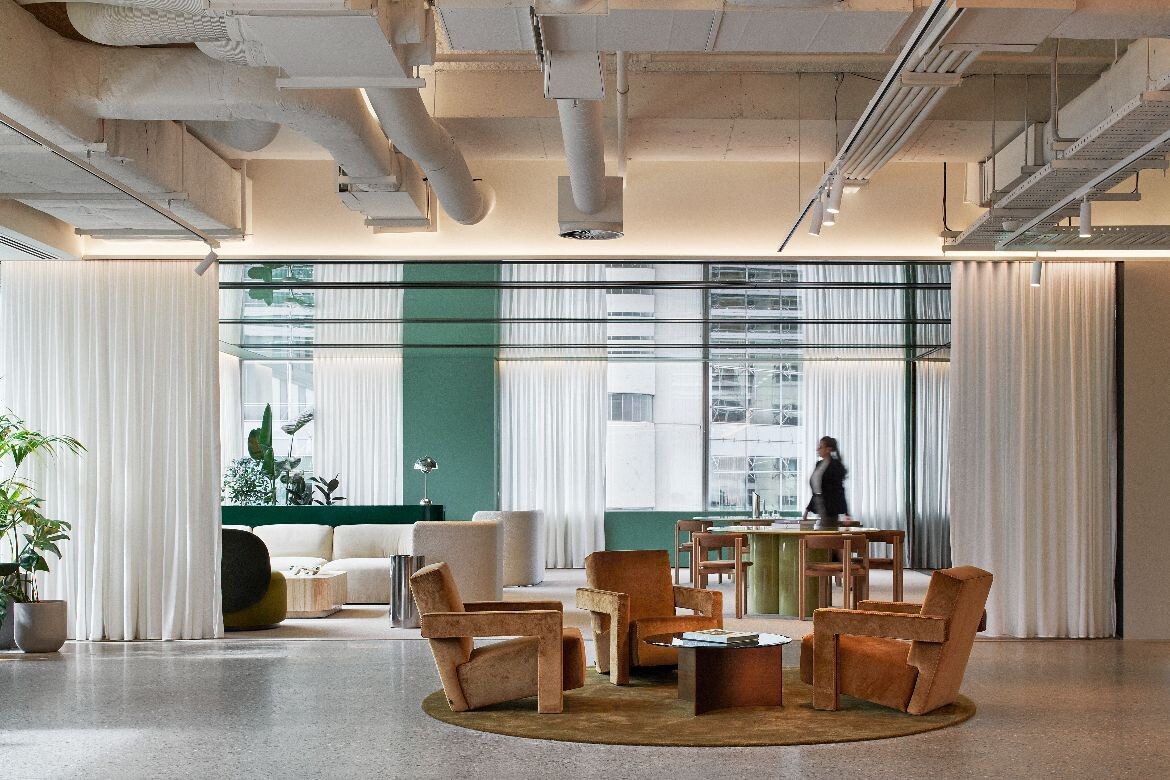
The project was led by Bates Smart Director Brenton Smith, with Associate Director Jess Page as lead designer, alongside their team. Together, they have delivered an interior that is thoughtful, detail-driven and carefully resolved.
Smith comments, “Offices no longer need to look like offices, so we’ve intentionally repositioned the workplace. When clients tell us that they enjoy working in their new office because it feels like a retail space, or has the warmth of home or the vibrancy of a hotel lobby, we know we’ve shifted expectations. Australia leads in crafting workplace environments that draw from hotel, food and beverage and residential design, and still function as excellent places to work. This is how you bring people back into the office.”
Related: RADS mediates street and lobby at Reno’s Bistro
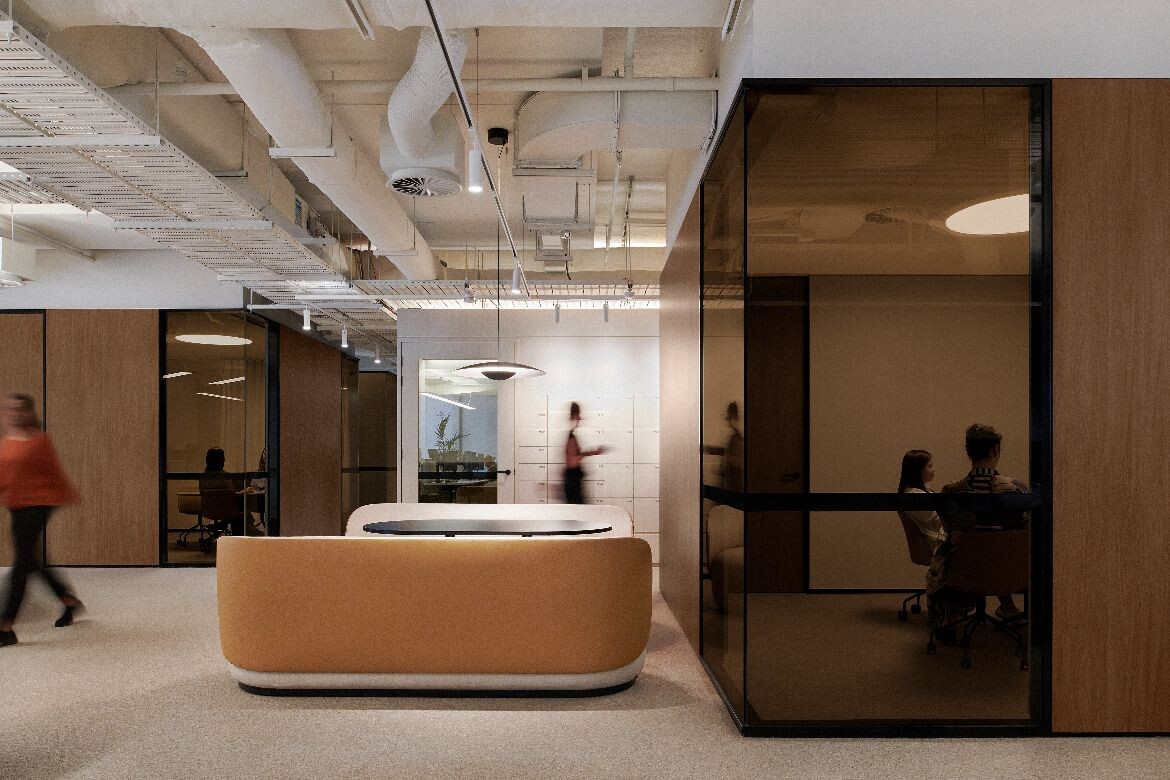
While the front-of-house client spaces are generous and highly considered, equal attention has been paid to the work floors. Lighting, layout, furnishings and colour have all been carefully resolved to support daily use and long-term comfort.
Reimagining the existing three-level, 3800-square-metre interior was central to the brief. Designed around a decade ago, the previous layout no longer aligned with CBRE’s operational needs, prompting a complete reworking of the plan.
The three levels were reorganised to include a dedicated client floor, with two levels allocated to workspaces. The stair, which previously constrained the floorplate, was relocated from the north to the south, improving circulation and linking the work floors to the client and function areas.
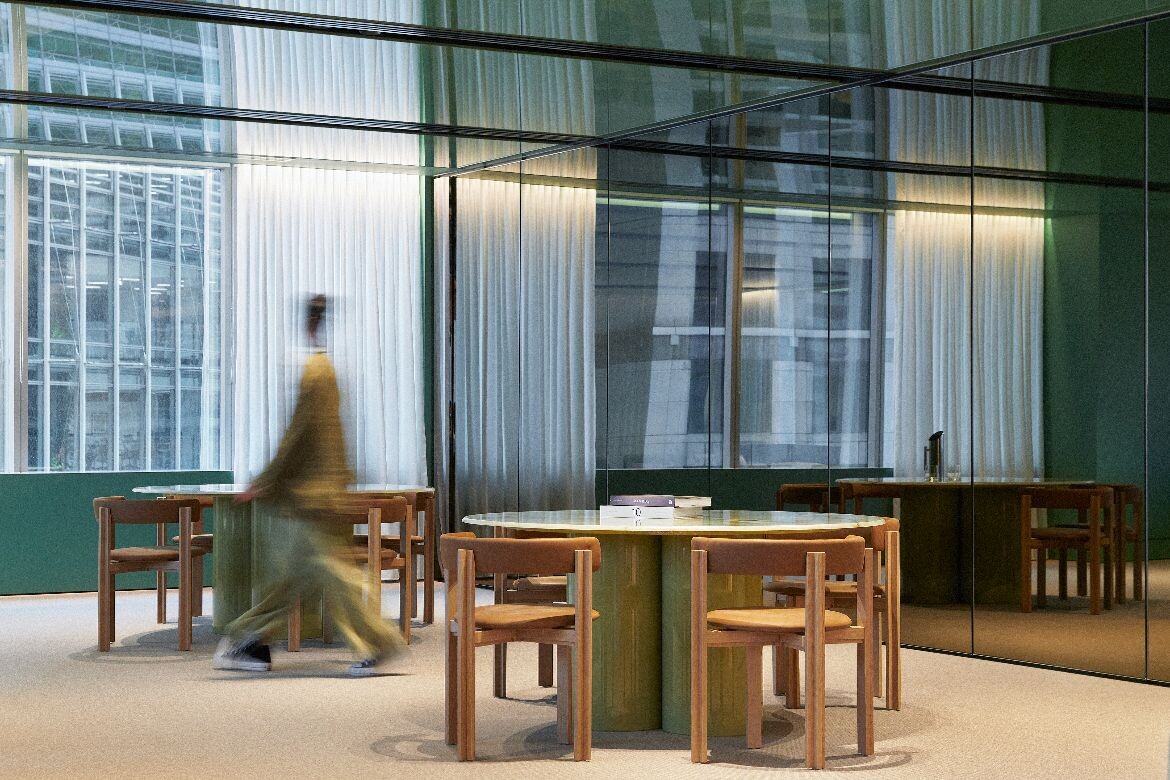
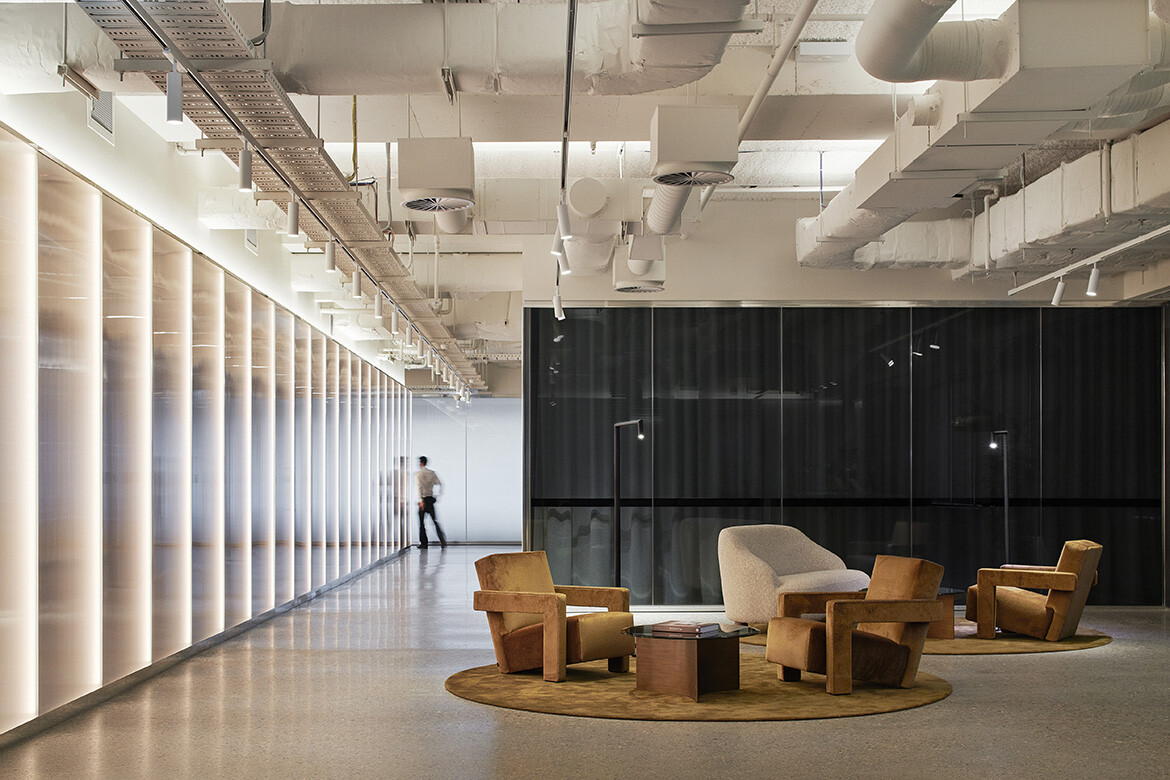
The client floor is now a flexible environment capable of hosting meetings and events concurrently. When opened in full, the space can accommodate up to 200 people – a significant shift from the previous configuration.
Materiality plays a defining role throughout. On the client level, ceilings are painted soft white and the plenum is exposed, lending a sense of openness and scale. The network of pipes and services overhead adds visual complexity rather than detracting from the design.
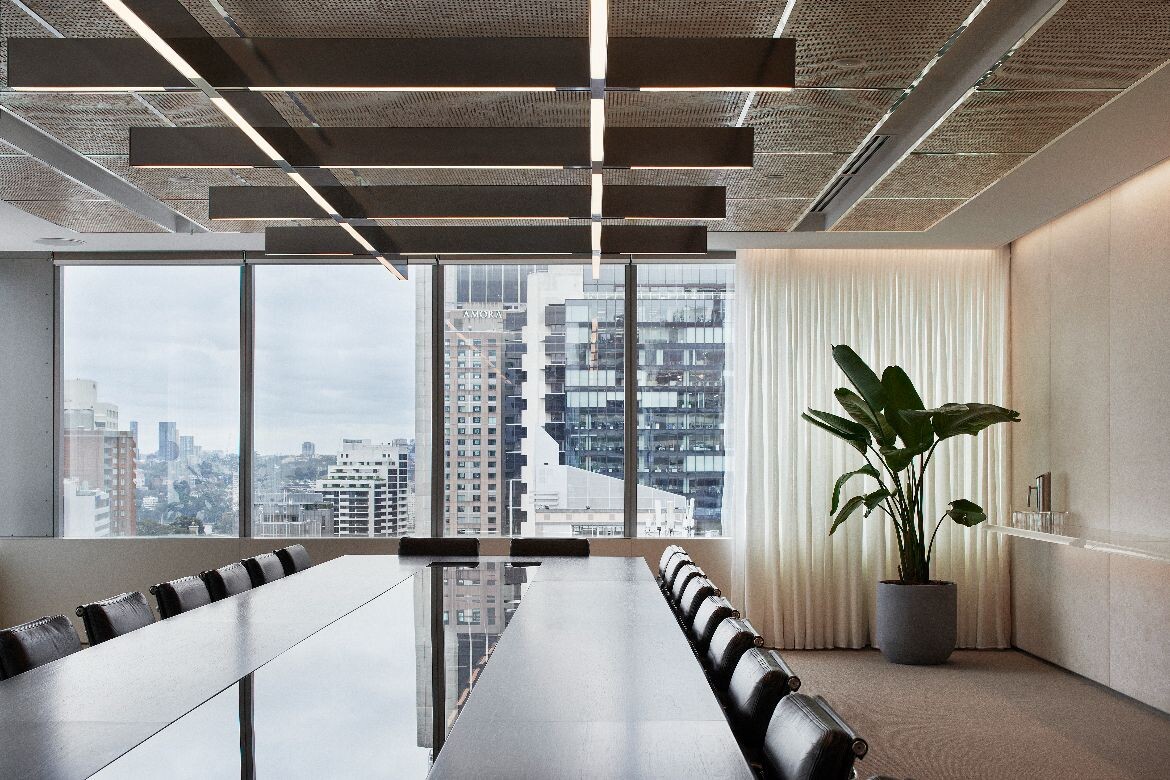
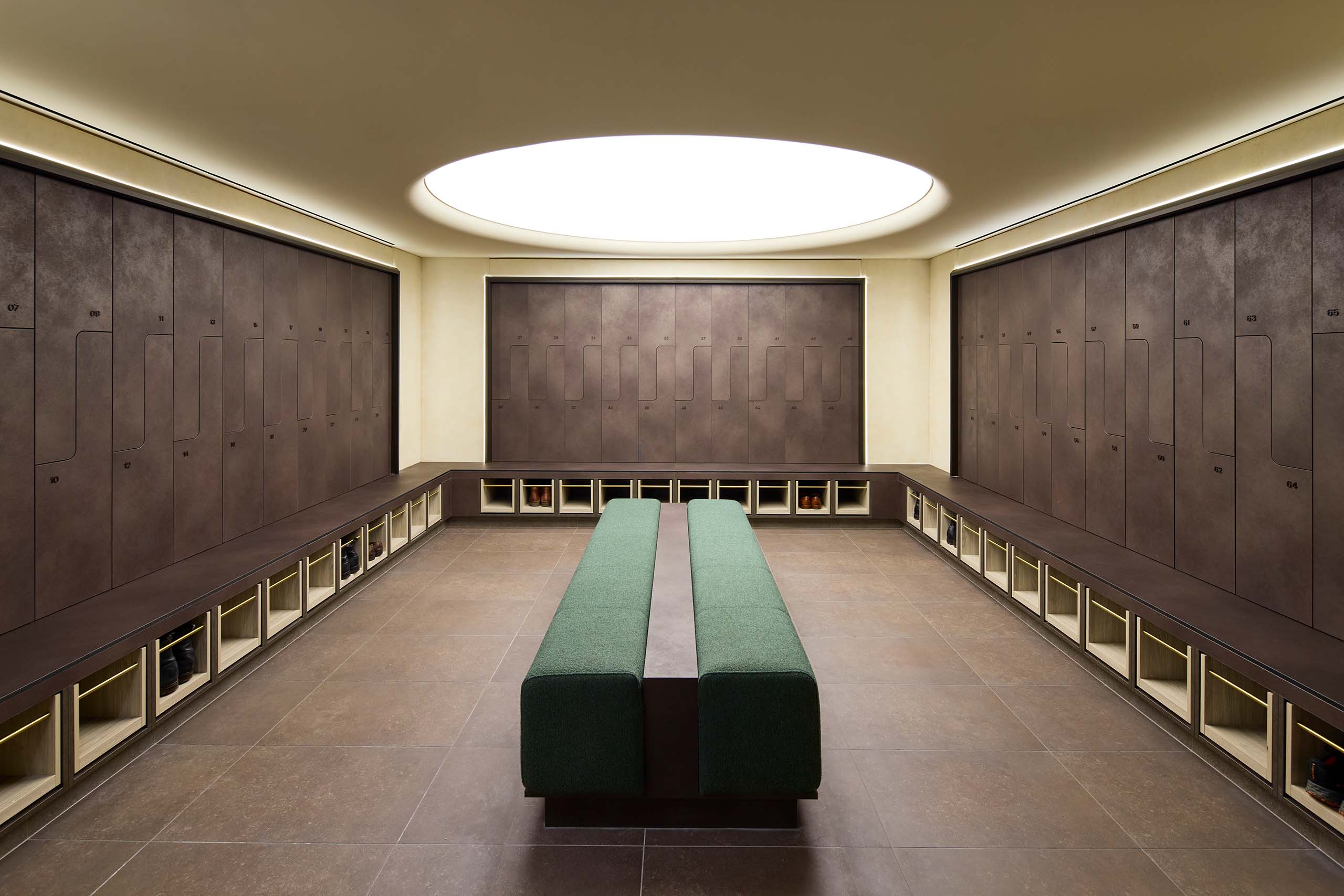
Original base-build concrete slabs have been retained and polished to highlight embedded stone chips. Where the stair has been introduced, the aggregate has been carefully matched. Carpet is used across the working floors to improve acoustic performance. Warm timbers, refined marbles and polished lacquers contribute to a layered material palette, while details such as chrome trim and powder-coated chipboard ceilings in meeting rooms introduce an unexpected note of refinement.
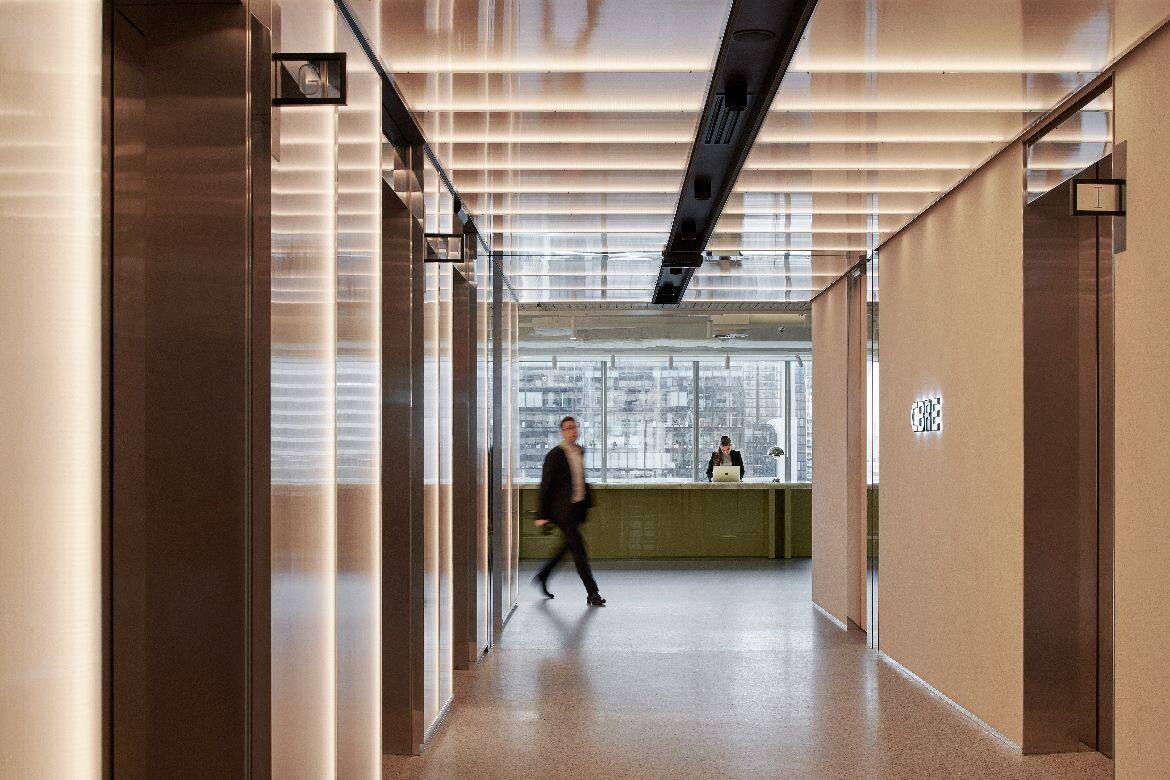
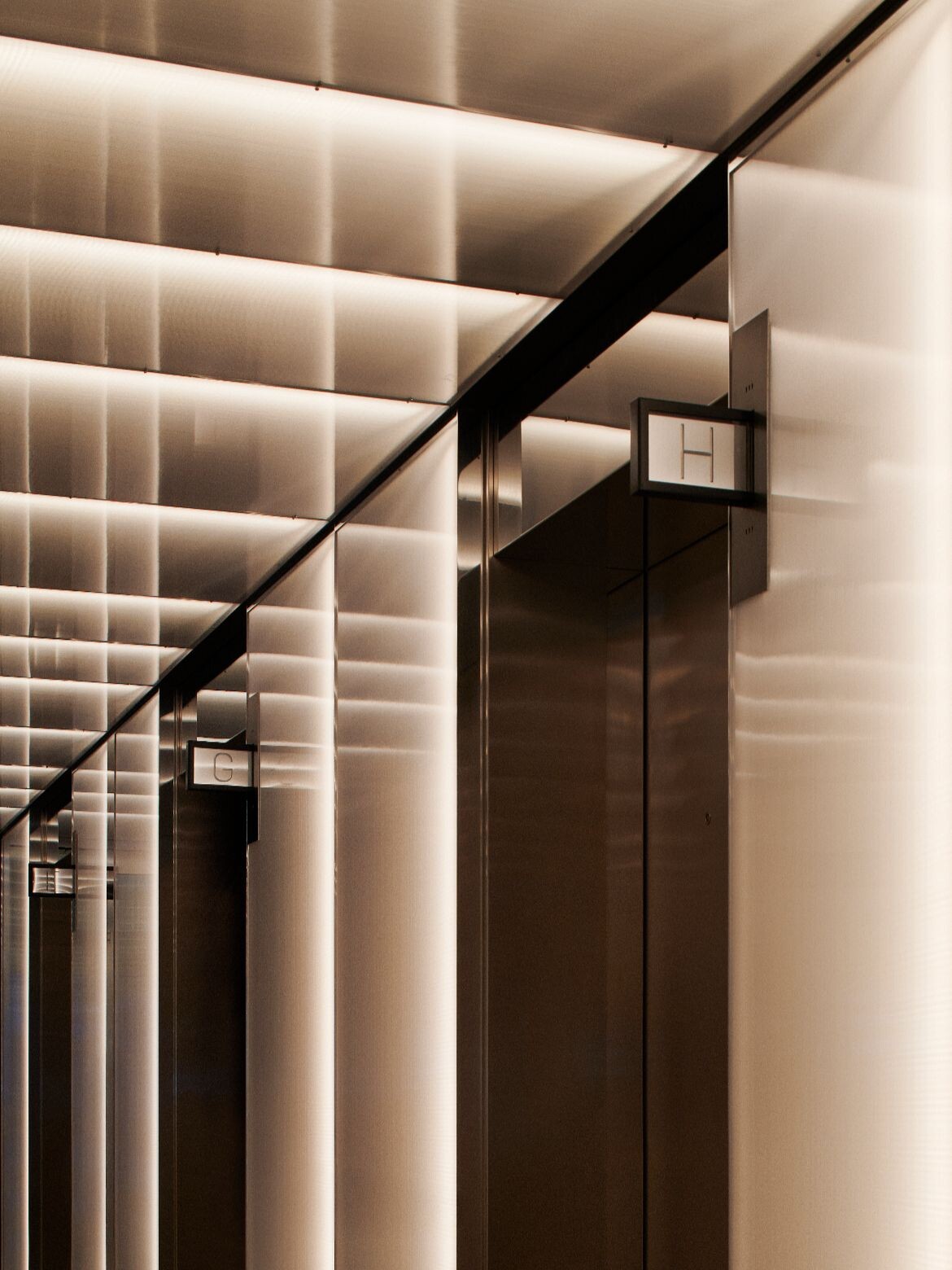
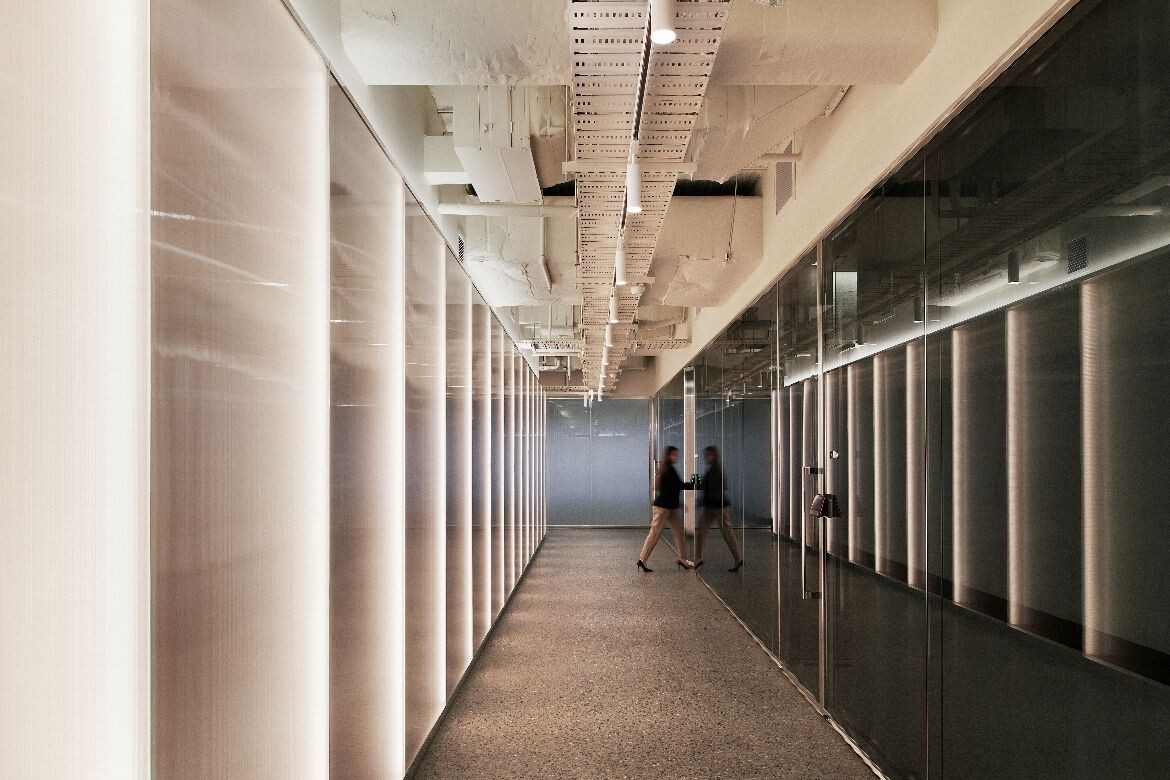
Page notes, “We explored materials not typically associated with workplace interiors and resolved them with a high level of detail. Danpalon, usually a façade material, is used around the core with polished chrome trims and integrated lighting.”
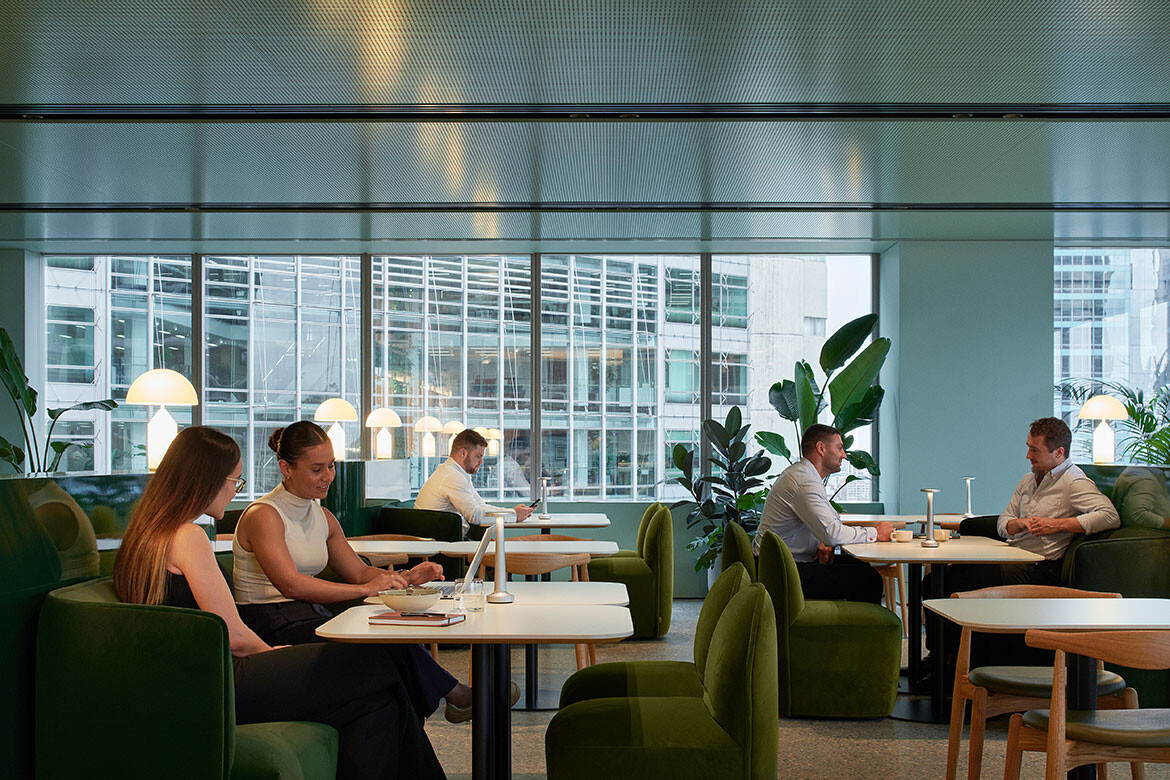
The working levels are organised into built components articulated as boxes, defining neighbourhoods for different CBRE teams. Timber-clad meeting rooms with frosted glazing maintain visual connection while assisting with wayfinding and acoustic separation.
While CBRE’s corporate identity is anchored by deep forest green, the design introduces a nuanced range of complementary green tones. These appear across furniture, soft furnishings and the green reflective Barrisol stretch ceiling in the reception lounge.
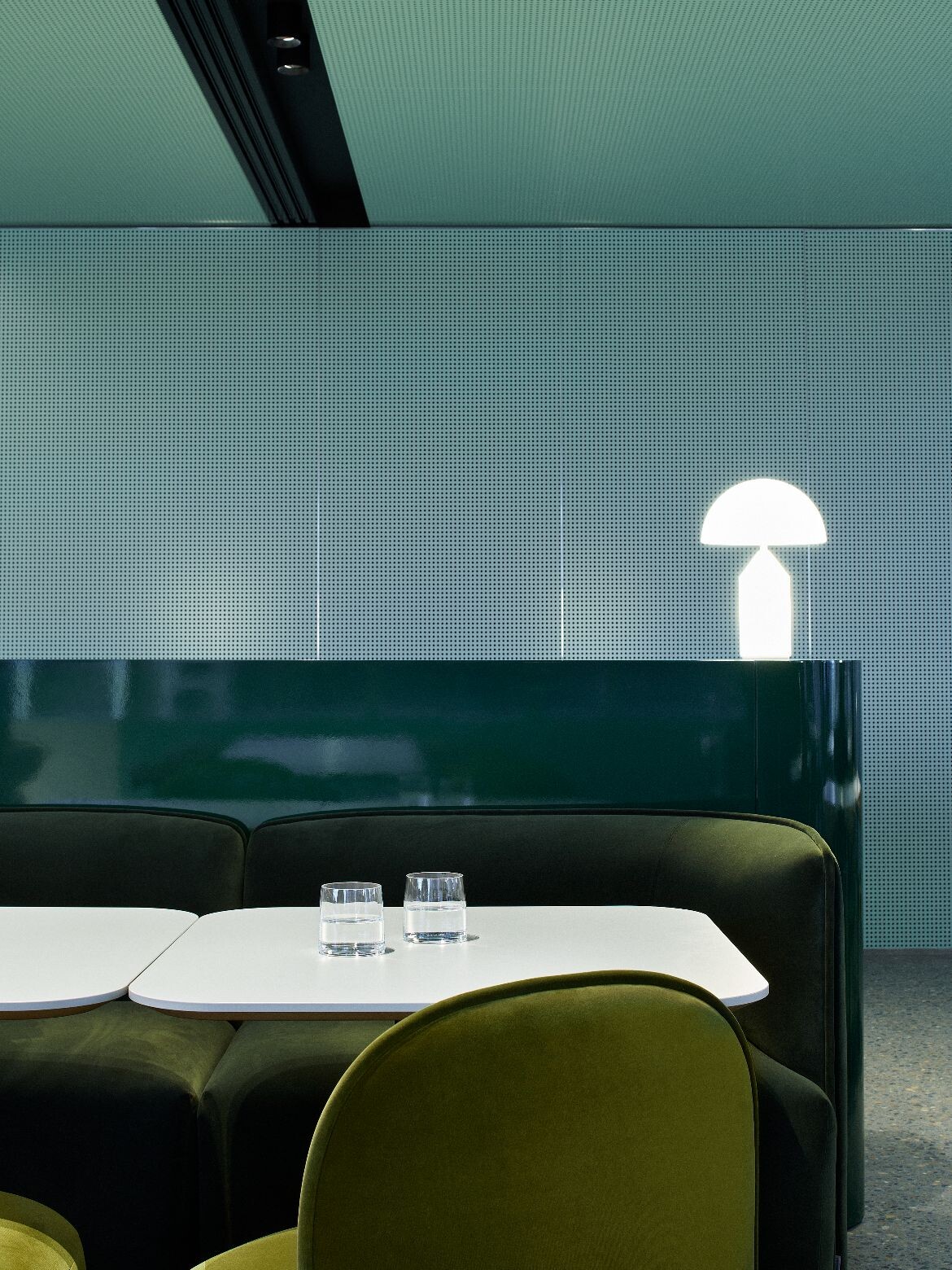
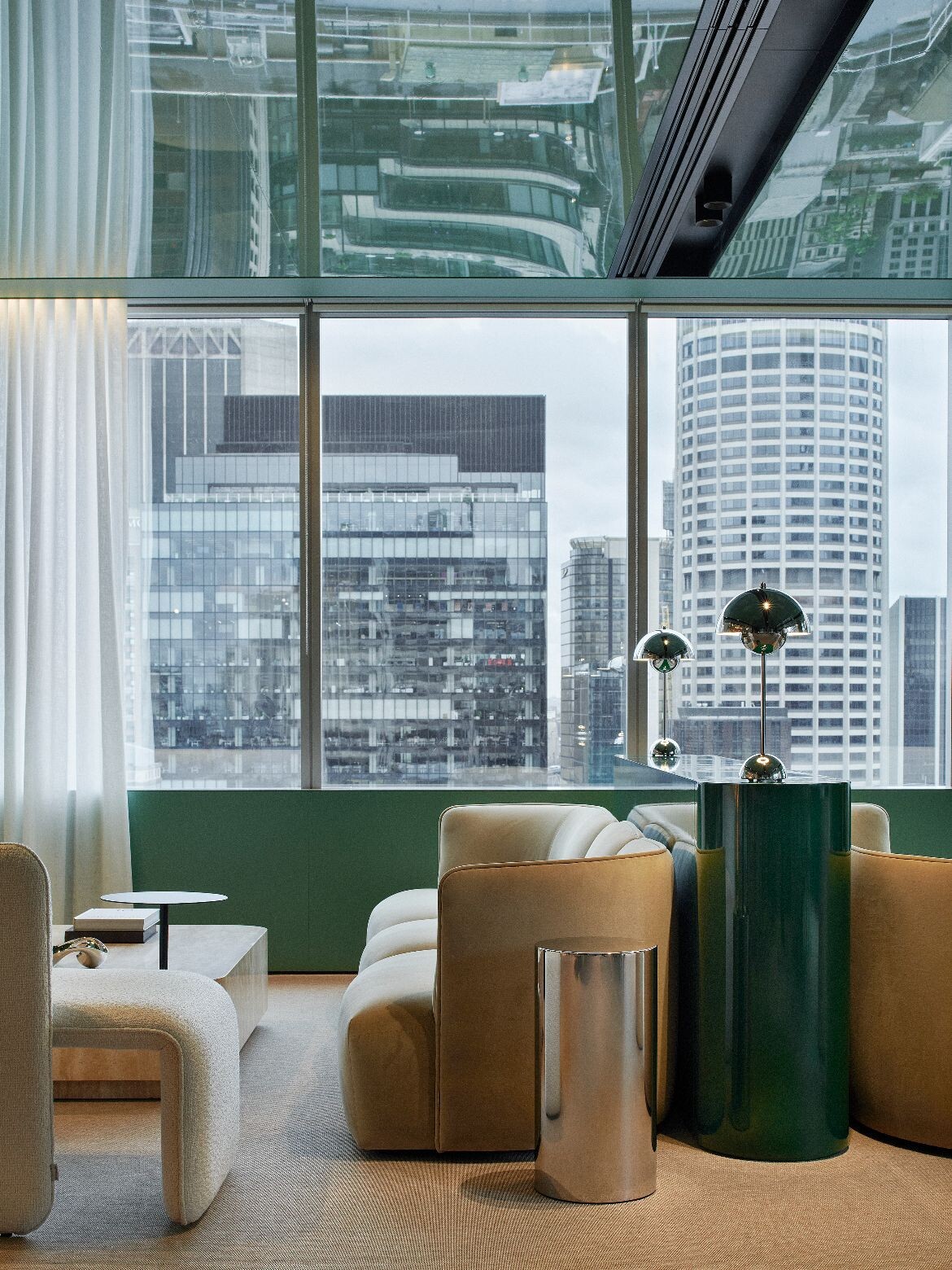
Smith reflects, “We pushed for a strong contrast of colour, energy and richness that places the design closer to the language of hospitality and retail.”
Timeless furniture groupings sit atop wool rugs, creating informal meeting points, while planting reinforces the palette and supports wellbeing. Natural light fills the interiors and 360-degree views offer constant connection to the city.
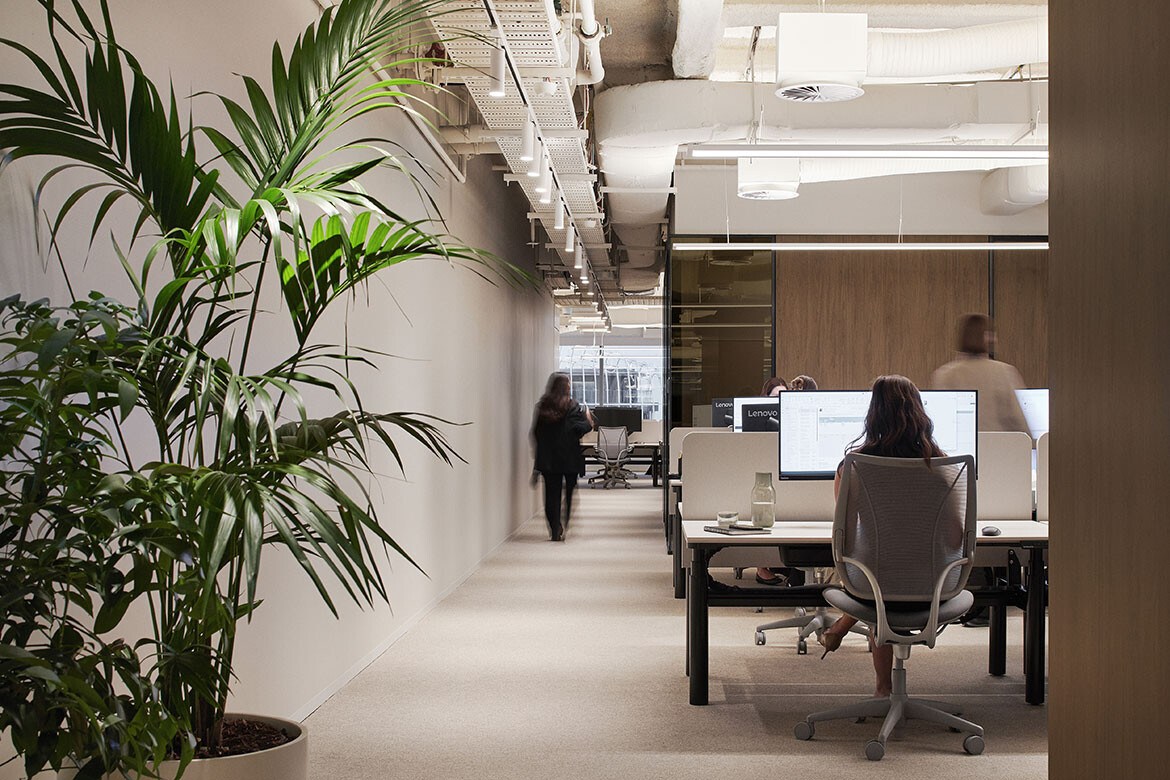
For the approximately 300 staff based at the CBRE Sydney office, the new workplace provides comfort, clarity and flexibility. The design acknowledges its Australian context while reflecting the global identity of the business through materiality and spatial quality.
This project demonstrates how a contemporary workplace can balance elegance and usability, drawing from residential and hospitality typologies to create an environment that supports people, clients and the future of work.
Bates Smart
batessmart.com
Photography
Nicole England