The home of architecture and design in the Asia-Pacific
Get the latest design news direct to your inbox!

Get the latest design news direct to your inbox!
From radical material reuse to office-to-school transformations, these five projects show how circular thinking is reshaping architecture, interiors and community spaces.
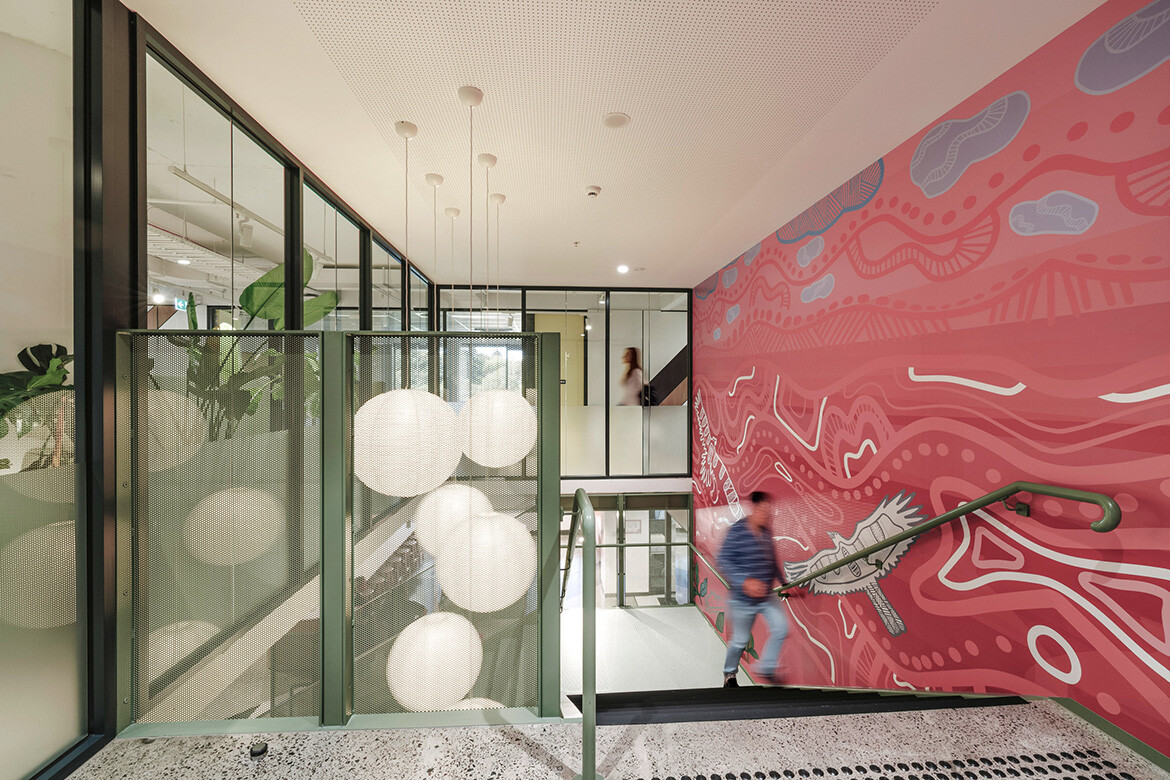
Hester Hornbrook Academy.
December 23rd, 2025
Circular design is evolving beyond energy ratings and recycled finishes. Today it encompasses everything from large-scale adaptive reuse to the radical repurposing of existing materials, prioritising what can be retained rather than replaced. Whether reconfiguring heritage buildings, transforming vacant commercial shells or constructing entire interiors from true leftovers, these five projects demonstrate how the next wave of circular design is reshaping architecture across Australia and beyond.
Requiem of Ruins (Material Lab)
Author: Jan Henderson
Architect: Multitude of Sins (MOS)
Photography: Ishita Sitwala
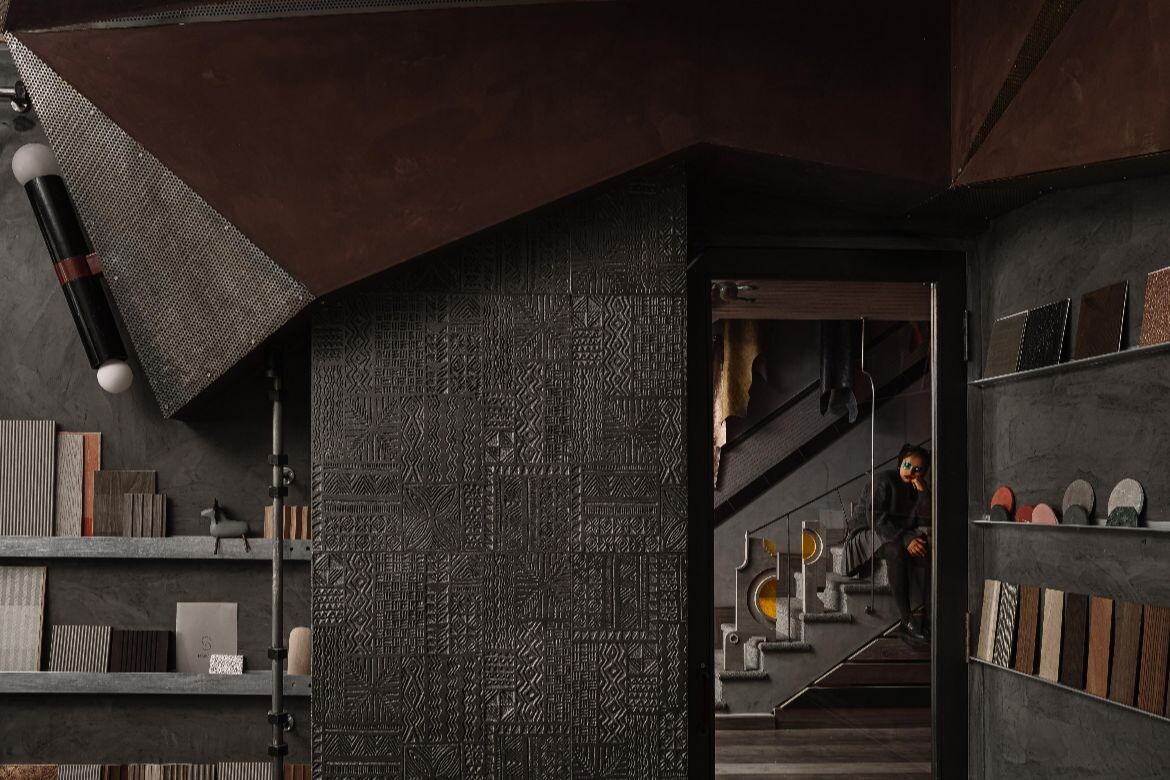
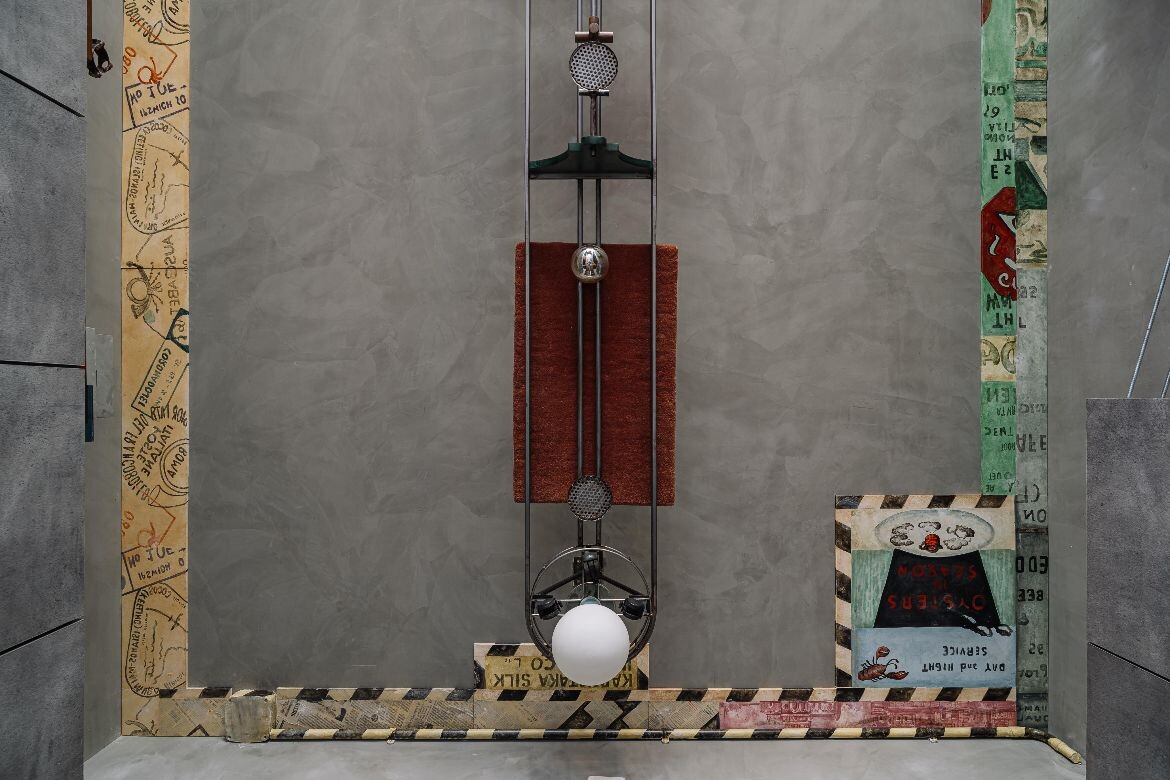
In Bangalore, Multitude of Sins’ Requiem of Ruins – also known as Material Lab – takes circular design to an extreme. Built from 95 per cent discarded material, the space reimagines offcuts, samples and broken prototypes as structure, surface and ornament. Nothing here is surplus stock; everything is true leftover, recast as lighting, furniture, wall treatments and display. The result is a richly layered studio–gallery that treats waste as both archive and resource, turning the usual lifecycle of materials inside out.
Hester Hornbrook Academy, City Campus
Author: Jan Henderson
Architect: Gray Puksand
Photography: Courtesy of Gray Puksand
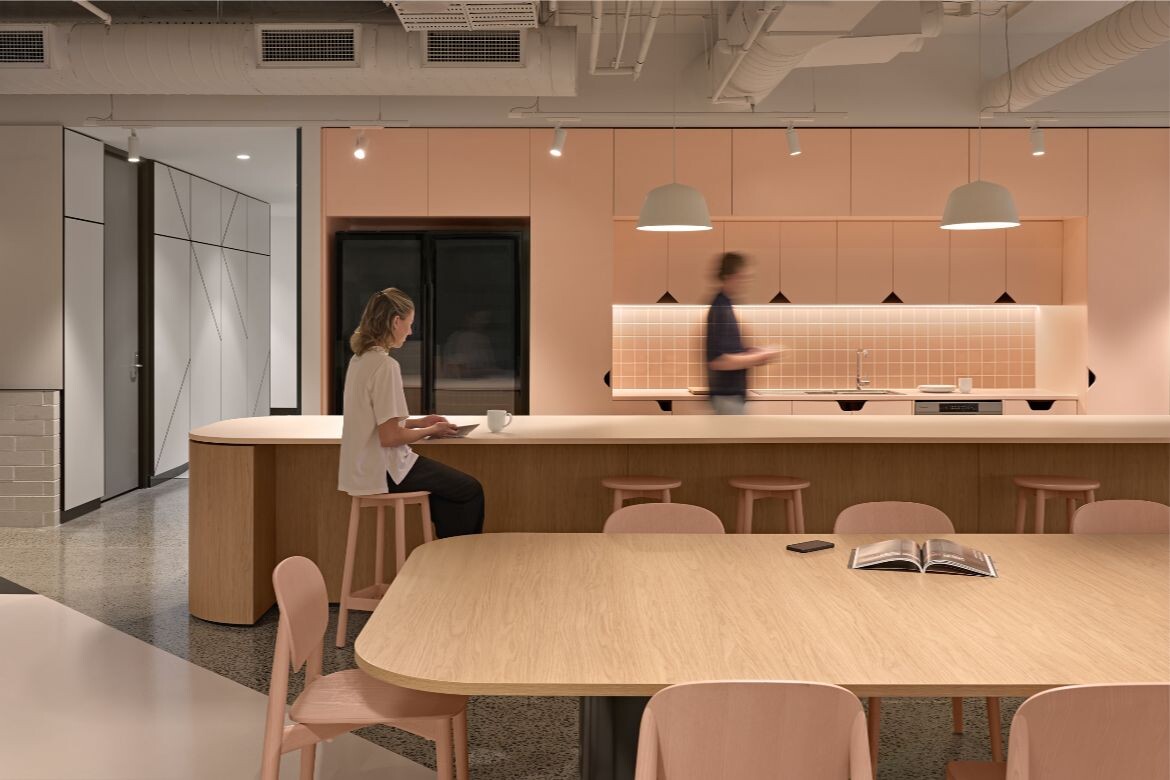
In Melbourne’s CBD, Hester Hornbrook Academy’s City Campus demonstrates how vacant offices can become socially rich learning environments. Gray Puksand’s adaptive reuse retains the existing commercial shell and inserts a new internal stair, classrooms, hybrid teaching spaces and social zones within a 2,100-square-metre footprint. Rather than starting anew on a greenfield site, the project extends the life of a commercial tower and reframes it as a trauma-informed school. Colour, light and careful planning support wellbeing, while the broader move – workplace to education – is circularity at an urban scale.
Eaglehawk Community Medical Centre – “The calm space”
Author: Jan Henderson
Architect: EBD Architects (Eaglehawk Community Medical Centre)
Photography: Elizabeth Schiavello
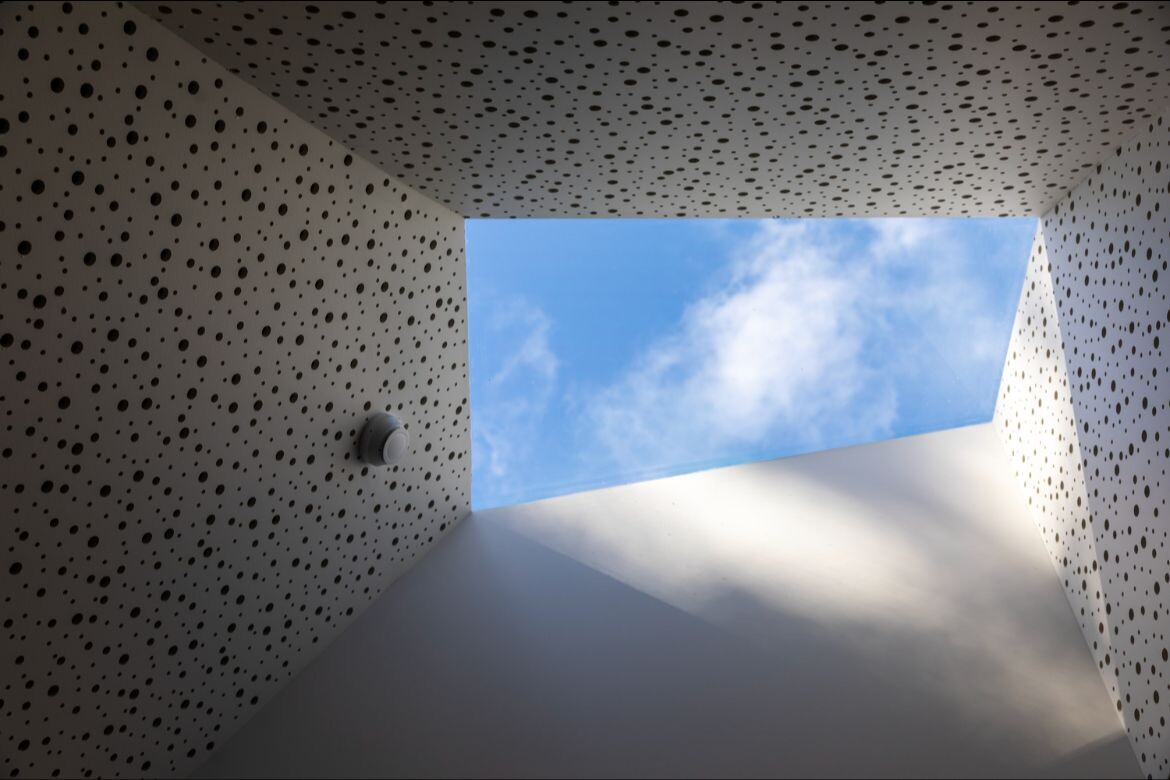
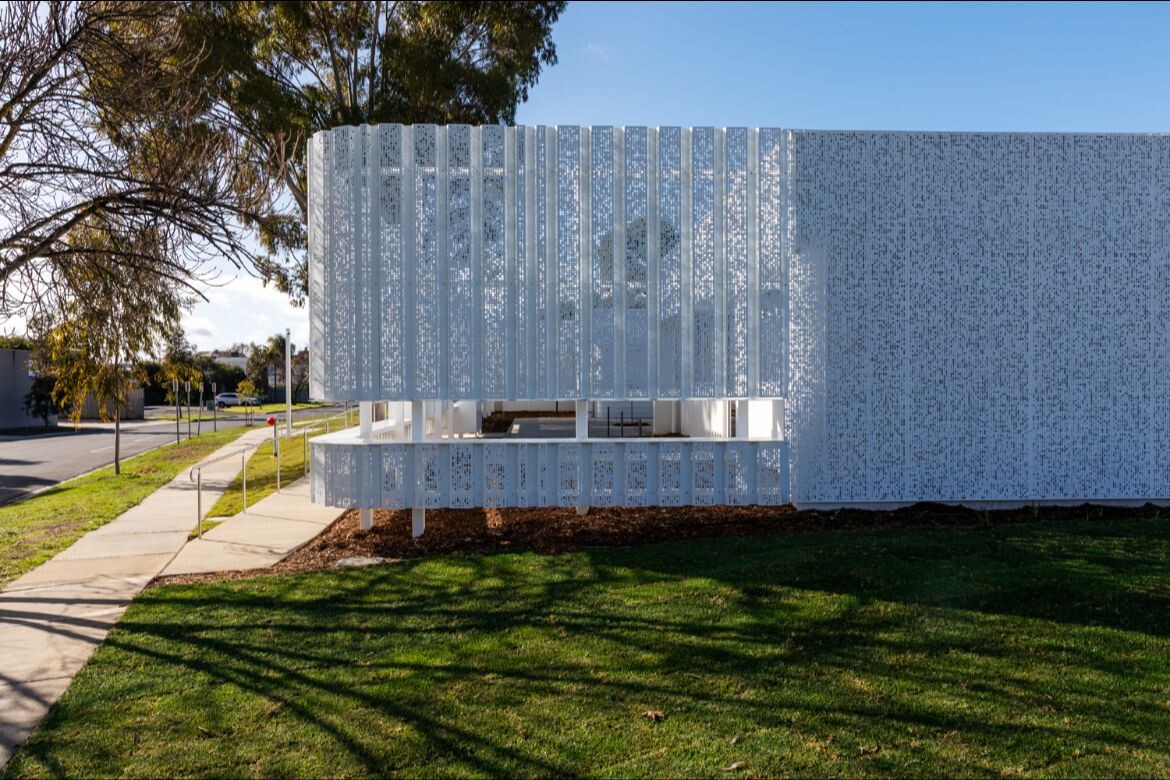
EBD Architects’ transformation of an ageing community health centre in Eaglehawk shows how adaptive reuse can be both efficient and emotionally resonant. The main structural bones are retained, with interiors reworked to accommodate expanded clinical services, community spaces and flexible gathering areas within a fixed floorplate. New courtyards, skylights and a perforated aluminium façade bring light and air into the building while preserving its underlying fabric. Materials such as linoleum, carpet tiles and acoustic panels support the project’s sustainability credentials, proving that circular design can feel calm, dignified and quietly restorative.
Precinct 75, St Peters
Author: Dakota Bennett
Architect: COX Architecture
Photography: Courtesy of COX Architecture
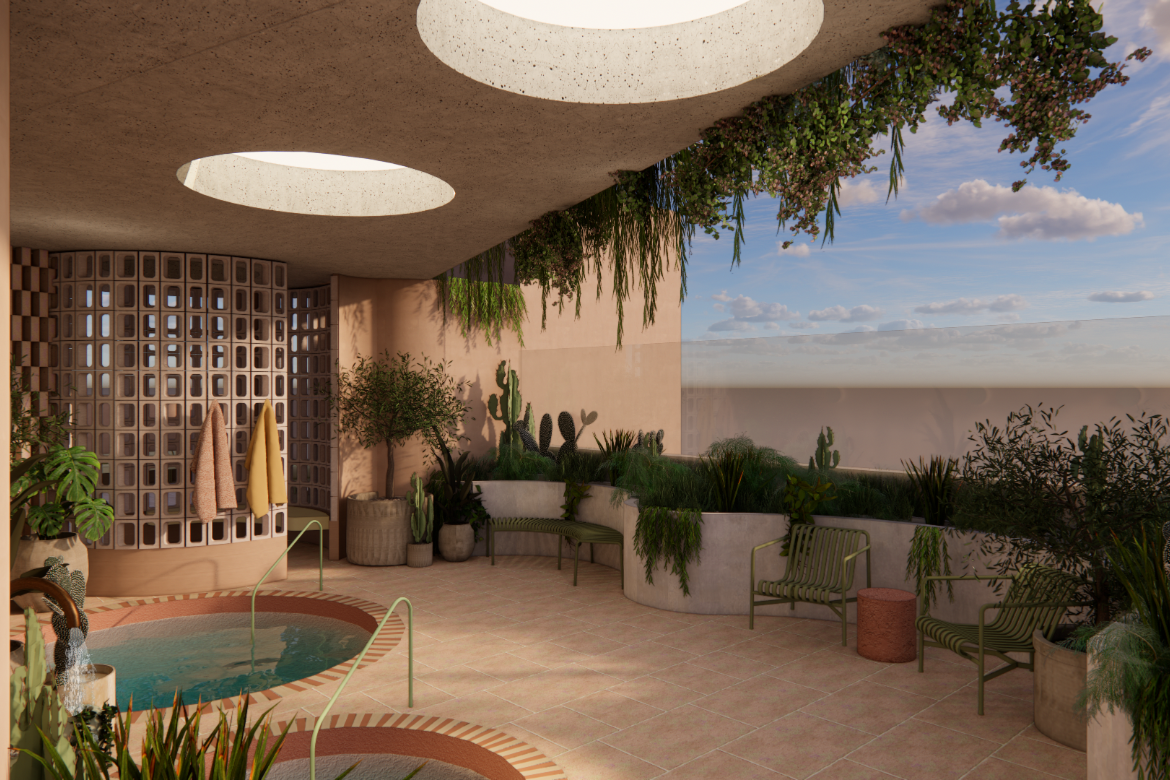
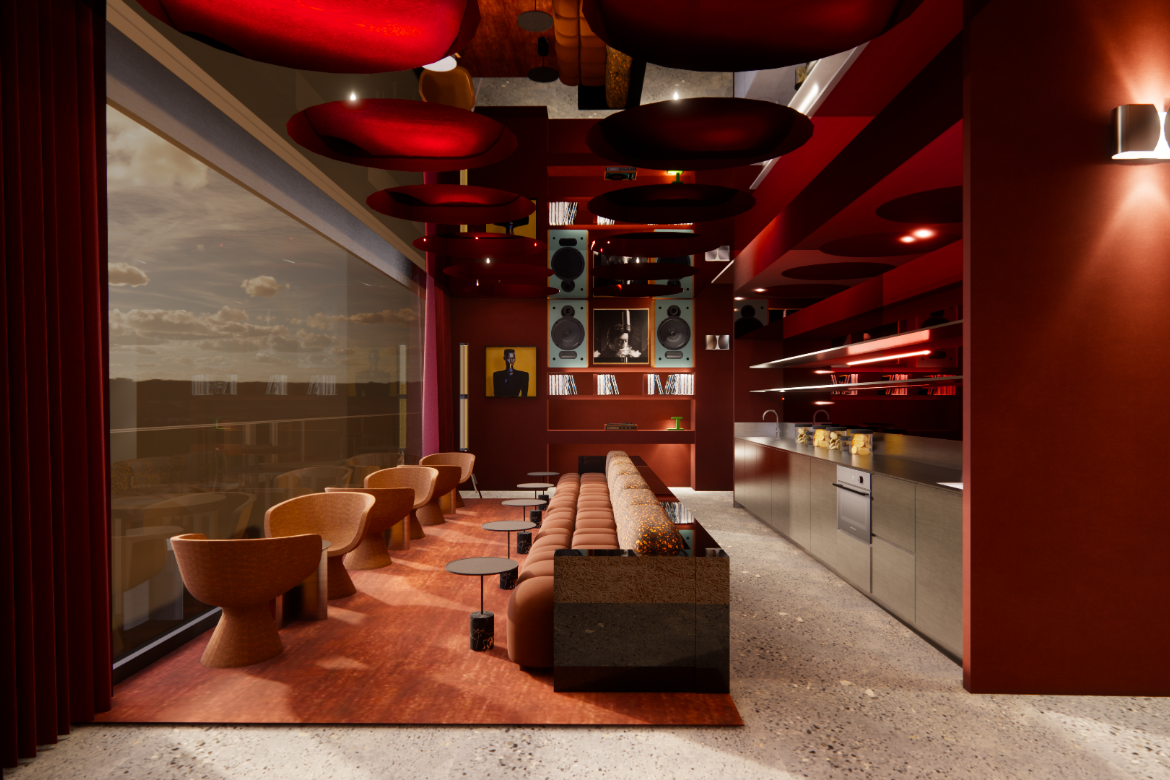
On the historic Taubmans Paint Factory site in Sydney’s Inner West, Precinct 75 repositions industrial heritage as the backbone of a contemporary build-to-rent community. COX Architecture preserves warehouse forms, brickwork and exposed concrete, layering in saturated colour, domestic-scaled furniture and hotel-style amenities. Rather than erasing the past, the interiors mine the Taubmans archive for palette references, turning the precinct into a living record of its former life. The single-ownership build-to-rent model supports long-term thinking – a social and operational dimension of circularity that sits alongside the physical reuse of the site.
Brisbane Therapy Centre
Author: Timothy Alouani-Roby
Architect: Lockhart-Krause Architects
Photography: Supplied / Lockhart-Krause Architects
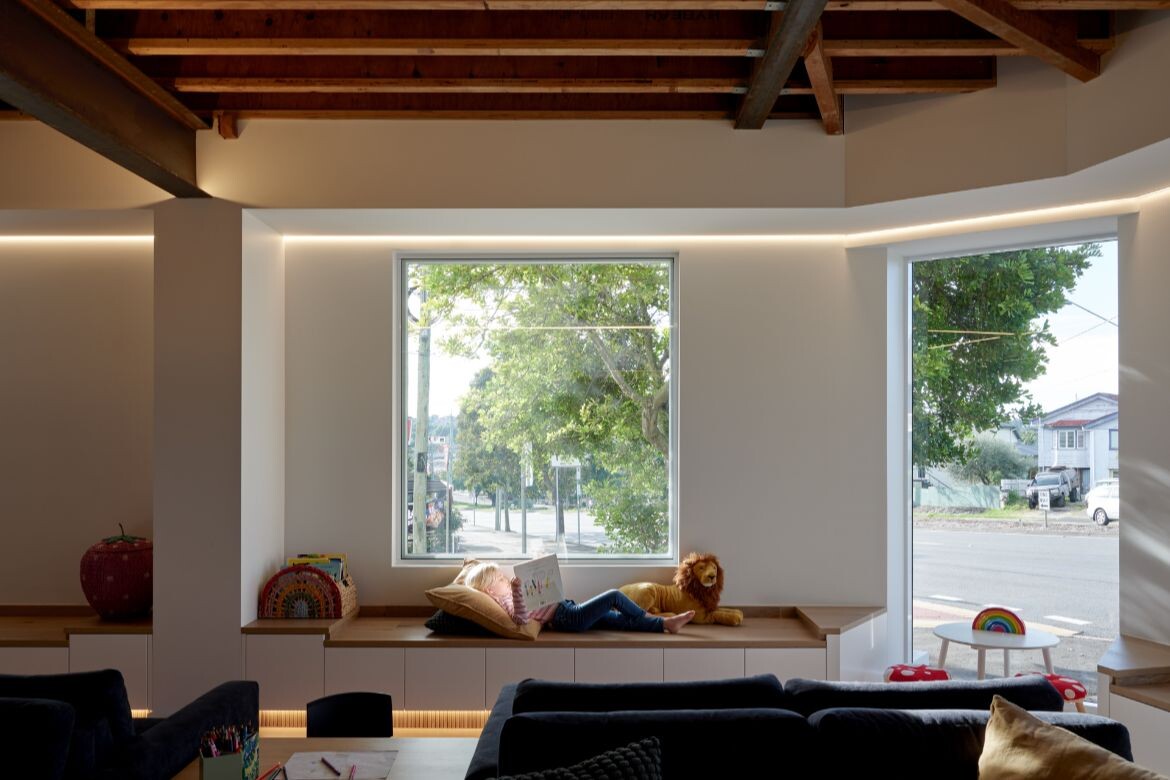
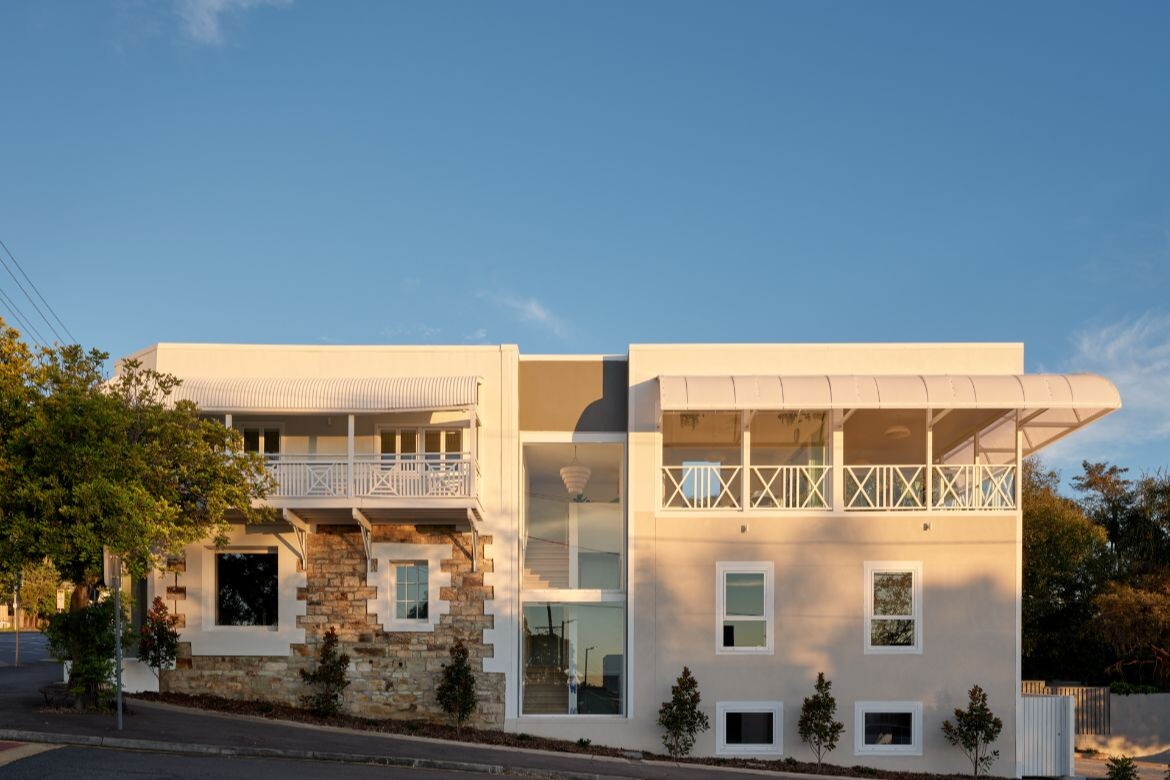
In Brisbane, Lockhart-Krause Architects’ conversion of an 1890s building into a children’s speech pathology hub embodies “true” adaptive reuse. No new internal floor area is added; instead, unsympathetic accretions are pared back, services are reconfigured to the edges and carefully placed new windows bring light into existing volumes. An external verandah is the only new built element, reclaiming roof space and extending the life of the structure. Old and new wings sit in dialogue, with a glass stair revealing original sandstone and timber while supporting a flexible co-working model for allied health practitioners – a circular approach that is as operational as it is architectural.
INDESIGN is on instagram
Follow @indesignlive
A searchable and comprehensive guide for specifying leading products and their suppliers
Keep up to date with the latest and greatest from our industry BFF's!
The internet never sleeps! Here's the stuff you might have missed