The home of architecture and design in the Asia-Pacific
Get the latest design news direct to your inbox!

Get the latest design news direct to your inbox!
How do we design healthcare facilities where everyone feels included? The answer is to give people a choice.

Fiona Stanley Hospital, Perth, WA, photography by Peter Bennetts.
October 28th, 2022
Written by Leanne Guy and Morag Lee.
Inclusive design is not aspirational; it is fundamental. The places we create should reflect and include the voices of many different people, and this is particularly true for essential services such as healthcare.
So how can we design healthcare facilities where everyone feels included? Our understanding of how to design for all ages and abilities is well advanced and legislated. Designing for gender and sexuality, faith, and culture is sensitive and must be considered within the spectrum of inclusive design.

Creating truly inclusive environments
Hassell’s research, ‘Equal access is not an optional extra,’ identifies that to create a truly inclusive environment, designers should go beyond regulatory accessibility compliance requirements and consider a more holistic and humanist approach to the concept of universal design. A wide range of principles addressing the issues of social integration, personalisation, and cultural appropriateness must be considered.
But how do we approach addressing these diverse issues? At Hassell, we believe it is only by open collaboration and genuine co-design with all stakeholders that we can look to achieve inclusivity in our projects.

Co-design in health
The crucial first step in delivering inclusive design is to understand any specific group’s particular needs and to consult with them about how best to accommodate those requirements to reinforce social equity. The Centre for Architecture and the Built Environment (CABE) in the UK states that “an inclusive environment does not attempt to meet every need but offers a choice where a single design solution cannot accommodate all users.”

Design for gender and sexuality
A report from the Victorian Government in 2018 outlined that trans and gender diverse people are “one of the most vulnerable and high needs groups in Victoria.” They experience very high rates of mental illness, stigma, discrimination, and disadvantage. Co-design is critical to ensure that the needs of the LGBTIQA+ community are considered in our healthcare facilities.
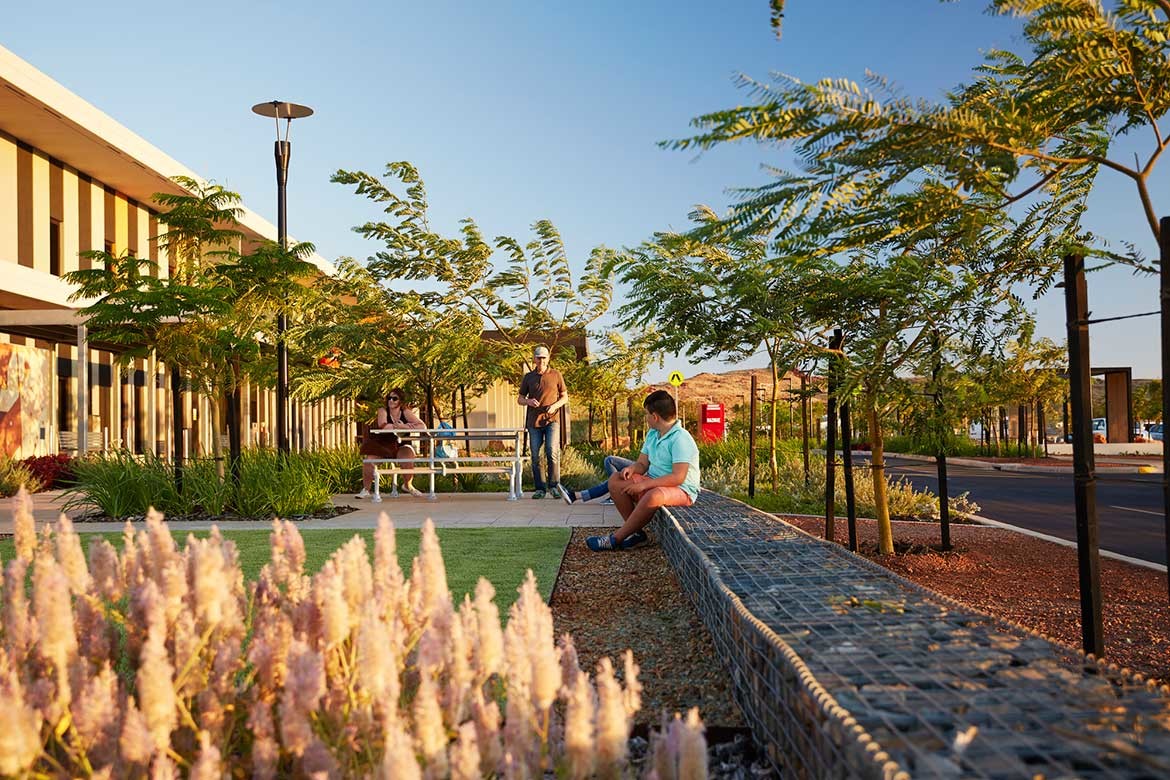
Design for different abilities
At least one in ten people are neurodivergent and are hypersensitive to sensory constructions of space. People with neurodivergent variations prefer routine and order, so transitioning from one activity or area to another can present challenges. Apart from the convenience and moral imperative for inclusive facilities, a design that excludes users is now a potential legal and financial liability.

Design for culture
In Australia, the greater burden of disease for Aboriginal and Torres Strait Islanders compared to the non-Indigenous population underscores the need for specific policies that improve the health of First Nations people through increasing cultural safety. If an environment doesn’t feel safe, it’s not.

Conclusion
Inclusive design is not limited to healthcare. Within sectors such as education, culture and arts, as well as the commercial workplace, these requirements are embraced and embedded as an essential component of any development. Co-design is not always part of the process in the healthcare setting, which hosts some of the most fragile and diverse members of our community. In a sector where the environment is driven by an extensive design consultation process integral to the development, there needs to be a balance to resolve the facility’s complex physical and technical requirements and consumers’ personal needs.
Engaging consumer groups and balancing their different needs and desires relies on robust communication tools and a high level of empathy from the facilitator; however, the benefit of the outcomes cannot be overstated.
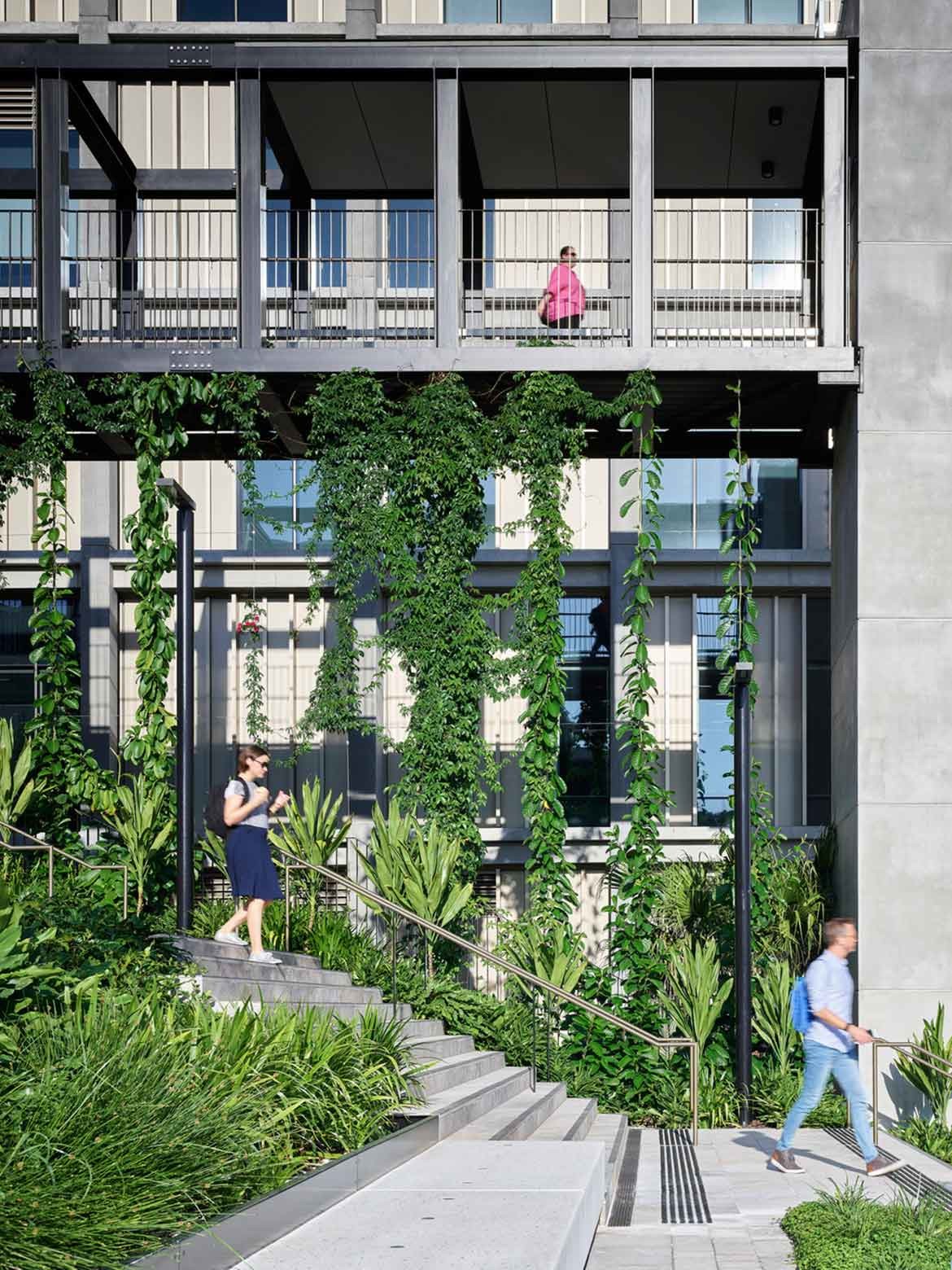
One example of where co-design has been used well is during the development of a cancer treatment centre in Western Australia. Hassell Principal Morag Lee liaised with patient groups undergoing long-term chemotherapy treatment. The design evolved to maximise views, bring light into the building, and prioritise patient privacy, but through co-design we also learnt of the benefits of comradeship with neighbouring patients, the need for normality in daily life including spaces to work from and that being always observed provided a sense of security. Patients wanted a choice to respond to their psychological needs and to feel comfortable and enabled.
Design excellence emerges through these types of genuine interactions. They lead to a deeper understanding of our stakeholders, their needs, wants, and aspirations. As healthcare facility designers, we must recognise that at the heart of any project are people and, therefore, we are designing for all. As such, our facilities must support and comfort as well as inspire and delight. They need to provide choice and diversity. Only by doing this can we create a truly inclusive care environment.
Hassell
hassellstudio.com


INDESIGN is on instagram
Follow @indesignlive
A searchable and comprehensive guide for specifying leading products and their suppliers
Keep up to date with the latest and greatest from our industry BFF's!
The internet never sleeps! Here's the stuff you might have missed