The home of architecture and design in the Asia-Pacific
Get the latest design news direct to your inbox!

Get the latest design news direct to your inbox!
The Kuala Lumpur-Nanjing-Hong Kong Roving Architecture Exhibition, which will move to Nanjing in October, explores the interconnection between people, spaces, and species.

August 11th, 2023
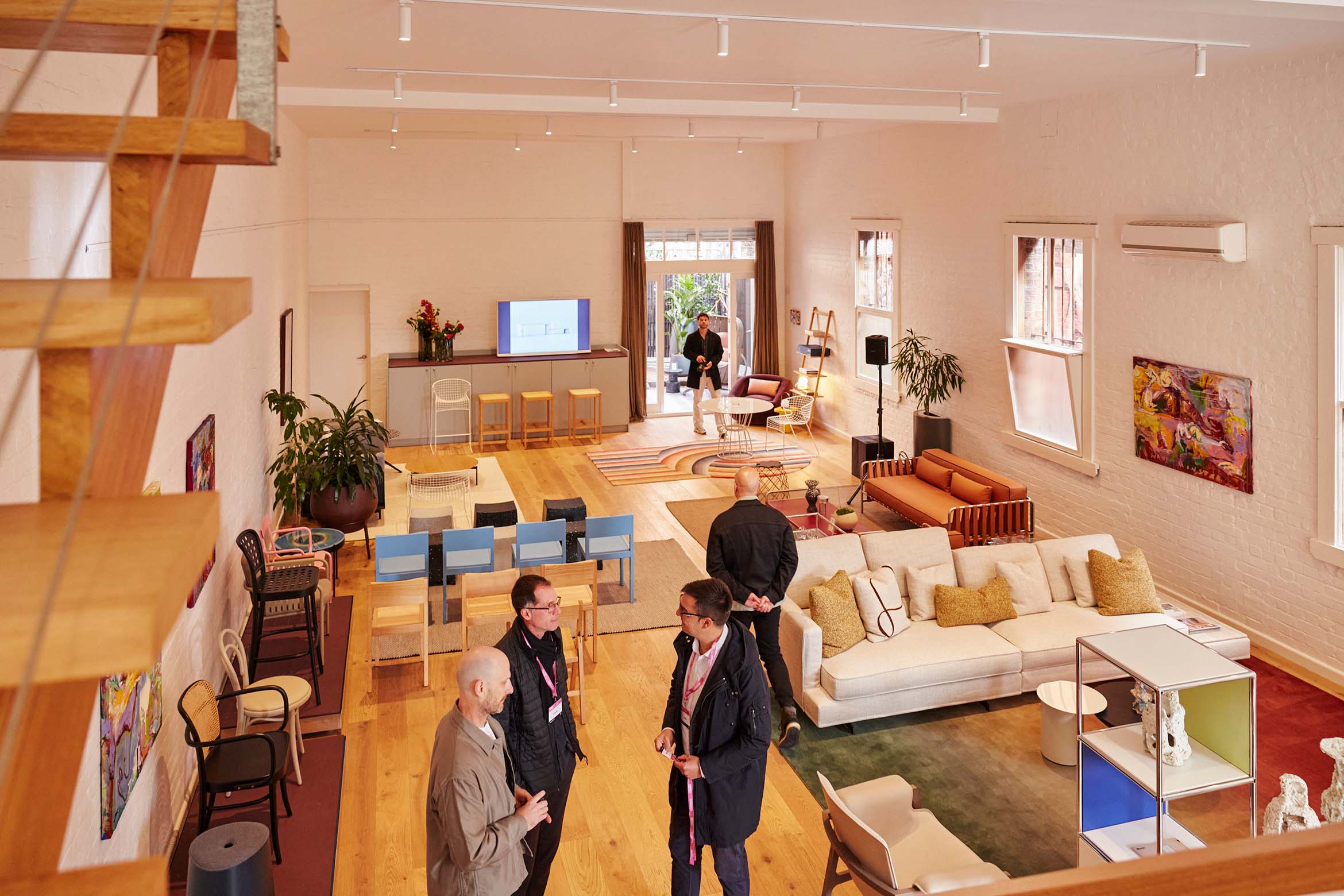
What do we make of and do with the in-between spaces in our physical, mental and even virtual worlds? The spaces present amongst generations, structures and urban spaces are explored as zones for bringing connection in the Roving Architecture Exhibition that has recently concluded in Kuala Lumpur.
Harmony in Diversity – Connecting the Metropolis by In-Between is an exhibition organised by the Hong Kong Institute of Architects Biennale Foundation (HKIABF) in partnership with the Hong Kong Institute of Architects (HKIA), with Create Hong Kong (CreateHK) of the Government of the Hong Kong Special Administrative Region as the Lead Sponsor. The 16 exhibits, created by different professional groups and architects in Hong Kong, are bound for Nanjing from October to November 2023 before it returns to Hong Kong in the first quarter of 2024 with a response exhibition. Here are eight noteworthy exhibits:
Digital Common(s) is an intergenerational design research project that encourages citizens, designers and other parties to become co-researchers. By facilitating shared stewardship of data, information and technology through metaverse technologies and workshops, it aims to bridge the gap between the physical and digital, top-down and bottom-up, designers and users, and youths and older adults.

More than a showcase of new premises, Spiral Hub demonstrates a parametric design methodology that could be applied in other contexts and types of buildings. Based on the context of Tsing Yi, a new municipal services building (MSP), it explores how building types, parks, urban farms and biodiversity are considered through their respective modules to address the needs of different species and users. The exhibit showcases how diversity, flexibility in design, and decision making can be achieved.


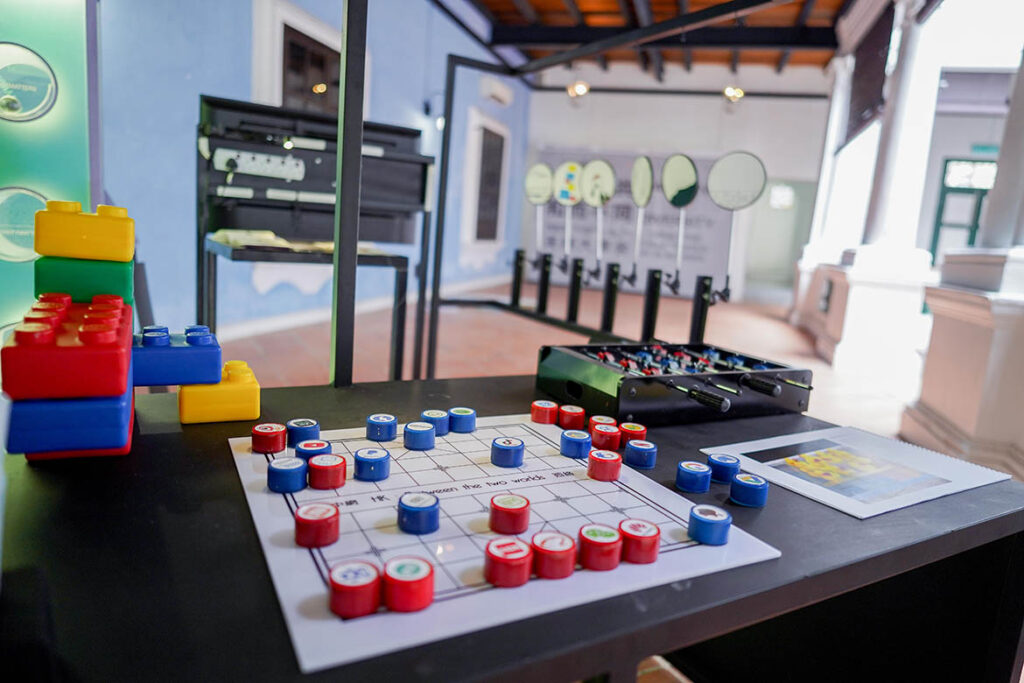
Chan Lai Kiu, founder of arQstudio, has created a collection of toys inspired by the Chinese poem, The 18 Extremes. Meant to be an extension of an artwork series named Play it the Hong Kong Way, the toys attempt to capture the city’s and its people’s unique characteristics. It showcases three relationships: complementary coupling, parallel co-existing, and dynamic balancing between different polar dimensions and opposing forces of the city.

Artists and designers were invited to create artwork in response to Oi Kwan Barbers, a 60-year-old traditional Cantonese alleyway barbershop’s history and craft. Project Oikwan has digitally archived the shop and tells the story of the barber shop, one of the last of its kind remaining, through exhibitions, artist talks, performances, workshops and books. The project presents a heritage innovation for the preservation of collective memory.


Contain. Decontain 2.0 offers an alternative to conventional planning and greening that might treat nature as an artificial, contained object. It aims to explore a new way of harmonising man-made elements and nature through the metaphor of Penjing, a traditional Chinese art form, through art installations that blur the boundaries between man-made containers and plants.


Data has been instrumental in planning infrastructure and bringing attention to societal issues. Through this work, One Bite Design Studio aims to give new perspectives to data, where it can be a resource for adding fun, care and sweetness to life and places in a city.


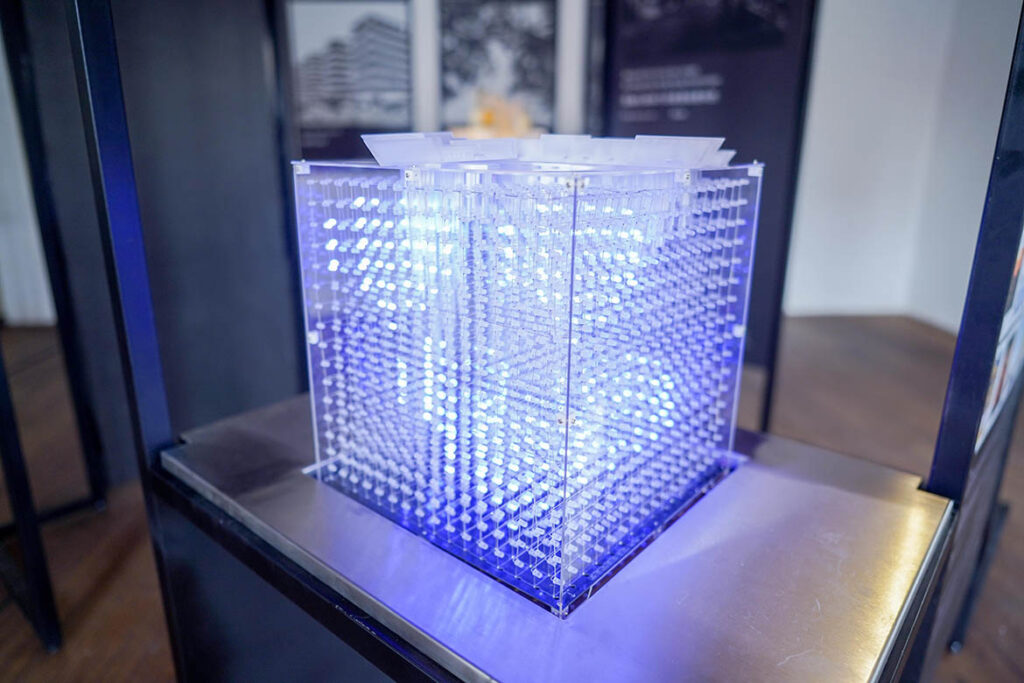
Does social media have an impact on public spaces? Metapolis Cube explores its impact, focusing on the in-between space of the virtual and physical experience by combining a physical cloud model of images and a 3D LED display. The exhibit draws from big data to construct a forensic mapping of social media’s impression on the informal Public Cargo Working Area and formal Kennedy Town Promenade.

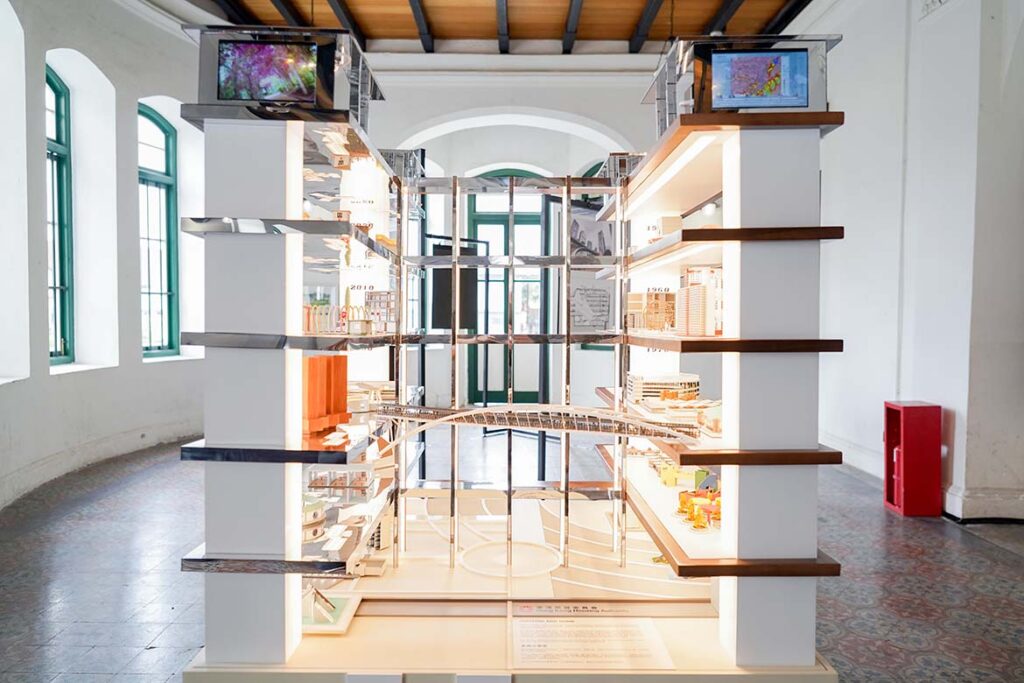
Looking back at the past and forward to the future, the exhibit by the Hong Kong Housing Authority reveals how public housing designs were created with optimised land utilisation to create quality living spaces. It visualises the first resettlement estate completed in Shek Kip Mei in 1954. It also showcases the unique public housing designs from the 1950s to the present, where they have been organised and adapted to site conditions and designed for meeting needs and nurturing collective memories.

INDESIGN is on instagram
Follow @indesignlive
A searchable and comprehensive guide for specifying leading products and their suppliers
Keep up to date with the latest and greatest from our industry BFF's!
The internet never sleeps! Here's the stuff you might have missed