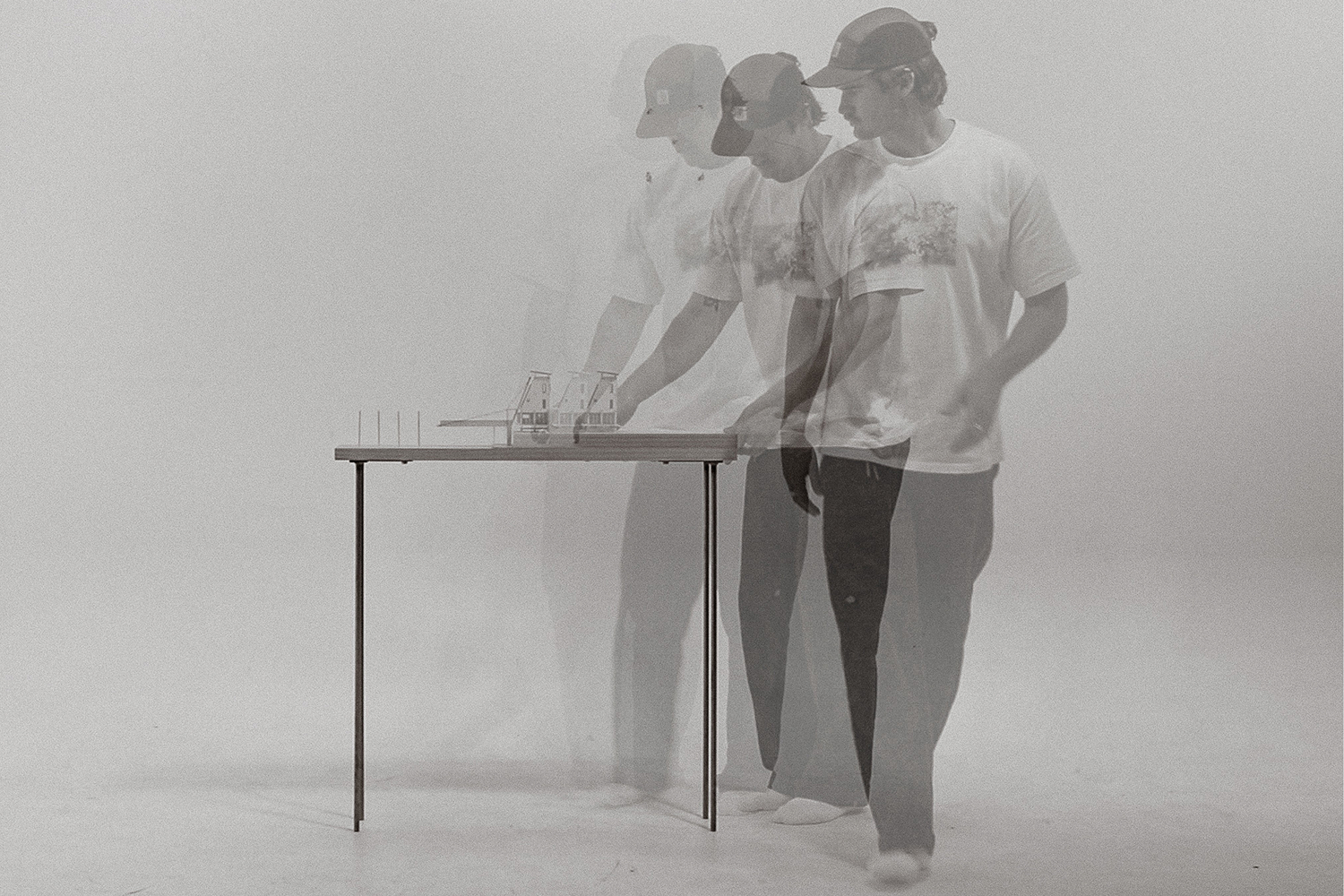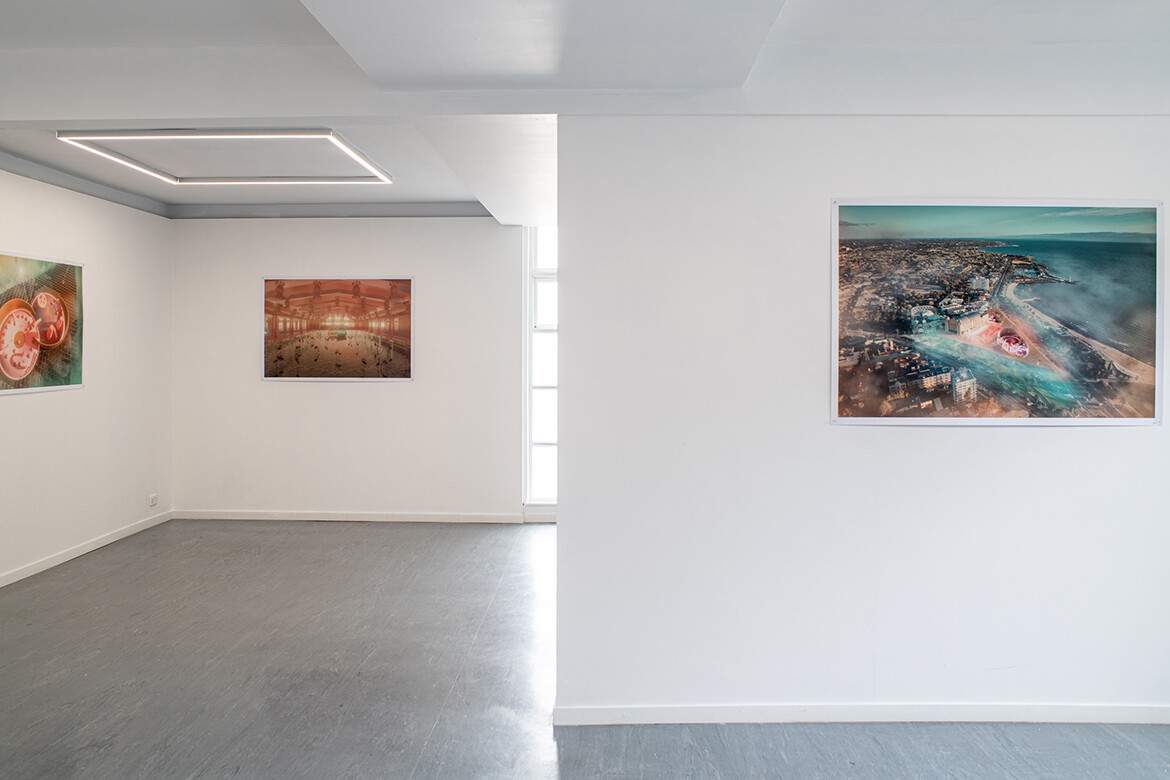
Looking to the future of the bayside suburb of St Kilda, architect and artist Matthew Bird, in collaboration with sociologist Brady Robards and urban planner Suzanne Barker from Monash University, has developed a research-based exhibition named Soft Infrastructures: St Kilda Reimagined.
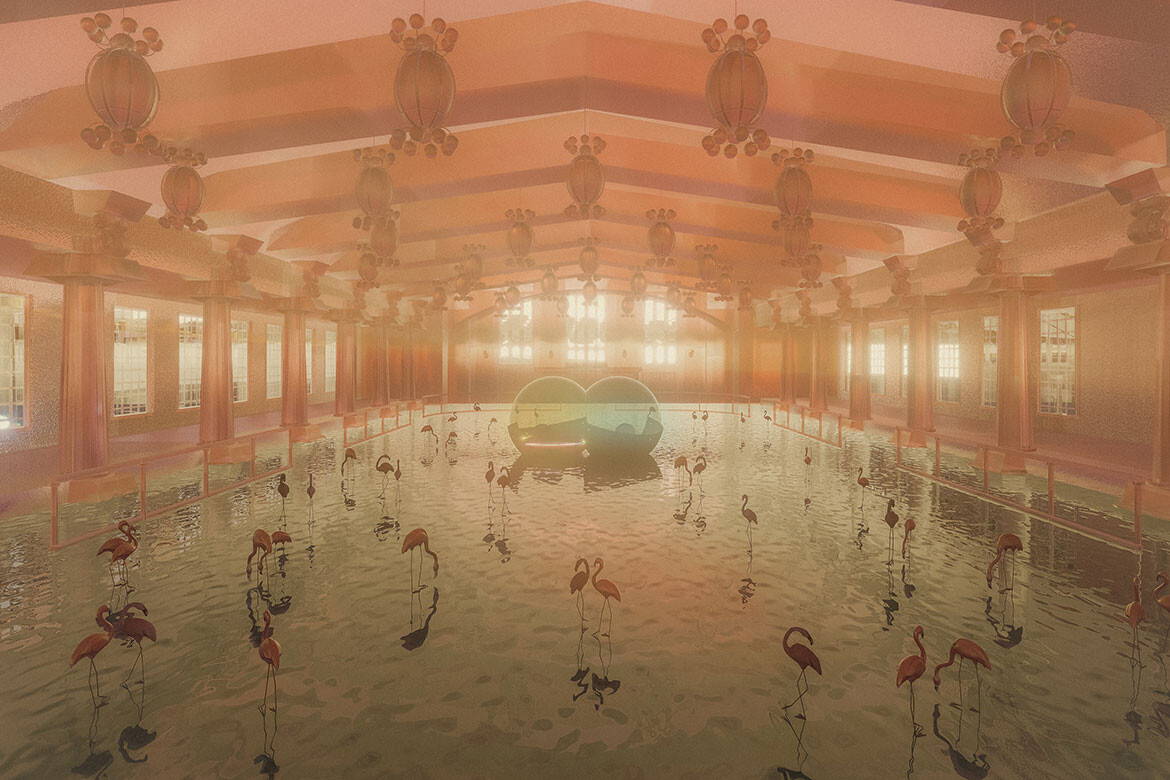
The exhibition was recently on show at Linden New Art in St Kilda. The project itself was inspired by the Palais de Danse, a large dance hall built in 1919 and formerly located next to the Palais Theatre until it was destroyed in a fire in 1969.
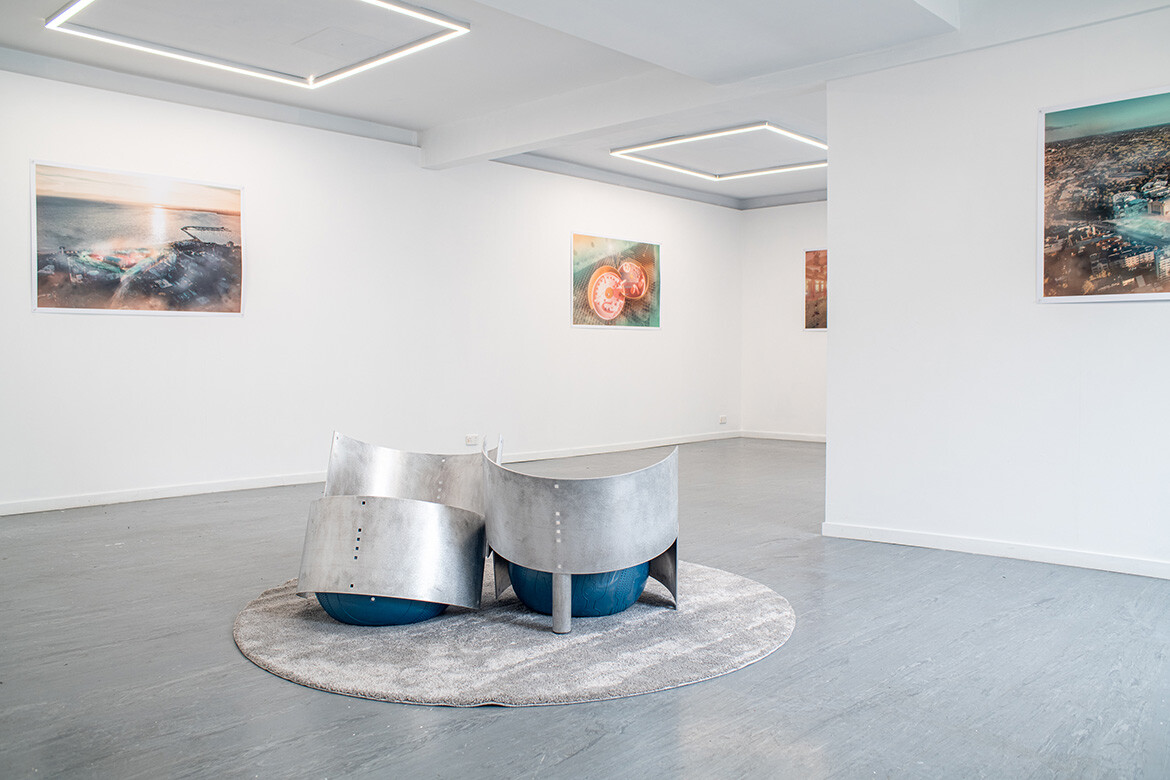
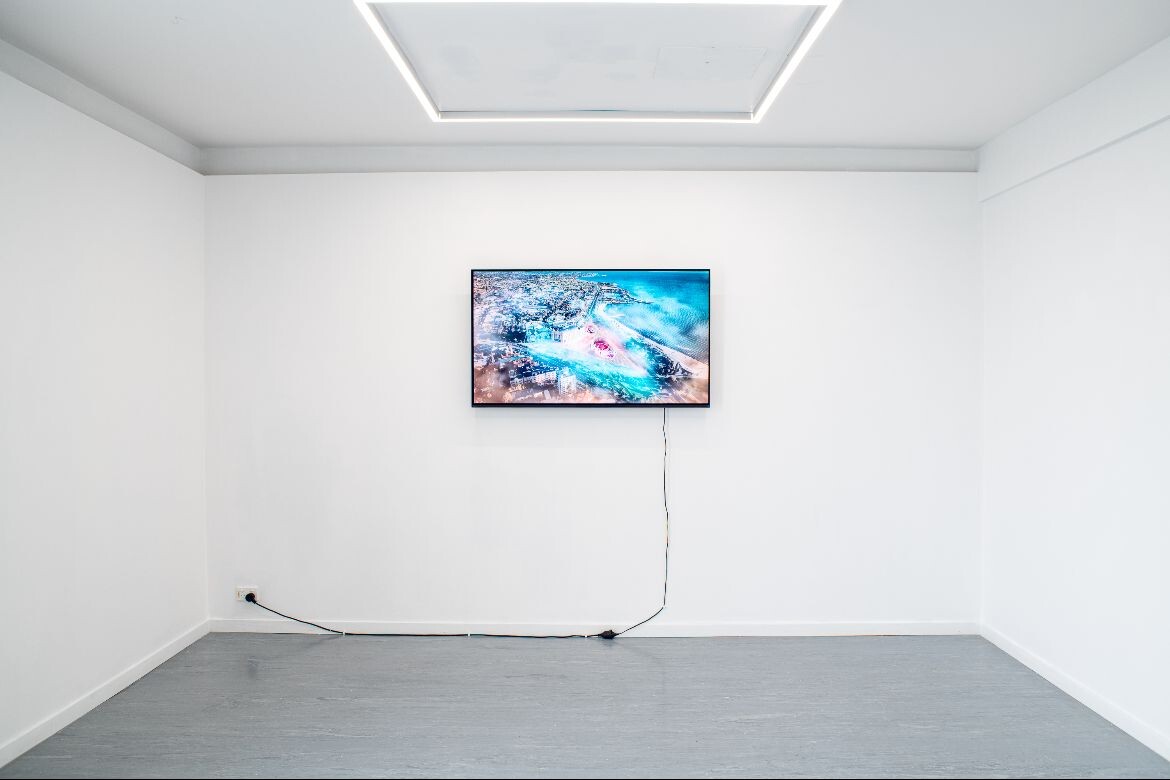
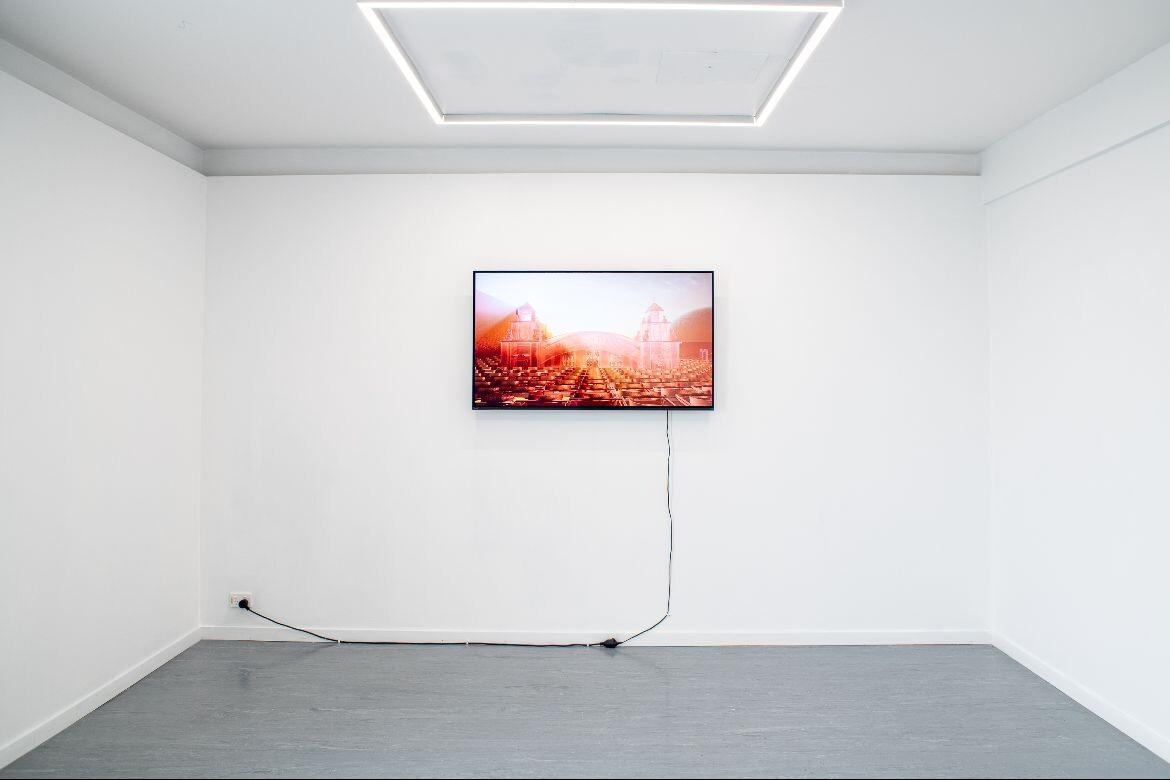
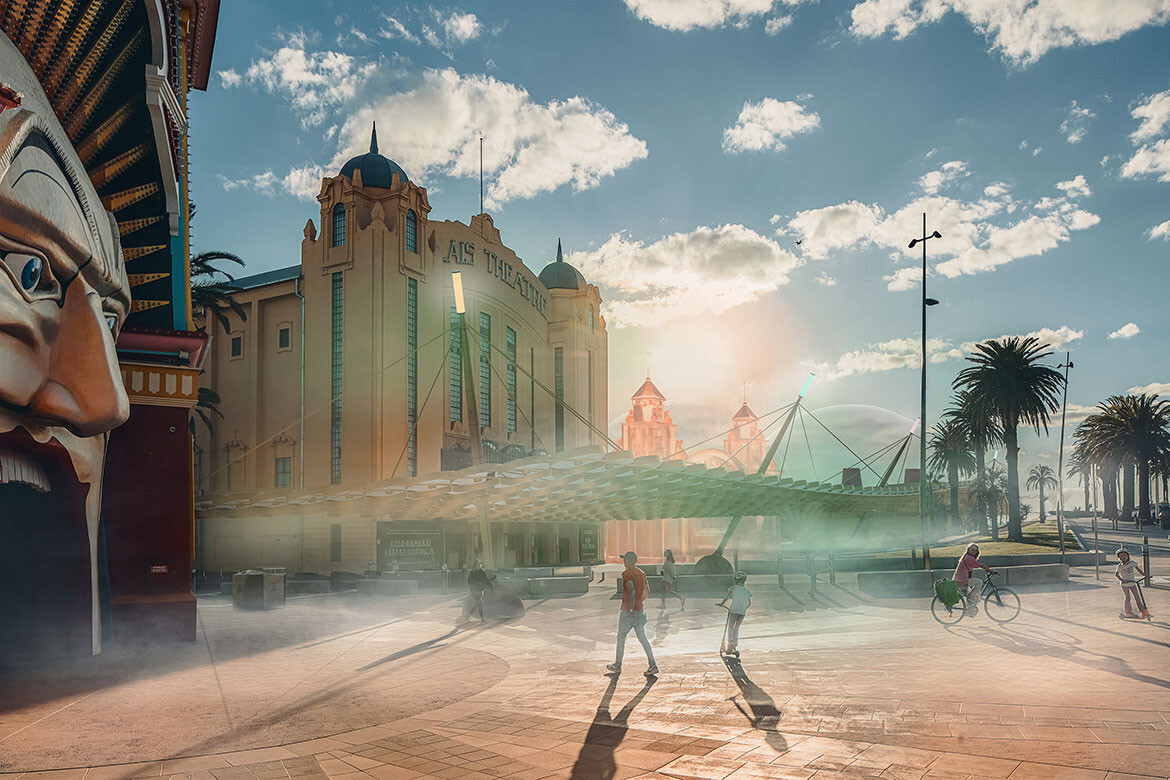
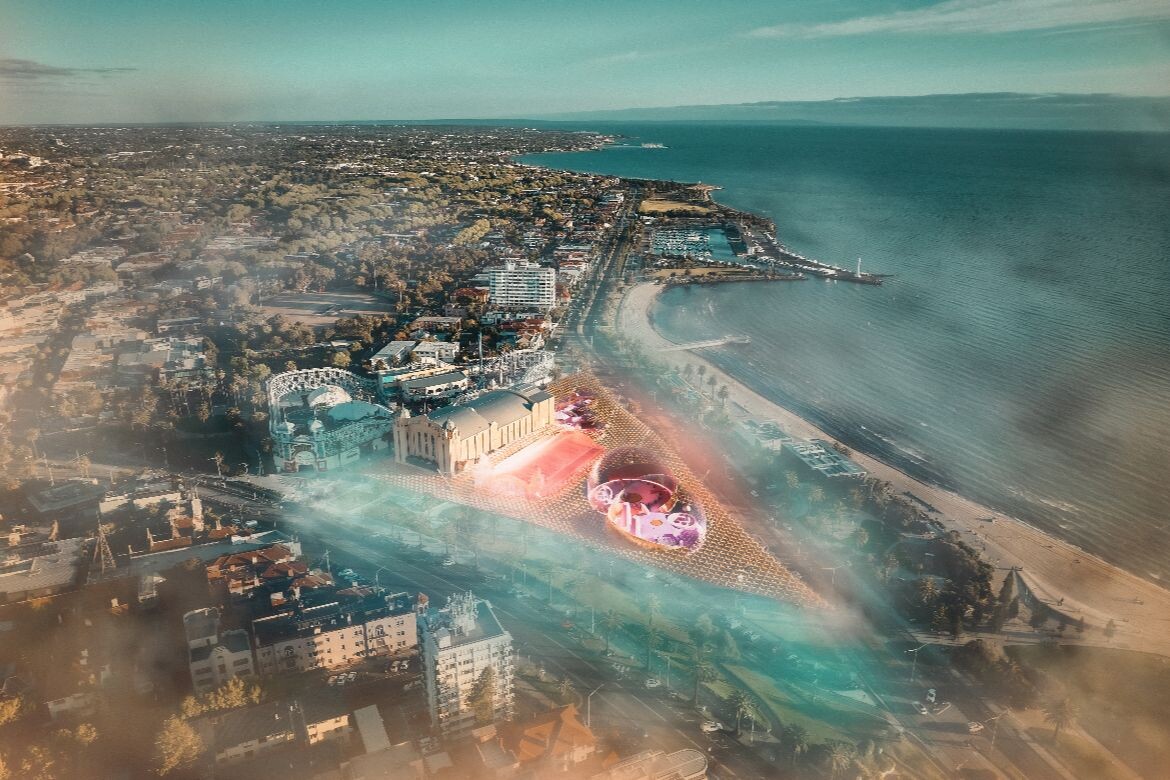
Rather than proposing a master plan, Soft Infrastructures: St Kilda Reimagined brings together a series of speculative civic fragments including a floating canopy, reimagined public furniture, luminous surfacing and an animated reinterpretation of the St Kilda foreshore.
The components of the display explore how design might reset the conditions for gathering together and sharing space with others.
Related: Jumaadi transforms a Barangaroo thoroughfare into a site of wonder
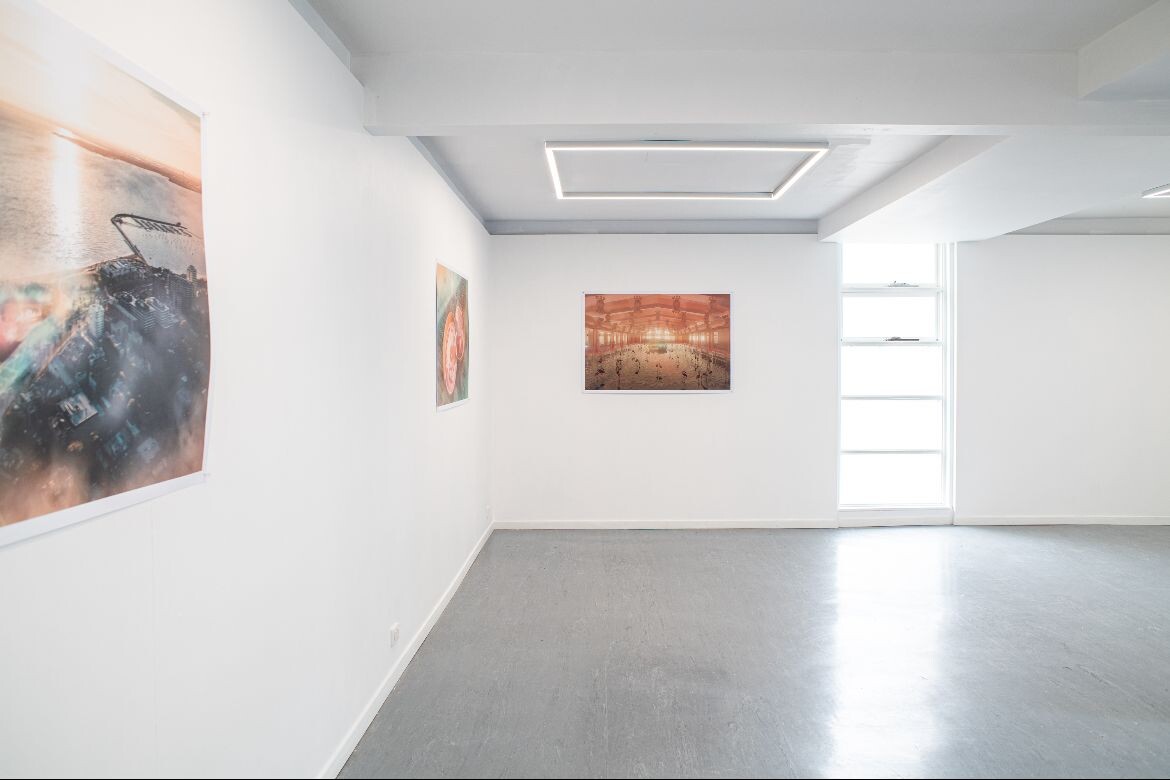
At the heart of the project is a simple question: what might civic space look like if it were designed first to support emotional wellbeing? Bird and his collaborators address this by approaching architecture as a form of public health, where soft infrastructures propose subtle adjustments in shade, tactility, proximity or acoustic tone that can meaningfully influence how people relate to one another. The work positions civic connectivity as an essential form of urban infrastructure rather than an optional luxury.
The project also incorporates photographic documentation by Peter Bennetts, whose images of the St Kilda Triangle site underpin a number of the visual studies and photomontages developed for the exhibition.
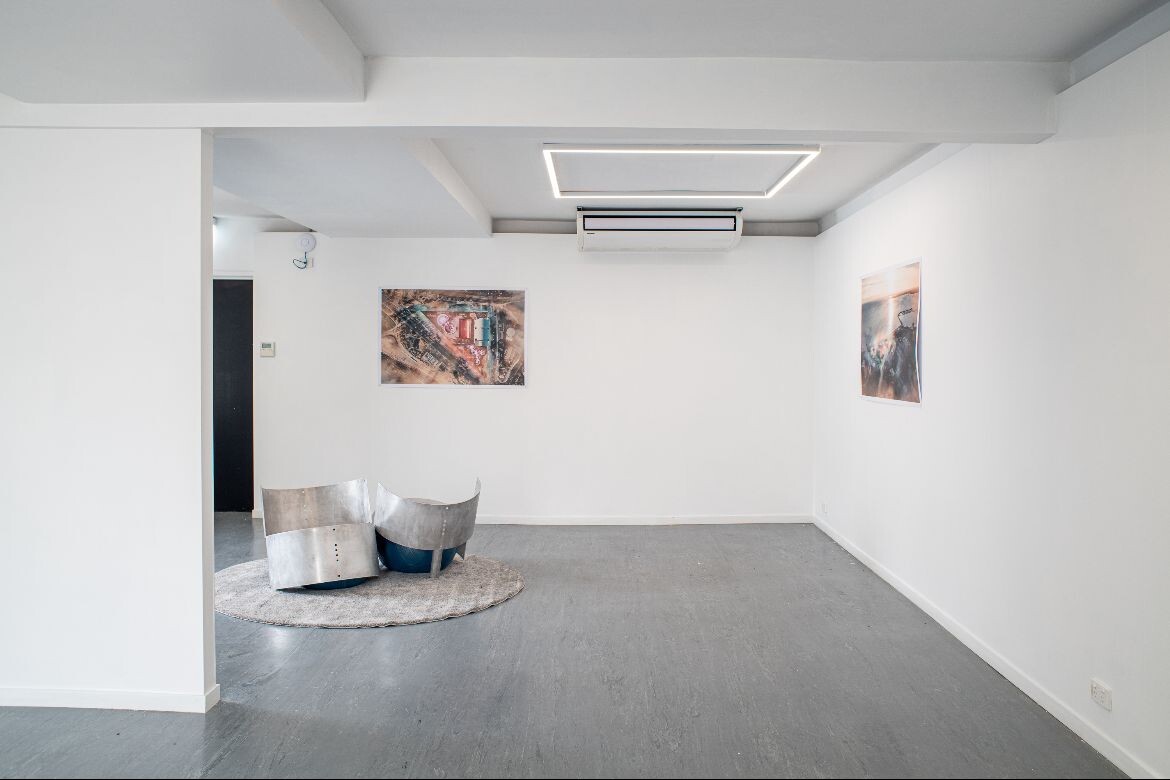
While the exhibition functions as a research investigation in its own right, it also marks the beginning of a broader trajectory that will make changes in the bayside suburb.
Currently, Bird is working with the City of Port Phillip and healthcare funding bodies on a second stage-built prototype scheduled for 2027, which will live test these ideas on a site in St Kilda. This next phase aims to examine how design that is in tune with its surroundings can encourage social participation, reduce feelings of isolation and support more emotionally responsive urban environments.
Soft Infrastructures: St Kilda Reimagined positions St Kilda not simply as a place of cultural memory but as an active laboratory for rethinking the civic futures Melbourne urgently needs. It suggests that connection, gentleness and shared presence may form the foundations of a new kind of public space designed to meet the social challenges of contemporary city life.
Soft Infrastructures: St Kilda Reimagined
Matthew Bird
studiobird.com.au
Brady Robards
research.monash.edu
Suzanne Barker
monash.edu
Photography
Photomontages created with photographer Peter Bennetts and visualiser John Wong
Exhibition documentation by Shelley Xue