With the completion of the final project in the Simple World series, Jenchieh Hung + Kulthida Songkittipakdee of HAS design and research bring a long-running body of work to a considered close. The Simple Living Passage reinterprets the idea of a walkway, transforming a transitional space into an architectural experience with layered spatial and social intent.
The Simple World series comprises a group of interrelated projects, including a museum, café, office, gallery, retail space and showroom. Together with a realised master plan, the collection has contributed a distinctive architectural identity to Hefei in Anhui Province, China.
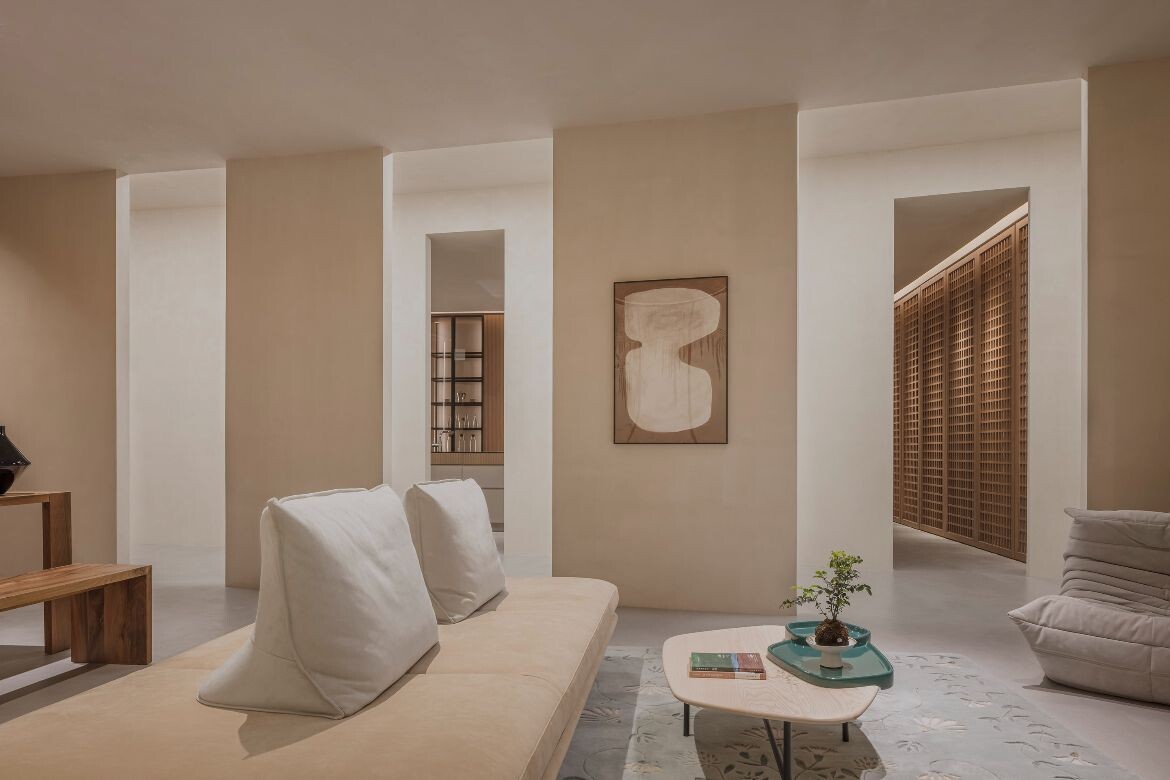
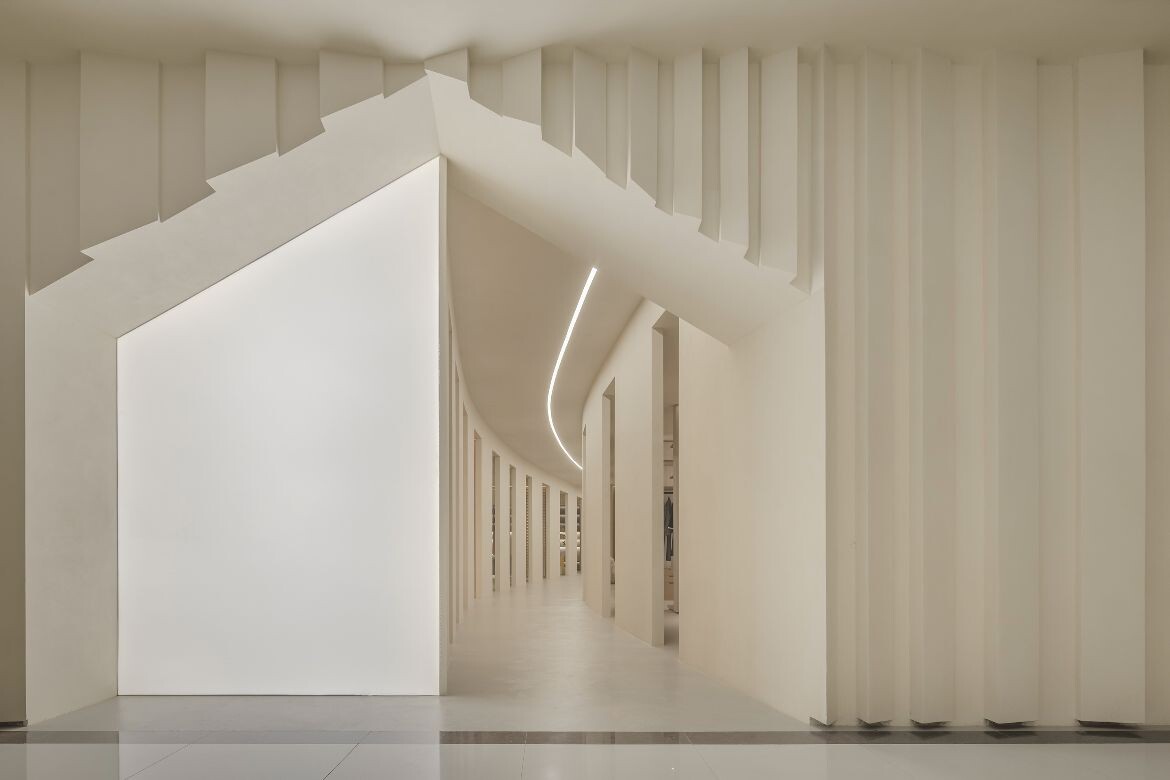
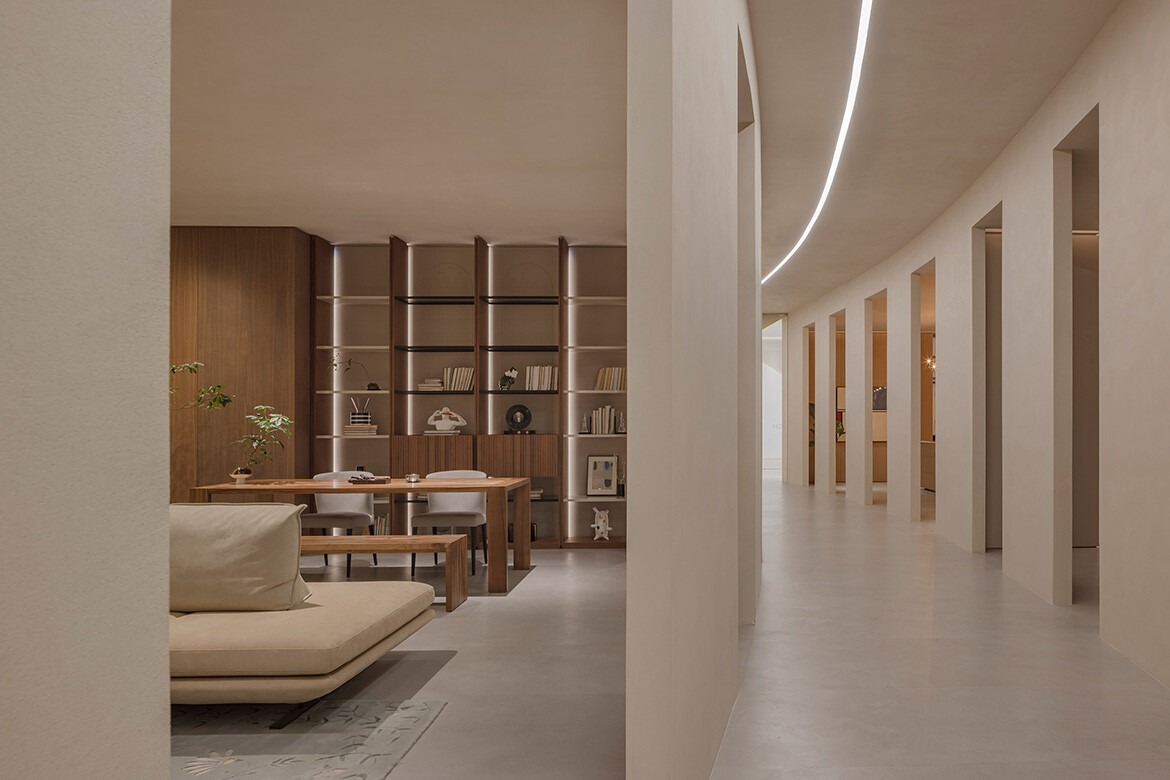
As with the earlier projects in the series, the Simple Living Passage adopts a fluid formal language, echoing the curves and lines established across the broader precinct. The design elevates a familiar typology, reshaping a conventional circulation space into an environment that invites movement, pause and reflection.
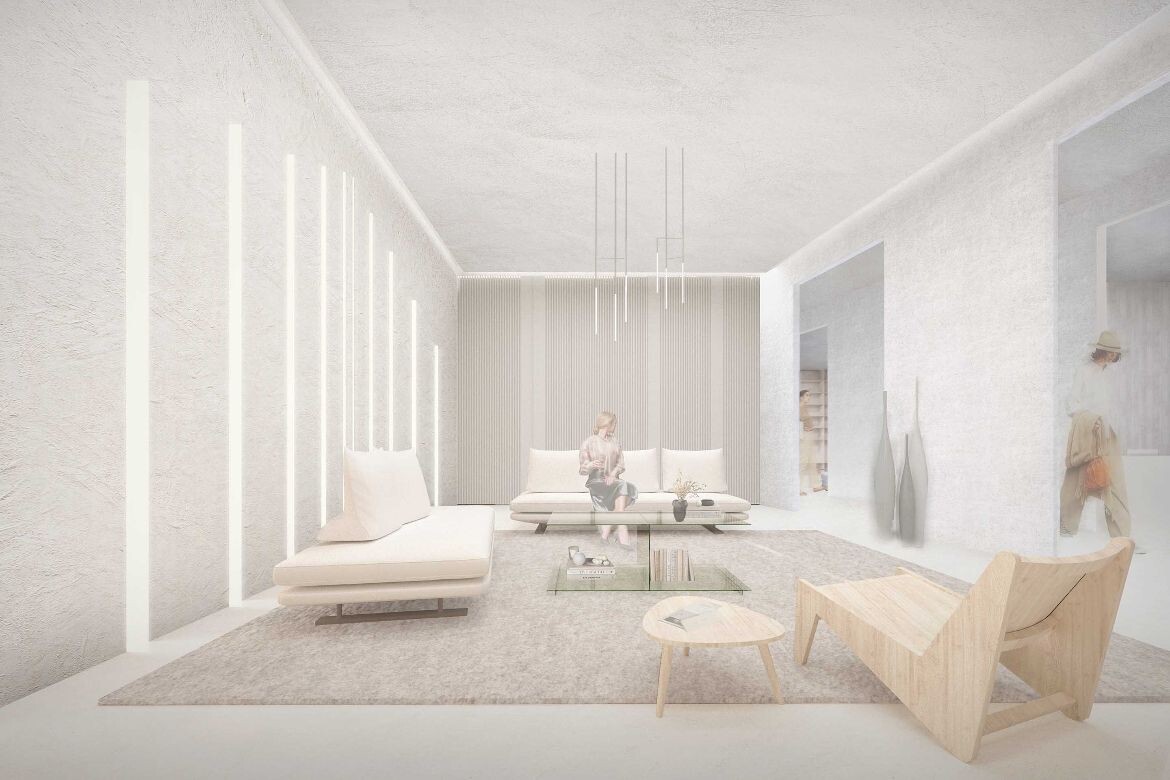
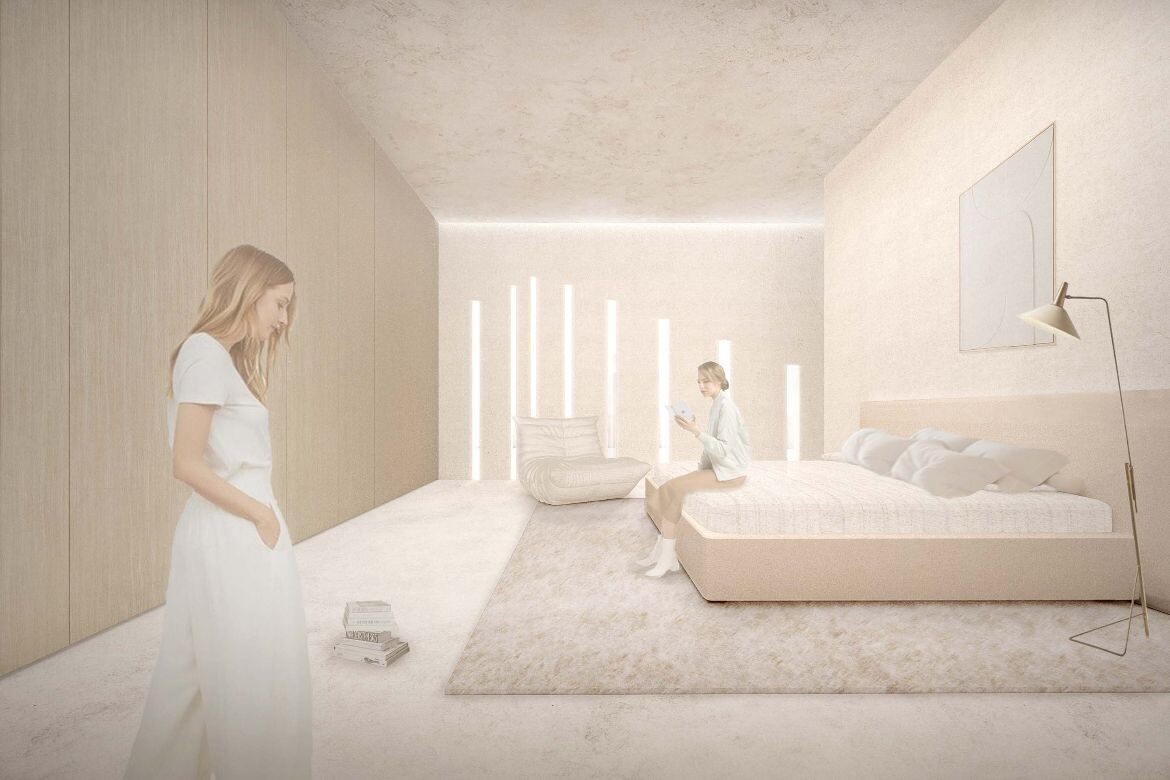
Located within a retail context, the Simple Living Passage functions both as a showroom and as a publicly accessible thoroughfare. Rather than directing visitors along a linear path, the space unfolds gradually, encouraging a slower pace and a more relaxed experience. In this way, the project positions itself as a counterpoint to the commercial intensity of its surroundings.
Related: Forested Future documentary explores forestry, stewardship and material culture
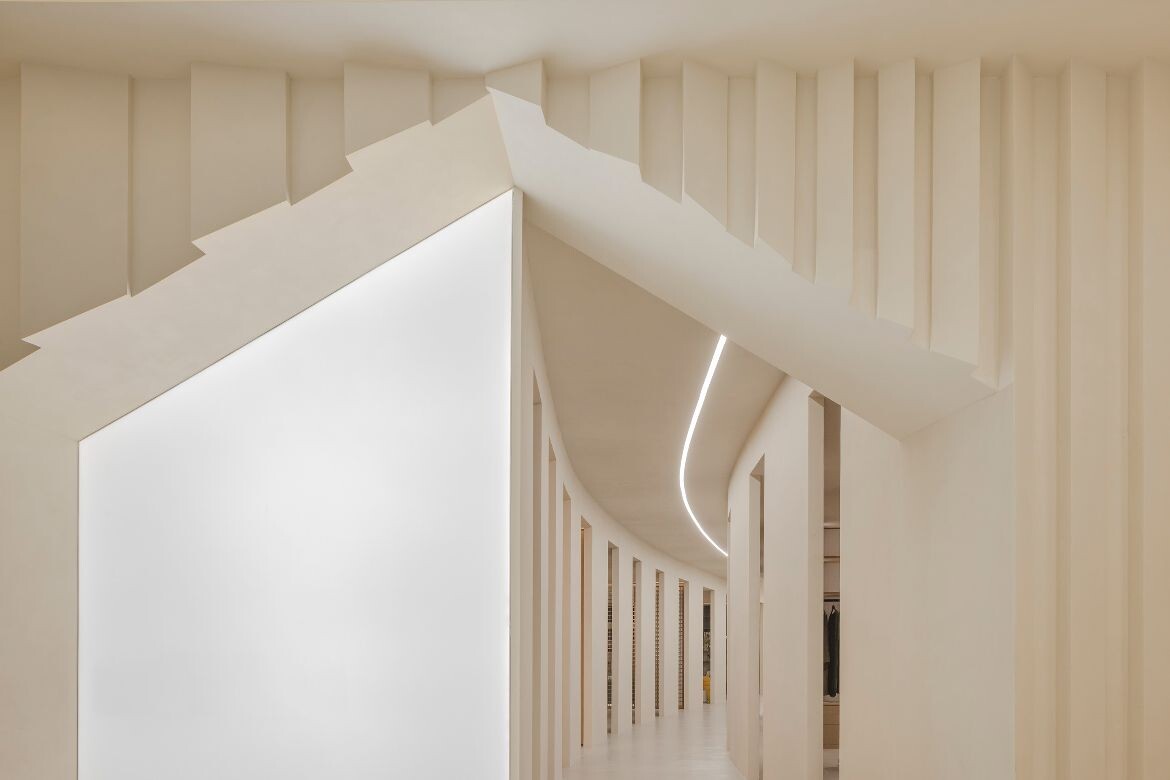
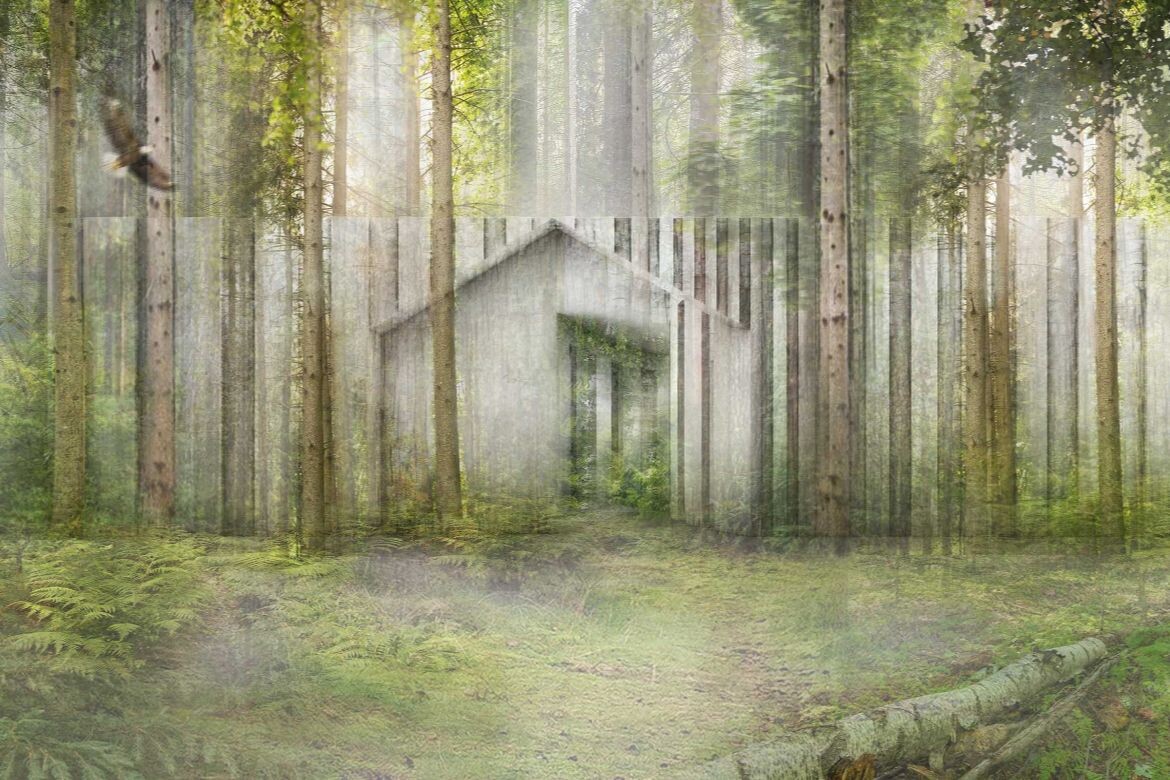
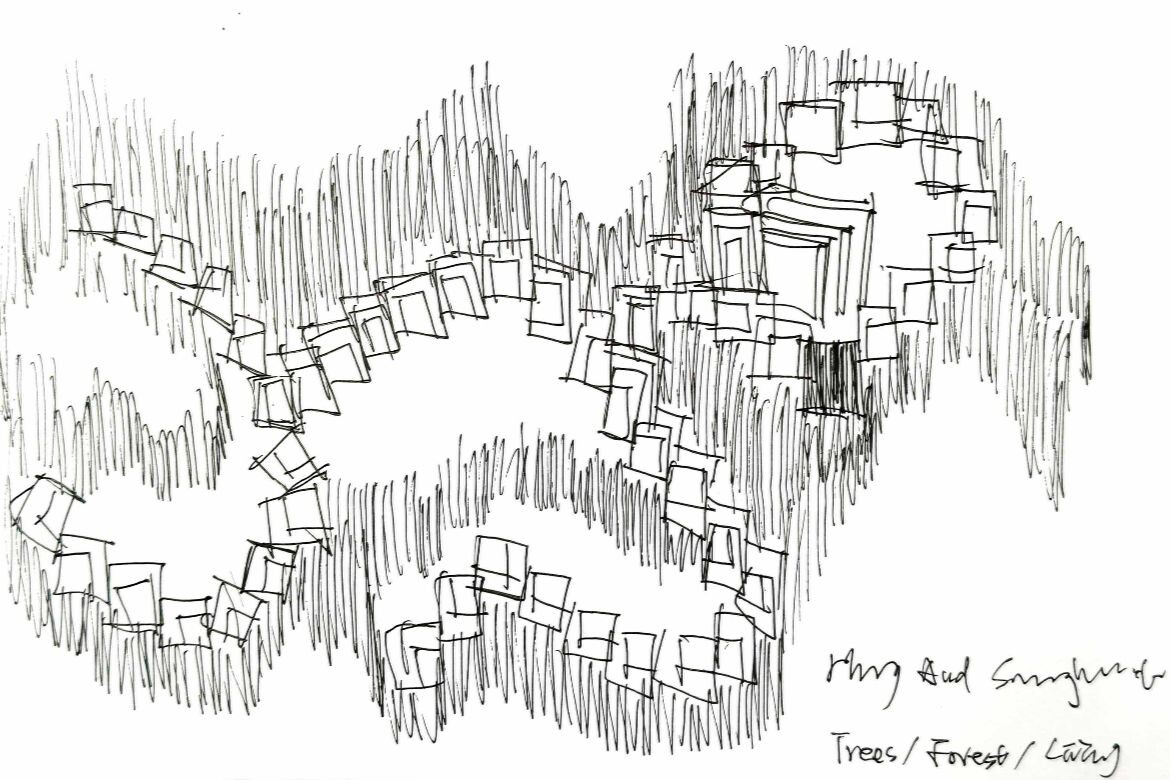
The design draws on the forested origins of the Hefei region, a recurring reference throughout the Simple World series. Here, natural living is interpreted within the framework of a contemporary urban setting, with the architecture seeking to preserve a sense of calm while offering moments of retreat within the city.
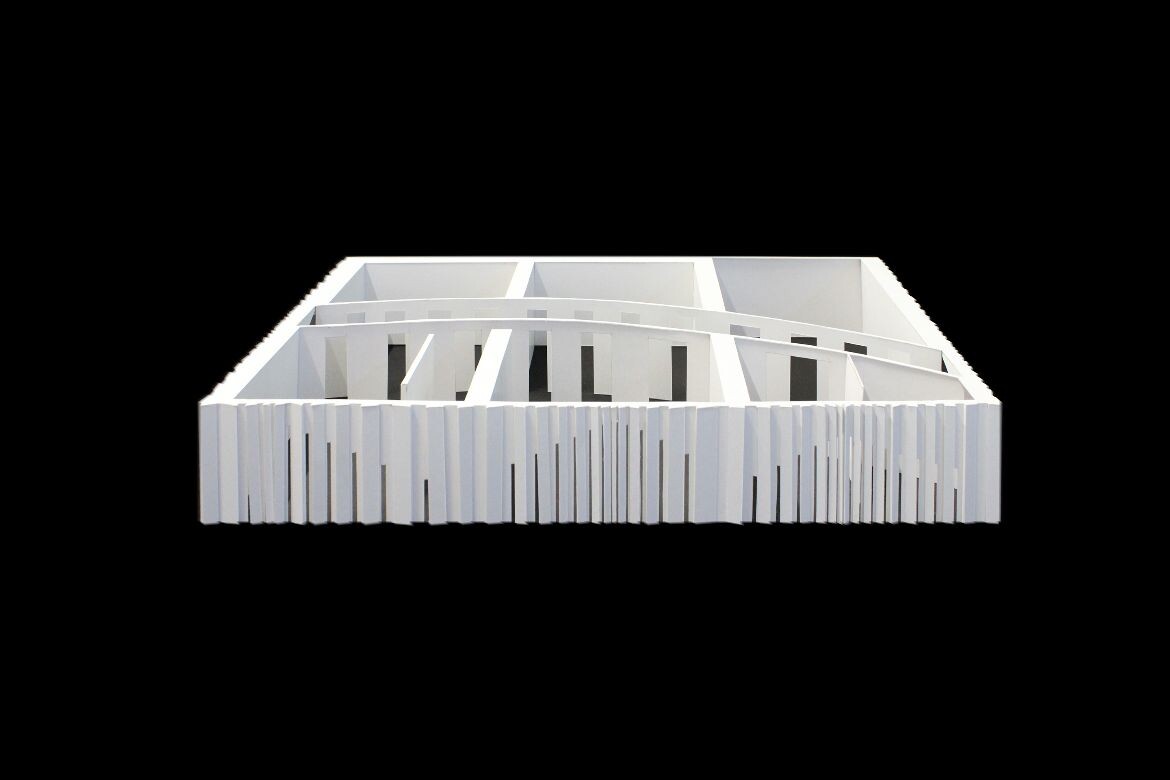
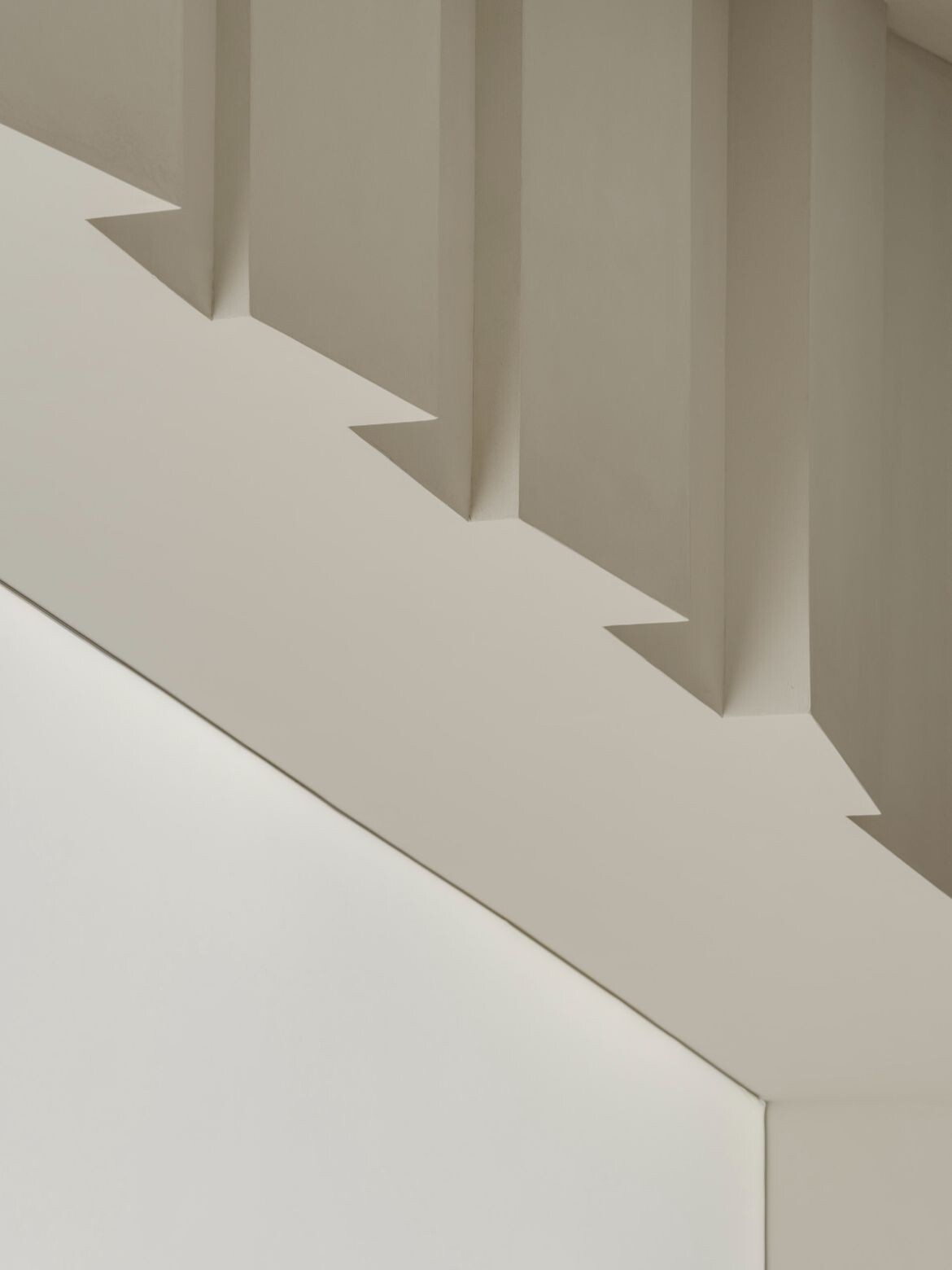
A key element in the design is the use of locally sourced native timber. Hundreds of timber panels wrap the exterior, each angled and positioned to create variation in depth and texture. During the day, sunlight filters through the panels, casting shifting patterns of light and shadow across the interior. At night, internal illumination radiates outward through the openings, animating the façade and extending the building’s presence into the public realm.
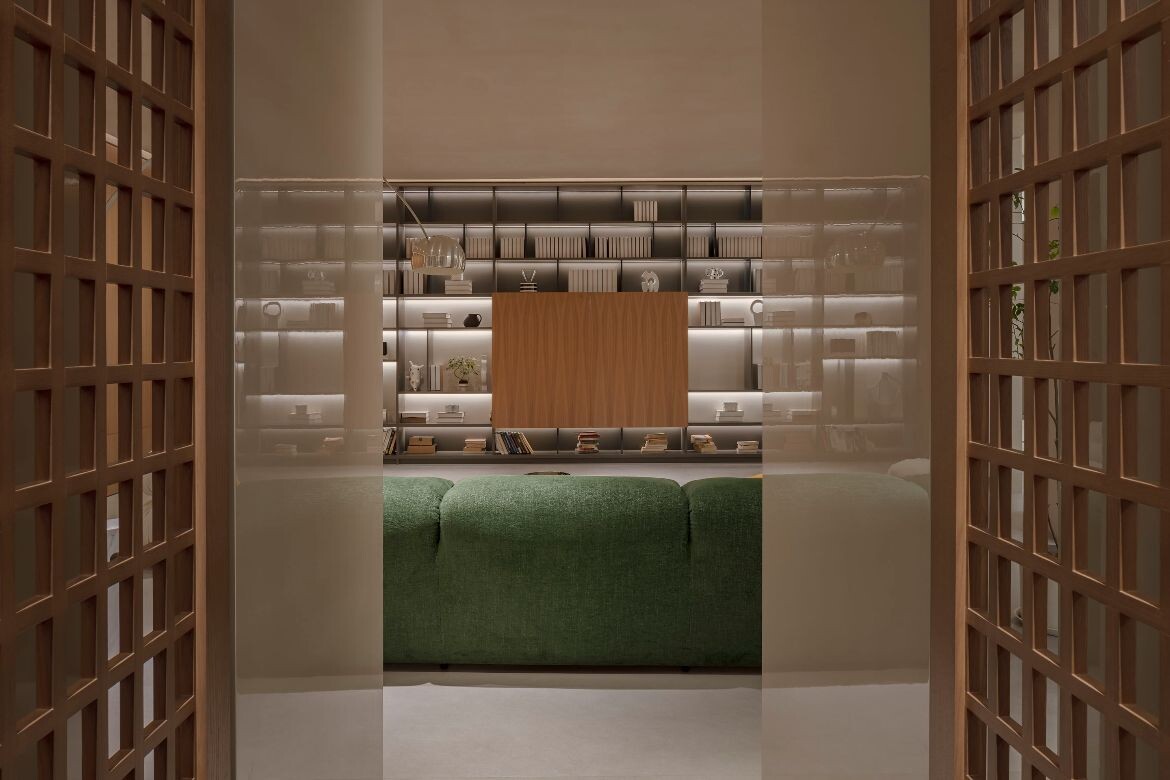
Inside, the architecture continues this theme of permeability and connection. Nearly 20 openings punctuate the interior, framing views between spaces and reinforcing a sense of continuity while maintaining openness and visual flow.
One of the defining elements of the project is the Light Tunnel — a long, non-commercial passage designed as a buffer from external noise and visual distraction. Removed from retail activity, the tunnel encourages visitors to slow down, functioning as a quiet interlude within the building and the broader city context.
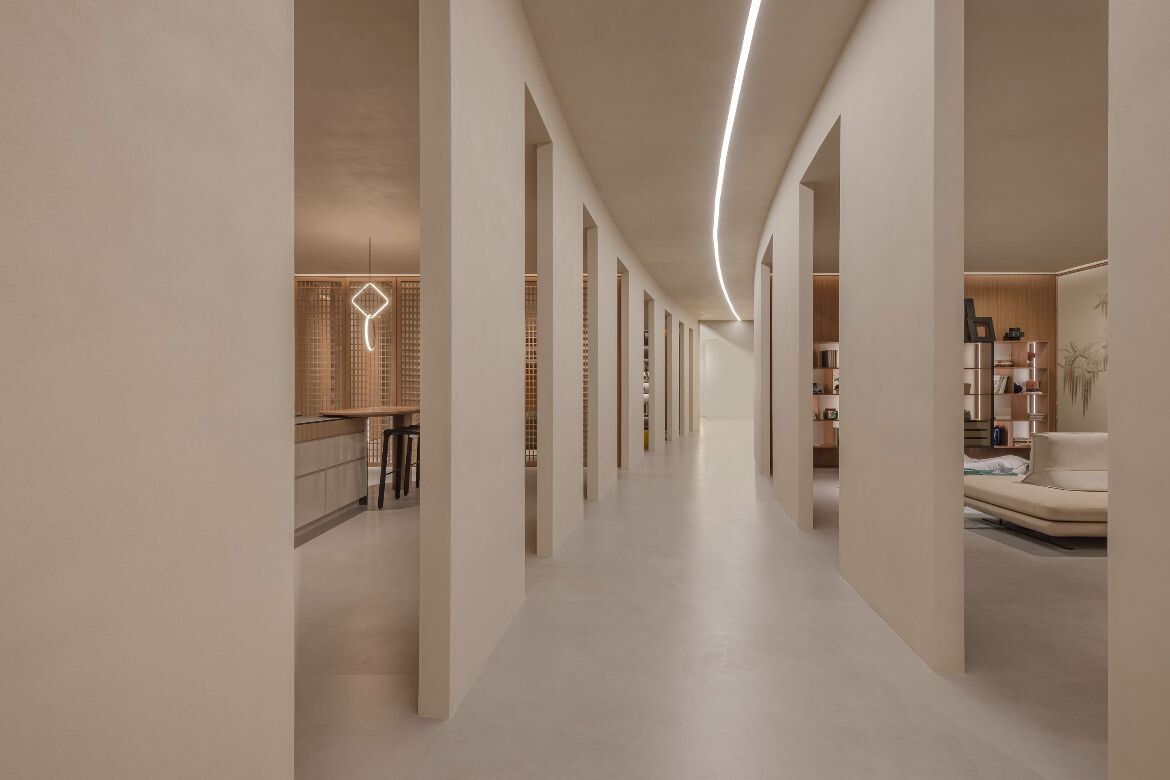
Rather than acting as a purely functional connector, the Simple Living Passage positions architecture as a medium for balance and reflection. The project engages questions of ecological responsibility and spatial wellbeing, proposing an alternative way to inhabit and move through dense urban environments.
With this final addition, Jenchieh Hung + Kulthida Songkittipakdee of HAS design and research complete the Simple World series, continuing their exploration of how everyday spatial typologies can be reimagined through careful material use, form and intent.
The Simple World projects were recognised at the 2025 INDE.Awards, with four works shortlisted across multiple categories, including The Building, Retail Space, Social Space and Work Space.
Photography
W Workspace