Retail is an ever-changing environment; however, one constant is the need to provide an experiential offering for customers. For AIM Architecture, the shopping experience is everything, as the architects understand that connecting people and place through design that inspires and delights ensures a brand will thrive.
AIM Architecture has enjoyed a special relationship with HARMAY over the years and has completed more than 15 stores for the Chinese beauty brand. Each project is individual and takes its cues from the particular site and surrounds, but every design also has that something extra — a new perspective on how retail is presented to the public.
With the latest HARMAY store in Beijing’s Hopson One Mall, AIM Architecture has once again reinterpreted the retail paradigm with a store more akin to an art gallery than a traditional place to sell product.
If items were treated like art — collected rather than consumed, archived rather than displayed, and experienced rather than sold — what would this look like? To find out, step inside HARMAY Hopson.
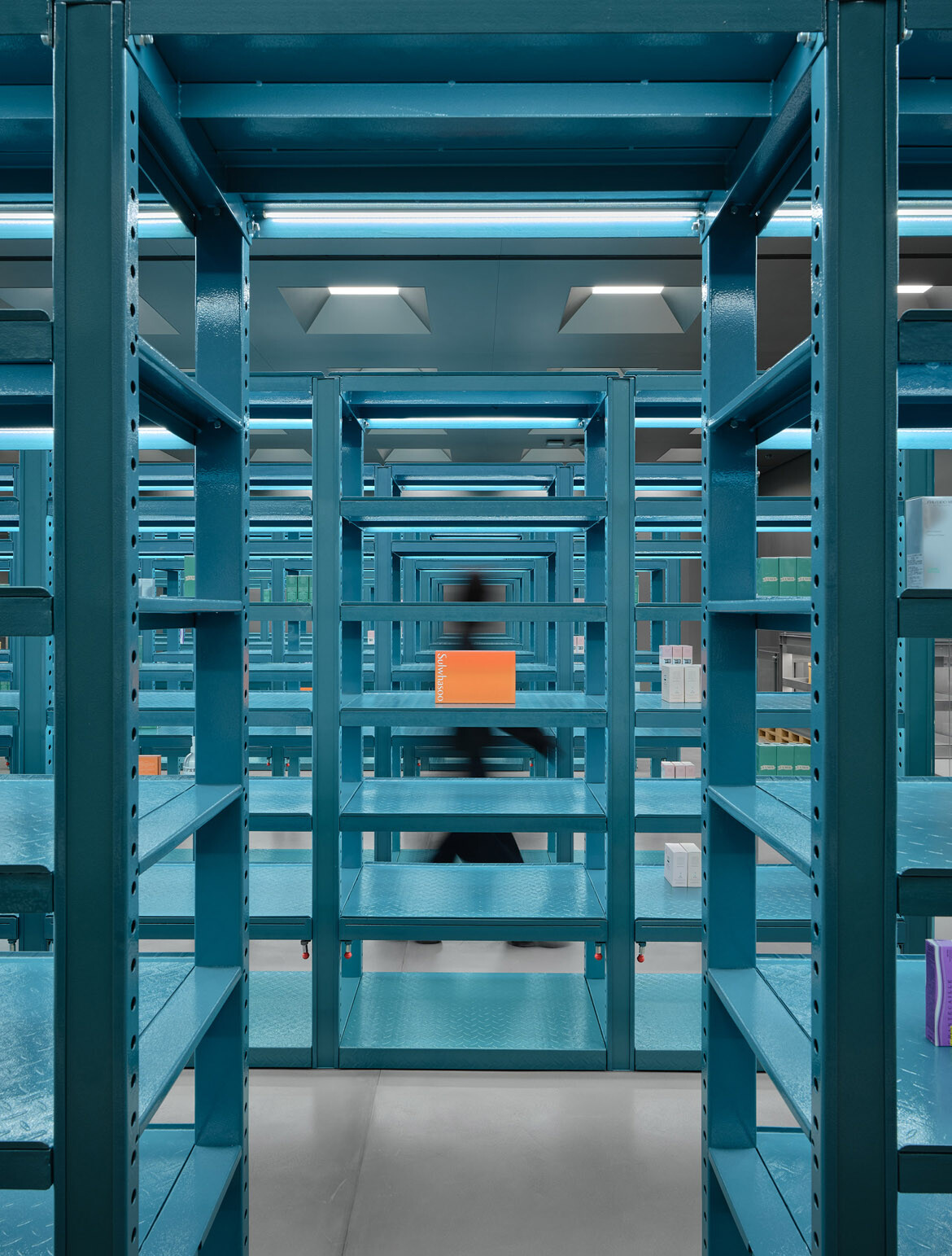
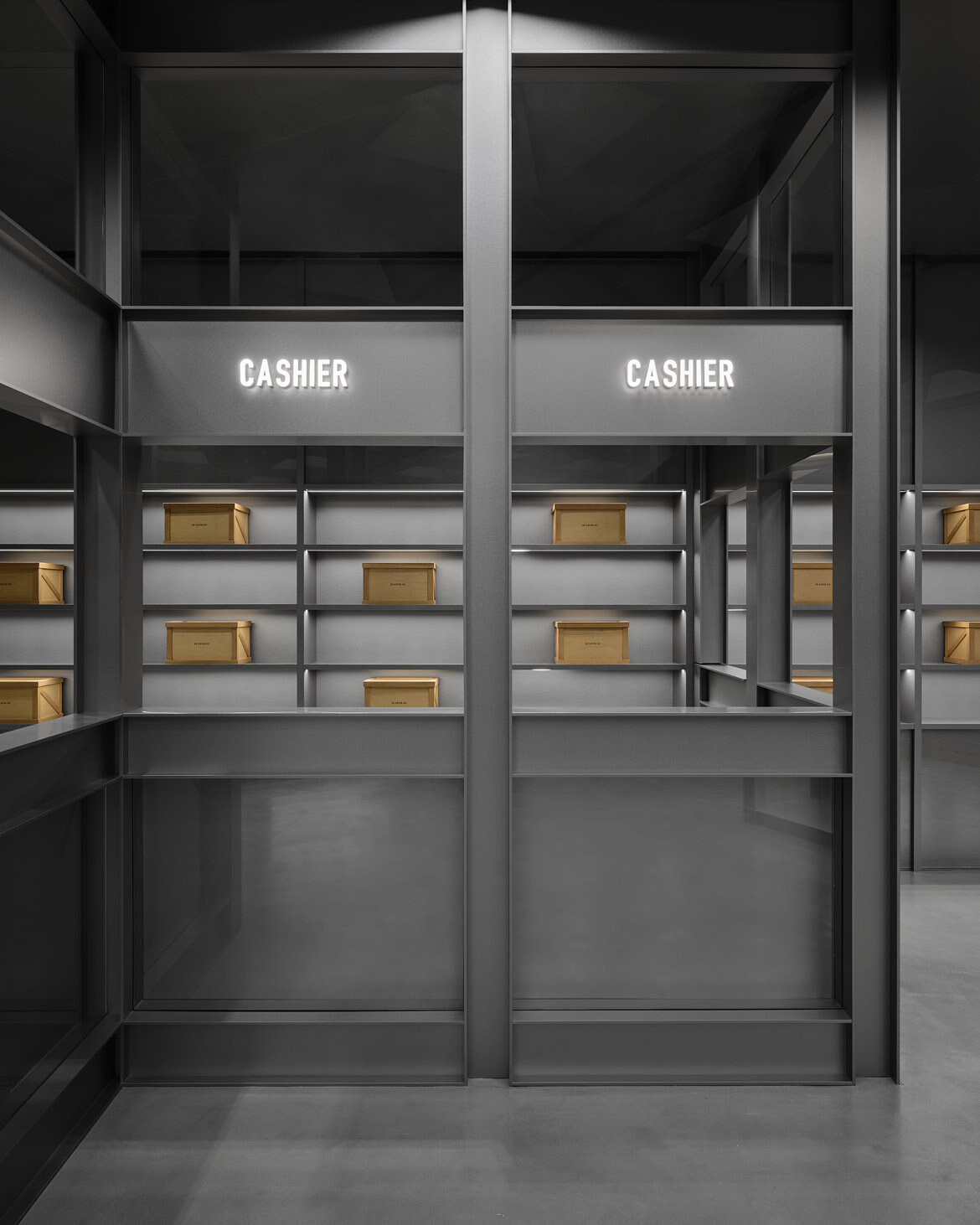
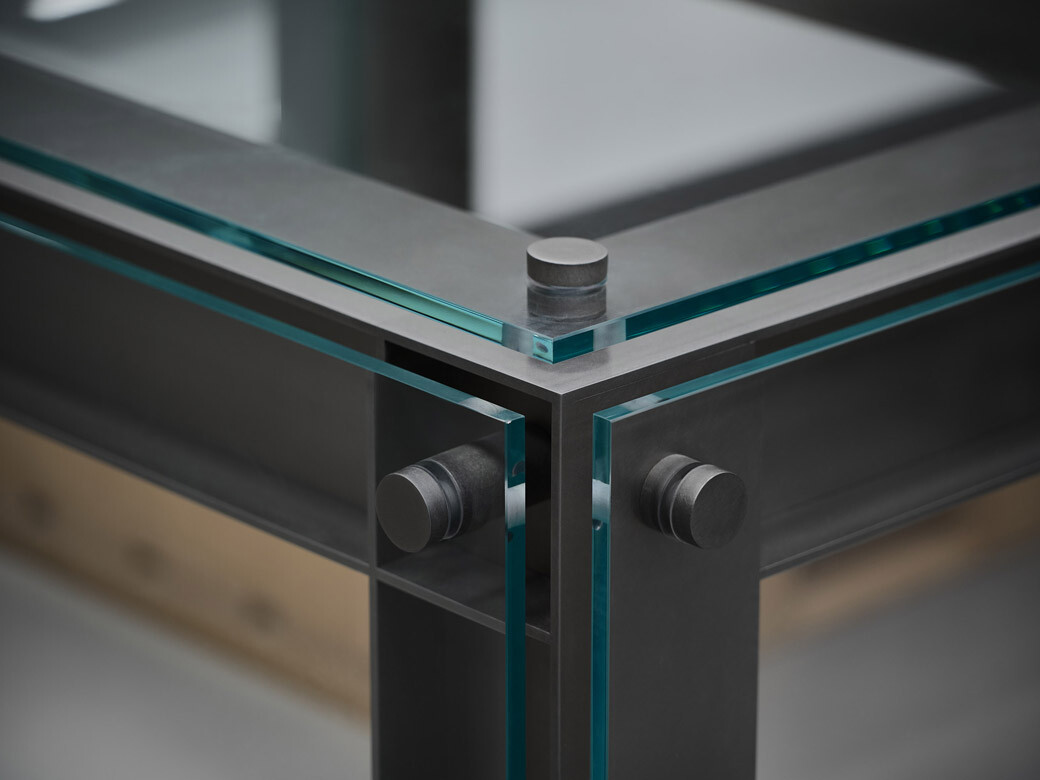
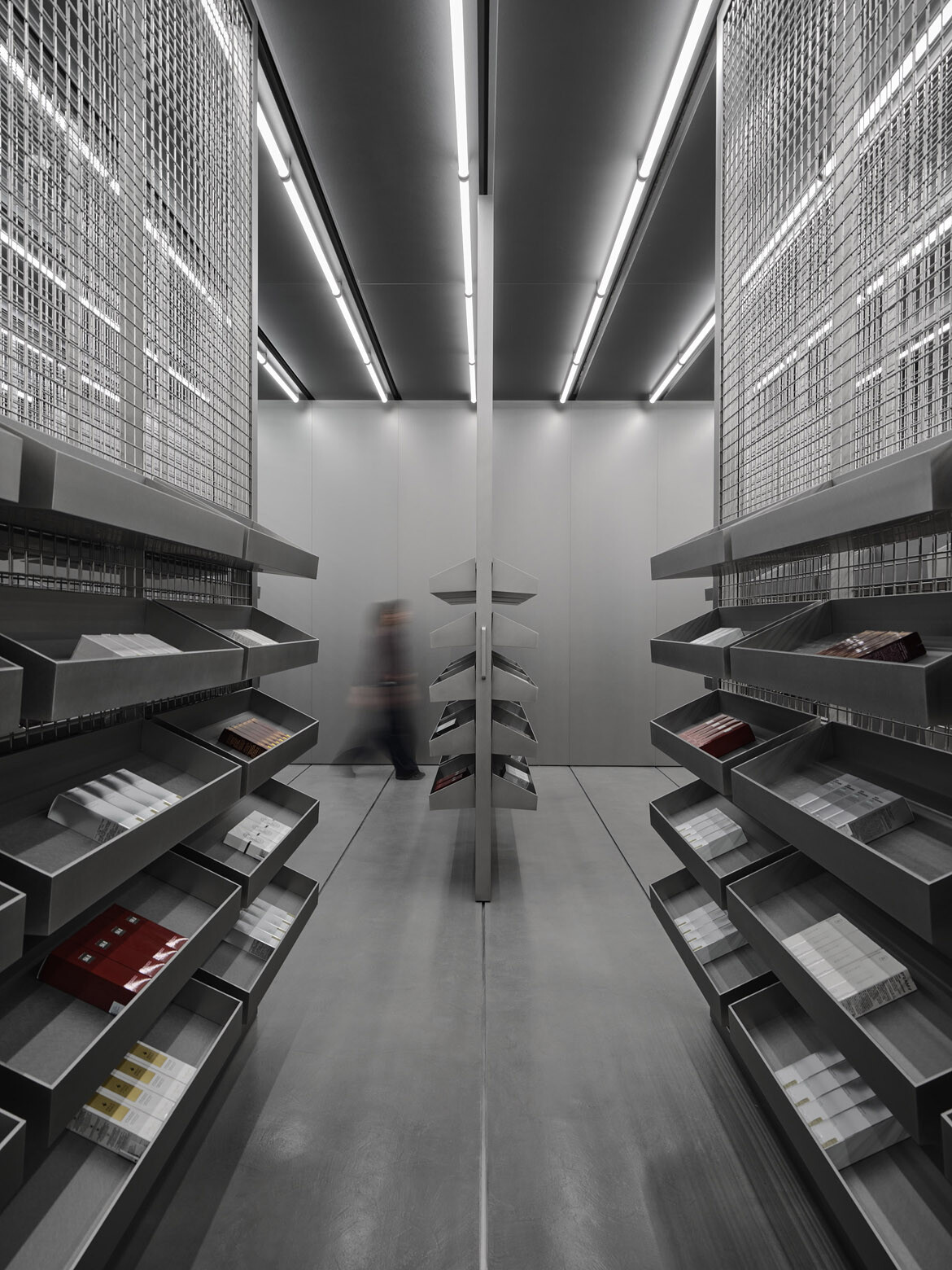
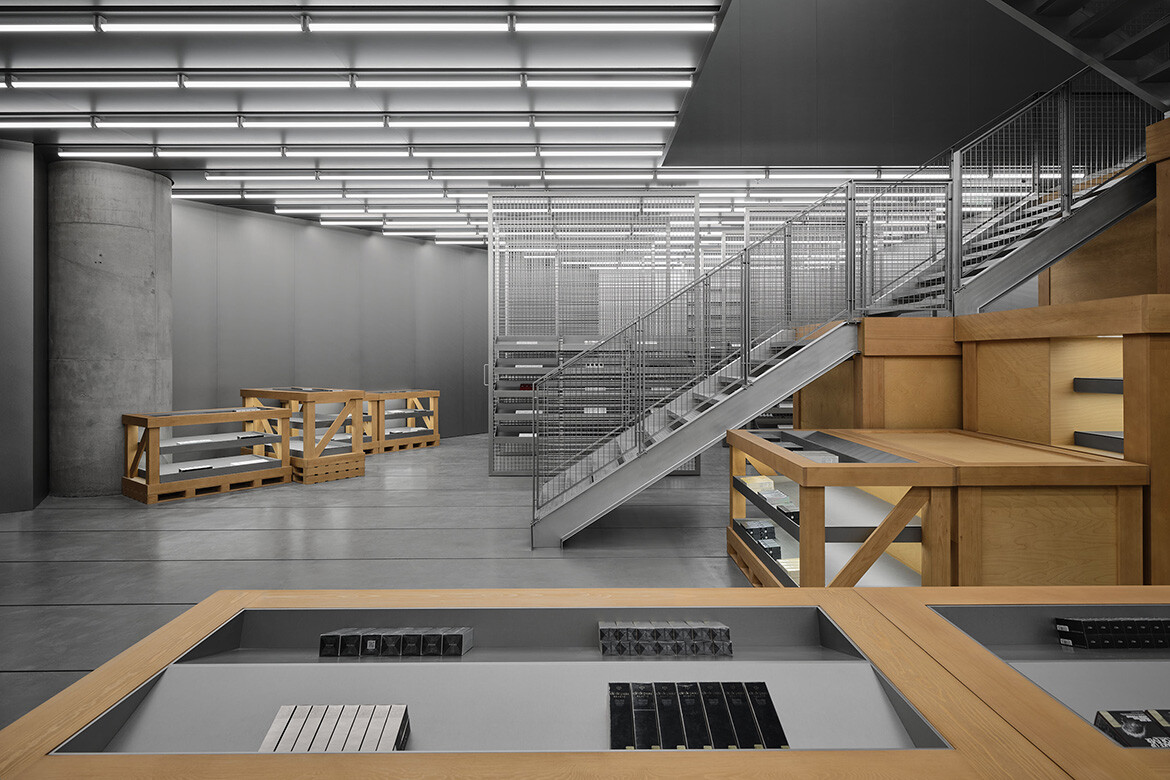
Decoration per se is not part of the design intention. Instead, materials such as polished concrete floors, brushed stainless steel, glass, stainless steel mesh, plywood and pine combine to present a pared-back, minimal backdrop to the gallery-inspired aesthetic.
The project spans two levels with a combined floor area of 620 square metres. Design principals of AIM Architecture, Wendy Saunders and Vincent de Graaf, together with project architect Ruiqi Zhou and the team, have structured the interior around a vertical circulation element that visually and physically connects the ground floor and upper level.
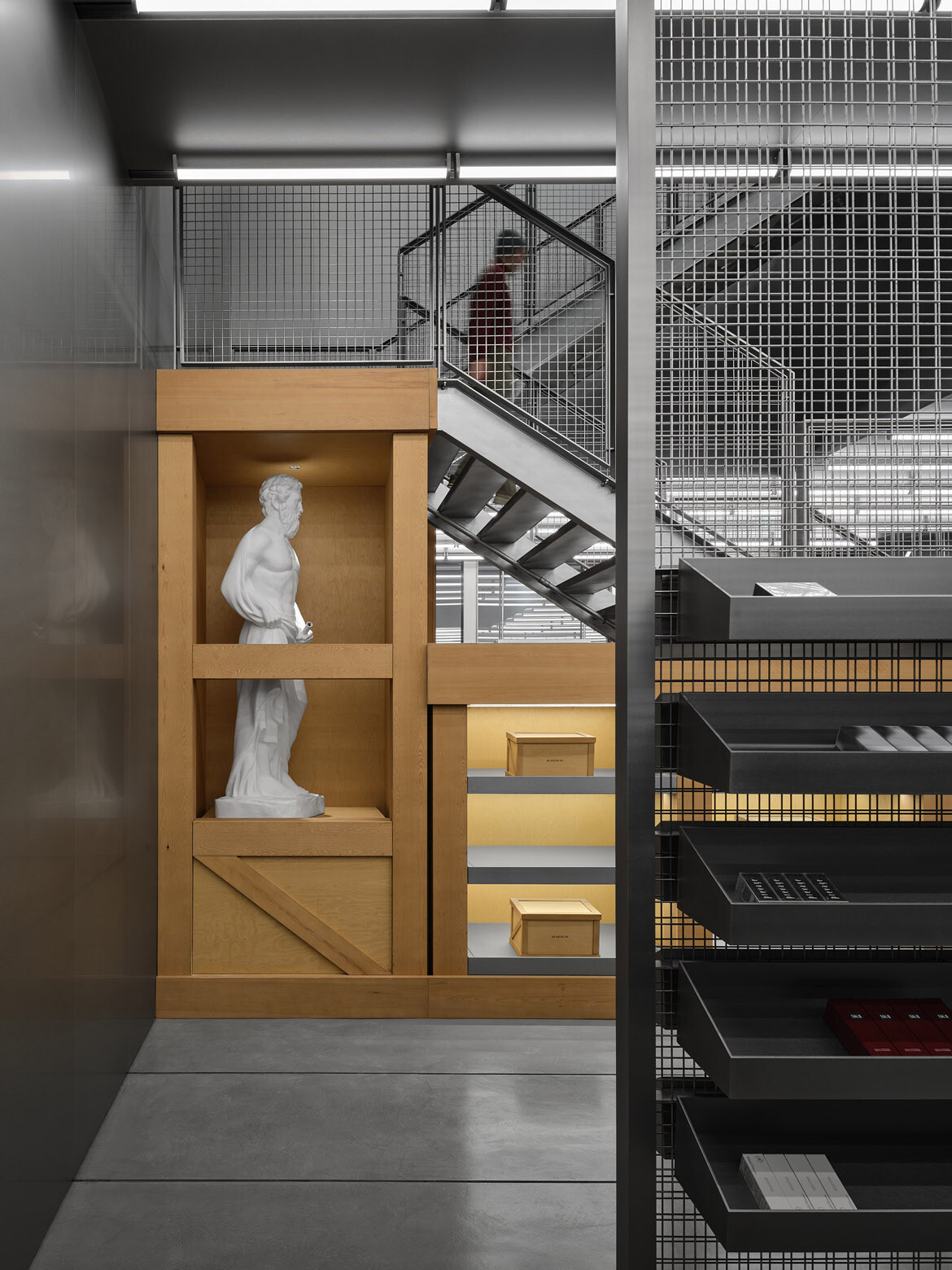
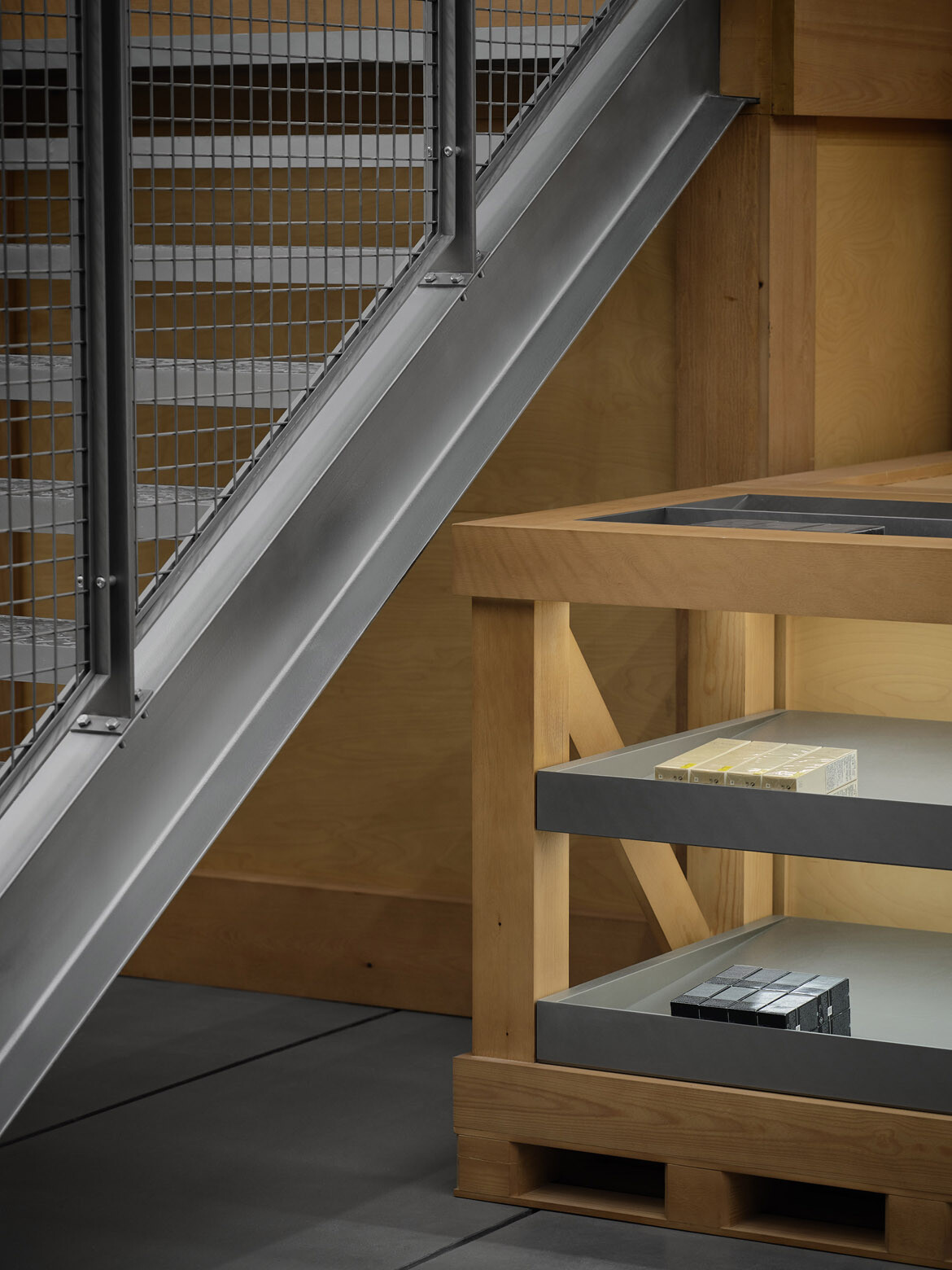
Rather than a monumental gesture, the staircase is inspired by warehouses, with a simple metal structure stacked on cargo boxes that are integrated into the steps. Circulation, display and inventory merge into a single system, naturally guiding visitors upward while dissolving traditional retail hierarchies.
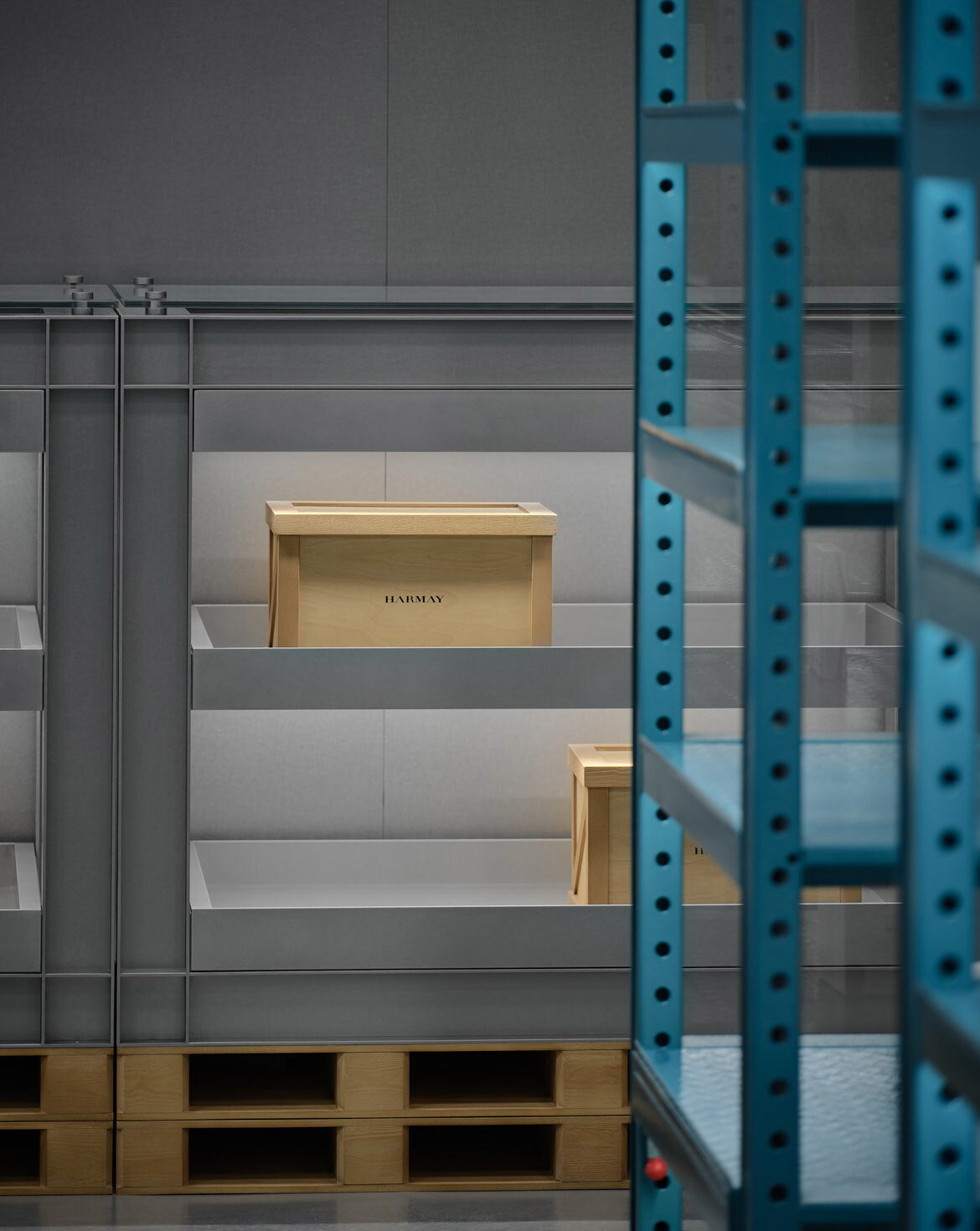
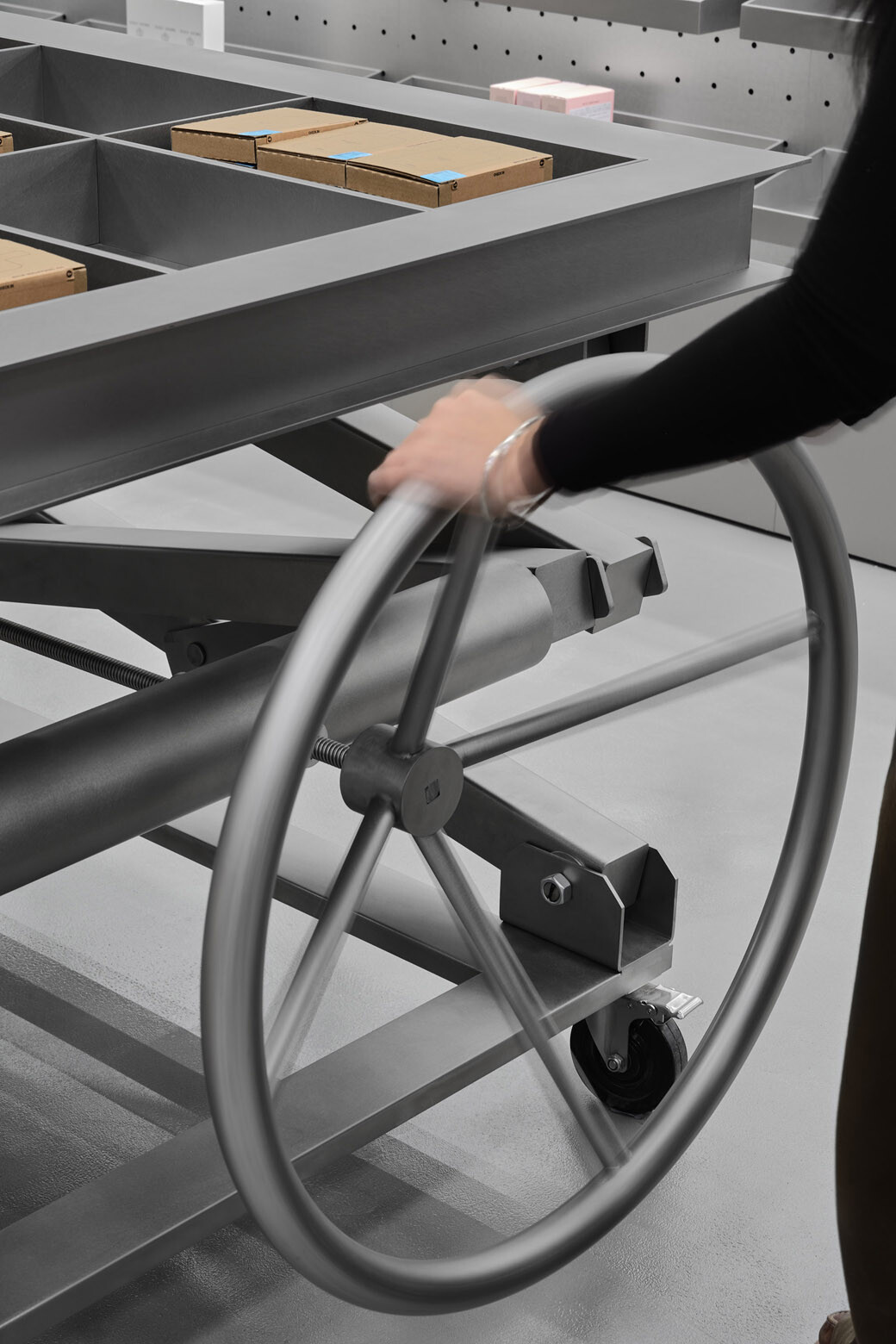
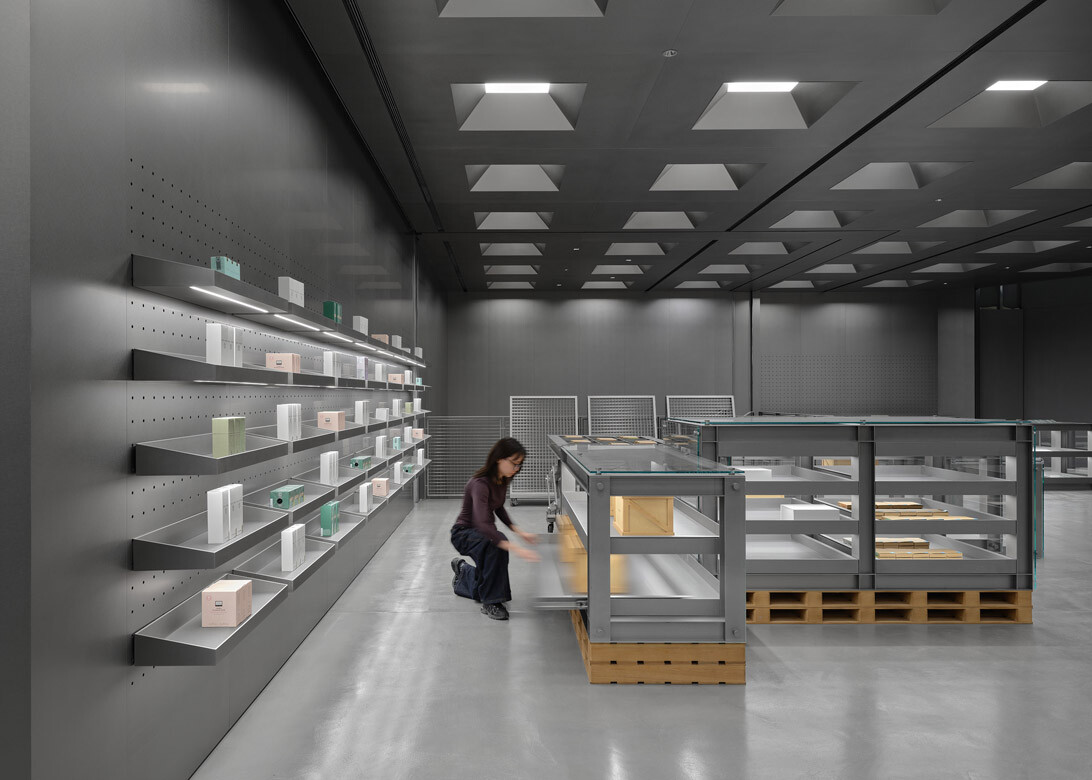
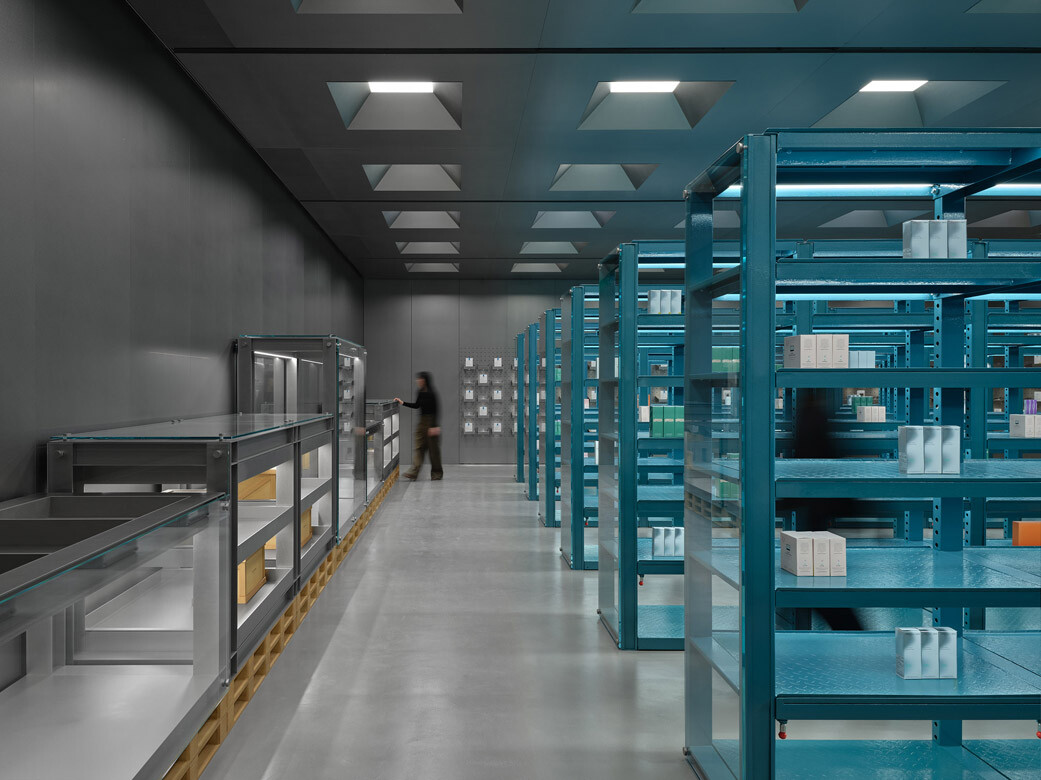
Movable metal mesh storage panels, wooden cargo boxes and overhead shelving create a flexible, ever-changing environment. Industrial systems are stripped back to a minimalist framework, allowing products to take centre stage. The restrained material palette is functional but carefully composed, as storage is reimagined as art archives and display as a gallery.
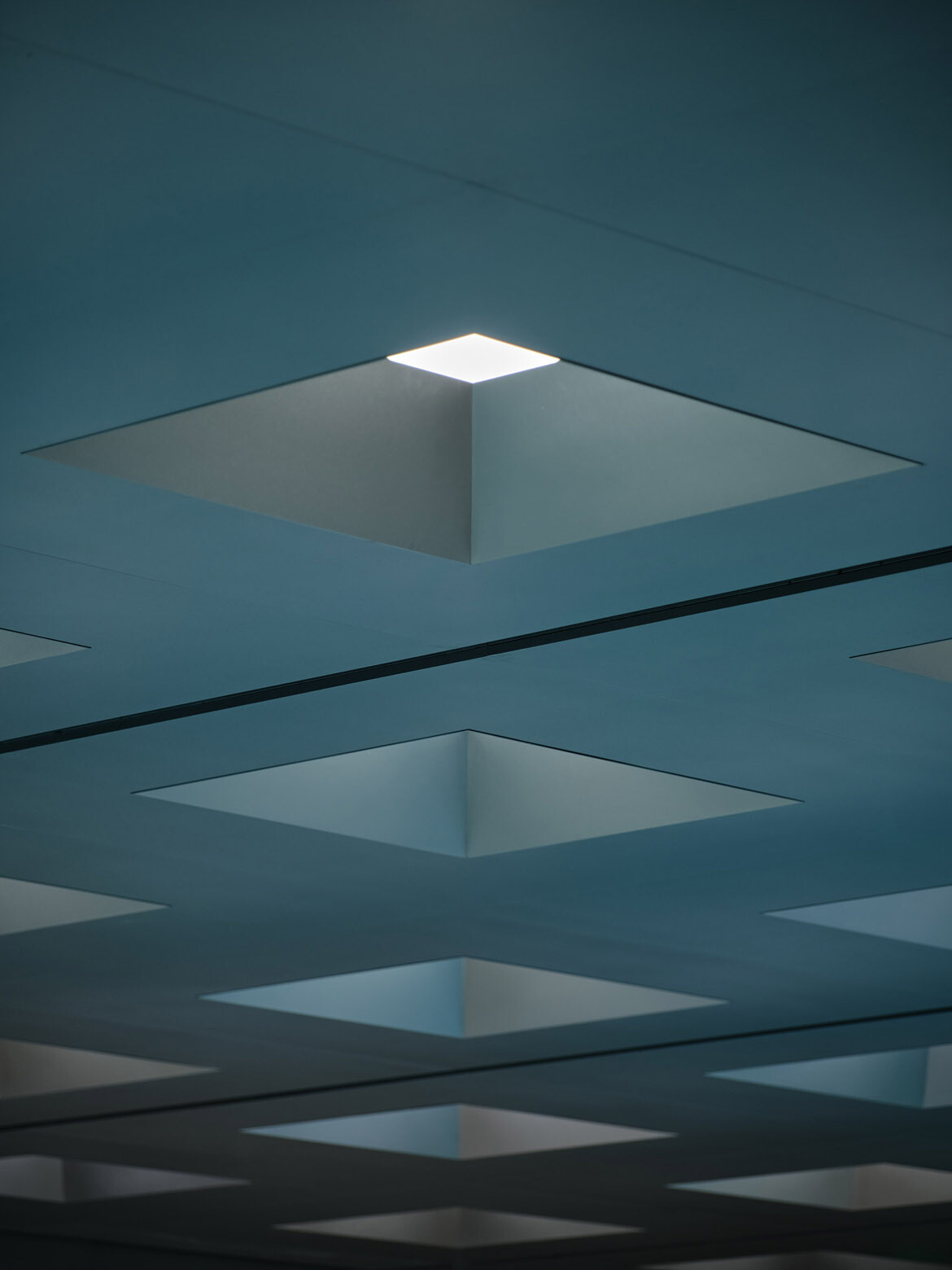
On the upper level, long display sequences become archival cabinets, with dedicated zones for K-Beauty and mask collections. Beauty products are treated as objects of value rather than commodities, and with integrated lighting there is clarity and depth that reinforces a sense of order, rhythm and calm.
Related: Art with heart
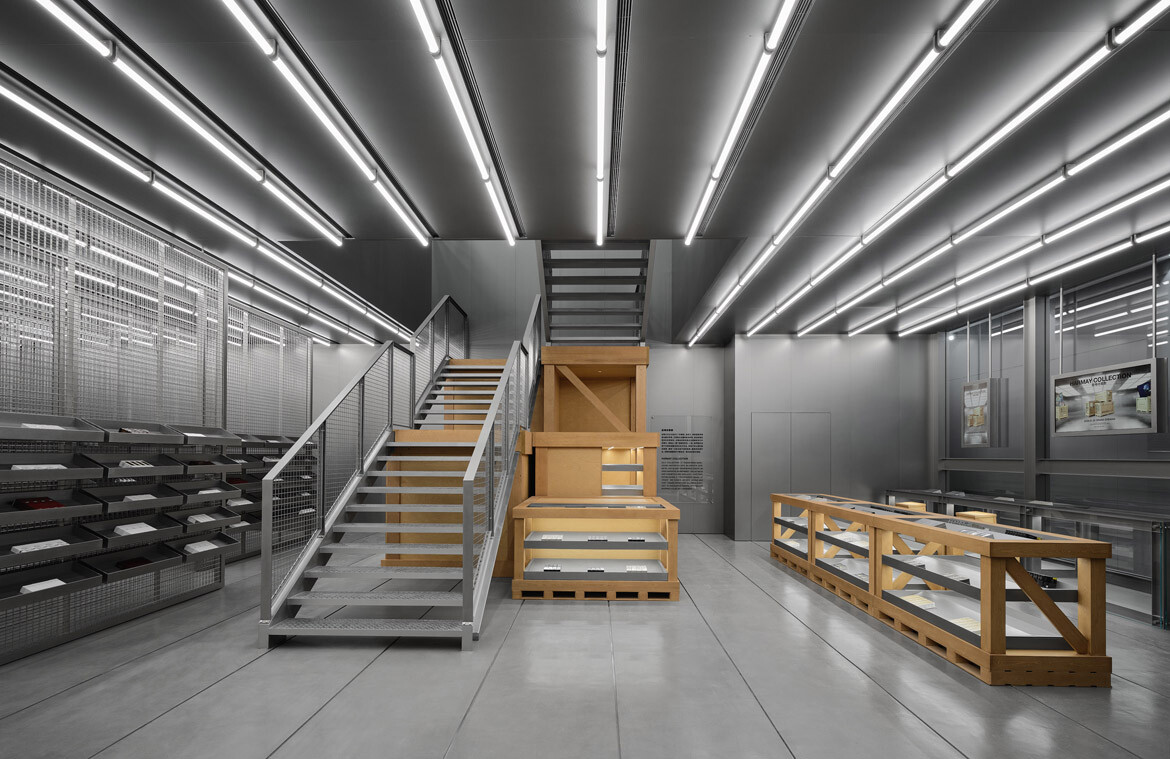
Ultimately, the design of the store creates a new paradigm for retail, where the built structures used to house art are translated to showcase more ubiquitous products. This HARMAY store invites customers to view its offerings with the same care and consideration as one would a piece of art, imbuing greater value in both product and choice.
At HARMAY Hopson, the customer becomes the archivist — part of the overarching artwork and essential to the evolving nature of the interior.
As with all AIM Architecture projects, HARMAY Hopson sets another benchmark in retail design. The architects develop concepts that make a statement, but are always carefully crafted for both brand and client.
For AIM Architecture, design is the link that connects people and offers far more than the opportunity to browse and buy. There is always a narrative that brings customers together to experience something different through an aesthetic that is surprising, resolved and detail-driven.
Wendy Saunders is a member of the 2026 INDE.Awards jury.
AIM Architecture
aim-architecture.com
Photography
Seth Powers