The home of architecture and design in the Asia-Pacific
Get the latest design news direct to your inbox!

Get the latest design news direct to your inbox!
Presented by Siniat
July 9th, 2026
Distinct from airtightness, weathertightness refers to a building’s capacity to protect itself from external weather conditions, as a means of reducing air/water intrusion and the presence of moisture in the building envelope.
The reason weathertightness is important, and the reason architects should seek to create barriers against inclement weather, is that it helps to protect the structural integrity of the building in question. It prevents the accumulation of moisture within walls, which if left unchecked can lead to material deterioration, mould growth, and reduced thermal performance.
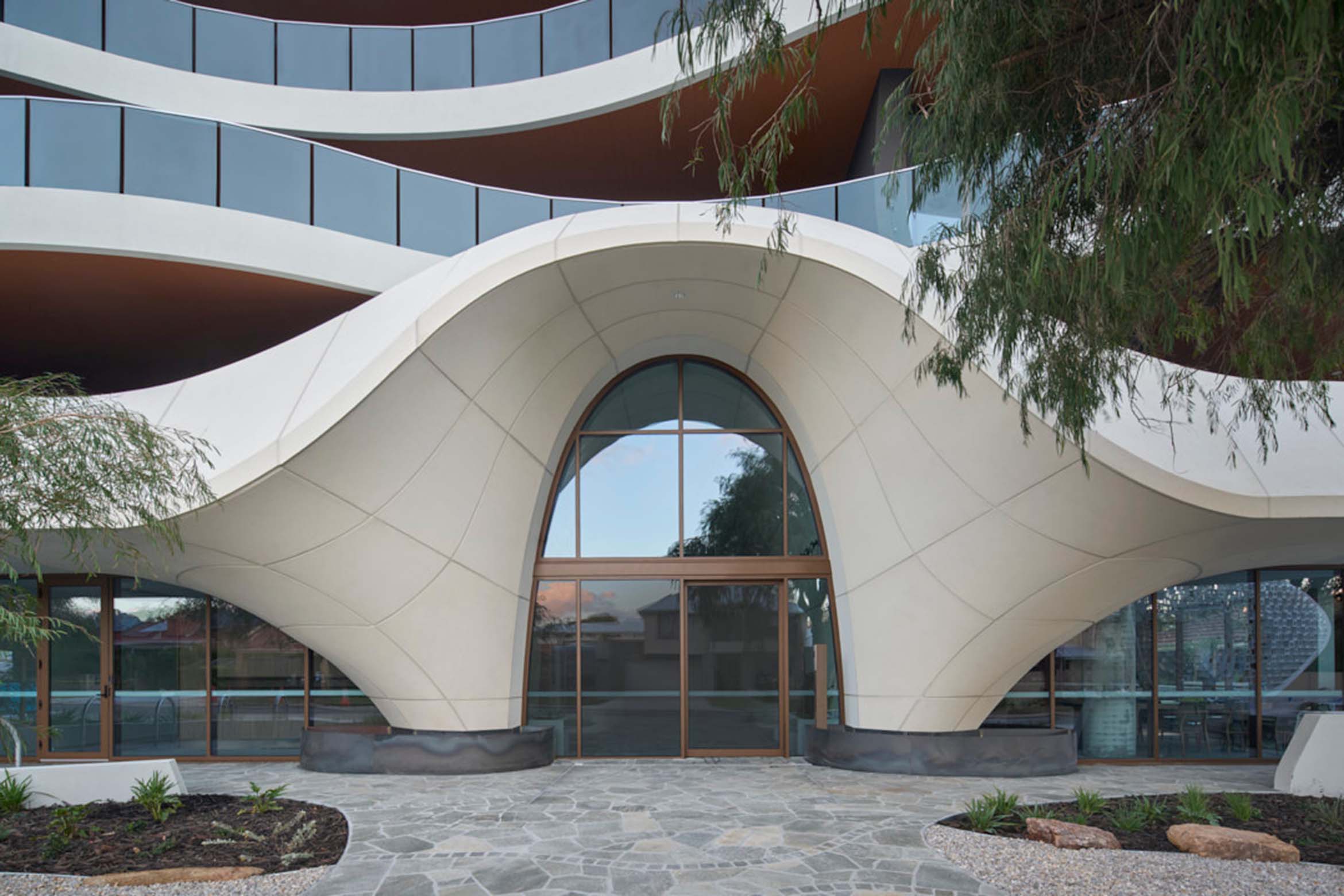
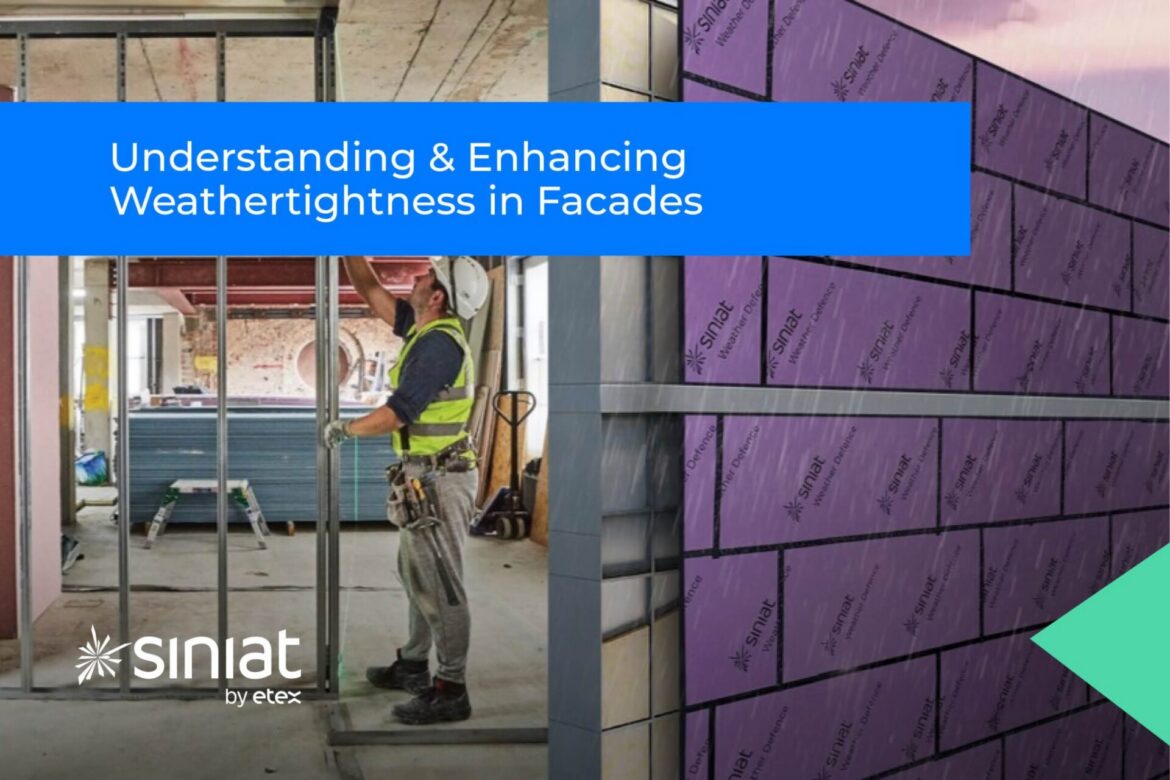
In this context, this session of CPD Live is devoted to “Understanding and Enhancing Weathertightness in Façades”. Beginning by explaining the differences between weathertightness and airtightness, our speakers will identify the common sources of air leakage in façades as well as their impacts on building performance.
They will identify all the relevant regulatory requirements; shine a light on weathertightness strategies, techniques, materials, and solutions; and explain all you need to know to improve the weathertightness of new and existing façades.
At the end of this presentation, you should be able to:
INDESIGN is on instagram
Follow @indesignlive
A searchable and comprehensive guide for specifying leading products and their suppliers
Keep up to date with the latest and greatest from our industry BFF's!
The internet never sleeps! Here's the stuff you might have missed