The home of architecture and design in the Asia-Pacific
Get the latest design news direct to your inbox!

Get the latest design news direct to your inbox!
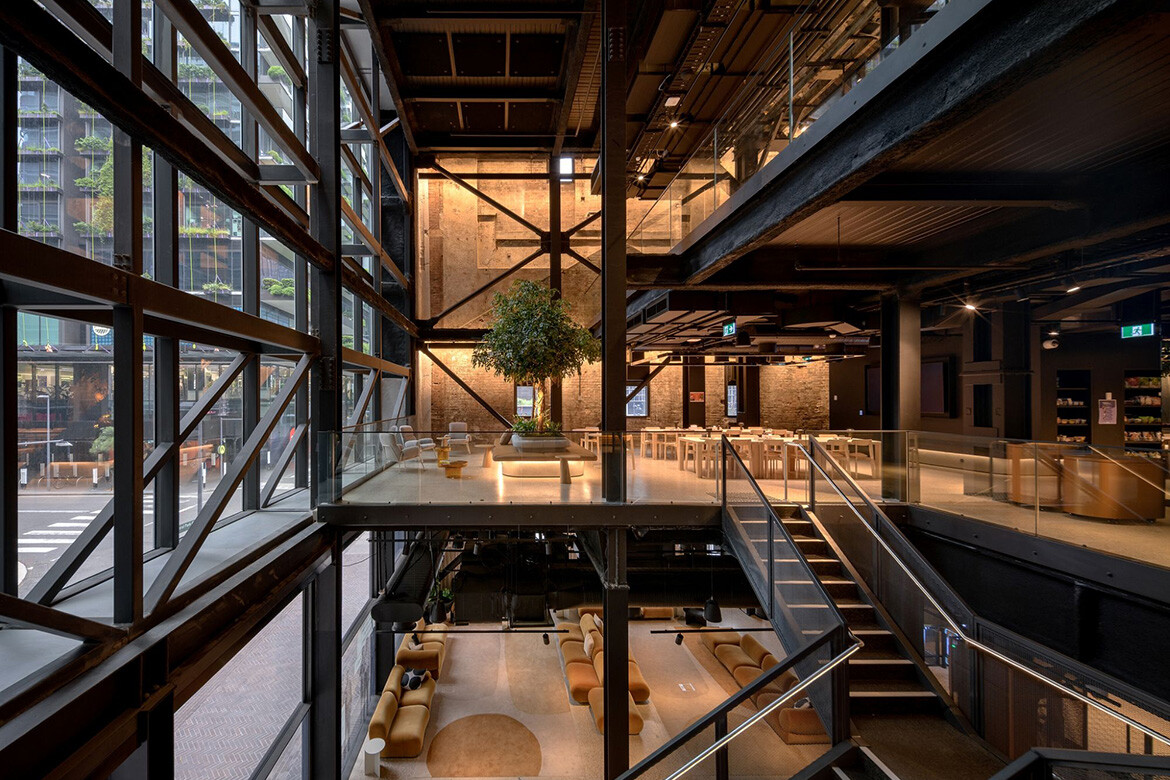
Tzannes has completed work at The Brewery in Sydney’s Central Park, marking the culmination of an internationally significant adaptive reuse project.

September 15th, 2025
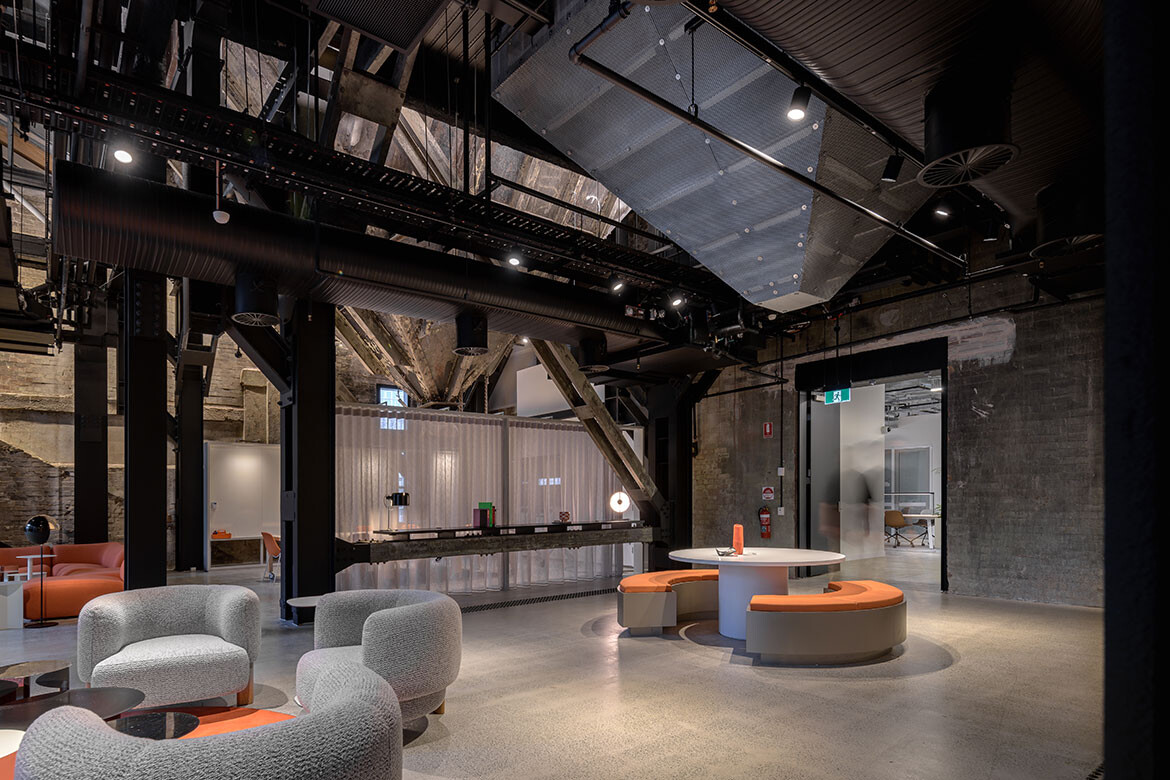
“In this building, we have demonstrated that contemporary design can coexist comfortably with heritage fabric to create a new element which has integrity,” says Alec Tzannes. “It measures time,” he adds, referring to the way that thoughtful adaptive reuse and heritage work allow for layers of architectural history to be made legible.
It might sound like a jarring juxtaposition at first: a heritage brewery site that now finds itself at the centre of Sydney’s Innovation and Technology Precinct. In fact, Kent Brewery’s industrial warehouses had been active for 170 years until they ceased operations in 2005, while the story of Sydney’s Central Park masterplan goes back more than two decades. Tzannes, alongside Cox Richardson, was involved in that masterplan, while the Sydney practice also completed Stage One of the Brewery Yard project in 2014 with work on the striking tri-generation plant atop the heritage structure. It’s now home to Block, while The Studio Collaborative also collaborated on the project with the interior fit-out.
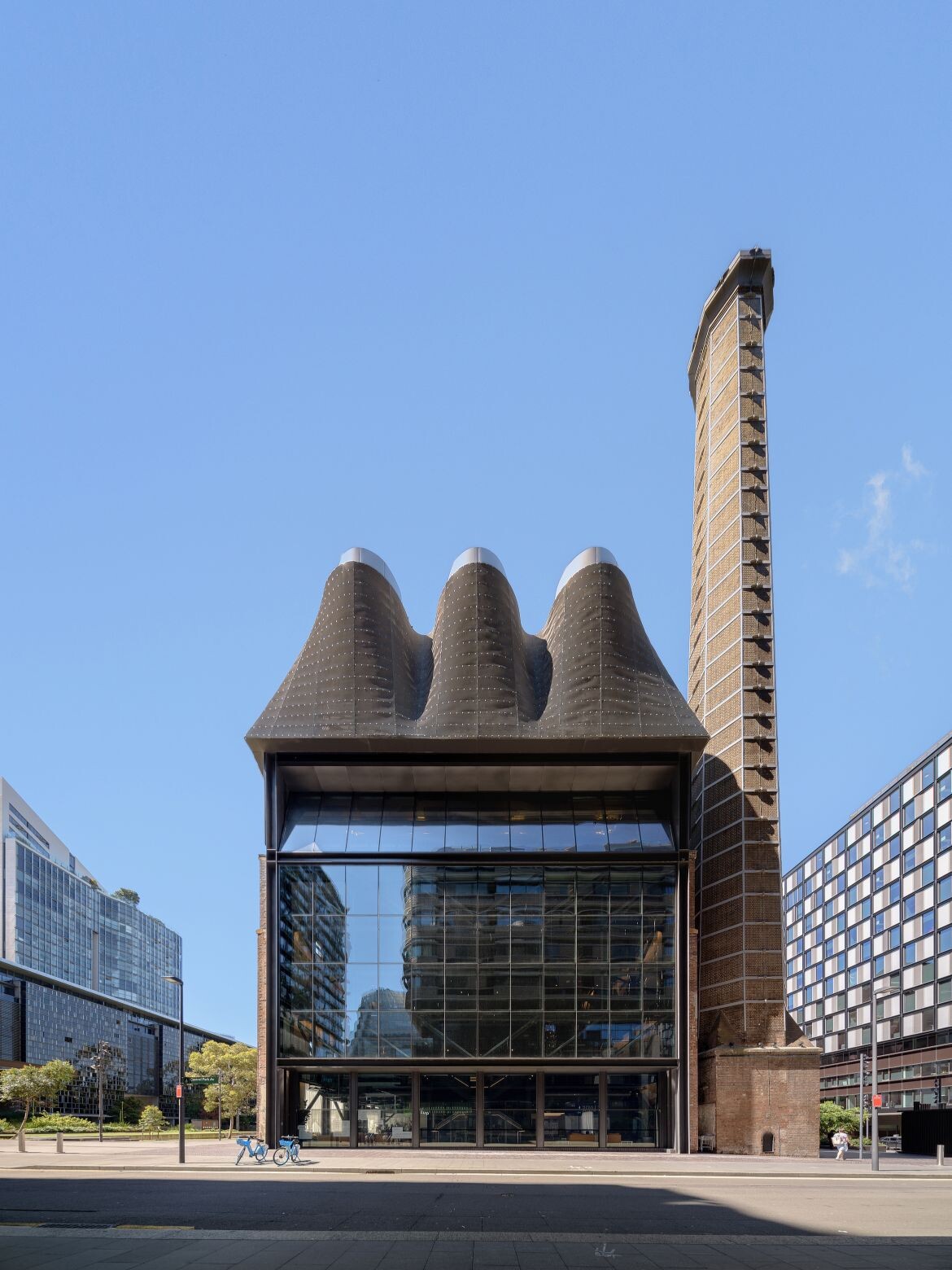
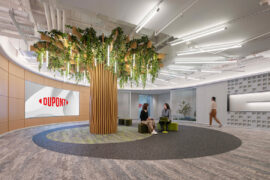
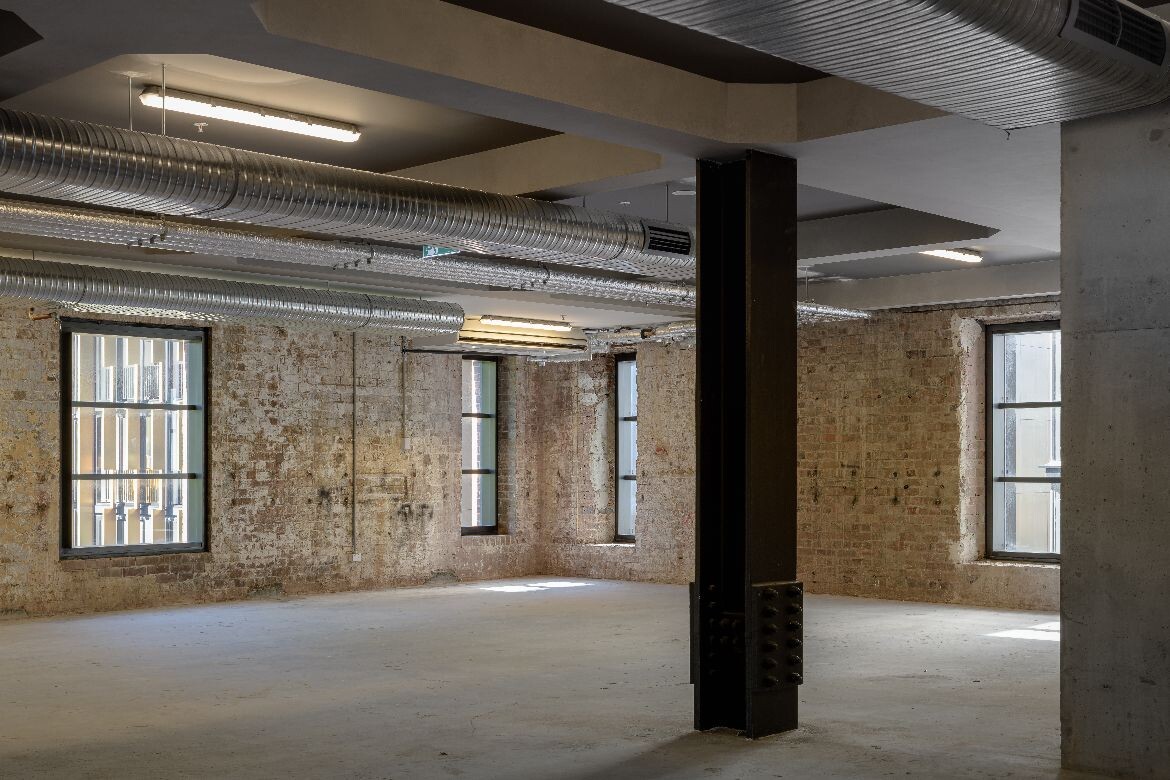
The more recent completion of The Brewery brings commercial office space to the site, as well as some retail and hospitality offerings. “As a workplace environment, I would say that it’s really full of character,” notes Alec. “Overall, I think the building is an example of what you can do with the adaptive reuse of a very robust [industrial site].”
Related: Adaptive reuse with Lockhart-Krause Architects
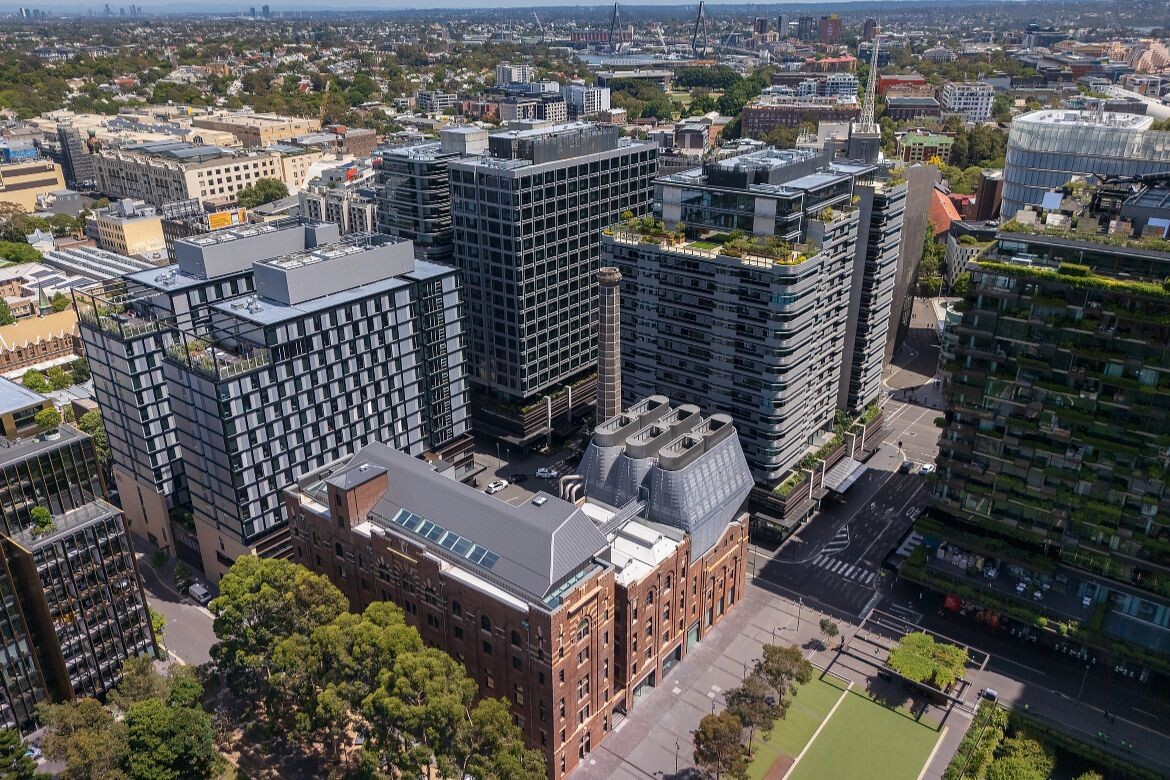
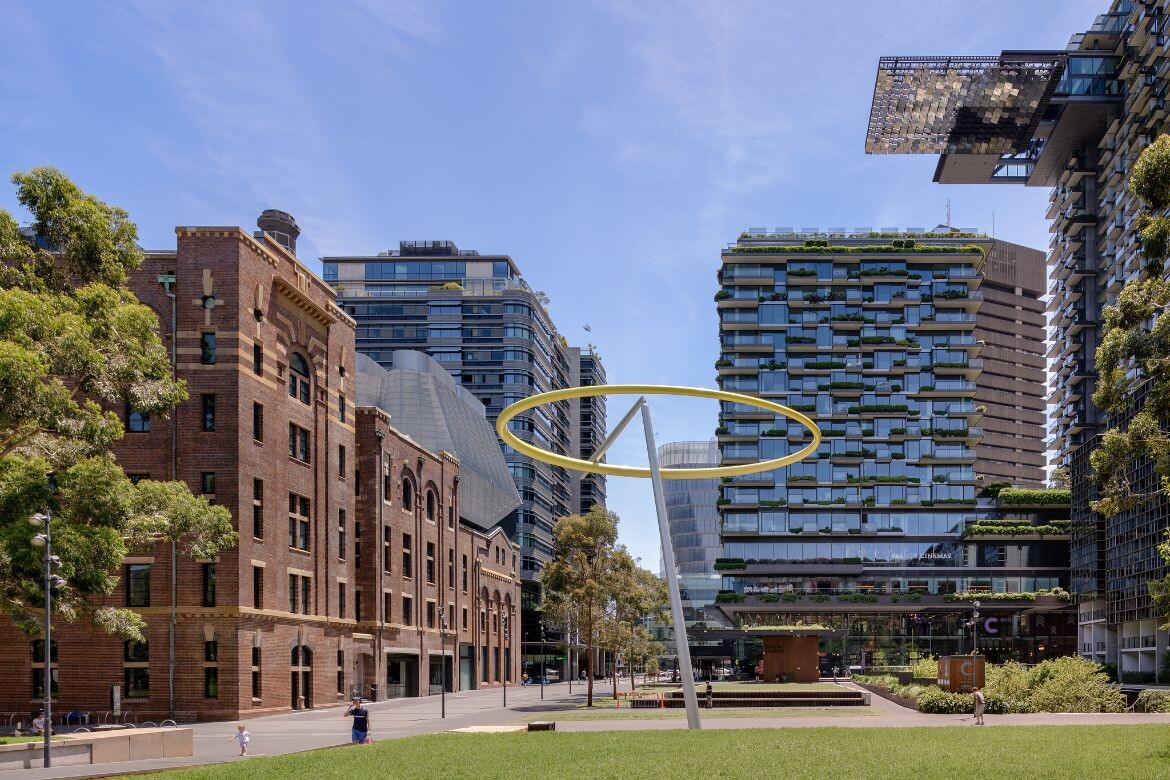
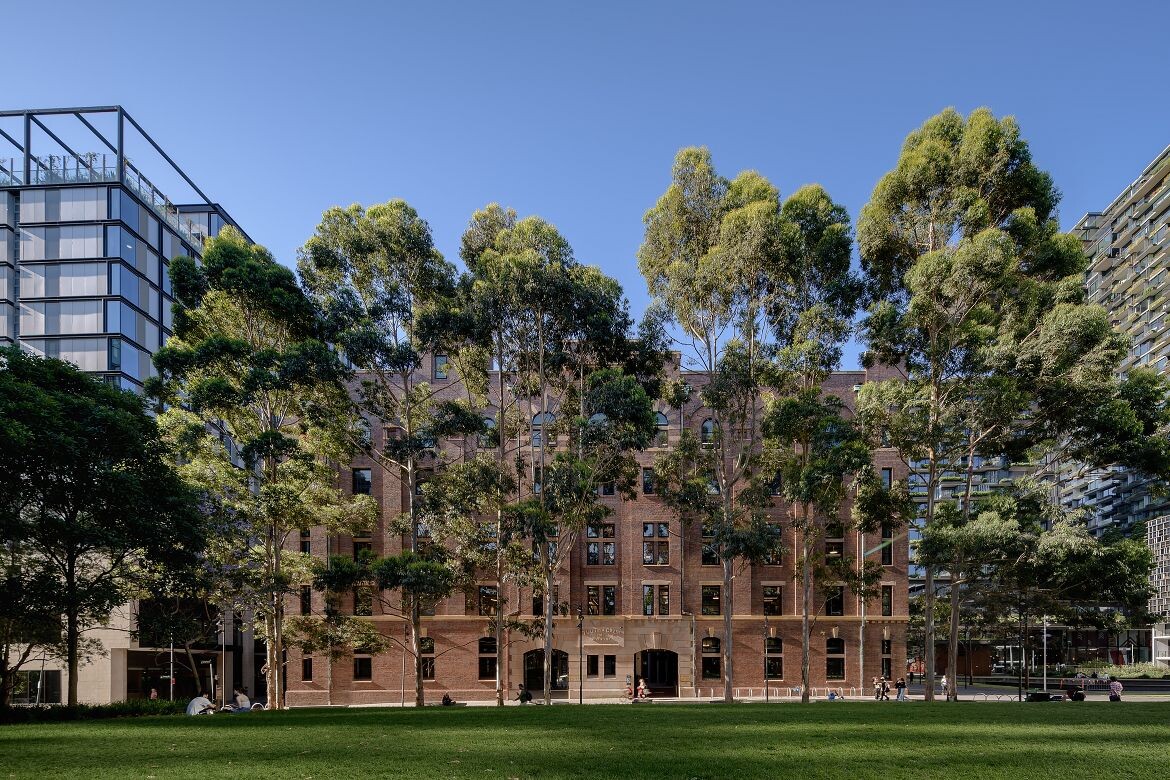
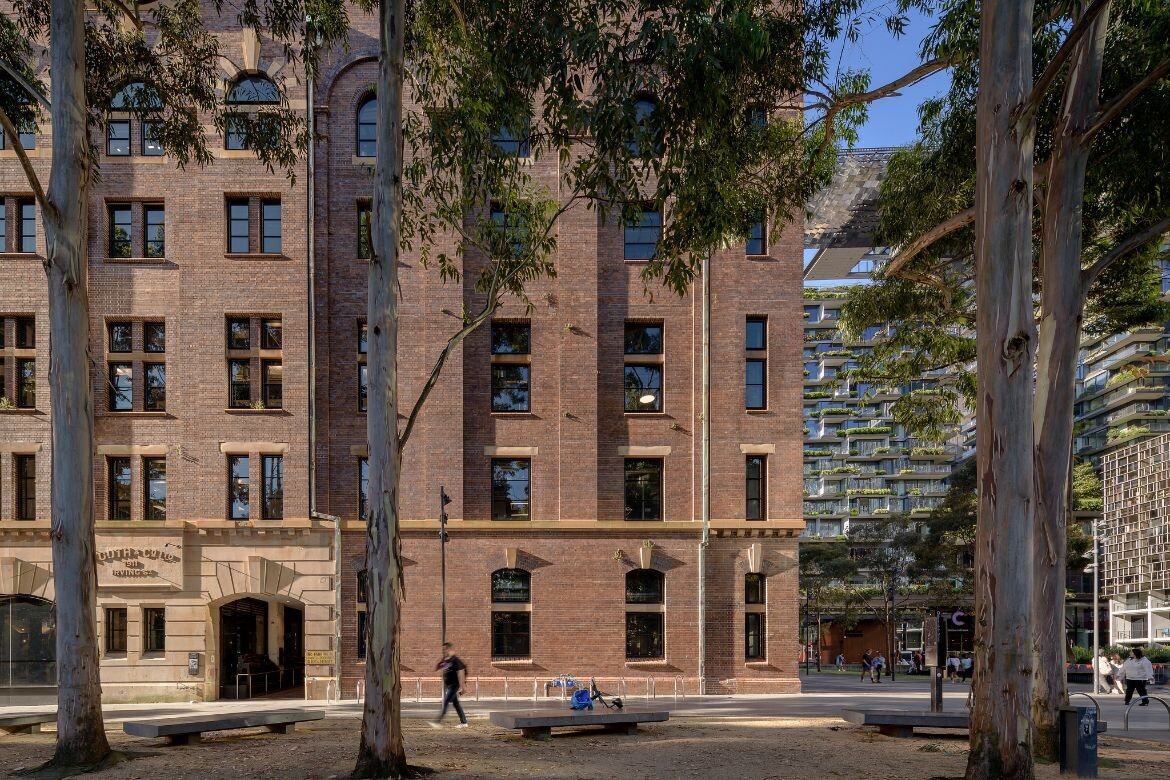
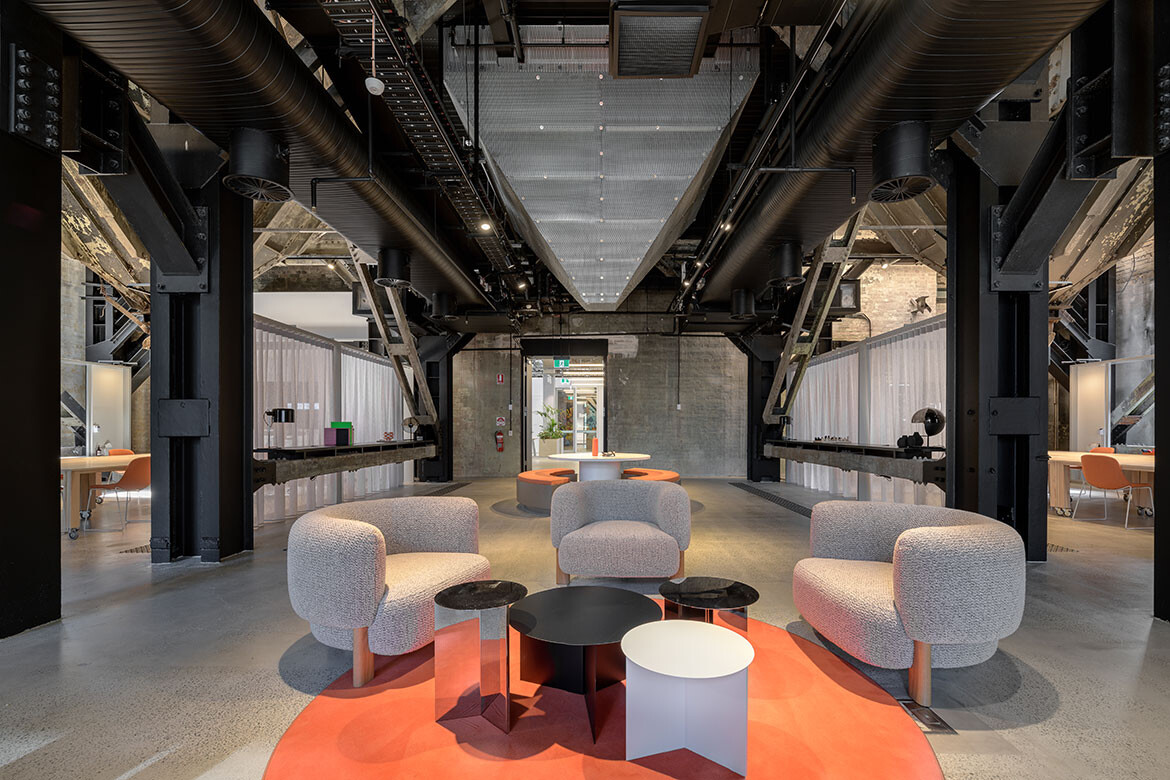
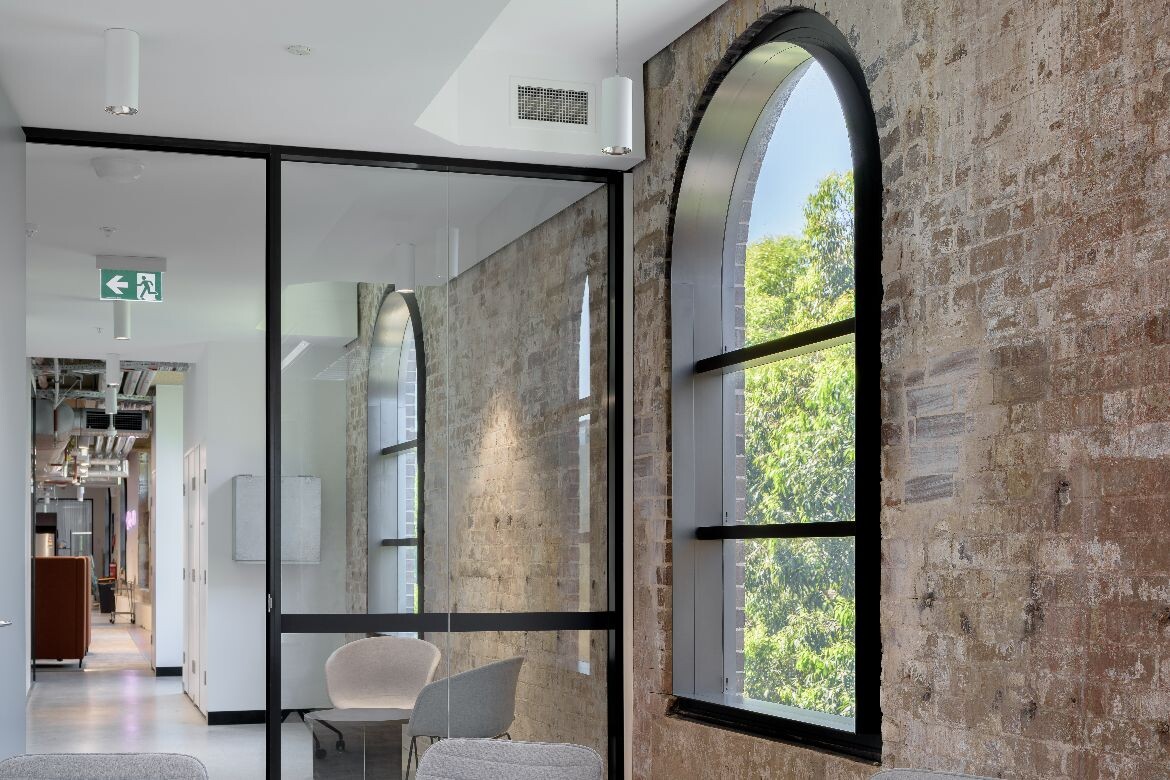
The contemporary detailing is described by Alec as “industry-sensitive,” in the sense of maintaining a dialogue with the industrial heritage of the site. “There are the zinc meshes, the steel, the stairs, the big clips holding things together,” he says, while the emphasis on façade regenerating has made use of glass and steel in contrast with the historic brickwork and sandstone. “It was definitely exciting to have the freedom to be bold with the way we did the new elements,” he adds.
The Brewery – indeed, Brewery Yard as a whole, the wider site integrating six buildings – raises fascinating questions about adaptive reuse and heritage design interventions. Tzannes has taken a clear stance in asserting the value of contemporary design as something that can complement and elevate existing heritage fabric. Perhaps it’s best understood by way of contrast with the opposite approach, whereby anything old is mindlessly valued for its own sake, leading to a stifling, deadening, Disneyfied engagement with heritage. Instead, The Brewery evokes a strong sense of contemporary dynamism and daring alongside a sensitive respect for the past – as well, of course, as meeting modern functional needs. When it comes to adaptive reuse, imitation is simply not the highest form of flattery.
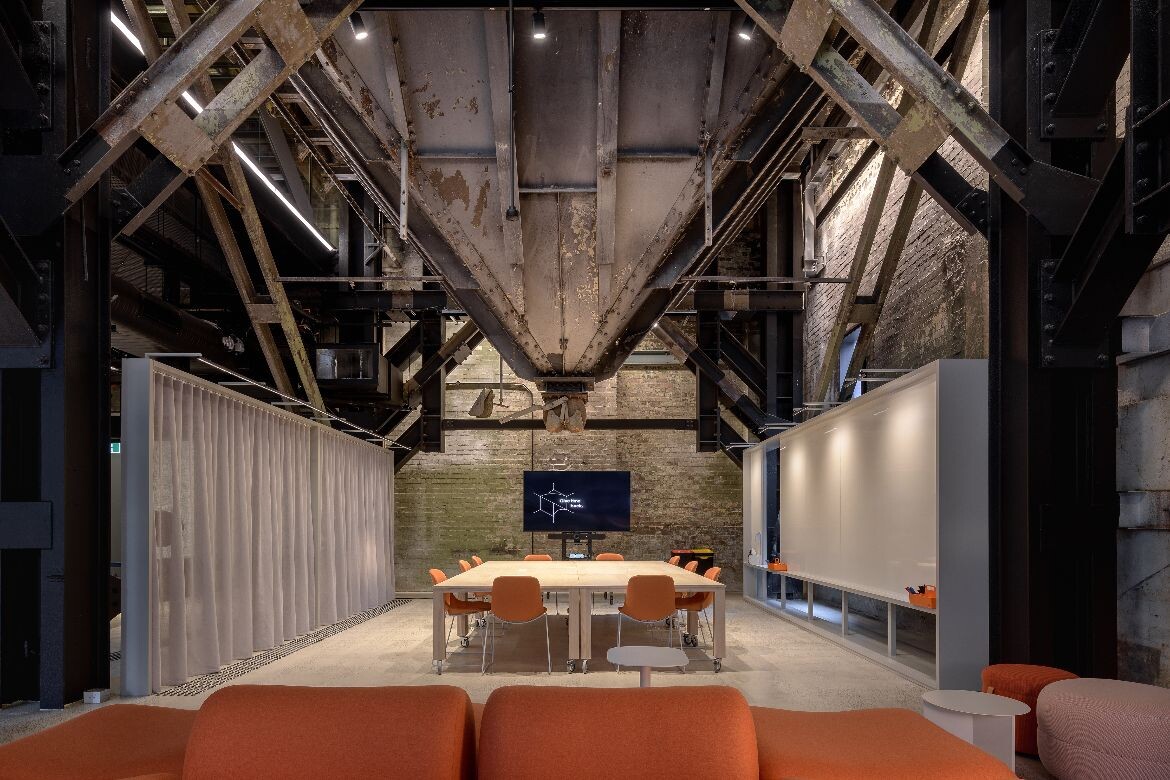
“The public can now engage with one of Sydney’s most historic places in a way that’s never been possible before,” says Tzannes Associate Director, Yi-han Cao. “Buildings like The Brewery don’t just age, they accumulate a story and cultural value that are irreplaceable. The design brings the building back to life for the public… the adaptive reuse provides both a respectful nod to its heritage and a functional, versatile space that meets today’s needs.”
One of the key design moves has been the retention and repurposing of the original hoppers, while, more generally, much of the adaptive reuse work aims to improve spaces with increased light, visibility and openness. Alongside visually striking aspects such as the façade, Tzannes has also been careful to factor in considerations such as overshadowing and public accessibility.
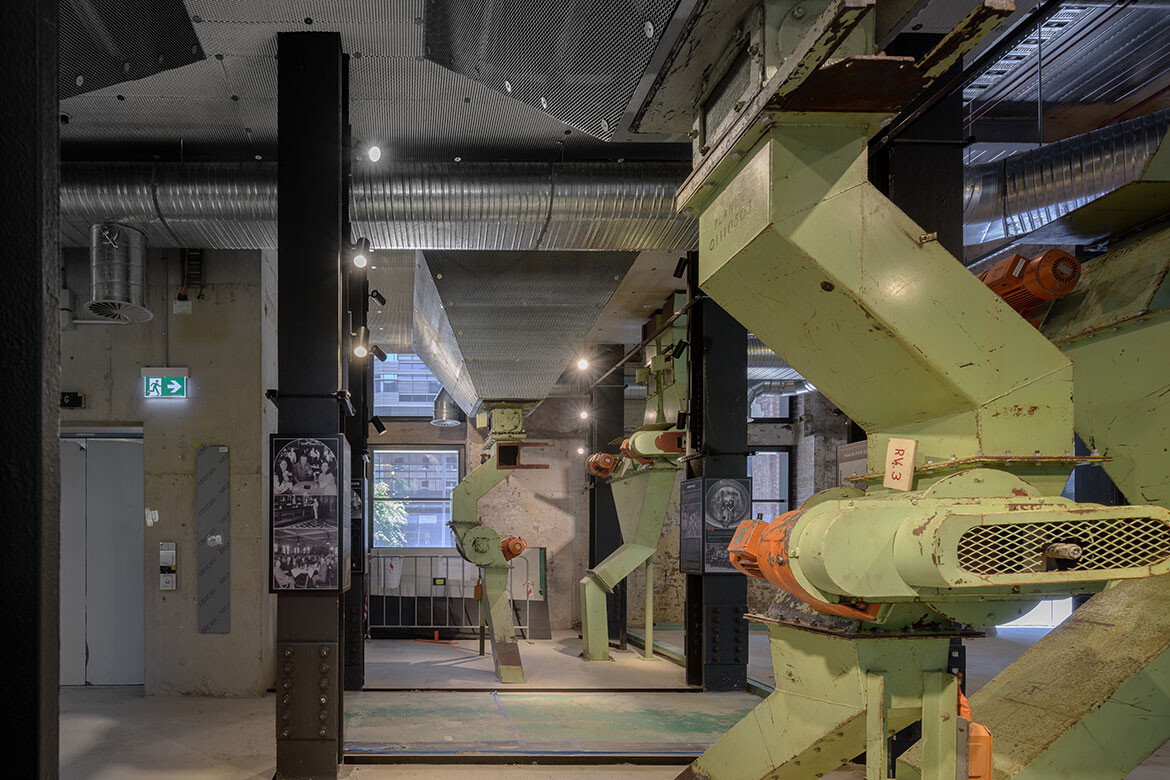
Having already been recognised in UNESCO’s Asia-Pacific Awards for Cultural Heritage Conservation as “a prototype for repurposing industrial heritage in a sustainable, forward-looking manner,” this is a project of great significance for Sydney, Australia and beyond. The Brewery’s layers of history are richly present for all who care to read them.
Architecture
Tzannes
The Studio Collaborative (Interiors)
thestudiocollaborative.com
Block (Tenant)
block.xyz
Photography
The Guthrie Project
Read about the Aga Khan Award for Architecture 2025 winners here
INDESIGN is on instagram
Follow @indesignlive
A searchable and comprehensive guide for specifying leading products and their suppliers
Keep up to date with the latest and greatest from our industry BFF's!
The internet never sleeps! Here's the stuff you might have missed