The home of architecture and design in the Asia-Pacific
Get the latest design news direct to your inbox!

Get the latest design news direct to your inbox!
It is a fusion of architecture and ability – it embraces and caters to the need for modern architecture to be accessible to all.
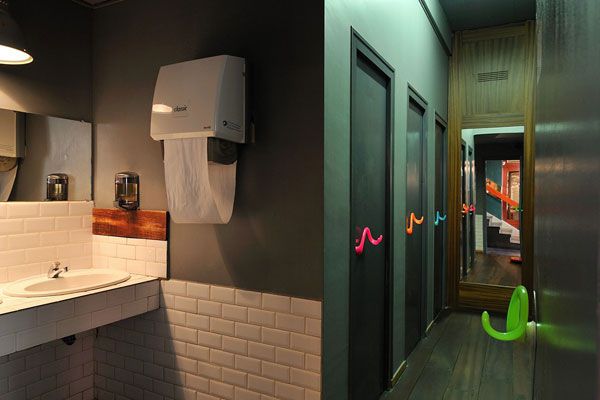
March 3rd, 2015
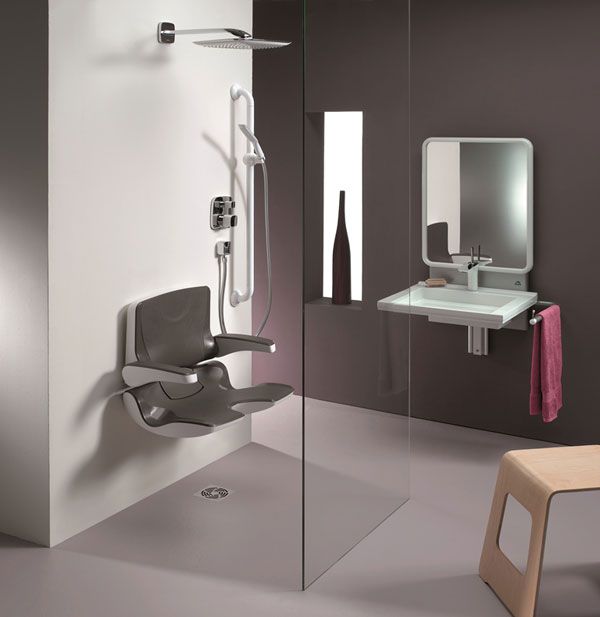
Archability™ was founded in 2014 as an extension of the architectural planning division of Active Mobility – established in 1995. The brainchild of our trainee in-house access consultant, it offers architects a portal of fittings, fixtures and equipment for healthcare projects including aged care and supported housing.
Archability™ seeks to create functional, ergonomic facilities without compromising elements of design that are important to architecture – it is about creating ‘homes’ not ‘hospitals’. It is a consultative solutions-based approach to achieving clinical outcomes without a clinical appearance.
Archability™ offers products of elegant form and excellent function in the following categories:
• Track mounted patient lifting hoists – specialising in concealed or partially concealed systems
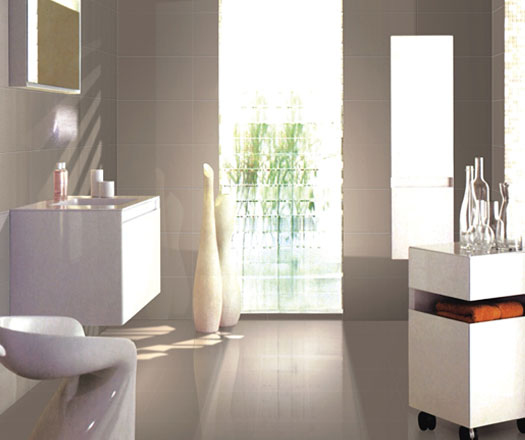
• Accessible bathroom fittings – including grab rails and shower seats by EDDS and Philippe Moine for French manufacturer Pellet A.S.C
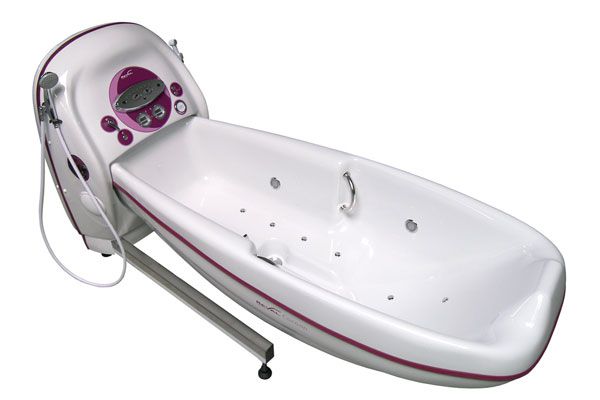
• Adjustable bathing systems – six options from France-Reval with features such as hydrotherapy, aromatherapy, chromotherapy and music therapy
• Accessible change room fixtures – with particular emphasis on the promotion of creating Changing Places for enhanced public accessibility for the disabled
• Swimming pool access – both in the private and public domain
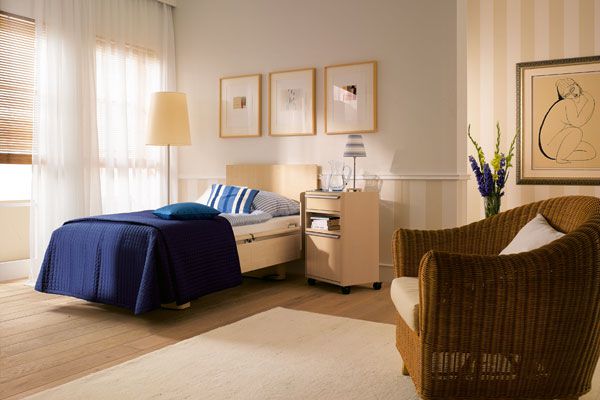
• Bedroom furnishings – including planning assistance by award winning German specialists Wissner-Bosserhoff
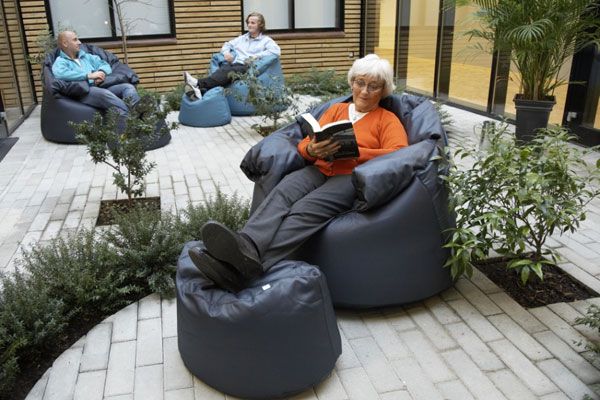
• Sensory room furnishings – featuring the unique SenSit by Susanne Grønlund
• System Ulna hands-free door hardware– for the ultimate in hygiene and universal accessibility
Active Mobility
activemobility.com.au
INDESIGN is on instagram
Follow @indesignlive
A searchable and comprehensive guide for specifying leading products and their suppliers
Keep up to date with the latest and greatest from our industry BFF's!
The internet never sleeps! Here's the stuff you might have missed