The home of architecture and design in the Asia-Pacific
Get the latest design news direct to your inbox!

Get the latest design news direct to your inbox!
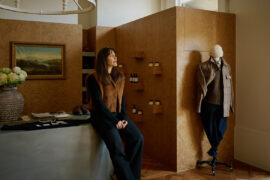
Karen Alcock, principal, visionary, pragmatic. By heading MAArchitects, the practice has made a name in delivering conscious and quality-driven projects to Melbourne’s cityscape.

Karen Alcock, director of MAArchitects, photography courtesy of MAArchitects.
October 6th, 2022
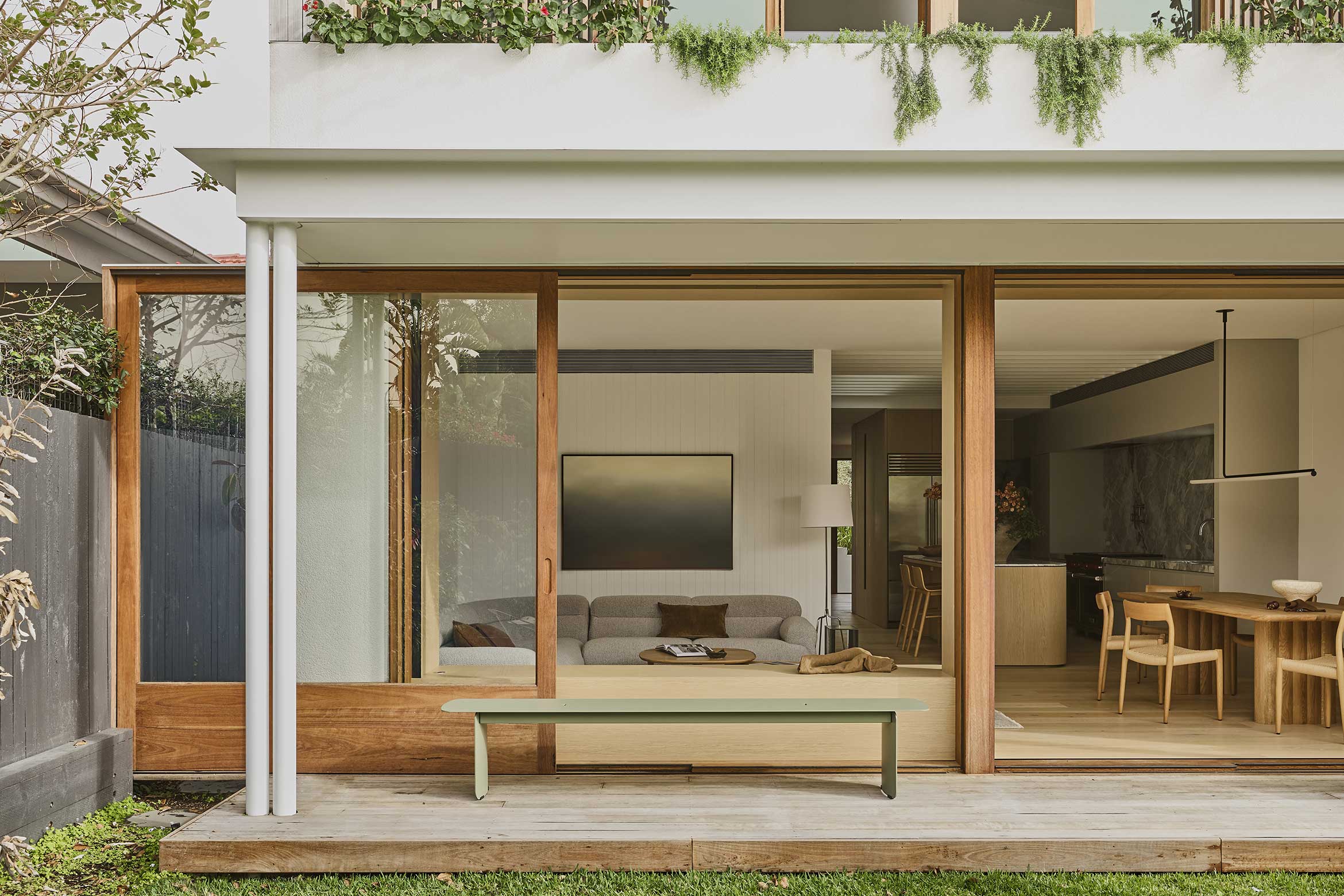
In conversation with Karen Alcock, principal of MAArchitects, she summed up the practice in three simple words ‘big little practice’. The small team of ten people at MAArchitects punches above its weight, producing a varied portfolio ranging from single dwelling houses, multi-residential apartments, and low-rise commercial buildings.
The practice’s accomplishments stand tall against a field of larger firms, which can be attributed to the skills and experience Alcock brings to her tight-knit team of few, but phenomenal, professionals.

“We are a practice built on relationships, and we care about what we do,” Alcock says, and this is evident in the work they produce. “Working with my staff on something together, there is a real excitement to thinking ‘that looks great’.”
Of course, a building that looks great has gone through a layered and storied process to arrive at its final outcome. MAArchitects hopes to build on both these seen and unseen aspects by adopting two simple tenets; to create good work and to mentor good architects.

Alcock has been in the industry for just shy of 30 years, including six years as the director of Neometro Architects and founding director of MAArchitects. In essence, Alcock has been an intrinsic part of the growth of Melbourne’s cityscape, contributing to it the robust multi-residential Harper Lane, George Corner and Nine Smith Street; and Luxe in St Kilda, which comprises of retail, commercial and residential spaces.
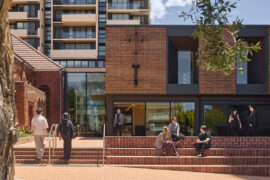
One of MAArchitects’ more recent offerings is Wangaratta Street. A shortlisted applicant for The INDE.Awards Building which now houses their office with some stellar views and even more stellar architecture.
Related: Bates Smart designs Hub Australia’s newest co-working space

The project reflects the practice, embodying the surrounding built environment with its unique architecture. As we stated on Wangaratta Street’s shortlisted success, stating, “Incorporating a complexity of intents manifested through robust yet refined aesthetic values and pragmatics, Wangaratta Street fosters holistic workplace practices.”
This project shows the underlying ethos of Alcock and her team: one that is understanding the language (and also the limitations) a city presents.
“There’s something nice about understanding how one particular city works, as in Melbourne, and building on that experience to shift the city, develop the city, contribute to the city. That’s something that we’re focused on,” she elaborates.

A focal part of Alcock’s practice is understanding the minute details of different styles and forms that architecture takes across the globe, stemming from her travels here and worldwide.
With Melbourne, it can be hard to replicate specific architectural trends due to different materials, practices and expectations than are found overseas. But where there is a lack of resources, Alcock and her team make up for it with simple, unbridled passion.
“I love architecture because you can do everything. One minute I’m drawing, the next I’m on-site with the trades, the next minute, I’m running around the finished project, and you get that personal approach.” It is this attitude that gives Melbourne its iconic personality.

Alcock has another succinct description of her studio, “We’re aspirational realists.” And aspirational realism takes root in all of her work. Practical yet passionate. Efficient yet bold. Big yet little. “It’s that idea of collaboration, of being small, of being hands-on, and we call ourselves a big little practice because we can do these bigger projects. But there is that intimacy and personal approach to being a smaller practice.”
MAArchitects
maarchitects.com.au
Photography
Derek Swalwell
We think you might like this article about Remodern, the design studio with experimental visions.
INDESIGN is on instagram
Follow @indesignlive
A searchable and comprehensive guide for specifying leading products and their suppliers
Keep up to date with the latest and greatest from our industry BFF's!
The internet never sleeps! Here's the stuff you might have missed