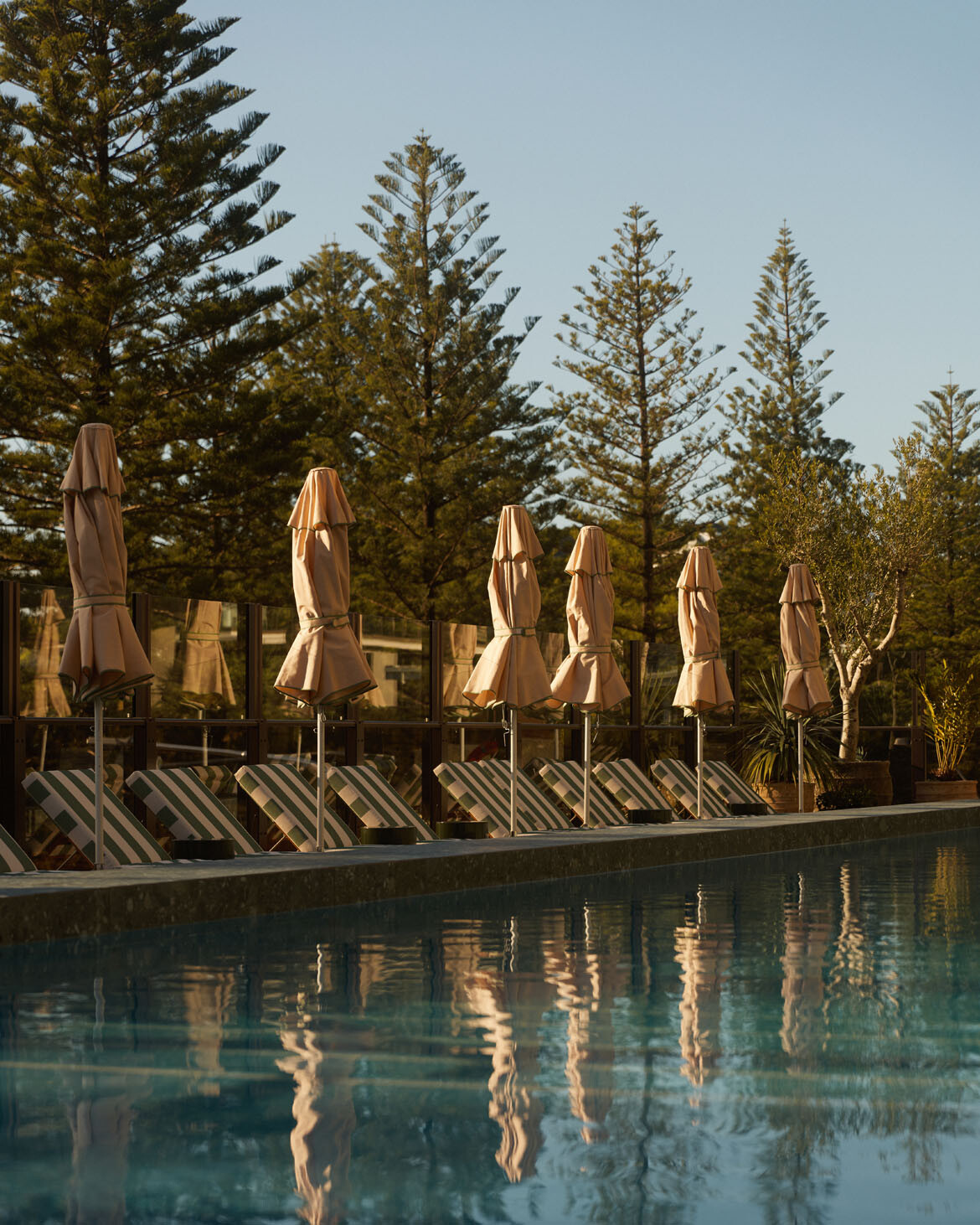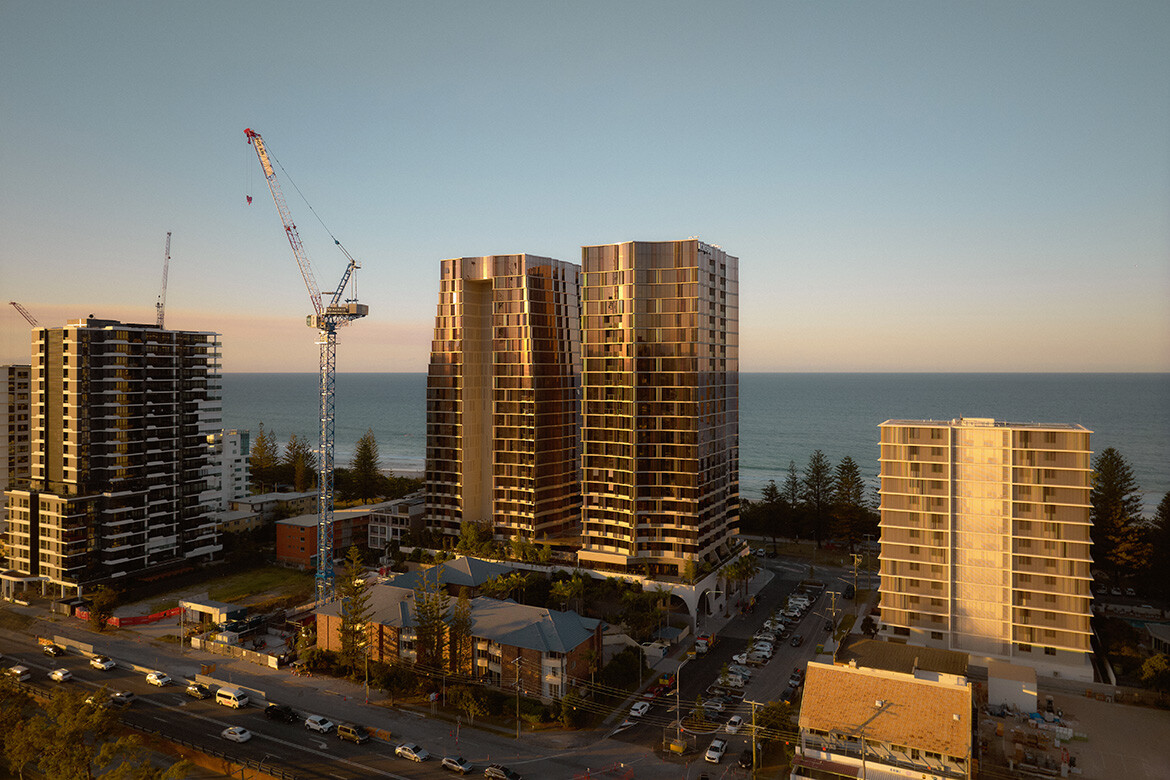
From Studio 54 to the birth of the boutique hotel, Schrager’s legacy lies in creating places that feel social, immersive and alive. With Mondrian Gold Coast, that philosophy arrives in Australia, translated through the coastal sensibility of Burleigh Heads by Fraser & Partners and developer Vitale Group.
Rather than leaning into the polished excess often associated with luxury on the Gold Coast, the project proposes a quieter, more tactile idea of indulgence. The architects describe it as “barefoot luxury” — an approach grounded in material honesty and a close relationship with landscape.
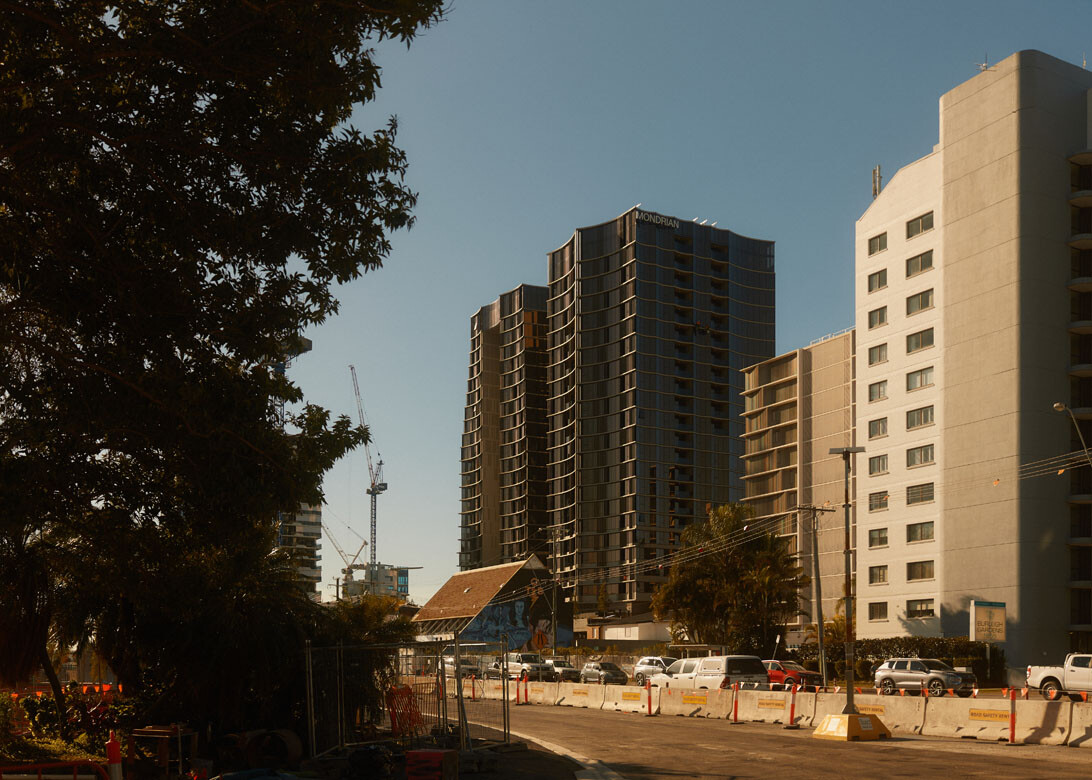
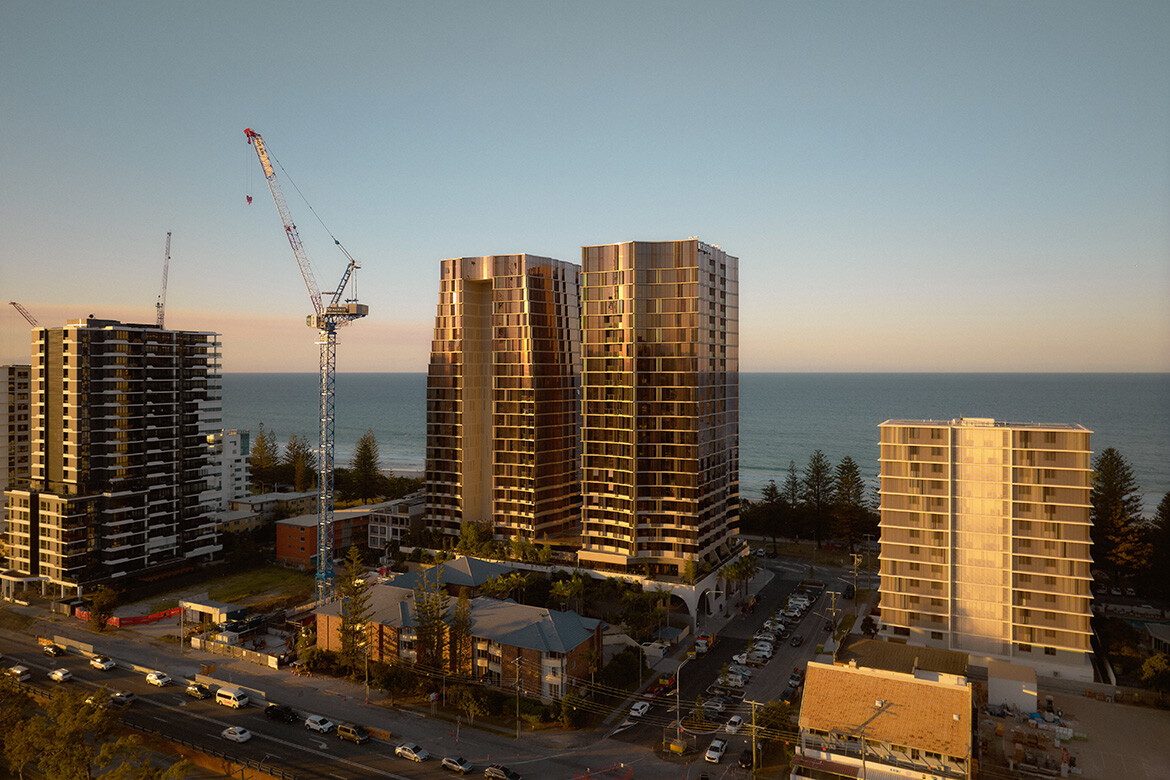
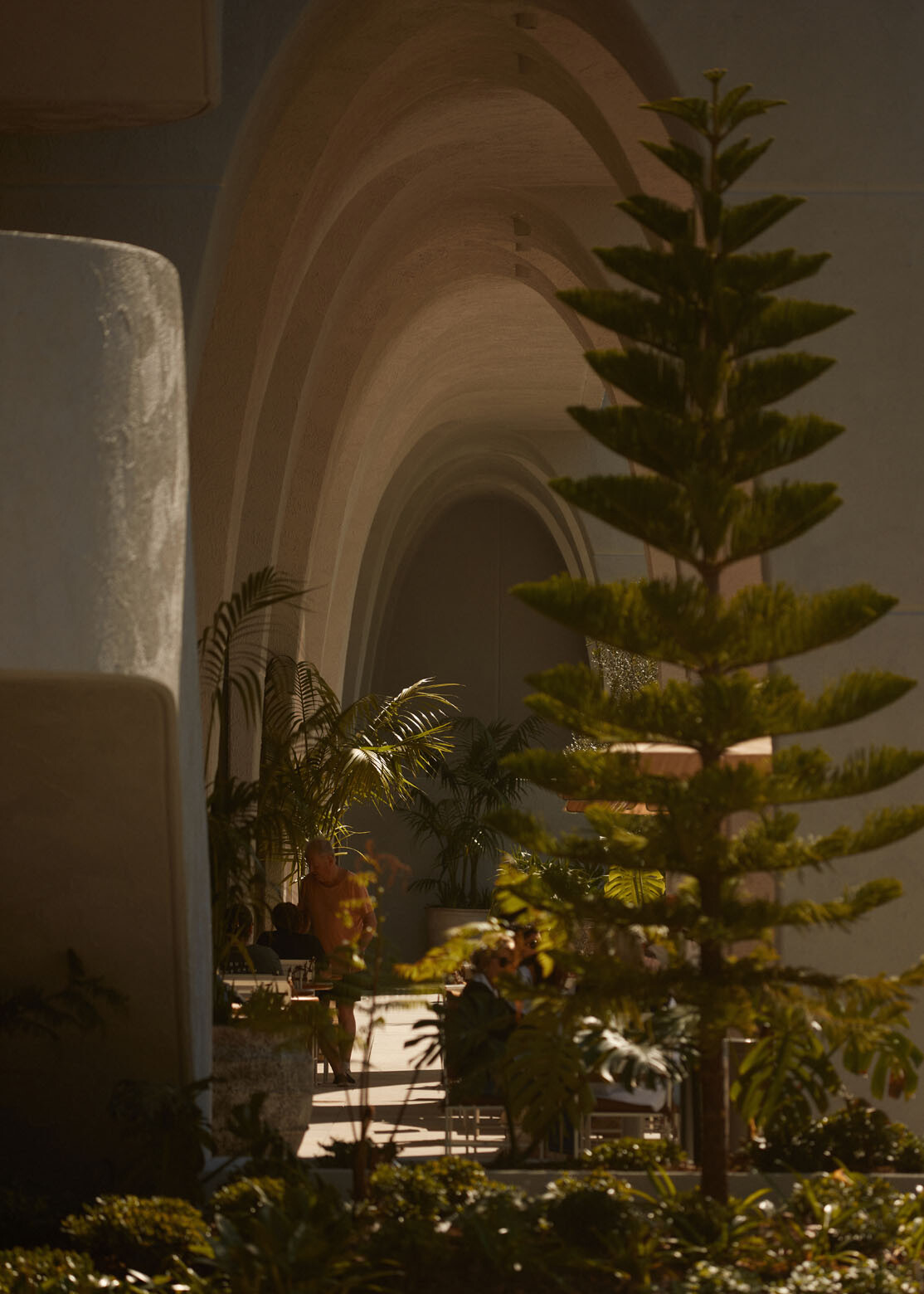
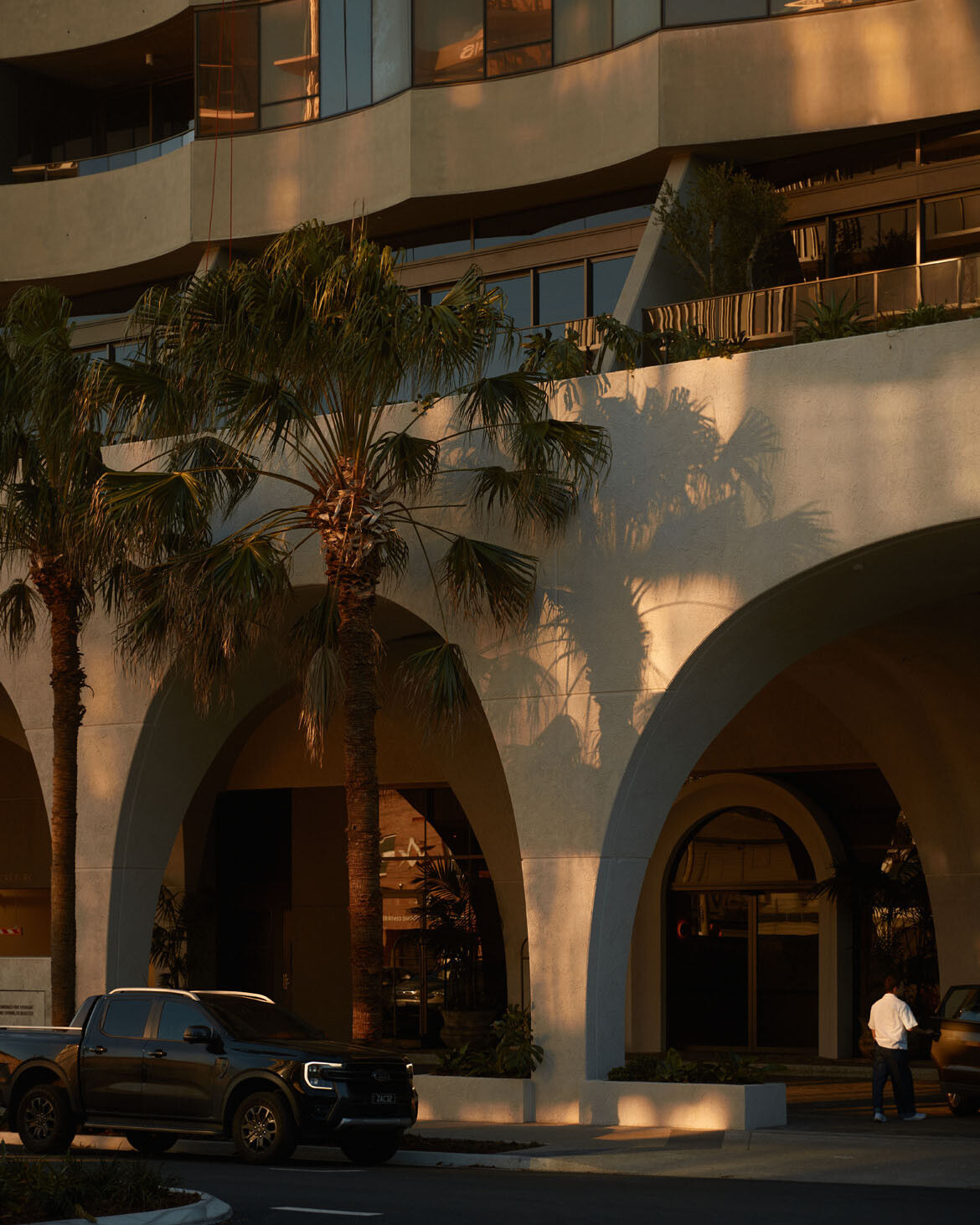
Set just steps from the sand, the development comprises two sculptural towers rising from a porous, low-scale podium. The building resists the idea of the sealed resort, instead positioning itself as part of Burleigh’s everyday life. Hospitality venues open toward the street, movement flows through the site, and the line between guest and local is deliberately blurred.
Callum Fraser, Founder of Fraser & Partners, explains that Vitale Group’s ambition was never simply to create a hotel. The goal, he says, was “a place that wouldn’t just function as a high-value property investment but one that lives and breathes, engaging with its surroundings, evolving with its community, and ultimately becoming a loved landmark.”
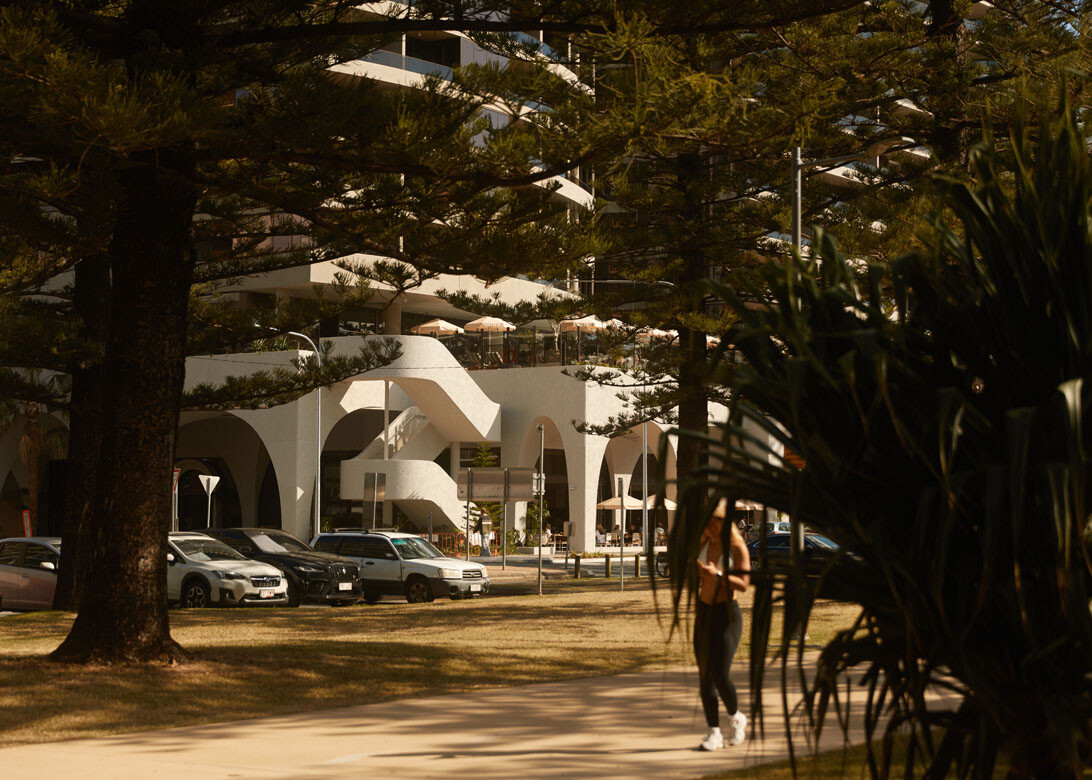
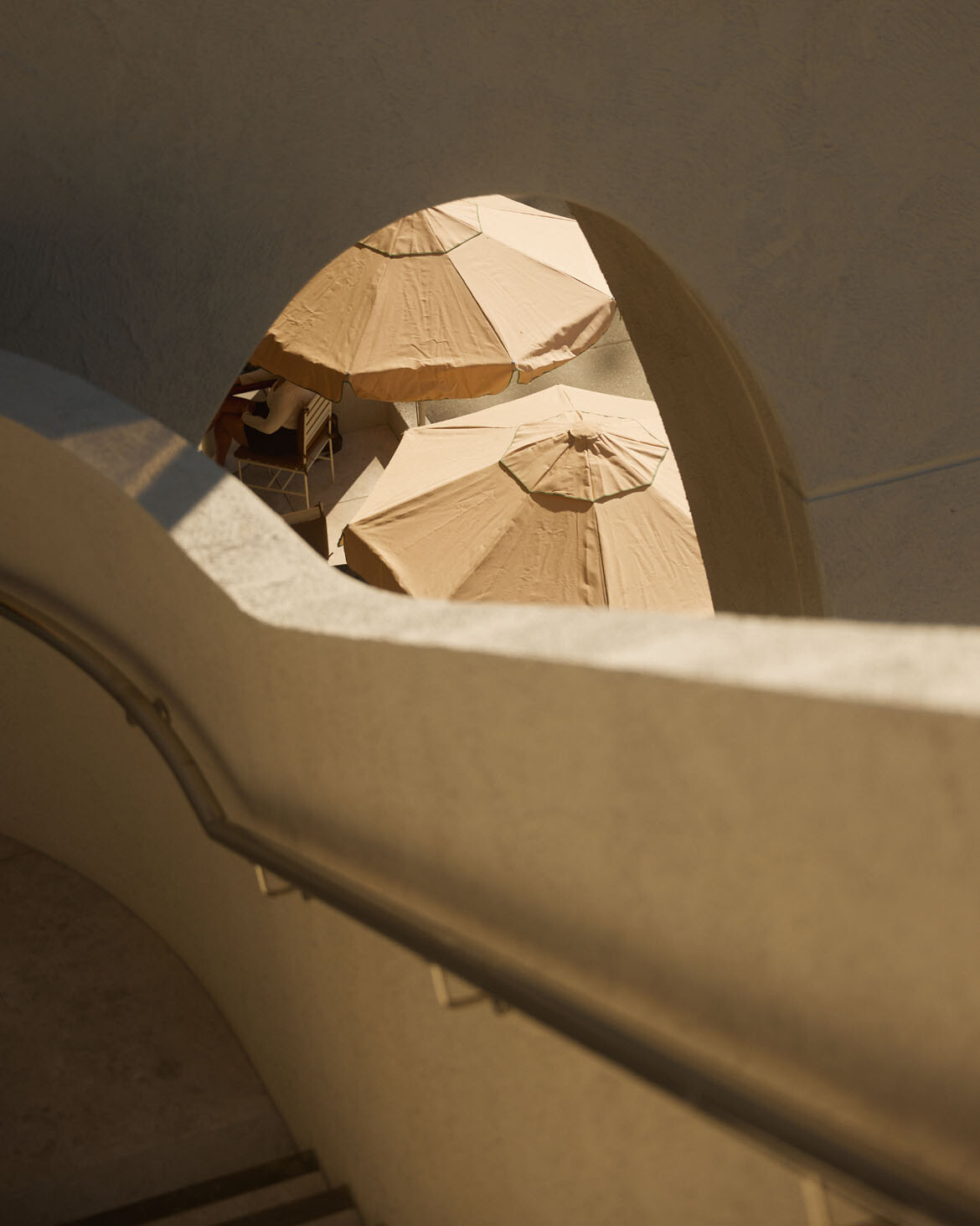
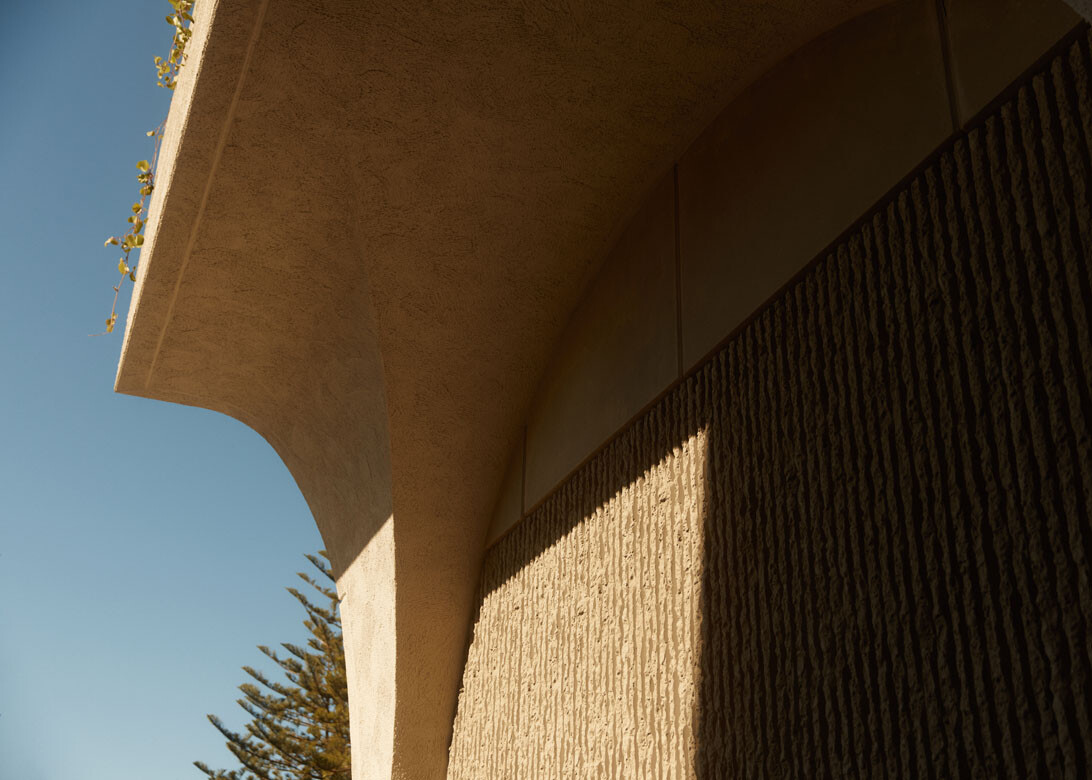
The podium is central to this idea. Sculpted to echo weathered coastal rock formations, it is intentionally porous, allowing air, light and people to move through it. Restaurants, cafés and the Grand Ballroom are positioned at street level, activating the public realm rather than retreating from it.
“Most hotels treat their ballrooms as background spaces, tucked away in basements or hidden on upper floors,” Fraser says. “By placing the Grand Ballroom at ground level, we created an opportunity for the venue to feel more engaged with the community, rather than being isolated from it.”
Related: Plus Studio completes nine-year vision for South Melbourne
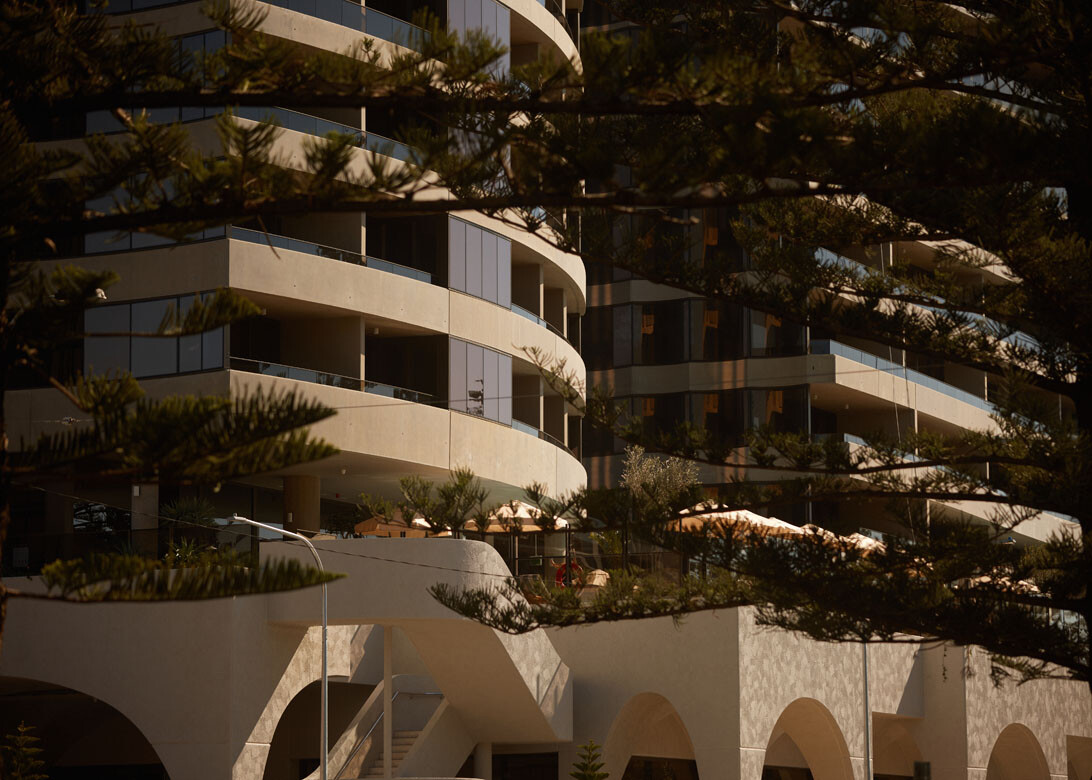
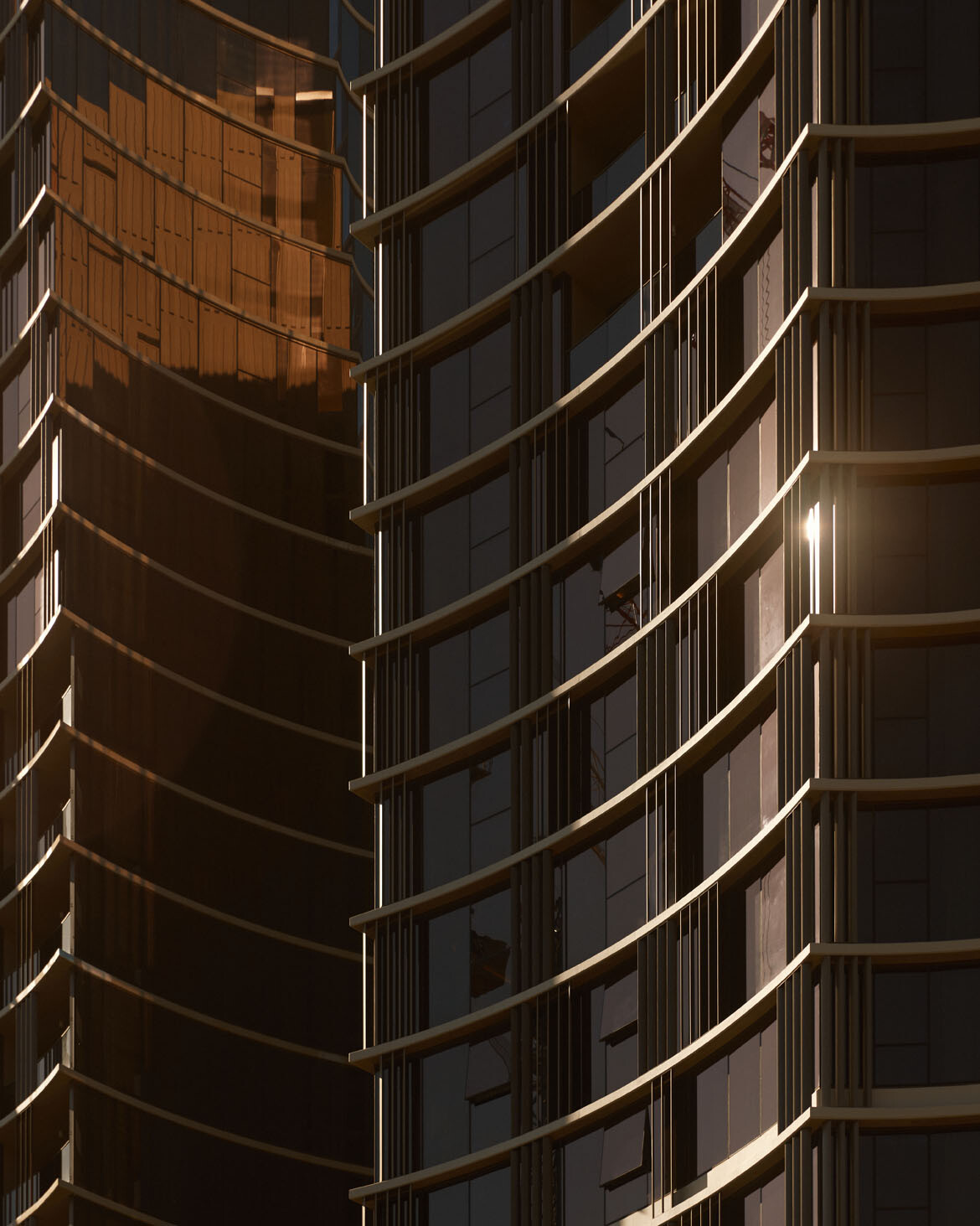
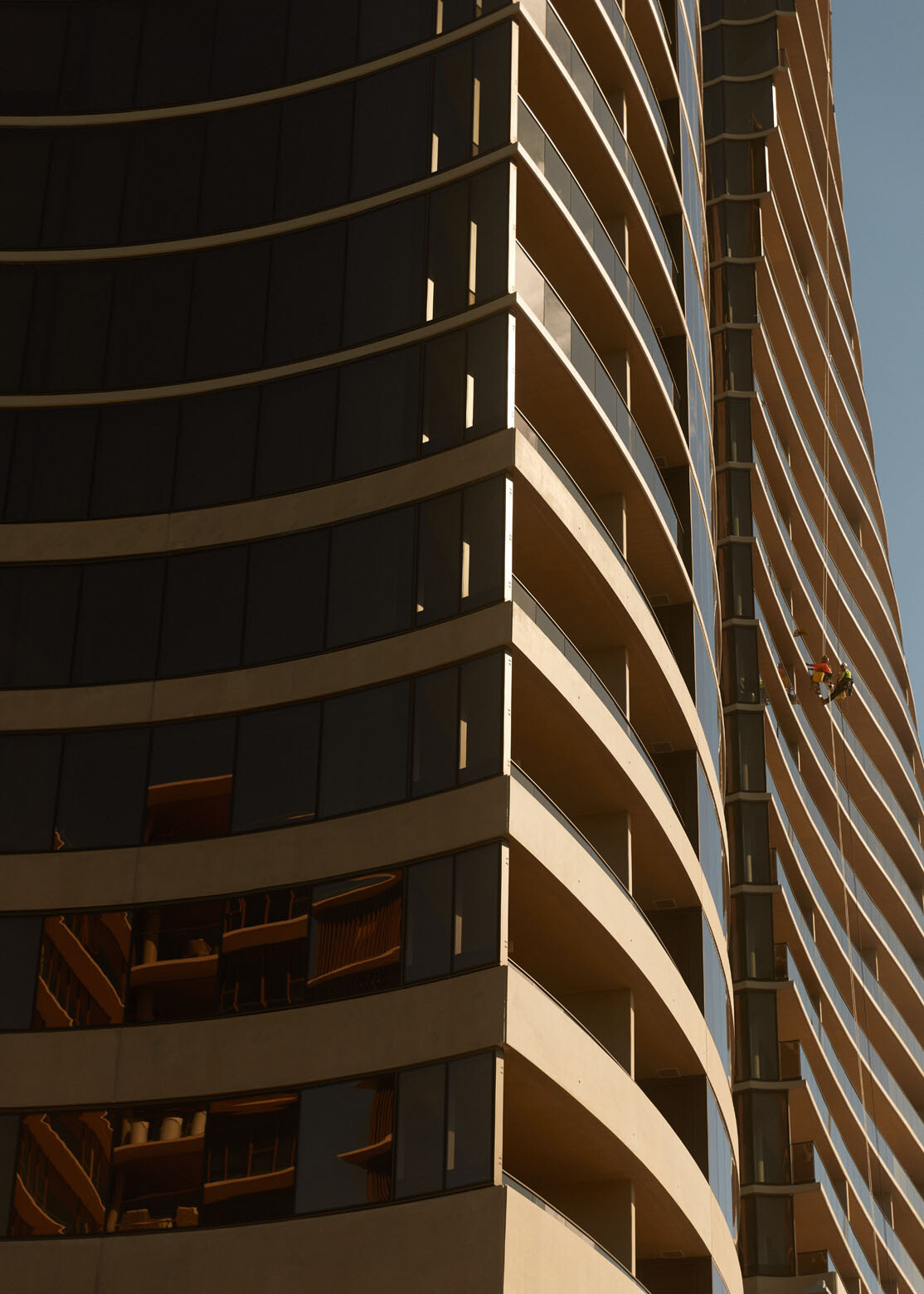
Above, the towers adopt fluid, undulating forms that respond to wind, light and views. Generous cantilevered balconies extend the living spaces outward, reinforcing the project’s emphasis on indoor-outdoor living. Despite their height, the buildings feel shaped by the same forces that define the coastline rather than imposed upon it.
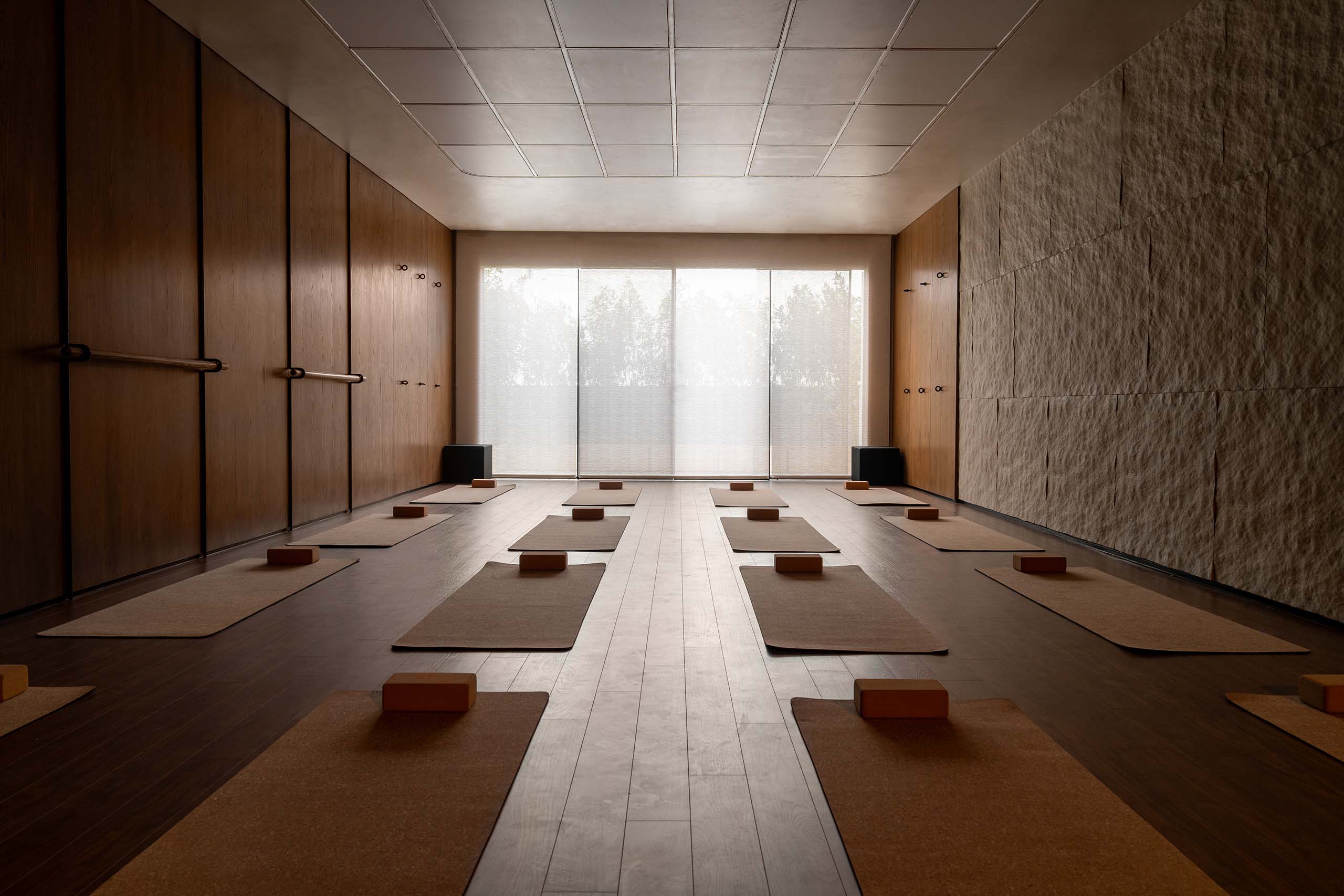
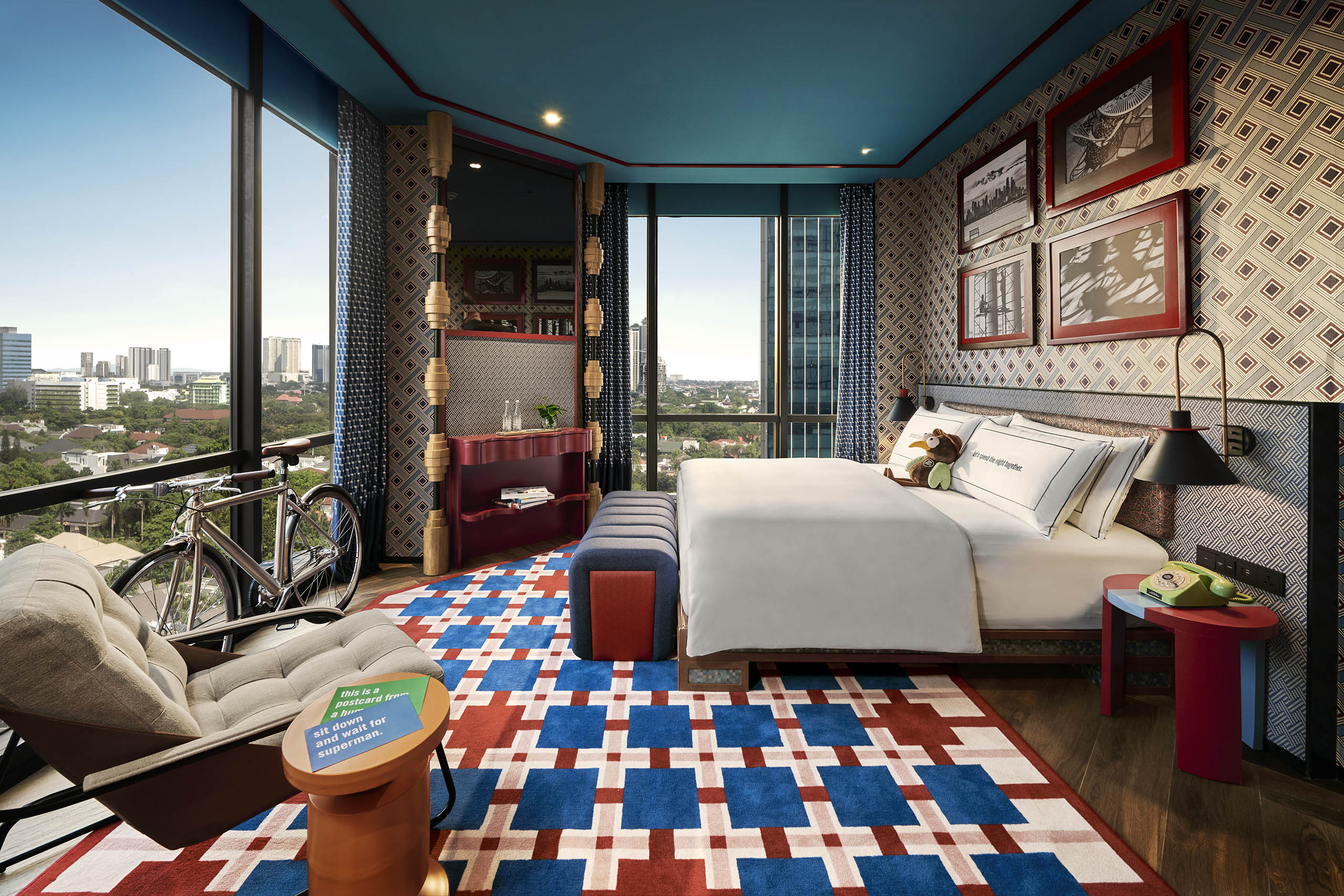
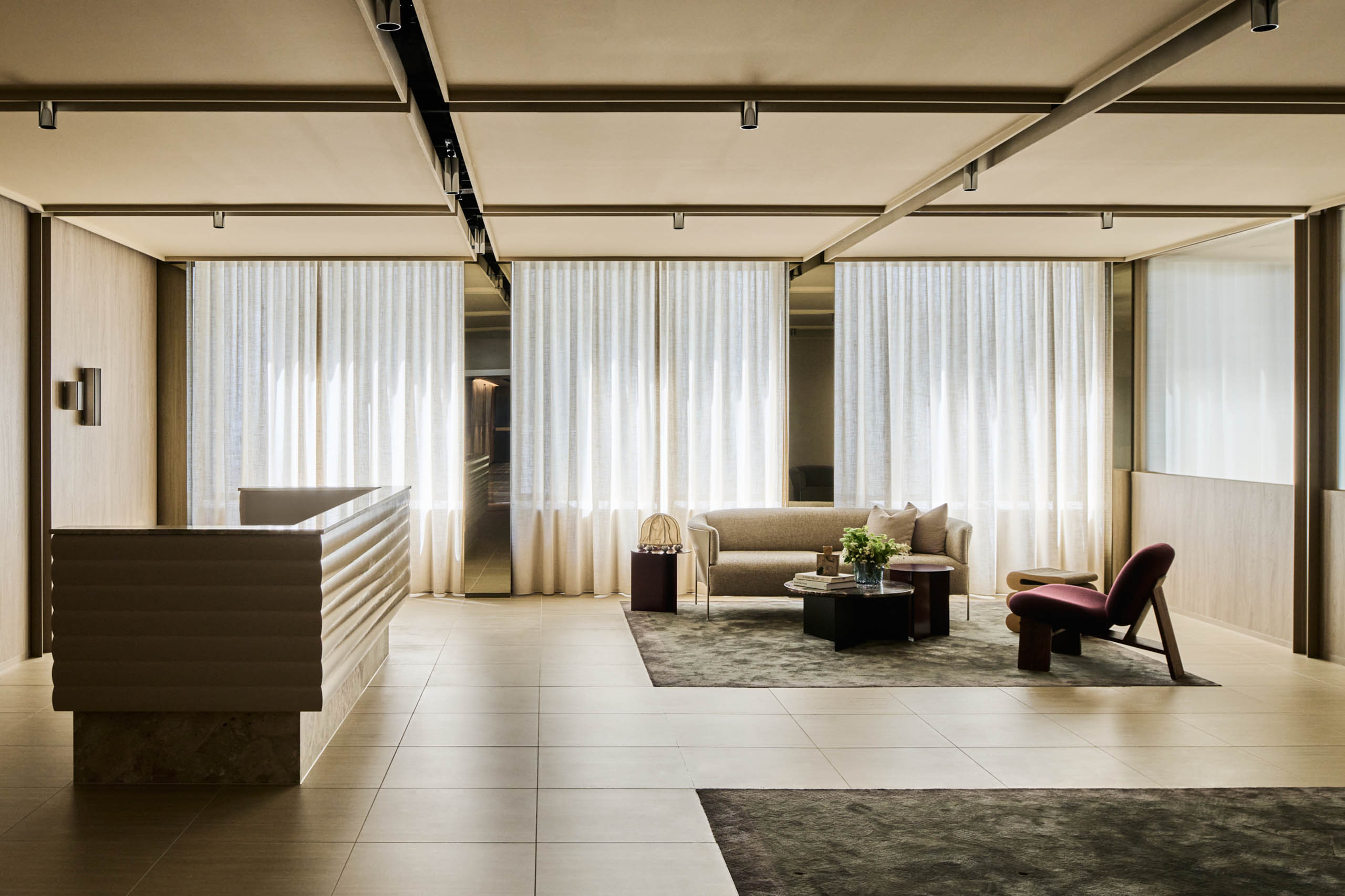
Interiors by Studio Carter soften the architecture’s sculptural gestures with what Fraser describes as “lived-in luxury.” Materials are layered and tactile, creating spaces that feel familiar rather than pristine, refined without feeling precious. The intention is comfort and longevity.
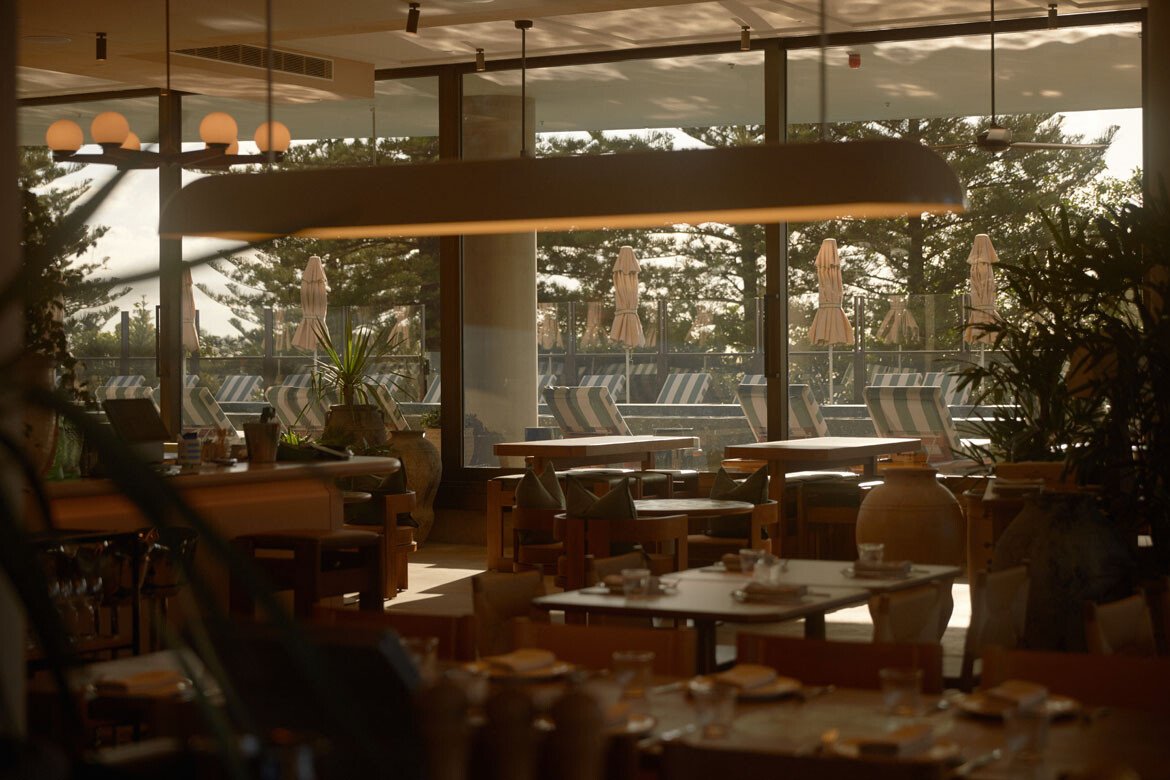
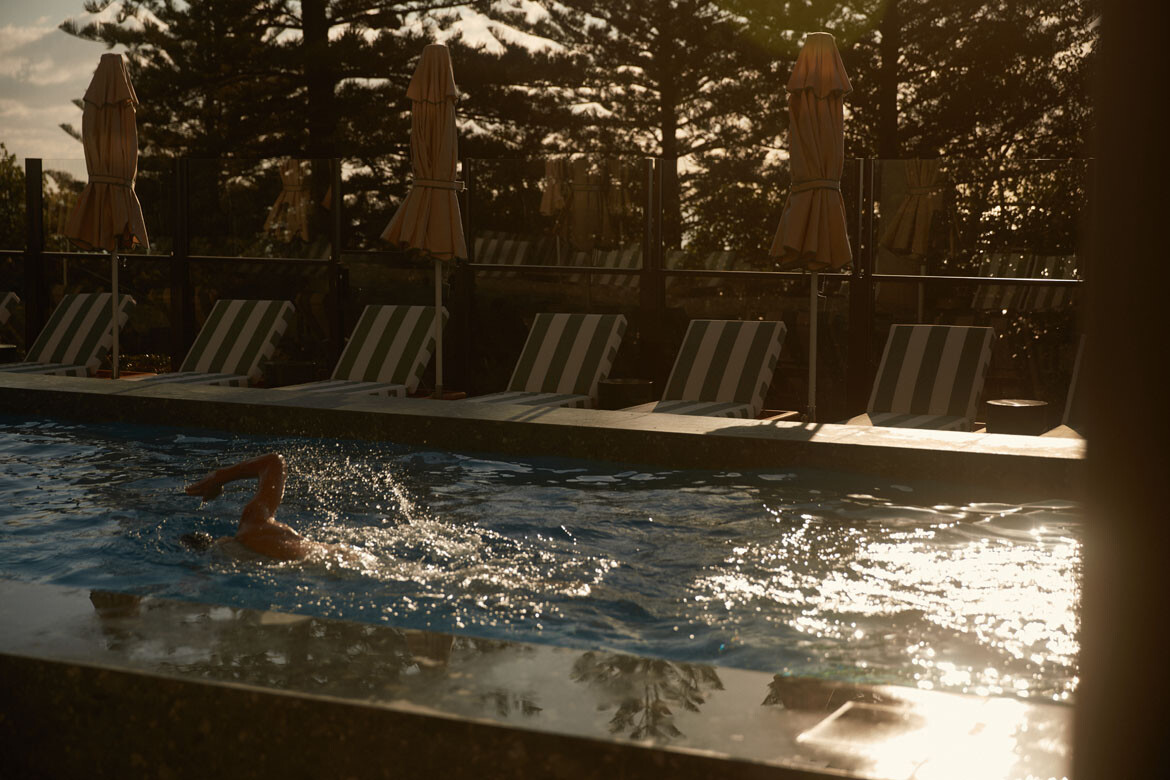
Mondrian Gold Coast also blurs traditional boundaries between hotel and home. Permanent residences share amenities with the hotel, while podium-level beach houses offer a rare typology: private, residential-scale dwellings embedded within a five-star hospitality setting. Guests move through the building intuitively, checking in at the bar or lounge rather than a formal desk, while rituals of beachside life are elevated rather than disrupted.
“Mondrian Gold Coast is a hotel designed around the rhythms of daily life,” Fraser says. “Luxury is never about formality, but about enhancing the effortless way people live here.”
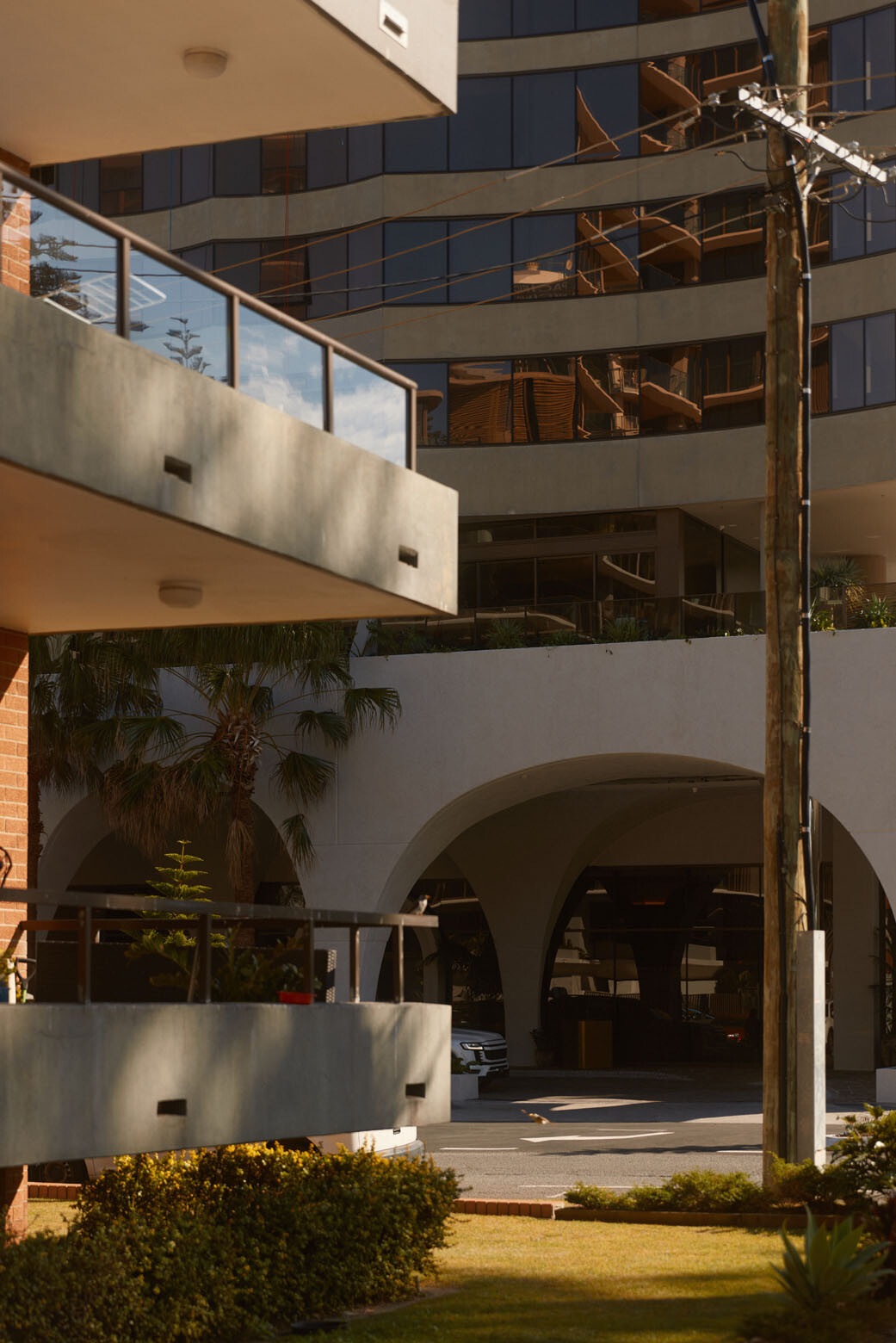
Behind the scenes, the project demanded complex engineering, from large cantilevers to acoustic separation between lively public spaces and quieter residential areas. Yet these technical challenges are largely invisible, allowing the experience of the building to feel relaxed and unforced.
For Fraser, the project is also a reflection of the Gold Coast’s unapologetic identity. “The Gold Coast is the architectural equivalent of the bar scene from Star Wars,” he says. “Today we celebrate that diversity rather than fear it.” Mondrian Gold Coast embraces that confidence, adding a new layer to Burleigh’s evolving architectural story.
More than a hotel, Mondrian Gold Coast operates as a social landscape — a place to pass through, gather, linger or stay. In doing so, it offers a vision of coastal luxury that feels grounded, generous and distinctly of its place.
Fraser & Partners
fraserandpartners.com.au
Studio Carter
studiocarter.com
Urbis
urbis.com.au
Hutchinson Builders
hutchinsonbuilders.com.au
Photographer
Peter Marko