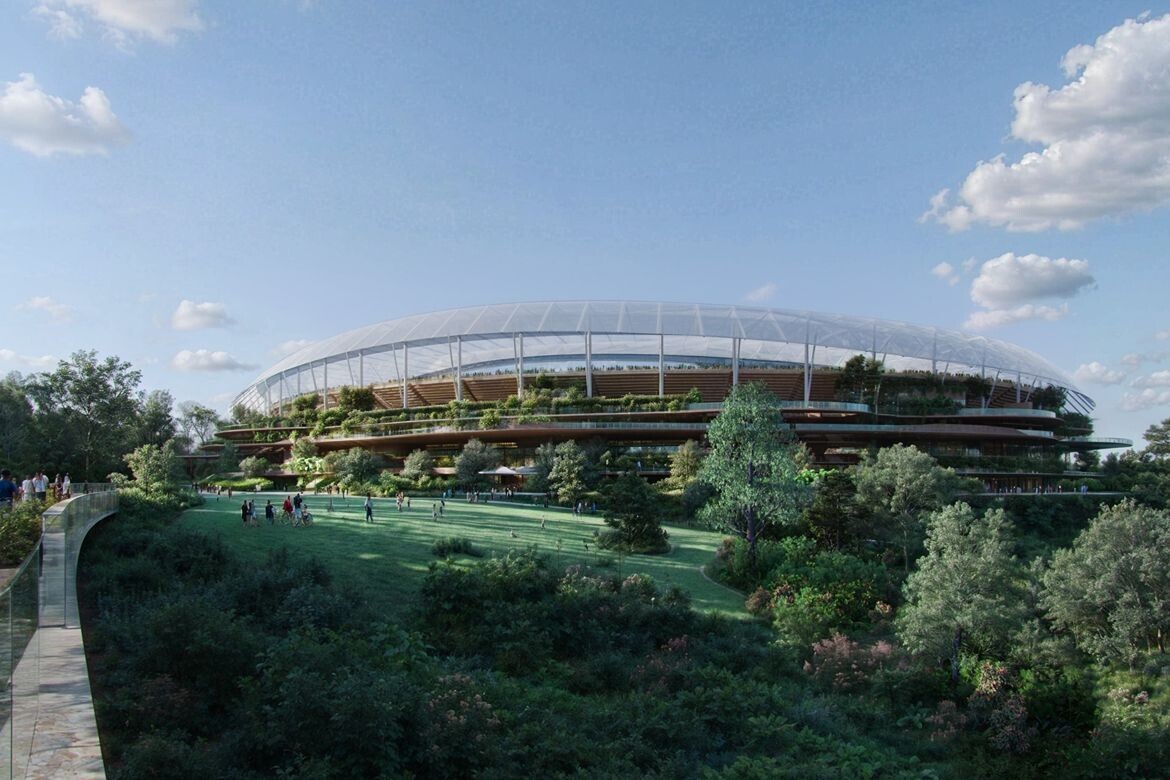
COX Architecture and Hassell are the winners of the design contract for the new Brisbane Stadium. Destined for Victoria Park, the stadium will serve as the main venue for the 2032 Olympic and Paralympic Games. The Australian-owned and Queensland-based architecture and design firms were named as the successful proponents by Queensland Deputy Premier and Minister for State Development, Infrastructure and Planning, Hon. Jarrod Bleijie MP.
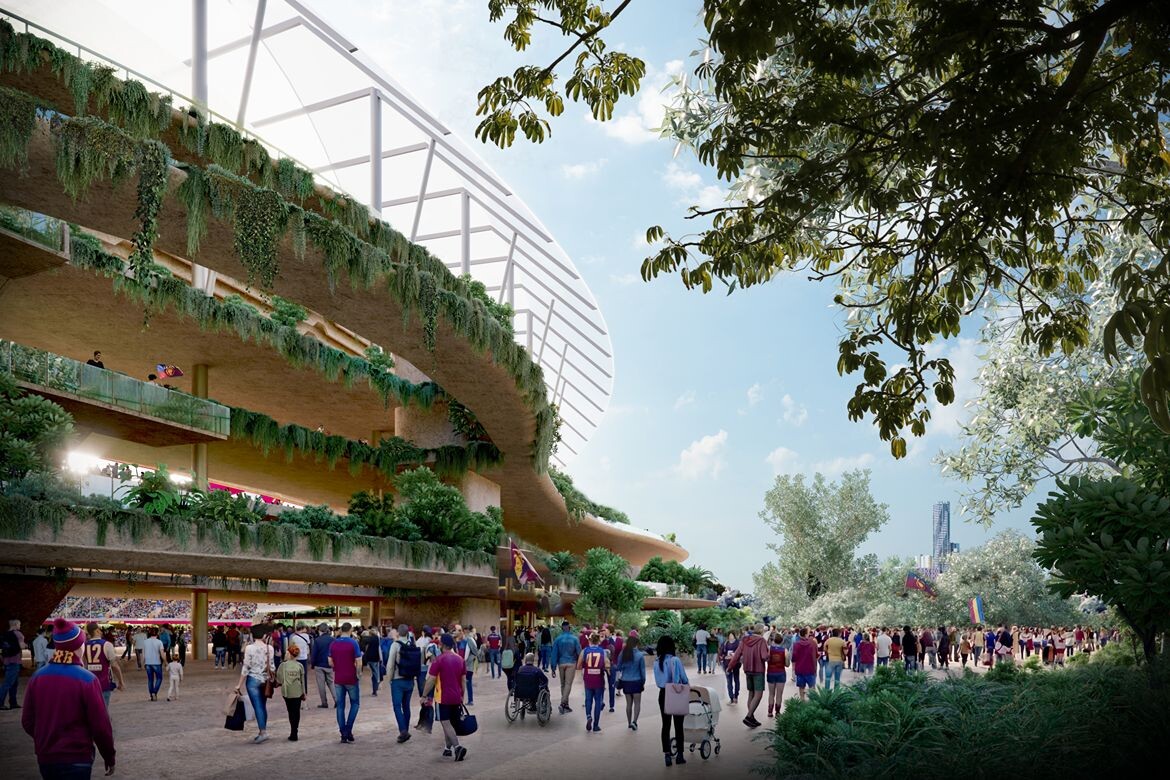
“We are humbled and delighted to have been awarded the project which will be a Stadium for all of Queensland,” says COX Architecture’s Brisbane-based Chair, Richard Coulson. “The Stadium will be of the Park and be a catalyst for increasing the connectivity, usability and amenity of Victoria Park. It will have a critical role in 2032 but its life after the Games will be its most important legacy for the community.”
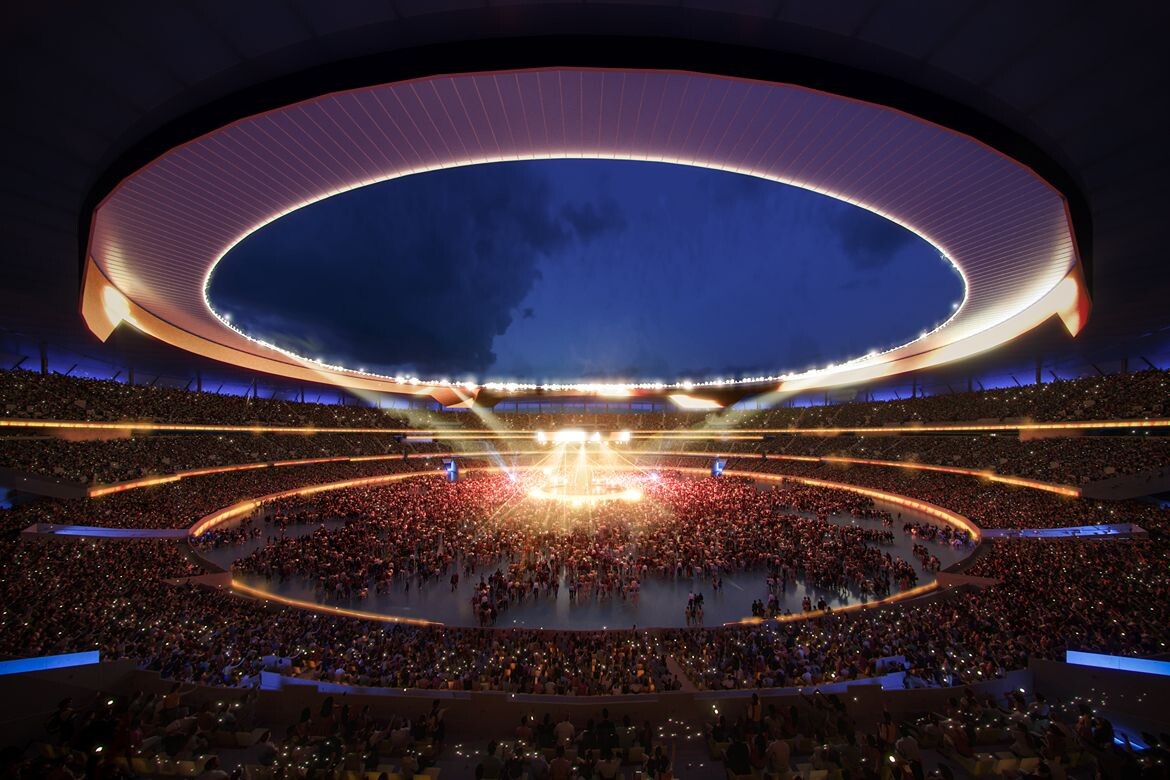
Lucy O’Driscoll, Managing Principal of Hassell’s Brisbane studio, comments that the design achieves far more than just meeting immediate needs: “It will not only deliver a world-class experience for athletes and fans but provide Brisbane with a vital piece of sporting infrastructure of true global calibre – a place all Queenslanders will be proud of.
“The design will provide enduring cultural value and enjoyment for the community all year-round. It goes beyond satisfying the demands of major international events by ensuring the venue can be adapted for a wide variety of sporting and cultural uses, making it a genuine asset for the whole community.”
Related: WilkinsonEyre on the Brisbane Games
The combined design teams at COX Architecture and Hassell have significant experience shaping Australia’s major sporting venues, such as the award-winning Optus Stadium in Perth, the Melbourne Cricket Ground (MCG – as part of a larger consortia), and the revitalised Adelaide Cricket Ground.
The design team includes Japanese Architectural practice Azusa Sekkei, bringing experience from the Tokyo National Stadium. The team also includes two of the world’s leading engineering firms, Arup and sbp, who bring further stadium experience to the design of the roof. Blaklash – an Indigenous-owned consultancy – will guide First Nations engagement throughout the project.
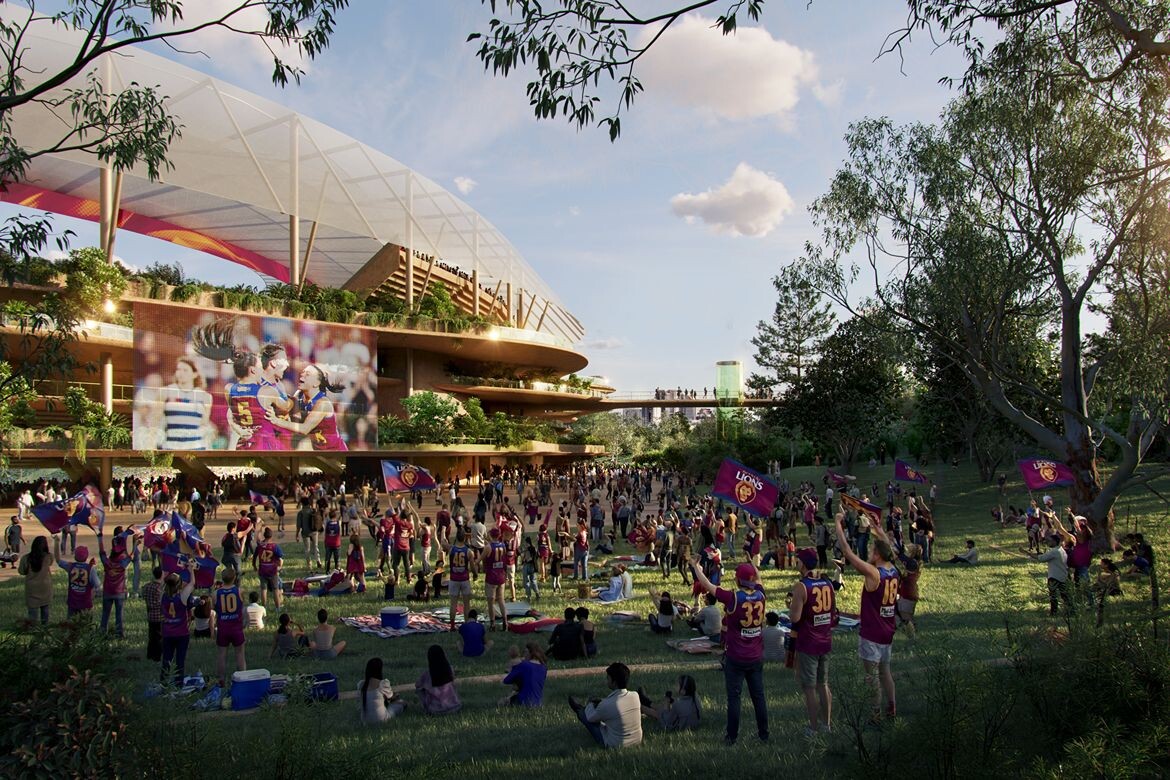
“Innovative spectator experiences and a strong legacy focus will ensure Brisbane Stadium sets a new benchmark for adaptable, community-driven Olympic venues – creating a lasting asset for the city and its people,” adds O’Driscoll.
COX Architecture
coxarchitecture.com.au
Hassell
hassellstudio.com