The home of architecture and design in the Asia-Pacific
Get the latest design news direct to your inbox!

Get the latest design news direct to your inbox!
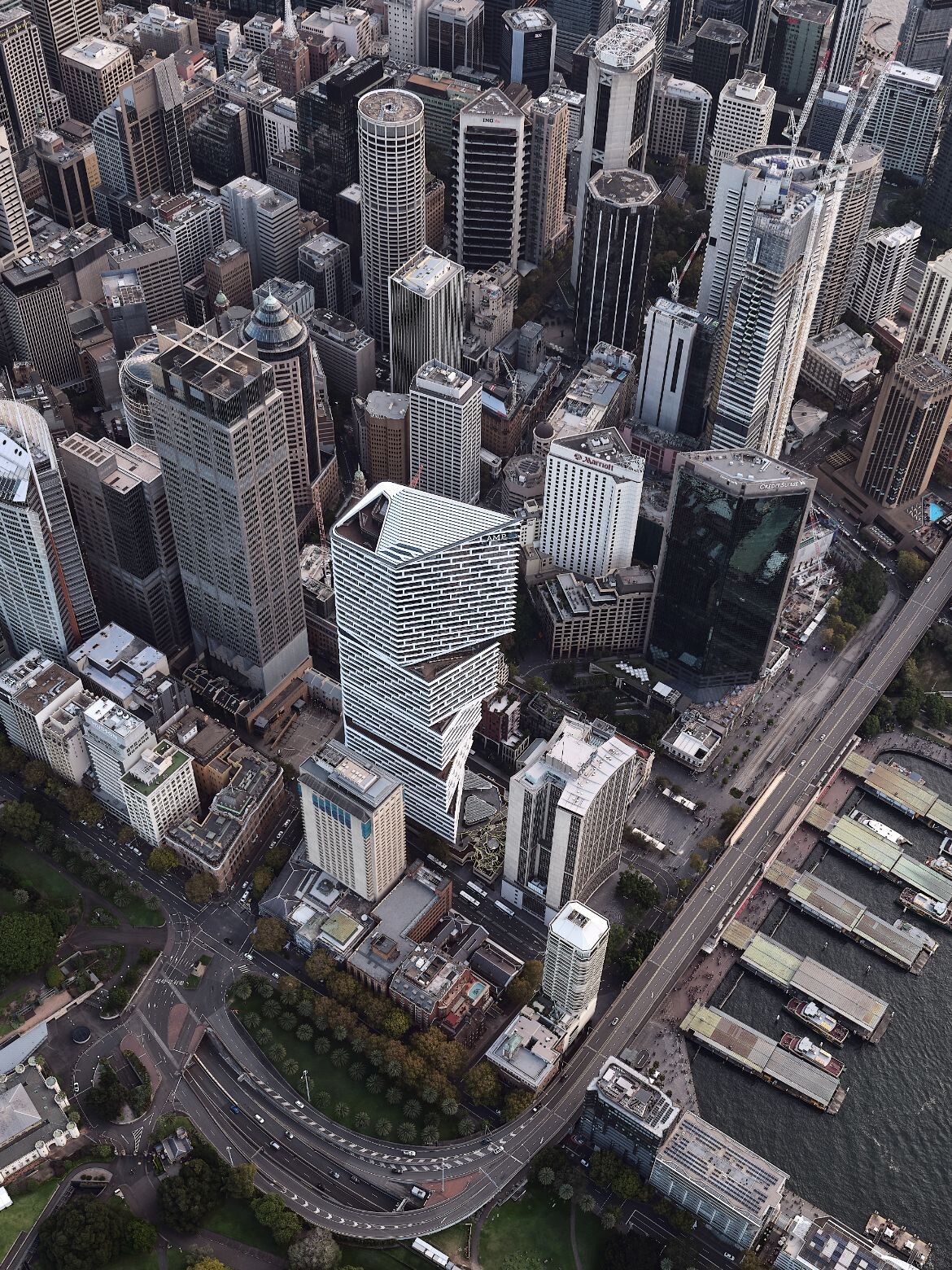
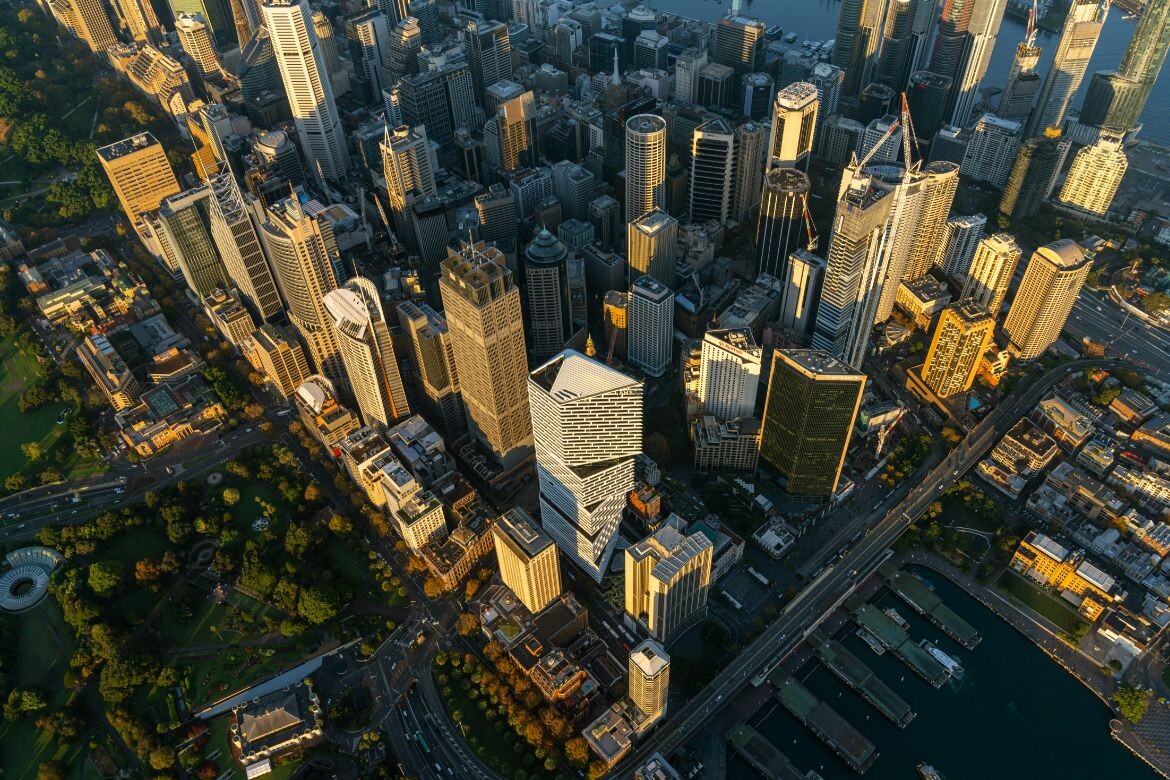
This time, it’s the Council on Tall Buildings and Urban Habitat (CTBUH) which has recognised the Sydney building as Best Tall Building Worldwide.


November 20th, 2023
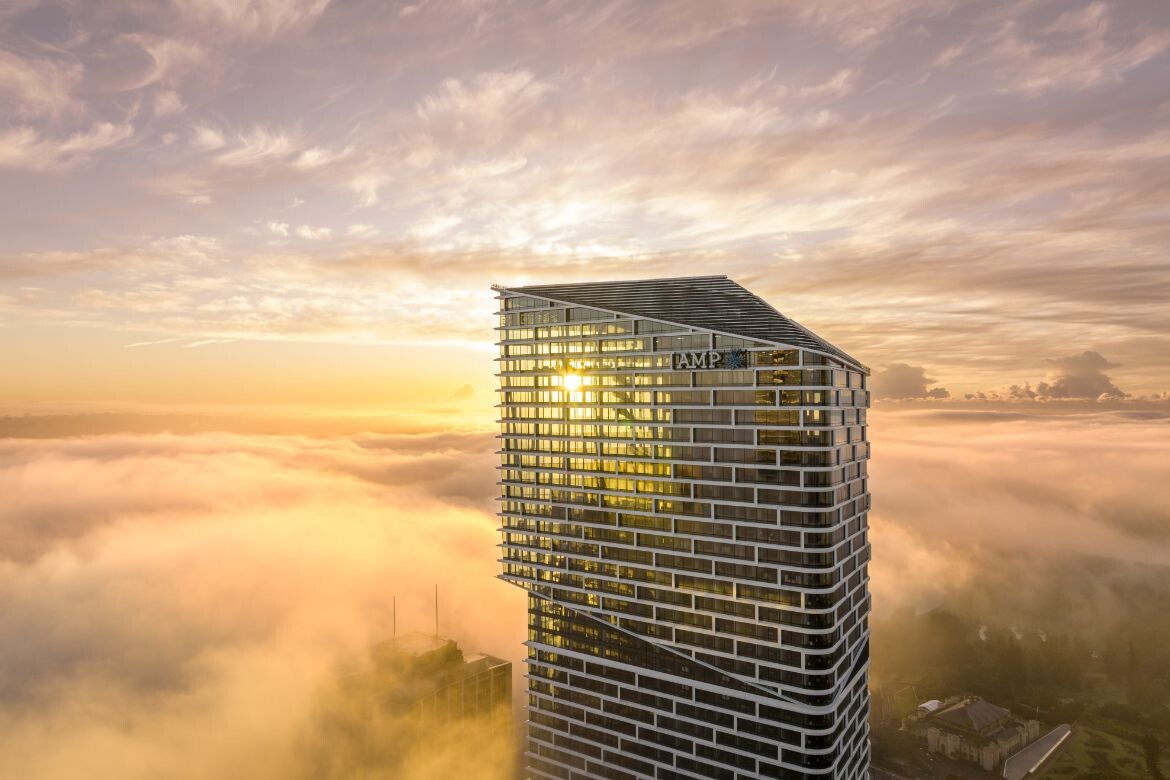
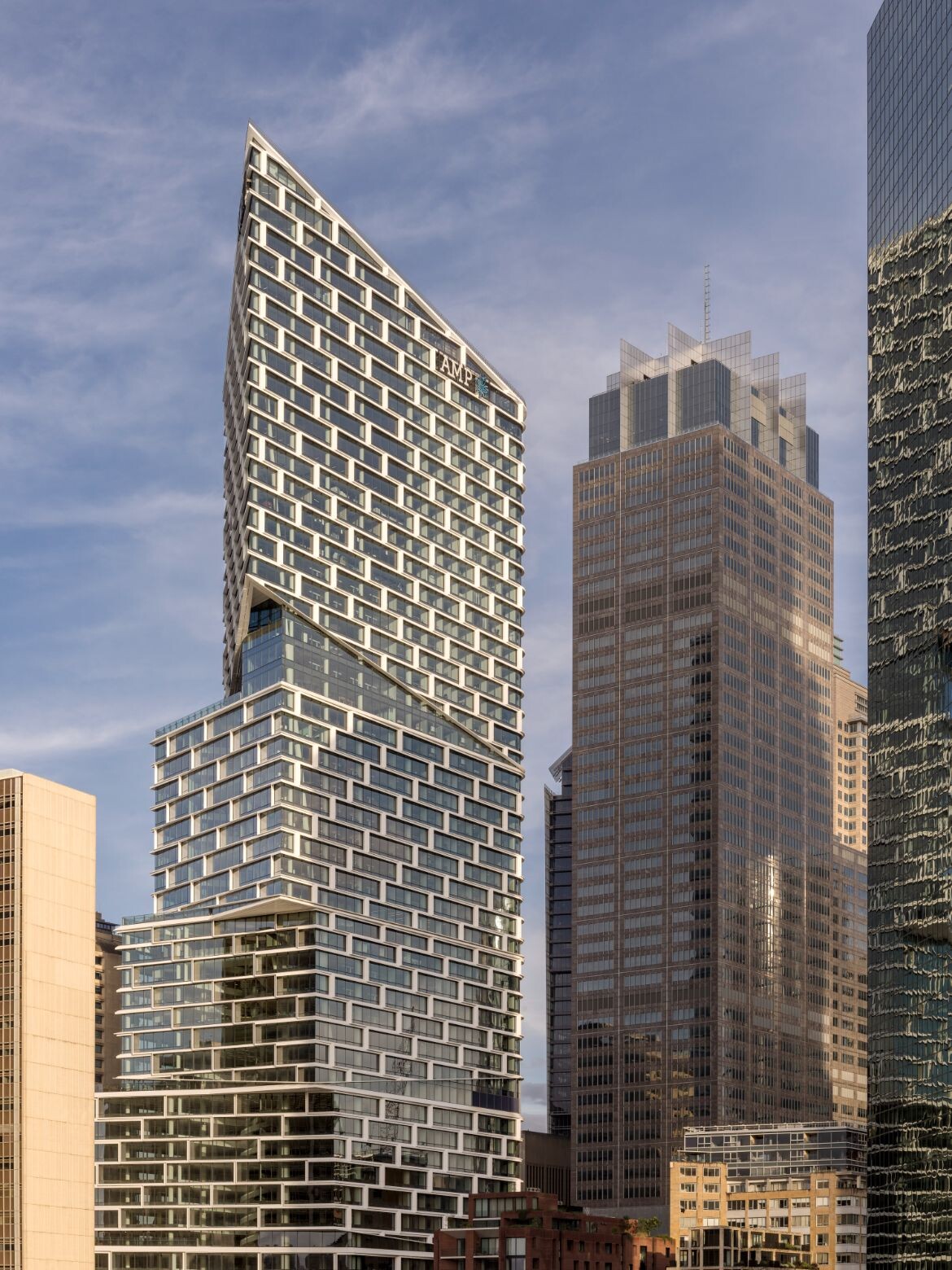
We’d almost be getting tired of reporting on the prolific award wins of Quay Quarter Tower if it weren’t for the building’s critical and informative importance for a truly sustainable future in the built environment. Designed by 3XN with executive architects BVN, the accolade of Best Tall Building Worldwide marks its seventh award win around the world.
Headquarted in Chicago, the CTBUH is a global not-for-profit organisation dedicated to smarter, more sustainable cities and a more viable future for global populations. Its Award of Excellence competition recognises projects internationally that employ the most advanced concepts and technologies in sustainable vertical urbanism. Addressing climate change is a key driver, as well as equity, affordability in housing and more.
Following submissions, each project was presented to juries at the CTBUH’s annual international conference in October. Juries were comprised of CTBUH members from across the globe with expertise across fields such as architecture, engineering construction.
Quay Quarter Tower actually took out a number of awards, including those for construction, repositioning and structure. Meanwhile, the project’s heritage laneway development, Quay Quarter Lanes, was also recognised with the Urban Habitat Award for its imaginative urban design enhancing social sustainability and city life.
Related: Hassell’s workplace design inside QQT
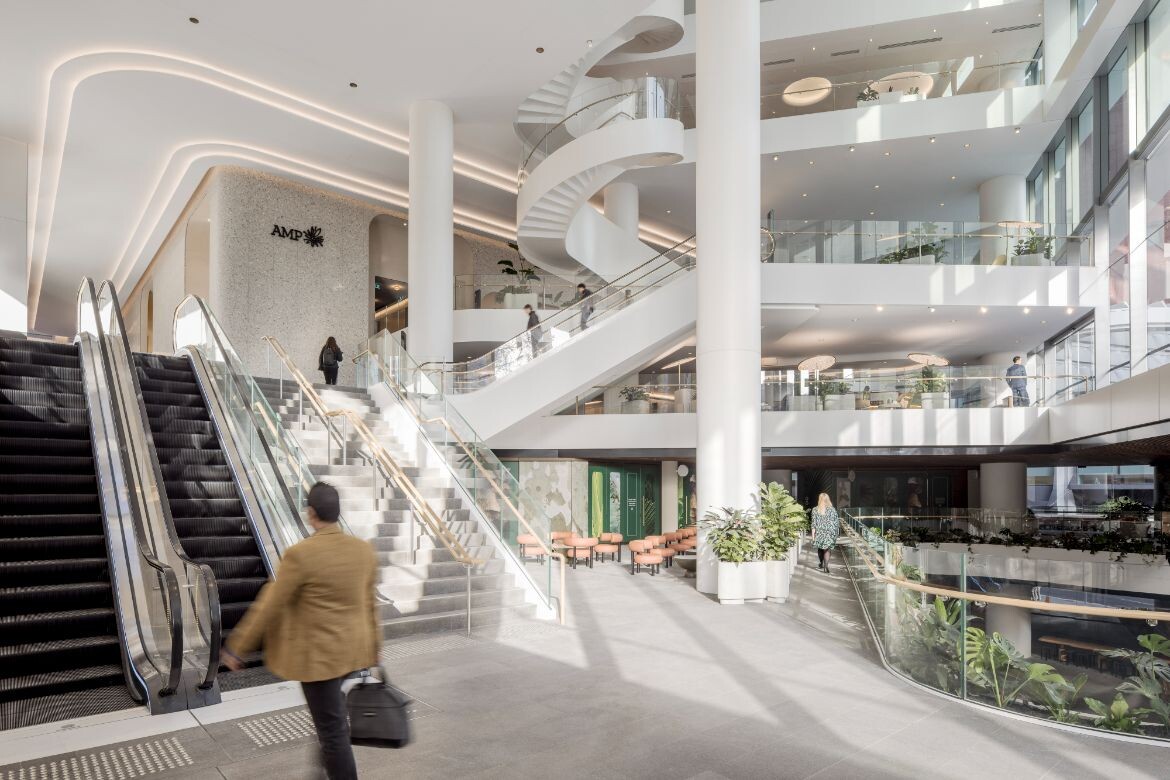
The building is located in a prominent position by Circular Quay in Sydney and is especially notable for the adaptive reuse that directed the project. Taking an existing underused building, the 1976 AMP Center, the architects retained a significant portion of its beams, columns and slabs, as well as over 95 per cent of its existing core. Additionally, a self-shading facade reduces solar radiation and thoughtful atria bring natural daylight into the interior.
Flexibility is another key design principle, with a removable floor system in the atria that allows occupants to replace floor sections and accommodate new or changing uses. Quay Quarter Tower has achieved a 6-Star Green Star rating on the basis of all this and more.
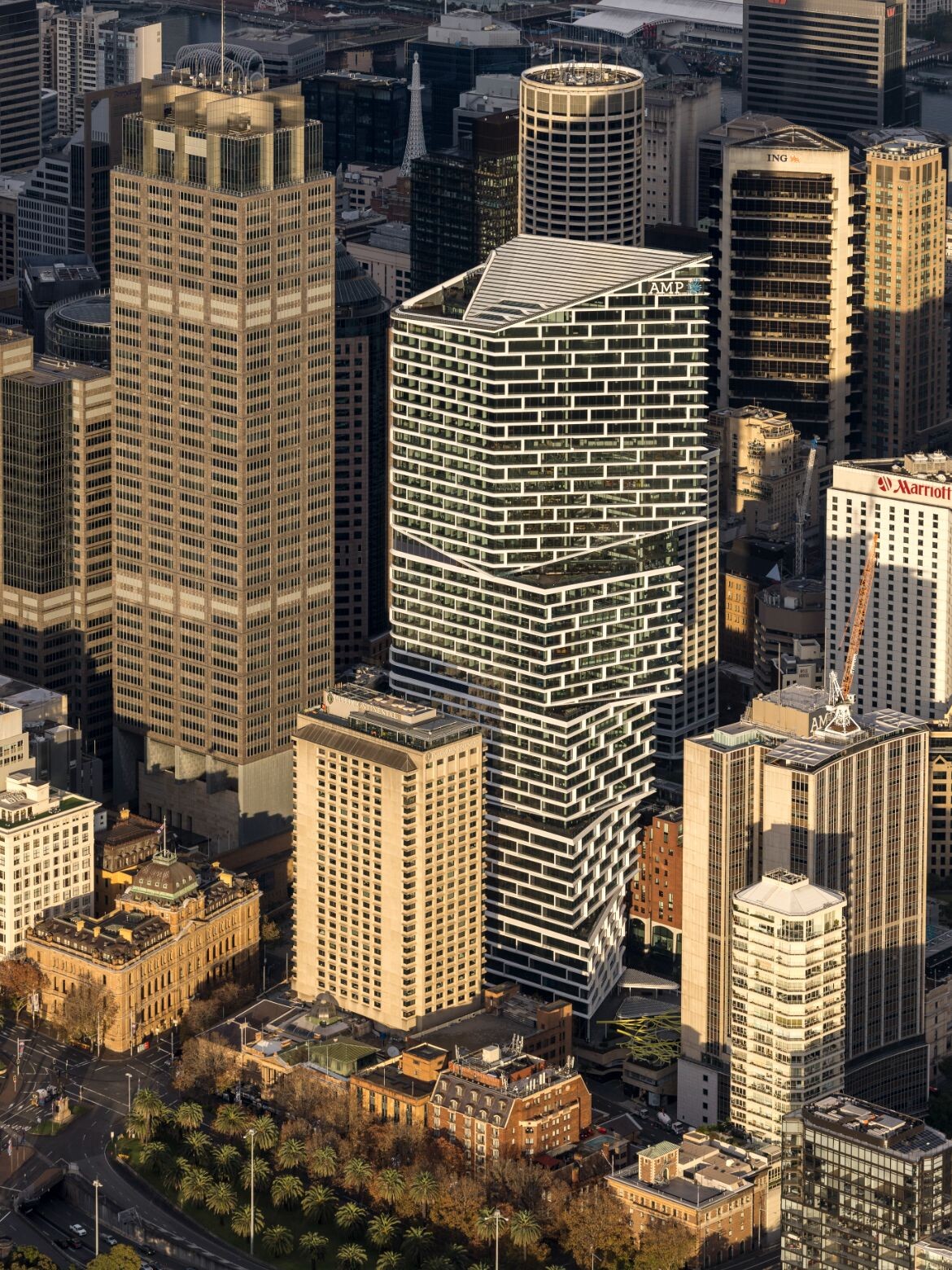
“The global construction industry confronts an emerging dilemma: should we build new structures, or should we renew existing ones to accommodate the anticipated growth in urban density?” asks CTBUH CEO Javier Quintana de Uña. “The pursued remedies can impact not only individual structures but also entire cities and the built environment in general, and must take into account environmental, economic and social sustainability.
“Sydney’s Quay Quarter Tower exemplifies the forward-looking strategies and solutions that address this density dilemma head on, significantly reducing carbon emissions and helping to mitigate the impact of climate change while meeting the needs of its occupants and the surrounding community.”
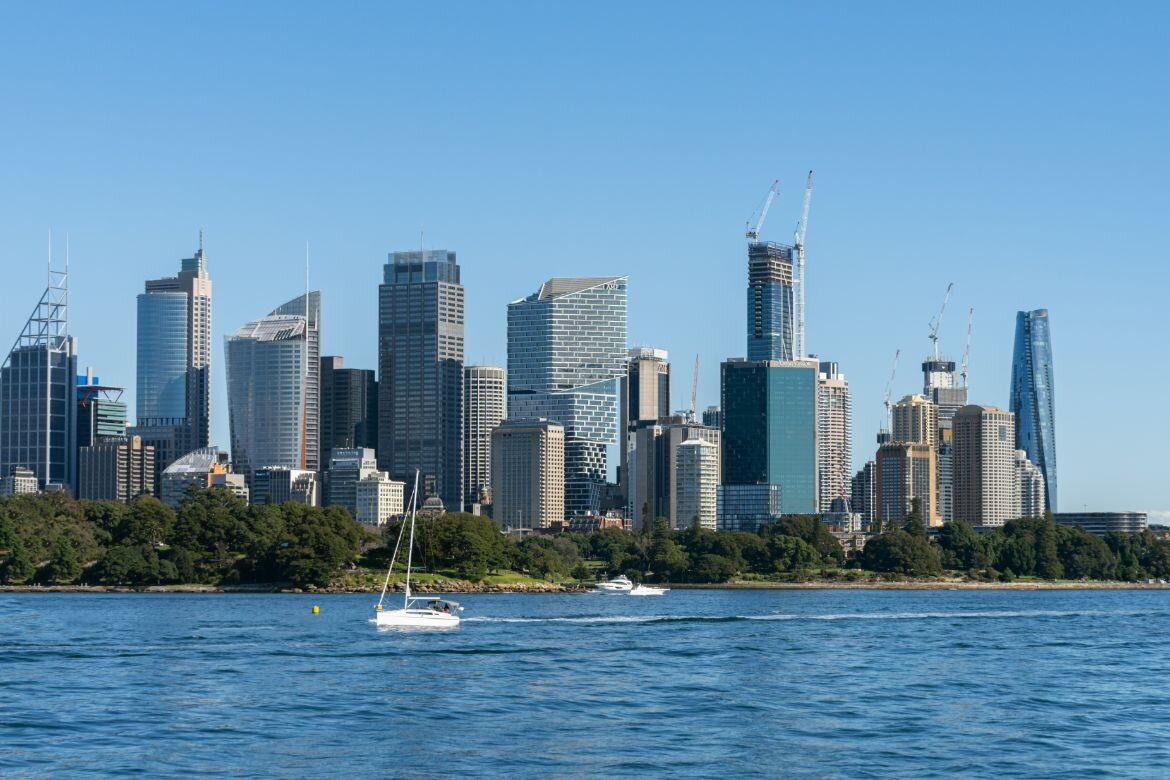
Liann Lim, senior development manager of Quay Quarter Tower also comments: “Carbon is only part of the equation here; we also focused on connectivity and the community. The building’s atria create a vertical village, with social spaces that promote interaction among occupants, and activate the workspace, which has achieved IWBI WELL Platinum certification.
“We also took advantage of Sydney’s temperate climate, extending the internal market hall to external terraces, and the podium’s rooftop park and cafe provide both a new destination and much-needed greenery in a dense urban quarter for occupants and visitors alike.”
Photography
Adam Mork
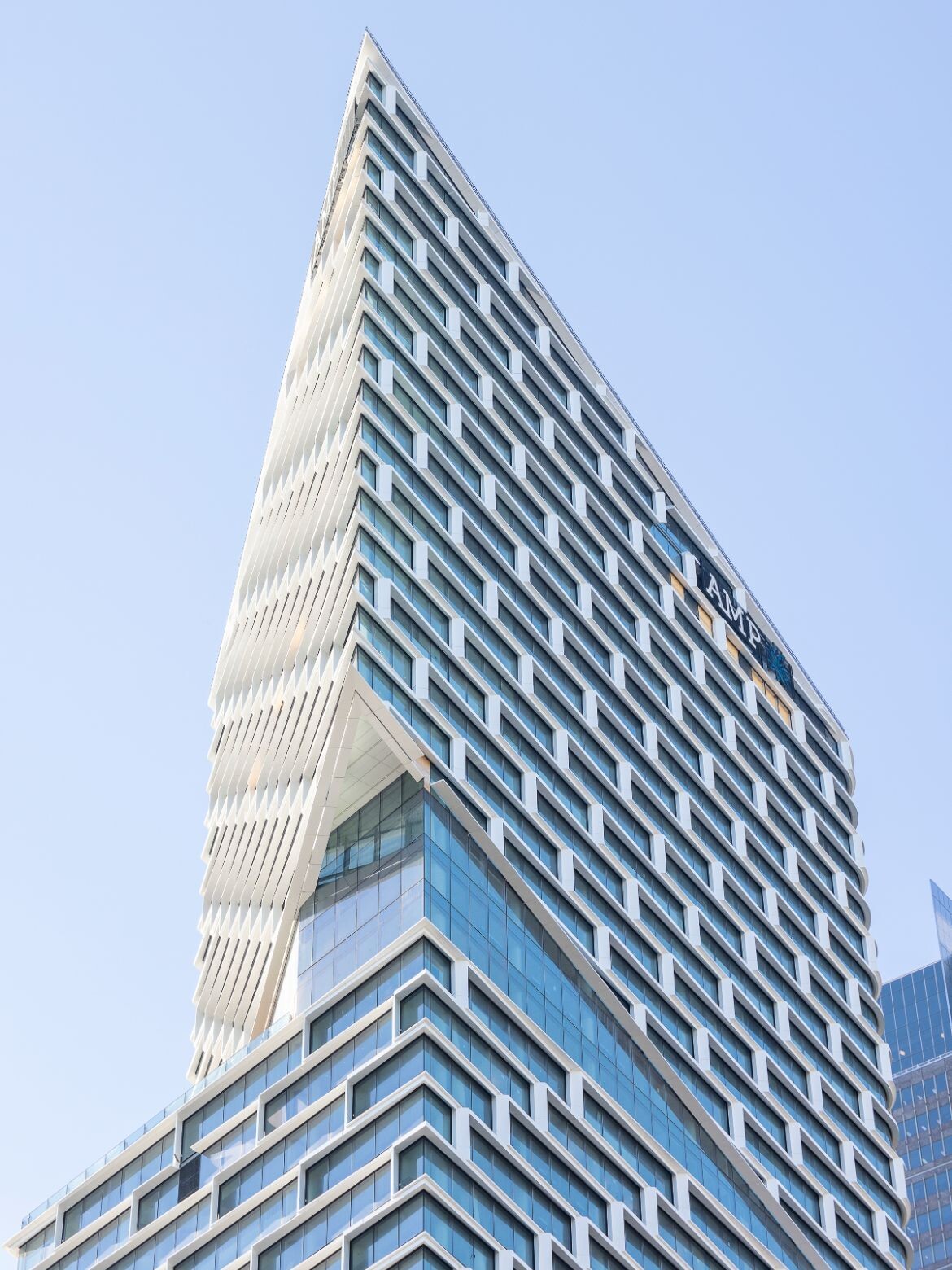
We think you might also like this story on Tom Dixon’s visit to Quay Quarter Tower.
INDESIGN is on instagram
Follow @indesignlive
A searchable and comprehensive guide for specifying leading products and their suppliers
Keep up to date with the latest and greatest from our industry BFF's!
The internet never sleeps! Here's the stuff you might have missed