Parquet flooring has been a cornerstone of luxury interiors for over four centuries. First introduced in 16th-century France and immortalised in the Palace of Versailles in the late 1600s, it has long been associated with elegance and tradition. Yet, throughout this history, it has never been envisioned as boldly as the version created by Shay Alkalay and Yael Mer, the Israeli duo behind London-based design studio Raw Edges.
The Wall to Wall project – using hand-stained parquet to create vibrant, patterned landscapes – first made waves at Design Miami/Basel. Its impact was immediate, catching the eye of British design brand Established & Sons. Today, it has been reintroduced to market through Tongue & Groove’s Co.Lab initiative, a platform for design collaborations with some of the world’s leading creative talents that push the possibilities of timber flooring. “There was such an immediate reaction to the floor when we showed it,” recalls Alkalay. “It felt really fresh and new, and people responded to it so strongly.”
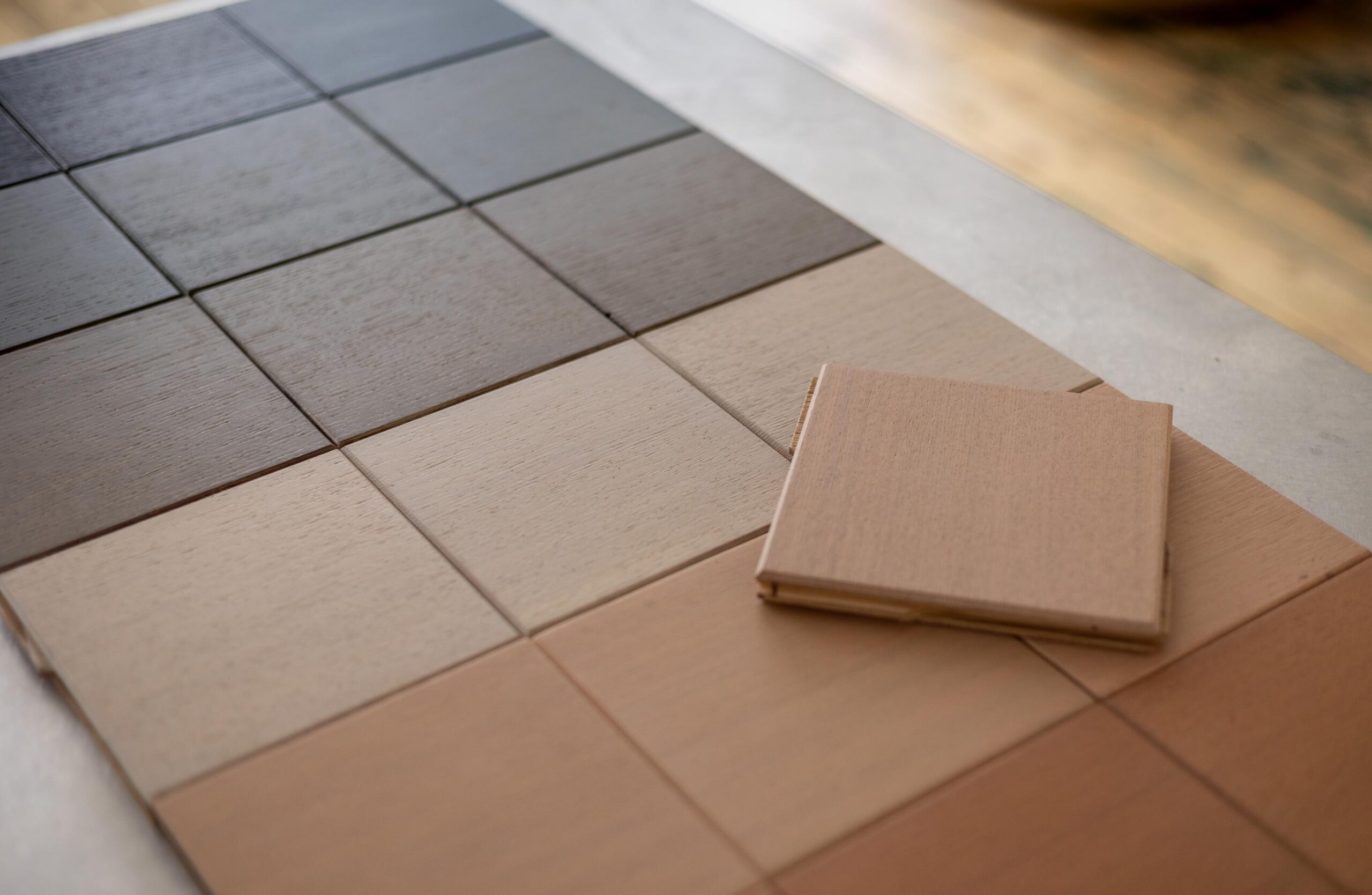
Reimagining traditional herringbone through colour and pattern, Wall to Wall offers designers a new creative vocabulary. Described by Raw Edges as a “living collection”, it is completely open to reinterpretation. Its 22 shades can be deployed in countless ways – from immersive fields of a single tone to bold graphic statements or refined tonal shifts – giving each project its own identity.
Take, for example, the way it was used by Stella McCartney shortly after it was first shown. The celebrated fashion designer installed Wall to Wall in more than 40 stores worldwide – and each floor was a unique arrangement of colour inspired by its location.
“I think it’s quite exciting, especially for hotels, restaurants, and interiors. We created some patterns that are really bold and colourful, and some that are more toned down – just to help architects imagine the possibilities.”
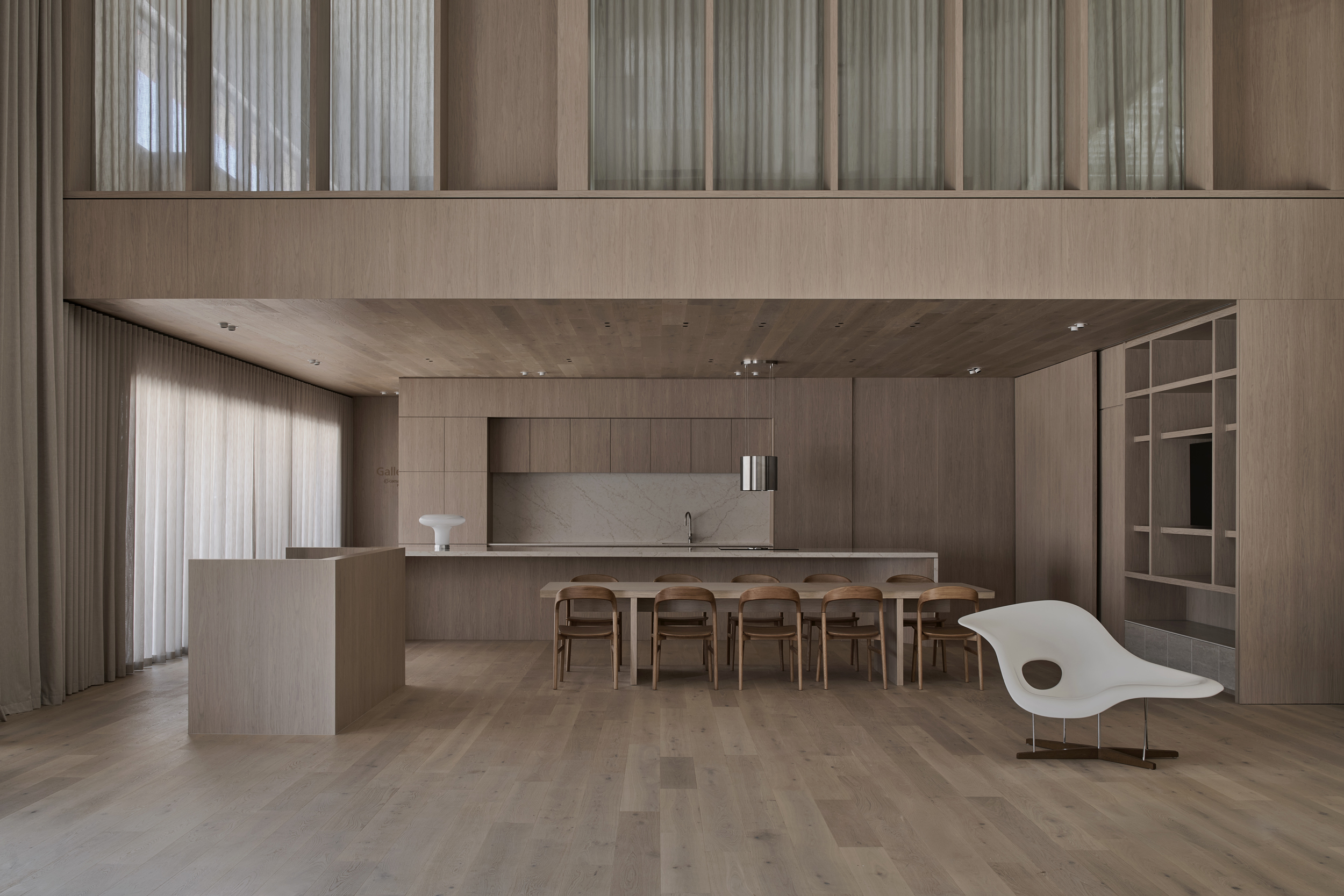
The Wall to Wall collection is crafted from three-layers of European oak, each hand-stained in Italy using a process that allows the pigment to penetrate the grain rather than sit on top. The result is richly coloured timber that retains its natural tactility and beauty, and has enhanced durability as any scratches or wear simply reveal the colour within the grain.
“They have 22 different colour recipes and each one is its own custom formula,” explains Pol Mauri Carbonell, from Established & Sons. “The artisans mix the pigments by hand and then paint it directly onto the surface of the wood – because it’s stained rather than painted, you not only keep the herringbone pattern, but also retain the wood grain. That gives it texture and keeps it feeling organic.”
Wall to Wall represents a paradigm shift in how designers might approach flooring. “This is probably one of the first floors in the world where designers have true creative flexibility,” says Richard Karsay, CEO of Tongue & Groove. “That’s what makes it so exciting – it’s bold, it’s unique, and it really aligns with everything we’re about. Australia is also a market that embraces bold design. People here are willing to push boundaries, and Wall to Wall fits into that perfectly.”
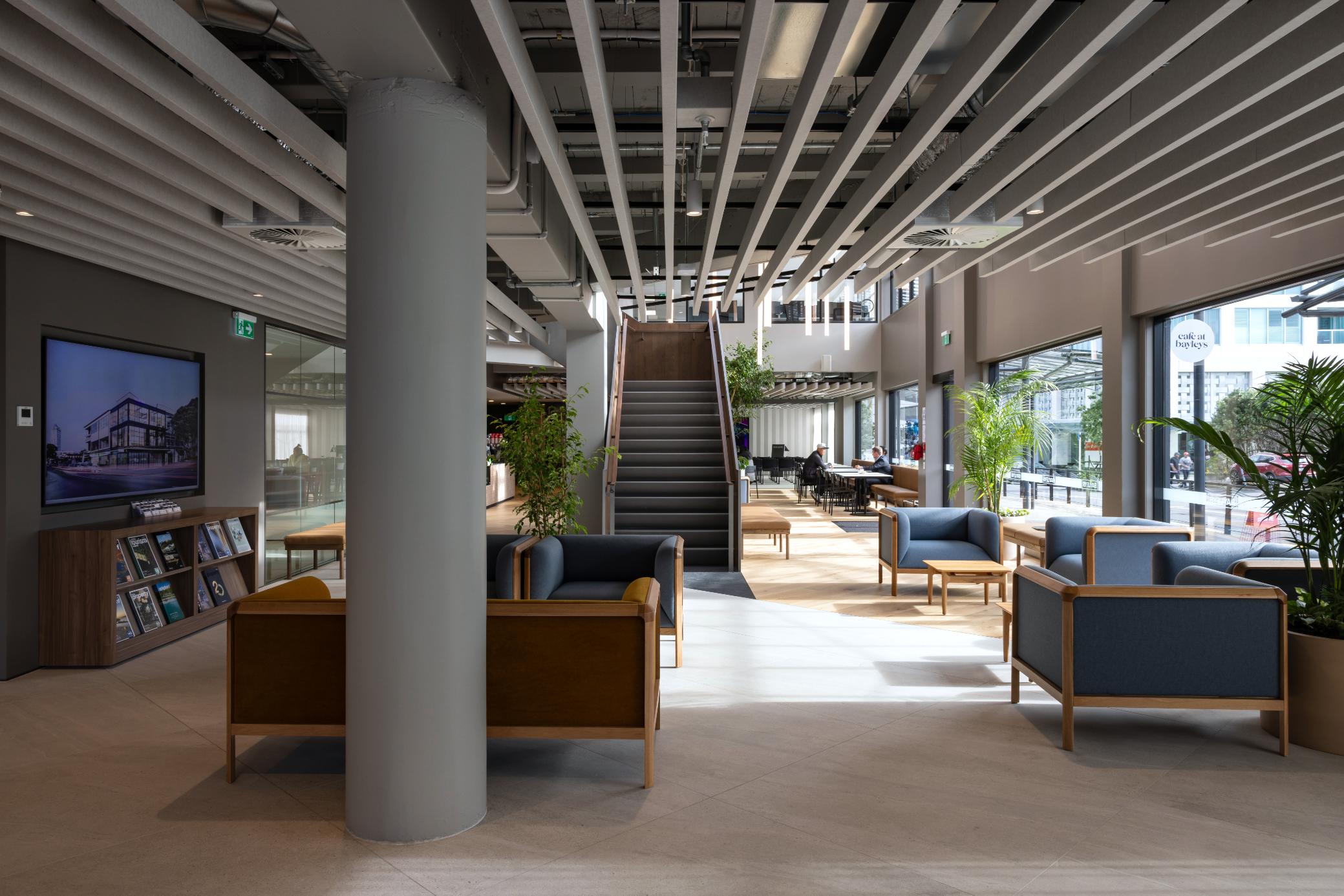
Borders, zoning, and wayfinding can all be achieved through shifts in colour and pattern. A subtle band of tone might define different areas of an open-plan home, while a graphic lay-out could animate a retail or hospitality space, or offer wayfinding in commercial spaces. As Mer explains, “Sometimes you use rugs to define areas – here you can use just patterns and colours to do the same.”
Through this simple yet radical approach, Wall to Wall expands the language of interior design and transforms timber flooring into a canvas for colour and pattern. Together, Raw Edges, Established & Sons, and Tongue & Groove are inviting architects and designers to push the boundaries of what parquetry can be – laying the foundations for inspiring interiors.