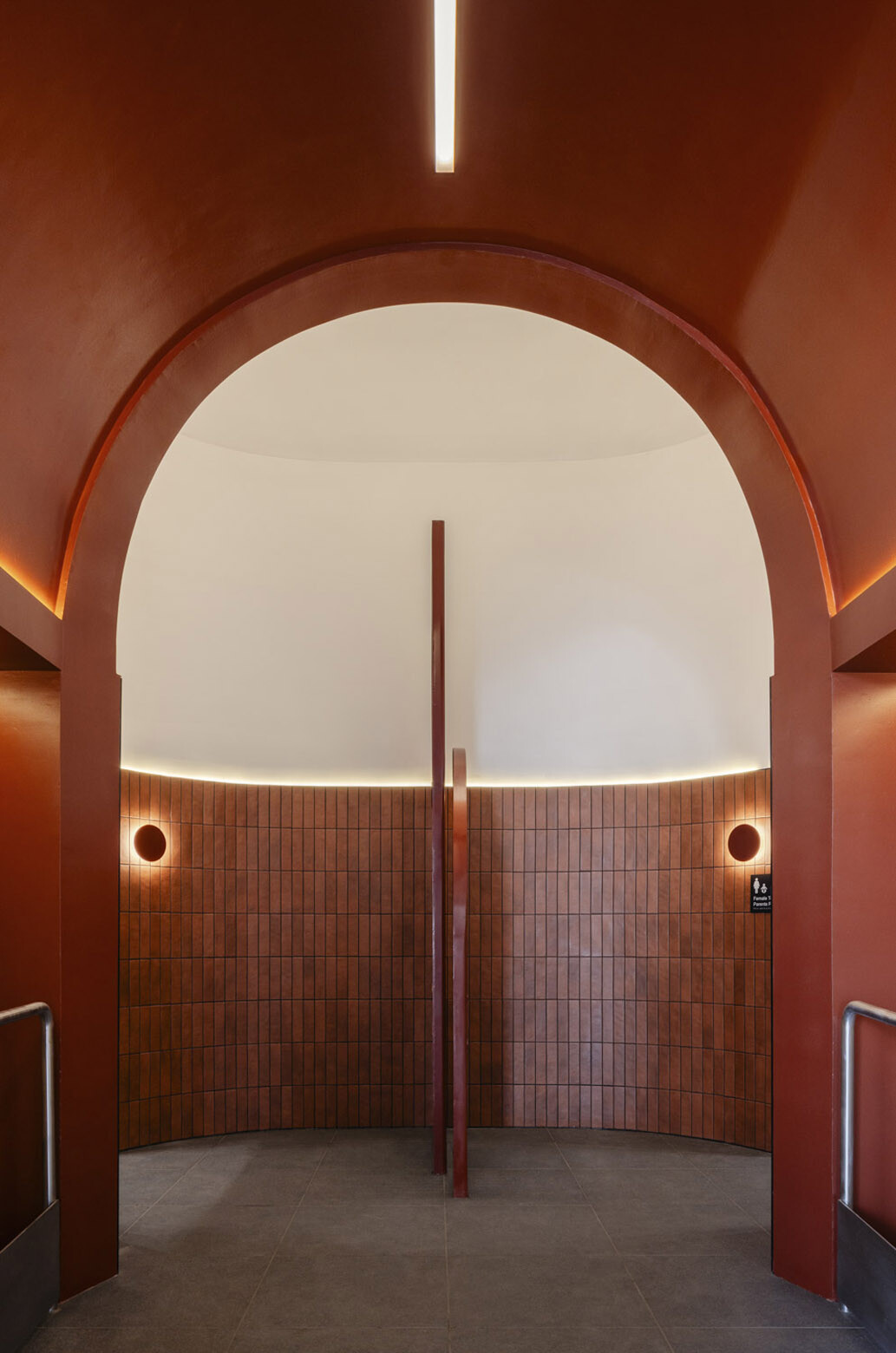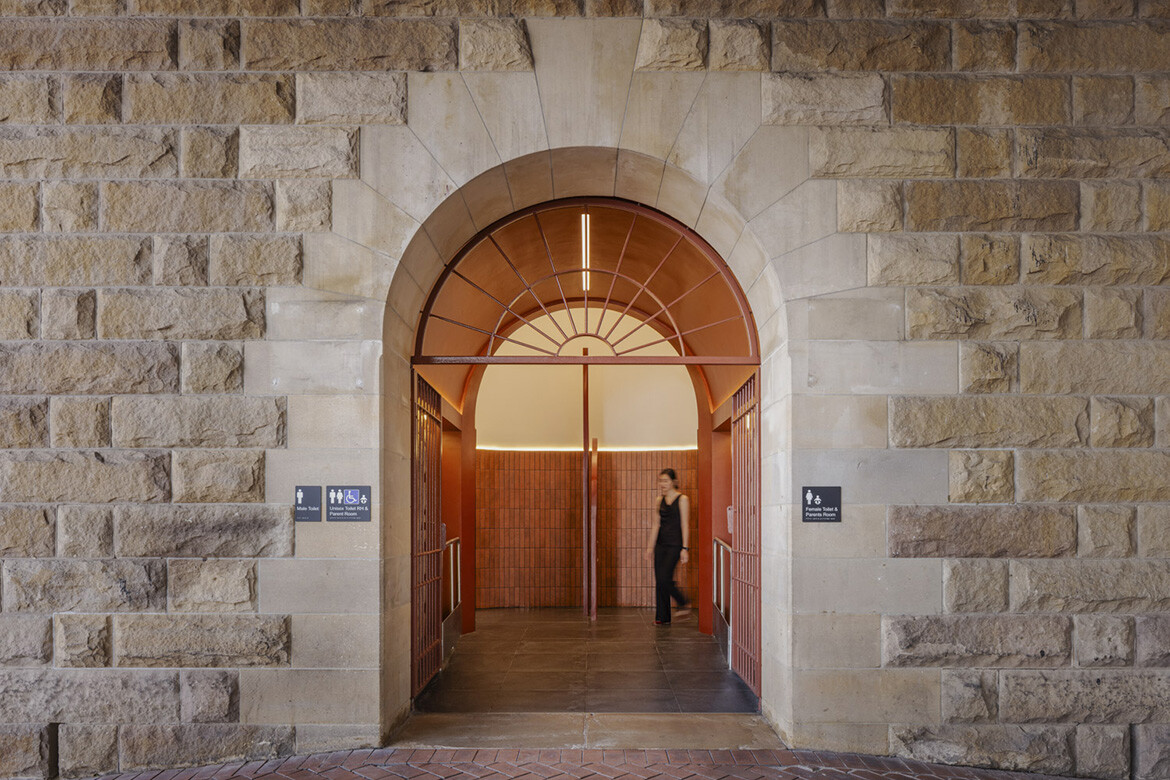
Public amenities are rarely afforded the status of architecture. They are expected to perform, to endure and, ideally, to disappear into the background of civic life. At Darling Harbour, however, the HDR-designed Pyrmont Bridge East Amenities Refurbishment challenges that assumption — demonstrating how even 80-square-metres of infrastructure can carry architectural and social value, as well as environmental intelligence.
Delivered for Placemaking New South Wales within one of Sydney’s most heavily trafficked precincts, the project reimagines an existing amenities building through adaptive reuse rather than replacement. In a location welcoming more than 26 million visitors annually, the brief was less about embellishment and more about endurance.
“Public amenities influence the daily experience, dignity and wellbeing of the community,” says Max Navius, Associate Principal and Interior Design Lead at HDR. “Rather than treating the upgrade as a functional exercise, we recognised the opportunity to extend the life of an existing civic asset through adaptive reuse, reduce environmental impact and create a space that is inclusive, safe and welcoming for all users.”
The decision to retain the existing structure and services layout became both constraint and catalyst. Fixed geometry, immovable services and the sensitivities of the heritage setting required precision rather than flourish. “These parameters required a strategic and precise design response, where each intervention had to contribute meaningfully without compromising the integrity of the original structure,” Navius explains.
Related: Re-imagining Bangkok’s urban landscape
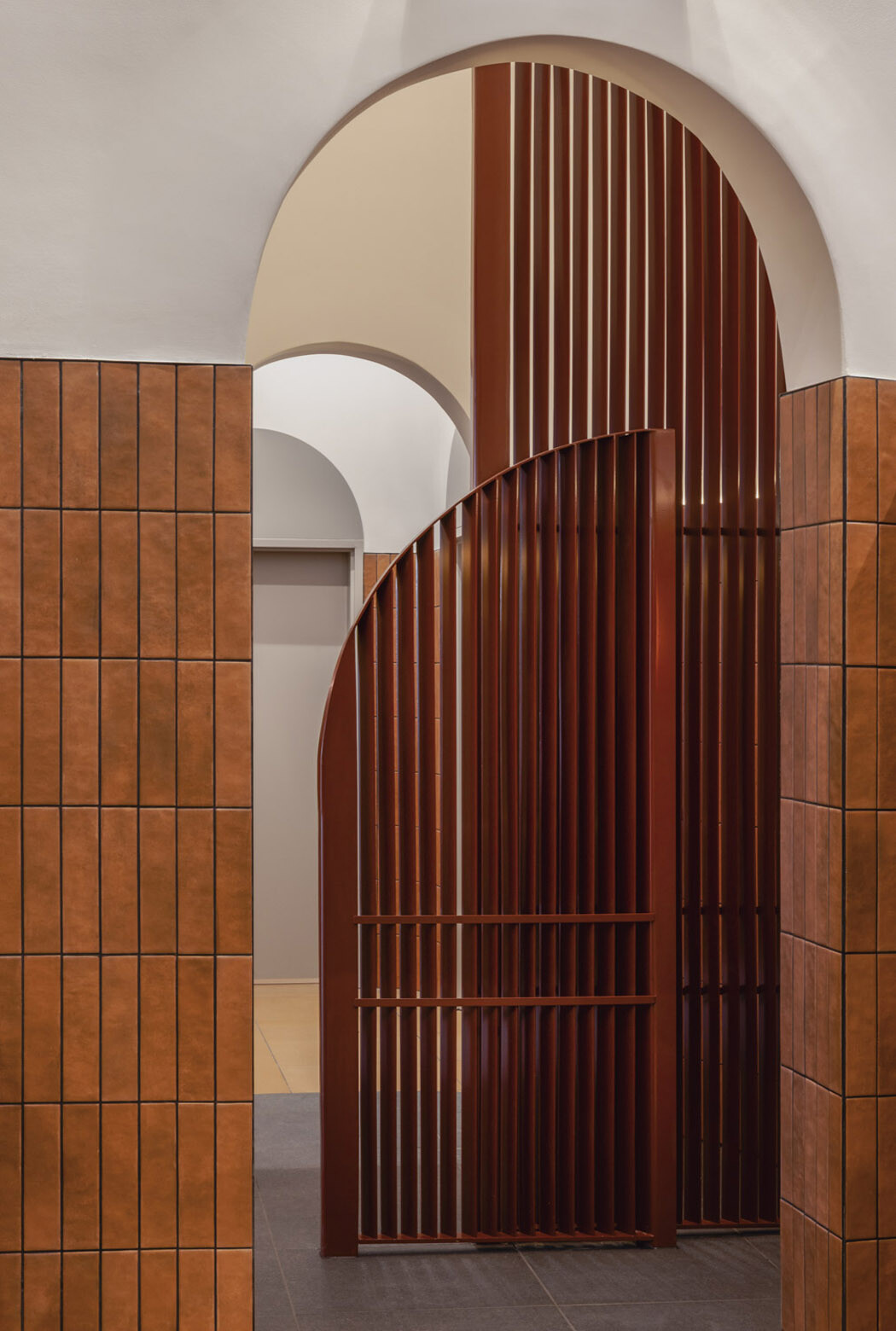
Instead of imposing new form, HDR worked with what was already there. Adaptive reuse guided a resource-conscious approach, reducing embodied carbon and construction waste while preserving the underlying fabric. “Working within the inherited framework encouraged clarity and creativity,” Navius says. “It reduced embodied carbon and construction waste and resulted in a refined design that enhances functionality while respecting the building’s history.”
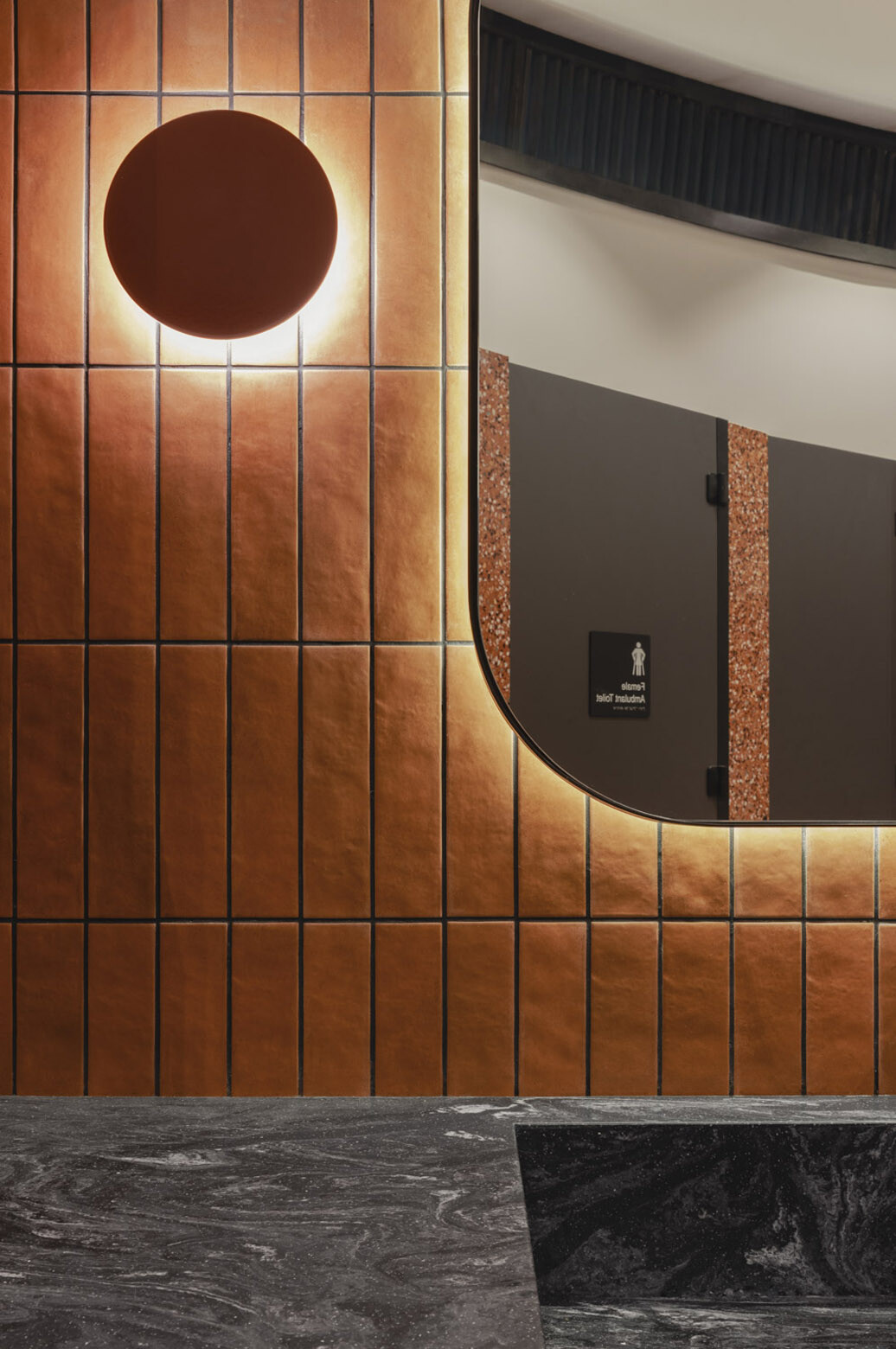
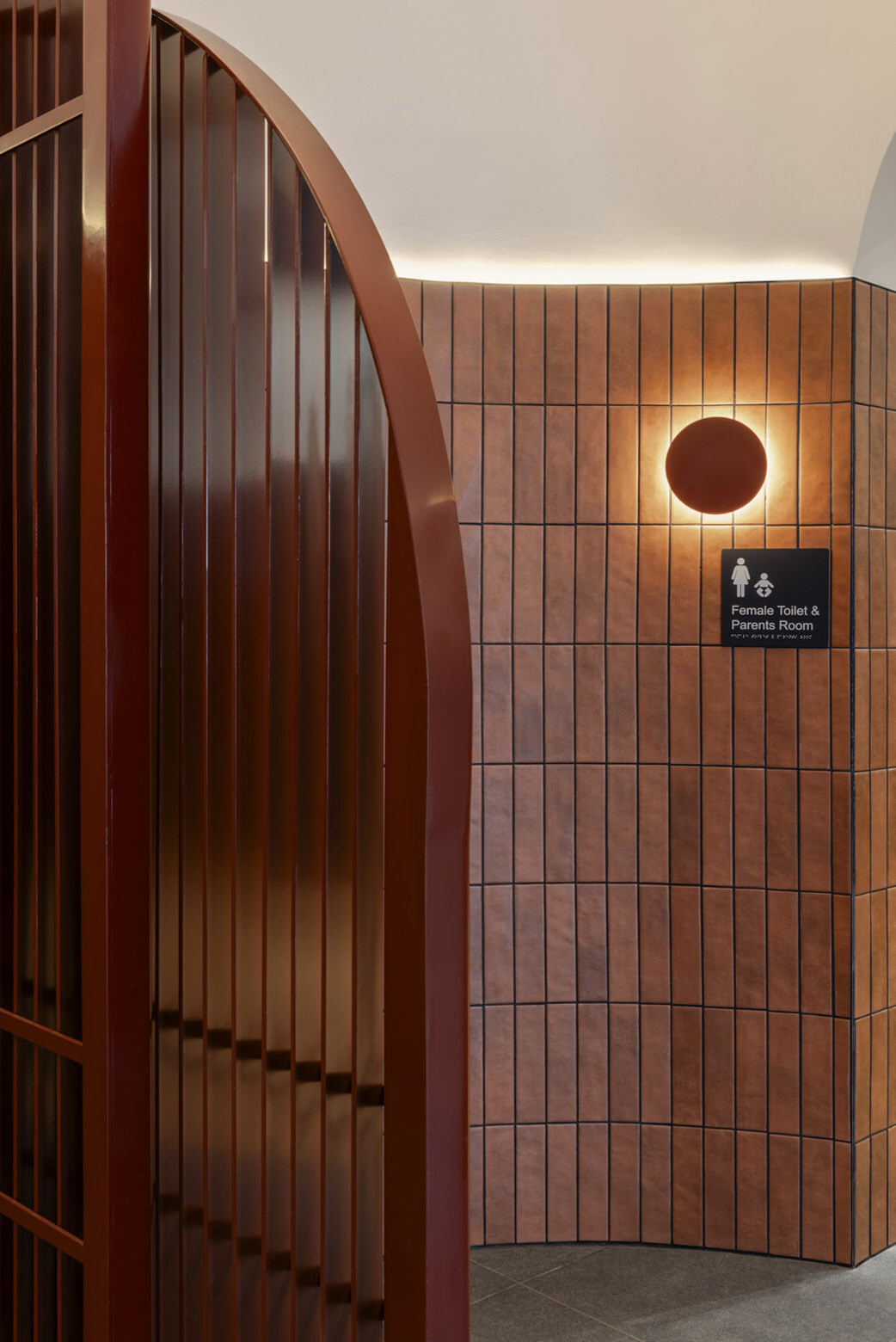
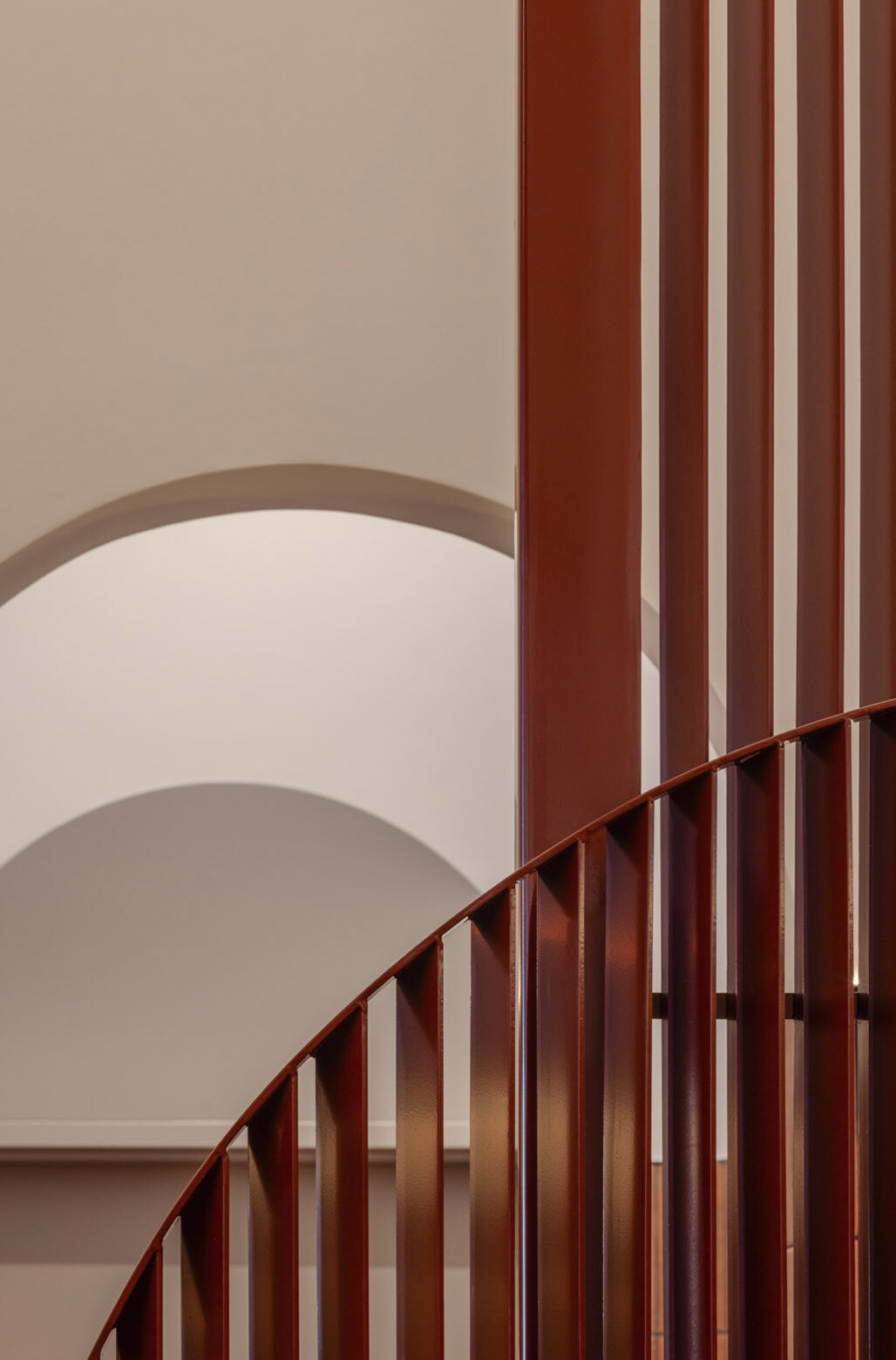
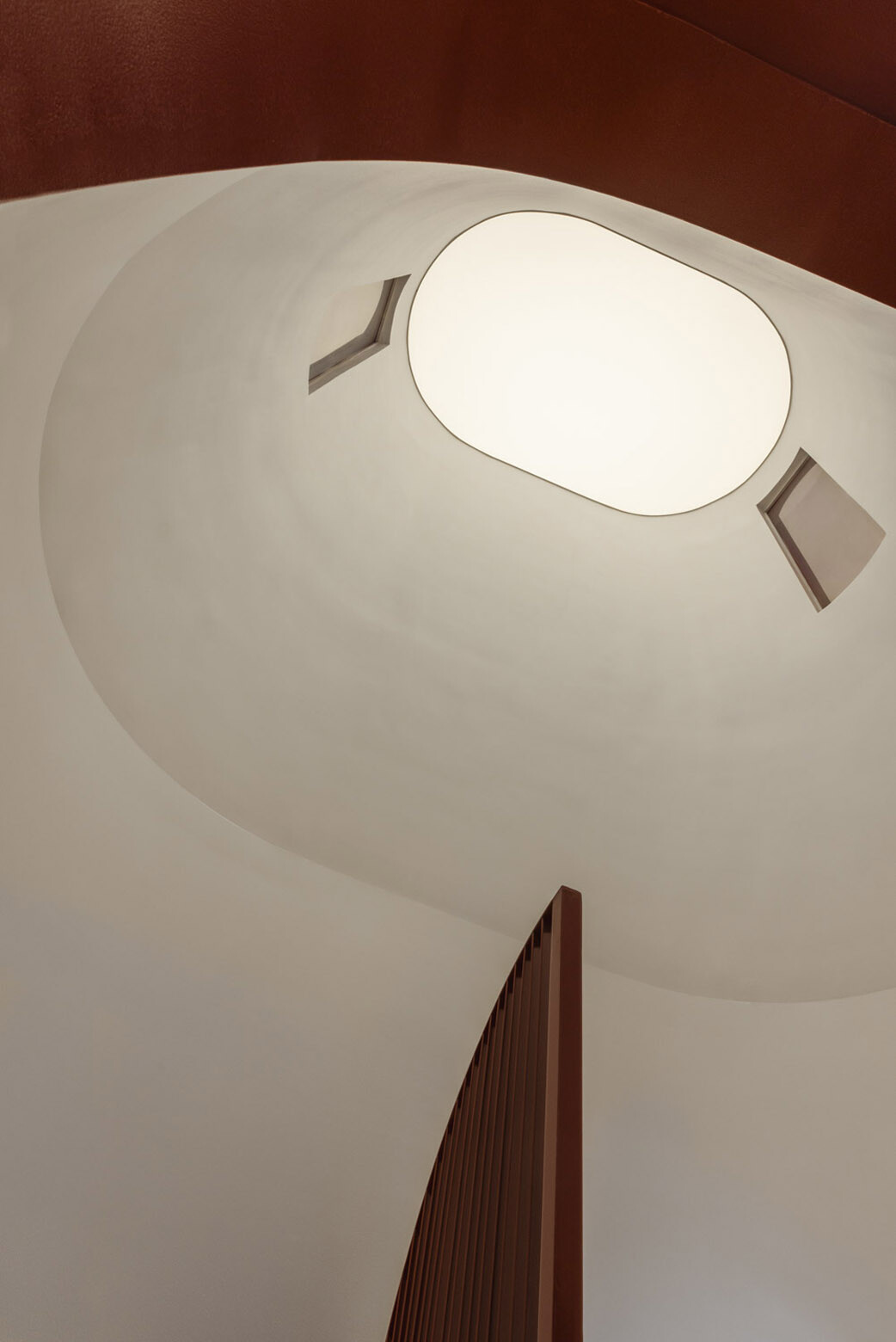
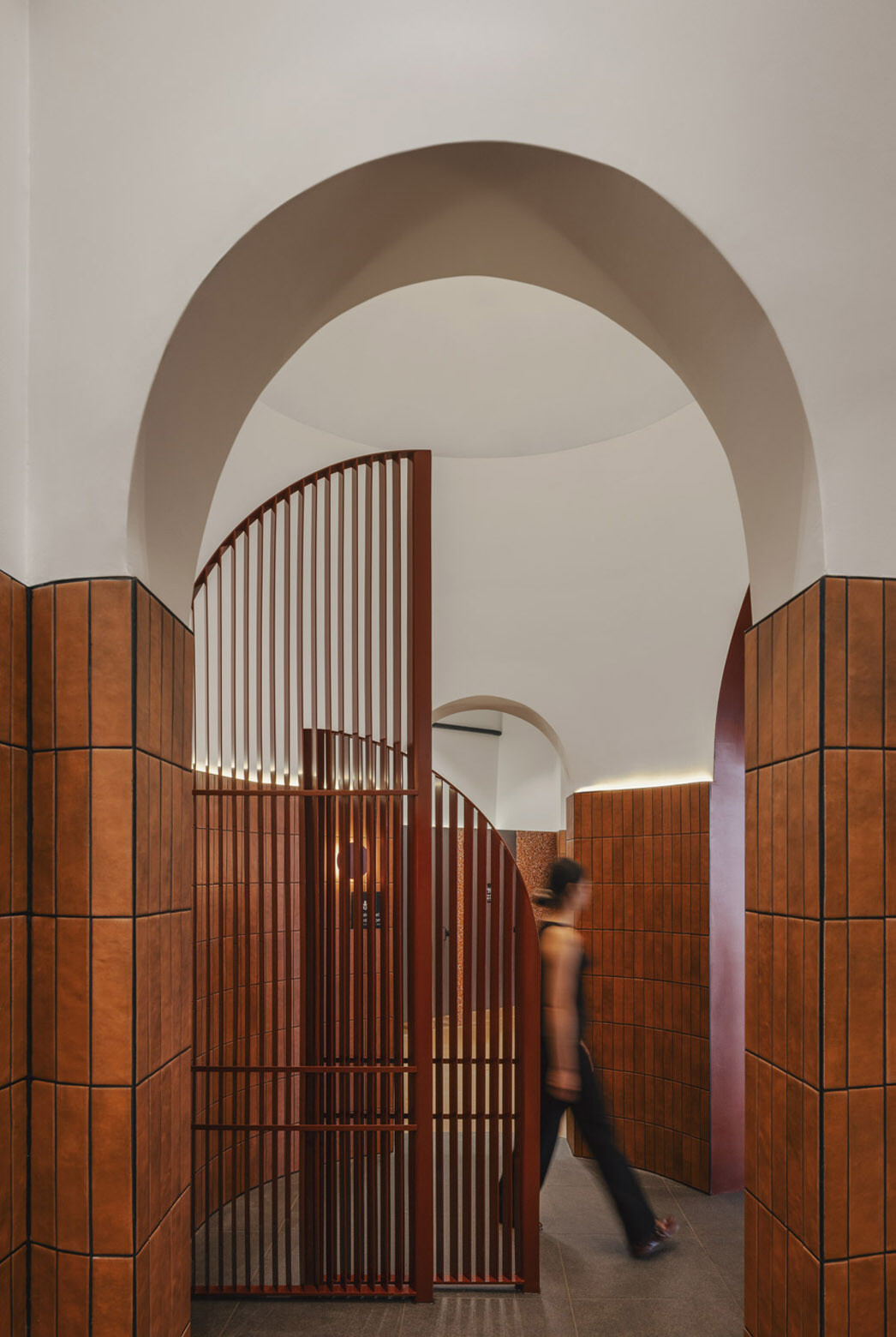
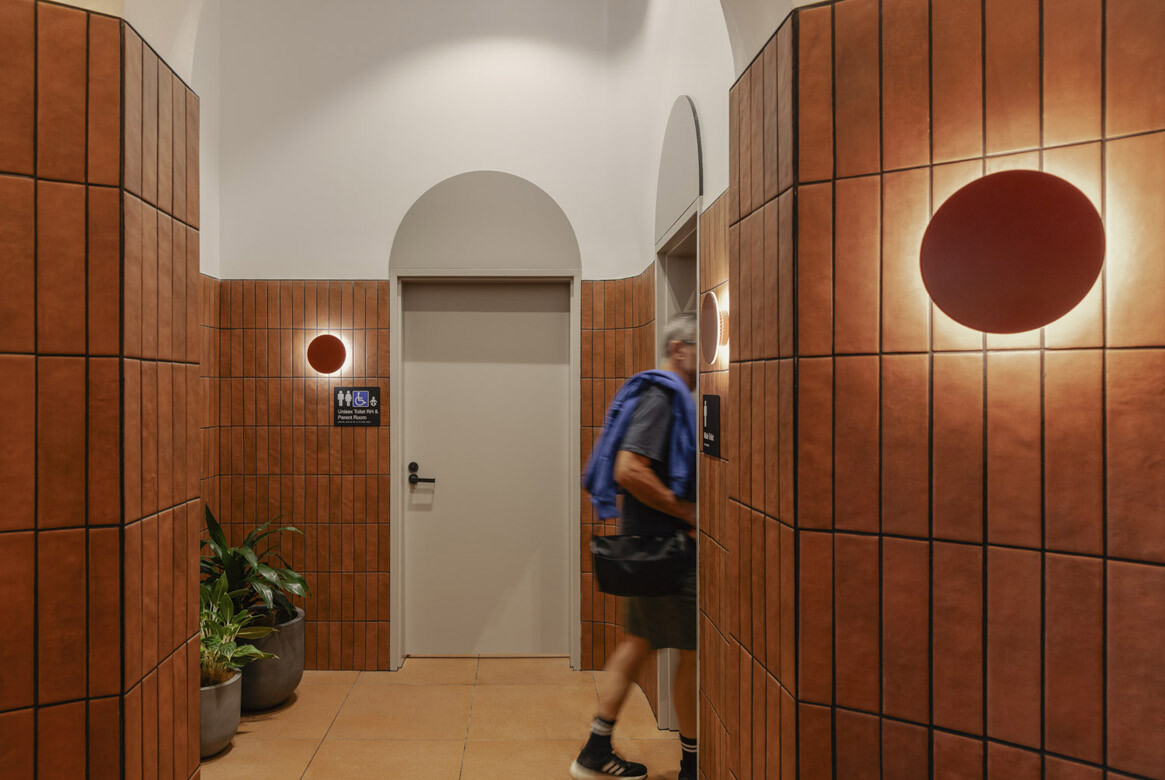
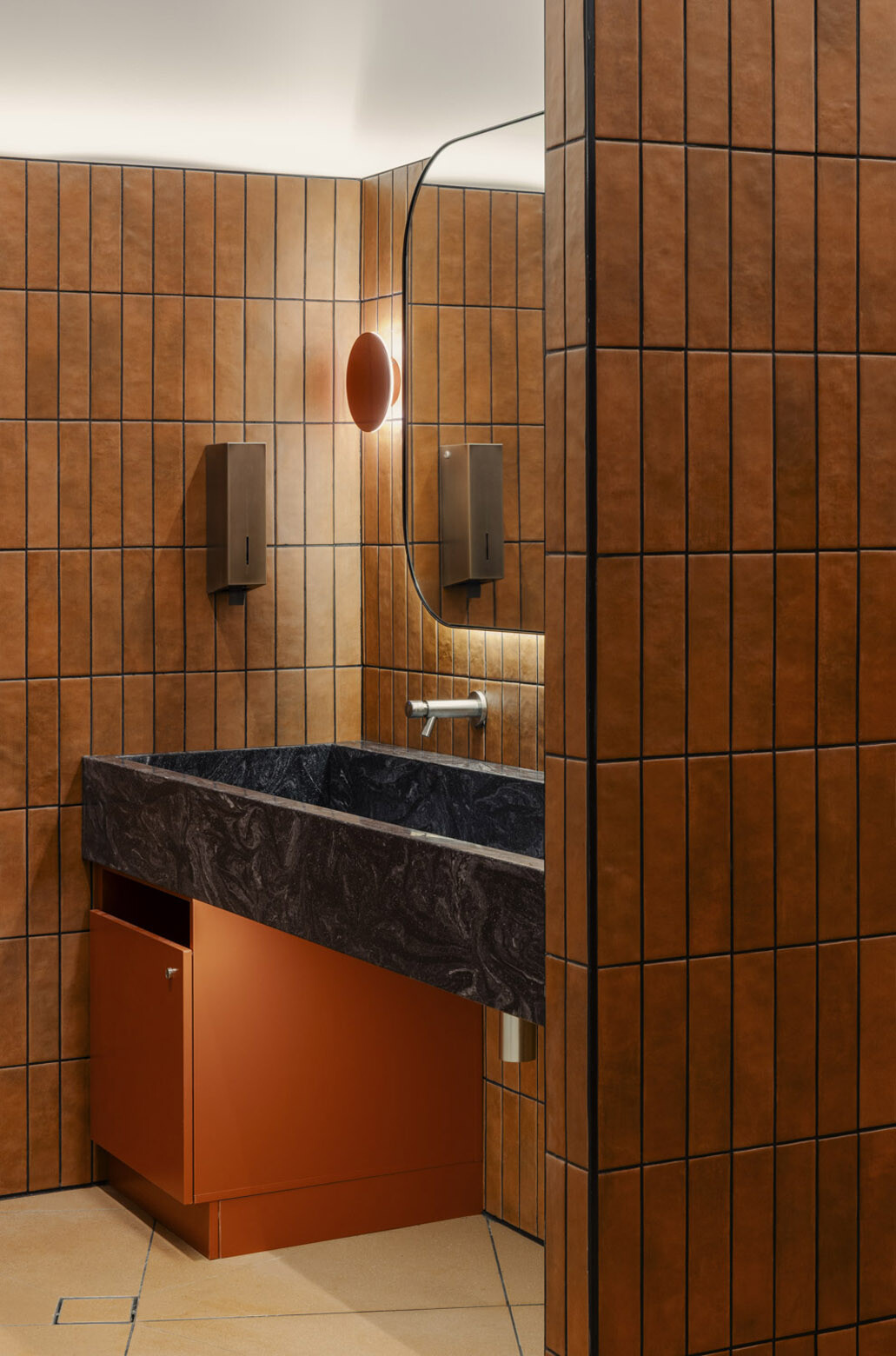
The interior language draws from the industrial heritage of nearby Pyrmont Bridge, but without slipping into nostalgia. Rather than replicating historic motifs, HDR abstracted qualities of terracotta warmth, robust materiality and structural clarity into a contemporary palette. Matte finishes, tactile surfaces and softened geometries create a calm spatial experience that feels rooted in place yet unmistakably current.
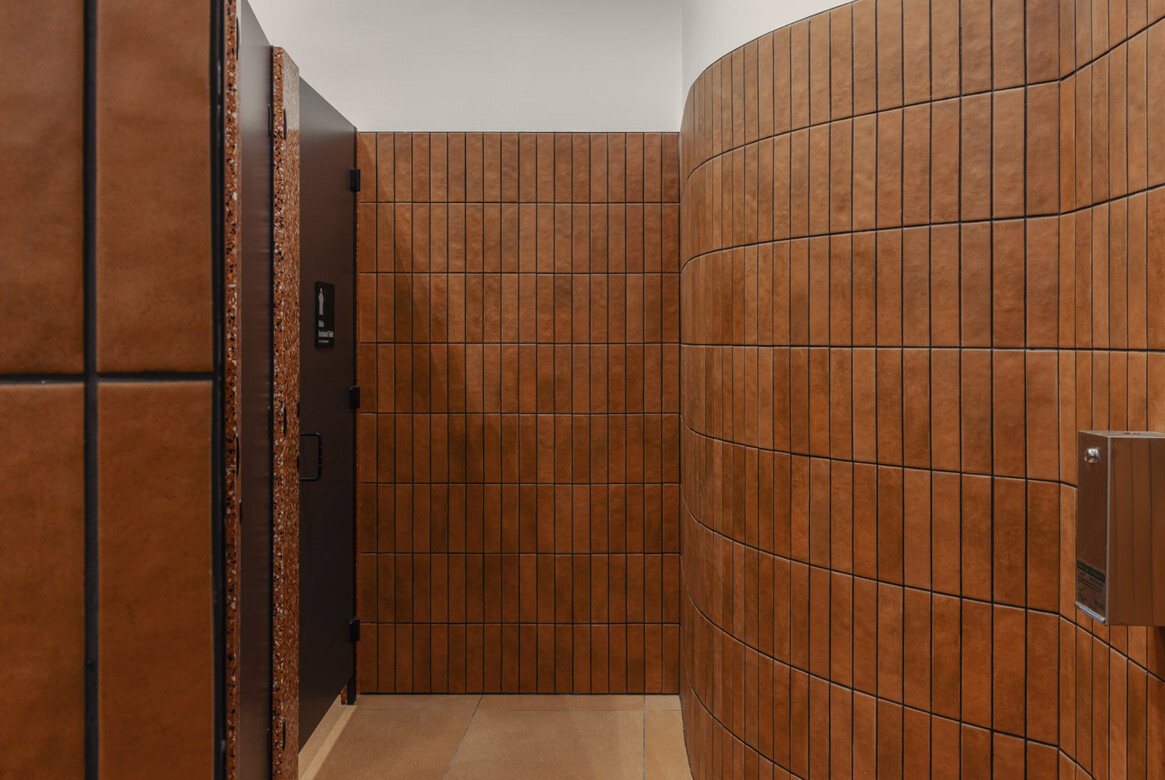
“We drew inspiration from the industrial heritage of Pyrmont Bridge, but the intention was not to recreate historic forms,” says Navius. “By focusing on enduring colour, texture and proportion, the interior maintains a strong relationship to its context while presenting a forward-looking expression suited to a contemporary urban precinct.”
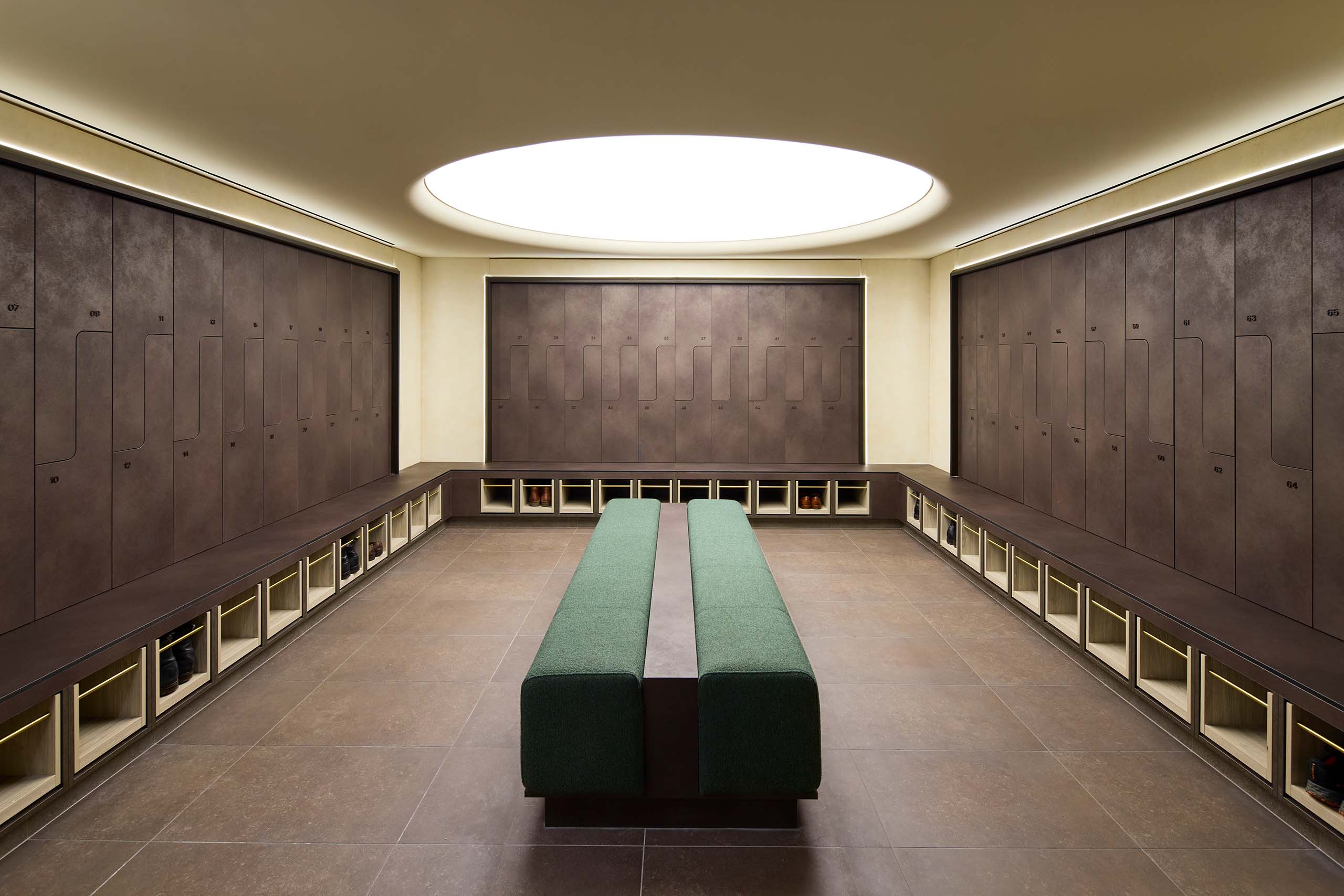
High foot traffic at Darling Harbour shaped every decision. Materials were selected for longevity and ease of maintenance; layouts refined to maintain clarity within a compact footprint. “The intensity of use required durability, safety and spatial clarity to guide all design decisions,” Navius notes. Clear sightlines, intuitive circulation and consistent lighting support legibility and perceived safety — crucial in a precinct that oscillates between daytime families, large-scale events and night-time visitors.
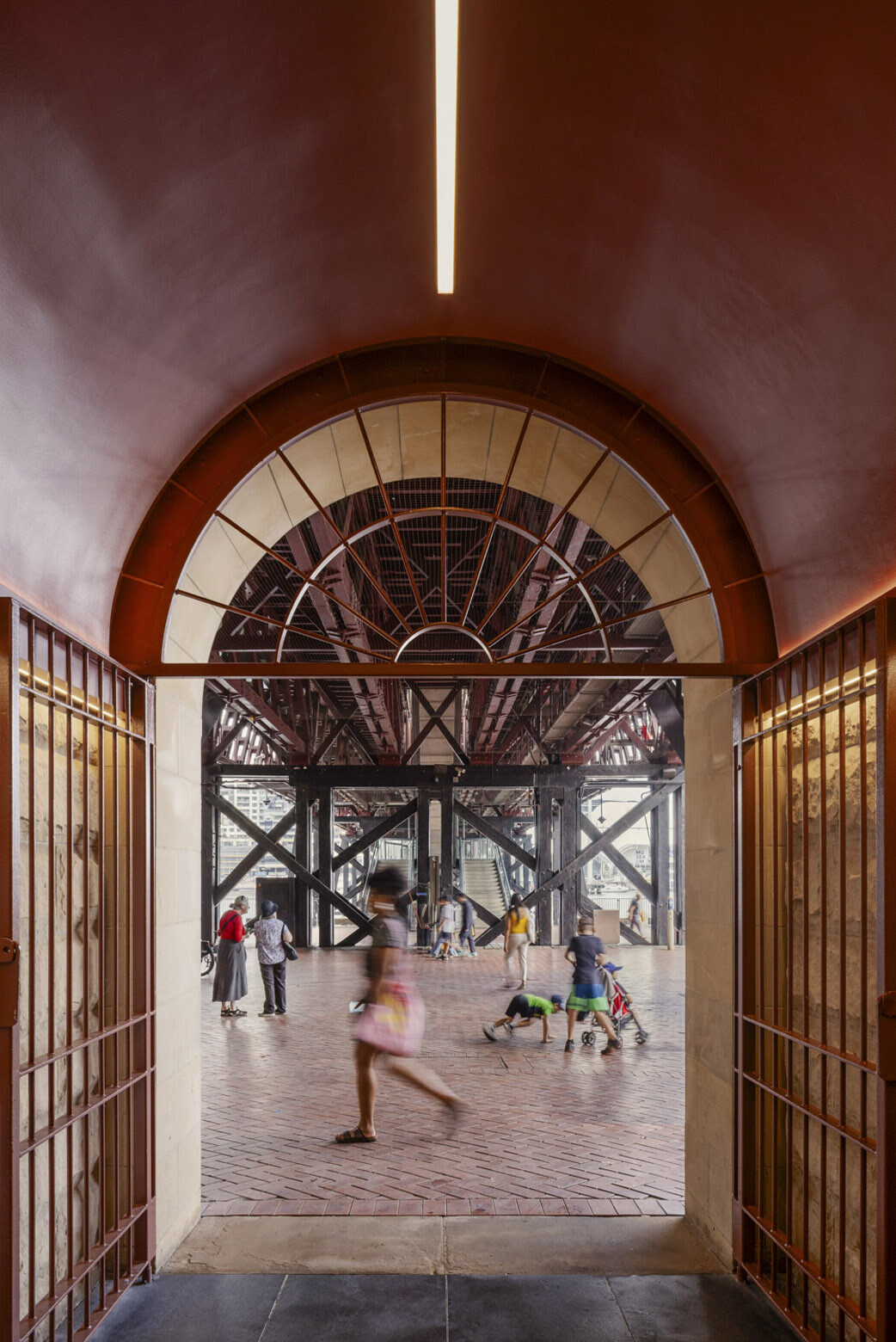
The project’s most meaningful impact lies in its approach to inclusivity. Accessibility was treated not as compliance but as a design value. Contemporary accessible amenities, multiple baby-change facilities and a dedicated child/carer cubicle support a broad demographic. “Designing for dignity meant creating an environment that feels calm, intuitive and welcoming for all users,” says Navius. “By prioritising spatial clarity, sensory ease and equitable access, the design supports a wide range of users and fosters a sense of respect and safety within the compact public environment.”
Sustainability is embedded through pragmatic measures rather than technological spectacle. Long-life finishes reduce replacement cycles, low-VOC materials support healthier interiors and water-efficient fixtures and energy-efficient lighting minimise operational demand. Natural ventilation further reduces reliance on mechanical systems — a quiet but significant gesture in a building typology not often associated with environmental ambition.
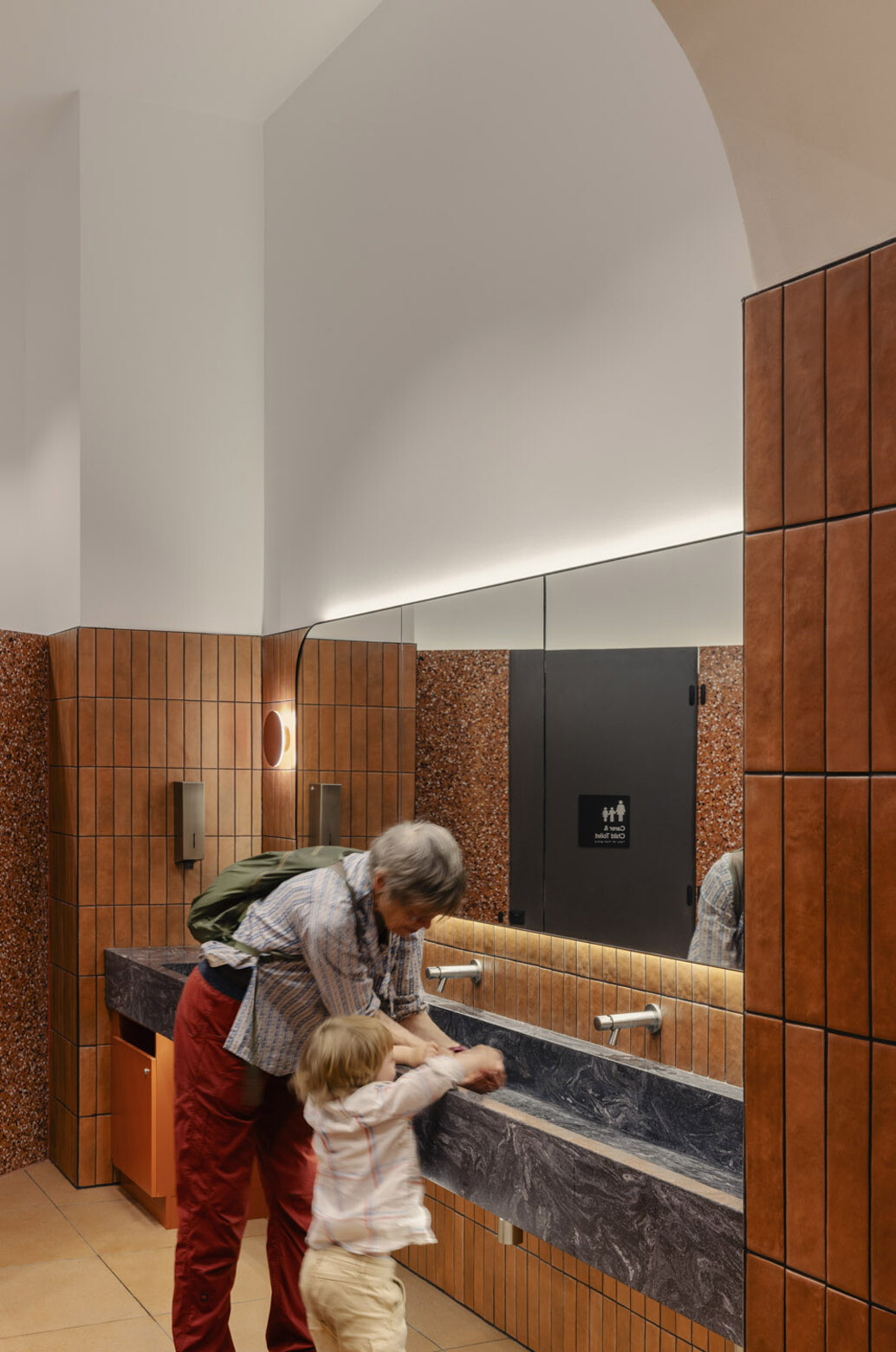
Although modest in scale, the Pyrmont Bridge East Amenities Refurbishment underscores a larger argument about civic investment. “Meaningful improvements to civic life often come from refining the small, high-use spaces people interact with most,” Navius reflects. “The project illustrates how thoughtful design can elevate essential public facilities, extend the life of existing assets and contribute to environmental and social value.”
In reframing a public toilet block as an architectural opportunity, HDR positions everyday infrastructure as a site of care — for heritage, for sustainability and, most importantly, for the people who pass through it daily.
HDR
hdrinc.com
Photography
Katherine Lu