The home of architecture and design in the Asia-Pacific
Get the latest design news direct to your inbox!

Get the latest design news direct to your inbox!
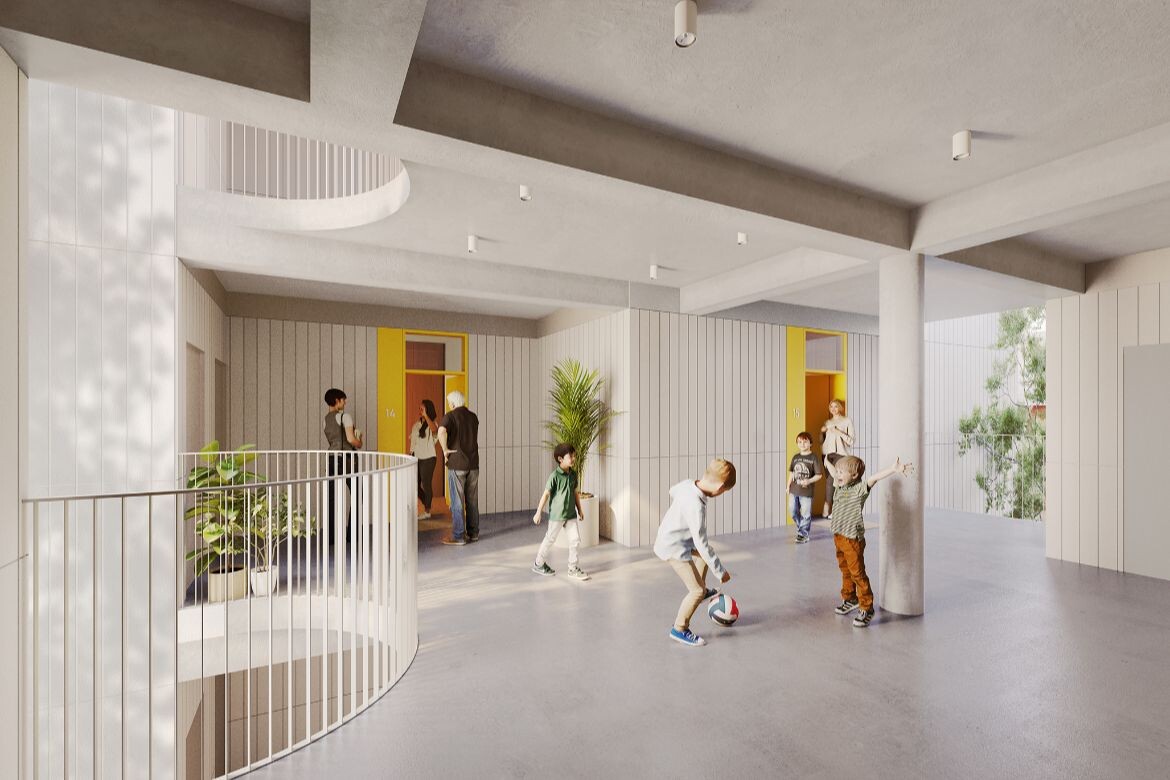
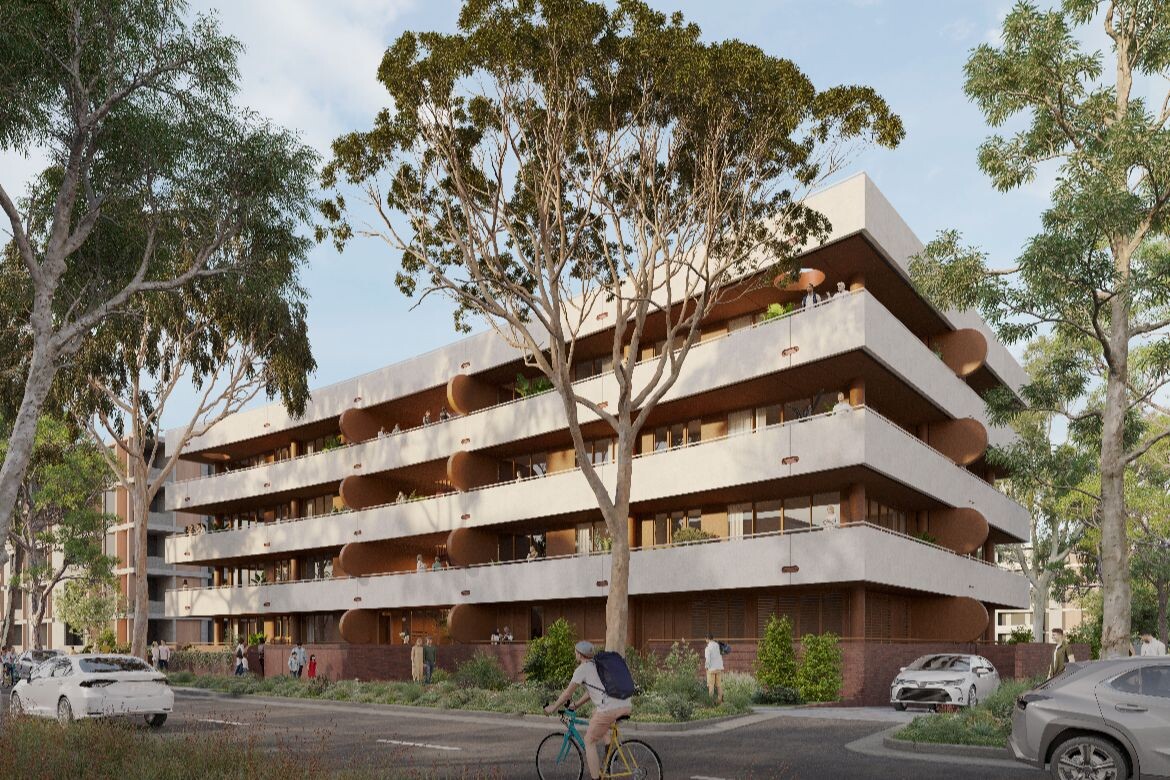
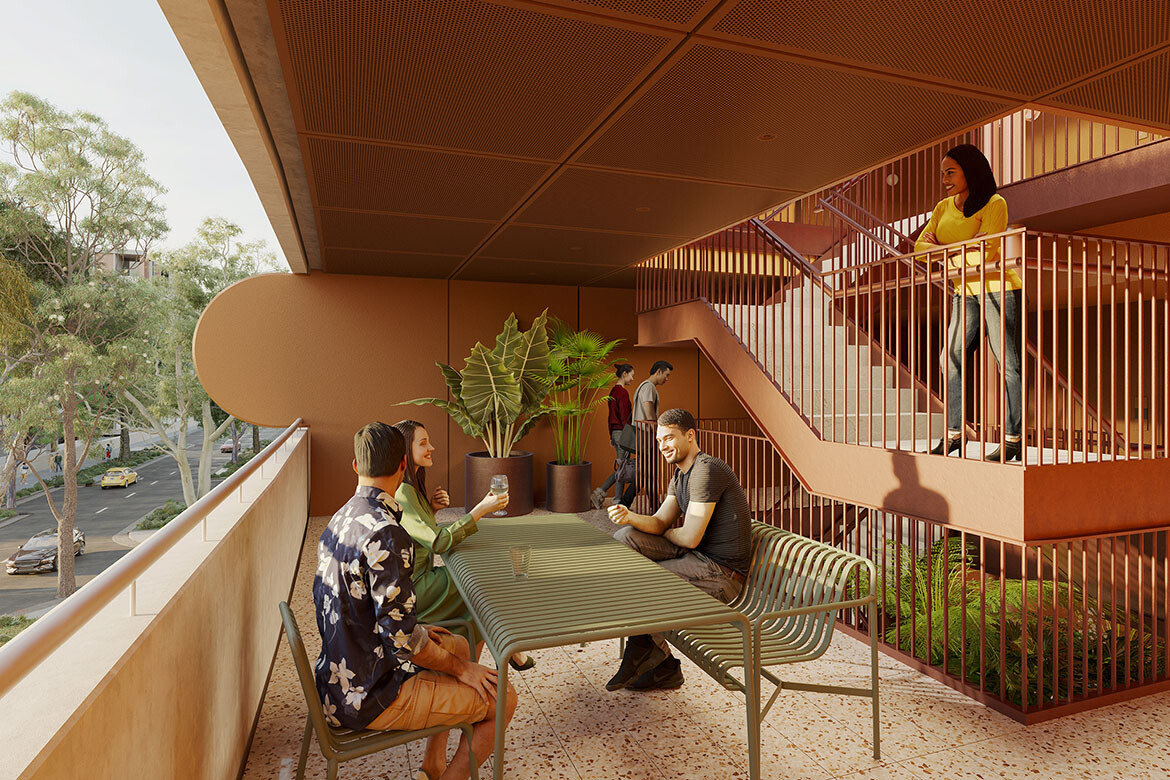
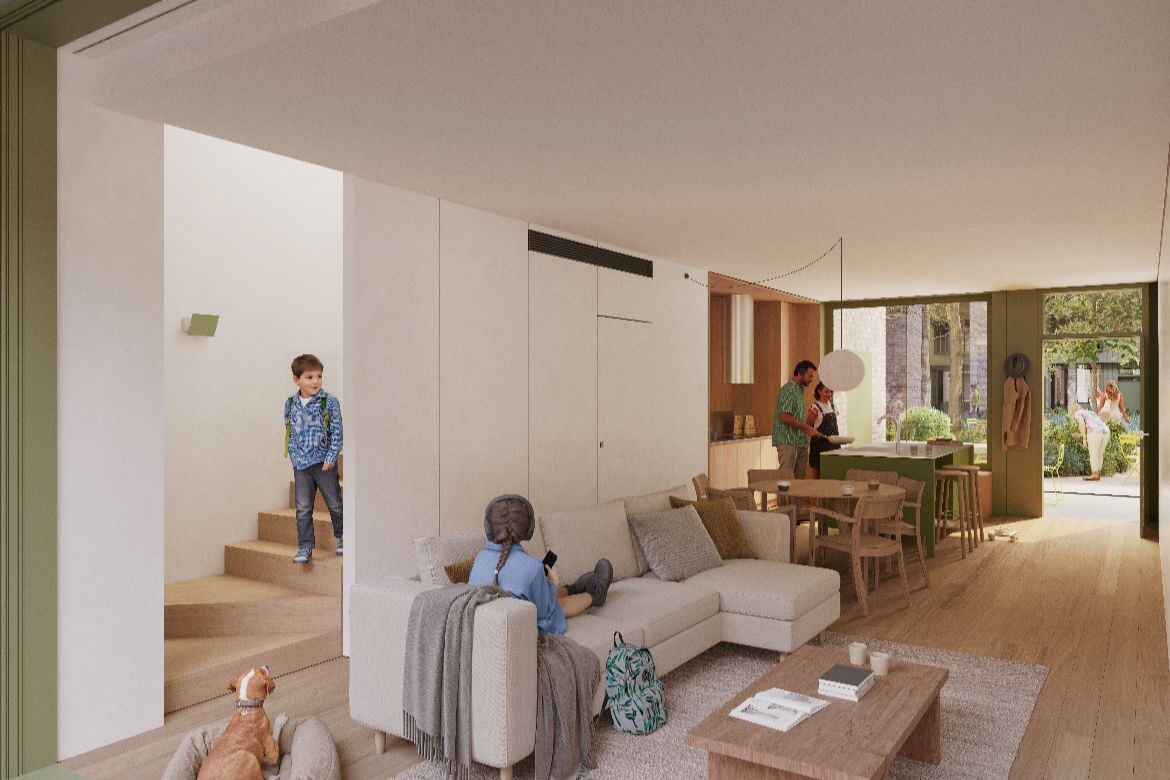
The Minns Labor Government has unveiled nine new architect-designed mid-rise apartment patterns, expanding the NSW Housing Pattern Book and accelerating the delivery of accessible, high-quality housing across the state.
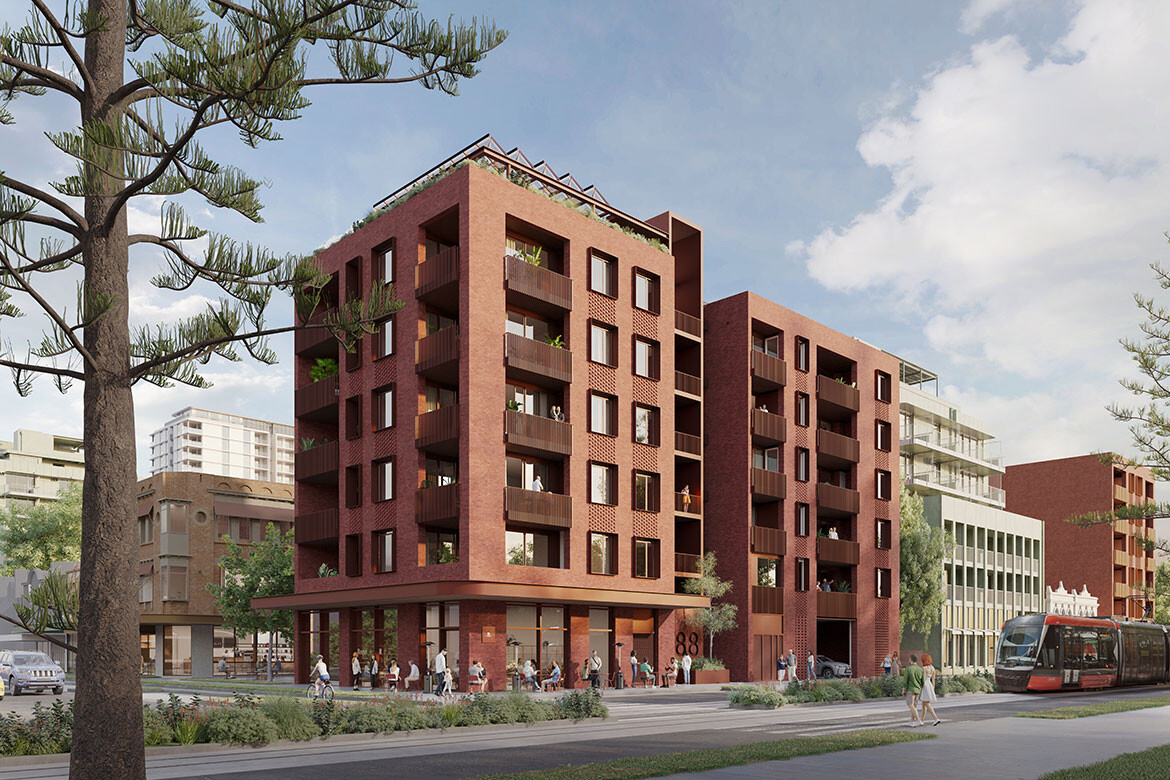
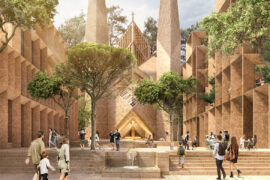
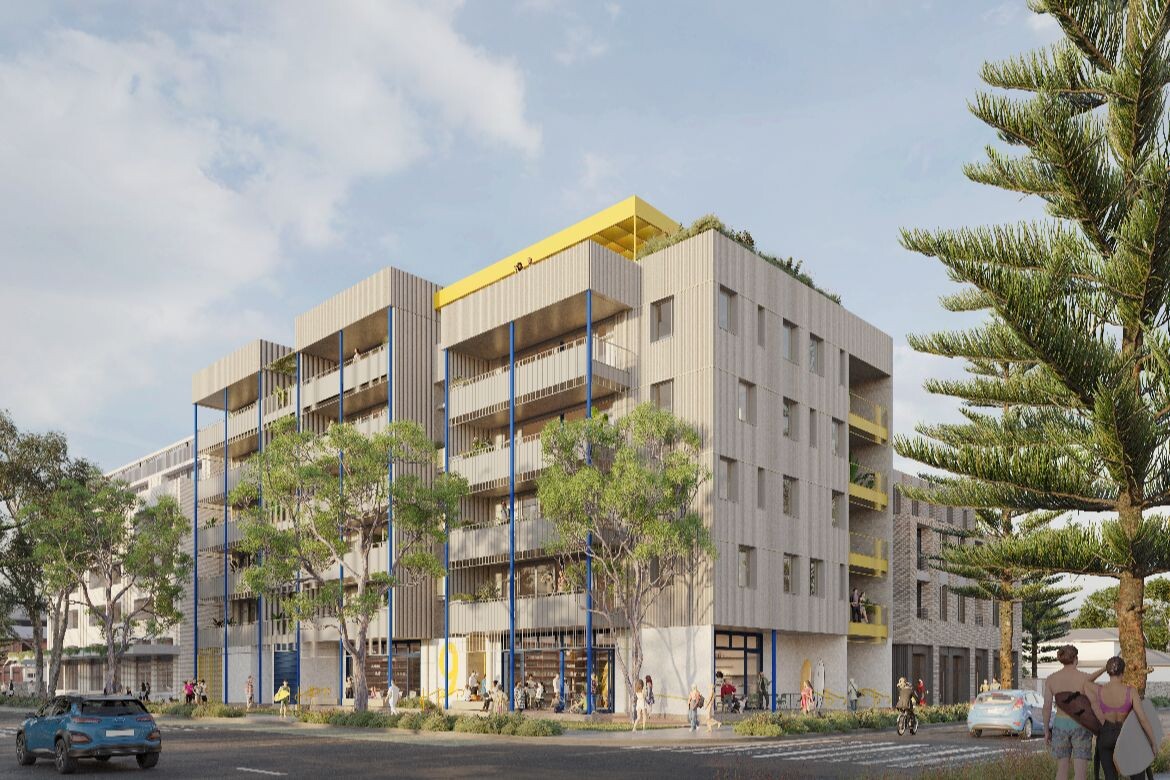
Tonkin Zulaikha Greer exterior.
November 25th, 2025
The State Government has launched nine new architect-designed mid-rise apartment building patterns as the next phase of the NSW Housing Pattern Book, aiming to accelerate the delivery of new homes across the state.
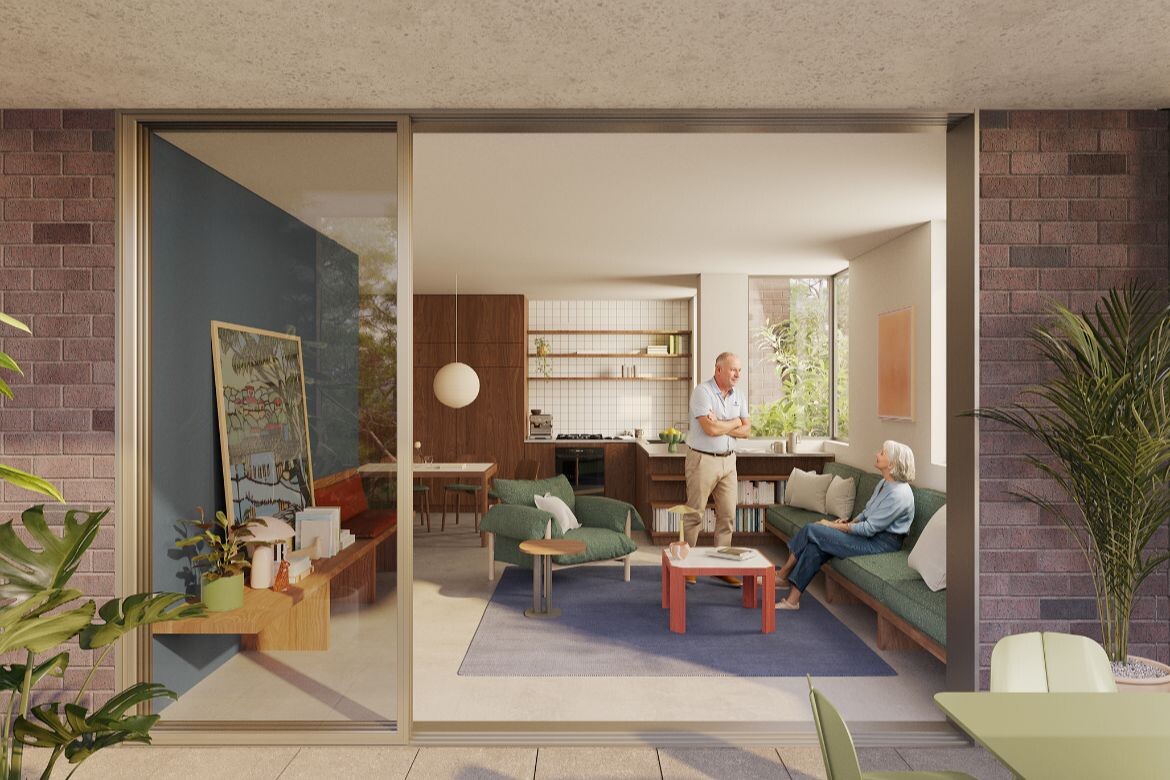
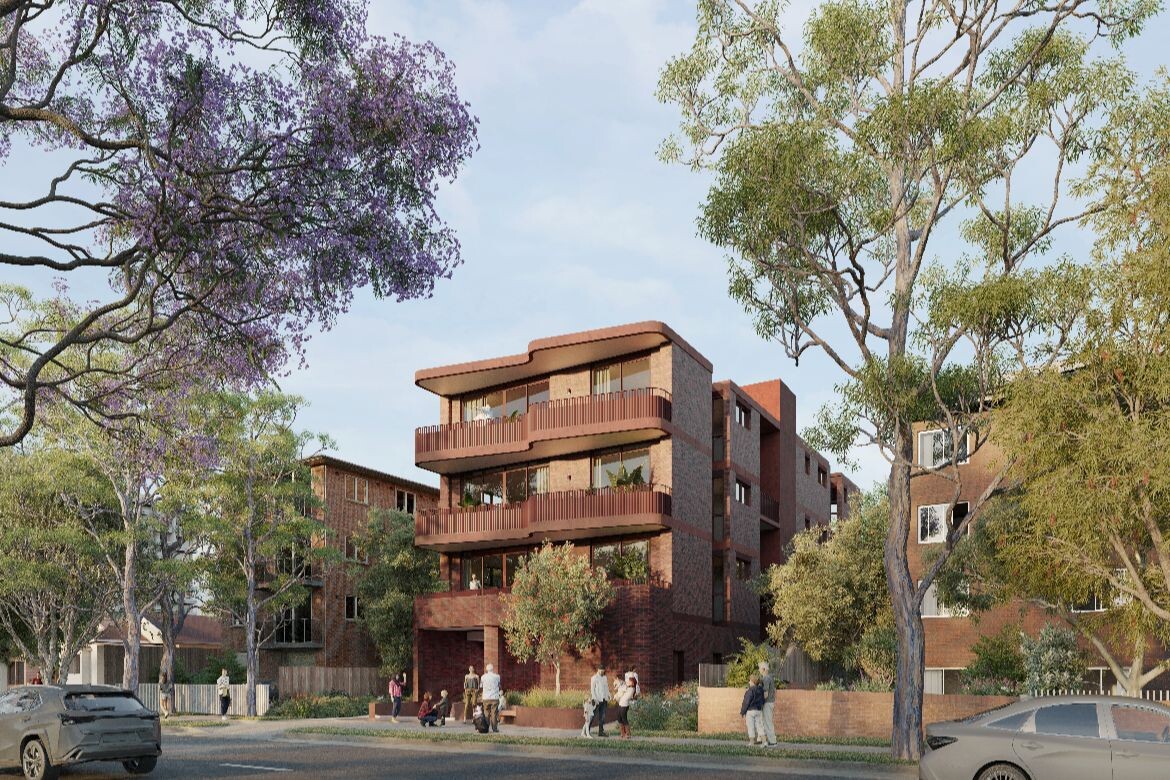
The new mid-rise apartment designs range from three to six storeys and join the eight low-rise home patterns released in July, offering a broad suite of housing options for growing communities. The nine patterns include four designs for small lots, three for large lots and two for corner lots.
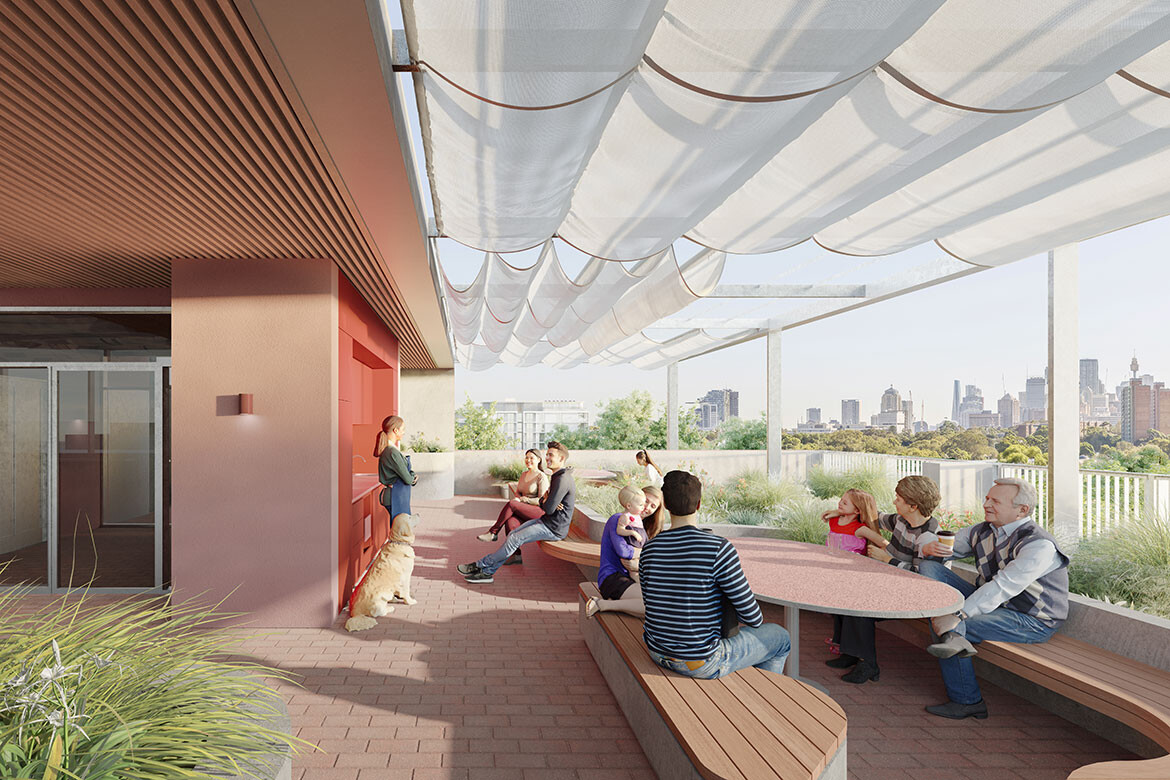
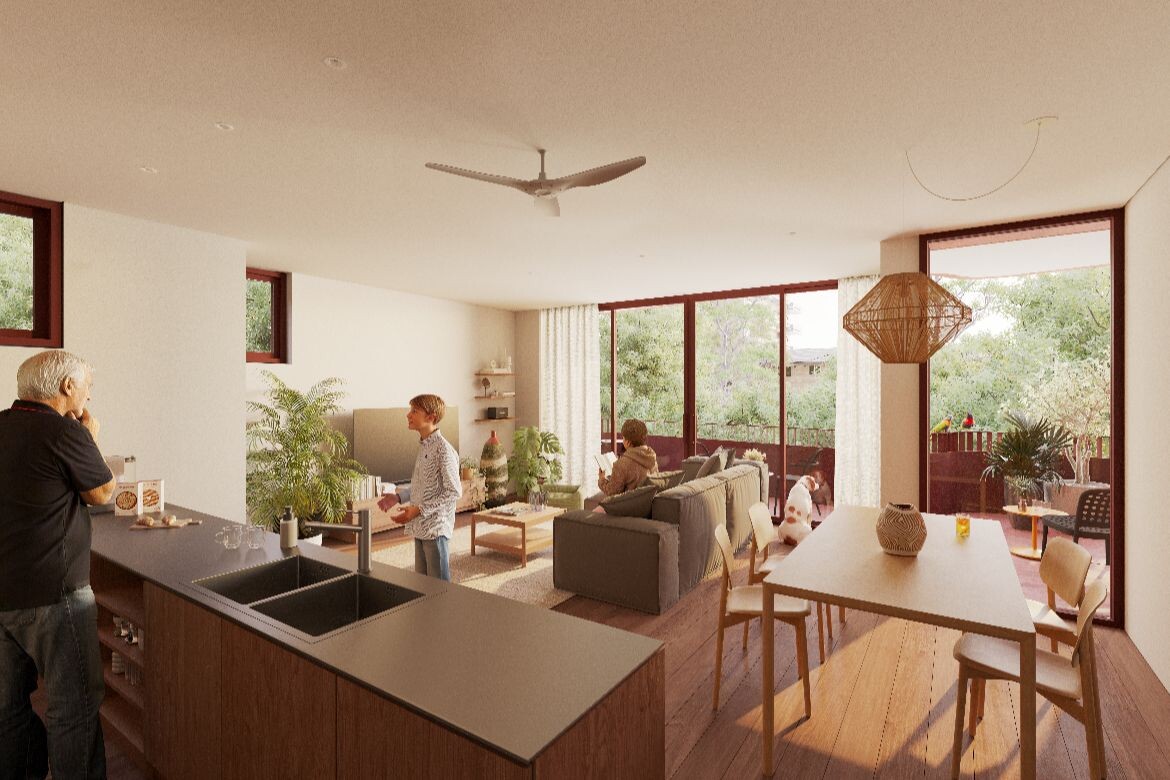
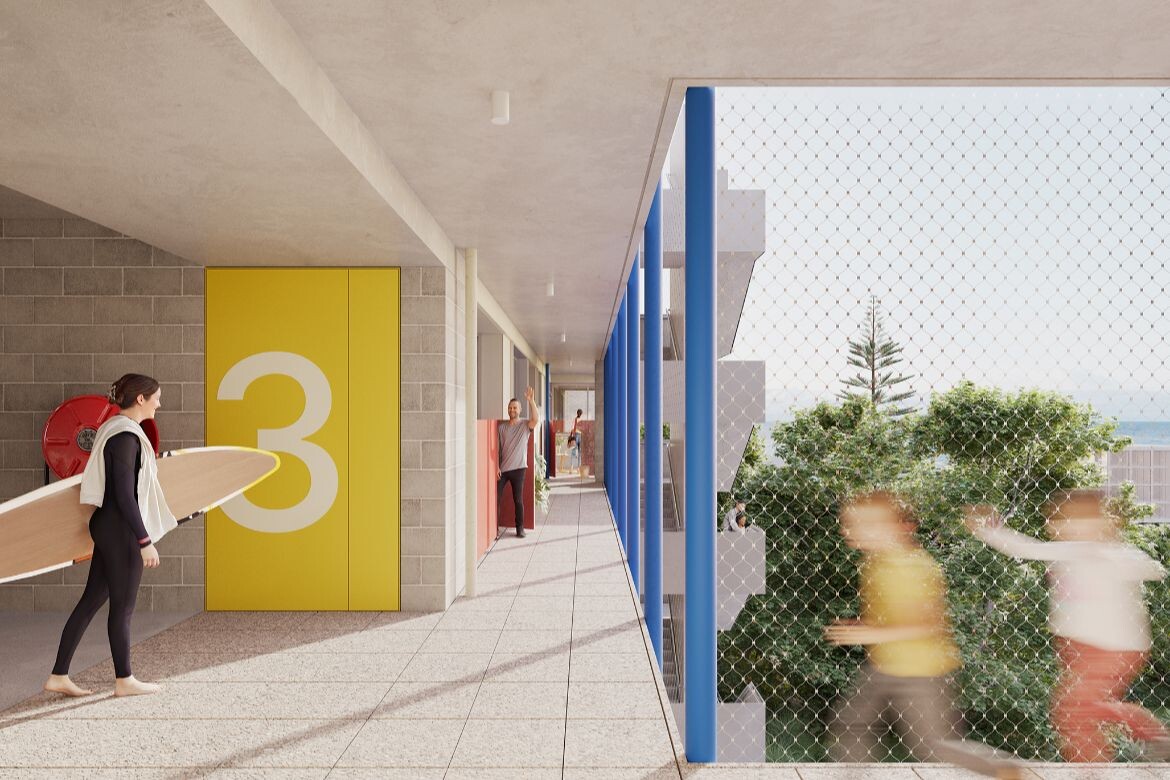
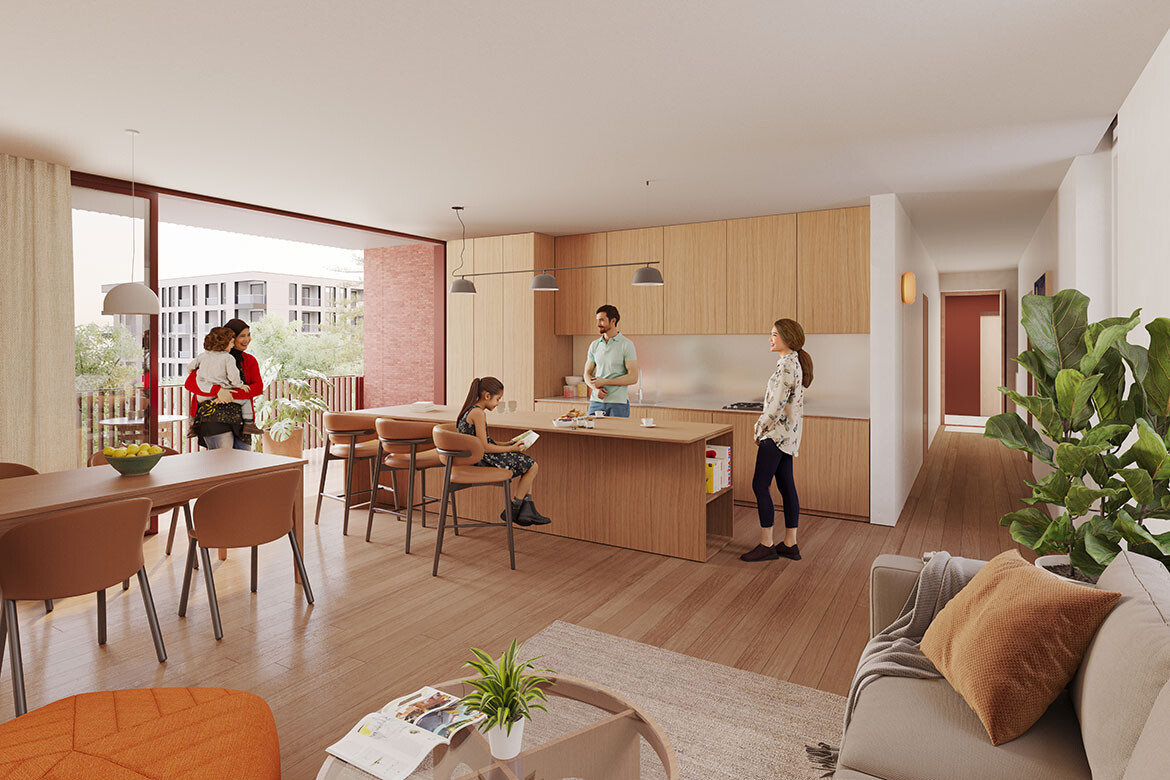
Designed by leading architectural practices from Australia and New Zealand, the mid-rise patterns seek to support housing needs at every stage of life. They are light-filled and cross-ventilated, maximise solar access and have been designed to Australian Building Codes Board Liveable Housing Design Standard.
Related: Eco Outdoor hosts Sydney panel on design, carbon and long-term value
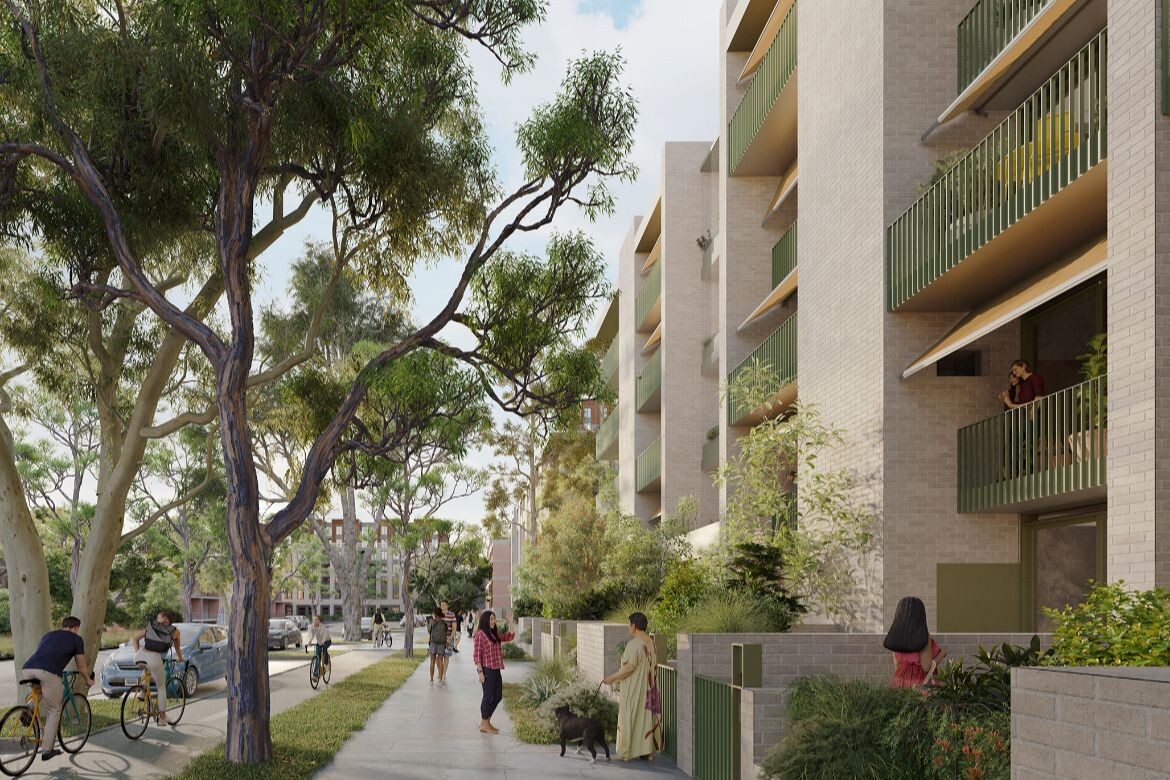
The patterns have been developed to enable efficient construction while offering architect-designed solutions that are modern, adaptable, cost-effective and energy-efficient.
At present, mid-rise patterns require a DA to be submitted to local councils. However, the Government has reduced assessment requirements by issuing guidance that will allow councils to halve average DA assessment times for these projects.
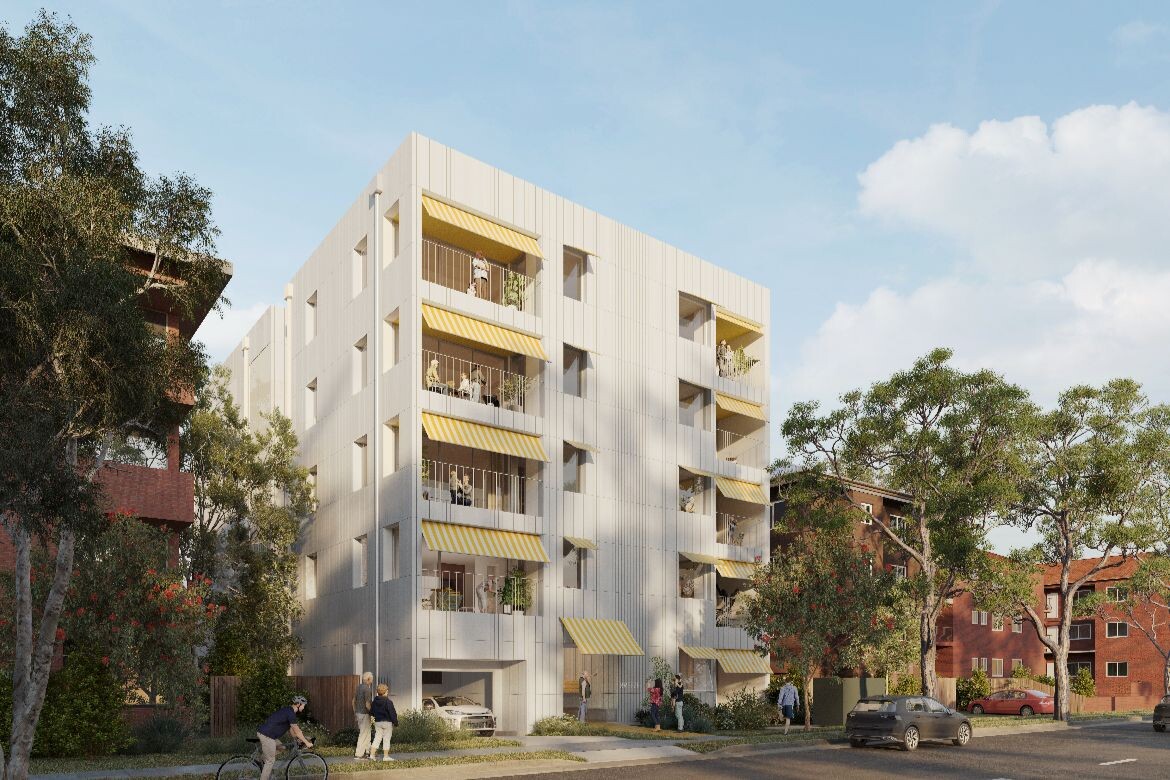
New planning laws just passed by the Parliament will enable an even faster and simpler planning pathway in the new year, with the mid-rise pattern book to be prioritised for access to the Government’s newly created targeted assessment pathway.
For the first six months, the patterns will be available at a subsidised introductory price of $1500 for small-lot and corner-lot designs and $2500 for large-lot designs, representing around one per cent of the typical cost of architect-designed plans.
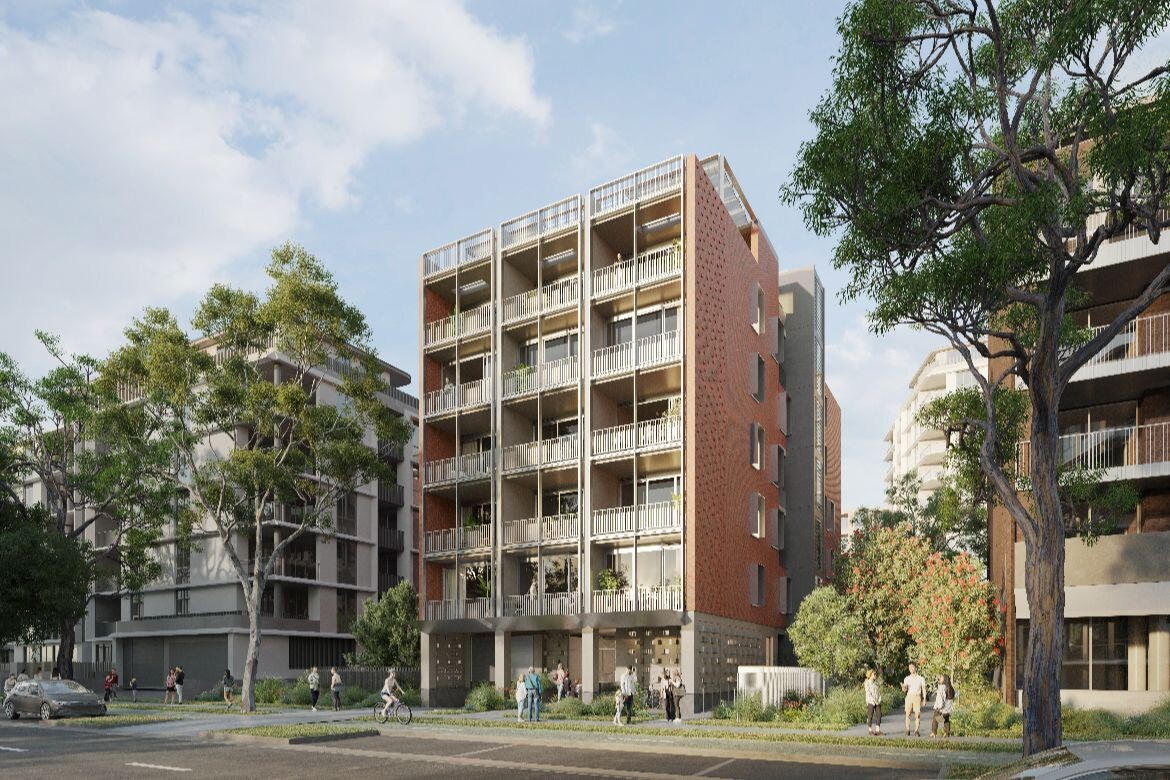
Premier Chris Minns emphasises that the new patterns are intended as both beautiful homes and a practical tool for accelerating supply. “They are a practical way we are delivering more homes for young people and families across New South Wales,” he says, noting that approval times are now 15 per cent faster than under the previous government. “We are leading the world with the use of pattern books to drive the delivery of new high-quality and affordable homes faster by cutting approval delays and making quality designs more accessible.”
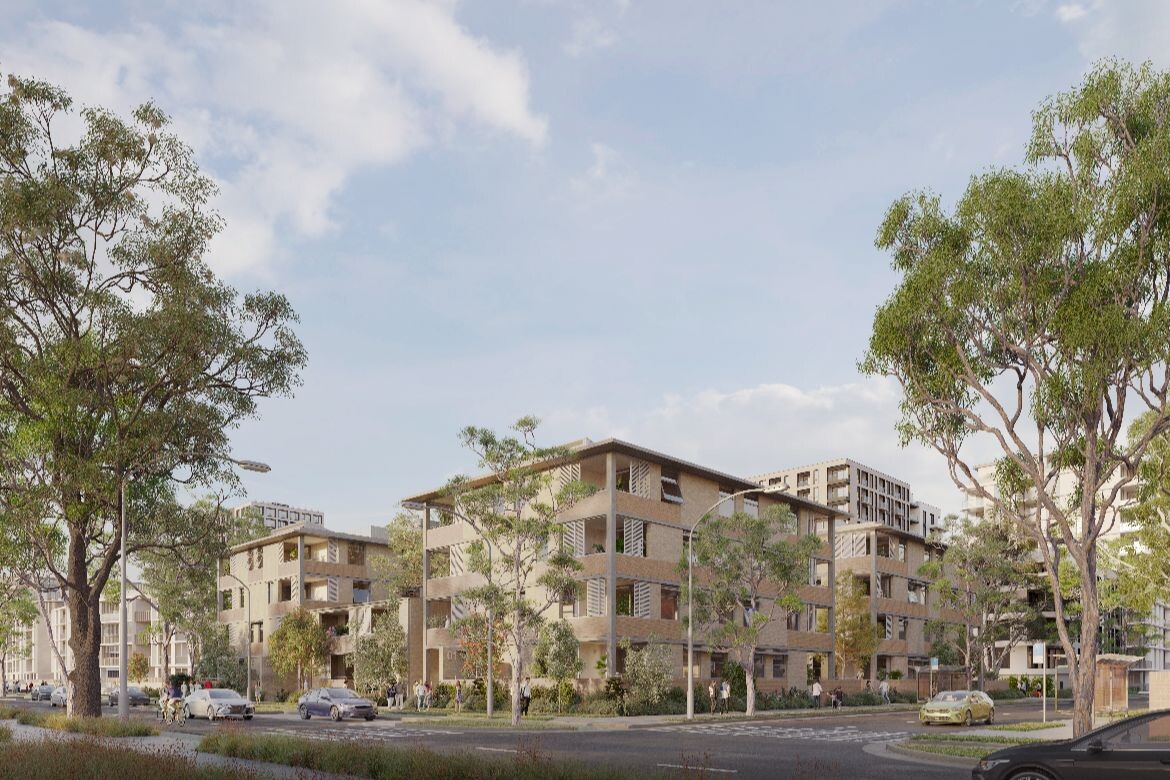
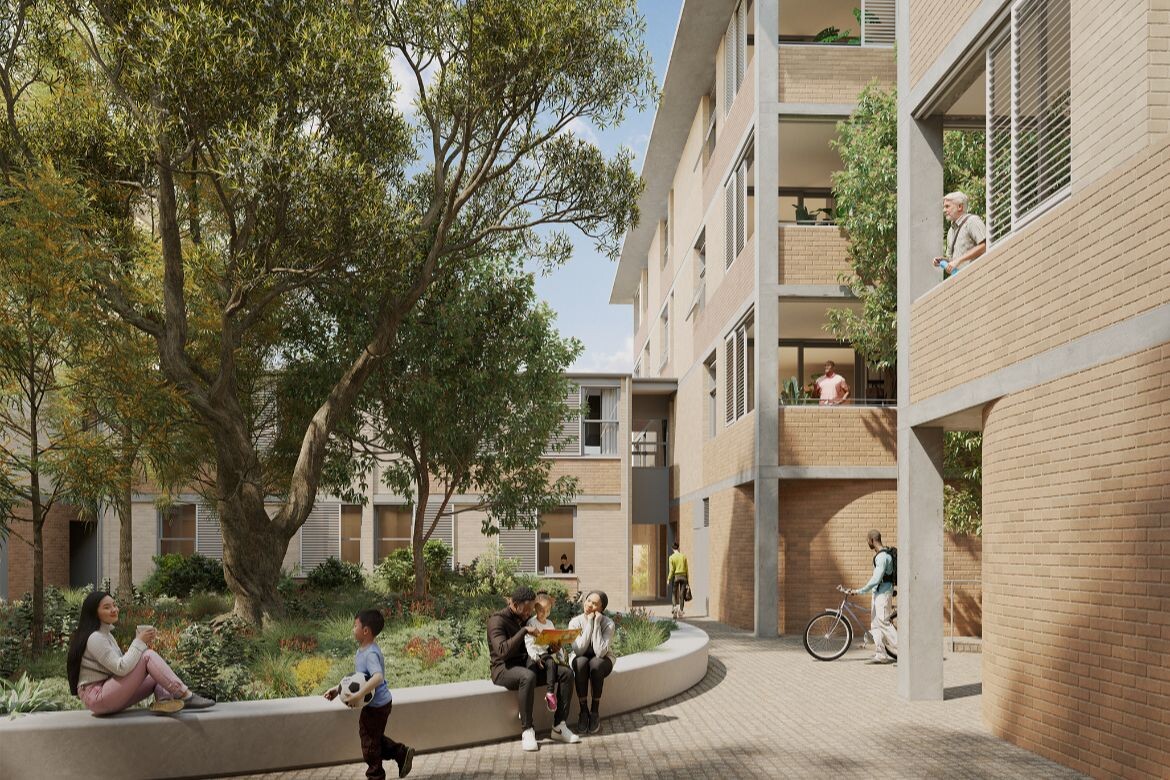
For Planning and Public Spaces Minister Paul Scully, the initiative builds on a long lineage of mid-rise living across the state, from Art Deco apartments to familiar red-brick walk-ups. “These new patterns will write a new chapter for mid-rise homes in NSW, that not only have character but are affordable and sustainable,” he says. Streamlined approvals and ready-to-build designs, he adds, are intended to “remove barriers and help more people access quality housing sooner.”
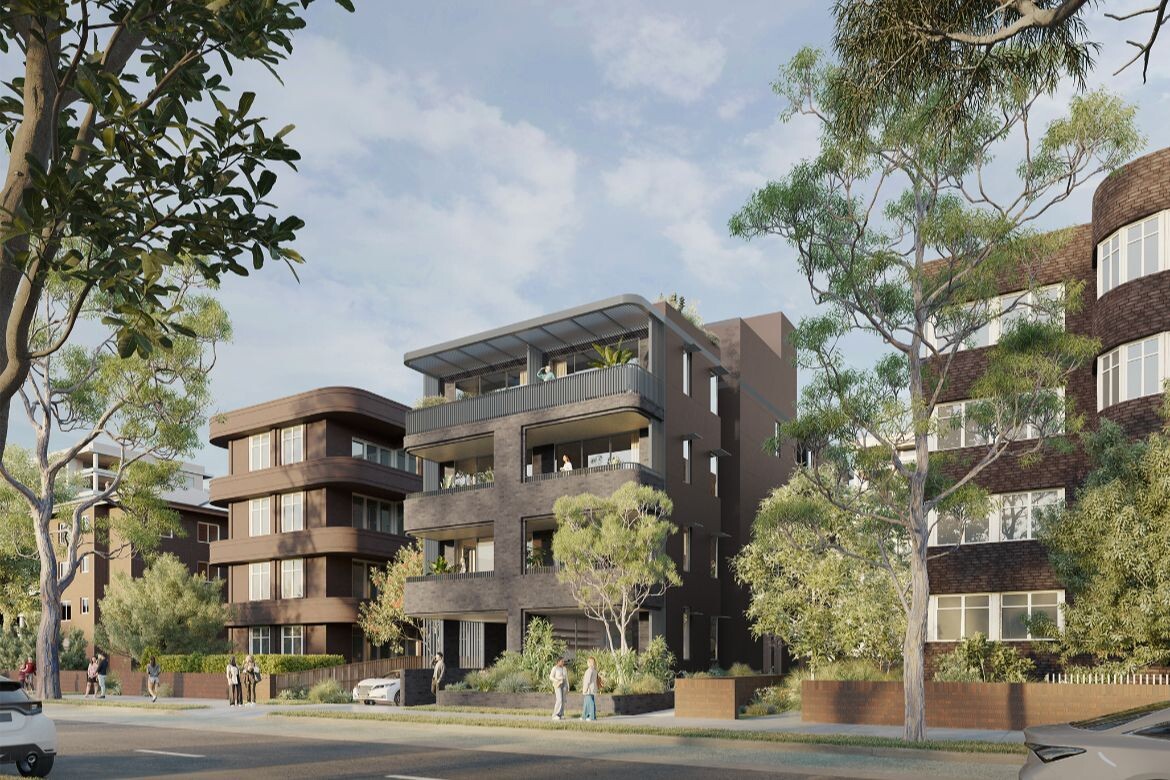
Government Architect NSW Abbie Galvin highlights the role of design quality in shaping neighbourhoods as they grow denser. “Mid-rise apartments strike a balance between compact living and community connection,” she says. “We have curated designs that are beautiful, functional and easy to build, helping more people move into homes that suit their lives, sooner.” For Galvin, the mid-rise patterns offer “a clear pathway to delivering quality homes that contribute positively to the urban fabric.”
NSW Housing Pattern Book
planning.nsw.gov.au
INDESIGN is on instagram
Follow @indesignlive
A searchable and comprehensive guide for specifying leading products and their suppliers
Keep up to date with the latest and greatest from our industry BFF's!
The internet never sleeps! Here's the stuff you might have missed