Hi from Amsterdam!
I’m halfway through a seven-week itinerary for my Byera Hadley Travelling Scholarship. My research project aims to accelerate the uptake of biogenic and circular construction materials in Australia. I’m focusing on prefabricated straw-filled wall panels — a seemingly unlikely but perfect marriage of high-performance manufactured components and vast piles of old-fashioned agricultural waste (straw being the waste product after a wheat harvest). My travel itinerary has involved hopping around several recent buildings made from this system in a number of different countries.
Earlier in my trip, I visited Slovakia to tour the EcoCocon factory in Voderady, just outside Bratislava. Completed last year, this remarkable building is made from the same straw wall panels that are manufactured inside. Left unfinished internally, the wall panels showcase the thermally insulating straw core. Inside, an assembly line of automated robots silently goes about manufacturing wall panels with extreme accuracy — indeed, the robotic assembly line was delivered by a company supplying the automotive industry.

Related: Read the full scholarship story here
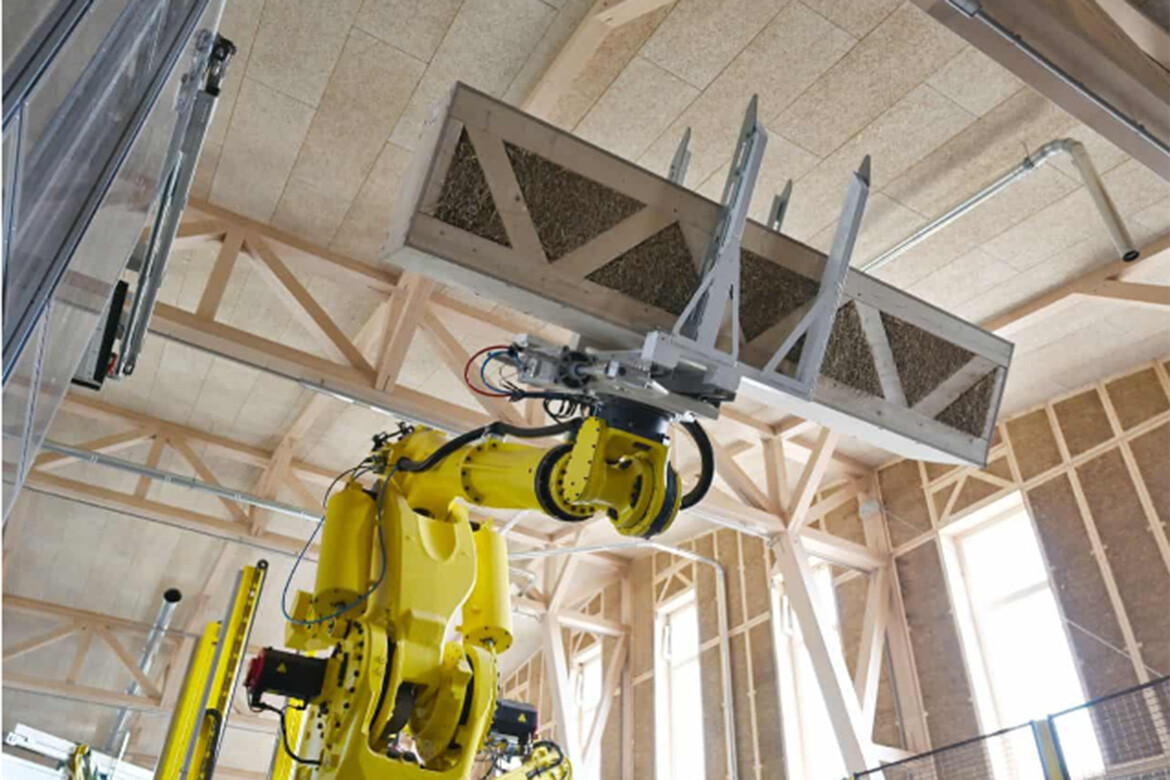
In conventional construction, +/-10mm (or more) is generally a reasonable tolerance. In the automotive industry, it is a fraction of a millimetre. Differences in the coating thickness on a screw head may be enough to throw off a car-making robot, so at Voderady, the challenge was to find a middle ground suitable for industrial architecture. It is a very impressive achievement, the first of its kind anywhere in the world, and already churning out 80 panels per day.
My favourite part was the ‘barber shop’ (their moniker, not mine) where rather unruly straw panels are sent to have a final trim. It was strangely satisfying seeing a circular saw on a robot arm methodically shaving the wild straw off the panel faces to a gentlemanly stubble.
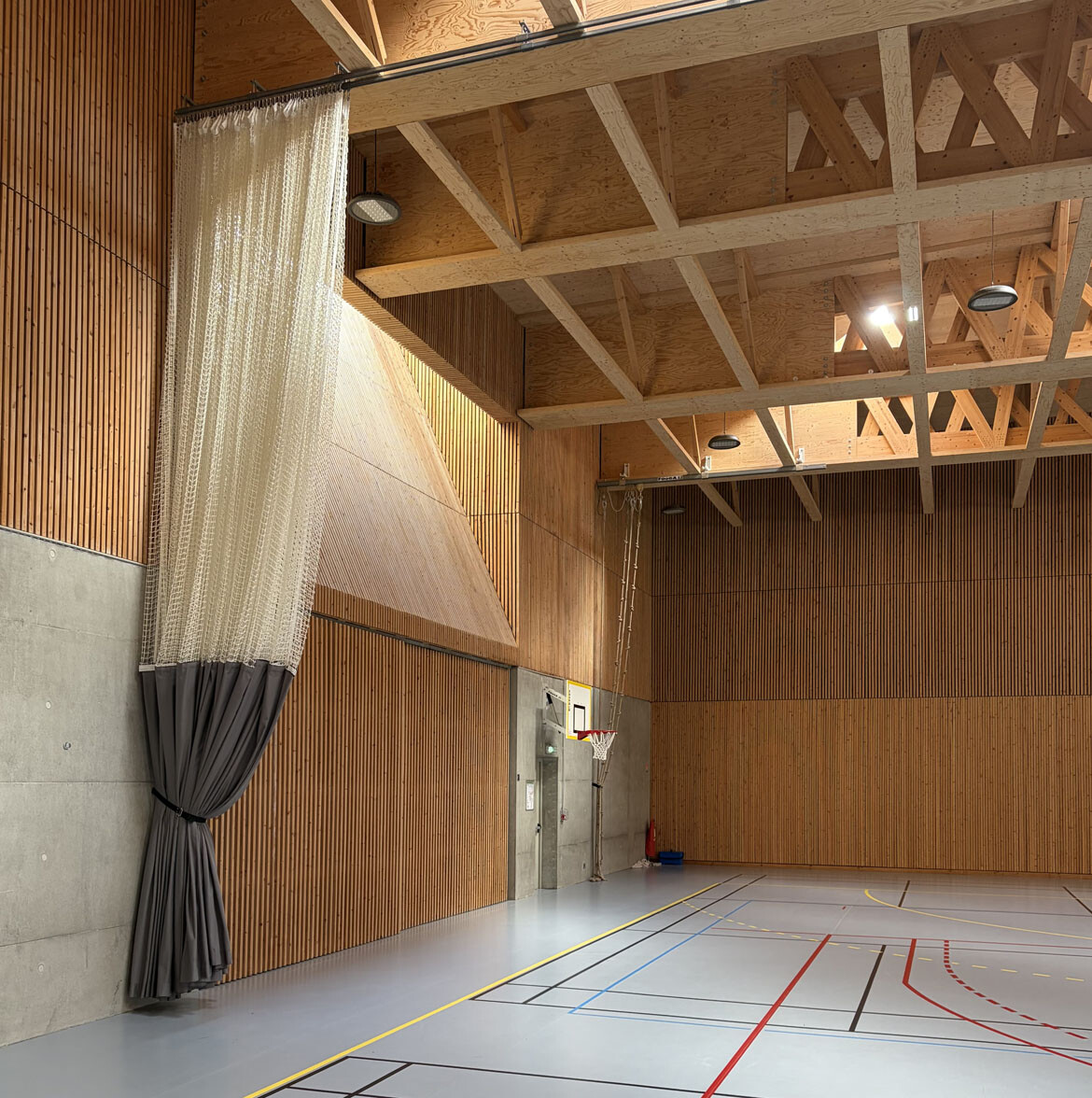
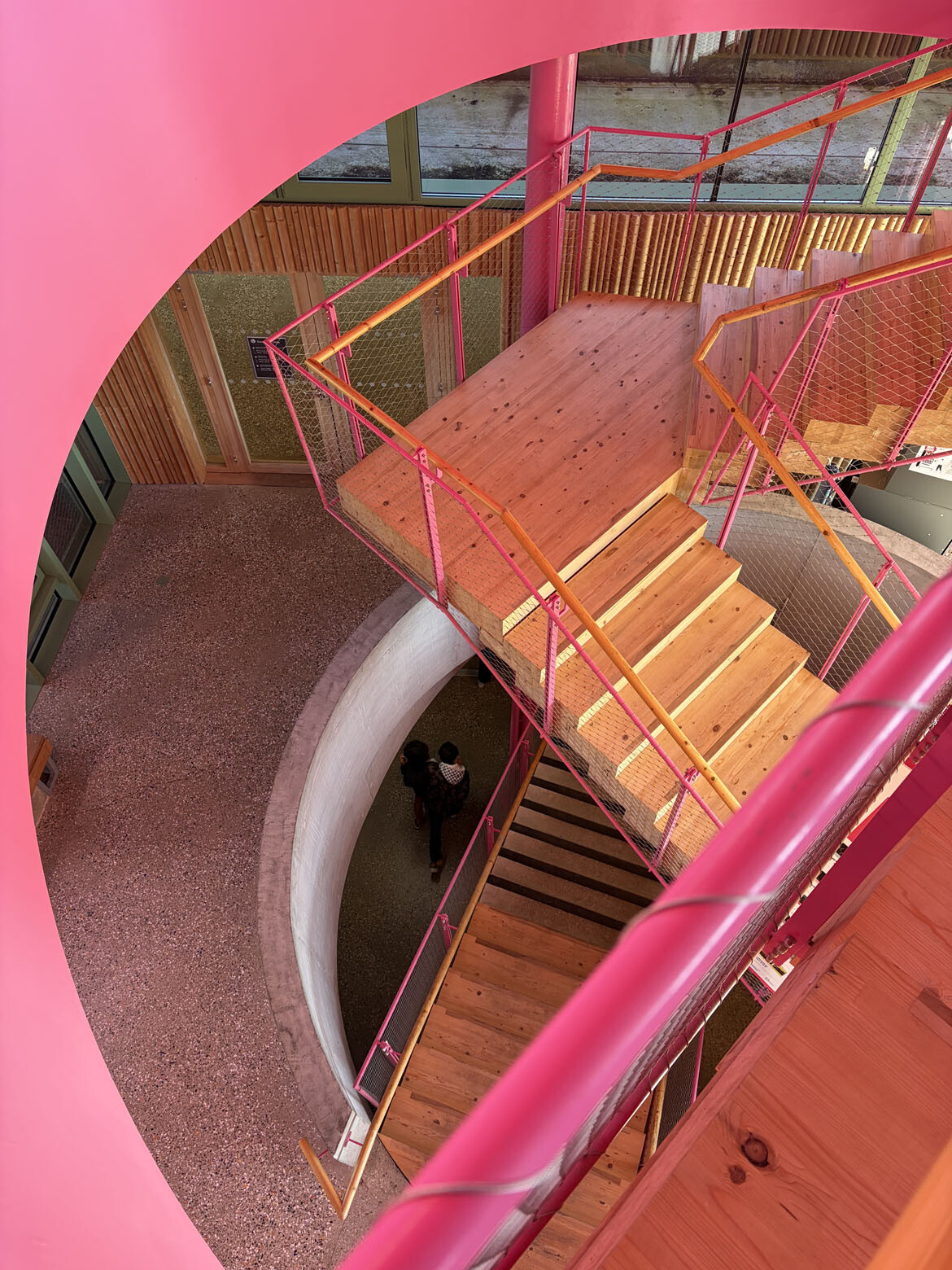
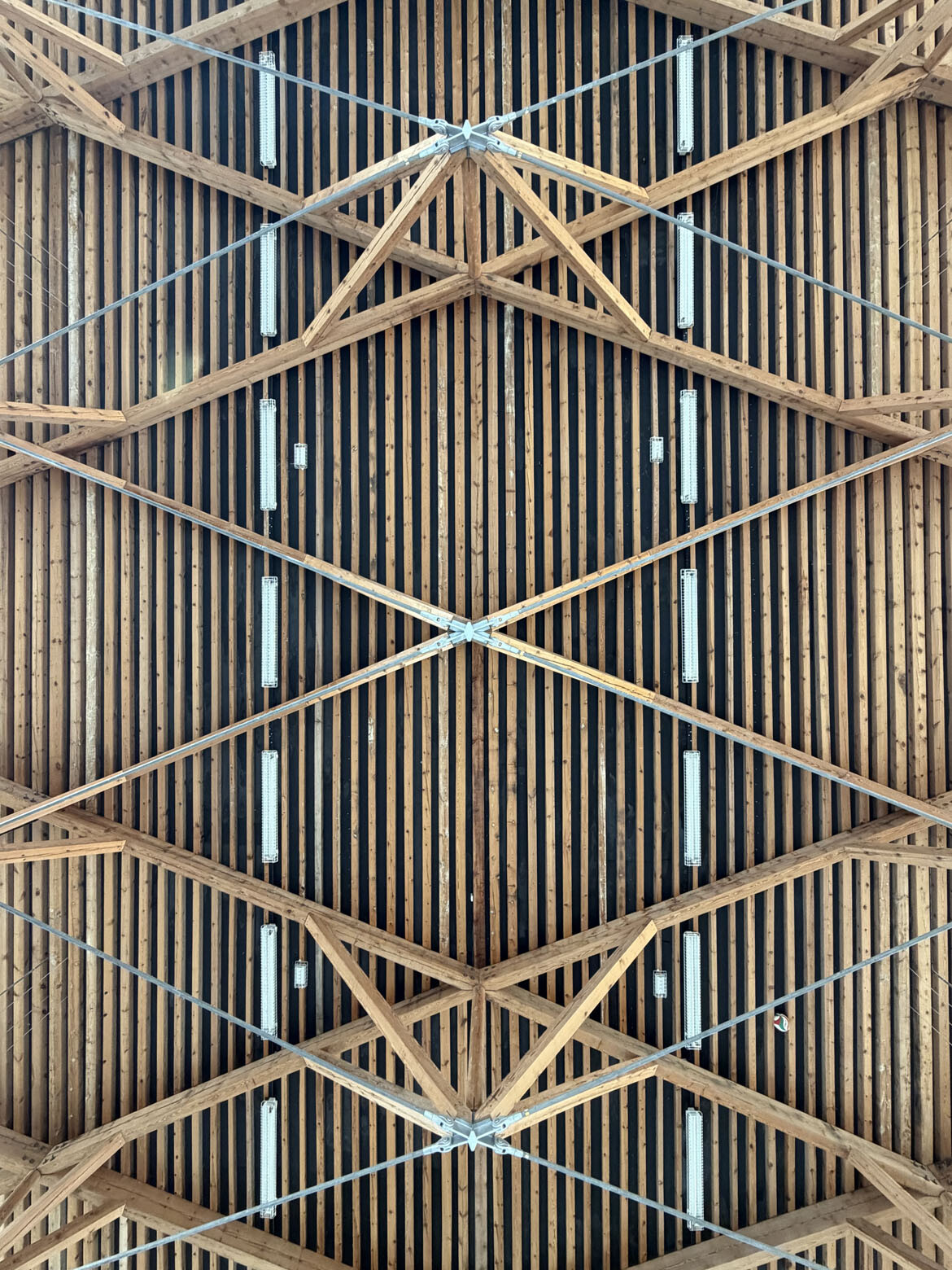
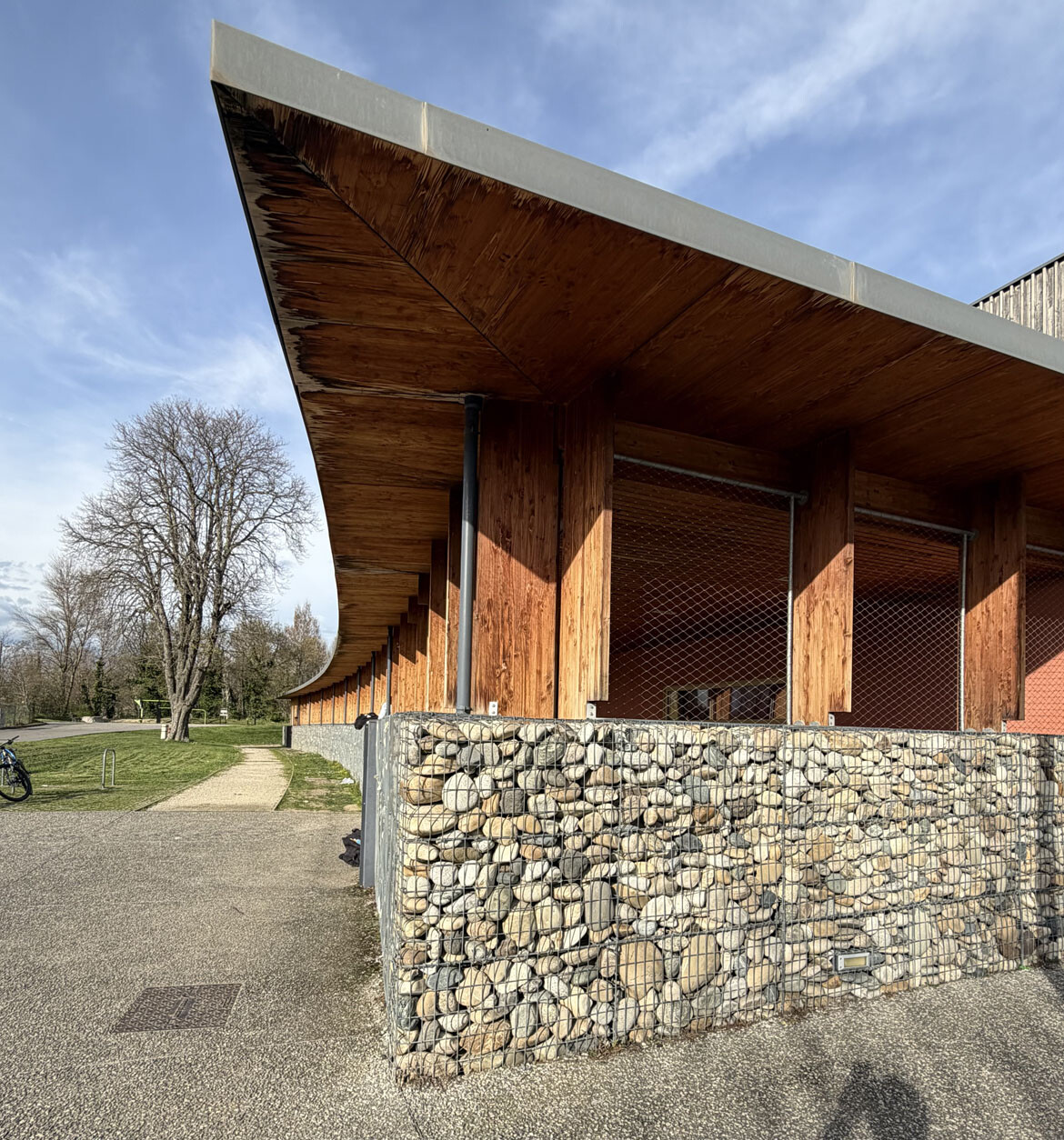
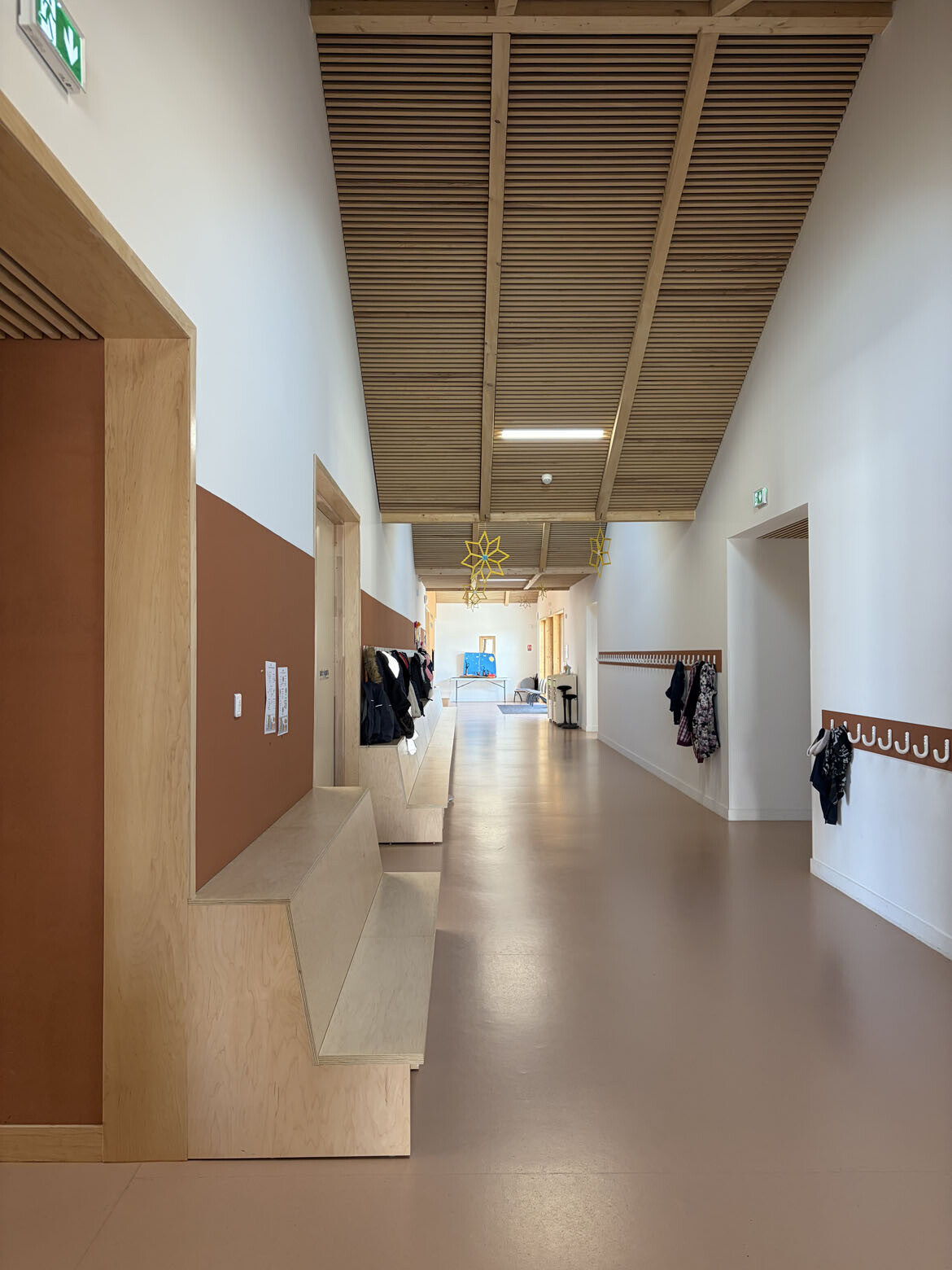
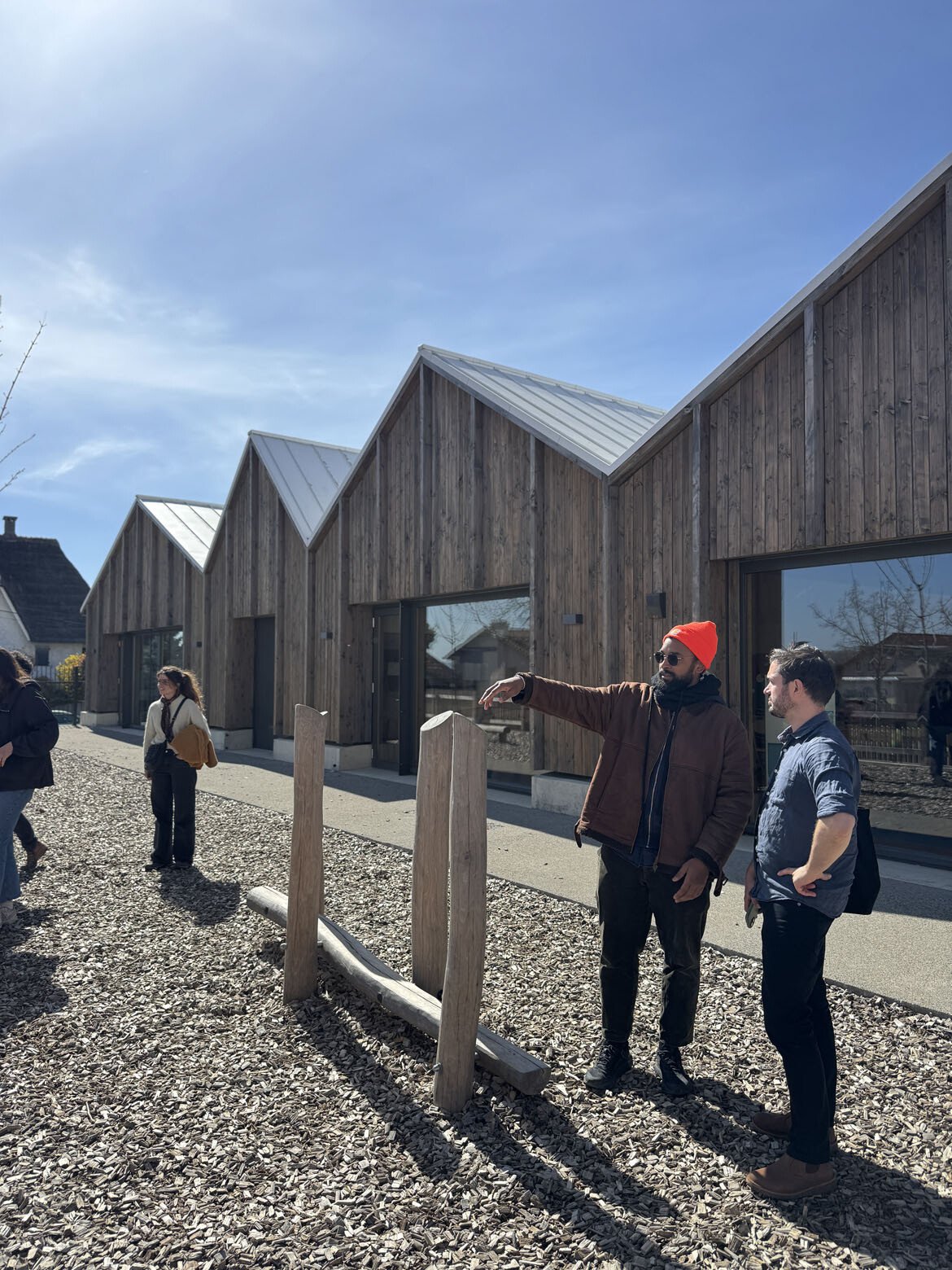
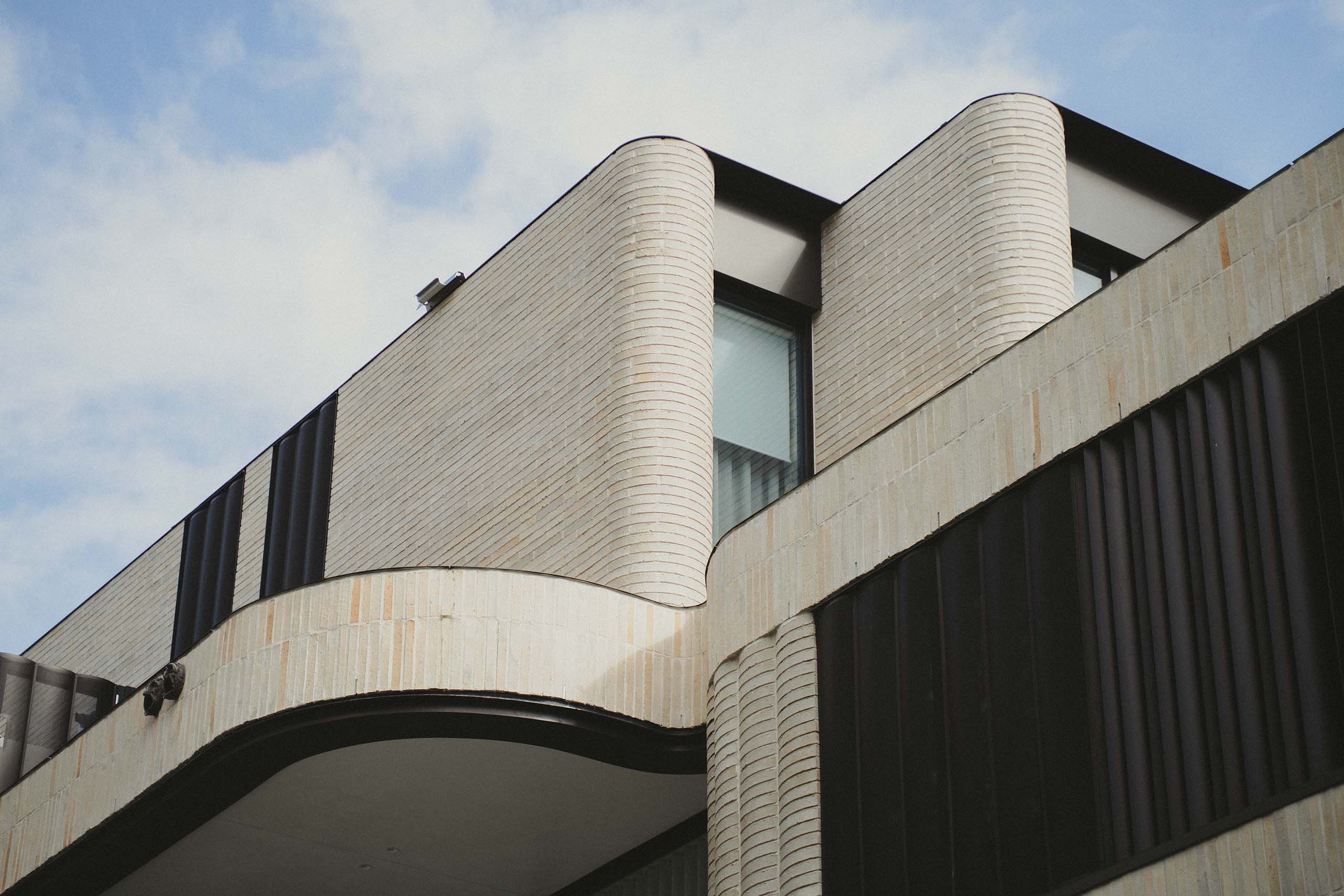
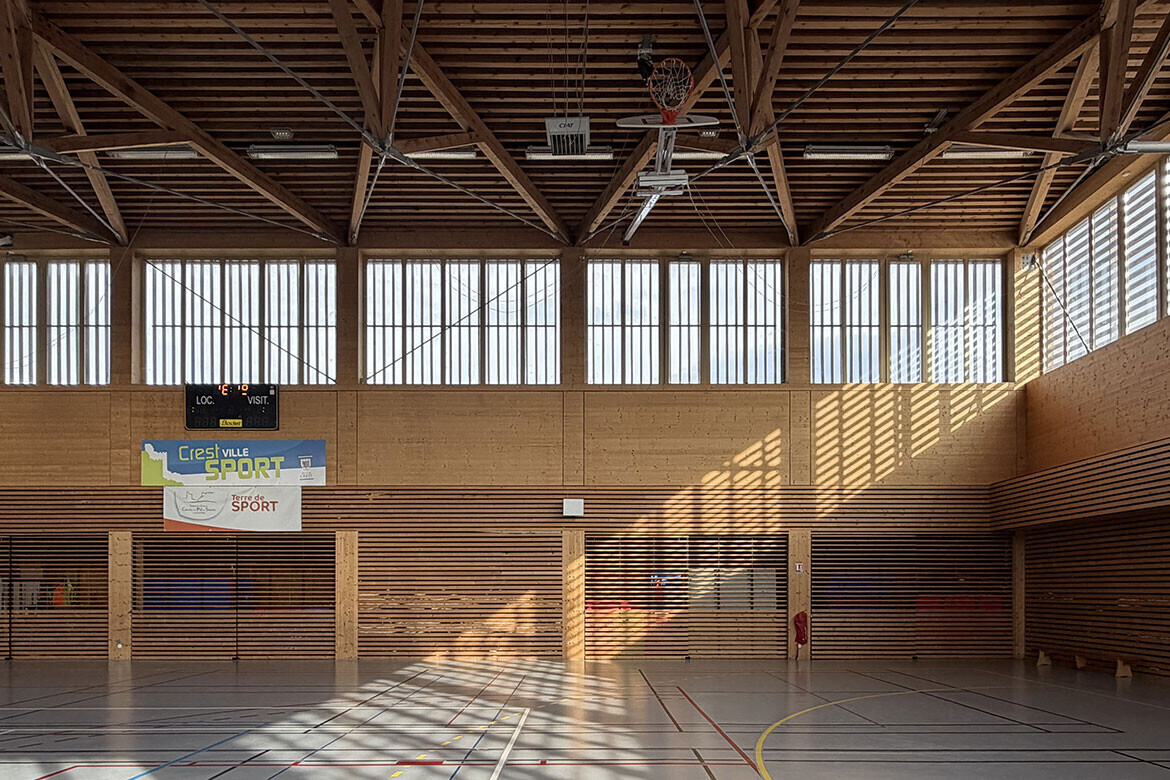
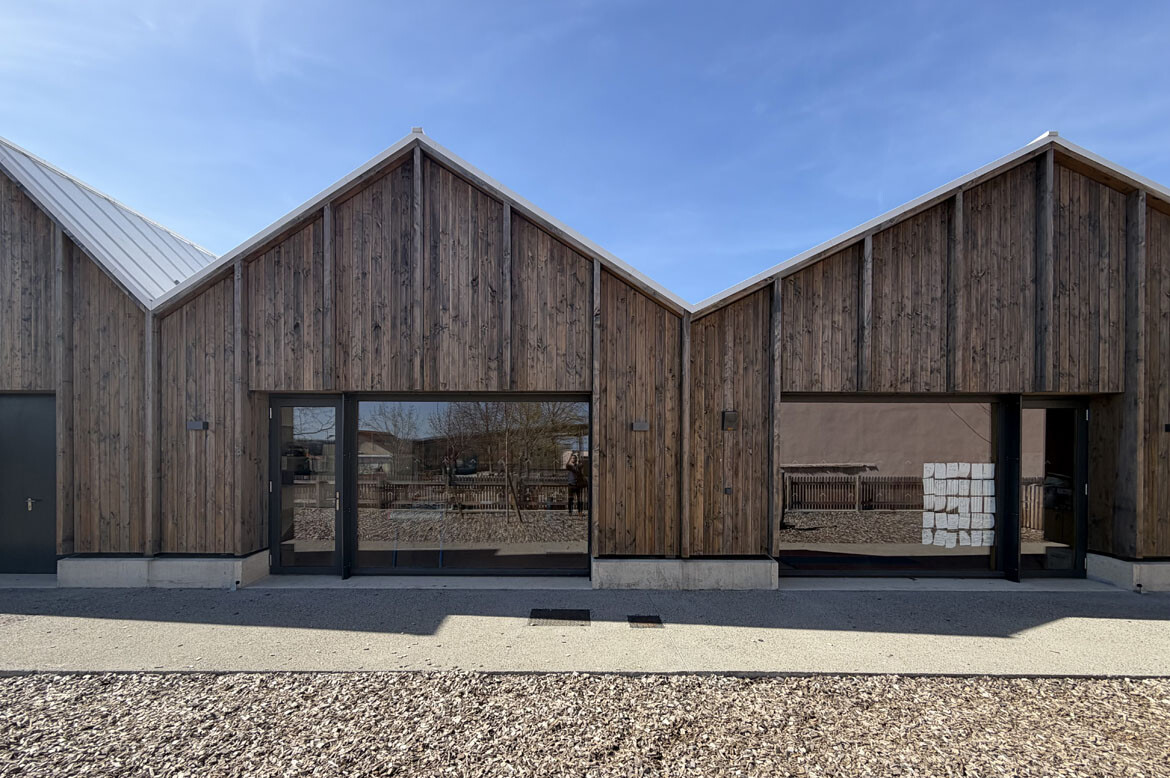
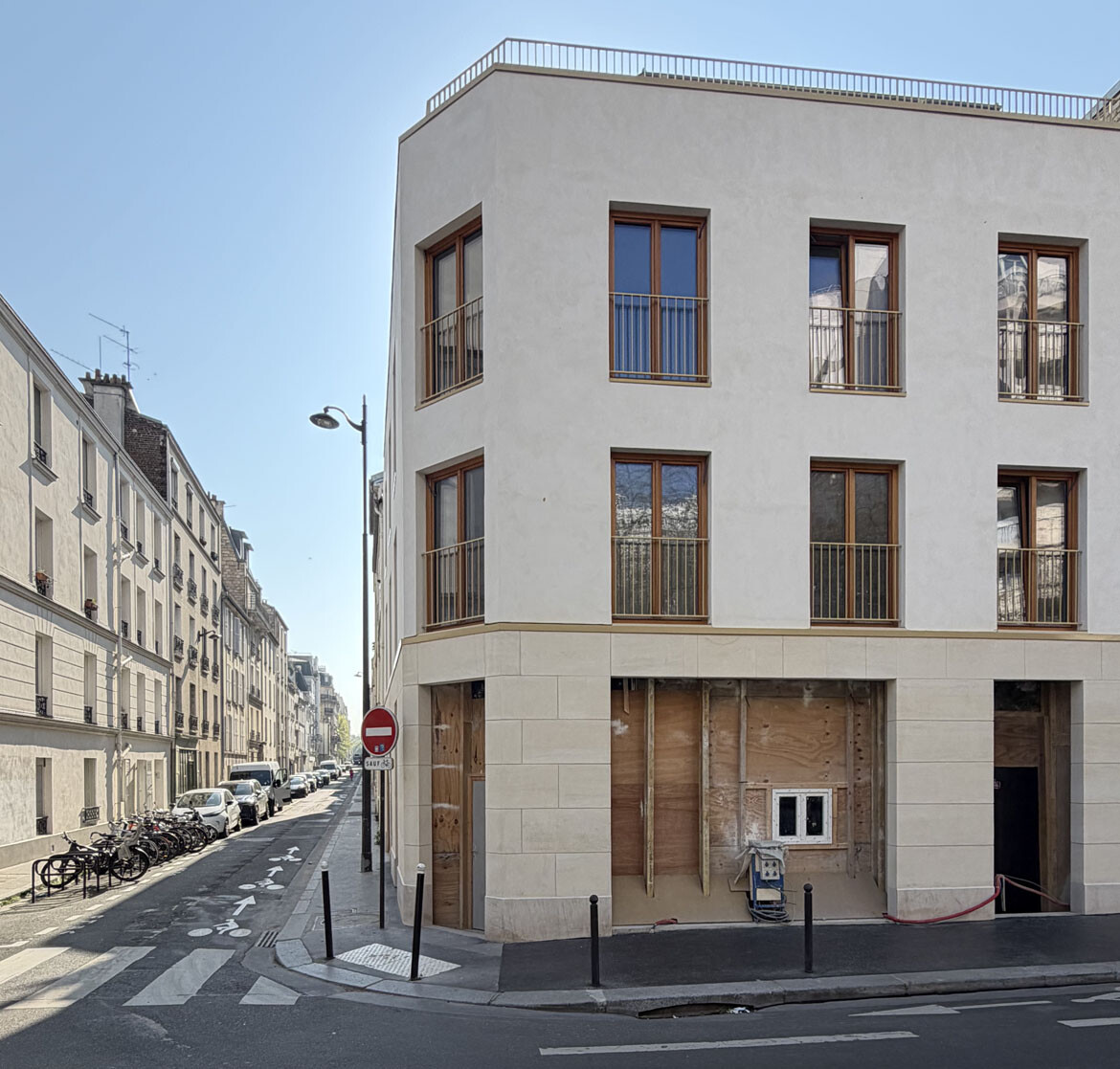
In France I visited two indoor sports centres, two small apartment buildings, a childcare centre, a mixed-use social enterprise development and a house under construction. A standout learning point has been the sheer versatility prefab straw construction, as well as the interplay between design, manufacture, cost and performance across different building typologies and scales.
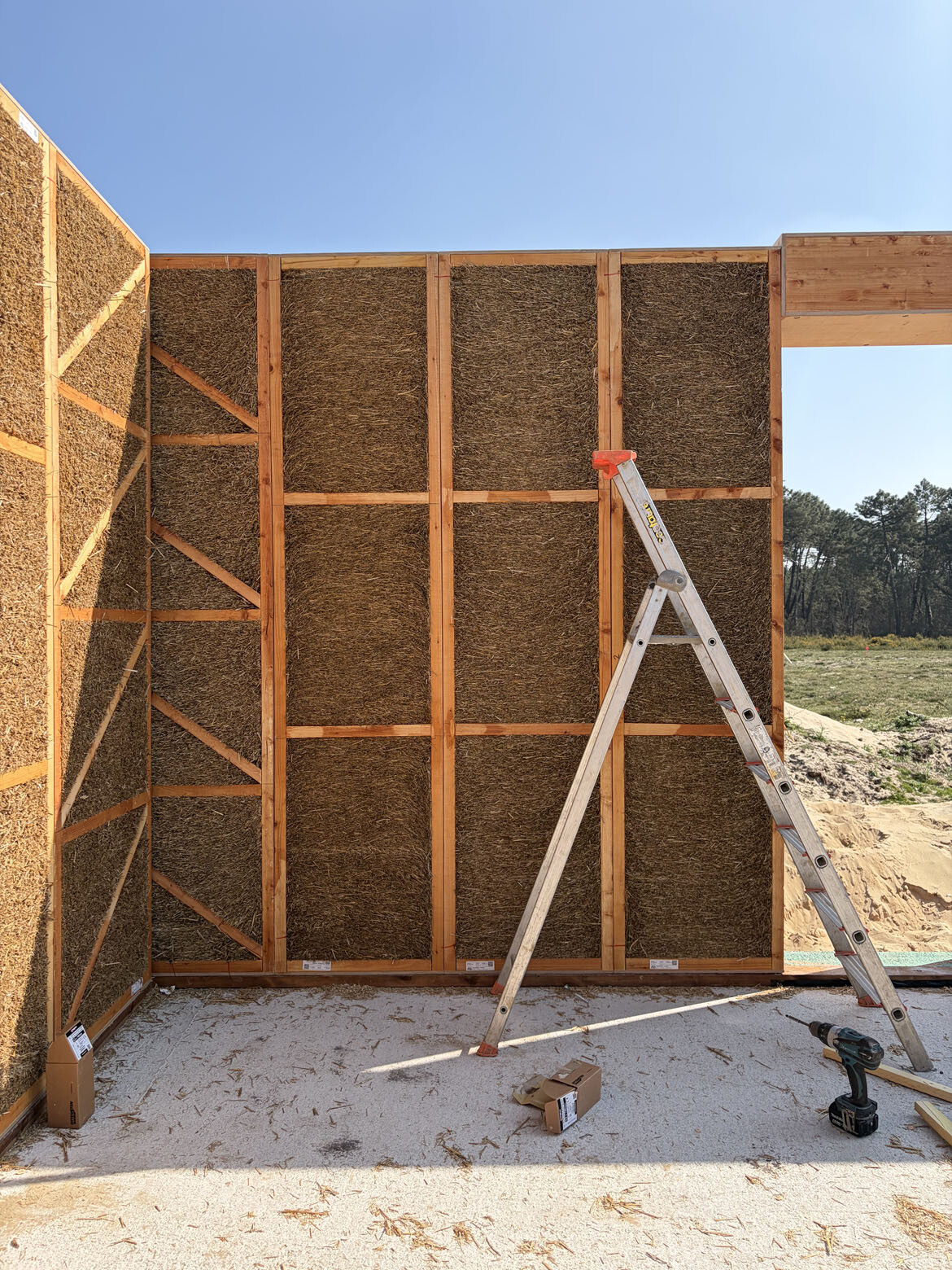
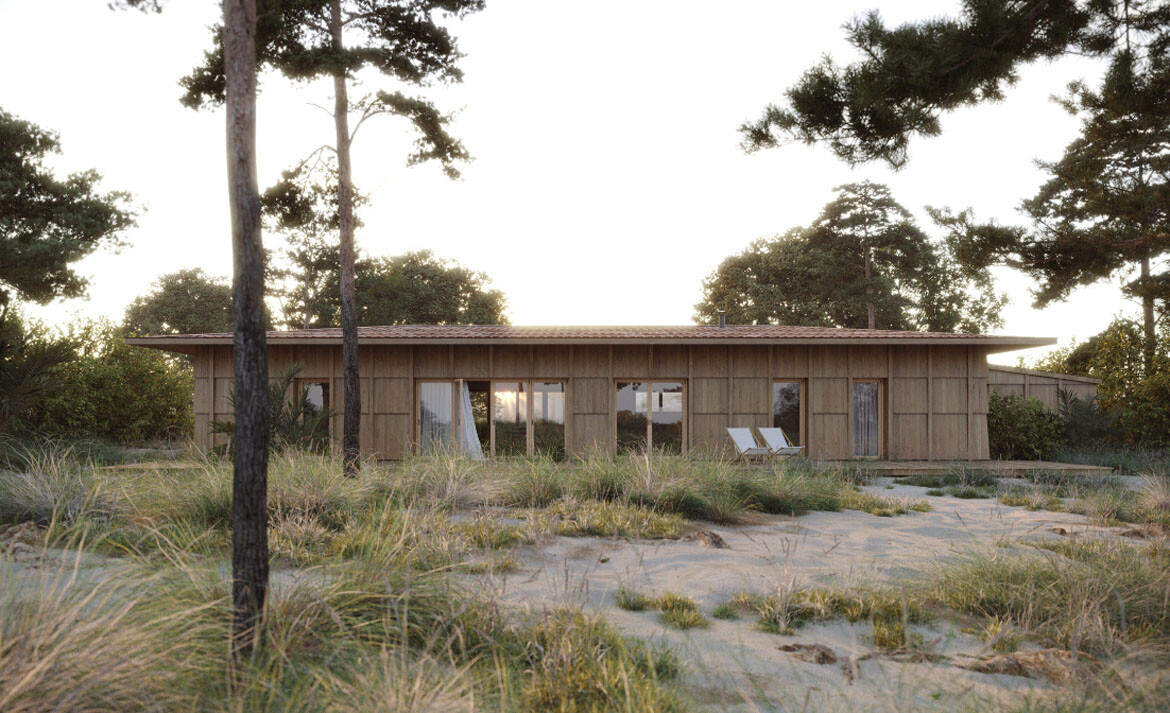
A highlight was visiting the house, 100 kilometres north of Bordeaux, on precisely the day the straw wall panels were being installed. Unlike traditional construction, a straw panel build is ‘blink and you miss it,’ so my timing was very fortunate. I got to observe a small carpentry team using handheld tools on a clean and quiet site to quickly fix panels into place. I was told this was the team’s first experience with straw panels. Even so, they’d built half a house in a day, to 1mm tolerance, using a print-out of a colourful axonometric diagram as an instruction manual. The similarity to building with Lego made me feel like a kid again.
I have met with architects, manufacturers, clients, contractors and engineers. I have been overwhelmed by the generosity of accommodation too. In particular, I extend thanks to Denis, Juste, Petra and Danica from EcoCocon Slovakia who shared a whole day of warmth and enthusiasm with me; to architects Véronique Klimine and Olavi Koponen who drove me around Auvergne-Rhône-Alpes for a day to show me their compelling projects; and to Geoffroy de Villele whom I met in three very different parts of France and whose organisation of site visits on my behalf was so kind.
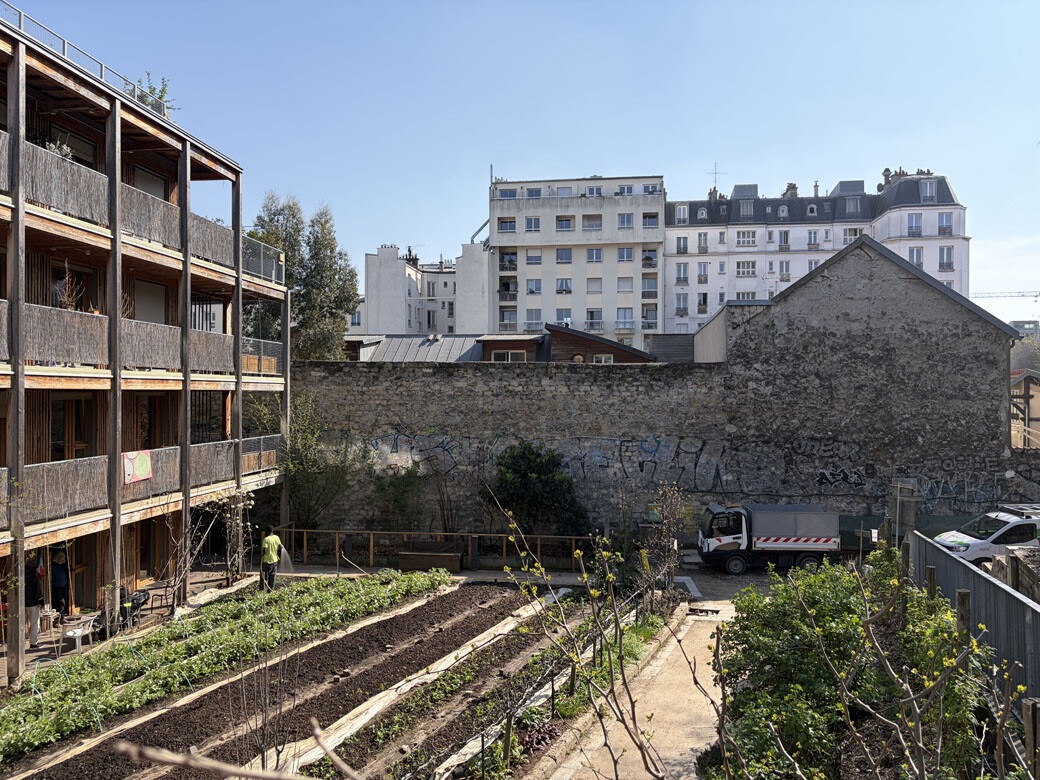
Halfway through my trip I’m wondering how we ever let architecture be separated from agriculture. From what I’ve seen, it feels like they are meant to be rejoined in symbiosis, nothing wasted, at once circular and biogenic. Anyway, I’ll tell myself that as I continue to support the local wheat growers by fetching another croissant…
My next stops are Denmark and Sweden. I have some incredible projects still to visit and some remarkable people to meet. I’ll check in again in another three weeks.